

Struggling with the weight of overly large breasts? You’re not alone. Many women experience chronic back pain, neck strain, and even emotional discomfort due to gigantomastia. The good news? تصغير الثدي isn’t just about aesthetics—it’s a life-changing procedure that can alleviate physical pain and restore confidence. But here’s the question on every woman’s mind: How many cup sizes can you drop safely? This guide cuts through the noise, offering clinically backed insights into achieving your ideal size while prioritizing health and comfort.
Whether you’re considering surgery for medical relief or aesthetic harmony, understanding the limits of breast reduction cup size drop is critical. From surgical techniques to recovery tips, we’ll explore how to balance your goals with safety—so you can finally say goodbye to discomfort and hello to a lighter, more confident you.
جدول المحتويات
The Goal of Reduction Mammoplasty: Comfort and Symmetry
تصغير الثدي is more than a cosmetic procedure—it’s a functional solution for women suffering from the physical and emotional toll of large breasts. The primary goals? Relieving chronic pain and achieving breast symmetry. But how does this translate to cup sizes?
On average, women can expect to drop 1 to 3 cup sizes safely, depending on their starting size, tissue density, and surgical technique. However, the focus isn’t just on the number—it’s on post-op comfort and proportional results. Surgeons prioritize removing enough tissue to alleviate pain while ensuring the breasts remain balanced with your body frame.
Weight of Tissue Removed
The amount of tissue removed directly impacts your breast reduction cup size drop. Typically, surgeons remove between 200 to 1,000 grams per breast, though this varies based on individual anatomy. For context:
- 200–500 grams: Often results in a 1-cup-size reduction, ideal for mild relief.
- 500–800 grams: Can lead to a 2-cup-size drop, significantly easing back and neck pain.
- 800+ grams: May achieve a 3-cup-size reduction, typically reserved for severe cases of gigantomastia.
Impact on Back and Neck Pain
Studies show that women who undergo تصغير الثدي experience up to an 80% reduction in chronic back and neck pain. The key? Achieving a size that aligns with your body’s center of gravity. A well-planned breast reduction cup size drop doesn’t just reshape your figure—it transforms your quality of life.
Surgical Techniques: Precision Matters
Not all breast reductions are created equal. The technique your surgeon uses can influence your breast reduction cup size drop and overall results. Here’s what you need to know:
1. Traditional Anchor Incision
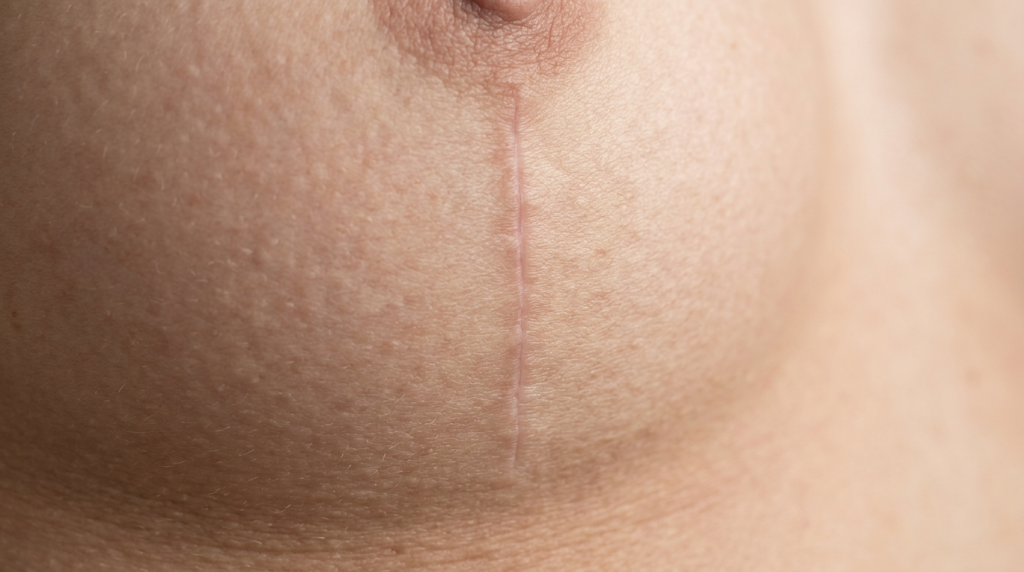
The most common method, ideal for significant reductions. It allows for extensive tissue removal and reshaping, making it a top choice for women aiming for a 2–3 cup size drop. While it leaves a scar around the areola, vertically down the breast, and along the crease, these typically fade over time.
2. Vertical (Lollipop) Incision
Less invasive than the anchor method, this technique is suited for moderate reductions (1–2 cup sizes). It results in a shorter scar but may limit the extent of tissue removal. Perfect for women prioritizing minimal scarring without compromising breast symmetry.
3. Liposuction-Assisted Reduction
Best for women with dense, fatty breast tissue. This method removes fat via liposuction, resulting in a 1-cup-size reduction with minimal scarring. However, it’s less effective for achieving breast symmetry in cases of significant sagging.

Recovery: What to Expect After Your Procedure
Achieving your ideal breast reduction cup size drop is just the first step. The recovery phase is where your body heals—and where you’ll start to feel the life-changing benefits of your surgery. Here’s a timeline to guide you:
First 48 Hours
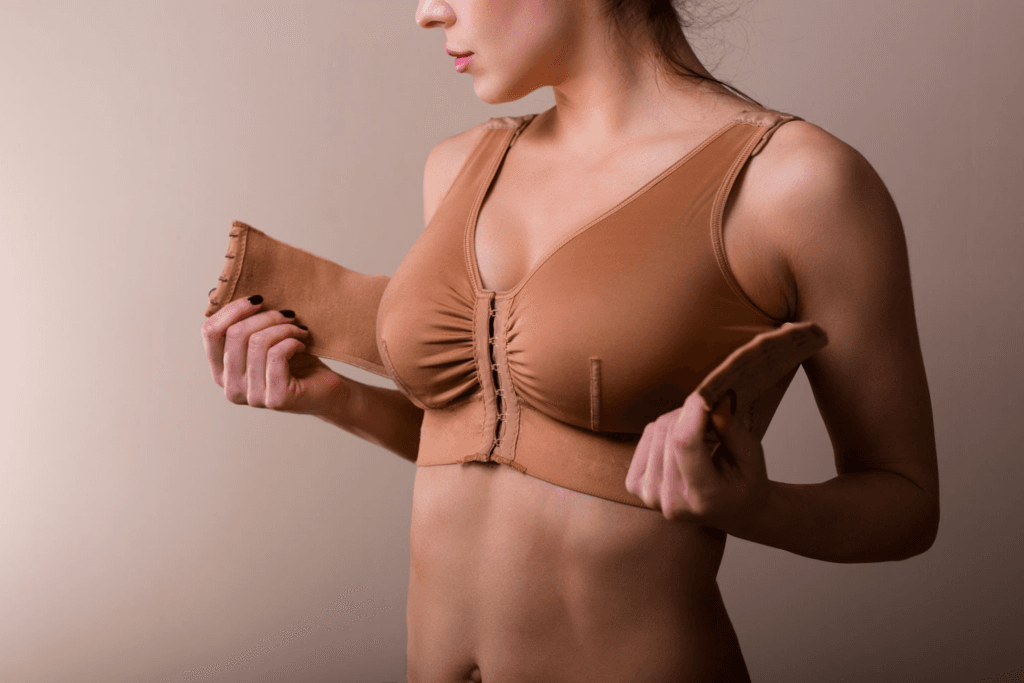
You’ll likely feel groggy from anesthesia and experience mild to moderate discomfort. Your surgeon will prescribe pain medication to manage this. Wear a supportive surgical bra to minimize swelling and promote post-op comfort.
First 2 Weeks
Swelling and bruising peak during this period. Avoid strenuous activities, especially lifting or bending. Focus on rest and hydration. Most women return to light duties (like desk work) after 7–10 days.
Weeks 3–6
Swelling subsides, and you’ll start seeing your final results. You can gradually resume exercise, but avoid high-impact activities until cleared by your surgeon. By week 6, most women feel ready to return to their full routine.
Long-Term Post-Op Comfort
After 3–6 months, your breasts will settle into their new shape. Scars will continue to fade, and you’ll enjoy the full benefits of your breast reduction cup size drop—from improved posture to renewed confidence in your clothing choices.
Can You Choose Your New Cup Size?
While you can’t dictate an exact cup size, you and your surgeon will collaborate to determine a realistic goal. Factors like your height, frame, and existing breast tissue play a role. The priority? Ensuring your new size aligns with your body proportions and health needs.
During your consultation, bring photos of your desired outcome. This helps your surgeon understand your aesthetic goals while keeping expectations grounded in what’s surgically feasible. Remember: The goal isn’t just a smaller cup size—it’s a healthier, happier you.
Will Insurance Cover Your Breast Reduction?
In many cases, yes—especially if your procedure is medically justified. Insurance providers often cover تصغير الثدي for women experiencing chronic pain, rashes, or other health issues due to large breasts. To qualify, you may need to provide:
- Documentation of symptoms (e.g., physical therapy records, chiropractor notes).
- Proof that conservative treatments (like specialized bras or pain management) haven’t worked.
- A letter from your surgeon outlining the medical necessity of the procedure.
Check with your provider for specific requirements. If insurance isn’t an option, many clinics offer financing plans to make the procedure accessible.

Choosing the Right Surgeon: Your Key to Success
Your surgeon’s expertise directly impacts your breast reduction cup size drop and overall satisfaction. Here’s what to look for:
- Board Certification: Ensure your surgeon is certified by a recognized plastic surgery board.
- Experience with تصغير الثدي: Ask how many procedures they’ve performed and request before-and-after photos.
- Patient-Centered Approach: Your surgeon should listen to your goals and explain the process in a way that puts you at ease.
- التسعير الشفاف: Avoid hidden fees. A reputable clinic will provide a clear breakdown of costs upfront.
Don’t hesitate to ask tough questions. A great surgeon will welcome your curiosity and prioritize your post-op comfort above all else.
Frequently Asked Questions About Breast Reduction
How many cup sizes can I realistically drop with breast reduction?
Most women drop 1 to 3 cup sizes safely, depending on their starting size and surgical technique. Your surgeon will help you determine a realistic goal based on your body proportions and health needs.
Will breast reduction eliminate my back pain?
Yes! Studies show that تصغير الثدي reduces chronic back and neck pain by up to 80%. The key is achieving a size that aligns with your body’s center of gravity.
How long does recovery take?
Most women return to light activities within 1–2 weeks and full routines by 6 weeks. Full healing and final results take about 3–6 months.
Will my breasts look natural after surgery?
Absolutely. A skilled surgeon prioritizes breast symmetry and natural contours, ensuring your results look proportional to your body frame.
Can I breastfeed after breast reduction?
It’s possible, but not guaranteed. The procedure may affect milk production, especially if the nipple is repositioned. Discuss this with your surgeon if you plan to breastfeed in the future.
Ready to Transform Your Life?
أ breast reduction cup size drop isn’t just about changing your appearance—it’s about reclaiming your comfort, confidence, and quality of life. If you’re ready to take the next step, schedule a consultation with our expert team. We’ll guide you through every stage, from your first question to your final results.
Your journey to a lighter, happier you starts here.
 Arabic
  English
  German
  Russian
  Turkish
  Spanish
  Italian