

Italy, a nation celebrated for its rich history, artistic heritage, and profound appreciation for beauty, is also emerging as a significant hub in the global cosmetic surgery landscape. The pursuit of aesthetic enhancement in Italy is not merely a fleeting trend but a deeply ingrained cultural phenomenon, reflecting a societal value placed on personal presentation and well-being. This comprehensive analysis delves into the intricate dynamics of the Italian cosmetic surgery market, examining the prevailing trends, the most sought-after procedures, a detailed cost analysis, and the overarching factors propelling its remarkable growth. Understanding this market requires a nuanced perspective, acknowledging both the traditional influences and the rapid advancements in medical technology that are collectively reshaping patient preferences and industry practices.
The Italian cosmetic surgery market is currently undergoing a transformative period, characterized by a notable shift towards less invasive techniques and an intensified focus on patient safety. This evolution is not isolated but is part of a broader global movement within medical aesthetics, where individuals are increasingly seeking subtle yet impactful enhancements. The influence of digital platforms, particularly social media, plays a pivotal role in this shift, democratizing access to information and fostering a more open dialogue around cosmetic procedures. As a result, the market is witnessing a surge in demand across various demographics, with a growing emphasis on personalized care and natural-looking results. This detailed exploration aims to provide a definitive resource for understanding the multifaceted aspects of Italy’s cosmetic surgery sector, from its foundational principles to its future trajectory.
The economic footprint of Italy’s cosmetic surgery market is substantial and continues to expand. In 2024, the market was valued at an estimated 1806.6 million USD, a figure projected to rise significantly to 3362.1 million USD by 2035, demonstrating a robust compound annual growth rate (CAGR) of 5.81% between 2025 and 2035 (Market Research Future, 2025). This impressive growth trajectory underscores the increasing investment in medical aesthetics and the sustained consumer interest in enhancing physical appearance. The market’s expansion is further fueled by a combination of factors, including an aging population seeking to maintain a youthful visage, a younger demographic embracing cosmetic procedures for self-expression, and continuous innovations in surgical and non-surgical techniques. These elements collectively contribute to a vibrant and competitive market environment, where clinics and practitioners are constantly striving to meet evolving patient demands.
Beyond the statistics, the Italian cosmetic surgery market is defined by its commitment to high standards of care and ethical practice. The country’s robust regulatory framework, overseen by institutions such as the Italian Ministry of Health, ensures that all procedures adhere to stringent safety guidelines. This regulatory oversight not only protects patients but also builds trust and confidence in the industry, encouraging more individuals to consider cosmetic enhancements. Furthermore, the presence of highly skilled and experienced plastic surgeons, many of whom are internationally recognized, contributes to Italy’s reputation as a leading destination for cosmetic procedures. This blend of cultural acceptance, technological advancement, economic growth, and a strong regulatory environment positions Italy at the forefront of the European cosmetic surgery market, offering a compelling case study in the evolution of aesthetic medicine.
The scope of this article will encompass a deep dive into the core principles driving market growth, mechanistic details of popular procedures, real-world applications through case studies, and an analysis of future implications and long-term impacts. We will explore how patient preferences are shaping the market, the role of technological innovations, and the competitive landscape among key players. By examining these critical facets, we aim to provide a holistic understanding of the Italian cosmetic surgery market, offering valuable insights for professionals, patients, and stakeholders alike. The journey through this dynamic sector reveals a fascinating interplay of cultural values, scientific progress, and individual aspirations, all converging to define the future of beauty in Italy.

جدول المحتويات
The Evolving Landscape of Italy’s Cosmetic Surgery Market
The Italian cosmetic surgery market is experiencing a significant transformation, moving beyond traditional surgical interventions to embrace a wider spectrum of aesthetic solutions. This evolution is largely driven by a growing societal acceptance of cosmetic procedures, influenced heavily by digital media and celebrity culture. Individuals are increasingly viewing aesthetic enhancements not as a luxury, but as an integral part of self-care and personal empowerment. This shift in perception has broadened the market’s appeal, attracting a more diverse patient base, including younger demographics and a rising number of male clients (Market Research Future, 2025).
Rise of Non-Surgical Procedures: A Paradigm Shift
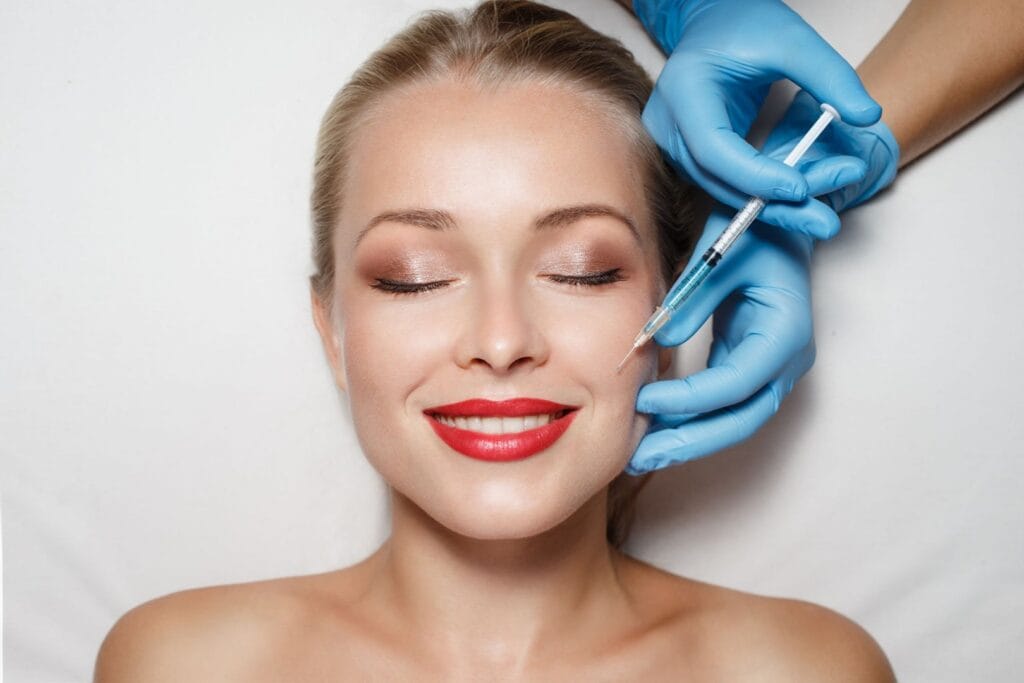
One of the most prominent trends in the Italian cosmetic surgery market is the remarkable surge in non-surgical procedures. These minimally invasive treatments, such as dermal fillers, Botox injections, and laser therapies, offer compelling advantages, including reduced downtime, lower risk profiles, and more subtle, natural-looking results. This growing preference for less aggressive interventions reflects a desire among patients for gradual enhancements that seamlessly integrate into their daily lives without requiring extensive recovery periods. The convenience and efficacy of these procedures have made them particularly popular in urban centers like Milan and Rome, where busy lifestyles necessitate quick and efficient aesthetic solutions (Market Research Future, 2025).
The appeal of non-surgical options extends beyond mere convenience; they also represent a more accessible entry point into the world of aesthetic medicine. For many, these treatments serve as a preliminary step before considering more invasive surgeries, allowing them to explore and understand the potential outcomes. The continuous advancements in non-surgical technologies, coupled with the increasing expertise of practitioners, further solidify their position as a dominant force in the market. This segment is not only the largest but also the fastest-growing, indicating a sustained shift in consumer preferences towards less invasive aesthetic solutions (Market Research Future, 2025).
Technological Advancements and Enhanced Safety Measures
Technological innovation is a critical driver of growth and evolution within the Italian cosmetic surgery market. The integration of advanced technologies, such as 3D imaging for pre-operative planning and the nascent application of artificial intelligence in surgical practices, is significantly enhancing precision, safety, and patient satisfaction. These innovations allow for more accurate simulations of potential outcomes, enabling patients to visualize their results before undergoing any procedure. This transparency and predictability contribute to a higher level of trust and confidence in the medical aesthetic process (Market Research Future, 2025).
Alongside technological advancements, there is a heightened emphasis on patient safety and regulatory compliance. The Italian Ministry of Health has implemented stringent guidelines and mandatory certifications for practitioners and clinics, ensuring that all procedures meet high standards of care. This robust regulatory framework not only protects patients but also elevates the overall credibility and professionalism of the industry. The commitment to safety, combined with continuous innovation, fosters an environment where patients feel secure in their decisions, further stimulating market growth (Market Research Future, 2025).
Key Drivers and Influences on Market Growth
Several interconnected factors are propelling the growth of the Italian cosmetic surgery market, creating a dynamic and expanding sector. These drivers range from evolving societal perceptions to significant investments in medical aesthetics, all contributing to a robust and forward-looking industry.
Growing Demand for Aesthetic Enhancement
The fundamental driver of the Italian cosmetic surgery market is the escalating demand for aesthetic enhancement procedures. This trend is deeply rooted in a societal emphasis on physical appearance and self-image, amplified by the pervasive influence of social media. Platforms like Instagram and TikTok showcase idealized beauty standards, inspiring individuals to seek cosmetic interventions to achieve desired looks. This cultural shift has transformed cosmetic procedures from a niche offering into a mainstream pursuit, with a projected CAGR of approximately 7.5% over the next five years for this demand (Market Research Future, 2025).
The desire for aesthetic improvement is not solely driven by external pressures; it also stems from a personal quest for self-confidence and well-being. Patients often report a significant boost in self-esteem and an improved quality of life following successful cosmetic procedures. This intrinsic motivation, combined with external societal influences, creates a powerful impetus for market growth, ensuring a steady stream of individuals seeking to enhance their appearance.
Increased Investment in Medical Aesthetics
The Italian cosmetic surgery market is also benefiting from substantial financial investment, signaling strong confidence in its future potential. The influx of private equity and venture capital into aesthetic clinics and surgical centers is enabling these facilities to expand their service offerings, upgrade infrastructure, and adopt cutting-edge technologies. In 2025, the market is estimated to reach a valuation of approximately €1.5 billion, reflecting this robust investment interest (Market Research Future, 2025).
This increased investment fosters a competitive environment that prioritizes patient satisfaction and innovation. Clinics are able to invest in advanced training for their staff, acquire state-of-the-art equipment, and develop new, more effective treatment protocols. This financial backing not only boosts the market’s growth but also elevates the overall standard of care, making high-quality cosmetic procedures more accessible to a wider population.
Changing Demographics and Consumer Behavior
The demographic landscape in Italy is undergoing significant shifts, directly impacting the cosmetic surgery market. There is a noticeable increase in individuals aged 30 to 50 seeking cosmetic procedures, driven by a desire to maintain a youthful appearance and combat the visible signs of aging. This demographic segment is increasingly willing to invest in personal aesthetics, viewing it as a long-term commitment to their well-being. Data suggests that approximately 60% of patients in this age group are motivated by both personal satisfaction and social acceptance (Market Research Future, 2025).
Furthermore, the rise of male patients seeking cosmetic enhancements indicates a broader acceptance of these procedures across genders. This diversification of the consumer base necessitates that the cosmetic surgery market adapts its offerings to meet the unique needs and preferences of various demographic segments. From anti-aging treatments for older adults to subtle enhancements for younger individuals, the market is evolving to cater to a wider array of aesthetic goals, ensuring sustained growth and relevance.
Popular Procedures and Their Mechanistic Details
The Italian cosmetic surgery market offers a diverse range of procedures, broadly categorized into invasive (surgical) and non-invasive (non-surgical) treatments. Each category addresses distinct aesthetic concerns and employs specific mechanistic approaches to achieve desired outcomes.
Invasive Procedures: Lasting Transformations
Invasive procedures, often referred to as surgical cosmetic interventions, are designed to provide more dramatic and long-lasting transformations. These procedures typically involve incisions, tissue manipulation, and a longer recovery period compared to non-invasive options. Despite the more involved nature, they remain highly popular for individuals seeking significant changes to their physical appearance (Market Research Future, 2025).
Facelifts (Rhytidectomy)
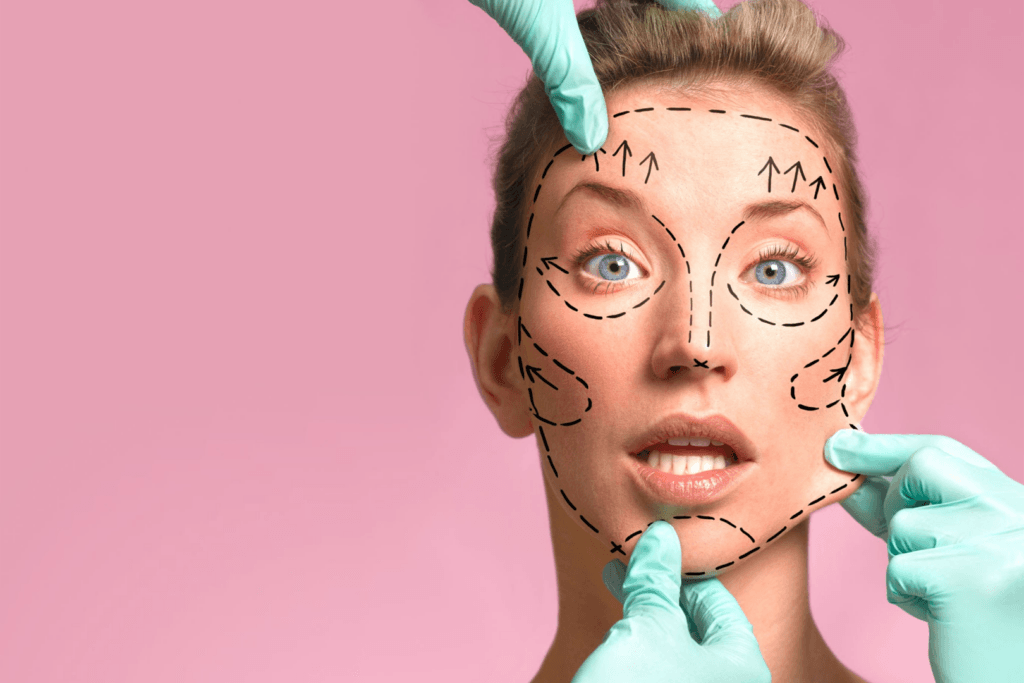
A facelift is a surgical procedure aimed at reducing visible signs of aging in the face and neck, such as sagging skin, deep creases below the lower eyelids, and loose skin and excess fat under the chin and jaw. Mechanistically, a surgeon makes incisions, typically along the hairline and around the ears, to lift and reposition underlying tissues and muscles. Excess skin is then trimmed, and the remaining skin is redraped over the newly contoured facial structure, resulting in a smoother, more youthful appearance. The procedure effectively tightens the skin and underlying musculature, providing a rejuvenated facial contour.
شفط الدهون
Liposuction is a body contouring procedure that removes excess fat deposits from specific areas of the body, such as the abdomen, hips, thighs, and arms. The mechanistic process involves making small incisions through which a thin tube, called a cannula, is inserted. The cannula is moved back and forth to dislodge fat cells, which are then suctioned out using a vacuum pump or syringe. This procedure is particularly effective for individuals who are close to their ideal weight but have stubborn pockets of fat that are resistant to diet and exercise. It sculpts the body by permanently removing fat cells from targeted areas.
Breast Augmentation (Mammoplasty)
Breast augmentation is a surgical procedure to increase breast size and improve breast shape, often using saline or silicone implants. The mechanistic approach involves making incisions, typically in the crease under the breast, around the areola, or in the armpit. The surgeon then creates a pocket either under the pectoral muscle or directly behind the breast tissue to insert the implant. The choice of implant type and placement depends on individual patient anatomy and desired outcomes. This procedure enhances breast volume and contour, contributing to a more balanced and proportionate figure.
Non-Invasive Procedures: Subtle Enhancements with Minimal Downtime
Non-invasive procedures have gained immense popularity due to their ability to provide noticeable aesthetic improvements with minimal downtime and reduced risks. These treatments typically involve injections, topical applications, or energy-based devices, offering a convenient alternative to surgery (Market Research Future, 2025).
Botox Injections (Botulinum Toxin)
Botox injections are widely used to reduce the appearance of facial wrinkles and fine lines, particularly those caused by muscle contractions, such as frown lines, crow’s feet, and forehead lines. Mechanistically, botulinum toxin is injected into specific muscles, temporarily blocking nerve signals that cause muscle contractions. This relaxation of the muscles smooths out the overlying skin, reducing the visibility of wrinkles. The effects are temporary, typically lasting three to six months, requiring repeat treatments to maintain results.
Dermal Fillers
Dermal fillers are injectable substances used to restore volume, smooth wrinkles, and enhance facial contours. Common types include hyaluronic acid fillers, which work by attracting and holding water, thereby plumping up the skin and filling in lines and folds. Mechanistically, the filler material is injected directly into the skin at various depths, depending on the area being treated and the desired outcome. They can be used to augment lips, fill in nasolabial folds, enhance cheekbones, and improve the appearance of hollow areas. The results are immediate and can last from several months to over a year, depending on the type of filler and individual metabolism.
Laser Therapies
Laser therapies encompass a range of treatments that use focused light energy to address various skin concerns, including wrinkles, sun damage, pigmentation issues, and acne scars. Mechanistically, different types of lasers target specific chromophores (light-absorbing molecules) in the skin. For example, ablative lasers remove outer layers of damaged skin, stimulating collagen production and revealing smoother, younger-looking skin. Non-ablative lasers heat the underlying skin tissue without damaging the surface, promoting collagen remodeling. These therapies offer precise control over skin rejuvenation, with varying degrees of downtime depending on the intensity of the treatment.
Cost Analysis of Cosmetic Procedures in Italy
Understanding the cost of cosmetic surgery in Italy is crucial for prospective patients. Prices can vary significantly based on several factors, including the type of procedure, the surgeon’s experience and reputation, the clinic’s location and facilities, and the complexity of the individual case. While Italy offers competitive pricing compared to some other Western European countries, it maintains high standards of quality and safety.
العوامل المؤثرة على التكلفة
- Procedure Type: Invasive surgeries generally incur higher costs due to longer operating times, anesthesia, and post-operative care. Non-invasive treatments, while often requiring multiple sessions, typically have lower per-session costs.
- Surgeon’s Expertise: Highly experienced and renowned surgeons often command higher fees, reflecting their specialized skills and successful track record.
- Clinic Location and Facilities: Clinics in major metropolitan areas like Milan or Rome may have higher overheads, which can be reflected in their pricing. The quality of the facility, including advanced equipment and amenities, also plays a role.
- رسوم التخدير: Surgical procedures require anesthesia, and the cost varies depending on the type of anesthesia (local, general) and the duration of the surgery.
- الرعاية قبل وبعد العملية الجراحية: This can include consultations, follow-up appointments, medications, and specialized garments, all of which contribute to the overall cost.
It is important for patients to receive a detailed breakdown of all costs involved during their initial consultation to avoid any hidden fees. Many clinics offer financing options or payment plans to make procedures more accessible.
Real-World Applications and Case Studies
The impact of cosmetic surgery in Italy extends beyond individual aesthetic goals, influencing various aspects of personal and professional life. Real-world applications demonstrate how these procedures contribute to enhanced self-confidence, improved social interactions, and even career advancement.
Case Study 1: Facial Rejuvenation for Professional Advancement
Maria, a 52-year-old marketing executive in Milan, sought facial rejuvenation to address signs of aging that she felt were impacting her professional image. After extensive research, she opted for a combination of non-invasive treatments, including Botox for forehead lines and dermal fillers for volume loss in her cheeks. The procedures were performed over several sessions, allowing for gradual and natural-looking results. Maria reported feeling more confident and energetic in her professional interactions, believing that her refreshed appearance helped her maintain a competitive edge in a youth-centric industry. This case highlights the growing trend of professionals investing in aesthetic procedures to align their external appearance with their internal vitality and career aspirations.
Case Study 2: Body Contouring Post-Weight Loss
Marco, a 45-year-old from Rome, underwent significant weight loss through diet and exercise, but was left with excess skin around his abdomen and arms. He decided to pursue liposuction and a mini tummy tuck to achieve a more contoured physique. The surgical interventions were carefully planned to address his specific concerns, resulting in a dramatic improvement in his body shape. Marco expressed immense satisfaction with the results, stating that the procedures completed his weight loss journey and significantly boosted his self-esteem. This case illustrates the transformative power of cosmetic surgery in helping individuals achieve their desired body image after substantial lifestyle changes.
Case Study 3: Addressing Congenital Asymmetries
Elena, a young woman in her early twenties, had always been self-conscious about a minor congenital asymmetry in her nose. After consulting with a specialist in Florence, she underwent a تجميل الانف to refine her nasal contours and achieve greater facial harmony. The surgeon utilized advanced imaging techniques to plan the procedure meticulously, ensuring a natural and balanced outcome. Elena’s experience underscores how cosmetic surgery can address long-standing insecurities, leading to profound psychological benefits and an enhanced sense of self-acceptance. These real-world examples demonstrate the diverse motivations and positive impacts of cosmetic procedures within the Italian context.
Future Implications and Long-Term Impact Analysis
The trajectory of the Italian cosmetic surgery market points towards a future characterized by continued innovation, increasing personalization, and a deeper integration of technology. These trends are expected to have significant long-term impacts on both the industry and societal perceptions of beauty and aging.
Personalization and Predictive Aesthetics
The future of cosmetic surgery in Italy will likely see an even greater emphasis on personalization. Advances in genetic profiling and AI-driven predictive modeling could allow for highly customized treatment plans that consider individual biological responses and aesthetic goals. This means procedures will be tailored not just to current appearance but also to how an individual’s features are likely to evolve over time. Such precision will enhance patient satisfaction and the longevity of results, moving beyond a one-size-fits-all approach to truly bespoke aesthetic solutions.
Telemedicine and Accessibility
The expansion of telemedicine consultations for pre- and post-operative care represents a significant opportunity for the Italian market (Market Research Future, 2025). This will enhance accessibility, particularly for patients in remote areas or those with limited mobility. Virtual consultations can streamline the initial assessment process, provide convenient follow-up care, and facilitate ongoing communication between patients and practitioners. This digital transformation will not only improve patient convenience but also optimize clinic efficiency, making aesthetic services more widely available across the country.
Ethical Considerations and Societal Integration
As cosmetic procedures become more commonplace, ethical considerations surrounding body image, psychological well-being, and the potential for over-treatment will gain increasing prominence. The industry will need to navigate these complexities by promoting responsible practices, emphasizing patient education, and fostering a culture of realistic expectations. The long-term impact will involve a more integrated approach to aesthetic medicine, where physical enhancements are considered within a broader framework of holistic health and psychological well-being. This will lead to a more mature and ethically grounded industry that prioritizes patient welfare above all else.
Sustainability in Aesthetic Practices
The growing global emphasis on sustainability will also influence the cosmetic surgery market. Clinics may adopt more environmentally friendly practices, from reducing waste in surgical procedures to utilizing sustainable products and energy sources. This shift towards sustainability will not only align with broader societal values but also appeal to an increasingly eco-conscious patient base. The long-term impact could see the emergence of “green” aesthetic clinics that prioritize environmental responsibility alongside patient care, setting new industry standards.
Conclusion: Shaping the Future of Beauty in Italy
The Italian cosmetic surgery market stands as a testament to the enduring human desire for beauty, self-improvement, and confidence. Its current trajectory, marked by robust growth, technological innovation, and evolving societal acceptance, paints a vivid picture of a dynamic and forward-thinking industry. From the bustling clinics of Milan to the historic streets of Rome, the pursuit of aesthetic enhancement is deeply woven into the fabric of Italian culture, reflecting a profound appreciation for personal presentation and well-being. The market’s impressive valuation, projected to reach 3362.1 million USD by 2035 with a CAGR of 5.81% (Market Research Future, 2025), underscores its significant economic impact and its pivotal role in the broader healthcare sector.
The shift towards non-surgical procedures, driven by advancements in minimally invasive techniques and a preference for subtle enhancements, has democratized access to aesthetic medicine. Treatments like Botox and dermal fillers offer convenient and effective solutions, appealing to a wider demographic seeking gradual yet impactful transformations. This trend, coupled with the increasing adoption of advanced technologies such as 3D imaging and artificial intelligence, ensures that patients receive highly personalized, precise, and safe care. The stringent regulatory framework enforced by the Italian Ministry of Health further reinforces patient trust, establishing Italy as a benchmark for quality and ethical practice in cosmetic surgery.
Beyond the procedural aspects, the market’s growth is intrinsically linked to changing demographics and consumer behavior. A growing number of individuals across various age groups, including a rising male clientele, are embracing cosmetic procedures as an integral part of their self-care routines. This evolving mindset, influenced by social media and a greater openness to discussing aesthetic enhancements, has transformed cosmetic surgery from a niche luxury into a widely accepted means of personal empowerment. The substantial investments flowing into medical aesthetics further fuel this expansion, enabling clinics to innovate, expand their offerings, and elevate the overall standard of care.
Looking ahead, the Italian cosmetic surgery market is poised for even greater advancements. The future promises an era of hyper-personalization, where genetic insights and predictive analytics will tailor treatments to individual biological profiles, ensuring optimal and long-lasting results. The expansion of telemedicine will enhance accessibility, making expert consultations and follow-up care more convenient for patients across the country. Furthermore, the industry’s increasing focus on ethical considerations and sustainability will shape a more responsible and environmentally conscious approach to aesthetic practices, aligning with broader societal values.
In essence, the Italian cosmetic surgery market is not just about altering appearances; it is about empowering individuals to align their external presentation with their internal sense of self, fostering confidence and well-being. As it continues to evolve, driven by innovation, ethical practice, and a deep understanding of human aspirations, Italy will undoubtedly remain at the forefront of shaping the future of beauty. For those considering aesthetic enhancement, Italy offers a compelling blend of artistic sensibility, medical excellence, and a commitment to delivering transformative and natural-looking results. The journey towards personal aesthetic goals in Italy is supported by a robust industry dedicated to safety, quality, and patient satisfaction, making it an ideal destination for those seeking to embrace their best selves.
Bibliography
- Market Research Future. (2025). Italy Cosmetic Surgery Market Size, Share, Trends, 2035. https://www.marketresearchfuture.com/reports/italy-cosmetic-surgery-market-52365
- Lumivault Partners. (2025, December 1). Italy Facial Cosmetic and Plastic Surgery Market Key Players, Size & Risk Outlook 2026-2033. LinkedIn. https://www.linkedin.com/pulse/italy-facial-cosmetic-plastic-surgery-market-key-players-84n0c
- Gagliardi, J. (2025, February 4). Cosmetic procedures in Italy – Statistics & Facts. Statista. https://www.statista.com/topics/10815/cosmetic-procedures-in-italy/
What is the projected growth rate of the Italy Cosmetic Surgery Market?
The Italy Cosmetic Surgery Market is projected to grow at a Compound Annual Growth Rate (CAGR) of 5.81% from 2025 to 2035.
What are the main drivers of the cosmetic surgery market in Italy?
Key drivers include the growing demand for aesthetic enhancement, technological advancements in procedures, a robust regulatory framework, increased investment in medical aesthetics, and changing demographics and consumer behavior.
Are non-surgical procedures popular in Italy?
Yes, non-surgical procedures are the largest and fastest-growing segment in the Italy Cosmetic Surgery Market, reflecting a strong consumer preference for less invasive options with minimal downtime.
What role does social media play in the Italian cosmetic surgery market?
Social media platforms significantly influence cultural acceptance and awareness of cosmetic procedures, contributing to heightened interest and demand among potential clients.
What is the estimated market size of the Italy Cosmetic Surgery Market in 2024?
The Italy Cosmetic Surgery Market was estimated at 1806.6 USD Million in 2024.
 Arabic
  English
  German
  Russian
  Turkish
  Spanish
  Italian