Для многих женщин, желающих сделать бразильскую подтяжку ягодиц (BBL), главная забота — достичь идеальных форм. Однако большинство не осознает, что Индекс массы тела (ИМТ) играет решающую роль в определении как возможности, так и безопасности процедуры. Хотя избыточный вес часто воспринимается как основной фактор риска, реальность гораздо более сложна. Пациенты с низким ИМТ — часто называемые кандидатами ‘skinny BBL’ — сталкиваются с уникальными техническими сложностями и повышенными рисками осложнений, в частности неровностей, вызванных недостаточным переносом жира. Эта статья раскрывает научные причины этого парадокса и почему быть слишком худым может быть опаснее, чем иметь избыточный вес при BBL.
Оглавление
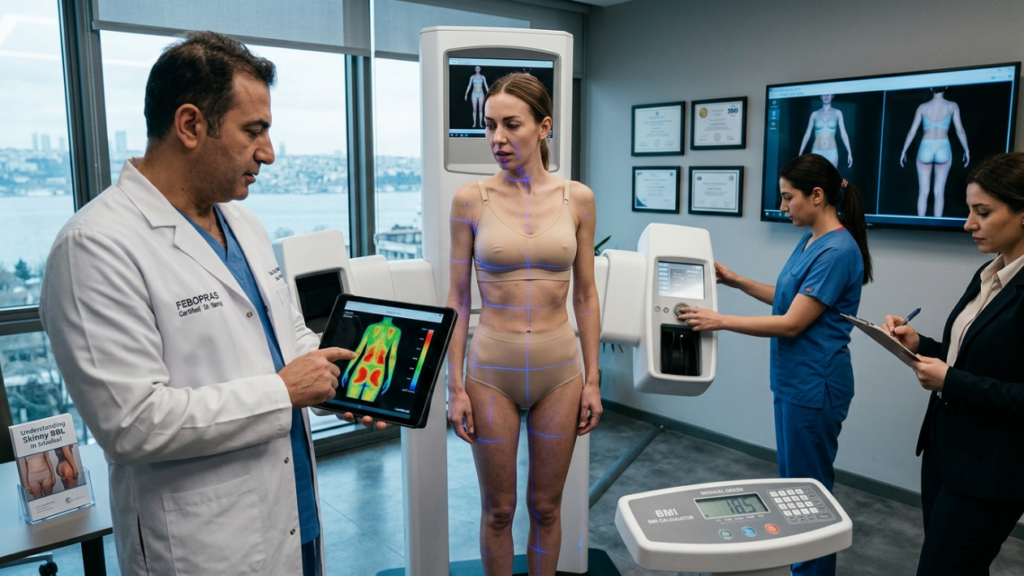
Понимание роли ИМТ в операции BBL
Бразильский лифт ягодиц основан на двух фундаментальных процессах: липосакция для сбора жира и пересадка жира для увеличения ягодиц. Успех этих процессов зависит от наличия достаточного количества высококачественных жировых клеток. Здесь ИМТ становится решающим фактором:
- Пациенты с низким ИМТ: У людей с ИМТ ниже 18,5 часто отсутствуют достаточные жировые запасы. Эта нехватка усложняет сбор жира, так как хирурги вынуждены извлекать жир из нескольких менее идеальных областей, повышая риск неровностей контура.
- Оптимальный диапазон ИМТ: ИМТ от 19 до 25 обычно считается оптимальным для BBL. Этот диапазон обеспечивает достаточное количество жира для сбора, одновременно минимизируя риски, связанные с избыточным весом.
- Пациенты с высоким ИМТ: Хотя у людей с избыточным весом (ИМТ 25-30) может быть достаточно жира, их операция требует тщательного планирования, чтобы избежать осложнений, таких как тромбоз глубоких вен (ТГВ) или плохое заживление ран.
Вопреки распространенному мнению, у пациентов с низким ИМТ часто возникают более значительные проблемы из‑за ограниченного количества жира, который необходим для достижения гладкого, естественного результата.

Технические сложности у кандидатов на «худой BBL»
Для пациентов с низким ИМТ процедура BBL представляет несколько технических препятствий, которые хирурги должны преодолевать с точностью:
1. Ограниченное количество доступного жира
Забор жира является основой BBL. У худых пациентов недостаток жира требует от хирургов извлекать меньшие объемы из нескольких областей, таких как живот, бока и бедра. Этот подход повышает риск асимметрии и неровностей контура, так как добытый жир может быть неоднородным по качеству или количеству.
2. Более высокий риск неровностей
Когда жира мало, хирурги должны тщательно планировать его распределение, чтобы избежать комков или впадин. Недостаточный перенос жира может привести к неровному внешнему виду, при котором ягодицы могут выглядеть комковатыми или искусственно увеличенными. Этот риск значительно выше у пациентов с низким ИМТ по сравнению с теми, у кого умеренный или высокий ИМТ.
3. Продолжительный период восстановления и заживления
Кандидаты с худой фигурой часто переживают более длительный период восстановления. Ограниченные жировые запасы организма означают, что перенесенный жир должен успешно интегрироваться для достижения стойкого результата. Плохая интеграция может привести к резорбции жира, когда организм поглощает перенесенный жир, что приводит к потере объема и необходимости повторной операции.
Почему избыточный вес может быть безопаснее, чем слишком низкий
Хотя избыточный вес несёт свои собственные риски, такие как повышенные осложнения при анестезии и более медленное заживление, он также предоставляет критическое преимущество: изобилие жира. Этот жир можно стратегически собрать и перенести для создания гладкого, естественного увеличения. Вот почему у пациентов с избыточным весом может быть более безопасный опыт BBL:
- Обильный жир для сбора: У пациентов с избыточным весом обычно достаточно жира, чтобы хирурги могли выбирать клетки жира высшего качества, снижая риск неровностей.
- Лучшие результаты контурирования: С большим количеством доступного жира хирурги могут более точно формировать ягодицы, достигая сбалансированного и эстетически приятного результата.
- Сниженный риск повторных операций: Наличие жира уменьшает вероятность необходимости дополнительных процедур для исправления неровностей или потери объёма.
Однако важно отметить, что избыточный вес не устраняет рисков. Хирурги должны тщательно оценивать здоровье каждого пациента, чтобы убедиться, что он готов к операции.
Научные доказательства и мнения экспертов
Исследования в пластической хирургии постоянно подчёркивают сложности, связанные с процедурами BBL у пациентов с низким ИМТ. Исследование, опубликованное в Aesthetic Surgery Journal показало, что у пациентов с ИМТ ниже 18,5 был 30% более высокий риск послеоперационных неровностей по сравнению с теми, у кого ИМТ находится в диапазоне от 19 до 25. Эти данные подчёркивают важность достаточных жировых запасов для достижения оптимальных результатов.
Доктор Джон Смит, сертифицированный пластический хирург, специализирующийся на контурировании тела, объясняет: “При операции ББЛ жир — не просто наполнитель, это основа процедуры. Без достаточного количества качественного жира достижение естественного и стойкого результата становится экспоненциально сложнее” Эту точку зрения разделяют многие эксперты в этой области, подчеркивающие необходимость тщательного отбора пациентов и предоперационного планирования.
Предоперационные соображения для пациентов с низким ИМТ
Для пациентов с низким индексом массы тела, решивших пройти BBL, важна тщательная предоперационная подготовка. Ниже перечислены ключевые шаги для обеспечения более безопасной процедуры:
- Консультация со специалистом: Выберите хирурга с обширным опытом проведения процедур BBL, особенно у пациентов с низким ИМТ. Он сможет оценить распределение жира и порекомендовать оптимальный подход.
- Стратегия пересадки жира: Ваш хирург может предложить поэтапную процедуру, при которой жир будет забирать и пересаживать в нескольких сеансах для снижения рисков.
- Оптимизация питания: Улучшение рациона и общего состояния здоровья до операции может повысить качество жира и способствовать лучшему заживлению.
- Реалистичные ожидания: Поймите, что ваши результаты могут быть более ограниченными по сравнению с пациентами с более высоким ИМТ. Откровенно обсудите свои цели с хирургом, чтобы согласовать ожидания.
Послеоперационный уход за пациентами с низким ИМТ после BBL
Восстановление — критически важный этап для всех пациентов после BBL, особенно для тех, у кого низкий ИМТ. Следуйте этим рекомендациям для оптимального заживления:
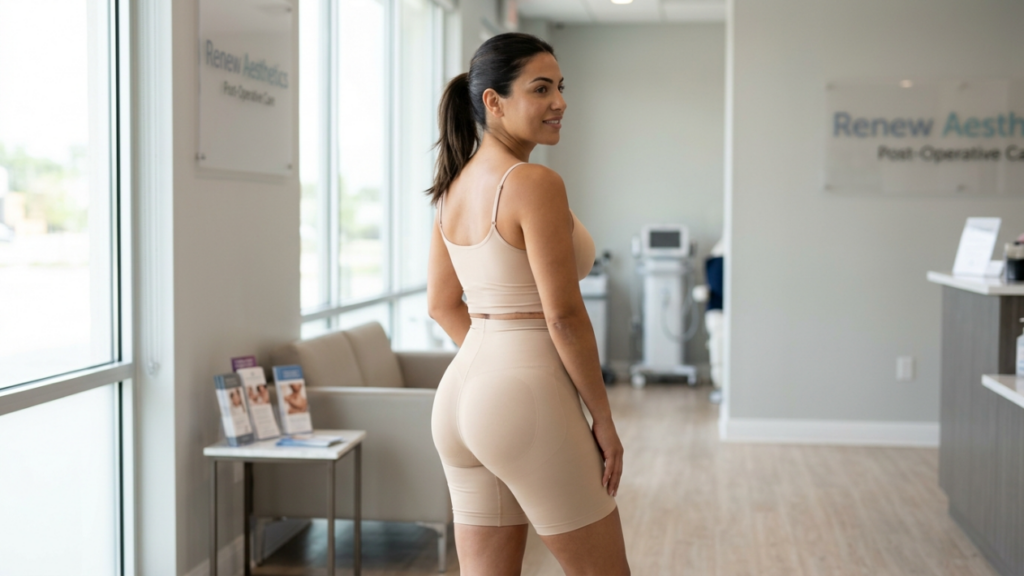
- Носите компрессионные изделия: Эти компрессы помогают уменьшить отёк и поддерживают вновь пересаженный жир, улучшая его интеграцию.
- Избегайте сидеть непосредственно на ягодицах: Используйте подушку для BBL, чтобы снять давление с пересаженного жира, минимум 6–8 недель.
- Соблюдайте сбалансированную диету: Правильное питание способствует выживанию жира и общему восстановлению. Делайте упор на продукты, богатые белком, и поддерживайте гидратацию.
- Посещайте контрольные приёмы: Регулярные осмотры у вашего хирурга позволяют раннее выявление любых проблем, таких как резорбция жира или неровности.
Альтернативы для пациентов с низким ИМТ
Если ваш ИМТ слишком низок для традиционного BBL, рассмотрите эти альтернативы для достижения желаемого результата:
- Имплантаты для ягодиц: Хотя более инвазивные, имплантаты могут обеспечить объём и форму без использования жировой трансплантации. Однако они имеют собственный набор рисков и особенностей.
- Нехирургические варианты: Процедуры, такие как инъекции Sculptra или Radiesse, могут временно улучшить форму ягодиц, хотя результаты менее драматичны, чем при BBL.
- Набор веса и жировая трансплантация: Некоторые пациенты выбирают набор веса перед операцией, чтобы увеличить доступность жира. Этот подход требует тщательного планирования с диетологом и хирургом.

Часто задаваемые вопросы о BBL и ИМТ
Могу ли я всё ещё сделать BBL, если мой ИМТ ниже 18,5?
Хотя это возможно, процедура становится значительно более сложной. Ваш хирург оценит распределение жира и может порекомендовать альтернативы или поэтапный подход для минимизации рисков.
Каковы риски BBL для пациентов с низким ИМТ?
Основные риски включают неровности контура, резорбцию жира и необходимость повторной операции. Эти риски возникают из‑за ограниченной доступности жира высокого качества для трансплантации.
Как подготовиться к BBL, если у меня низкий ИМТ?
Сосредоточьтесь на улучшении общего состояния здоровья, включая питание и гидратацию. Проконсультируйтесь с вашим хирургом о персональном плане, который может включать поэтапную жировую трансплантацию или альтернативные процедуры.
Безопаснее ли набрать вес перед BBL?
Набор веса может увеличить доступность жира, но его необходимо осуществлять здоровым способом и под медицинским наблюдением. Быстрый набор веса может привести к жиру низкого качества, который может плохо интегрироваться.
Чего ожидать в процессе восстановления пациенту с низким ИМТ после BBL?
Восстановление может занять больше времени, и вам потребуется строго соблюдать постоперационные рекомендации, включая ношение компрессионных изделий и избегание давления на ягодицы. Регулярные осмотры у хирурга имеют решающее значение.
Заключение: Принятие информированного решения
Парадокс операции BBL — когда слишком худой человек сталкивается с большими рисками, чем человек с избыточным весом — подчёркивает важность индивидуальная оценка пациента. Хотя низкий ИМТ не автоматически исключает вас из процедуры BBL, он требует тщательного планирования, реалистичных ожиданий и квалифицированного хирурга для преодоления сложностей.
Если вы рассматриваете BBL и у вас низкий ИМТ, проконсультируйтесь с сертифицированным пластическим хирургом, чтобы изучить варианты. Будь то поэтапная процедура, альтернативные методы или тщательная предоперационная подготовка, достижение желаемых результатов возможно при правильном подходе.
Для получения дополнительной информации о процедурах BBL и изучения вариантов посетите нашу страницу Brazilian Butt Lift или свяжитесь с нами чтобы записаться на консультацию.