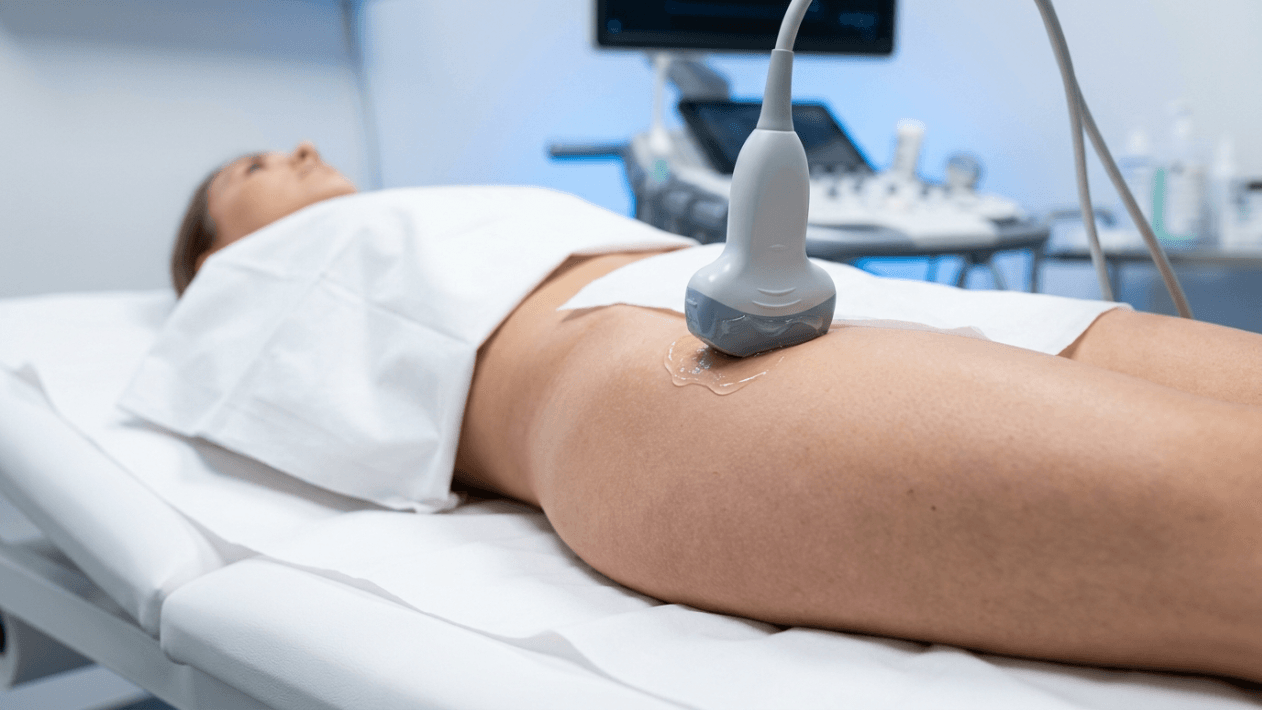
Представьте, что вы тратите тысячи на бразильскую подтяжку ягодиц (BBL), только чтобы обнаружить, что 30% жира, перенесённого в ваши ягодицы, молча умирает в течение нескольких месяцев. Это не редкое осложнение — это отраслевой стандарт. Большинство клиник не признают этого, но только 70% перенесённого жира выживает в типичном BBL. Тем временем элитные клиники, такие как SURGYTEAM, достигают 85%+ уровней выживаемости жира используя секретный протокол. В чём разница? Ультразвуковое руководство с точностью и сертифицированная экспертиза EBOPRAS.
Это не только вопрос эстетики — речь идёт о потраченных деньгах, ненужных рисках и эмоциональном разочаровании. Если вы рассматриваете BBL, вам нужно знать, почему большинство хирургов не могут максимизировать выживаемость жира и как ведущие{SHORTCODE_1}клиники в Анталье, Турция, переопределяют стандарт. Это руководство раскрывает 30% ложь, разбирает науку о пересадке жира и показывает, как техника ультразвукового руководства SURGYTEAM обеспечивает долговременные, естественные результаты.

Оглавление
Ложь 30%: Почему большинство BBL не дают долгосрочных результатов
Исследования, опублик{BOLD_1}в PubMed{BOLD_1}, подтверждают, что только 70% перенесённого жира выживает в стандартном BBL. Оставшиеся 30% умирают из‑за плохого кровоснабжения, неправильных техник инъекций или некроза жира—процесса, при котором жировые клетки не интегрируются в новую сред{ финансовая и эмоциональная потеря. Пациенты платят за объём, который они никогда не увидят, а результаты часто непредсказуемо уменьшаются со временем.
Так почему же большинство хирургов принимают это как норму? Отсутствие точности. Традиционные техники BBL полагаются на слепые инъекции, когда хирурги не видят, куда вводится жир. Это приводит к:
Внутримышечным инъекциям: Жир, введённый слишком глубоко, может попасть в кровоток, вызывая смертельные жировые эмболии или некроз.
Неравномерному распределению: Без визуализации в реальном времени жир часто вводится неравномерно, вызывая комки или асимметричные результаты.
Переполнению: Чтобы компенсировать ожидаемую потерю жира, хирурги вводят больше, чем необходимо, увеличивая риск осложнений, таких как некроз жира и длительное восстановление.
Тем временем клиники, такие как SURGYTEAM, используют ультразвуковое руководство при пересадке жира для достижения 85%+ уровней выживаемости жира. Эта технология позволяет хирургам видеть точно, где размещается жир, обеспечивая его сохранение в подкожном слое—самой безопасной и эффективной зоне для долгосрочного удержания (Elsaftawy et al., 2024).

Наука о пересадке жира: Почему большинство жира умирает — и как его спасти
Пересадка жира — это не просто перемещение жира из одной части тела в другую. Это **биологическая трансплантация**, при которой жировые клетки должны **создать новое кровоснабжение**, чтобы выжить. Если они этого не делают, они умирают — процесс, называемый **жировым некрозом**. Исследования Национального института здоровья (NIH) выделяют три критических этапа, определяющих выживаемость жира:
1. Сбор: Первый критический шаг
Жир удаляется с помощью **липосакции**, но не весь жир одинаков. **Травма при сборе** — например, агрессивное всасывание или неправильное использование канюли — повреждает жировые клетки еще до их переноса. Исследования показывают, что **мягкая липосакция с низким давлением** сохраняет целостность жировых клеток, повышая коэффициент выживаемости до **20%** (Felix, 2025).
2. Обработка: Отделение лучшего от остального
После сбора жир **очищается** от крови, жира и поврежденных клеток. Клиники, использующие **центрифугирование или фильтрационные системы** (например, **Wells Johnson System**), достигают более высоких показателей выживаемости, поскольку изолируют **самые здоровые жировые клетки**. Плохая обработка приводит к **загрязненным трансплантатам**, которые с большей вероятностью подвергнутся некрозу.
3. Инъекция: Момент, решающий всё
Здесь **ультразвуковое руководство** имеет решающее значение. Традиционные BBL полагаются на **слепые инъекции**, когда хирурги угадывают глубину и место размещения жира. В отличие от этого, **ультразвуково‑направляемые BBL** позволяют хирургам:
- Визуализировать кровеносные сосуды: Избегать инъекций рядом с крупными артериями, снижая риск смертельных жировых эмболий.
- Нацеливаться на подкожный слой: Жир, размещенный здесь, имеет наилучшие шансы интегрироваться с существующей тканью и создать кровоснабжение.
- Равномерно распределять жир: Предотвращает комки, асимметрию и участки некроза.
Исследование 2024 года в Europe PMC выяснили, что **ультразвуково‑направленные BBL снижают уровни некроза жира на 40%** по сравнению с традиционными методами. Поэтому **сертифицированные хирурги SURGYTEAM по EBOPRAS**, специализирующиеся на ультразвуковых техниках, достигают **85%+ уровней выживаемости жира**, в то время как большинство клиник находятся на уровне 70%.
УЗИ‑направляемый BBL: Переломный момент для выживаемости жира
Ультразвуковая трансплантация жира — это не просто роскошь, а **необходимость для безопасности и результатов**. Вот как это работает и почему это превосходит традиционные техники BBL:
Как работает УЗИ‑направление
Во время процедуры используется **ручной ультразвуковой датчик**, позволяющий визуализировать место инъекции в реальном времени. Это дает возможность хирургам:
- Видеть подкожный слой: Идеальная зона для размещения жира, где кровоснабжение обильное.
- Избегайте кровеносных сосудов: Снижает риск жировой эмболии, основной причины смертей, связанных с BBL.
- Контроль распределения жира: Обеспечивает равномерные, естественно выглядящие результаты без переизбытка.
Метанализ 2025 года в Aesthetic Surgery Journal показал,{**ultrasound-guided BBLs had a 0% mortality rate**} по сравнению с риском **1 in 3,000** при традиционных BBL. Эта технология не только улучшает результаты — она **saves lives**.
Почему большинство клиник не используют его
Несмотря на доказанные преимущества, **меньше 20% процедур BBL по всему миру используют ультразвуковое руководство**. Почему?
- Стоимость: Ультразвуковое оборудование и обучение увеличивают накладные расходы клиники.
- Недостаток навыков: Не все хирурги обучены техникам с ультразвуковым руководством.
- Неосведомленность пациентов: Большинство пациентов не знают, что спросить об этом, поэтому клиники экономят.
В Хирургическая бригада, ультразвуковое руководство является **стандартной практикой**. Их **сертифицированные FEBOPRAS/EBOPRAS хирурги** отточили эту технику более **20 лет**, обеспечивая **85%+ выживаемость жира** — показатель, не имеющий аналогов в большинстве клиник.
Разница SURGYTEAM: 85%+ выживаемость жира
SURGYTEAM не просто использует ультразвуковое руководство — они **оптимизировали каждый шаг** процесса BBL для максимальной выживаемости жира:
- Щадящая липосакция: Техники низкого давления сохраняют целостность жировых клеток.
- Продвинутая очистка: Центрифугирование и фильтрация удаляют примеси, оставляя только самый здоровый жир.
- Точная инъекция: Ультразвук обеспечивает размещение жира в **подкожном слое**, где он процветает.
- Послеоперационный уход: Индивидуальные компрессионные изделия и протоколы восстановления минимизируют потерю жира.
Этот тщательный подход объясняет, почему их пациенты видят **долговременные, естественные результаты** — без разочарования от уменьшения объёма.
Некроз жира: Тихий убийца результатов BBL
Некроз жира — это не просто небольшое осложнение, это **#1 причина ухудшения результатов BBL**. Когда жировые клетки умирают, они образуют **твердые комки, неровности кожи или даже неприятный запах**. Исследование 2025 года в PubMed Central показало, что **некроз жира затрагивает до 30% пациентов после BBL**, однако большинство клиник умалчивают о его влиянии.
Что вызывает некроз жира?
Некроз жира происходит, когда перенесённые жировые клетки **не способны установить кровоснабжение**. Распространённые причины включают:
- Плохая техника инъекции: Жир, размещённый слишком глубоко (внутримышечно) или слишком поверхностно (только под кожей), с трудом выживает.
- Переполнение: Введение слишком большого количества жира в одну область перекрывает кровоснабжение, приводя к гибели клеток.
- Травма при переносе: Грубое обращение повреждает жировые клетки ещё до их инъекции.
- Курение и плохое кровообращение: Никотин сужает кровеносные сосуды, лишая жировые клетки кислорода.
Как предотвратить некроз жира
Профилактика начинается с **выбора правильного хирурга** — того, кто использует **ультразвуковое руководство и следует доказательным протоколам**. Вот как снизить ваш риск:
- Выбирайте BBL под ультразвуковым контролем: Обеспечивает точное размещение жира в подкожном слое.
- Избегайте курения: Никотин снижает кровоток, увеличивая риск некроза на **40%** (Carely Clinic, 2025).
- Следуйте инструкциям после операции: Носите компрессионные изделия, избегайте сидения непосредственно на ягодицах и посещайте все последующие приёмы.
- Выбирайте опытного хирурга: Ищите **сертификацию EBOPRAS или FEBOPRAS** — знак элитного обучения в области пересадки жира.
В Хирургическая бригада, уровни некроза жира **меньше 5%** — благодаря их **ультразвуковой точности и строгому послеоперационному уходу**.

Процесс восстановления: Защита вашей инвестиции
Даже при лучшей хирургической технике, **ваше поведение во время восстановления определяет, сколько жира выживет**. Первые **6 недель** критичны — в это время жировые клетки либо **интегрируются в ваше тело, либо погибают**. Вот как максимизировать результаты:
Недели 1–2: Хрупкая фаза
Ваше тело находится в **режиме восстановления**. Кровоток к ягодицам ограничен, поэтому жировые клетки уязвимы. **Не сидите и не лежите непосредственно на ягодицах** — это прекращает циркуляцию и убивает жир. Вместо этого:
- Спите на животе или на боку: Используйте **подушку для BBL**, чтобы избежать давления.
- Носите компрессионное изделие 24/7: Снижает отёк и поддерживает интеграцию жира.
- Избегайте напряженной активности: Не ходите в спортзал, не поднимайте тяжести и не наклоняйтесь.
Недели 3–6: Фаза интеграции
Жировые клетки начинают **создавать кровоснабжение**. Именно в этот момент происходит **большая часть некроза**, если вы не осторожны. Следуйте этим правилам:
- Продолжайте избегать прямого давления: Не сидите длительное время.
- Поддерживайте гидратацию: Помогает выводить мертвые жировые клетки и уменьшать воспаление.
- Соблюдайте диету с высоким содержанием белка и низким содержанием натрия: Поддерживает восстановление тканей и уменьшает отёк.
- Посещайте последующие приёмы: Ваш хирург будет контролировать выживаемость жира и при необходимости корректировать уход.
Месяцы 3–6: Окончательные результаты
К настоящему времени **выживающие жировые клетки становятся постоянными**. Оставшийся отёк исчезает, раскрывая окончательную форму. Если вы соблюдали протоколы, вы получите:
- 85%+ вашего пересаженного жира в целости (по сравнению с 70% в большинстве клиник).
- Гладкие, естественные контуры без узлов и асимметрии.
- Долгосрочное удовлетворение— без необходимости коррекции.
В Хирургическая бригада, пациенты получают **персонализированный план восстановления**, включающий:
- Индивидуальные компрессионные изделия.
- Круглосуточный доступ к специалисту по восстановлению.
- Питательные рекомендации для поддержки заживления.
Почему Анталия, Турция, является глобальным центром элитных BBL
Турция — в частности **Анталья** — стала **#1 направлением для BBL**, опережая даже Майами и Бразилию. Вот почему:
1. Сертифицированные хирурги EBOPRAS/FEBOPRAS
В Турции находится **больше сертифицированных EBOPRAS/FEBOPRAS хирургов**, чем в любой другой стране. Это **высочайшие стандарты Европы** в пластической хирургии, обеспечивая:
- Строгую подготовку в области пересадки жира.
- Соблюдение **международных протоколов безопасности**.
- Доступ к **передовым технологиям**, таким как ультразвуковое наведение.
2. Все включено: роскошные пакеты
Клиники, такие как Хирургическая бригада предлагаем **VIP-опыт**, который включает:
- Проживание в отеле 5 звёзд для восстановления.
- Частные трансферы из аэропорта.
- Круглосуточная многоязычная поддержка.
- Послеоперационные лимфатические массажи для уменьшения отёков.
3. Экономически эффективное совершенство
В США BBL стоит **$10,000–$20,000**. В Анталии вы получаете **те же (или лучшие) результаты за $4,000–$7,000** — включая роскошное восстановление. Это не экономия на качестве; это **умная экономика**. Турецкие клиники проводят **тысячи BBL ежегодно**, позволяя оптимизировать затраты без потери качества.
4. Доказанный послужной список
Медицинский туризм в Турции **регулируется Министерством здравоохранения**, гарантируя, что клиники соответствуют **мировым стандартам безопасности**. Хирургическая бригада, например, имеет **98% уровень удовлетворённости пациентов** и **уровень некроза жира ниже 5%** — значительно ниже мирового среднего.
Как выбрать правильного хирурга BBL: 5 обязательных критериев
Не все хирурги BBL одинаковы. Чтобы обеспечить **85%+ выживаемость жира** и избежать осложнений, ваш хирург **должен** соответствовать этим критериям:
- Сертификация EBOPRAS/FEBOPRAS: Золотой стандарт экспертизы в области пересадки жира. Хирурги SURGYTEAM обладают этими сертификатами, обеспечивая **точность уровня элиты**.
- Техника с ультразвуковым наведением: Неотъемлемо для безопасности и выживаемости жира. Запросите **before-and-after ultrasounds** их работы.
- Прозрачность о выживаемости жира: Если клиника не будет раскрывать их средний показатель выживаемости, уходите. **85%+ — эталон превосходства**.
- Персонализированный план восстановления: Общие инструкции после операции не подойдут. Ваш хирург должен адаптировать восстановление под **ваше тело и образ жизни**.
- Доказанный опыт: Ищите **real patient reviews** (не только клиnicные отзывы) и **before-and-after photos** с **6+ month follow-ups**.
В Хирургическая бригада, каждый хирург соответствует этим требованиям — и многим другим. Их **20+ years of niche expertise** в увеличении ягодиц делает их **global leader in BBL fat survival**,.
Часто задаваемые вопросы о выживании жира после BBL
Почему у большинства BBL уровень выживаемости жира составляет только 70%?
Большинство BBL используют слепые техники инъекций, где хирурги не видят, куда помещается жир. Это приводит к неправильной глубине (слишком глубоко или слишком поверхностно), плохому кровоснабжению и жировой некрозу. BBL под контролем УЗИ, как в SURGYTEAM, обеспечивают выживаемость 85%+ за счет точного подкожного размещения.
Как ультразвуковое руководство улучшает выживаемость жира?
Ультрасонография позволяет хирургам визуализировать место инъекции в реальном времени, обеспечивая размещение жира в подкожном слое—где кровоснабжение обильное. Это снижает риск некроза на 40% и устраняет догадки традиционных BBL.
Что я могу сделать, чтобы максимизировать выживаемость жира после моего BBL?
Строго следуйте плану восстановления вашего хирурга: избегайте сидения на ягодицах 6 недель, носите компрессионное белье, пейте достаточно воды и посещайте все контрольные осмотры. Курение и плохое питание могут снизить коэффициент выживаемости на 30%.
Опасна ли некроз жира?
Жировой некроз не угрожает жизни, но может вызывать уплотнения, асимметрию или неприятный запах. Его можно предотвратить с помощью правильной хирургической техники (УЗИ-навигации) и постоперационного ухода. У SURGYTEAM уровень некроза менее 5,1%, что значительно ниже среднего по отрасли 30,1%.
Почему выбирать Анталию, Турция, для BBL?
Анталья является родиной хирургов, сертифицированных EBOPRAS/FEBOPRAS, передовых ультрасонографически направленных техник и всех включенных роскошных пакетов — всё по цене, составляющей лишь долю от стоимости в США. Клиники, такие как SURGYTEAM, предлагают показатели выживаемости жира 85%+, делая её лучшим мировым направлением для BBL.
Ваш следующий шаг: достичь выживаемости жира 85%+ с SURGYTEAM
Вы теперь знаете правду: **70% fat survival is a lie**. С правильным хирургом и технологией **85%+ is achievable** становится возможным. Если вы готовы к BBL, который доставляет **long-lasting, natural results**, запланировать консультацию с SURGYTEAM Сегодня. Их **EBOPRAS-certified surgeons**, **ultrasound-guided precision**, и **luxury recovery packages** гарантируют, что вы получите **buttocks of your dreams—without the disappointment of shrinking volume**.
Не соглашайтесь на 70%. **Требуйте 85%+.**