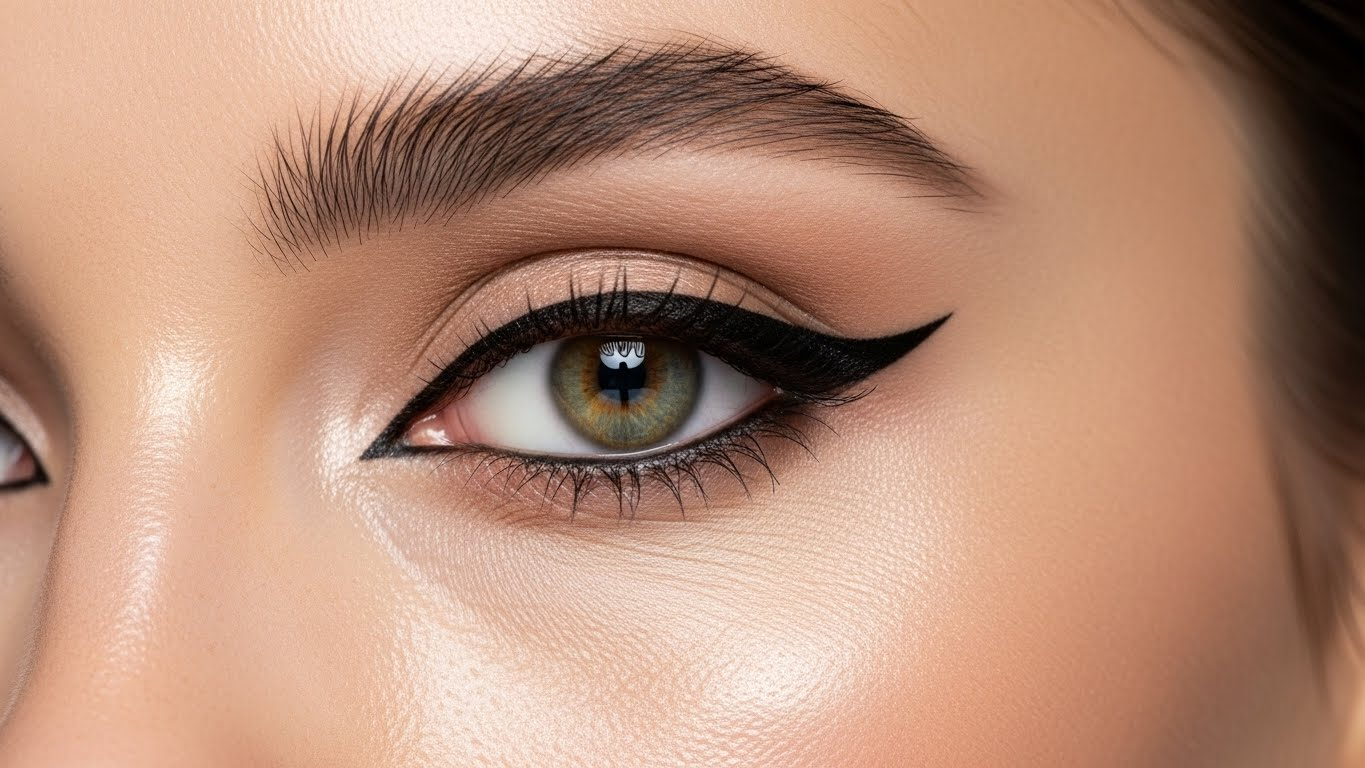
Dar badem şeklindeki gözlerin cazibesi, yüzyıllardır farklı kültürlerdeki bireyleri büyülemiştir. Zarif uzunlukları, dış köşelerdeki hafif yukarı doğru eğimi ve belirgin kırışıklıklarıyla karakterize edilen bu gözler, dengeli ve doğal olarak büyüleyici görünümleri nedeniyle sıkça övülür. Daha yuvarlak göz şekillerinin aksine, dar badem gözlerin incelikli bir gizemi vardır; hem ince iyileştirmeler hem de dramatik dönüşümler için bir tuval sunar. Bu kapsamlı rehber, bu arzu edilen estetiğe ulaşmanın karmaşık dünyasına girer, temel ilkeleri, çeşitli prosedürlerin mekanik detaylarını ve bu düzenlemelerin kişinin genel yüz haritası ve benlik algısı üzerindeki derin etkisini araştırır.
Birçok kişi için dar badem şeklindeki gözlere duyulan istek, yüz simetrisini artırma ve daha ifadeli bir bakış arayışından kaynaklanır. Genetik, doğal göz şeklimizi büyük ölçüde belirlerken, hem cerrahi hem de cerrahi olmayan kozmetik prosedürlerdeki ilerlemeler, göz konturlarını ince ayarlama ve yeniden şekillendirme yolları sunmaktadır. Bu makale, kanthoplasti ve blefaroplasti gibi hassas cerrahi ayarlamalardan, enjeksiyonlar ve ip liftleriyle sağlanan geçici ancak etkili çözümlere kadar bu müdahalelerin inceliklerini titizlikle çözümleyecek. Estetik değişiklikleri düşünenler için kesin bir kaynak sağlamayı, derin, uygulanabilir analiz ve bu dönüşüm yolculuğuna çıkmanın ne anlama geldiğine dair öngörü sunmayı amaçlıyoruz. Anatomik yapı ile istenen estetik sonuç arasındaki karmaşık etkileşimin anlaşılması, alınan her kararın bilinçli, gerçekçi ve bireysel hedeflerle uyumlu olmasını sağlamak açısından hayati öneme sahiptir.
Dar badem şeklindeki gözlere ulaşma yolculuğu sadece fiziksel bir özelliği değiştirmekle kalmaz; genellikle dış görünüşü içsel güzellik ve özgüven duygusuyla hizalamakla ilgilidir. Bu keşif, yüzeysel tanımlamaların ötesine geçerek her prosedürün bilimsel temellerine, titiz planlamasına ve optimal sonuçlar için gerekli iyileşme protokollerine dalacak. Ayrıca uzun vadeli etkileri, potansiyel riskleri ve nitelikli profesyonellerin seçilmesinin önemini ele alacağız. Bu derin incelemenin sonunda, okuyucular olasılıkların bütüncül bir anlayışına sahip olacak, daha büyüleyici ve estetik açıdan hoş bir bakışa giden yolda iyi düşünülmüş seçimler yapma gücüne kavuşacak.

İçindekiler
Dar Badem Şeklindeki Gözlerin Estetiğini Anlamak
Badem şekilli gözler, doğuştan gelen güzellikleri ve çok yönlülükleriyle evrensel olarak tanınır. İç ve dış köşelerde nazikçe sivrilen oval bir şekle sahiptir, tıpkı bir badem gibi. Ana özelliği, gözün renkli kısmı olan irisin genellikle üst ve alt göz kapaklarına dokunması ve üstünde ya da altında beyaz boşluk bırakmamasıdır (wikiHow, n.d.). Bu, yüksek talep gören bir denge ve orantı hissi yaratır. “Dar” badem gözlerden bahsettiğimizde, yatay uzunluğun özellikle vurgulandığı, gözün daha uzun ve ince bir görünüme sahip olduğu bir varyasyondan söz ederiz (Belorens, 2025).
Bu belirli göz şekli, genellikle dış köşelerde doğal olarak yükseltilmiş bir görünümle ilişkilendirilir, bu da bazen “kedi gözü” veya “siren gözü” estetiği olarak adlandırılan şeye katkıda bulunur (Belorens, 2025). Göz kapağının üzerindeki görünür kase, bu tanımı daha da vurgulayarak, çok çeşitli ifadeli bakışlar için geniş bir yelpaze sunan net bir ayırım çizgisi oluşturur. Dar badem gözlerin doğal simetrisi ve zarif konturu, onları yüz güzelliğinin odak noktası haline getirir; genellikle rafinelik ve cazibe havası verir. Bu temel özellikleri kavramak, bu özel göz şekline ulaşmayı veya geliştirmeyi hedefleyen estetik prosedürlerin amaçlarını anlamanın ilk adımıdır.

Dar Badem Şeklindeki Gözlere Cerrahi Yollar
Narrow almond şeklinde gözler elde etmek için daha kalıcı ve anlamlı bir değişiklik arayanlar için cerrahi müdahaleler hassas ve kalıcı sonuçlar sunar. Bu işlemler, göz çevresindeki ince yapıları yeniden şekillendirerek istenen kontur ve kaldırma oluşturmayı hedefler. Kullanılan başlıca cerrahi teknikleri canoplasti ve blefaroplasti'dir, bunları en optimal estetik dengeye ulaşmak için birlikte kullanır.
Lateral Kanthoplasti: Dış Köşenin Yeniden Şekillendirilmesi
Lateral kantoplasti, gözün dış köşesini yeniden şekillendirmek ve konumlandırmak için tasarlanmış özel bir cerrahi prosedürdür; bu bölgeye lateral kantus denir. Bu alan, gözün genel şeklini ve eğimini belirlemede kritik öneme sahiptir. Lateral kantoplasti sırasında cerrah, göz kapağını göz çukurunun kemiğine bağlayan lateral kantal tendonu titizlikle ayarlar (wikiHow, n.d.; All About Vision, n.d.). Bu tendon sıkılaştırılıp yeniden konumlandırıldığında gözün dış köşesi kaldırılıp uzatılabilir, daha yukarı eğimli badem şeklinde bir görünüm yaratılabilir. Bu prosedür özellikle aşağı eğimli gözlere sahip bireyler veya daha belirgin bir “kedi gözü” efekti isteyenler için etkilidir.
Mechanik detaylar, dış göz yuvarasının doğal katlama veya kırışıklığının discreet bir yerinde yapılan küçük bir kesitle ilgilidir. Bu kesit üzerinden cerrahi, lateral canthal tendonine erişir. Hedef sonucuna bağlı olarak, tendon ayrılarak kısa edilebilir ve orbital kenar üzerindeki daha yüksek bir noktaya yeniden bağlanabilir. Bu hassas kontrol, alt göz yuvarasını yükseltme ve sıkılaştırma sağlarken, dar almond şeklini önemli ölçüde destekler. Hedef sadece kaldırmak olmamakta; aynı zamanda gözün yatay eksen.
Blefaroplasti: Göz Kapaklarının İnceltilmesi
Genellikle göz kapağı ameliyatı olarak bilinen blefaroplasti, dar badem göz estetiğini elde etmede kanthoplastiyi tamamlayabilen bir diğer hayati cerrahi işlemdir. Bu işlem, üst veya alt göz kapaklarından fazla deri, yağ ve bazen kasın çıkarılmasına odaklanır (wikiHow, n.d.; Belorens, 2025). Blefaroplasti öncelikle sarkık göz kapakları veya göz altı torbaları gibi sorunları ele alsa da, stratejik uygulaması daha belirgin ve açık bir göz bölgesine önemli ölçüde katkıda bulunabilir; bu da badem şeklini güçlendirir.
Üst göz kapağı için blefaroplasti, doğal kıvrım boyunca bir kesim yapılarak fazla deri ve yağın çıkarılmasını içerir. Bu, daha görünür bir göz kapağı kıvrımı ve daha az kapalı bir görünüm oluşturabilir, gözleri daha açık ve uzun gösterir. Monolid durumunda, çift göz kapağı ameliyatı, özel bir blefaroplasti türü, belirgin bir kıvrım oluşturarak badem benzeri bir kontura daha fazla katkıda bulunabilir (All About Vision, n.d.). Alt göz kapağı blefaroplastisi, göz altındaki şişkinlik ve gevşek deriyi ele alarak alt göz kapağından yanağa geçişi yumuşatır. Bu unsurların çıkarılmasıyla göz bölgesi daha sıkı ve genç görünür, badem şeklinin daha belirgin olmasını sağlar. Blefaroplastinin kanthoplasti ile kombinasyonu, uyumlu ve estetik açıdan hoş dar badem görünümü için tüm göz bölgesini şekillendirmede kapsamlı bir yaklaşım sunar.
Kaldırılmış Estetik İçin Cerrahi Olmayan Alternatifler
Cerrahi işlemler kalıcı çözümler sunarken, cerrahi taahhüdü olmadan daha kalkık, badem benzeri bir göz görünümü arayanlar için cerrahi olmayan seçenekler geçici iyileştirmeler sağlar. Bu yöntemler daha az invazivdir ve genellikle minimal iyileşme süresi içerir; bu da ince ayarlamalar arayan veya kalıcı değişiklikleri düşünmeden önce yeni bir estetiği test etmek isteyen bireyler için çekici kılar.
Botoks ve Dermal Dolgu Maddeleri: İnce Kaldırmalar ve Kontürleme
Botoks enjeksiyonları, gözler ve kaşlar çevresinde hafif bir kaldırma etkisi yaratmak için stratejik olarak kullanılabilir; bu da daha açık ve hafifçe yukarı kalkık bir görünüme katkıda bulunur (wikiHow, n.d.). Gözlerin dış köşeleri çevresindeki belirli kasları gevşeterek, Botoks aşağı çekme etkisini azaltır ve kaş ile dış göz kapağının hafifçe yükselmesine izin verir. Bu, badem gözlerin karakteristik kalkık etkisini taklit edebilir. Sonuçlar geçicidir, genellikle üç ila altı ay sürer ve istenen görünümü korumak için tekrarlanan tedaviler gerektirir. Dermal dolgu maddeleri, gözü doğrudan yeniden şekillendirmese de, şakaklar veya göz altı çukurları gibi çevre bölgeleri geliştirmek için kullanılabilir; bu da dolaylı olarak badem göz şeklini tamamlayan daha genç ve kalkık bir görünüm yaratabilir.
PDO İp Liftleri: Minimal İnvaziv Kaldırma
PDO (Polidioksanon) ip kaldırma, gözlerin dış köşeleri ve kaşlar çevresindeki deriyi kaldırmak ve sıkılaştırmak için minimal invaziv bir seçenek sunar. Bu işlemde, çözünebilen ipler deri altına yerleştirilerek hafif bir mekanik kaldırma oluşturulur (wikiHow, n.d.). Bu ipler ayrıca kolajen üretimini uyararak cilt elastikiyeti ve sıkılığında uzun vadeli fayda sağlar. “Tilki gözü” veya “kedi gözü” görünümü hedefleyenler için, ipler şakaklar çevresine stratejik olarak yerleştirilerek dış kantusu nazikçe çekip kaldırabilir, daha uzun ve yukarı kalkık bir göz şekli oluşturabilir. PDO ip kaldırmanın etkileri genellikle 6 ila 12 ay sürer, ardından ipler çözünür ve kaldırma etkisi kademeli olarak azalır. Bu, belirgin ancak geçici bir iyileştirme isteyen bireyler için popüler bir seçimdir.
İyileşme Protokolleri ve Uzun Vadeli Düşünceler
Dar badem şeklindeki gözleri elde etmek için cerrahi veya cerrahi olmayan işlemler tercih edilse de, iyileşme sürecini ve uzun vadeli hususları anlamak, beklentileri yönetmek ve optimal sonuçları sağlamak için çok önemlidir. Her müdahale, kendi işlem sonrası yönergeleri, potansiyel yan etkileri ve sonuçların uzun ömürlülüğünü etkileyen faktörlerle birlikte gelir.
Cerrahi Sonrası İyileşme: Kanthoplasti ve Blefaroplasti
Kanthoplasti ve blefaroplasti gibi cerrahi işlemlerden sonra hastalar, göz bölgesi çevresinde şişlik, morarma ve hafif rahatsızlık dönemi bekleyebilir. Ağrı ilaçları herhangi bir rahatsızlığı etkili bir şekilde yönetebilir. Gözlerin başlangıçta gergin veya hareketinde hafifçe kısıtlı hissetmesi yaygındır. Cerrahlar genellikle şişliği azaltmak için soğuk kompres, başı yüksekte tutma ve birkaç hafta boyunca yorucu aktivitelerden kaçınmayı tavsiye eder. Çözünebilen olmayan dikişler genellikle bir hafta ila on gün içinde alınır. Çoğu görünür morarma ve şişlik iki ila dört hafta içinde azalır, ancak hafif şişlik birkaç ay devam edebilir. Uygun yara bakımı ve göz yorgunluğundan kaçınma dahil olmak üzere işlem sonrası bakım talimatlarına kesinlikle uymak, sorunsuz bir iyileşme ve komplikasyonları en aza indirmek için hayati öneme sahiptir.
Cerrahi göz yeniden şekillendirme işlemlerinin tam estetik sonuçları, iyileşme ilerledikçe ortaya çıkar. Kesilerden kaynaklanan izler mümkün olduğunca göze çarpmayacak şekilde stratejik olarak yerleştirilir, genellikle doğal kıvrımlar veya kirpik çizgisi boyunca gizlenir. Zamanla bu izler genellikle soluklaşır ve daha az fark edilir hale gelir. Cerrahi sonuçların kalıcılığı önemli bir avantajdır; ancak estetik sonucu korumak için sabit bir kilo ve sağlıklı bir yaşam tarzı sürdürmek esastır. Doğal yaşlanma süreçleri devam edecektir, ancak cerrahi ile elde edilen göz şeklindeki temel değişiklikler uzun ömürlüdür. İyileşmeyi izlemek ve herhangi bir endişeyi ele almak için cerrahla düzenli takip randevuları gereklidir.

Cerrahi Olmayan Bakım ve Sonuç Uzun Ömürlülüğü
Botoks ve PDO ip kaldırma gibi cerrahi olmayan işlemlerden iyileşme genellikle çok daha hızlıdır, minimal iyileşme süresiyle. Hastalar enjeksiyon veya yerleştirme noktalarında geçici kızarıklık, şişlik veya morarma yaşayabilir. Bu yan etkiler genellikle hafiftir ve birkaç gün içinde geçer. Uygulayıcı tarafından tedavi edilen bölgeyi ovmaktan kaçınma veya belirli yüz ifadelerinden kaçınma gibi özel bakım talimatları sağlanacaktır. Bu tedavilerin geçici doğası, sonuçların zamanla kademeli olarak azalacağı anlamına gelir; bu da istenen estetiği korumak için tekrarlanan seanslar gerektirir. Botoks etkileri genellikle 3-6 ay, PDO ip kaldırma sonuçları ise 6-12 ay sürer (wikiHow, n.d.). Bu, esneklik ve tercihlerin gelişmesine göre estetiği ayarlama yeteneği sağlar, ancak sürdürülebilir sonuçlar için devam eden tedavilere bağlılık da gerektirir.
Gelecek Etkileri ve Uzun Vadeli Etki Analizi
Dar badem şeklindeki gözler için estetik işlemler peşinde koşma kararı, anlık sonuçların ötesine uzanarak öz algı, sosyal etkileşimler ve güzellik standartlarının gelişen manzarası için uzun vadeli etkileri kapsar. Bu daha geniş etkileri anlamak, bu tür dönüştürücü yolculuklara bütünsel bir bakış açısı için çok önemlidir.
Psikolojik ve Sosyal Etki
İstenen göz estetiğine ulaşmak, genellikle artan öz güven ve gelişmiş beden imajına yol açan derin bir psikolojik etkiye sahip olabilir. Birçok kişi için gözler kimlik ve ifadenin merkezi bir özelliğidir ve görünümlerini kişisel ideallerle uyumlu hale getirmek genel refahı önemli ölçüde artırabilir. Bu güven artışı daha olumlu sosyal etkileşimlere ve yaşamın çeşitli yönlerine katılma isteğinde artışa dönüşebilir. Ancak bu işlemlere gerçekçi beklentilerle yaklaşmak da önemlidir; dış değişiklikler etkili olsa da, daha geniş bir öz kabul yolculuğunun parçası olduğunu anlamak gerekir. Uzun vadeli memnuniyet genellikle işlemin sınırlamalarının net bir şekilde anlaşılması ve değişiklik için sağlıklı bir motivasyonla ilişkilidir.
Gelişen Güzellik Standartları ve Kişiselleştirme
Güzellik standartları dinamiktir, kültürel değişimler ve teknolojik gelişmelerle sürekli evrilir. Dar badem şeklindeki gözlere yönelik mevcut takdir, rafine ancak doğal olarak geliştirilmiş özelliklere yönelik daha geniş bir eğilimi yansıtır. Kozmetik teknikler daha sofistike hale geldikçe, kişiselleştirmeye artan bir vurgu vardır; bu da bireylerin tek bir ideale uymak yerine kendi benzersiz yüz anatomilerine göre uyarlanmış sonuçlar elde etmelerini sağlar. Bireyselleştirilmiş estetik planlara bu odaklanma, uzun vadeli etkinin mevcut özelliklerle uyumlu bir bütünleşme olmasını sağlar; radikal, doğal olmayan bir değişiklik değil. Estetik göz işlemlerinin geleceği muhtemelen bu yörüngeyi sürdürecek, doğal görünümlü iyileştirmeleri ve hasta memnuniyetini önceliklendiren daha hassas ve özelleştirilebilir seçenekler sunacaktır.

Sonuç: Göz Dönüşüm Sanatını Kucaklamak
Dar badem şekilli gözlerin peşinde olmak, göz dönüşümünün karmaşık sanatına bir yolculuktur; anatomik anlayışı estetik arzu ile birleştirir. Zarif inceliği ve hafif yukarı doğru kaldırılmasıyla karakterize edilen bu büyüleyici göz şeklinin, dengeli ve ifadeli bir yüz uyumuna nasıl katkıda bulunduğunu inceledik. Lateral kanthoplasti ve blefaroplasti gibi kesin cerrahi müdahalelerden Botox ve PDO ip liftleriyle sunulan daha az invaziv, geçici çözümlere kadar, bireylerin istedikleri estetiği elde etmelerine yardımcı olacak bir dizi seçenek mevcuttur. Kalıcı ya da geçici olsun, her prosedür dikkatli değerlendirme, kapsamlı araştırma ve mekanizmaları, iyileşme süreci ve uzun vadeli etkileri konusunda net bir anlayış gerektirir.
Herhangi bir estetik prosedüre karar vermek, öz güveni artırma ve daha uyumlu bir öz imaj elde etme arzusuyla derin kişisel bir karardır. Fiziksel değişiklikler kesin olsa da, başarılı bir dönüşümün sıklıkla beraberinde getirdiği psikolojik yükseliş ve yenilenmiş benlik duygusu da aynı derecede önemlidir. Bu kararları gerçekçi beklentilerle ele almak, güvenliği ön planda tutmak ve bakımı son derece nitelikli ve deneyimli profesyonellere emanet etmek çok önemlidir. Modern estetik tıbbın güzelliği, bireysel yüz anatomisini ve istenen sonuçları saygıyla karşılayan, kişiselleştirilmiş çözümler sunabilmesinde yatar; tek beden herkese uyar yaklaşımının ötesine geçer.
Geleceğe baktığımızda, tekniklerin ve teknolojilerin sürekli evrimi, göz estetiği için daha da rafine ve erişilebilir seçenekler vaat ediyor. Vurgu, kişinin doğal güzelliğini tamamlayan ve yükselten doğal görünümlü sonuçlar elde etmek üzerinde olacaktır. Bu dönüştürücü yolculuğu düşünenler için, büyüleyici dar badem şeklindeki gözlere giden yol, bilinçli seçimler, uzman rehberliği ve öz-bakıma bağlılıkla döşenmiştir. Olasılıkları kucaklayın, süreci anlayın ve güzelliğinizin içsel vizyonunuza gerçekten yansıtan bir bakışa doğru özgüvenle ilerleyin.
Kaynakça
- wikiHow. (t.y.). Badem Şeklinde Gözlere Sahip Olduğunuzu Nasıl Anlarsınız: Ayrıca, Makyaj İpuçları. wikiHow.com'dan alındı
- Belorens. (2025, Mayıs 9). Badem Gözler: Göz Şeklinizi Anlama ve Geliştirme Rehberi. Belorens.com'dan alındı
- Sprabary, A. (2025, Ekim 14). Göz şeklinizi nasıl bilirsiniz? All About Vision'dan alındı
- Cleveland Clinic. (t.y.). Kanthoplasti. ClevelandClinic.org'dan alındı
- Mayo Clinic. (t.y.). Blefaroplasti. MayoClinic.org'dan alındı
Dar badem şekilli gözleri ne tanımlar?
Dar badem şeklinde gözler, iç ve dış köşelerde noktalara doğru daralan, dış köşede hafif bir yukarı eğim bulunan uzatılmış oval bir şekil ile karakterizedir. İris genellikle üst ve alt göz kapaklarına temas eder ve beyaz boşluk göstermez.
Ameliyatsız badem şekilli gözlere ulaşabilir miyim?
Evet, Botox enjeksiyonları gibi cerrahi olmayan seçenekler gözlerin ve kaşların dış köşelerine geçici bir kaldırma sağlayabilir. PDO ip liftleri de cildi birkaç ay boyunca daha badem benzeri bir görünüme getirecek şekilde kaldırıp sıkılaştırmak için minimal invaziv bir yol sunar.
Lateral kantoplasti nedir?
Lateral kantoplasti, gözün dış köşesini (lateral kantus) yeniden şekillendiren ve konumlandıran cerrahi bir prosedürdür. Lateral kantal tendonu ayarlayarak gözün kaldırılmasını ve uzatılmasını sağlar, daha yukarı eğimli, badem benzeri bir şekil oluşturur.
Blefaroplasti, badem göz estetiğine nasıl katkıda bulunur?
Blefaroplasti veya göz kapağı ameliyatı, üst veya alt göz kapaklarından fazla deri, yağ ve kası çıkarır. Badem gözler için üst blefaroplasti daha belirgin bir kıvrım ve daha az kapaklı bir görünüm yaratabilirken, alt blefaroplasti göz altı şişkinliğini azaltarak genel badem konturunu iyileştirir.
Cerrahi göz prosedürlerinin iyileşme süreci nasıldır?
Kantoplasti ve blefaroplasti gibi cerrahi prosedürlerden sonra hastalar birkaç hafta şişlik, morarma ve hafif rahatsızlık bekleyebilir. Soğuk kompresler ve ağır aktiviteden kaçınma gibi postoperatif talimatlara uymak sorunsuz bir iyileşme için kritiktir. Tam sonuçlar iyileşme birkaç ay içinde belirginleşir.