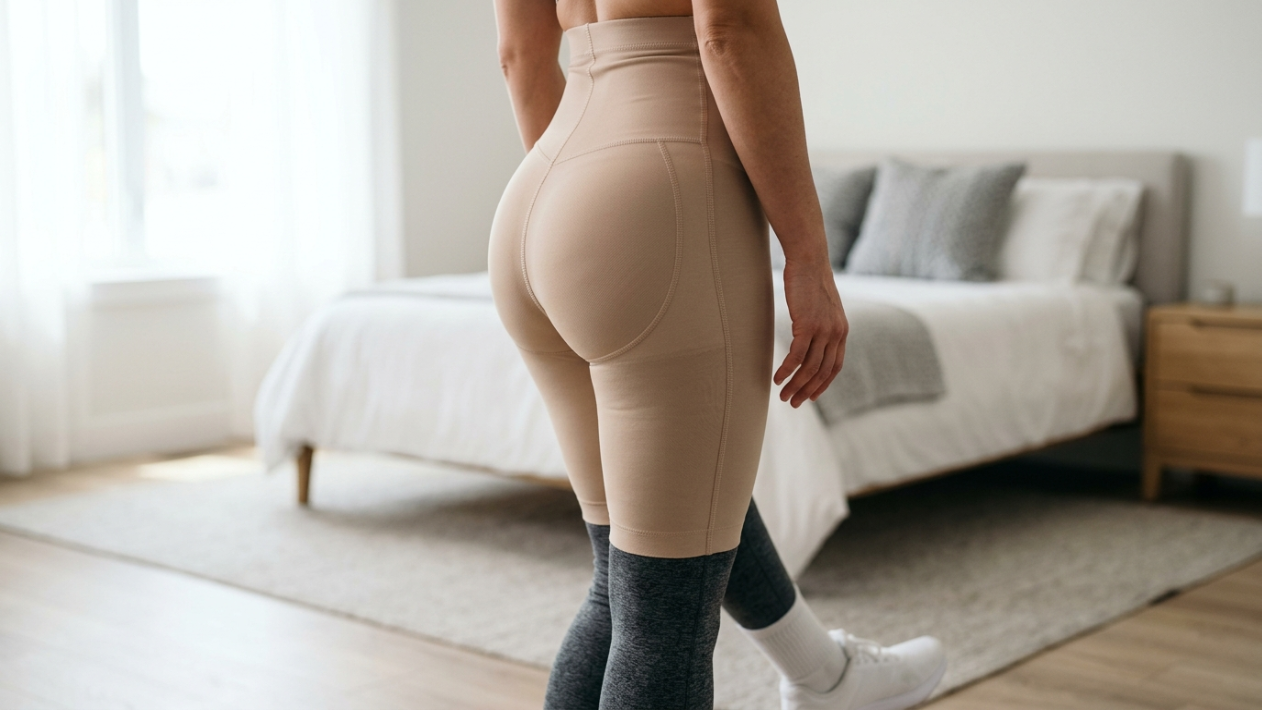
Brezilya Popo Kaldırma (BBL) ameliyatı, istediğiniz siluete ulaşmak için önemli bir adımdır. Ancak, ameliyat sonrası dönem genellikle özellikle yumru veya sertleşmiş alanların görünümüyle ilgili endişeler getirir. Hastalar arasında yaygın bir korku, normal, geçici şişlik ile daha ciddi bir komplikasyon arasındaki ayrımı yapabilmektir yağ nekrozu. Bu farkları anlamak, sorunsuz bir iyileşme ve iç huzur için çok önemlidir.
Bu rehber, hissettiğiniz palpabl kitlelerin doğal iyileşme sürecinin bir parçası mı yoksa daha ileri tıbbi değerlendirme gerektiren bir durum mu olduğunu belirlemenize yardımcı olacak kesin bir çerçeve sunar. BBL iyileşmenizi kendinden emin bir şekilde yönetmek için bilgiyle donanın.

İçindekiler
BBL Sonrası İyileşmeyi Anlamak: İlk Haftalar
Vücut, kalçaları geliştirmek için yağ grefti içeren bir BBL prosedürünün ardından kapsamlı değişiklikler geçirir. Transfer edilen yağ hücreleri yeni ortamlarına entegre olur ve donör bölgeler iyileşir. Bu karmaşık süreç doğal olarak bir miktar iltihap ve sıvı tutulumunu içerir.
Hastalar genellikle tedavi edilen ve donör bölgelerde şişlik, morluk ve hassasiyet yaşarlar. Bunlar, vücudun kendini onarması sırasında beklenen tepkilerdir. İlk haftalar doğru iyileşme için kritik öneme sahiptir ve postoperatif bakım talimatlarına titiz bir şekilde uyulmasını gerektirir.
Normal Ameliyat Sonrası Şişlik Nedir?
Normal şişlik veya ödem, her cerrahi iyileşme sürecinin kaçınılmaz bir parçasıdır. Vücudun travmaya karşı enflamatuvar yanıtı nedeniyle dokularda sıvı birikmesiyle oluşur. BBL sonrası şişlik ilk birkaç haftada en belirgindir ve birkaç ay içinde kademeli olarak azalır.
- Özellikler: Şişlik genellikle dokunulduğunda yumuşak veya süngerimsi hissedilir, ancak bazen sert de olabilir. Kompresyon giysileri ve yükseltme ile genellikle iyileşir.
- İlerleyiş: Zamanla azalır, 6-8 hafta içinde belirgin bir iyileşme görülür. Kalan şişlik 6 aya kadar ya da hatta bir yıla kadar sürebilir.
- Semptomlar: Hafif rahatsızlık, sıkılık ve doluluk hissi yaygındır. Ağrı genellikle reçeteli ilaçlarla kontrol altına alınabilir.
Kompresyon giysinizi düzenli kullanmanız çok önemlidir. Bu giysi, sıvı birikimini azaltmaya yardımcı olur ve yeni şekillenen bölgeleri destekleyerek daha sorunsuz bir iyileşme sürecini kolaylaştırır.
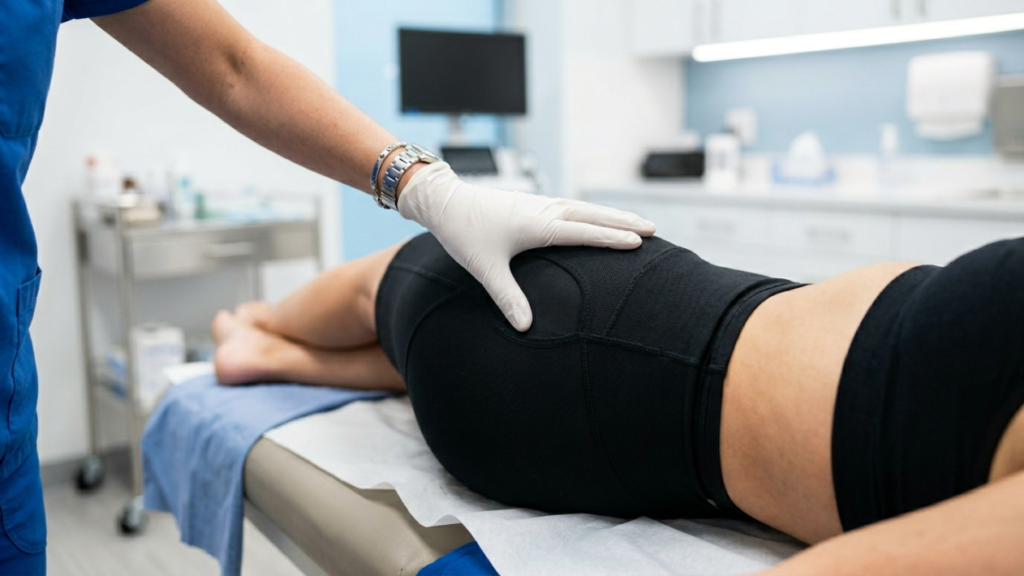
Yağ Nekrozu Nedir?
Yağ nekrozu, transfer edilen yağ hücrelerinin yeterli kan akışı alamaması ve bu nedenle ölmesi durumunda ortaya çıkar. Vücut bu ölü hücreleri parçalamaya çalışır, bu da sert yumrular veya kistler oluşumuna yol açabilir. Bu komplikasyon, BBL dahil yağ grefti prosedürlerinin bilinen bir riskidir.
- Özellikler: Yağ nekrozu genellikle cildin altında sert, çoğu zaman düzensiz, dokunulabilir kitleler olarak ortaya çıkar. Bu yumrular küçük çakıllar gibi ya da daha büyük nodüller gibi sert hissedilebilir.
- Zamanlama: Şişlik hemen ortaya çıkarken, yağ nekrozu genellikle ameliyat sonrası haftalar ila aylar içinde, ilk şişliğin azalmaya başlamasından sonra fark edilir.
- Semptomlar: Yağ nekrozundan kaynaklanan yumrular ağrılı da olabilir, ağrısız da. Bazen ciltte renk değişikliği (kızarıklık veya morluk) ya da ısı hissi eşlik edebilir. Bazı durumlarda zamanla kalsifiye olarak daha da sertleşebilir.
Tüm yağ nekrozları müdahale gerektirmez. Küçük, asemptomatik alanlar kendi kendine iyileşebilir veya fark edilmeden kalabilir. Ancak daha büyük veya semptomatik alanlar tedavi gerektirebilir.
5 Kritik Fark: BBL Sonrası Şişlik ve Yağ Nekrozu
Bu iki durum arasındaki ayrım, uygun postoperatif yönetim için hayati öneme sahiptir. Aşağıdaki göstergelere dikkat edin:
- Başlangıç ve Süre: Şişlik hemen ortaya çıkar ve yavaşça azalır. Yağ nekrozu genellikle haftalar ila aylar sonra gelişir ve devam eder.
- Doku ve Tutarlılık: Şişlik genellikle yumuşak veya hafif sert hissedilir ve baskıya karşı gevşer. Yağ nekrozu belirgin şekilde sert, katı veya lastiksi yumrular şeklinde ortaya çıkar ve kolayca dağılmaz.
- Ağrı ve Hassasiyet: Şişlik genel rahatsızlık ve sıkışma hissi verir. Yağ nekrozu ağrısız olabilir veya özellikle iltihaplıysa lokal hassasiyet ve keskin ağrıya neden olabilir.
- Cilt Değişiklikleri: Şişlik genel cilt gerginliğine yol açabilir. Yağ nekrozu lokal cilt renk değişikliği, çöküntü veya bir kist yırtıldığında yağlı akıntıya neden olabilir.
- Sıkıştırmaya Yanıt: Şişlik sürekli sıkıştırma ile önemli ölçüde iyileşir. Yağ nekrozu yumruları genellikle değişmez veya sıkıştırmaya çok az yanıt verir.
Dikkatli öz-izleme ve cerrahi ekibinizle net iletişim, doğru değerlendirme için en iyi araçlarınızdır. BBL prosedürü hakkında daha fazla bilgi için, özel sayfamızı ziyaret edin Brezilya Popo Kaldırma.

Ne Zaman Tıbbi Yardım Almalısınız
Bazı postoperatif semptomlar normal olsa da, belirli belirtiler acil tıbbi danışma gerektirir. Aşağıdakilerden herhangi birini yaşarsanız, cerrahınızla iletişime geçmekten çekinmeyin:
- Ani ağrı veya şişlik artışı.
- Cerrahi bölgeden yayılan kızarıklık, ısı veya hassasiyet.
- Ateş (100.4°F'nin üzeri veya 38°C).
- Dikişlerden irin veya kötü kokulu akıntı.
- Büyüyen veya deri değişiklikleriyle birlikte olan sert, ağrılı yumrular.
- Enfeksiyon, seroma (sıvı birikimi) veya hematoma (kan birikimi) ile ilgili herhangi bir endişe.
Erken tespit ve müdahale, potansiyel komplikasyonların etkili bir şekilde yönetilmesi için çok önemlidir. Cerrahi ekibiniz iyileşme sürecinde rehberlik için birincil kaynağınızdır.
BBL Sonrası Komplikasyonları Önleme
Proaktif önlemler, yağ nekrozu ve aşırı şişlik gibi komplikasyon risklerini önemli ölçüde azaltır. Cerrahınızın ameliyat sonrası talimatlarına kesinlikle uyun.
- Kompresyon Giysileri: Kompresyon giysinizi talimatlara göre, genellikle birkaç hafta boyunca giyin. Bu, şişliği azaltır ve greftlenen yağı destekler.
- Doğrudan Basınçtan Kaçının: Önerilen süre boyunca kalçalarınızın üzerine oturmayın veya uzanmayın. Greftlenen bölgelere baskıyı azaltmak için bir BBL yastığı kullanın.
- Nazik Masaj: Cerrahınız, şişliği azaltmaya ve lenfatik drenajı iyileştirmeye yardımcı olmak için belirli masaj teknikleri önerebilir.
- Su İçme ve Beslenme: Vücudunuzun iyileşme yeteneklerini desteklemek için sağlıklı bir diyet ve yeterli sıvı alımını sürdürün.
- Takip Randevuları: Planlanan tüm takip randevularına katılın. Bu ziyaretler, cerrahınızın iyileşme sürecinizi izlemesine ve endişelerinizi hızlı bir şekilde ele almasına olanak tanır.
Ameliyat sonrası bakımınıza olan bağlılığınız, nihai sonuçlarınızı ve genel iyileşme deneyiminizi doğrudan etkiler. Ameliyat sonrası bakım hakkında genel bilgiler için keşfedin blog.
BBL Sonrası Yumrular Hakkında Sıkça Sorulan Sorular
BBL sonrası şişlik ne kadar sürer?
Önemli şişlik genellikle 6-8 hafta içinde azalır, ancak kalıcı şişlik 6 aya kadar veya hatta bir yıla kadar sürebilir. Sürekli kompresyon giysisi kullanımı çözümüne yardımcı olur.
Yağ nekrozu kendi kendine iyileşebilir mi?
Küçük yağ nekrozu alanları kendiliğinden iyileşebilir veya kalsifiye olarak asemptomatik kalabilir. Daha büyük veya semptomatik alanlar, aspirasyon veya cerrahi çıkarma gibi tıbbi müdahale gerektirebilir.
Ağrı her zaman yağ nekrozunun bir işareti midir?
Hayır. Omentum kası ağrılı olabilir, özellikle iltihaplıysa, ancak normal postoperatif şişlik de discomfort (hassasiyet) yaratır. Özellikle diğer endişe verici semptomlarla birlikte lokal, keskin veya artan ağrı, tıbbi değerlendirmeyi gerektirir.
Yağ nekrozu ile seroma arasındaki fark nedir?
Yağ nekrozu, ölü yağ dokusunun sert bir kası oluşturan bir durumu temsil eder. Seroma, cilt altındaki şeffaf sarılaşık bir sıvının toplayarak oluşan bir birikimdir, genellikle yumuşak ve dalgalı hissedilir. Her iki durum da ameliyat sonrası olabilir, ancak oluşumları farklıdır.
Bir yumru hakkında ne zaman cerrahımla iletişime geçmeliyim?
Yeni veya artan kümeler fark ettiğinde, özellikle artan ağrı, kızarıklık, sıcaklık, ateş veya salgınınla birlikte fark edilirse hemen cerrahinizle iletişime geçin. Erken iletişim doğru yönetimin anahtarıdır.
Sorunsuz Bir İyileşme Sağlayın: Uzmanınıza Danışın
BBL sonrası iyileşme sürecini geçinirken dikkatli ve bilinli karar verme gerekir. Normal şişlik ile yağ nekrozu arasındaki ayrımları anlamak, iyileşmenizi etkili bir şekilde takip etmeyi güçlendirir. Her zaman cerrahi ekipmanızla açık iletişimi önceliklendirin.
Sürgik bölgesinde herhangi bir kümeler veya değişiklik hakkında endişe duyduyorsanız, uzman tavsiye almayı gecikmeden yapın. Bize ulaşın Konsültasyon için bugün randevunuzu ayarlayarak ve iyileşmenizin en iyi şekilde ilerlemesini sağlamak için.