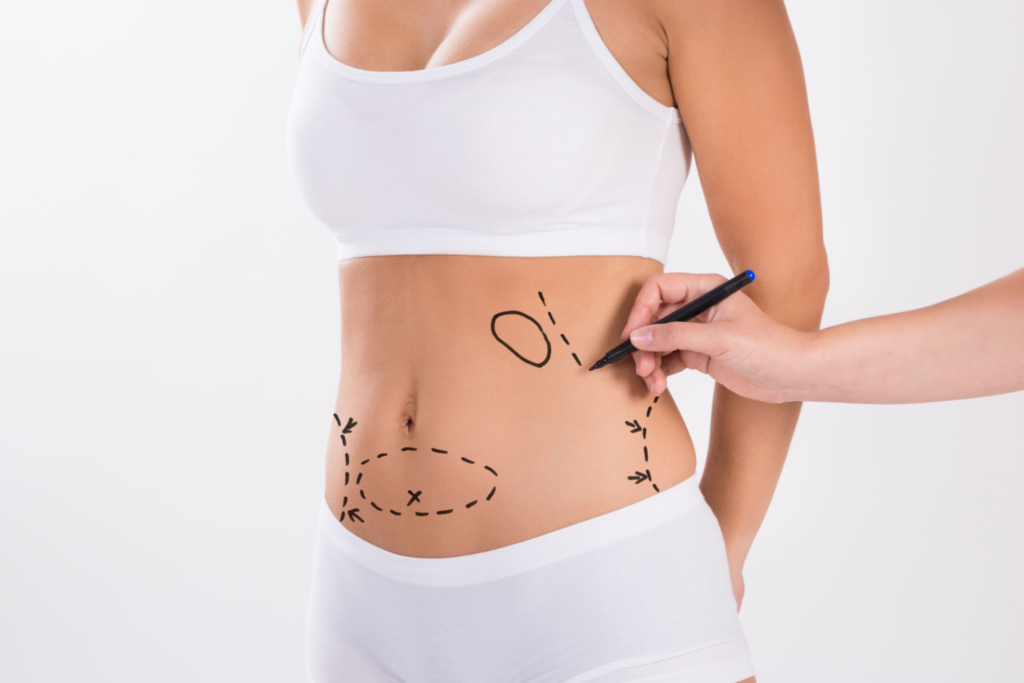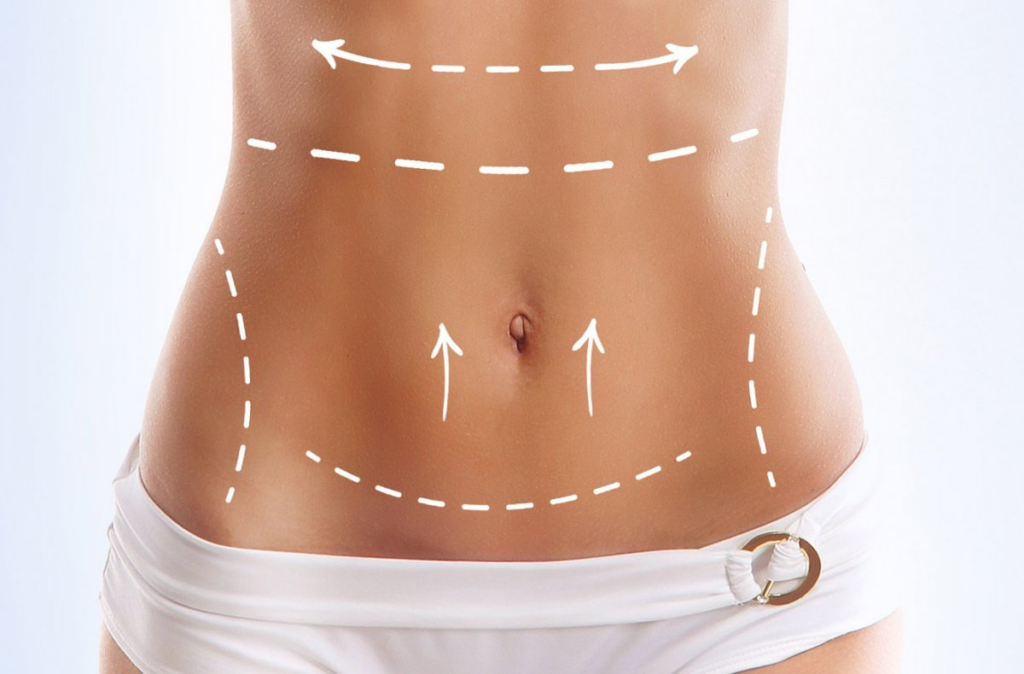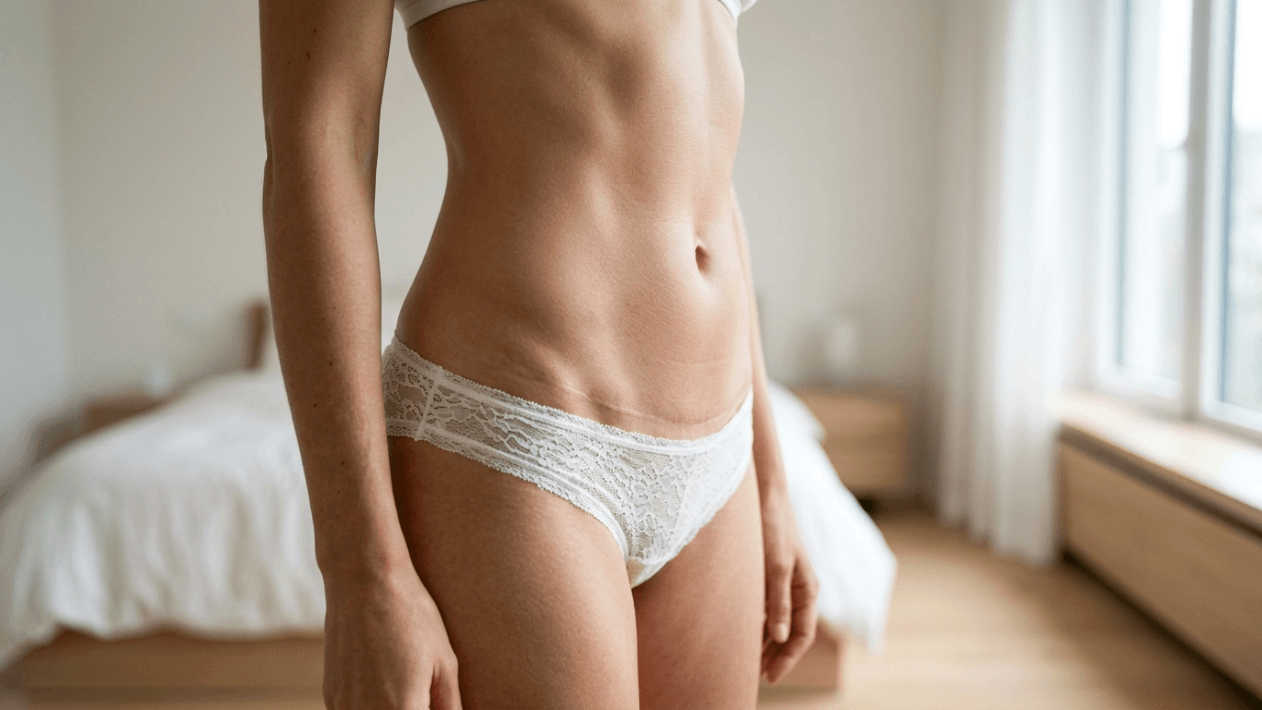
Sonra bir karın germe (abdominoplasti), birçok hasta daha düz, daha şekilli bir karın elde eder—ancak kesiklerinin uçlarında küçük, kırışık deri kıvrımları fark eder. Bunlara “köşe kıvırmalar”, yaygın ancak genellikle gözden kaçan bir komplikasyon. Araştırıyorsan tummy tuck sonrası dog ears prosedürleri, muhtemelen şu soruları soruyorsunuz: Bu neden oldu? Düzeltilebilir mi? Ve nasıl önleyebilirim?
Bu rehber, nedenlerini derinlemesine inceliyor dog ears, modern cerrahi tekniklerin oluşumunu nasıl azalttığını ve düzeltme seçeneklerinizi—cerrahi olmayan yöntemler ya da revizyon prosedürleri aracılığıyla—öğreneceksiniz. Sonunda, bazı hastaların bu sorunu neden geliştirdiğini, nasıl ele alacağınızı ve daha pürüzsüz, daha rafine bir sonuç için hangi adımları atmanız gerektiğini anlayacaksınız.
İçindekiler
Plastik cerrahide ‘Dog Ears’ nedir?
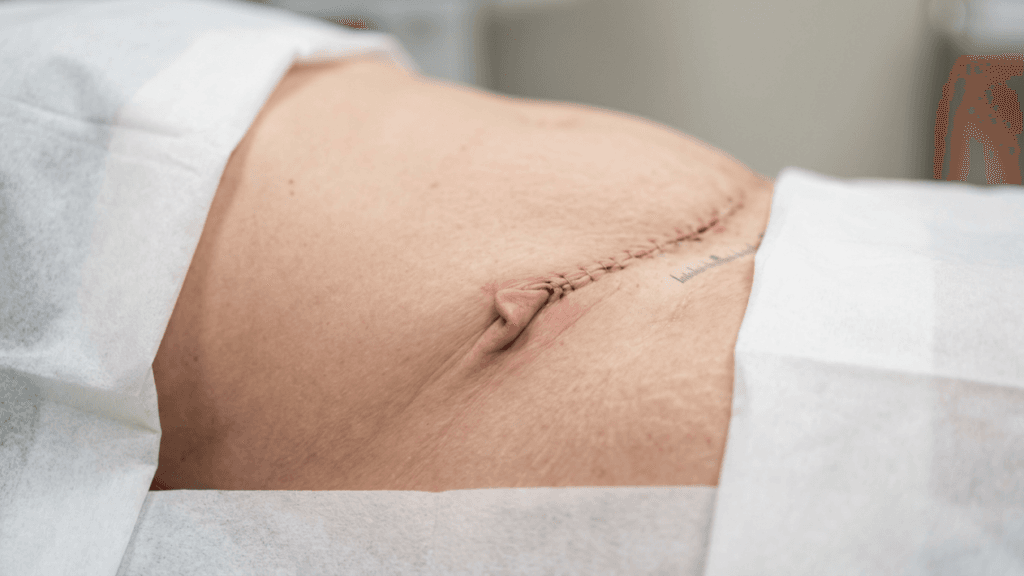
dog ears bir kesiğin uçlarında, bir prosedür sonrası ortaya çıkan küçük, buruşuk deri kıvrımlarına atıfta bulunur karın germe. Bu kıvrımlar bir köpeğin sarkık kulaklarını andırır, bu yüzden bu isim verilmiştir. Fazla deri veya doku, kesiğin yan (lateral) kenarlarında kaldığında, düzensiz bir kontur oluşturur.
While dog ears zararlı olmasalar da, özellikle ameliyat sonrası düz, düz bir karın bekleyen hastalar için estetik açıdan rahatsız edici olabilirler. Neden oluştuğunu anlamak, önleme ve düzeltme yolundaki ilk adımdır.
Tummy tuck sonrası dog ears neden oluşur?
- Fazla Deri veya Doku: Kesi yeterince yanlara uzatılmadığında, kalan deri uçlarda birikerek dog ears.
- Yanlış Kesi Yerleştirme: Kesenin uzunluğu ve açısı kritik bir rol oynar. Kötü planlanmış bir kesi, düzensiz kenarlar bırakabilir.
- Yetersiz Deri Yeniden Örtülmesi: Ameliyat sırasında, deri dikkatlice yeniden örtülüp sabitlenmelidir, aksi takdirde kırışıklık oluşur.
- Kilo Dalgalanmaları: Ameliyat sonrası kilo alımı veya kaybı deri gerginliğini değiştirebilir, dog ears.
Bu faktörler, hassasiyete öncelik veren yetkin bir cerrah seçmenin önemini vurgular kesim yerleştirme ve deri yeniden örtülmesi.
Tummy tuck sonrası dog ears nasıl önlenir
Önleme her zaman düzeltmeden iyidir. İşte siz ve cerrahınızın riskleri en aza indirmek için yapabilecekleri: dog ears:
1. Optimal Kesik Tasarımı
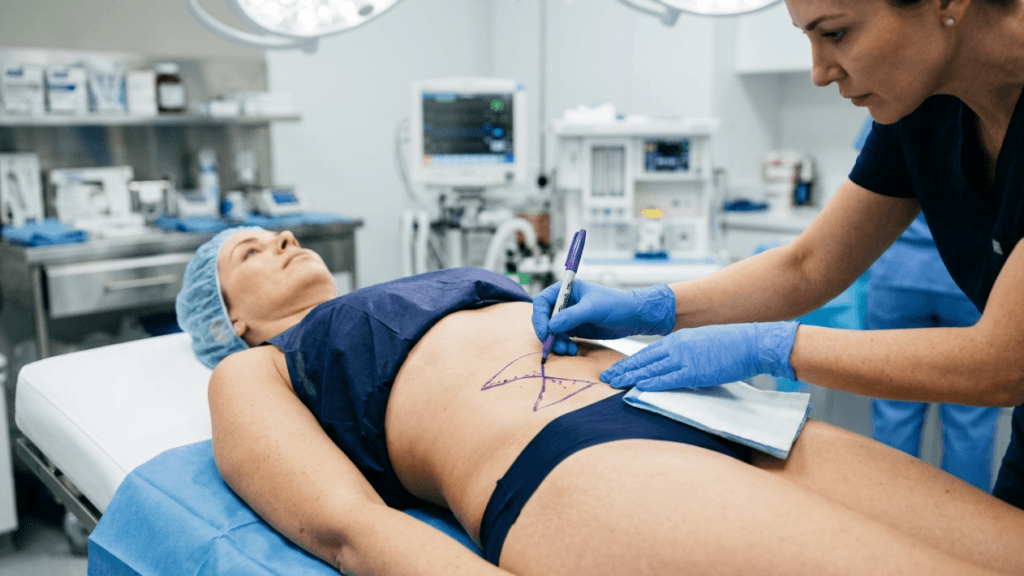
İyi planlanmış bir kesi, pürüzsüz bir sonucun temelidir. Cerrahlar genellikle bir “balık kuyruğu” insizyonu, standart yatay çizgiyi biraz aşarak fazla deriyi karşılamak ve kırışıklığı önlemek için kullanılır. Bu teknik, derinin kalıntı kıvrım olmadan düz bir şekilde durmasını sağlar.
2. Titiz Cilt Yeniden Düzenleme
İşlem sırasında{BOLD_1} cerrah, deriyi dikkatlice yeniden örtmeli ve eşit şekilde sabitlemelidir. Bu adım, deri kırışıklığını önlemek ve doğal bir kontur sağlamak için kritiktir. İlerletilmiş teknikler, örneğin progresif gerilim dikişleri, gerilimi kesi boyunca eşit şekilde dağıtmaya yardımcı olur.
3. Ameliyat Sonrası Bakım
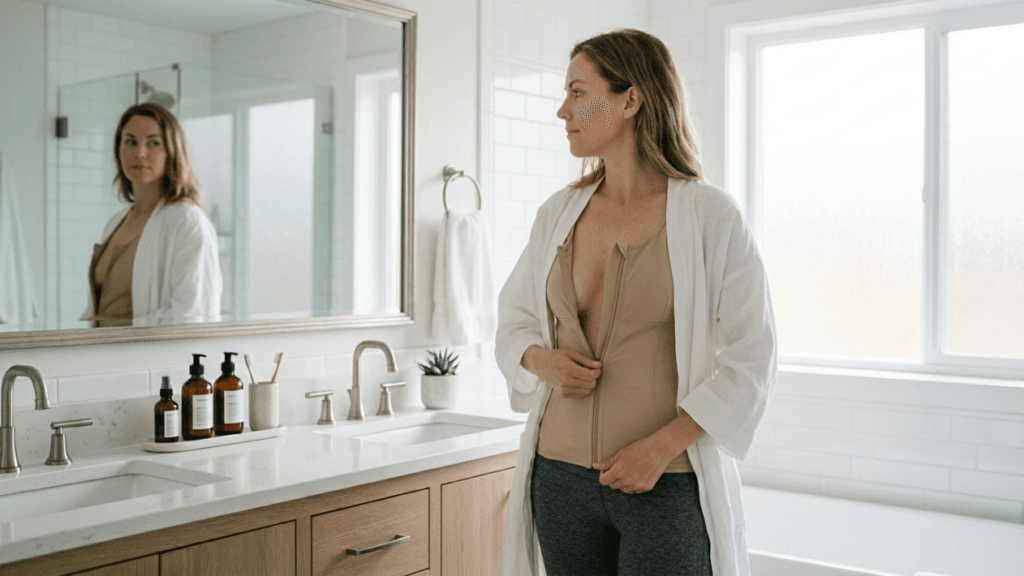
Cerrahınızın ameliyat sonrası talimatlarını takip etmek hayati öneme sahiptir. Yönergeler doğrultusunda bir kompresyon giysisi giymek şişliği azaltmaya ve iyileşen deri desteklemeye yardımcı olur. Zorlayıcı aktivitelerden kaçınmak ve istikrarlı bir kilo korumak da dog ears.
Köpek kulakları düzeltilebilir mi?
gibi dog ears komplikasyonların oluşmuş olması durumunda endişelenmeyin—çözümler mevcuttur. Yaklaşım, sorunun şiddetine ve genel sağlığınıza bağlıdır.
Cerrahi Olmayan Seçenekler
Hafif vakalar için cerrahi olmayan tedaviler yardımcı olabilir:
- Steroid Enjeksiyonları: Bunlar iltihabı azaltabilir ve dog ears.
- Lazer Terapisi: Lazer tedavileri kolajen üretimini uyararak deri elastikiyetini artırır ve kırışıklığı azaltır.
- Radyo Frekans Terapisi: Bu invaziv olmayan seçenek deriyi sıkılaştırır ve küçük düzensizlikleri düzeltir.
Cerrahi Düzeltme
Daha belirgin dog ears, bir cerrahi revizyon gerekebilir. Bu şunları içerir:
- Kesiyi Uzatma: Cerrah, fazla deriyi çıkarmak ve daha pürüzsüz bir kontur oluşturmak için orijinal kesiği uzatabilir.
- Liposuction: Bazı durumlarda, revizyonel liposuction alanı şekillendirmek ve kırışıklıkları gidermek için kullanılabilir.
- Cilt Eksizyonu: Aşırı derinin doğrudan eksizyonu, düz ve eşit bir sonuç elde etmek için yapılabilir.
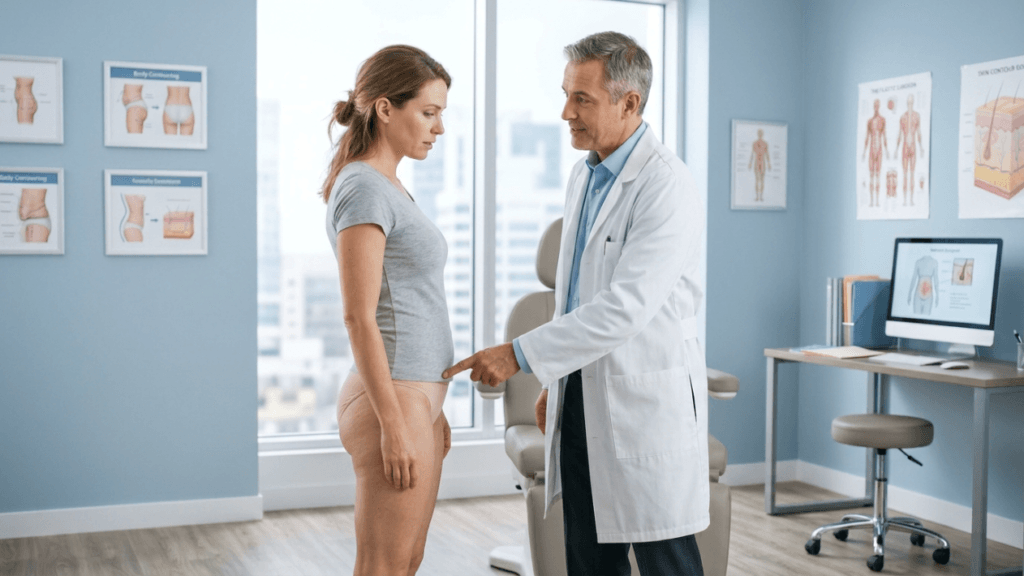
Cerrahınız, benzersiz anatominiz ve hedefleriniz doğrultusunda en iyi yaklaşımı önerecektir.
İyileşme Sürecinde Neler Beklenir
İyileşme dog ears Düzeltme, kullanılan yönteme bağlı olarak değişir. Cerrahi olmayan tedavilerde iyileşme süresi minimaldir ve çoğu hasta birkaç gün içinde normal aktivitelerine döner. Ancak cerrahi revizyonlar daha uzun bir iyileşme süresi gerektirir.
Ameliyat Sonrası İyileşme
Cerrahi bir revizyon geçirdiğinizde aşağıdakileri bekleyin:
- İlk Hafta: Şişlik ve morluklar yaygındır. Bir kompresyon giysisi giymeniz ve yoğun aktivitelerden kaçınmanız gerekir.
- 2–4 Hafta: Çoğu hasta hafif aktivitelere dönebilir, ancak ağır kaldırma ve yoğun egzersizlerden kaçınılmalıdır.
- 6–12 Hafta: Şişlik azaldıkça ve deri yeni konturuna oturduğunda nihai sonuçlar görünür hale gelir.
Cerrahınız, sorunsuz bir iyileşme ve optimal sonuçlar için kişiselleştirilmiş talimatlar sağlayacaktır.
Karın Germe Sonrası Köpek Kulakları Hakkında Sıkça Sorulan Sorular
Köpek kulakları kendiliğinden kaybolur mu?
Bazı durumlarda, hafif dog ears şişlik azaldıkça ve deri oturduğunda iyileşebilir. Ancak daha belirgin vakalar genellikle cerrahi olmayan veya cerrahi müdahale gerektirir.
Köpek kulağı düzeltme maliyeti ne kadar?
Düzeltme maliyeti dog ears kullanılan yönteme bağlı olarak değişir. Cerrahi olmayan tedaviler seans başına $200 ile $1,000 arasında değişirken, cerrahi revizyonlar prosedürün karmaşıklığına bağlı olarak $2,000 ile $5,000 arasında değişebilir.
Köpek kulakları tamamen önlenebilir mi?
Hiçbir prosedür 0% risk içermese de, deneyimli bir cerrah seçmek, pre- ve post-operatif talimatlara uymak ve istikrarlı bir kiloyu korumak, oluşma olasılığını önemli ölçüde azaltır. dog ears.
Köpek kulağı düzeltmesi sigorta tarafından karşılanıyor mu?
Çoğu sigorta planı dog ears düzeltmeyi kozmetik bir prosedür olarak kabul eder ve kapsamaz. Ancak, spesifik detaylar için sağlayıcınızla görüşmeniz en iyisidir.
Köpek Kulakları Düzeltmesi İçin Doğru Cerrahı Seçmek
Başarınız dog ears düzeltme büyük ölçüde cerrahınızın beceri ve deneyimine bağlıdır. İşte dikkat etmeniz gerekenler:
- Board Sertifikası: Cerrahınızın plastik cerrahide kurul sertifikalı olduğundan emin olun; bu, titiz eğitim ve yüksek standartlara uyumu gösterir.
- Revizyon deneyimi: Geniş deneyime sahip bir cerrah seçin cerrahi revizyon prosedürlerde, özellikle karın germe komplikasyonlar.
- Öncesi ve Sonrası Portföyü: Doktorun önceki çalışmalarını gözden geçirerek doğal görünen sonuçlar sunma yeteneğini değerlendirin.
- Hasta Görüşleri: Geçmişteki hasta geri bildirimleri, cerrahın uzmanlığı ve konuk hizmeti tutumuna dair bir öngörü sunabilir.
Kişiselleştirilmiş bir danışmanlık için, bizim Karın Germe sayfamızı veya bizimle iletişime geçin sayfamızı ziyaret ederek randevu alın.
Son Düşünceler: Pürüzsüz, Doğal Kontur Elde Etmek
Sütun yuvarlama sonrası köpek kulakları Prosedürler tepkimi yaratabilir, ama kalıcı değildir. Önleme ya da düzeltme yoluyla doğru yaklaşımla, istediğiniz yumuşak ve şekillendirilmiş karın bölgesine ulaşabilirsiniz. Nedenleri anlamak, seçeneklerinizi keşfetmek ve deneyimli bir cerrahın seçilmesi, güvenli ve memnuniyetli bir sonuca ulaşmanız için ilk adım olacaktır.
Hazırlık: size dog ears? Bize bugün ulaşın Seçeneklerinizi tartışmak ve kusursuz bir contürünüzün yolculuğuna başlamak için.