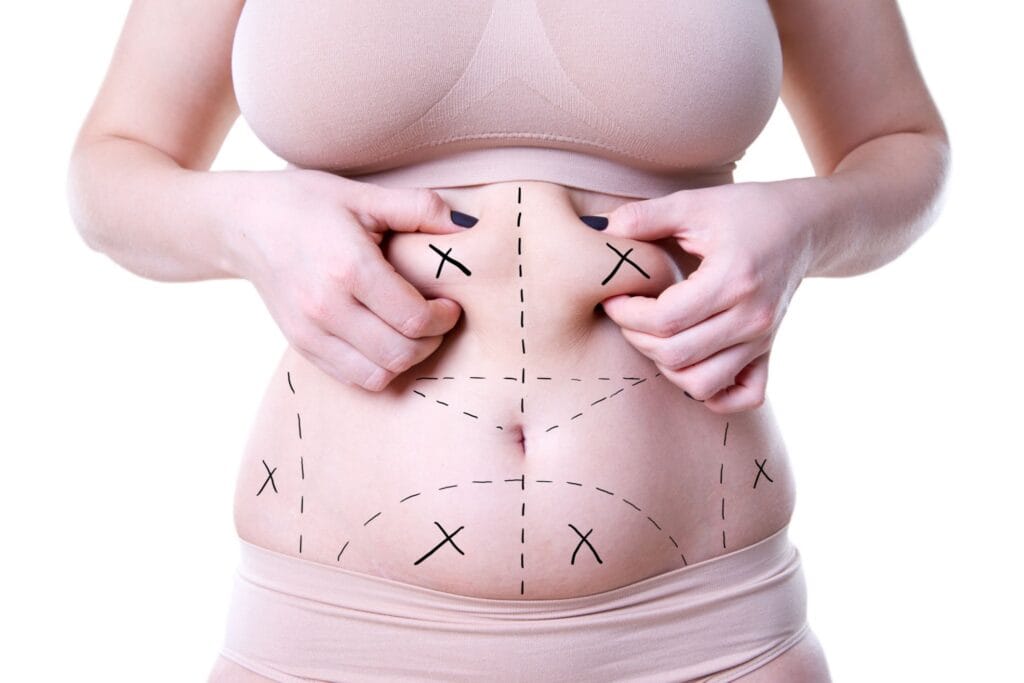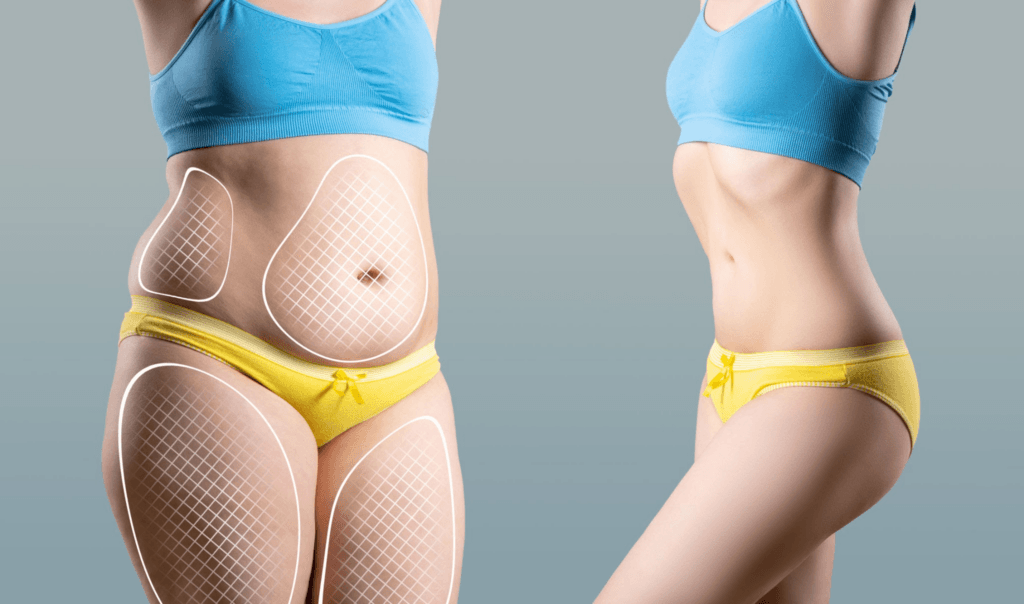
Liposuction, while a popular cosmetic procedure, isn’t a weight-loss solution. It’s a body contouring technique targeting localized fat deposits. Therefore, Body Mass Index (BMI) plays a crucial role in determining candidacy. This article clarifies the BMI considerations for undergoing liposuction.
Table of Contents
Understanding BMI and Liposuction
BMI, calculated by dividing weight in kilograms by the square of height in meters, provides a general assessment of body fat. While not a perfect measure, it offers a useful indicator of overall health and weight status. Liposuction, conversely, is a surgical procedure designed to remove stubborn subcutaneous fat that resists diet and exercise. It’s crucial to understand that liposuction is not a substitute for weight loss; it refines body contours in individuals already near their ideal weight. The procedure aims to sculpt and improve body shape, not to drastically reduce overall body fat percentage. Therefore, a realistic understanding of BMI’s role is paramount before considering liposuction.
Liposuction targets specific areas with excess fat, such as the abdomen, thighs, hips, or chin. It’s important to note that the procedure doesn’t address visceral fat (fat surrounding organs), which is associated with significant health risks. BMI helps assess the overall fat distribution and overall health status, which directly impacts the suitability for the procedure. A surgeon will carefully evaluate a patient’s BMI in conjunction with other factors like overall health, skin elasticity, and realistic expectations to determine candidacy. The procedure is not a quick fix for obesity or significant weight problems.
Patients often misunderstand liposuction’s capabilities. It’s not a magic bullet for weight loss. Instead, it’s a precision tool for refining body contours. A thorough consultation with a board-certified plastic surgeon is essential to manage expectations and assess suitability. The surgeon will assess the patient’s overall health, medical history, and lifestyle factors, in addition to BMI, to determine if liposuction is the appropriate procedure. Open and honest communication is vital to ensure a safe and successful outcome.
The relationship between BMI and liposuction is complex and should be carefully considered. While a low BMI is generally preferred for optimal results and reduced risk, an extremely low BMI might indicate underlying health issues that would contraindicate the procedure. The surgeon’s judgment is critical in balancing the patient’s BMI with other relevant factors to determine the best course of action. The aim is to achieve a safe and aesthetically pleasing outcome while prioritizing the patient’s overall well-being.

BMI Limits for the Procedure
Generally, patients with a BMI below 30 are considered ideal candidates for liposuction. However, this is not a rigid cutoff. Surgeons may consider patients with slightly higher BMIs if the excess fat is localized and doesn’t represent significant overall obesity. Individual assessment is critical, considering factors like overall health, skin elasticity, and the patient’s specific goals. The surgeon will evaluate the patient’s body composition and fat distribution to determine suitability, even if the BMI is slightly above the typical range. An excessively high BMI may increase the risks associated with anesthesia and surgery, making the procedure less advisable.
A crucial aspect of the assessment is the location and amount of excess fat. Even with a BMI slightly above 30, if the fat is concentrated in specific areas and the patient is otherwise healthy, liposuction might still be an option. The surgeon will conduct a thorough physical examination and possibly order additional tests to evaluate overall health and fitness for surgery. The goal is to ensure the patient’s safety and achieve optimal results. This personalized approach emphasizes the importance of individual assessment over strict adherence to numerical BMI limits.
It’s essential to understand that the BMI limit is a guideline, not an absolute rule. Experienced plastic surgeons will use their clinical judgment to determine candidacy based on a holistic assessment of the patient’s health and body composition. Factors such as skin elasticity, the amount and location of excess fat, and the patient’s overall health are all taken into consideration. The decision is always made with the patient’s safety and well-being as the top priority.
The surgeon’s expertise in assessing risk factors is paramount. While a BMI below 30 is generally preferred, the surgeon may consider exceptions based on individual circumstances. This underscores the importance of choosing a qualified and experienced plastic surgeon who can accurately assess the patient’s suitability for the procedure. The consultation process should involve a thorough discussion of risks, benefits, and realistic expectations.

Health Risks & BMI Considerations
Higher BMIs are associated with increased surgical risks, including complications related to anesthesia and wound healing. Patients with higher BMIs may also have a greater risk of infection and slower recovery times. This is why maintaining a healthy BMI is crucial before considering any elective surgery, including liposuction. A comprehensive pre-operative assessment is necessary to identify and mitigate potential risks.
Obesity increases the risk of complications such as deep vein thrombosis (DVT), pulmonary embolism, and cardiac events during and after surgery. These risks are amplified in patients with higher BMIs. Therefore, achieving a healthier weight through diet and exercise before undergoing liposuction is strongly recommended. This not only reduces surgical risks but also improves overall surgical outcomes and recovery.
Patients with significantly high BMIs may be advised to lose weight before considering liposuction. Weight loss can improve overall health, reduce surgical risks, and enhance the aesthetic results of the procedure. The surgeon will work with the patient to develop a personalized plan that addresses both weight management and body contouring goals. This collaborative approach ensures the patient’s safety and optimal outcomes.
Pre-operative optimization of health is critical for minimizing risks. This includes managing conditions like diabetes, hypertension, and sleep apnea, which are often associated with higher BMIs. Addressing these underlying health issues before surgery significantly improves the safety and success of the procedure. A multidisciplinary approach, involving the plastic surgeon and other healthcare professionals as needed, is often beneficial.

Ideal BMI Range for Best Results
While there’s no single “ideal” BMI for liposuction, a BMI generally below 30 is associated with better outcomes and reduced risks. Patients within this range typically have better skin elasticity, allowing for smoother results and faster healing. This doesn’t mean those outside this range are ineligible, but it highlights the correlation between BMI and surgical outcomes. The surgeon will assess individual factors to determine candidacy and potential outcomes.
Patients with a BMI closer to the lower end of the healthy range often experience improved results and faster recovery times. This is because they generally have better skin elasticity and less excess fat to remove. However, even within the ideal BMI range, individual results can vary depending on factors such as genetics, lifestyle, and the surgeon’s technique. Realistic expectations are crucial for a positive experience.
The goal is not to achieve a specific BMI but to achieve a healthy weight and body composition that minimizes surgical risks and optimizes results. Weight loss through diet and exercise, if needed, can significantly improve the outcome of liposuction. This holistic approach prioritizes overall health and well-being, not just aesthetic improvements. The surgeon will guide the patient in developing a plan that addresses both weight management and aesthetic goals.
Ultimately, the best approach is a collaborative one between the patient and the surgeon. Open communication, realistic expectations, and a focus on overall health are essential for achieving the best possible outcome from liposuction. The surgeon’s expertise in assessing individual circumstances and making informed decisions is crucial for a safe and successful procedure.
In conclusion, while there’s no strict BMI cutoff for liposuction, a BMI below 30 generally indicates better candidacy and reduced surgical risks. However, individual assessment is paramount, considering factors beyond BMI, such as overall health, skin elasticity, and the location and amount of excess fat. A thorough consultation with a board-certified plastic surgeon is essential to determine suitability and manage expectations. The procedure is a body contouring technique, not a weight-loss solution, and should be approached with a realistic understanding of its capabilities and limitations.
Transform Your Confidence with Surgyteam!
Join the thousands of satisfied patients who have experienced the exceptional care and expertise of Surgyteam’s renowned plastic surgeons. Whether you’re seeking aesthetic enhancements or reconstructive surgery, our dedicated team in Antalya is here to provide you with the highest quality treatment and personalized care.