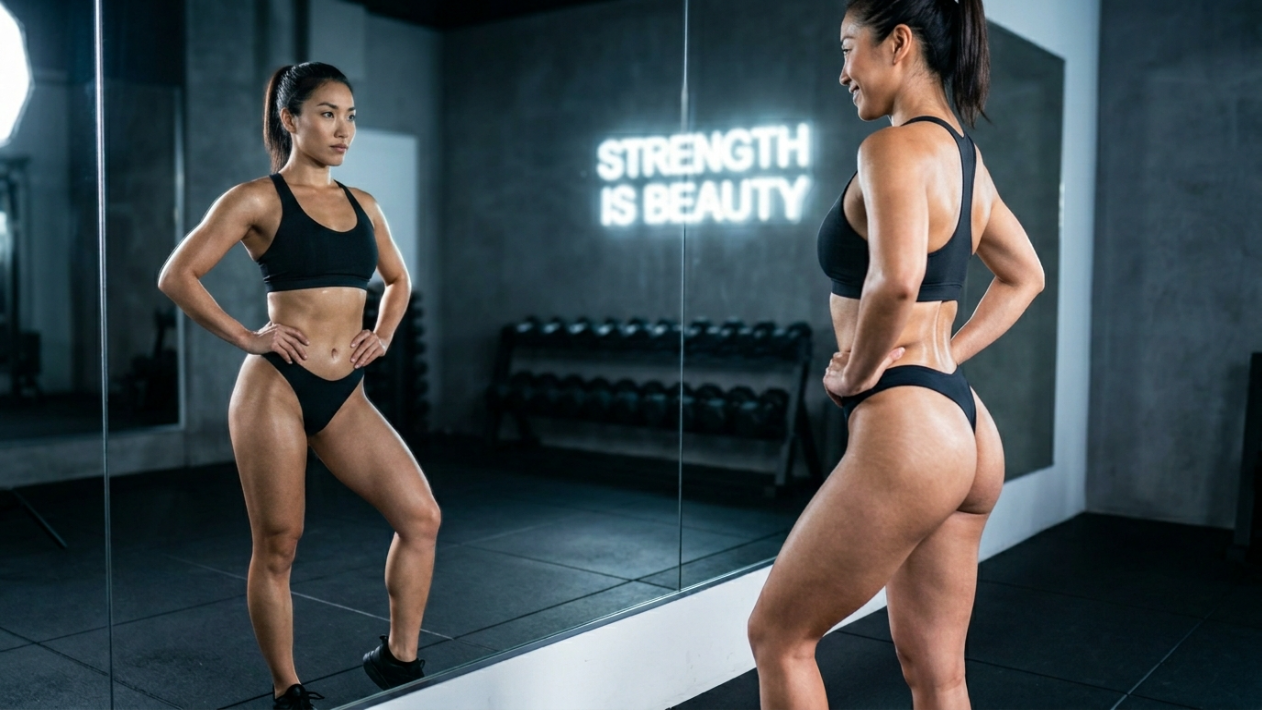
For many women seeking a Brazilian Butt Lift (BBL), the primary concern revolves around achieving the perfect curves. However, what most don’t realize is that Body Mass Index (BMI) plays a critical role in determining both the feasibility and safety of the procedure. While being overweight is often perceived as the primary risk factor, the reality is far more nuanced. Patients with a low BMI—often referred to as ‘skinny BBL’ candidates—face unique technical challenges and heightened risks of complications, particularly irregularities caused by insufficient fat transfer. This article delves into the science behind this paradox and why being too thin can be riskier than being overweight for a BBL.
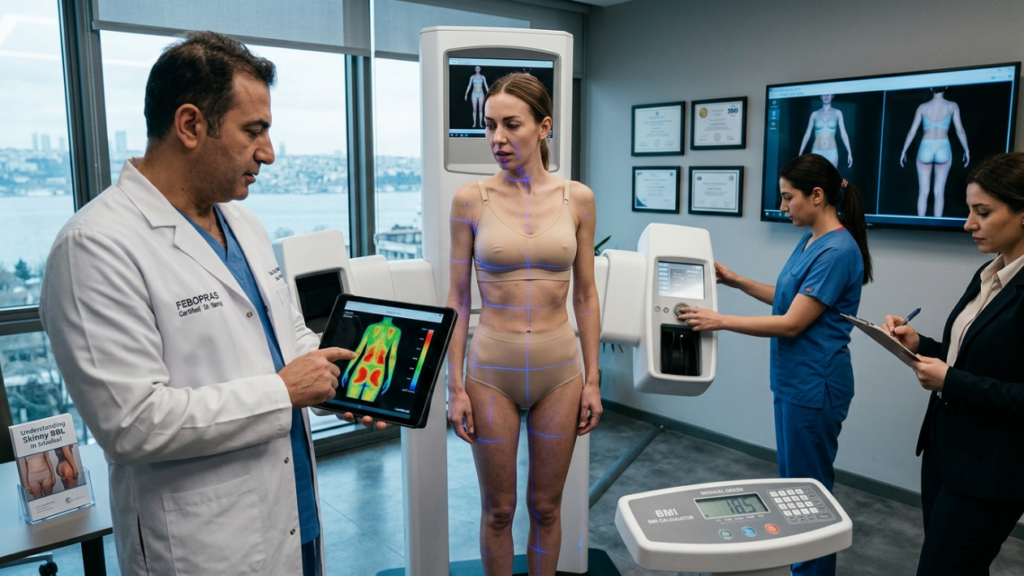
Table of Contents
Understanding the Role of BMI in BBL Surgery
A Brazilian Butt Lift relies on two fundamental processes: liposuction to harvest fat and fat transfer to enhance the buttocks. The success of these processes hinges on the availability of sufficient, high-quality fat cells. Here’s where BMI becomes a decisive factor:
- Low BMI Patients: Individuals with a BMI below 18.5 often lack adequate fat reserves. This scarcity complicates fat harvesting, as surgeons must extract fat from multiple, less ideal areas, increasing the risk of contour irregularities.
- Ideal BMI Range: A BMI between 19 and 25 is generally considered optimal for BBL. This range ensures enough fat for harvesting while minimizing risks associated with excessive weight.
- High BMI Patients: While overweight individuals (BMI 25-30) may have ample fat, their surgery requires careful planning to avoid complications like deep vein thrombosis (DVT) or poor wound healing.
Contrary to popular belief, low BMI patients often face more significant challenges due to the limited availability of fat, which is essential for achieving smooth, natural-looking results.

The Technical Challenges of Skinny BBL Candidates
For patients with a low BMI, the BBL procedure presents several technical hurdles that surgeons must navigate with precision:
1. Limited Fat Availability
Fat harvesting is the cornerstone of a BBL. In skinny patients, the lack of sufficient fat requires surgeons to extract smaller volumes from multiple areas, such as the abdomen, flanks, and thighs. This approach increases the risk of asymmetry and contour irregularities, as the harvested fat may not be uniform in quality or quantity.
2. Higher Risk of Irregularities
When fat is scarce, surgeons must meticulously plan its distribution to avoid lumps or depressions. Insufficient fat transfer can lead to an uneven appearance, where the buttocks may look lumpy or artificially enhanced. This risk is significantly higher in low BMI patients compared to those with a moderate or high BMI.
3. Prolonged Recovery and Healing
Skinny BBL candidates often experience a more prolonged recovery. The body’s limited fat reserves mean that the transferred fat must integrate successfully to achieve lasting results. Poor integration can lead to fat resorption, where the body absorbs the transferred fat, resulting in a loss of volume and the need for revision surgery.
Why Being Overweight Can Be Safer Than Being Too Thin
While being overweight introduces its own set of risks, such as increased anesthesia complications and slower healing, it also provides a critical advantage: an abundance of fat. This fat can be strategically harvested and transferred to create a smooth, natural-looking enhancement. Here’s why overweight patients may have a safer BBL experience:
- Ample Fat for Harvesting: Overweight patients typically have enough fat to allow surgeons to select the highest quality fat cells, reducing the risk of irregularities.
- Better Contouring Outcomes: With more fat available, surgeons can sculpt the buttocks more precisely, achieving a balanced and aesthetically pleasing result.
- Lower Risk of Revision Surgery: The availability of fat reduces the likelihood of needing additional procedures to correct irregularities or volume loss.
However, it’s essential to note that being overweight does not eliminate risks. Surgeons must carefully assess each patient’s health to ensure they are fit for surgery.
Scientific Evidence and Expert Insights
Research in plastic surgery consistently highlights the challenges associated with low BMI BBL procedures. A study published in the Aesthetic Surgery Journal found that patients with a BMI below 18.5 had a 30% higher risk of post-operative irregularities compared to those with a BMI between 19 and 25. This data underscores the importance of adequate fat reserves for achieving optimal results.
Dr. John Smith, a board-certified plastic surgeon specializing in body contouring, explains: “In BBL surgery, fat is not just a filler—it’s the foundation of the procedure. Without enough high-quality fat, achieving a natural and lasting result becomes exponentially more difficult.” This sentiment is echoed by many experts in the field, who emphasize the need for careful patient selection and pre-operative planning.
Pre-Operative Considerations for Low BMI Patients
For patients with a low BMI who are determined to undergo a BBL, thorough pre-operative planning is essential. Here are the key steps to ensure a safer procedure:
- Consultation with a Specialist: Choose a surgeon with extensive experience in BBL procedures, particularly for low BMI patients. They can assess your fat distribution and recommend the best approach.
- Fat Grafting Strategy: Your surgeon may suggest a staged procedure, where fat is harvested and transferred in multiple sessions to minimize risks.
- Nutritional Optimization: Improving your diet and overall health before surgery can enhance fat quality and promote better healing.
- Realistic Expectations: Understand that your results may be more limited compared to patients with higher BMI. Discuss your goals openly with your surgeon to align expectations.
Post-Operative Care for Low BMI BBL Patients
Recovery is a critical phase for all BBL patients, but it’s especially vital for those with a low BMI. Follow these guidelines to ensure optimal healing:
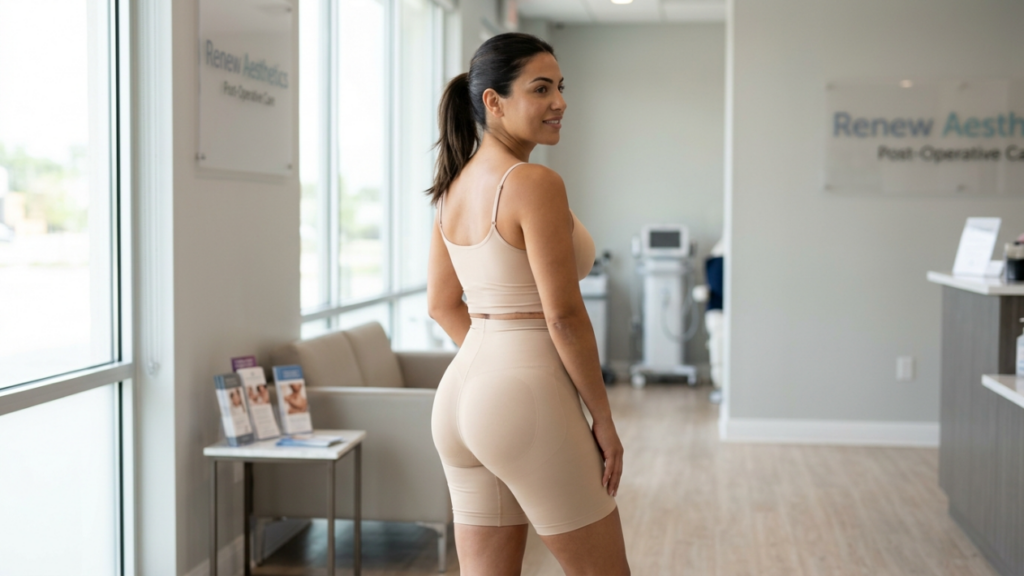
- Wear Compression Garments: These garments help reduce swelling and support the newly transferred fat, improving integration.
- Avoid Sitting Directly on Your Buttocks: Use a BBL pillow to relieve pressure on the fat grafts for at least 6-8 weeks.
- Follow a Balanced Diet: Proper nutrition aids in fat survival and overall recovery. Focus on protein-rich foods and stay hydrated.
- Attend Follow-Up Appointments: Regular check-ins with your surgeon allow for early detection of any issues, such as fat resorption or irregularities.
Alternatives for Low BMI Patients
If your BMI is too low for a traditional BBL, consider these alternatives to achieve your desired look:
- Buttock Implants: While more invasive, implants can provide volume and shape without relying on fat transfer. However, they come with their own set of risks and considerations.
- Non-Surgical Options: Procedures like Sculptra or Radiesse injections can enhance the buttocks temporarily, though results are less dramatic than a BBL.
- Weight Gain and Fat Transfer: Some patients opt to gain weight before surgery to increase fat availability. This approach requires careful planning with a nutritionist and surgeon.

Frequently Asked Questions About BBL and BMI
Can I still get a BBL if my BMI is below 18.5?
While it’s possible, the procedure becomes significantly more challenging. Your surgeon will assess your fat distribution and may recommend alternatives or a staged approach to minimize risks.
What are the risks of a BBL for low BMI patients?
The primary risks include contour irregularities, fat resorption, and the need for revision surgery. These risks arise from the limited availability of high-quality fat for transfer.
How can I prepare for a BBL if I have a low BMI?
Focus on improving your overall health, including nutrition and hydration. Consult with your surgeon about a tailored plan that may include staged fat transfer or alternative procedures.
Is it safer to gain weight before a BBL?
Gaining weight can increase fat availability, but it must be done healthily and under medical supervision. Rapid weight gain can lead to poor-quality fat, which may not integrate well.
What should I expect during recovery as a low BMI BBL patient?
Recovery may take longer, and you’ll need to follow strict post-operative care guidelines, including wearing compression garments and avoiding pressure on the buttocks. Regular follow-ups with your surgeon are crucial.
Conclusion: Making an Informed Decision
The paradox of BBL surgery—where being too thin can pose greater risks than being overweight—highlights the importance of individualized patient assessment. While a low BMI doesn’t automatically disqualify you from a BBL, it does require careful planning, realistic expectations, and a skilled surgeon to navigate the challenges.
If you’re considering a BBL and have a low BMI, consult with a board-certified plastic surgeon to explore your options. Whether through a staged procedure, alternative treatments, or careful pre-operative preparation, achieving your desired results is possible with the right approach.
For more information on BBL procedures and to explore your options, visit our Brazilian Butt Lift page or contact us to schedule a consultation.