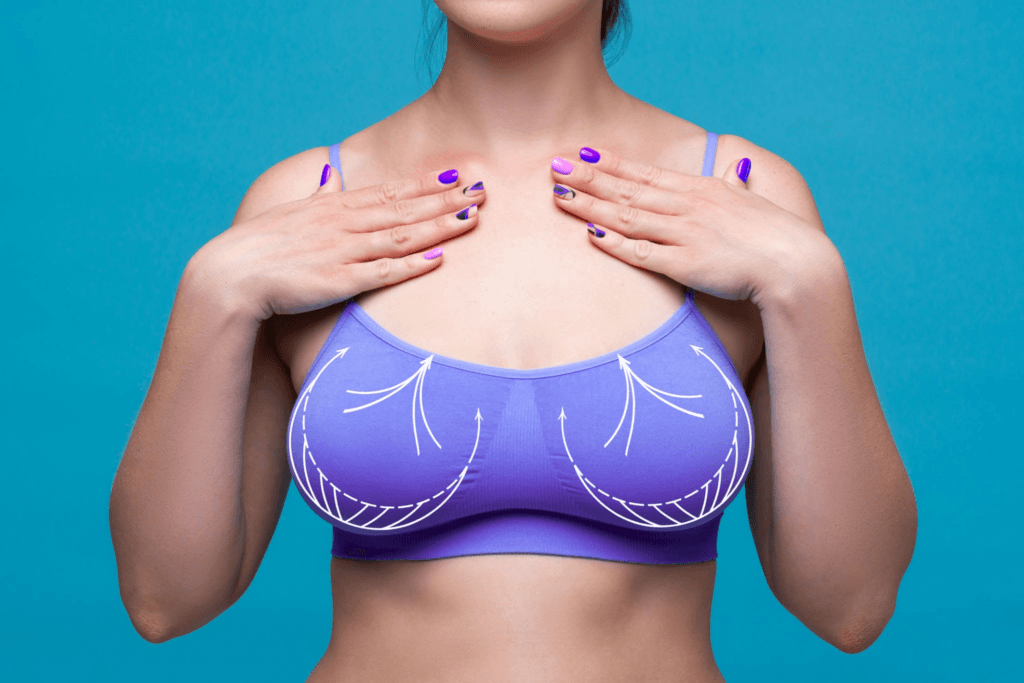
Watching your body change during puberty can be both exciting and confusing. If you’re wondering about the breast growth age limit, you’re not alone. Many teens and young adults ask: When will my breasts stop growing? The answer isn’t one-size-fits-all, but understanding the stages of development can provide clarity. Breast growth is influenced by genetics, hormones, and overall health, and it typically follows a predictable timeline during puberty and early adulthood.
This guide will walk you through the Tanner Stages, the role of hormones in mammogenesis (breast development), and what to expect as your body matures. Whether you’re experiencing growth now or simply curious about the process, this information will help you understand your body’s natural journey.

Table of Contents
The 5 Stages of Breast Development: Understanding the Tanner Stages
Breast development follows a series of predictable stages known as the Tanner Stages. These stages outline the physical changes that occur during puberty, helping you understand where you are in the process and what to expect next.
Stage 1: Pre-Puberty
During childhood, before puberty begins, there is little to no visible breast tissue. This stage typically lasts until around age 8-10, though the exact timing varies for each individual.
Stage 2: Breast Buds
The first visible sign of mammogenesis is the development of breast buds. Small, firm lumps form under the nipple, and the breast area may feel tender. This stage usually begins between ages 9-11 and can last up to two years.
Stage 3: Growth Acceleration
Breasts begin to grow larger and rounder as glandular tissue and fat develop. The areola (the darker area around the nipple) also enlarges. This stage typically occurs between ages 12-14.
Stage 4: Areola Protrusion
The areola and nipple form a secondary mound above the rest of the breast. This stage usually happens around age 14-15 and is a sign that growth is nearing completion.
Stage 5: Maturity
By this stage, the breasts have reached their adult size and shape. The areola is no longer raised and blends smoothly with the breast contour. Most individuals reach this stage by age 16-18, though some may continue to see subtle changes into their early 20s.

When Do Breasts Stop Growing? The Breast Growth Age Limit
The breast growth age limit varies from person to person, but most individuals reach full maturity by their late teens. Here’s a general timeline:
- Early Teens (12-14): Rapid growth occurs during these years as hormones like estrogen drive mammogenesis.
- Mid-Teens (15-17): Growth slows down, and breasts begin to take on their adult shape.
- Late Teens to Early 20s (18-21): By this age, most individuals have reached their final breast size, though minor changes can still occur due to weight fluctuations or hormonal shifts.
It’s important to note that every body is unique. Some individuals may finish developing earlier or later than the average timeline. If you’re concerned about your development, consulting a healthcare provider can provide personalized insights.
Can Breasts Grow After 18?
While the breast growth age limit is typically reached by the late teens, certain life events can cause further changes:
- Pregnancy: Hormonal changes during pregnancy can cause temporary or permanent increases in breast size.
- Weight Fluctuations: Gaining or losing weight can affect breast size due to changes in fat tissue.
- Hormonal Birth Control: Some individuals experience breast growth while using hormonal contraceptives.
- Medical Conditions: Certain conditions, such as hormonal imbalances, can influence breast size even after puberty.

Common Concerns About Breast Development
Why Is One Breast Bigger Than the Other?
Asymmetry is incredibly common and completely normal. Most individuals have one breast that is slightly larger or shaped differently than the other. This difference is usually subtle and nothing to be concerned about. However, if you notice a sudden or significant change in size or shape, it’s a good idea to consult a healthcare provider.
Do Breasts Grow at the Same Rate?
Breasts often develop at slightly different rates, even within the same individual. One breast may start growing before the other, or one may grow more quickly. This is a normal part of mammogenesis and usually balances out over time.
What If My Breasts Haven’t Started Growing Yet?
If you’re in your mid-teens and haven’t noticed any signs of breast development, it’s important to remember that everyone’s body follows its own timeline. Some individuals start puberty later than others. If you’re concerned, speaking with a healthcare provider can help determine if everything is progressing normally.
Factors That Influence Breast Growth
Several factors can affect the timing and extent of breast development. Understanding these can help you make sense of your body’s unique journey:
1. Genetics
Your genetic makeup plays a significant role in determining when your breasts start growing, how quickly they develop, and their final size and shape. If your mother or close female relatives had early or late development, you might follow a similar pattern.
2. Nutrition
A balanced diet rich in essential nutrients supports healthy development during puberty. Proper nutrition ensures that your body has the resources it needs for mammogenesis and overall growth.
3. Hormonal Balance
Hormones like estrogen and progesterone drive breast development. Any imbalances in these hormones can affect the timing and progression of the Tanner Stages. Conditions like polycystic ovary syndrome (PCOS) or thyroid disorders can influence hormonal balance.
4. Overall Health
Chronic illnesses, medications, or significant stress can impact growth and development. Maintaining good overall health supports your body’s natural processes during puberty.

When to Seek Medical Advice
While breast development varies widely, there are certain signs that may indicate a need to consult a healthcare provider:
- No signs of breast development by age 14.
- Breast development that seems significantly delayed compared to peers.
- Sudden, unexplained changes in breast size or shape.
- Severe pain, lumps, or other unusual symptoms.
- Concerns about asymmetry or other aspects of development.
If you have any concerns about your development, don’t hesitate to reach out to a healthcare provider. They can offer guidance and ensure everything is progressing as it should.
Frequently Asked Questions About Breast Growth
Do breasts keep growing after 18?
Most individuals reach their final breast size by their late teens, but minor changes can occur due to weight fluctuations, pregnancy, or hormonal changes. Significant growth after 18 is less common but can happen in certain circumstances.
Why is one breast bigger than the other?
Asymmetry is completely normal and very common. Most people have one breast that is slightly larger or shaped differently than the other. This difference is usually subtle and nothing to worry about.
Can I influence how my breasts develop?
While you can’t change your genetic blueprint, maintaining a healthy lifestyle with good nutrition and overall health supports normal development during puberty. Avoiding smoking and excessive stress can also promote healthy growth.
What are the Tanner Stages?
The Tanner Stages are a standardized scale that describes the physical changes occurring during puberty. For breast development, they range from Stage 1 (pre-puberty) to Stage 5 (full maturity), outlining the progression from breast buds to adult breast shape.
Is it normal to have breast pain during development?
Mild tenderness or discomfort is common during the early stages of breast development, particularly when breast buds form. This usually subsides as your body adjusts. If pain is severe or persistent, consult a healthcare provider.
Understanding Your Body’s Journey
Breast development is a natural and unique process that varies from person to person. While the breast growth age limit is typically reached by the late teens, it’s important to remember that everyone’s body follows its own timeline. Understanding the Tanner Stages and the factors that influence mammogenesis can help you feel more confident and informed about your body’s journey.
If you have concerns about your development or are considering options like breast augmentation in the future, consulting with a healthcare provider or specialist can provide personalized guidance. For more information or to schedule a consultation, visit our contact page.