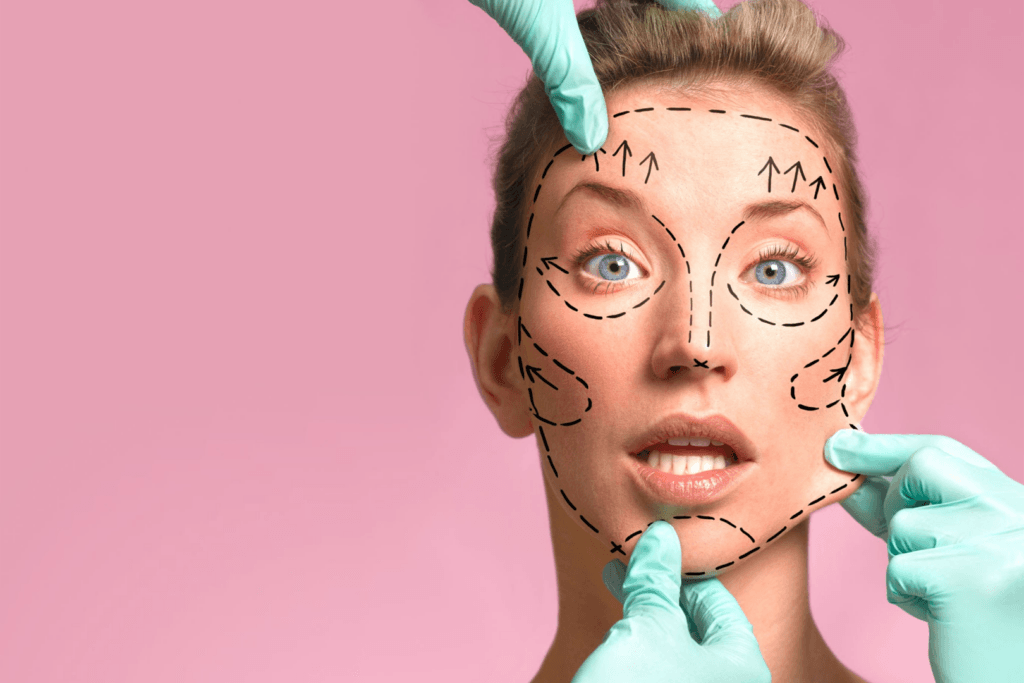
هل تفكر في شد الفخذين للحصول على فخذين أكثر نعومة وتناسقًا؟ بينما جراحة شد الفخذين يمكن أن تحقق نتائج تحويلية، من الضروري فهم المخاطر والمضاعفات المحتملة المرتبطة بالإجراء. إن الاطلاع على هذه المخاطر يتيح لك اتخاذ قرار مستنير، والاستعداد بشكل كافٍ، واتخاذ خطوات لتقليل المضاعفات.
في هذا الدليل الشامل، سنستكشف:
- ال المخاطر والمضاعفات الشائعة لجراحة شد الفخذين.
- مضاعفات أقل شيوعًا ولكنها خطيرة أن يكون على دراية بـ.
- كيفية تقليل المخاطر قبل وأثناء وبعد الجراحة.
- علامات المضاعفات ومتى تطلب المساعدة الطبية.
- نصائح لـ اختيار جراح مؤهل للحد من المخاطر.
بنهاية هذا الدليل، ستحصل على فهم شامل للمخاطر المحتملة وكيفية التعامل معها لتجربة شد فخذين أكثر أمانًا ونجاحًا. لنبدأ!
جدول المحتويات
1. المخاطر والمضاعفات الشائعة لشد الفخذين
1.1. العدوى
العدوى هي واحدة من المخاطر الأكثر شيوعًا المرتبطة بأي إجراء جراحي، بما في ذلك جراحة الفخذ. يمكن أن تحدث العدوى في مواقع الجروح وقد تتطلب علاجًا إضافيًا إذا لم يتم التعامل معها بشكل صحيح.
| وجه | وصف | الوقاية والإدارة |
|---|---|---|
| الأسباب | دخول البكتيريا إلى مواقع الجروح أثناء أو بعد الجراحة. | ضمان بيئة جراحية معقمة واتباع تعليمات رعاية الجروح بعد الجراحة. |
| الأعراض | الحمرة، التورم، الدفء، القيح، أو الحمى في موقع الجرح. | راقب مواقع الجروح وابلغ جراحك فورًا بأي علامات على العدوى. |
| علاج | يتم وصف المضادات الحيوية عادة لمعالجة العدوى. | خذ المضادات الحيوية الموصوفة كما هو موصوف وحدد مواعيد المتابعة. |
١.٢. النزيف والورم الدموي
النزيف هو خطر شائع خلال وبعد جراحة شد الثاي، وقد يؤدي النزيف المفرط إلى تكوين ورم دموي، وهو تجمع الدم خارج الأوعية الدموية الذي قد يتطلب تصريفًا.
| وجه | وصف | الوقاية والإدارة |
|---|---|---|
| الأسباب | تلف الأوعية الدموية أثناء العمليات الجراحية أو النشاط بعد الجراحة. | تجنب أدوية رقيق الدم واتبع قيود نشاط جراحك. |
| الأعراض | الانتفاخ، الكدمات، الألم، أو كتلة صلبة في موقع الجراحة. | ابلغ جراحك فورًا بأي انتفاخ أو ألم غير عادي أو ألم غير مبرر. |
| علاج | تصريف الورم الدموي ورصد النزيف الإضافي. | اتبع تعليمات جراحك للرعاية بعد الجراحة وقيود النشاط. |
١.٣. التندب
الندوب هي جزء لا مفر منه من أي إجراء جراحي، بما في ذلك شد الثاي.
| وجه | وصف | الوقاية والإدارة |
|---|---|---|
| الأسباب | عملية الشفاء الطبيعية بعد الشقوق. | اتبع تعليمات جراحك ل رعاية الندوب واستخدم العلاجات الموصوفة. |
| الأعراض | ندوب مرئية في مواقع الشقوق، والتي قد تكون مرتفعة، حمراء أو حاكة في البداية. | استخدم أوراق السيليكون أو الهلام لتقليل مظهر الندوب. |
| علاج | جراحة إعادة تشكيل الندبات أو علاجات مثل العلاج بالليزر للندبات الشديدة. | استشر جراحك لخيارات إدارة الندبات المتقدمة إذا لزم الأمر. |
١.٤. ضعف التئام الجروح
ضعف التئام الجروح قد ينتج عن عوامل مختلفة، تشمل العدوى، سوء التغذية، أو حالات صحية كامنة. قد يؤدي إلى تأخر التعافي وزيادة الندبات.
| وجه | وصف | الوقاية والإدارة |
|---|---|---|
| الأسباب | العدوى، سوء التغذية، التدخين، أو مشاكل صحية كامنة مثل السكري. | حافظ على نظام غذائي صحي، أقلع عن التدخين، وادِر الحالات المزمنة قبل الجراحة. |
| الأعراض | التئام البطيء، أو انفصال الجروح، أو احمرار وانتفاخ مستمر. | اتبع تعليمات جراحك لرعاية الجروح وأبلغ عن أي مخاوف فوراً. |
| علاج | رعاية إضافية للجروح، أو المضادات الحيوية، أو مراجعة جراحية إذا لزم الأمر. | احضر جميع مواعيد المتابعة لمراقبة الجرح والعناية به بشكل صحيح. |
نصيحة احترافية: اتبع تعليمات جراحك قبل وبعد الجراحة بدقة لتقليل خطر المضاعفات الشائعة مثل العدوى، والنزيف، والتهيل الجرحي السيئ.

٢. مضاعفات أقل شيوعًا لكنها خطيرة
٢.١. جلطات الدم (الخثار الوريدي العميق والانصمام الرئوي)
التخثر الدموي هو مضاعفة خطيرة ولكن أقل شيوعا من جراحة التخفيض في الفخذ. يحدث الخثار الوريدي العميق عندما يتكون الخثار في وريد عميق، بينما يحدث انسداد الرئة إذا انتقل الخثار إلى الرئتين.
| وجه | وصف | الوقاية والإدارة |
|---|---|---|
| الأسباب | عدم الحركة المطول، أو الجفاف، أو الاستعداد الوراثي للتخثر. | حافظ على ترطيبك، وتحرك في أقرب وقت ممكن بعد الجراحة، وارتدِ جوارب ضاغطة. |
| الأعراض | الانتفاخ، أو الألم، أو الدفء، أو الاحمرار في الساقين (DVT)؛ ضيق التنفس أو ألم الصدر (PE). | اطلب الرعاية الطبية فوراً إذا كنت تعاني من أي أعراض الخثار الدموي. |
| علاج | مضادات التخثر أو أدوية حل الخثرة؛ التدخل الجراحي في الحالات الشديدة. | اتبع إرشادات جراحك للحركة والأدوية بعد الجراحة. |
٢.٢. تلف الأعصاب
تلف الأعصاب هو مضاعفة نادرة ولكن خطيرة يمكن أن يؤدي إلى تنميل، أو وخز، أو فقدان الإحساس في منطقة الفخذ.
| وجه | وصف | الوقاية والإدارة |
|---|---|---|
| الأسباب | إصابة الأعصاب أثناء الجراحة أو شد الأنسجة المفرط. | اختر جراحاً ذا خبرة لتقليل خطر تلف الأعصاب. |
| الأعراض | خدر، تنميل، أو فقدان الإحساس في منطقة الفخذ. | أبلغ جراحك فوراً عن أي شعور غير عادي. |
| علاج | الوقت، العلاج الطبيعي، أو التدخل الجراحي في الحالات الشديدة. | اتبع توصيات جراحك لمراقبة الأعراض المتعلقة بالأعصاب وإدارتها. |
٢.٣. نخر الجلد
نخر الجلد، أو موت الأنسجة، هو مضاعفة نادرة ولكنها شديدة يمكن أن تحدث إذا تعطل إمداد الدم إلى الجلد.
| وجه | وصف | الوقاية والإدارة |
|---|---|---|
| الأسباب | ضعف الدورة الدموية، أو التوتر المفرط على الجلد، أو العدوى. | تأكد من استخدام تقنيات جراحية صحيحة واتبع تعليمات الرعاية بعد الجراحة. |
| الأعراض | جلد مسود أو متغير اللون، ألم حاد، أو رائحة كريهة في موقع الجراحة. | اطلب رعاية طبية فورية إذا لاحظت علامات نخر الجلد أو موت الأنسجة. |
| علاج | إزالة الأنسجة الميتة جراحياً، مضادات حيوية، أو ترقيع جلد في الحالات الشديدة. | اتبع تعليمات جراحك لرعاية الجرح والمراقبة. |
٢.٤. مخاطر التخدير
التخدير آمن بشكل عام، لكنه يحمل مخاطر محتملة، بما في ذلك ردود الفعل التحسسية، مشاكل تنفسية، أو آثار جانبية من الأدوية.
| وجه | وصف | الوقاية والإدارة |
|---|---|---|
| الأسباب | ردود فعل تحسسية، حالات صحية كامنة، أو إعطاء تخدير غير صحيح. | قدم تاريخاً طبياً كاملاً لطبيب التخدير قبل الجراحة. |
| الأعراض | صعوبة في التنفس، طفح جلدي، غثيان، أو تغيرات في معدل ضربات القلب. | راقب عن كثب أثناء الجراحة وبعدها لأي ردود فعل سلبية. |
| علاج | تدخل طبي فوري، وتعديل التخدير، أو أدوية لمواجهة ردود الفعل. | تأكد من أنك تحت إشراف أخصائي تخدير مؤهل خلال الجراحة. |
نصيحة احترافية: ناقش تاريخك الطبي وأي مخاوف مع جراحك وأخصائي التخدير قبل الجراحة لتقليل خطر حدوث مضاعفات خطيرة.
٣. تقليل المخاطر قبل وأثناء وبعد الجراحة
3.1. الاستعداد قبل الجراحة
يمكن أن يقلل التحضير المناسب قبل جراحة شد الفخذ من خطر المضاعفات بشكل كبير:
| خطوة التحضير | لماذا يهم ذلك | نصائح |
|---|---|---|
| التقييم الطبي | يضمن أنك لائق جسديًا للجراحة ويحدد المخاطر المحتملة. | خضع لتقييم طبي شامل واكشف عن تاريخك الطبي الكامل. |
| اختبارات المعمل | الكشف عن الحالات الكامنة التي قد تؤثر على الجراحة أو التعافي. | أكمل جميع الاختبارات المعملية المطلوبة و اتبع التوصيات التي يحددها جراحك. |
| تعديلات الأدوية | يمنع التفاعلات مع التخدير ويقلل من مخاطر النزيف. | اتبع تعليمات جراحك بشأن تعديل أو إيقاف الأدوية. |
| الإقلاع عن التدخين | يحسن الشفاء ويقلل من خطر المضاعفات. | الإقلاع عن التدخين قبل الجراحة بستة أسابيع على الأقل. |
| التغذية والترطيب | يدعم الشفاء والصحة العامة. | حافظ على نظام غذائي متوازن وابقَ رطبًا قبل الجراحة. |
٣.٢. اختيار جراح مؤهل
يُعد اختيار جراح معتمد وذو خبرة من أهم الخطوات لتقليل المخاطر:
| عامل | لماذا يهم ذلك | نصائح |
|---|---|---|
| شهادة المجلس | يضمن أن الجراج استوفى معايير التدريب الصارمة والمعايير الأخلاقية. | تحقق من الاعتماد عبر المجلس الأمريكي لجراحة التجميل (ABPS). |
| يعانون من | الجراحون ذوو الخبرة الأكبر يميلون إلى تحقيق نتائج أفضل بمضاعفات أقل. | اسأل عن عدد عمليات شد الفخذين التي أجراها الجراح. |
| آراء المرضى | يوفر نظرة ثاقبة على رضا المرضى والنتائج. | اقرأ التقييمات على منصات مثل RealSelf أو Google. |
| صور قبل وبعد | يمنحك توقعًا واقعيًا لعمل الجراح. | اطلب مشاهدة صور قبل وبعد لمرضى سابقين. |
| المنشأة الجراحية | يضمن أن المنشأة تستوفي معايير السلامة والجودة. | تحقق من اعتماد المنظمات مثل AAAASF أو JCAHO. |
٣.٣. الرعاية والمتابعة بعد الجراحة
العناية اللاحقة للجراحة ضرورية لتقليل المخاطر وتأمين التعافي السلس:
| خطوة الرعاية | لماذا يهم ذلك | نصائح |
|---|---|---|
| إدارة الألم | يساعد في إدارة الانزعاج ويعزز الراحة للشفاء. | تناول مسكنات الألم الموصوفة كما هو موجه. |
| العناية بالجروح | يمنع العدوى ويدعم الشفاء السليم. | اتبع تعليمات جراحك لتنظيف وتضميد الشقوق الجراحية. |
| الملابس الضاغطة | يقلل التورم ويدعم عملية الشفاء. | ارتدِ ملابس الضغط وفقًا لتعليمات جراحك. |
| قيود النشاط | يمنع إجهاد الشقوق الجراحية ويقلل من خطر المضاعفات. | تجنب الأنشطة المجهدة واتبع إرشادات جراحك. |
| مواعيد المتابعة | يضمن الشفاء السليم ويعالج أي مخاوف على الفور. | احضر جميع زيارات المتابعة المجدولة مع جراحك. |
نصيحة احترافية: إعداد خطة للتعافي التي تشمل نظام دعم، والإمدادات الضرورية، وجدول لموعدات المتابعة لضمان تعافي سلس وناجح.
٤. التعرف على المضاعفات والاستجابة لها
٤.١. علامات العدوى
التعرف على علامات العدوى في وقت مبكر يمكن أن يمنع مضاعفات أكثر خطورة:
| علامة | وصف | إجراء |
|---|---|---|
| الحمرة | زيادة الاحمرار حول موقع الجراحة. | راقب انتشار الاحمرار و اتصل بجراحك إذا تدهور الحالة. |
| الانتفاخ | الانتفاخ المفرط الذي لا يزول مع مرور الوقت. | استخدام أكياس الثلج وملابس الضغط؛ وتقديم تقارير عن الانتفاخ المستمر إلى جراحك. |
| قيح أو تصريف | إفراز أصفر أو أخضر من موقع الجرح. | الاتصال بجراحك على الفور إذا لاحظت القيح أو التصريف ذو الرائحة الكريهة. |
| حمى | ارتفاع درجة حرارة الجسم، الذي قد يشير إلى العدوى. | طلب الرعاية الطبية إذا أصبت بحمى. |
| زيادة الألم | ألم يزداد سوءًا مع الوقت بدلًا من أن يتحسن. | أبلغ جراحك فورًا عن أي ألم متزايد. |
٤.٢. علامات جلطات الدم
يمكن أن تكون الجلطات الدموية مهددة للحياة إذا لم تُعالَج promptly. تعرّف على العلامات واطلب الرعاية الطبية الفورية:
| علامة | وصف | إجراء |
|---|---|---|
| تورم الساق | تورم مفاجئ أو شديد في ساق واحدة. | اطلب الرعاية الطبية إذا لاحظت تورمًا غير معتاد. |
| ألم | ألم أو حساسية في الساق، خاصة عند الوقوف أو المشي. | أبلغ جراحك فورًا عن ألم الساق. |
| دفء | دفء أو احمرار في الساق المصابة. | راقب التغيرات في درجة حرارة الجلد ولونه. |
| ضيق في التنفس | صعوبة في التنفس أو ألم في الصدر، قد تشير إلى انصمام رئوي. | اطلب رعاية طبية طارئة إذا شعرت بضيق في التنفس أو ألم في الصدر. |
٤.٣. علامات ضعف التئام الجروح
يمكن أن يؤدي سوء التئام الجروح إلى مضاعفات أخرى إذا لم يتم التعامل معها على الفور:
| علامة | وصف | إجراء |
|---|---|---|
| انفصال الجرح | الشقوق التي تفتح مرة أخرى أو لا تغلق بشكل صحيح. | اتصل بجراحك إذا لاحظت انفصال الجرح. |
| احمرار مستمر | احمرار لا يتلاشى أو ينتشر حول موقع الشق. | راقب التغيرات في الاحمرار وأبلغ جراحك بأي مخاوف. |
| تصريف مفرط | تصريف مستمر أو متزايد من موقع الشق. | اتبع تعليمات جراحك للعناية بالجرح وأبلغ عن أي تصريف مفرط. |
| تأخر الشفاء | بطء في تقدم التئام الجرح أو علامات العدوى. | احضر مواعيد المتابعة لمراقبة الجرح بشكل صحيح. |
نصيحة احترافية: احتفظ بمذكرة أعراض لتتبع تقدم تعافيك وأي علامات غير عادية. شارك هذه المعلومات مع جراحك خلال مواعيد المتابعة.
الخاتمة: النقاط الرئيسية للحصول على تجربة آمنة لجراحة الفخذ
النقاط الرئيسية
- المخاطر الشائعة تشمل مخاطر عملية شد الفخذين العدوى، والنزيف، والتندب، وسوء التئام الجروح. فهم هذه المخاطر يساعدك على الاستعداد واتخاذ تدابير وقائية.
- مضاعفات أقل شيوعًا ولكنها خطيرة, ، مثل الجلطات الدموية، وتلف الأعصاب، ونخر الجلد، تتطلب عناية طبية فورية إذا ظهرت الأعراض.
- تقليل المخاطر يتضمن إعدادًا شاملاً قبل الجراحة، واختيار جراح مؤهل، والالتزام بتعليمات الرعاية بعد العملية.
- التعرف على علامات المضاعفات التصرف مبكرًا وطلب العناية الطبية الفورية يمكن أن يمنع مشاكل أكثر خطورة ويضمن تعافيًا أكثر سلاسة.
الخطوات التالية
مستعد للمضي قدمًا في جراحة شد الفخذين بثقة؟ إليك ما يمكنك فعله بعد ذلك:
- استشر جراحًا متخصصًا حدد موعدًا للاستشارة مع جراح تجميل معتمد من البورد لمناقشة أهدافك وتقييم أهليتك.
- استعد جيدًا: اتبع تعليمات جراحك قبل الجراحة، بما في ذلك الفحوصات الطبية والتقييمات والفحوصات المخبرية وتعديلات نمط الحياة.
- خطط لاستعادة: رتّب نظام دعم، وجهّز منزلك، واجمع الإمدادات اللازمة لتعافٍ سلسٍ.
- ابقَ مطلعًا: ثقف نفسك حول علامات المضاعفات واعرف متى تطلب المساعدة الطبية.
- زيارة فريق الجراحة: تواصل مع جراحين مؤهلين واحصل على إرشادات خبراء لرحلتك في عملية شد الفخذين.
في فريق الجراحة, ، نحن ملتزمون بمساعدتك على تحقيق أهدافك الجمالية بأمان وفعالية. تواصل معنا اليوم لاستكشاف خياراتك واتخاذ الخطوة الأولى نحو ثقة أكبر بنفسك!
الأسئلة الشائعة
1. ما هي المخاطر الأكثر شيوعًا لجراحة شد الفخذين؟
المخاطر الأكثر شيوعًا تشمل العدوى، والنزيف، والتندب، وسوء التئام الجروح. يمكن تقليل هذه المخاطر بالرعاية المناسبة قبل وبعد العملية.
2. كيف يمكنني تقليل مخاطر المضاعفات بعد عملية شد الفخذ؟
لتقليل المخاطر:
- اتبع تعليمات جراحك قبل وبعد الجراحة.
- اختر جراحًا حاصلًا على شهادة اعتماد من المجلس وذو خبرة.
- حافظ على نمط حياة صحي قبل وبعد الجراحة.
- احضر جميع المواعيد المتبقية المقررة.
3. ما هي علامات العدوى بعد جراحة الفخذ؟
تشمل علامات العدوى:
- زيادة الاحمرار أو التورم.
- إفرازات قيحية أو رائحة كريهة.
- الحمى أو القشعريرة.
- زيادة الألم.
اتصل بجراحك على الفور إذا لاحظت أي من هذه الأعراض.
4. هل يمكن أن تسبب عملية رأب الفخذ ضررًا عصبيًا؟
يمكن أن يؤدي تلف الأعصاب إلى خدر أو تنميل أو فقدان الحس في منطقة الفخذ. يمكن أن يقلل اختيار جراح متمرس من هذا الخطر.
5. ماذا أفعل إذا اشتبهت في وجود جلطة دموية بعد عملية شد الفخذ؟
إذا شككت في وجود جلطة دموية، اطلب رعاية طبية فورية. تشمل الأعراض:
- الانتفاخ أو الألم المفاجئ في الساق.
- الدفء أو الاحمرار في الساق.
- ضيق التنفس أو ألم الصدر.
6. كم من الوقت يستغرق زوال الندوب بعد عملية شد الفخذ؟
تبدأ الندوب عادةً في التلاشي خلال 3 إلى 6 أشهر وتستمر في التحسن مع مرور الوقت. يمكن أن يساعد استخدام صفائح أو جل السيليكون واتباع تعليمات العناية بالندوب من الجراح في تقليل مظهرها.
7. هل عملية شد الفخذ آمنة؟
تُعد عملية شد الفخذ آمنة بشكل عام عند إجرائها بواسطة جراح حاصل على شهادة البورد وذو خبرة في منشأة معتمدة. يمكن أن يعزز اتباع التعليمات قبل وبعد العملية السلامة والنتائج بشكل أكبر.
8. ما هي الأسئلة التي يجب أن أسأل جراحي عنها بشأن المخاطر والمضاعفات؟
فكر في السؤال:
- ما أكثر المضاعفات شيوعًا التي واجهتها مع عملية شد الفخذ؟
- كيف تقلل المخاطر أثناء الجراحة؟
- ما علامات المضاعفات التي يجب أن أراقبها أثناء التعافي؟
- ما نهجك في إدارة المضاعفات إذا ظهرت؟
جراحونا والمتخصصون المنتسبون إلينا
في Surgyteam، نحن فخورون بالتعاون مع فريق متميز من المتخصصين الطبيين، حيث يتمتع كل منهم بخبرة واسعة والتزام بالرعاية التي تركز على المريض.
- د. محمد فاتح أوكياي (دكتور في جراحة التجميل والترميم): أخصائي جراحة التجميل والترميم. مؤسس مشارك في Surgyteam. حاصل على شهادة FEBOPRAS.https://www.dr-mfo.com/)
- د. سلجوق يلماز: أخصائي جراحة التجميل والترميم والتجميل.https://drselcukyilmaz.com)
- الدكتور إبرو أوكياي: أخصائي الأمراض الجلدية. (https://drebruokyay.com/)
- د. مصطفى كلش: أخصائي جراحة التجميل والترميم والبلاستيك.https://www.medstar.com.tr/doktorlar/mustafa-keles/)
- الدكتور بوراي يوسيل: أخصائي جراحة التجميل والترميم والتجميل.https://borayucel.com/)
- د. سيبل أتالاي: أخصائية جراحة التجميل والترميم والتجميل. عيادة حاصلة على ترخيص السياحة الصحية الدولية.https://www.sibelatalay.com.tr/)
- د. ميرت ميرال: أخصائي جراحة التجميل والترميم والتجميل. حاصل على شهادة EBOPRAS.https://mertmeral.com/)
لمعرفة المزيد عن Surgyteam وكيف يمكننا مساعدتك، يرجى زيارة موقعنا الإلكتروني:
https://surgyteam.com/
إخلاء مسؤولية: هذه التدوينة لأغراض إعلامية فقط، ولا تُعدّ نصيحة طبية. التكاليف تقديرية وقابلة للتغيير. استشر دائمًا طبيبًا مؤهلًا للحصول على نصائح وعلاجات شخصية.