يعتقد معظم المرضى أن تعافي رفع الثدي ينتهي لحظة إزالة أنابيب التصريف الجراحية أو عند زوال التورم الأولي. هذا مفهوم خاطئ خطير يُقوّض النتيجة الجمالية التي استثمرت فيها. بينما تستغرق الجراحة نفسها بضع ساعات، فإن البنية الداخلية لنتائجك تُبنى فعليًا خلال الأيام الـ 42 الأولى. إذا تعاملت مع هذه الأسابيع الستة كفترة تقتصر على “تجنب الألم”، فمن المحتمل أنك تُضحّي بديمومة رفعك. النجاح الحقيقي في جراحة رفع الثدي لا يُقاس بالأشهر، بل باستقرار الأنسجة بعد عشر سنوات.
تمتلك جلد الثدي وأربطته الداخلية “ذاكرة” بيولوجية وحدًا معينًا لمقدار التوتر الذي يمكنها تحمله أثناء الشفاء. خلال المرحلة الأولية استعادة شكل الثدي, ، يقوم جسمك فعليًا بـ“تثبيت” الموضع الجديد لنسيجك الغدي. في SURGYTEAM، نؤكد أن هذه الفترة هي مرحلة تثبيت معمارية، تمامًا مثل ترك الخرسانة لتجف. بدون الدعم الصحيح والبيئة الأيضية المناسبة، تبدأ الجاذبية هجومها المضاد فورًا، مما يؤدي إلى ترهل مبكر أو ندوب متسعة. يكشف هذا الدليل عن الآليات الخفية للأسابيع الستة الأولى ويشرح كيف يضمن دعمنا المتخصص في أنطاليا بقاء نتائجك متحديات للزمن.
جدول المحتويات
علم تثبيت الأنسجة: لماذا تُعد علامة الـ 42 يومًا مهمة
يحدث الشفاء البيولوجي في مراحل متميزة، لكن المرحلة الأكثر أهمية لعملية رفع الثدي هي المرحلة التكاثرية. خلال هذه الفترة، ينتج جسمك ألياف الكولاجين لسد الشقوق الجراحية. ومع ذلك، تكون هذه الألياف الجديدة ضعيفة وغير منظمة في البداية. تفتقر إلى قوة الشد اللازمة لمقاومة وزن نسيج الثدي دون مساعدة خارجية. إذا لم تُعطِ الأولوية للعناية الدقيقة، فقد يؤدي ذلك إلى... العناية بعد الجراحة خلال هذه النافذة، تتمدد هذه الألياف. بمجرد تمددها، تبقى متمددة. هذا هو السبب الرئيسي لـ“الهبوط السفلي” أو فقدان امتلاء القطب العلوي بعد سنوات.
فكّر في نسيج ثديك كوزن ثقيل يحمله حبل جديد. إذا تعرض الحبل للإجهاد قبل أن يُجدل ويُعالج بالكامل، فسيتآكل ويطول. في سياق رفع الثدي، ذلك استرداد السياحة الطبية يجب أن يكون أكثر من مجرد إقامة فندقية؛ يجب أن يكون شراكة طبية.
دور الالتهاب في تشكيل النتائج
غالبًا ما يُنظر إلى الالتهاب على أنه أثر جانبي سلبي، لكنه في الواقع مهندس شكلك الجديد. يُحفّز الالتهاب المُتحكّم به الإشارات الخلوية اللازمة لانقباض الأنسجة. ومع ذلك، يؤدي الالتهاب المفرط أو المطوّل — الناتج عن النشاط الزائد أو سوء التغذية — إلى ندوب سميكة وبارزة. يتطلب إدارة هذا التوازل الدقيق خبيرًا مراقبة المريض. في SURGYTEAM، يتتبع منسقونا مؤشرات الالتهاب والتقدم البصري يوميًا لضمان بقاء عملية الشفاء على المسار نحو النجاح الجراحي طويل الأمد.
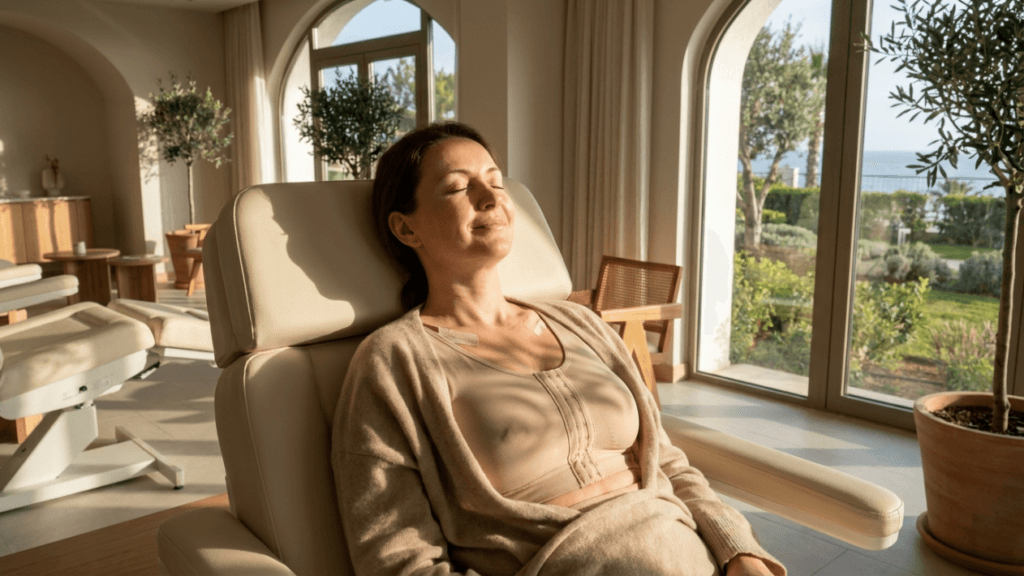
إدارة الندوب الاستراتيجية: منع التمدد الناتج عن التمدد“
الندوب هي السجل الدائم لرحلة شفاء جسدك. في عملية رفع الثدي، تُوضع الشقوق حول الهالة، عموديًا أسفل الثدي، وأحيانًا على طول الطية تحت الثدي. الهدف الجمالي هو ندبة تكاد تكون غير مرئية. تحقيق ذلك مستحيل إذا كانت مواقع الشق تحت توتر خلال الأسابيع الستة الأولى. إدارة الندبات تبدأ في اللحظة التي يُغلق فيها الجراح آخر غرزة. تشمل توازن الرطوبة، والحماية من الأشعة فوق البنفسجية، والأهم من ذلك، تخفيف التوتر.
عندما يُطبّق التوتر على جرح يلتئم، يستجيب الجسم بإنتاج المزيد من نسيج الندبة لمنع إعادة فتح الجرح. ينتج عن ذلك ندوب واسعة ومتضخمة. باستخدام تقنيات لصق متخصصة وسيليكون طبي في وقت مبكر من التعافي، يمكننا إرسال إشارة للجسم بأن المنطقة آمنة. هذا يسمح للندبة بالبقاء رفيعة ومسطحة. يتجاهل العديد من المرضى هذا، مركزين فقط على الكريمات الموضعية بعد أشهر. بحلول ذلك الوقت، يكون العرض البنيوي للندبة قد تحدد بالفعل. سر النجاح الجراحي طويل الأمد هو منع الندبة من الشعور بوزن الثدي أبدًا خلال أول 42 يومًا.
تهديد الأشعة فوق البنفسجية في أنطاليا
بينما توفر أنطاليا بيئة جميلة لـ استرداد السياحة الطبية, شمس البحر المتوسط عدو صامت للندوب. التعرض للأشعة فوق البنفسجية خلال السنة الأولى قد يسبب فرط تصبغ دائم، مما يجعل الندوب داكنة وبارزة. تتضمن حزم التعافي لدينا تعليمات محددة ومعدات واقية لضمان عدم تعرض أنسجتك الشافية للعوامل البيئية. نتعامل مع صحة الندوب كعلم متعدد الطبقات، يجمع بين الدقة الجراحية واليقظة البيئية.
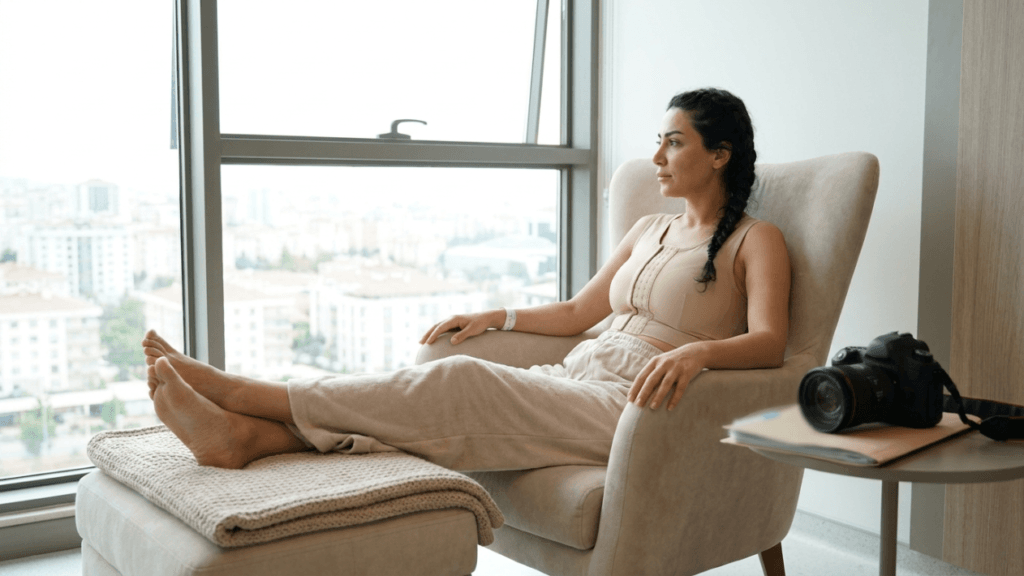
حمالة الصدر الداعمة: هيكلك الخارجي
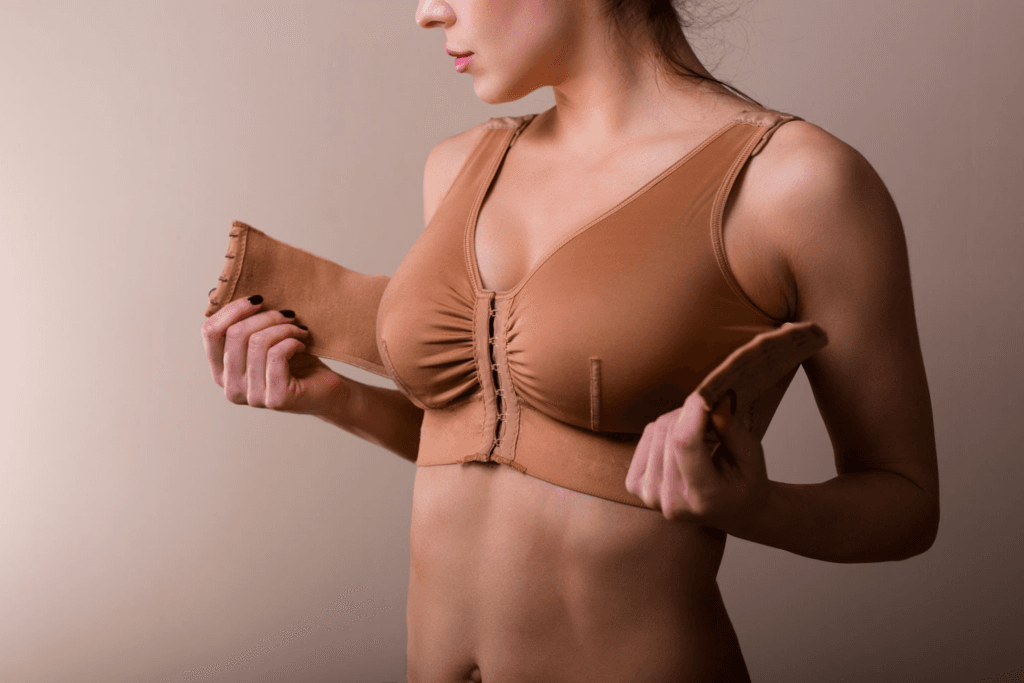
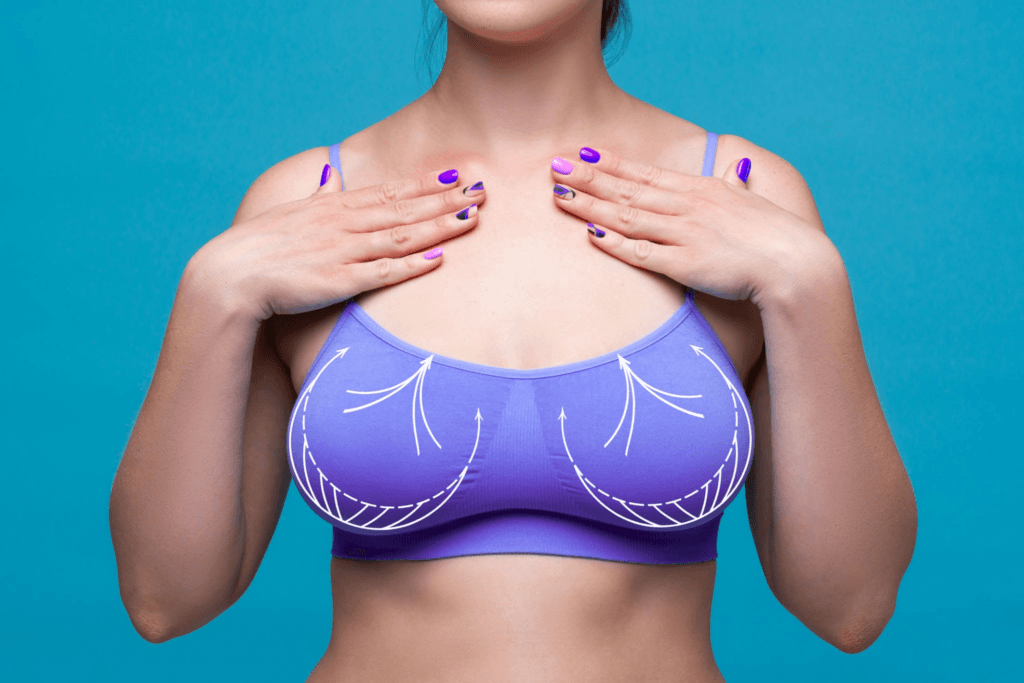
خلال الأسابيع الستة الأولى، بشرتك ليست قوية بما يكفي لتثبيت ثدييك في وضعهما الجديد المرتفع. حمالة صدر طبية حمالة صدر داعمة للثدي ليست مجرد قطعة ملابس؛ إنها جهاز طبي حيوي. توفر ضغطاً موحداً يخدم ثلاثة أغراض: تقليل الوذمة، منع تكون المصل، وتخفيف التوتر عن الغرز الداخلية. يضمن الضغط تقليل المسافة بين الجلد والأنسجة الغدية، مما يسمح لهما بالاندماج معاً بأمان في الموقع المطلوب.
حمالات الصدر الرياضية القياسية غالباً ما تكون غير كافية لأنها لا تراعي متجهات القوة المحددة اللازمة بعد تثبيت الثدي. حمالة الصدر الحقيقية بعد الجراحة مصممة لدفع الأنسجة للداخل والأعلى مع الحفاظ على استقرار الطية السفلية. إذا انتقلت إلى حمالة صدر “جميلة” أو ذهبت بدون حمالة في وقت مبكر جداً، ستبدأ الجاذبية فوراً في تمديد الكولاجين الطازج. هذا يؤدي إلى “التدلي الكاذب”، حيث تبقى الحلمة عالية لكن الأنسجة تستقر في مستوى أقل من المقصود. الحفاظ على سلامة تكبير الثدي عن طريق شد الثدي يتطلب الالتزام ببروتوكولات التثبيت لدينا على مدار الساعة طوال أيام الأسبوع خلال فترة الـ 42 يوماً الحرجة.
تصنيف الضغط وتقنية الأقمشة
المواد المستخدمة في ملابسنا الموصى بها قابلة للتنفس ومضادة للميكروبات، مما يقلل خطر تهيج الجلد الذي قد يؤدي للعدوى. نستخدم نموذج ضغط متدرج، حيث يكون الضغط أعلى حيث الحاجة للدعم أكبر. مع تقدمك خلال الأسابيع، يتغير نوع الدعم المطلوب. يوفر فريقنا جدولاً للانتقال بين مستويات الضغط المختلفة لضمان عدم ضغط الأنسجة بشكل مفرط أو دعمها بشكل غير كافٍ.
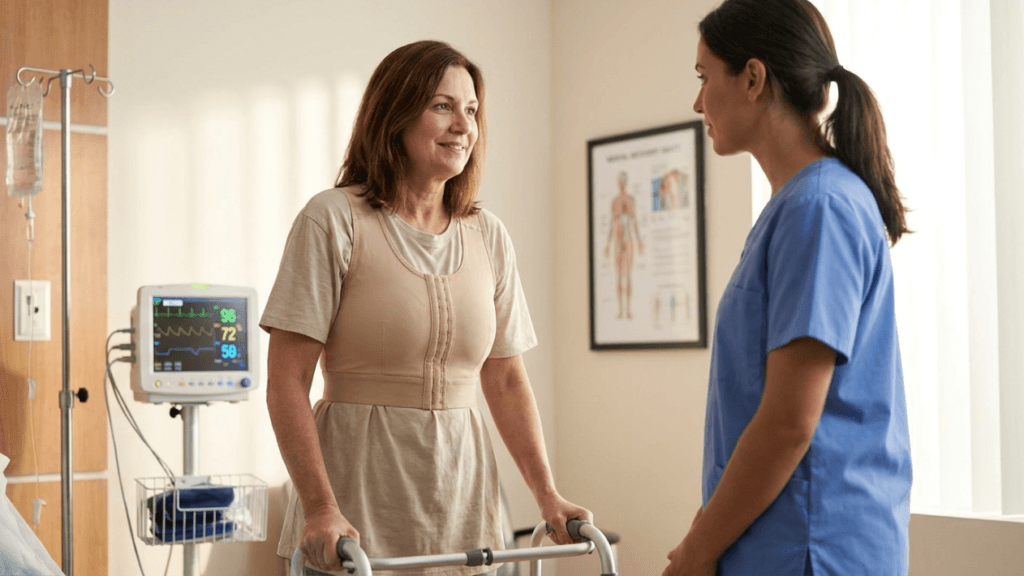
مقارنة التعافي: النهج العشوائي مقابل النهج المعماري
لفهم سبب إنتاج طريقة SURGYTEAM نتائج متفوقة، قارن بين النهجين الشائعين لـ استعادة شكل الثدي. يركز أحدهما على الراحة الفورية بعد العملية، بينما يركز الآخر على السلامة الهيكلية للنتيجة بعد عشر سنوات. يوضح الجدول التالي الاختلافات الرئيسية في البروتوكول والنتائج المترتبة.
| ميزة | نهج التعافي غير الرسمي | التعافي المعماري (SURGYTEAM) |
|---|---|---|
| الالتزام بحمالة الصدر | تُرتدى فقط أثناء النهار أو عند “النشاط\). | تثبيت طبي إلزامي على مدار الساعة طوال أيام الأسبوع لمدة 6 أسابيع. |
| مستوى النشاط | استئناف رفع الأثقال الخفيفة خلال أسبوعين. | تقييد صارم لحركة الصدر لمدة 21 يوم. |
| إدارة الندبات | كريمات عامة بعد مرور شهر. | تثبيت مبكر بالسيليكون وتخفيف الضغط. |
| يراقب | المتابعة فقط عند وجود مشكلة. | التحقق الرقمي اليومي والتنسيق متعدد اللغات. |
| النتائج على المدى الطويل | خطر عالٍ من “التدلي السفلي” وندوب واسعة. | وضعية ثدي مستقرة ومرتفعة مع ندوب دقيقة. |
باختيار نهج معماري، لا تتوقف عن التعافي فقط؛ بل تشارك بنشاط في تحديد النتيجة الجراحية. هذا مهم بشكل خاص للمرضى الذين يخضعون لعملية جراحية تحول شكل الأم, ، حيث تتعافى مناطق متعددة من الجسم في آن واحد. التآزر بين الجراحة عالية الدقة والتعافي عالي الانضباط هو السبيل الوحيد لتحقيق نتائج عالمية المستوى تدوم.
ميزة SURGYTEAM: لماذا تُعد أنطاليا مركزًا للتعافي
صُممت عيادتنا في لارا، أنطاليا، لإزالة عوامل الإجهاد التي تعيق عادةً نافذة التعافي التي تبلغ 42 يوماً. في بلدك، قد تُغرى بالعودة إلى الأعمال المنزلية أو رعاية الأطفال أو العمل مبكراً جداً. في نظامنا البيئي، وظيفتك الوحيدة هي الشفاء. نوفر بيئة فاخرة تُدار فيها كل التفاصيل اللوجستية من قبل محترفين. هذه “الراحة المفروضة” هي أحد الأسباب الرئيسية التي تجعل مرضانا يرون مضاعفات أقل ونتائج طويلة المدى أكثر استقراراً.
تضمن خبرة جراحينا، بما في ذلك متخصصون مثل الدكتور بورا يوجيل لجماليات الثدي والدكتور MFO للحالات المعقدة، إجراء الجراحة بأقصى احترام لحيوية الأنسجة. ومع ذلك، فإن التميز الجراحي ليس سوى نصف القصة. فريقنا الباقات الشاملة يتضمن منسقاً مخصصاً للمرضى متعدد اللغات يسد الفجوة بين الاحتياجات السريرية والراحة اليومية. سواء كنت تتحدث الإنجليزية أو الألمانية أو الروسية، سيكون لديك محترف طبي يدافع عن استعادة صحتك في كل خطوة.
الاعتماد الدولي ومعايير السلامة
SurgyTeam يحمل شهادة تفويض السياحة الصحية الدولية، مما يعكس التزامنا بمعايير السلامة العالمية. جراحونا الرئيسيون حاصلون على شهادتي FEBOPRAS وEBOPRAS، مما يعني أنهم استوفوا أكثر متطلبات التدريب صرامة في أوروبا. عندما تكون بعيداً 2000 ميل عن منزلك، تحتاج إلى راحة البال بأن رعايتك يشرف عليها أخصائيون حاصلون على شهادات المجلس ويضعون أولويتك النجاح الجراحي طويل الأمد على الإنتاجية عالية الحجم. نرفض النهج “الموحد”، ونصمم كل خطة تعافٍ وفق جودة أنسجة المريض ونمط حياته الخاص.

بروتوكول مرحلي للتعافي الأمثل
لإتقانك استعادة شكل الثدي, ، يجب عليك اتباع تقدم منظم. لكل مرحلة هدف بيولوجي محدد. عدم احترام الجدول الزمني لمرحلة واحدة يمكن أن يتسبب في مشاكل متتالية خلال المرحلة التالية. فيما يلي المخطط الذي يستخدمه أخصائيونا لتوجيه المرضى خلال الأسابيع الستة الأولى وما بعدها.
المرحلة 1: ذروة الالتهاب (الأيام 1–7)
- التركيز: إدارة الوذمة والوقاية من العدوى.
- الإجراء: ارتدِ حمالة الصدر الجراحية على مدار الساعة. أبقِ رأس السرير مرفوعًا بزاوية 30-45 درجة لتسهيل التصريف اللمفاوي.
- تحذير: لا ترفع أي شيء أثقل من كوب شاي. يمكن أن تسبب حركة الذراع المفرطة نزيفًا داخليًا أو ورمًا مصليًا.
المرحلة 2: مرحلة اندماج الأنسجة (الأسبوعان 2–3)
- التركيز: تثبيت الندبة والتحريك اللطيف.
- الإجراء: انتقل إلى أشرطة السيليكون المتخصصة إذا وُجّهت. ابدأ بالمشي القصير جدًا والبطيء للحفاظ على الدورة الدموية.
- تحذير: ستبدأ بالشعور بتحسن، لكن لا تنخدع. هذه هي “منطقة الخطر” حيث يجهد العديد من المرضى أنفسهم ويمدون خيوطهم الداخلية.
المرحلة 3: نافذة النضج (الأسابيع 4–6)
- التركيز: العودة التدريجية إلى الحياة الطبيعية مع الحفاظ على الدعم.
- الإجراء: استمر في ارتداء حمالة الدعم. يمكنك البدء بتمارين خفيفة للجزء السفلي من الجسم (المشي) لكن تجنب جميع الأنشطة التي تؤثر على الصدر.
- تحذير: لا ترتدي حمالات الصدر ذات الأسلاك. يمكن أن تقطع الأسلاك الأنسجة الملتئمة وتسبب انبعاجات دائمة أو تهيجًا جلديًا.
المرحلة 4: الصيانة طويلة الأمد (الشهر 3 وما بعده)
- التركيز: حماية الاستثمار.
- الإجراء: احتفظي بوزن مستقر. ارتدي حمالة صدر رياضية عالية التأثير في جميع التمارين المستقبلية لمنع تكرار انهيار الثدي (الترهل).
- تحذير: سيؤدي الحمل أو تقلبات الوزن الكبيرة إلى تغيير غلاف الجلد وقد يتطلب مراجعة.
اتباع هذا البروتوكول بدقة يضمن أن تجربة قبل وبعد هي تجربة فخر لا ندم. الفرق بين نتيجة تدوم ثلاث سنوات وأخرى تدوم خمس عشرة يكمن تقريبًا بالكامل في الانضباط المطبق خلال هذه المراحل.
قيود النشاط: حماية قاعدة العضلات الصدرية
من أكثر الجوانب التي يُشاع سوء فهمها استعادة شكل الثدي هو تأثير حركة العضلة الصدرية. يجلس نسيج الثدي مباشرة فوق العضلة الصدرية الكبرى. في كل مرة تدفعين أو تسحبين أو ترفعين ذراعيك فوق رأسك، تنقبض تلك العضلة وتتحرك. إذا كانت جروحك حديثة، فإن هذه الحركة تخلق .
خلال أول 21 يومًا، نوصي بـ “قاعدة تي-ريكس”: أبقي مرفقيك قريبين من جانبيك. هذا يمنع التمدد المفرط للعضلات الصدرية. على الرغم من أنه قد يبدو مقيدًا، يمنع هذا البروتوكول “اتساع” الندبة العمودية ويضمن بقاء الحلمة عند قمة كتلة الثدي. لدينا استرداد السياحة الطبية الدعم يشمل المساعدة في المهام اليومية التي تتطلب الوصول أو الرفع، مثل التعامل مع الأمتعة أو العناية الشخصية، حتى لا تضطري أبدًا لكسر هذه القاعدة.
التمارين وإدارة معدل ضربات القلب
الأمر لا يتعلق فقط بالحركة الجسدية؛ بل يتعلق أيضًا بضغط الدم. رفع معدل ضربات القلب بشكل كبير خلال أول 14 يومًا يسبب توسع الأوعية. هذه الزيادة في تدفق الدم إلى موقع الجراحة يمكن أن تؤدي إلى تورم متأخر أو حتى ورم دموي (تجمع دم). ننصح بالحفاظ على معدل ضربات القلب أقل من 100 نبضة في الدقيقة خلال المراحل الأولية. الصبر أداة جراحية بقدر ما هو المشرط. السماح لجسمك بالبقاء في حالة باراسمبثاوية (راحة وهضم) يسرع الإصلاح البيولوجي الفعلي للأنسجة.
الرحلة النفسية للتعافي
التعافي تحدٍ ذهني بقدر ما هو جسدي. من الشائع تجربة “انخفاض ما بعد العملية” في المزاج حوالي اليوم الرابع أو الخامس. غالبًا ما يكون هذا ناتجًا عن مزيج من التخدير المتبقي، وتغيرات أنماط النوم، والمظهر “الغريب” للثديين بسبب التورم والكدمات الأولية. قد يبدوان مرتفعين جدًا، أو مشدودين جدًا، أو غير متماثلين. فهم أن هذه حالة مؤقتة أمر حيوي لـ مراقبة المريض والرفاهية النفسية.
بحلول الأسبوع الثالث، مع تلاشي الكدمات، غالبًا ما يبدأ “إحباط نمط الحياة”. يريد المرضى العودة إلى روتينهم الطبيعي، وارتداء ملابس عادية، والشعور “بالعادية” مرة أخرى. هذا هو الوقت الذي يحدث فيه أعلى خطر لعدم الامتثال. منسقونا متعددو اللغات مدربون ليس فقط على الدعم الطبي، بل على الدعم العاطفي أيضًا. نقدم الطمأنينة اللازمة للبقاء على المسار الصحيح. نذكر مرضانا بأنهم لا “ينتظرون الشفاء” فقط، بل يبنون بنشاط جمالهم المستقبلي. نسخة العشر سنوات منك ستشكر نسخة الستة أسابيع منك على صبرها.
التغذية والترطيب: تغذية البنية
يتطلب جسمك تدفقًا هائلًا من اللبنات الأساسية لإصلاح الضرر الناتج عن الجراحة. تحديدًا، يحتاج إلى بروتين عالي الجودة، وفيتامين سي، والزنك لتخليق الكولاجين. الجفاف تهديد صامت آخر؛ فهو يجعل الجلد أقل مرونة وأكثر عرضة للتهيج من حمالة صدر داعمة للثدي. في مناخ البحر الأبيض المتوسط في أنطاليا، يُعد الحفاظ على بروتوكول ترطيب صارم حجر الزاوية في العناية بعد الجراحة.
نوصي باتباع نظام غذائي غني بالأطعمة المضادة للالتهاب مثل الأسماك الدهنية والخضروات الورقية والجوز. تجنب الأطعمة عالية الصوديوم لا يقل أهمية، إذ يسبب الملح احتباس الماء، مما يزيد الضغط على شقوقك الجراحية. من خلال التحكم في الكيمياء الداخلية لجسمك، تُنشئ بيئة يمكن فيها لـ“خرسانة” رفع الثدي أن تتصلب دون عوائق. غالبًا ما تتضمن باقات التعافي الشاملة لدينا قوائم طعام مُعدة بعناية تدعم هذه الاحتياجات السريرية المحددة، مما يضمن حصولك على تغذية مثالية دون عناء التخطيط للوجبات.
تأمين نتائجك: دعوة للعمل
تُعد الأيام الـ42 الأولى بعد الجراحة فرصة فريدة لتحديد مسار العقد القادم من حياتك. يمكنك اختيار التعافي القياسي والأمل في الأفضل، أو يمكنك اختيار النهج المعماري لـ SURGYTEAM وضمان حماية نتائجك بالعلم والفخامة والمراقبة الخبيرة. باقات التعافي المتخصصة لدينا في أنطاليا مطلوبة بشدة، حيث نحد من عدد المرضى لضمان أعلى جودة من الرعاية الشخصية.
لا تترك طول عمر مصعدك للصدفة. بحجز إجراءك مع SURGYTEAM، تضمن أكثر من مجرد جراح؛ تضمن نظام دعم شامل مكرس لصحتك النجاح الجراحي طويل الأمد. فريقنا مستعد لإرشادك خلال كل يوم من الفترة الحرجة الستة أسابيع. اتخذ الخطوة الأولى نحو تحول يدوم. تواصل معنا اليوم لتأمين مكانك في منشأتنا العالمية في أنطاليا وتجربة مستوى الرعاية الذي تستحق.
الأسئلة الشائعة حول التعافي من رفع الثدي
لماذا تُعد الأسابيع الستة الأولى من التعافي بعد رفع الثدي حاسمة للنتائج طويلة الأمد؟
خلال الأيام الـ42 الأولى، ينتج الجسم الكولاجين الأولي لالتئام الشقوق. هذا النسيج ضعيف وسهل التمدد. إذا لم يُدعم بشكل صحيح بواسطة حمالة طبية وقيود على النشاط، يمكن أن يترهل الثديان مبكرًا. هذه المرحلة تُرسّخ بفعالية الأساس المعماري للنتيجة الجمالية للعقد القادم.
متى يمكنني التوقف عن ارتداء حمالة الصدر الجراحية الداعمة؟
نوصي بشدة بارتداء حمالة الدعم الطبية على مدار الساعة طوال الأسابيع الستة الأولى. بعد هذه الفترة، يكون النسيج الداخلي قويًا بما يكفي لتحمل دعم أقل. ومع ذلك، يمكن أن تؤدي إزالة الحمالة مبكرًا إلى .
كيف يدير SurgyTeam جودة الندبات أثناء التعافي؟
يتضمن نهجنا في إدارة الندوب تفريغ التوتر المبكر باستخدام أشرطة متخصصة وسيليكون طبي. من خلال منع الجرح من الشعور بوزن الثدي، نُشير للجسم لإنتاج ندوب رفيعة ومسطحة. كما نوفر بروتوكولات صارمة للحماية من الأشعة فوق البنفسجية لمنع فرط التصبغ تحت أشعة الشمس في أنطاليا.
هل يمكنني السفر جواً إلى المنزل فوراً بعد عملية رفع الثدي في أنطاليا؟
نطلب من المرضى البقاء في أنطاليا لمدة 7-10 أيام على الأقل. يتيح لنا ذلك مراقبة المضاعفات المبكرة والتأكد من تجاوز ذروة الالتهاب الأولية. ينطوي الطيران على تغيرات في الضغط وإجهاد بدني يشكلان خطراً في الفترة المباشرة بعد الجراحة. يتولى منسقونا إدارة جميع الترتيبات اللوجستية لضمان عودة آمنة.
ما الأنشطة الممنوعة تماماً خلال الشهر الأول؟
يجب تجنب أي رفع ثقيل (أكثر من 2-3 كجم)، والوصول عاليًا فوق الرأس، والتمارين عالية التأثير. هذه الحركات تُقلص عضلات الصدر، مما قد يسحب الخيوط الداخلية ويوسع ندوبك. اتباع ‘قاعدة تي-ريكس’ — إبقاء المرفقين قريبين من الجانبين — أمر أساسي خلال الأسابيع الثلاثة الأولى لحماية الرفع الجراحي.