
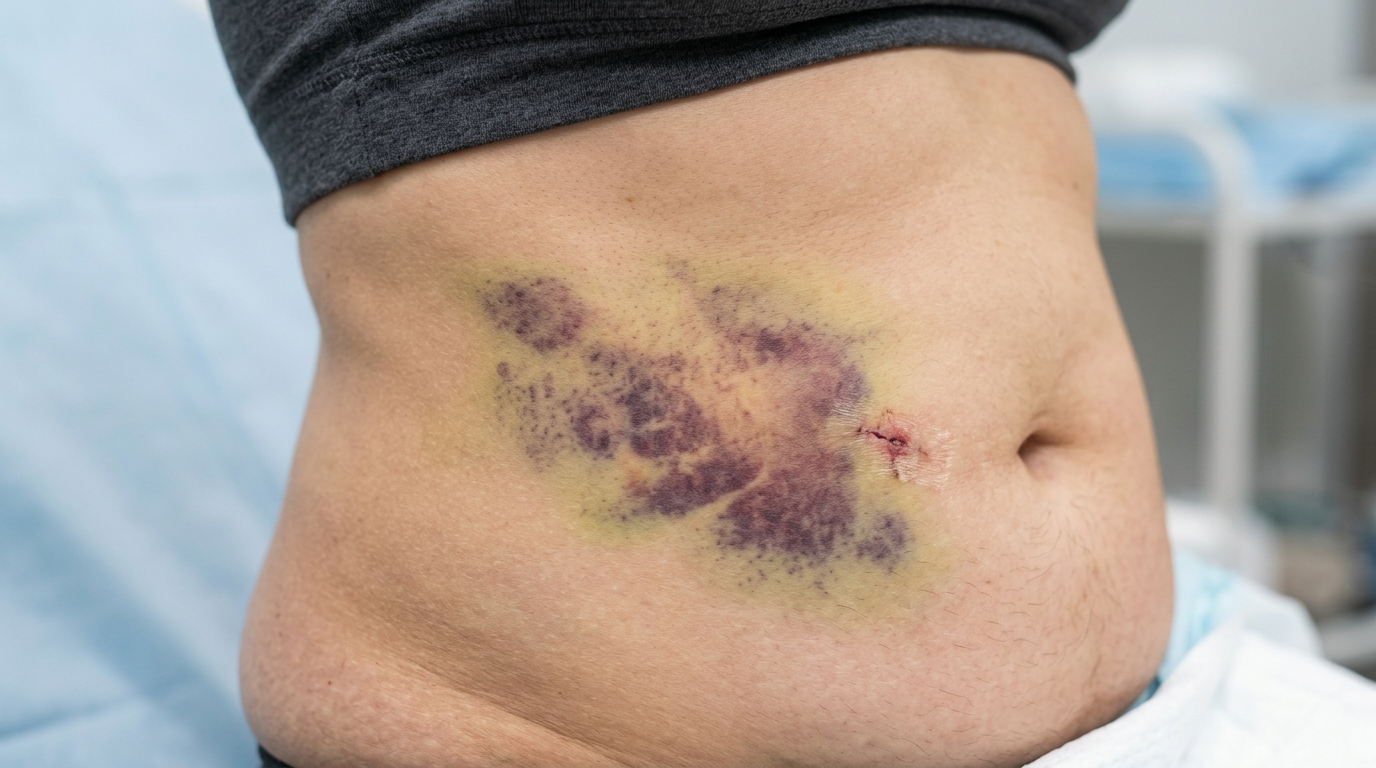
Undergoing liposuction is a transformative step toward achieving your ideal body contour. Yet, the journey doesn’t end when the procedure does. For many, the sight of bruising after liposuction can be alarming—especially when the colors shift from deep purple to yellowish-green. Is this normal? How long will it last? And, most importantly, what can you do to speed up the healing process?
This guide is your roadmap to understanding the colors of healing—what each stage of bruising means, when to expect it, and how to manage it effectively. Whether you’re a week post-op or still researching, we’ll equip you with the knowledge to navigate recovery with confidence.
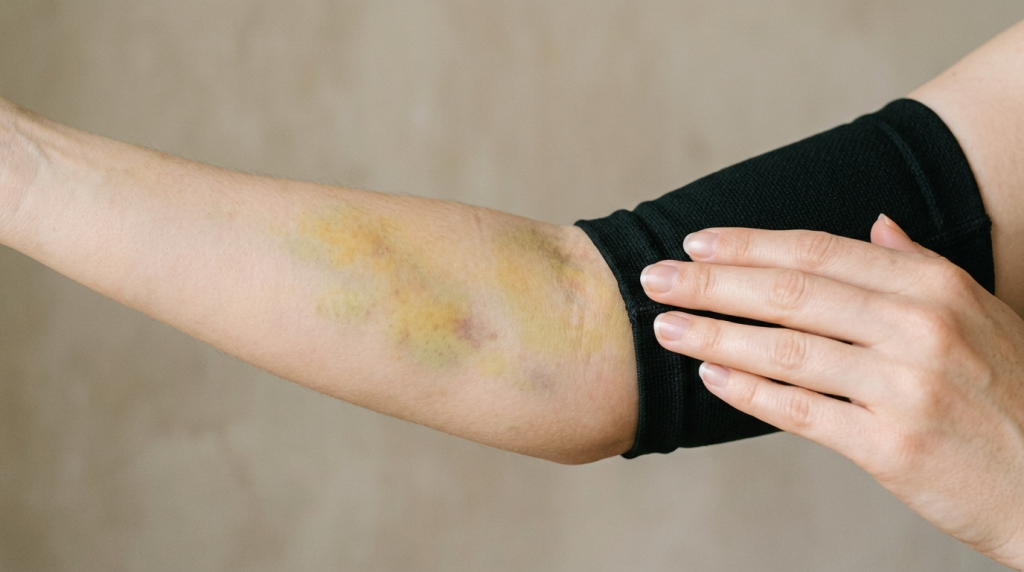
Table of Contents
The Science Behind Bruising After Liposuction
Bruising, or ecchymosis, is a natural part of the healing process after liposuction. During the procedure, tiny blood vessels beneath the skin are disrupted, leading to blood leakage into surrounding tissues. This results in the characteristic discoloration that evolves over time. Understanding this process can ease concerns and help you distinguish between normal healing and potential complications like a hematoma.
Bruising isn’t just cosmetic—it’s a sign that your body is actively repairing itself. The colors you see are a direct reflection of the breakdown and reabsorption of hemoglobin, the protein in red blood cells. Here’s what to expect:

The Stages of Bruising Recovery: A Week-by-Week Guide
Week 1: Deep Purple and Swelling
In the first week, bruising is at its peak. The affected areas often appear deep purple or blue due to the concentration of hemoglobin beneath the skin. Swelling is also prominent, as your body rushes fluids to the area to aid in healing. This is entirely normal and a sign that your inflammation management processes are working as they should.
What to Do: Wear your compression garment as instructed. This not only reduces swelling but also supports the healing tissues. Avoid strenuous activities, and keep the treated areas elevated when possible.
Week 2: Transition to Green and Yellow
By the second week, the bruising begins to fade, shifting to greenish or yellowish hues. This color change indicates that your body is breaking down hemoglobin into bilirubin and biliverdin, which are then reabsorbed. Swelling starts to subside, and you may notice the treated areas feeling firmer.
What to Do: Continue wearing your compression garment. Gentle movement, like short walks, can promote circulation and accelerate healing. Avoid direct pressure on the treated areas.
Week 3-4: Fading and Resolution
During weeks three and four, the bruising continues to fade, often becoming a light yellow or brown before disappearing entirely. Most patients see significant improvement by the end of this period, though some residual discoloration may linger, especially in areas with thinner skin.
What to Do: You can gradually resume light activities, but avoid high-impact exercises until cleared by your surgeon. Hydration and a balanced diet rich in vitamins C and K can further support healing.
Week 5 and Beyond: Final Healing
By week five, most bruising should have resolved, though some patients may experience lingering discoloration for up to six weeks. The treated areas will continue to refine, with swelling fully subsiding and the final contours becoming visible. If bruising persists beyond this timeline, consult your surgeon to rule out complications.
What to Do: Follow up with your surgeon for a final assessment. You can now resume all normal activities, including exercise, as long as you feel comfortable.
How to Reduce Bruising After Liposuction
While bruising is inevitable, there are steps you can take to minimize its severity and duration. Here are expert-backed strategies:
1. Arnica and Bromelain Supplements
Both Arnica and Bromelain are natural supplements known for their anti-inflammatory properties. Arnica, in particular, has been shown to reduce bruising and swelling when taken before and after surgery. Always consult your surgeon before starting any new supplement.
2. Compression Garments
Your surgeon will provide a compression garment tailored to your treated areas. Wearing this garment as instructed is crucial for reducing swelling and supporting the healing tissues. It also helps to minimize the risk of fluid accumulation, which can exacerbate bruising.
3. Hydration and Nutrition
Staying hydrated and consuming a diet rich in vitamins C and K can significantly improve healing. Vitamin C supports collagen production, while vitamin K is essential for blood clotting. Foods like citrus fruits, leafy greens, and lean proteins should be prioritized.
4. Avoid Blood Thinners
Certain medications and supplements, such as aspirin, ibuprofen, and fish oil, can increase bruising by thinning the blood. Avoid these for at least two weeks before and after your procedure, unless otherwise directed by your surgeon.
5. Gentle Movement
While rest is important, gentle movement like short walks can enhance circulation and reduce swelling. Avoid strenuous activities, especially those that put pressure on the treated areas, until cleared by your surgeon.
When to Worry: Bruising vs. Hematoma
While bruising is a normal part of the healing process, a hematoma is a more serious condition that requires medical attention. A hematoma occurs when blood collects in a localized area, forming a pocket beneath the skin. Unlike bruising, which spreads diffusely, a hematoma is typically firm to the touch and may cause significant pain or swelling.
Signs of a Hematoma:
- Localized, firm swelling that doesn’t improve with time.
- Severe pain or tenderness at the site.
- Skin that feels tight or stretched.
- Persistent bruising that doesn’t fade after four weeks.
If you experience any of these symptoms, contact your surgeon immediately. Early intervention can prevent complications and ensure a smooth recovery.
VASER Liposuction Recovery: What’s Different?
VASER liposuction is a specialized technique that uses ultrasound energy to liquefy fat before removal. While this method can result in less trauma to surrounding tissues, bruising is still a possibility. However, patients often report a shorter recovery timeline and less severe bruising compared to traditional liposuction.
Key Differences in Recovery:
- Reduced Trauma: The ultrasound energy targets fat cells specifically, sparing blood vessels and nerves.
- Faster Healing: Many patients return to normal activities within a week, though full recovery still takes several weeks.
- Less Bruising: While not entirely avoidable, bruising is typically milder and resolves more quickly.
If you’ve undergone VASER lipo recovery, follow the same post-op guidelines but expect a potentially smoother healing process. Always adhere to your surgeon’s specific instructions for the best results.

Frequently Asked Questions About Bruising After Liposuction
How long does bruising last after liposuction?
Bruising typically peaks within the first week and begins to fade by the second week. Most patients see significant improvement by week four, with complete resolution by week six. However, individual healing times can vary based on the extent of the procedure and your body’s natural healing processes.
When is a bruise actually a hematoma?
A bruise is diffuse and spreads across the skin, while a hematoma is a localized collection of blood that feels firm to the touch. If you notice a hard, painful lump that doesn’t improve with time, it may be a hematoma, and you should contact your surgeon immediately.
Can I speed up the healing of bruising after liposuction?
Yes! Wearing your compression garment, staying hydrated, and taking supplements like Arnica and Bromelain can help reduce bruising. Gentle movement and a nutrient-rich diet also support faster healing. Avoid blood thinners and follow your surgeon’s post-op instructions closely.
Is it normal to have bruising after VASER liposuction?
While VASER liposuction is designed to minimize trauma, some bruising is still normal. However, patients often experience less severe bruising compared to traditional liposuction, and the recovery timeline may be shorter.
When should I call my surgeon about bruising?
Contact your surgeon if bruising persists beyond six weeks, becomes increasingly painful, or is accompanied by other symptoms like fever or excessive swelling. These could indicate an infection or other complication.
Your Journey to a Smoother Recovery
Bruising after liposuction is a natural and temporary part of the healing process. By understanding the timeline and taking proactive steps to support your body, you can minimize discomfort and accelerate your recovery. Remember, every patient’s journey is unique, so always follow your surgeon’s personalized advice.
For more insights on liposuction recovery, explore our Liposuction Aftercare Hub. If you have concerns about your healing process, don’t hesitate to contact our team for expert guidance.
 English
  German
  Russian
  Turkish
  Arabic
  Spanish
  Italian