
For many young women, the idea of breast sagging, medically known as breast ptosis, feels like a distant concern, something associated with later stages of life or post-pregnancy changes. Yet, a surprising number of women in their twenties and even teenagers find themselves confronting this reality much earlier than anticipated. This experience can be unsettling, impacting self-perception, comfort, and confidence. It is crucial to understand that breast sagging at a young age is a common phenomenon, often influenced by a complex interplay of genetic predispositions, lifestyle choices, and physiological factors that extend far beyond the conventional understanding of aging or motherhood. This comprehensive guide aims to demystify breast ptosis in young women, offering a deep dive into its underlying causes, exploring effective preventative measures, and outlining the various treatment options available. By shedding light on this often-misunderstood aspect of breast health, we empower individuals to make informed decisions about maintaining breast firmness and overall well-being. We will dissect the core principles behind breast structure, examine the specific mechanisms that lead to early sagging, and discuss both non-surgical and surgical pathways to address these concerns. Our exploration will draw upon authoritative insights to provide a holistic understanding, ensuring that every woman feels equipped with the knowledge to navigate her unique journey with confidence and clarity. Understanding the nuances of breast ptosis is the first step towards proactive care and embracing one’s body at every stage of life. This article serves as a definitive resource, meticulously crafted to provide actionable analysis and foresight into a topic that, while common, is rarely discussed with the depth it deserves. We will move beyond superficial explanations to uncover the intricate biological and environmental factors at play, offering a roadmap for prevention and correction that is grounded in scientific understanding and practical advice. The journey to understanding and addressing breast sagging in your twenties begins here, with a commitment to knowledge and self-care that resonates with the principles of expertise, experience, authoritativeness, and trustworthiness.
Tabla de contenido
Understanding Breast Ptosis: The Core Principles of Breast Structure
To truly grasp why breasts sag, especially at a young age, it is essential to first understand their fundamental composition. Unlike many other parts of the body, breasts are not primarily composed of muscle. Instead, they are intricate structures made up of three main components: fatty tissue, glandular tissue, and connective tissue (Pink Apple Aesthetics, 2025). The fatty tissue contributes to the overall size and softness of the breast, while the glandular tissue is responsible for milk production. The connective tissue, particularly the thin bands known as Cooper’s ligaments, plays a pivotal role in providing structural support, acting like a natural internal bra that holds the breast tissue in place (Dr. Weider, 2025). These ligaments extend from the chest wall through the breast tissue to the skin, helping to maintain the breast’s shape and position.
The elasticity and strength of these Cooper’s ligaments, along with the overlying skin, are critical determinants of breast firmness. When these supportive structures lose their inherent elasticity and strength, the breast tissue begins to descend, leading to the characteristic drooping appearance associated with ptosis (Pink Apple Aesthetics, 2025). This loss of elasticity can occur for various reasons, even in young women, and is not solely a consequence of advanced age. The absence of muscle within the breast tissue means that exercises targeting the pectoral muscles, while beneficial for overall chest wall strength and posture, cannot directly lift or firm the breast tissue itself. Instead, their impact is indirect, providing a stronger foundation beneath the breast (Pink Apple Aesthetics, 2025).
The process of breast development, which typically begins during puberty and continues into the early twenties, is heavily influenced by hormonal changes (Surgyteam, 2025). These hormones stimulate the growth of fatty and glandular tissues, shaping the breasts into their adult form. However, even after this developmental phase, breasts undergo subtle changes throughout adulthood. The aging process naturally impacts breast structure as the skin loses collagen and elastin, the proteins responsible for its firmness and springiness (Dr. Weider, 2025). This natural degradation, combined with the constant pull of gravity, gradually weakens the supportive ligaments, contributing to sagging over time (Surgyteam, 2025). Understanding this delicate balance of tissue, ligaments, and skin elasticity is fundamental to comprehending the various factors that can accelerate or mitigate breast ptosis, even in the vibrant years of youth.

Mechanistic Details: Unpacking the Causes of Early Breast Sagging
While often associated with aging, breast sagging in your twenties is a complex issue driven by several interconnected factors. These mechanisms can individually or collectively contribute to the loss of breast firmness and shape, making it a surprisingly common concern for young women.
Genetic Predisposition
One of the most significant, yet uncontrollable, factors influencing breast ptosis is genetics. The elasticity of your skin, the density of your breast tissue, and the inherent strength of your Cooper’s ligaments are largely inherited traits (Pink Apple Aesthetics, 2025; Dr. Weider, 2025). If your mother or close female relatives experienced early breast sagging, you might be genetically predisposed to a similar outcome. This means that even with a healthy lifestyle, some individuals may naturally have weaker connective tissues or less elastic skin, making them more susceptible to sagging at a younger age (Surgyteam, 2025).
Significant Weight Fluctuations
Rapid and repeated changes in body weight, often referred to as “yo-yo dieting,” can have a profound impact on breast firmness. Breasts are largely composed of fatty tissue, so when you gain weight, the skin and ligaments stretch to accommodate the increased volume (Andres Taleisnik, MD, 2018). Conversely, during weight loss, the fat volume decreases, but the stretched skin and ligaments may not fully retract, leading to a deflated and saggy appearance (Dr. Weider, 2025). This constant expansion and contraction cycles strain the supportive structures, diminishing their ability to bounce back and maintain a lifted shape (Pink Apple Aesthetics, 2025).
Hormonal Shifts and Imbalances
Hormones play a crucial role in breast development and health. Fluctuations in estrogen and other hormones during puberty, menstruation, and even the use of certain birth control pills can influence breast volume and firmness (Pink Apple Aesthetics, 2025; Dr. Weider, 2025). A decrease in estrogen levels, for instance, can diminish tissue collagen, which is vital for skin elasticity, potentially leading to shapeless and sagging breasts (Andres Taleisnik, MD, 2018). These hormonal changes can cause breasts to expand and shrink, stretching the skin and tissues over time.
Inadequate Breast Support
The importance of proper breast support cannot be overstated. Wearing poorly fitting bras, or no bra at all, especially for women with larger breast sizes, allows gravity to exert a continuous downward pull on breast tissue (Pink Apple Aesthetics, 2025; Dr. Weider, 2025). This constant strain can stretch the Cooper’s ligaments and skin over time. Furthermore, engaging in high-impact activities like running or jumping without a supportive sports bra subjects the breast ligaments to repeated stress and movement, accelerating sagging even in younger individuals (Andres Taleisnik, MD, 2018; Dr. Weider, 2025).
Smoking and Sun Exposure
Lifestyle choices, particularly smoking and excessive sun exposure, are significant contributors to premature skin aging and, consequently, breast sagging. Smoking reduces blood flow to the skin and actively breaks down elastin and collagen, the essential proteins that maintain skin’s firmness and elasticity (Andres Taleisnik, MD, 2018; Dr. Weider, 2025). This accelerates the aging process, leading to weakened skin and ligaments. Similarly, prolonged exposure to harmful UV rays from the sun damages collagen and elastin fibers, weakening the skin’s structural integrity over time and contributing to sagging (Pink Apple Aesthetics, 2025; Surgyteam, 2025).
Larger Breast Size
Women with naturally larger or heavier breasts face an increased likelihood of experiencing ptosis due to the sheer force of gravity. The greater mass of the breast tissue places more significant and continuous stress on the supportive ligaments and skin (Andres Taleisnik, MD, 2018; Dr. Weider, 2025). Over time, this constant pull can cause these structures to stretch and weaken more rapidly compared to smaller breasts, making sagging more pronounced, especially if not adequately supported.
Pregnancy and Posture
While often associated with older women, pregnancy can contribute to breast sagging even in young women who have not yet reached their thirties. Hormonal changes during pregnancy cause breasts to expand rapidly, and then shrink after childbirth or when breastfeeding ceases. This rapid expansion and subsequent reduction can stretch the skin and tissues, sometimes permanently (Andres Taleisnik, MD, 2018; Dr. Weider, 2025). Furthermore, poor posture, such as slouching, can indirectly contribute to the appearance of sagging by not providing optimal support for the chest and breast area (Dr. Weider, 2025).
Real-World Applications: When to Seek Professional Guidance
For many, breast sagging is primarily a cosmetic concern, a natural variation in body shape that does not pose a health risk. However, in certain situations, breast ptosis can lead to physical discomfort or significant emotional distress, warranting a consultation with a healthcare professional or a plastic surgeon. Recognizing these indicators is crucial for determining when to seek expert advice and explore potential solutions.
One common physical manifestation of significant breast sagging, particularly with larger breasts, is the development of chronic pain in the shoulders, neck, or back (Pink Apple Aesthetics, 2025). The increased weight and downward pull can strain the muscles and ligaments in these areas, leading to persistent discomfort that impacts daily activities and overall quality of life. Additionally, individuals may experience skin irritation, rashes, or chafing in the fold beneath the breasts, especially in warmer climates or during physical activity, due to skin-on-skin contact and moisture retention (Pink Apple Aesthetics, 2025).
Beyond physical symptoms, the emotional and psychological impact of breast sagging can be substantial. Many young women report feeling self-conscious about their appearance, leading to a reluctance to wear certain clothing, participate in specific activities, or even engage in intimate relationships (Pink Apple Aesthetics, 2025). This can significantly affect self-esteem and body image. If the nipples begin to point significantly downward or fall below the breast crease, or if bra straps consistently dig into the shoulders due to inadequate support, these are further signs that the degree of ptosis may be causing functional or aesthetic concerns that could benefit from professional evaluation (Pink Apple Aesthetics, 2025).
It is also vital to be vigilant for any sudden or unusual changes in breast appearance. While gradual sagging is normal, a sudden onset of uneven drooping, accompanied by pain, discomfort, lumps, thickening of the skin, dimpling, or changes in skin color, should prompt immediate medical attention (Dr. Weider, 2025). These symptoms could indicate an underlying medical issue, such as a breast infection or, in rare cases, a more serious condition, and require prompt diagnosis and treatment. A plastic surgeon can provide a personalized evaluation, discussing the extent of sagging, assessing skin quality and elasticity, and understanding individual concerns and expectations to recommend the most appropriate course of action.
Future Implications and Long-Term Impact: Prevention and Treatment Options
Addressing breast sagging in your twenties involves a dual approach: proactive prevention strategies to mitigate further changes and, when necessary, effective treatment options to restore firmness and shape. While it is impossible to completely halt the natural processes of gravity and aging, consistent care and informed choices can significantly slow down the progression of ptosis and maintain breast health over the long term.
Non-Surgical Prevention Strategies
Lifestyle modifications form the cornerstone of preventative care. Maintaining a stable and healthy weight is paramount, as significant weight fluctuations repeatedly stretch and strain breast tissues and ligaments (Andres Taleisnik, MD, 2018; Dr. Weider, 2025). Avoiding “yo-yo” dieting in favor of sustainable nutrition and regular, moderate exercise helps preserve skin elasticity. While exercise cannot directly lift breast tissue, strengthening the pectoral muscles beneath the breasts through activities like push-ups and chest presses can provide a slightly lifted appearance and improve overall posture, offering indirect support (Pink Apple Aesthetics, 2025; Dr. Weider, 2025).
Proper breast support is another critical preventative measure. Investing in well-fitted bras, including high-impact sports bras for physical activities, minimizes the gravitational pull and stress on the Cooper’s ligaments (Andres Taleisnik, MD, 2018; Dr. Weider, 2025). Professional bra fittings annually can ensure you are wearing the correct size and style for optimal support. Additionally, adopting good posture throughout the day can help distribute breast weight more effectively and reduce strain on supportive tissues (Dr. Weider, 2025).
Skin health also plays a vital role. Quitting smoking is one of the most impactful steps, as tobacco use severely damages collagen and elastin, accelerating skin aging and weakening its structure (Andres Taleisnik, MD, 2018; Surgyteam, 2025). Protecting your skin from excessive sun exposure by using sunscreen and wearing protective clothing helps prevent UV-induced collagen degradation (Surgyteam, 2025). A diet rich in antioxidants, vitamins (especially Vitamin C), and collagen-boosting nutrients, along with adequate hydration, supports overall skin elasticity and firmness (Surgyteam, 2025; Dr. Weider, 2025). While topical creams and serums may offer minor improvements in skin texture, they cannot structurally lift sagging breasts (Pink Apple Aesthetics, 2025).
Surgical Treatment Options
For women experiencing significant breast sagging that impacts their comfort or confidence, and for whom non-surgical methods offer insufficient improvement, surgical interventions provide the most definitive and long-lasting solutions. The primary surgical procedure for breast ptosis is a breast lift, or mastopexy.
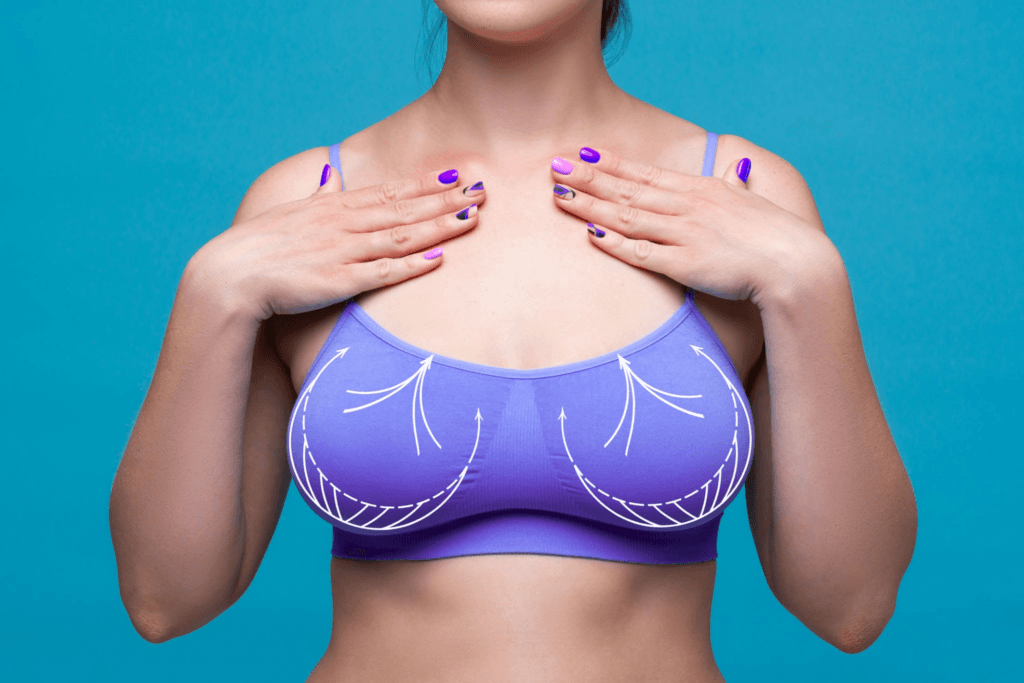
Breast Lift (Mastopexy): This procedure is considered the gold standard for addressing sagging breasts. During a mastopexy, excess skin is removed, and the remaining breast tissue is reshaped and tightened to create a more lifted, firmer, and youthful contour (Pink Apple Aesthetics, 2025; Andres Taleisnik, MD, 2018). In many cases, the nipple-areola complex is also repositioned to a more natural and aesthetically pleasing location on the newly shaped breast. The specific technique used will depend on the degree of sagging and the individual’s anatomy, with incisions strategically placed to minimize visible scarring (Pink Apple Aesthetics, 2025).
Breast Augmentation with Lift: For individuals who experience both sagging and a desire for increased breast volume or fullness, a breast lift can be combined with breast augmentation (Andres Taleisnik, MD, 2018). This combined procedure involves placing breast implants to enhance size and projection, while simultaneously performing the lift to correct ptosis and achieve a more aesthetically balanced and youthful figure. This option is particularly beneficial for those who have experienced significant volume loss due to weight fluctuations or pregnancy, alongside sagging (Andres Taleisnik, MD, 2018).
Both breast lift and combined augmentation-lift procedures are highly personalized and require a thorough consultation with a board-certified plastic surgeon. The surgeon will evaluate the patient’s breast anatomy, discuss their aesthetic goals, and explain the potential risks, benefits, and recovery process associated with each option. These procedures can significantly improve breast shape, symmetry, and firmness, leading to enhanced self-confidence and physical comfort (Pink Apple Aesthetics, 2025).

Conclusion: Embracing Your Body with Confidence and Knowledge
The journey through womanhood is marked by countless transformations, and changes in breast appearance, including sagging, are a natural and often inevitable part of this evolution. For women in their twenties, encountering breast ptosis can be a source of unexpected concern, challenging preconceived notions of youth and vitality. However, as this comprehensive exploration has revealed, breast sagging at a young age is not an anomaly but rather a common occurrence influenced by a multifaceted array of factors, from the unchangeable blueprint of genetics to the daily choices that shape our lives. Understanding that breasts are primarily supported by delicate ligaments and skin, rather than muscle, fundamentally shifts the perspective on both prevention and treatment. It underscores the reality that while a healthy lifestyle can offer significant benefits, it cannot entirely counteract the forces of heredity, gravity, or profound physiological shifts.
We have delved into the core principles of breast anatomy, highlighting the critical role of Cooper’s ligaments and skin elasticity in maintaining firmness. Our detailed examination of the mechanistic causes of early sagging—including genetic predispositions, the impact of weight fluctuations, hormonal shifts, inadequate support, and detrimental lifestyle habits like smoking and sun exposure—provides a clear picture of the challenges young women face. Recognizing when to seek professional guidance, particularly when sagging leads to physical discomfort or significant emotional distress, is a vital step towards proactive self-care. The distinction between cosmetic concerns and potential underlying medical issues is paramount, emphasizing the importance of vigilance for any sudden or unusual changes in breast health.
The path forward involves a balanced approach, integrating preventative measures with informed treatment options. Embracing strategies such as maintaining a stable weight, ensuring proper breast support through well-fitted bras, adopting a nutrient-rich diet, staying hydrated, and rigorously avoiding smoking and excessive sun exposure can significantly contribute to preserving breast firmness. These lifestyle choices, while not a panacea, empower individuals to exert control over many of the modifiable factors contributing to ptosis. For those seeking more definitive solutions, modern plastic surgery offers highly effective procedures like mastopexy (breast lift) and combined augmentation-lift, tailored to restore a youthful contour and enhance self-confidence. These surgical interventions, performed by experienced professionals, represent a powerful option for women to reclaim their desired aesthetic and comfort.
Ultimately, the conversation around breast sagging in young women should be one of empowerment, not embarrassment. It is about acknowledging the body’s natural processes, understanding the science behind them, and making informed decisions that align with individual well-being and aesthetic goals. By arming ourselves with knowledge, we can navigate these personal journeys with greater confidence, embracing our bodies in all their forms and stages. The goal is not to achieve an unattainable ideal, but to foster a sense of comfort, health, and self-assurance that radiates from within. If you find yourself contemplating these changes, remember that expert guidance is readily available to help you explore your options and embark on a path that leads to renewed confidence and satisfaction with your body.
Bibliography
- Pink Apple Aesthetics. (2025, June 23). Why Are My Breasts Sagging at a Young Age? | This is the Reason. https://pinkappleaesthetics.com/2025/06/23/breast-sagging-in-young-women/
- Taleisnik, A. (2018, November 26). Breast Sagging at a Young Age: Why It Happens and What You Can Do About It. Andres Taleisnik, MD. https://www.ataleisnikmd.com/breast-sagging-at-a-young-age-why-it-happens-and-what-you-can-do-about-it/
- Surgyteam. (2025, January 14). ¿A qué edad empiezan a caerse los pechos? https://surgyteam.com/at-what-age-do-breasts-start-sagging/
- Weider, L. (2025, June 29). 9 Common Causes Of Breast Sagging. Dr. Weider. https://www.drweider.com/why-boobs-saggy/
Frequently Asked Questions About Breast Sagging in Your Twenties
Is it normal for breasts to sag in your twenties?
Yes, it is surprisingly common for breasts to show signs of sagging, or ptosis, in your twenties. This can be due to a combination of genetic factors, significant weight fluctuations, hormonal changes, and lifestyle habits, not just aging or pregnancy.
Can exercise prevent breast sagging?
While exercise cannot directly lift breast tissue (as breasts are not muscle), strengthening the pectoral muscles beneath the breasts can improve chest wall tone and posture, which may give the appearance of a slight lift and provide indirect support.
What role do genetics play in early breast sagging?
Genetics play a significant role in determining skin elasticity, breast tissue density, and the strength of supportive ligaments. If your family members experienced early sagging, you might be predisposed to it as well, regardless of other factors.
Can wearing a bra prevent sagging?
Wearing a well-fitted, supportive bra, especially during high-impact activities, is crucial. It helps to counteract the effects of gravity and reduces the strain on the Cooper’s ligaments, which can slow down the progression of sagging.
When should I be concerned about breast sagging?
While often cosmetic, you should consult a doctor if you experience sudden or uneven drooping, chronic pain in your shoulders or back, skin irritation under the breasts, or any unusual changes like lumps, dimpling, or skin discoloration.
Are there surgical options for breast sagging in young women?
Yes, a breast lift (mastopexy) is a surgical procedure that removes excess skin and reshapes the breast tissue to create a firmer, more lifted contour. It can also be combined with breast augmentation for increased volume.

 Spanish
  English
  German
  Russian
  Turkish
  Arabic
  Italian