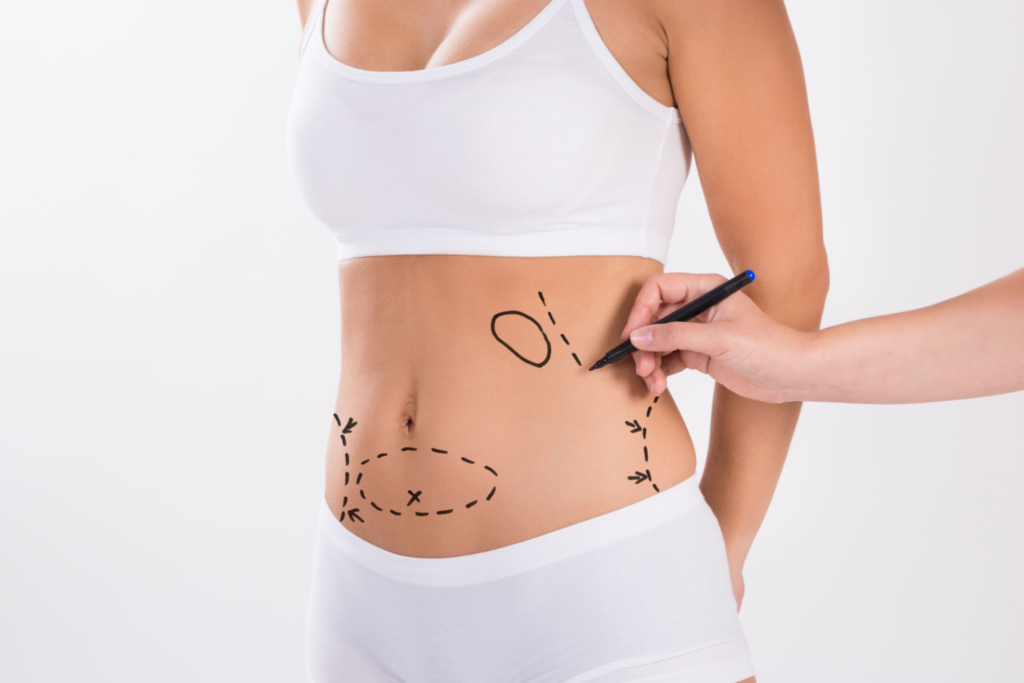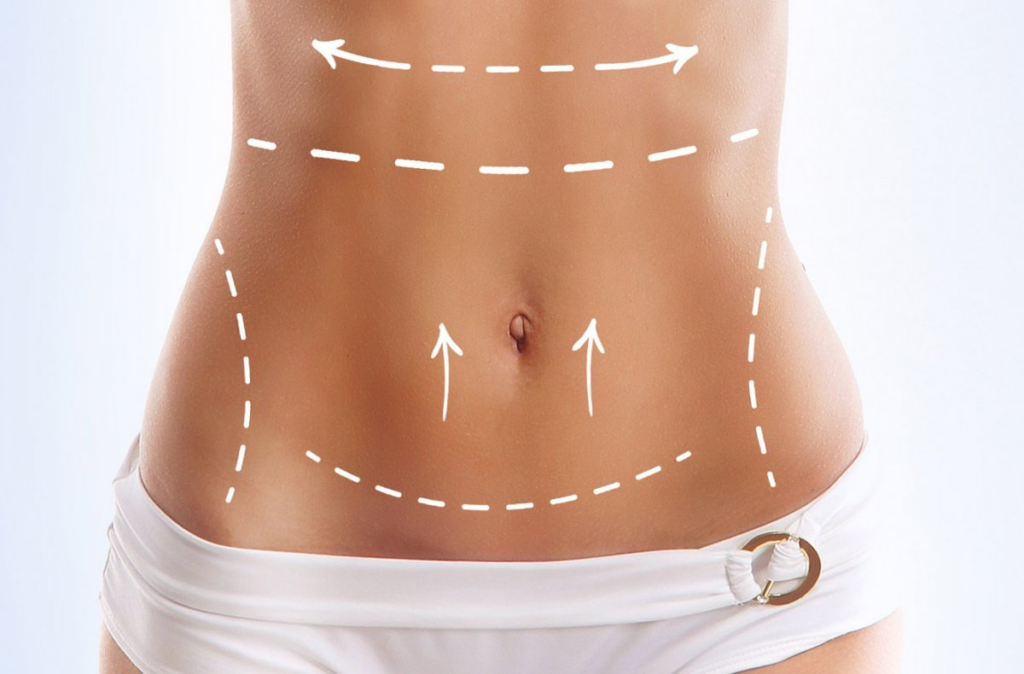
Notar una protuberancia después de una abdominoplastia puede ser alarmante, especialmente cuando esperabas un abdomen plano y tonificado. Pero la verdad es que **esto es completamente normal** en las primeras etapas de la recuperación. Ya sea que sea residual el edema, una temporal seroma, o persistente acumulación de grasa visceral, la mayoría de las protuberancias postoperatorias se resuelven dentro de **6–12 meses**—siempre que sepas qué buscar y cómo apoyar tu curación. Esta guía explica por qué tu abdomen aún no está plano, cómo distinguir la hinchazón normal de señales de alerta, y pasos accionables para asegurar resultados suaves y duraderos de tu abdominoplastia.
Si estás frustrado por una protuberancia persistente después de tu procedimiento, no estás solo. Muchos pacientes confunden la el edema postoperatoria o la acumulación de líquido con resultados fallidos. Al comprender las **tres fases de la recuperación de la abdominoplastia**—y el papel de acumulación de grasa visceral, la reparación muscular y la compresión adecuada—obtendrás claridad sobre el cronograma de tu cuerpo y aprenderás cuándo buscar ayuda. Desglosaremos la ciencia detrás de la protuberancia y cómo optimizar tu proceso de curación.
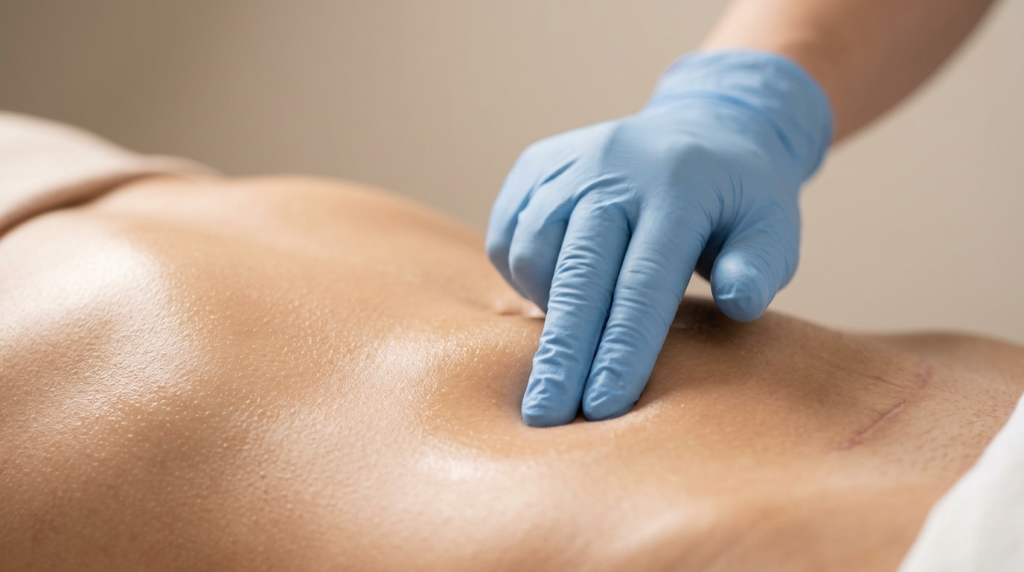
Tabla de contenido
Por Qué Tu Abdomen No Está Plano Después de una Abdominoplastia: 5 Causas Comunes
A protuberancia después de una abdominoplastia rara vez es una señal de un procedimiento mal hecho. En cambio, suele ser una parte normal del proceso de curación. Aquí están las razones más comunes por las que tu abdomen aún puede parecer redondeado o irregular:
1. Edema Postoperatorio (Hinchazón)
el edema es la respuesta natural del cuerpo al trauma, incluidas las incisiones y reparaciones musculares de tu abdominoplastia. Esta hinchazón puede:
- Alcanzar su pico a los **3–5 días** post‑op, luego disminuir gradualmente durante **3–6 meses**.
- Provocar una sensación de “duro” o “lleno” en la parte inferior del abdomen, especialmente al estar de pie.
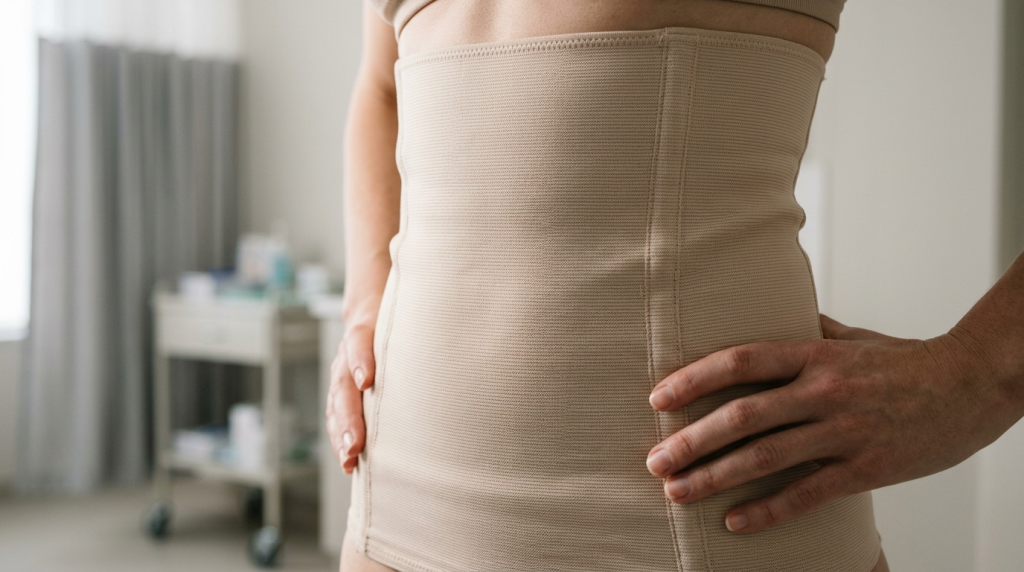
- Ser manejada con **prendas de compresión**, masajes de drenaje linfático y reposo con elevación.
Consejo profesional: La hinchazón suele ser peor en la **mañana** y mejora a lo largo del día a medida que el líquido se redistribuye. ¡Esto es normal!
2. Seroma (Acumulación de Fluido)
A seroma es una bolsa de líquido claro que puede acumularse bajo la piel después de una cirugía. Es un efecto secundario común de abdominoplastia y típicamente:
- Se siente como un **bulto blando y móvil** (no duro ni doloroso).
- Ocurre en **10–30% de pacientes**, usualmente dentro de las primeras **2–4 semanas**.
- A menudo se resuelve por sí solo o con **drenaje por parte de su cirujano**.
Bandera roja: Si el área se vuelve **roja, caliente o dolorosa**, puede indicar una infección—contacte a su cirujano de inmediato.
3. Grasa Visceral (Grasa Interna)
A abdominoplastia elimina **grasa subcutánea** (la capa bajo la piel) pero **no** elimina acumulación de grasa visceral (la grasa alrededor de sus órganos). Si su protuberancia es:
- Más suave y **más visible al sentarse**, podría ser grasa visceral.
- Sin cambios después de **más de 6 meses**, la dieta y el ejercicio (especialmente el fortalecimiento del core) pueden ayudar.
- Acompañado de **mala postura**, puede ser necesaria la fisioterapia para reentrenar los músculos del core.
4. Reparación y Tensado Muscular
Durante un abdominoplastia, su cirujano repara los músculos abdominales separados (una condición llamada **diástasis de rectos**). Esta reparación puede causar:
- Una **sensación de tirantez y tirón** a medida que los músculos sanan en su nueva posición.
- **Abultamiento temporal sobre la incisión** (por hinchazón interna o espasmos musculares).
- Mejora durante **3–6 meses** a medida que los músculos se adaptan y se fortalecen.
5. Formación de Tejido Cicatricial
A medida que su cuerpo sana, forma **tejido cicatricial interno** (adherencias) que pueden crear:
- Una **cresta firme** a lo largo de la línea de incisión (generalmente temporal).
- Molestia al **doblarse o estirarse**, que mejora con el tiempo y masajes suaves.
- Alisado a largo plazo con **láminas o geles de silicona** (recomendado por su cirujano).
| Causa | Cronología | Cómo se siente | Solución |
|---|---|---|---|
| el edema | Alcanza su punto máximo a los 3–5 días; se resuelve en 3–6 meses | Abdomen inferior duro y lleno; peor por la mañana | Prendas de compresión, drenaje linfático, elevación |
| seroma | Primeras 2–4 semanas | Bulto blando y móvil; no doloroso | Drenaje por el cirujano si persiste |
| Grasa visceral | Continuo (si estaba presente antes de la cirugía) | Bulto blando, notable al sentarse | Dieta, ejercicio, entrenamiento de postura |
| Reparación muscular | 3–6 meses | Sensación de tirantez; abultamiento sobre la incisión | Tiempo, ejercicios de core (después de la autorización) |
| Tejido cicatricial | 2–12 meses | Cresta firme a lo largo de la incisión; molestia al moverse | Hojas de silicona, masaje, fisioterapia |
Normal vs. Anormal: Cuándo preocuparse por una protuberancia después de una abdominoplastia
Mientras la mayoría protuberancia después de una abdominoplastia es temporal, algunos síntomas requieren llamar a su cirujano. Use esta lista de verificación para evaluar su situación:
✅ Normal (No se necesita acción)
- El bulto es **simétrico** y se suaviza al acostarse.
- La hinchazón **fluctúa** (mejor por la tarde, peor por la mañana).
- No hay **enrojecimiento, calor o mal olor** de la incisión.
- La incomodidad es **leve y mejora** con reposo o compresión.
⚠️ Monitorear de cerca (Llamar si empeora)
- El bulto es **duro o está creciendo** después de 4 semanas.
- El dolor es **agudo o localizado** (no dolor general).
- La incisión muestra signos de **separación o secreción inusual**.
- Desarrollas **fiebre o escalofríos**.
❌ Señales de alerta (Contacte a su cirujano inmediatamente)
- **Dolor intenso o hinchazón** repentina en un lado.
- Incisión **sangrando o supurando pus**.
- Hinchazón de la pierna o **falta de aire** (puede indicar un coágulo sanguíneo).
- Signos de **infección** (rayas rojas, olor desagradable, fiebre alta).

La regla de 6 meses: Qué esperar en su cronograma de recuperación
Entender la **línea de tiempo de recuperación de la abdominoplastia** puede aliviar la frustración sobre un protuberancia después de una abdominoplastia. Esto es lo que puedes esperar mes a mes:
Meses 1–2: La fase de hinchazón
Tu cuerpo está en **modo de alta curación**. Espera:
- el edema hace que tu abdomen se sienta duro y lleno.
- Puedes parecer **más hinchado que antes de la cirugía**—¡esto es normal!
- Usa tu **prenda de compresión 24/7** (excepto al ducharte).
- Camina suavemente para **promover la circulación** y reducir la acumulación de líquido.
Meses 3–4: La fase de transición
La hinchazón comienza a disminuir, pero puedes notar:
- Una apariencia de **”estante”** donde la incisión se encuentra con el área púbica (esto se suaviza).
- Entumecimiento o **hormigueo** a medida que los nervios se regeneran.
- Su cirujano puede recomendar **masajes de drenaje linfático** para acelerar la curación.
Meses 5–6: La fase de refinamiento
A estas alturas, **80% de hinchazón** debería haber desaparecido. Verá:
- Una **cintura más plana y definida**.
- Mejora de la **postura y la fuerza del core** (si ha estado realizando los ejercicios aprobados).
- Es probable que queden **protuberancias menores** (si las hay) acumulación de grasa visceral o tejido cicatricial.
Meses 7–12: Los resultados finales
Este es el momento en que verás tu **resultado real**:
- Tu abdomen debería estar **liso y contorneado**.
- Cualquier protuberancia restante probablemente sea **grasa visceral preexistente** (se puede tratar con dieta/ejercicio).
- Las cicatrices y adherencias internas continúan suavizándose.

Cómo reducir una protuberancia después de una abdominoplastia: 7 estrategias probadas
Si deseas minimizar un protuberancia después de una abdominoplastia, estas estrategias basadas en evidencia pueden ayudar a acelerar tu recuperación:
1. Use su prenda de compresión religiosamente
Tu prenda:
- Reduce el edema en **30–50%** cuando se usa de forma constante.
- Apoya los músculos reparados y **previene la acumulación de líquido**.
- Debe usarse **24/7 durante al menos 6 semanas** (o según indicaciones).
2. Priorice el drenaje linfático
Masajes de drenaje linfático manual (MLD):
- Ayudan a mover el exceso de líquido fuera del sitio quirúrgico.
- Puede ser realizado por un **terapeuta certificado** o suavemente en casa (pida orientación a su cirujano).
- Son más efectivas cuando se inician **2–3 semanas después de la cirugía**.
3. Manténgase hidratado y coma limpio
La nutrición influye en la curación:
- **Hidratación** (2–3 L de agua/día) elimina toxinas y reduce el edema.
- **Alimentos antiinflamatorios** (bayas, verduras de hoja, omega‑3) minimizan la inflamación.
- **Dieta baja en sodio** previene la retención de líquidos.
4. Muévase suavemente pero de forma constante
Caminar:
- Mejora la circulación y **reduce el riesgo de seroma**.
- Debe comenzar **el día después de la cirugía** (caminatas cortas y lentas).
- Evita **actividades extenuantes** hasta que su cirujano lo autorice (usualmente 6–8 semanas).
5. Aborde la grasa visceral con ejercicios de core
Si su protuberancia es acumulación de grasa visceral:
- Comience **inclinaciones pélvicas y ejercicios suaves de core** a las 6–8 semanas postoperatorias.
- Progrese a **planchas y elevaciones de piernas** después de 12 semanas (con aprobación del cirujano).
- Combínelo con **cardio** (caminar, nadar) para quemar grasa interna.
6. Use láminas de silicona para el manejo de cicatrices
Hojas de silicona:
- Reduce **el grosor del tejido cicatricial** hasta 60%.
- Debe usarse **12+ horas/día** durante 2–3 meses.
- Puede combinarse con **masaje de cicatrices** (después de que las incisiones estén completamente cerradas).
7. Considerar cirugía de revisión (último recurso)
Si después de **12 meses** aún tienes:
- Una **protuberancia persistente y asimétrica**.
- Piel suelta o **separación muscular** que no se corrigió completamente.
- Consulta a tu cirujano sobre una **mini-revisión** (a menudo menos invasiva que la original abdominoplastia).

Historias reales de pacientes: Superando los bultos después de una abdominoplastia
Escuchar a otros que han enfrentado una protuberancia después de una abdominoplastia puede proporcionar tranquilidad y consejos prácticos:
Anna, 38 (6 meses postoperatorio)
“Entré en pánico a las 8 semanas cuando mi barriga todavía se veía de embarazada! Mi cirujano explicó que era el edema y tejido cicatricial. Al mes 5, la protuberancia había desaparecido un 90% — solo necesitaba paciencia y mi prenda de compresión. Ahora, estoy encantada con mi abdomen plano!”
Mark, 45 (1 año postoperatorio)
“Tuve un seroma a las 3 semanas que mi cirujano drenó en la consulta. Fue indoloro y se resolvió rápido. La clave fue hacer seguimiento temprano en lugar de esperar. Mi consejo? **Confía en el proceso**—tu cuerpo sabe cómo sanar!”
Lisa, 32 (3 meses postoperatorio)
“No me di cuenta de cuánto acumulación de grasa visceral tenía hasta después de mi abdominoplastia. Mi cirujano dijo que ningún procedimiento elimina eso—se trata de dieta y ejercicio. He estado haciendo pilates y veo una gran diferencia en mi cintura!”

Preguntas frecuentes sobre los bultos después de una abdominoplastia
¿Cuándo disminuirá la hinchazón después de una abdominoplastia?
La mayor parte de la hinchazón se resuelve en **3–6 meses**, pero los cambios sutiles pueden continuar hasta un año. Las primeras 6 semanas son las que presentan la reducción más dramática el edema.
¿Es un seroma o solo hinchazón?
A seroma se siente como un **bulto blando y lleno de líquido** que puede desplazarse al presionarlo, mientras que la hinchazón general (el edema) es más difusa y firme. Si no estás seguro, tu cirujano puede realizar una ecografía.
¿Se puede corregir un bulto después de una abdominoplastia sin cirugía de revisión?
¡Sí! La mayoría de los bultos mejoran con **tiempo, compresión, drenaje linfático y ejercicios de core**. La revisión solo es necesaria si hay un problema estructural (p. ej., separación muscular) o asimetría persistente después de 12 meses.
¿Por qué mi abdomen se ve peor después de una abdominoplastia?
Esto suele deberse a la **inflamación postquirúrgica** y la respuesta de curación de tu cuerpo. La fase de “peor antes de mejorar” suele alcanzar su punto máximo a las **2–3 semanas** y mejora constantemente después.
¿Cómo puedo saber si mi bulto es grasa visceral o hinchazón?
Grasa visceral es blanda, temblorosa y más visible al sentarse, mientras que el edema se siente dura y puede hundirse al presionarla. La hinchazón también fluctúa (mejora por la noche), mientras que la grasa visceral se mantiene constante.
Confía en el proceso: Tu abdomen plano está en camino
A protuberancia después de una abdominoplastia es una parte normal—y temporal—del proceso de curación. Al comprender las causas (como el edema, seroma, o acumulación de grasa visceral) y seguir las indicaciones de tu cirujano, verás tu abdomen aplanarse y contornearse en **6–12 meses**. Recuerda: tu cuerpo sigue curándose, incluso cuando el progreso parece lento.
Para recibir asesoramiento personalizado o discutir tu recuperación, programa una consulta de seguimiento con nuestro equipo. Estamos aquí para apoyarte en cada paso del camino hacia los resultados suaves y tonificados que mereces.