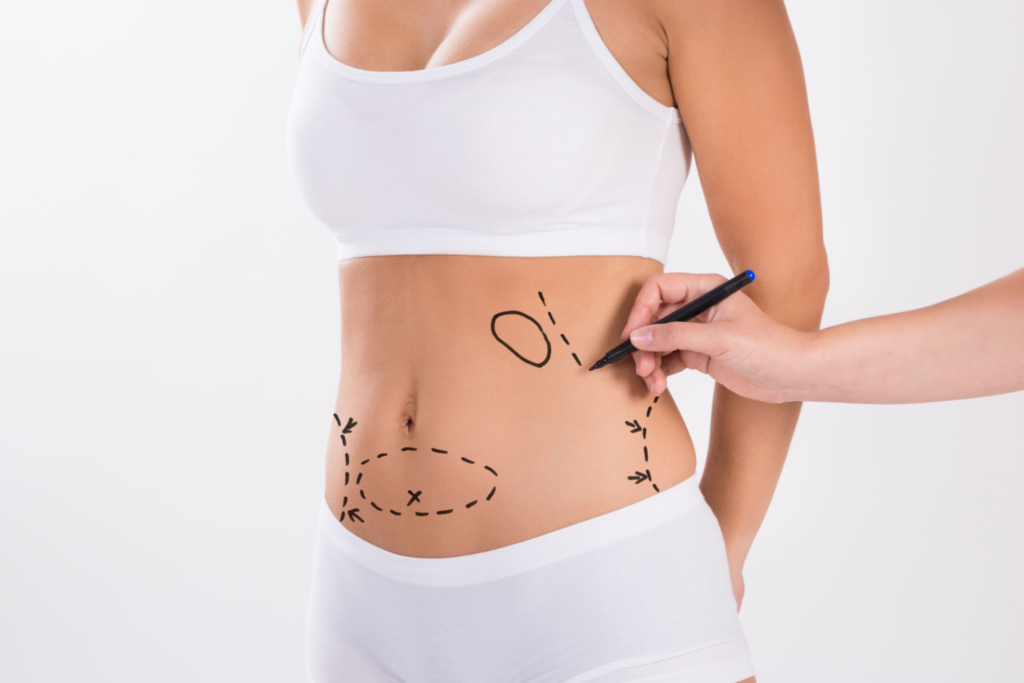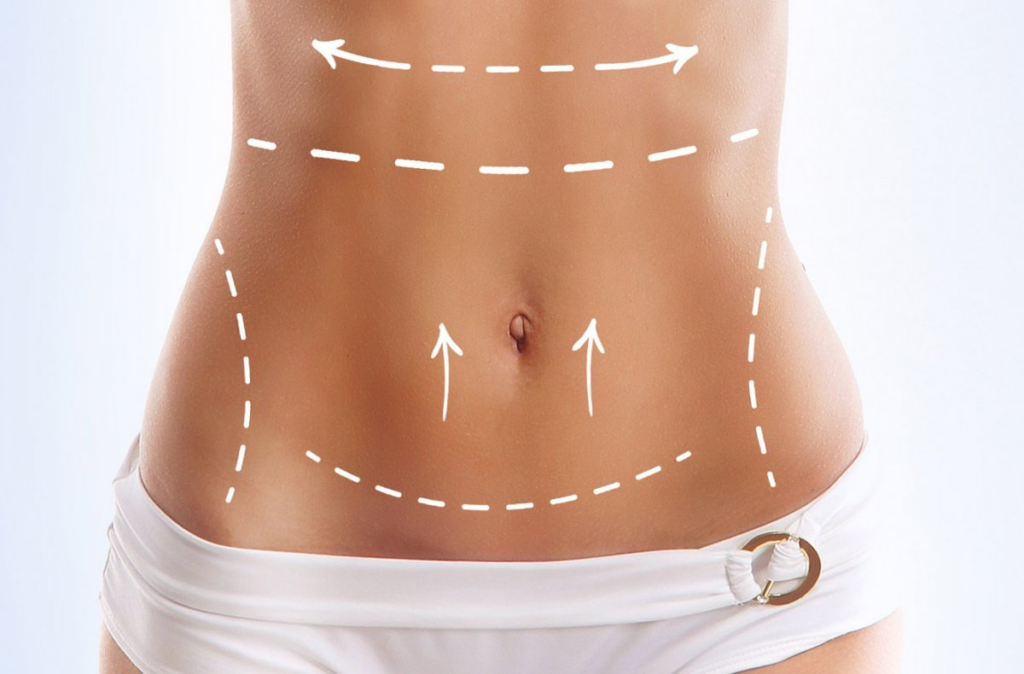
Imagina mirarte al espejo una década después de tu abdominoplastia, todavía viendo esa silueta esculpida por la que trabajaste tanto. Pero, ¿qué le pasa realmente a tu cuerpo y a tu confianza?10 años después de una abdominoplastia? La verdad no se trata solo de la cirugía; se trata de cómo el envejecimiento, el estilo de vida e incluso la gravedad interactúan con tus resultados. Esta guía revela lo que ningún folleto de cirujano te dirá: la realidad sin filtros de mantener tu transformación a medida que pasan los años.
Para quienes ya dieron el paso o están sopesando el valor a largo plazo, esto no es solo otro artículo. Es una hoja de ruta para entender cómo tu maduración de la cicatriz, elasticidad de la piel, y los hábitos diarios moldearán tus resultados dentro de una década. Spoiler: Las decisiones que tomes hoy determinarán si tu inversión resiste la prueba del tiempo.

Tabla de contenido
Envejeciendo con gracia: la cicatriz y la silueta de tu abdominoplastia a los 10 años
Al llegar a los 10 años, tu abdominoplastia cicatriz ha experimentado una transformación notable. Inicialmente roja y elevada, se suaviza y se desvanece gradualmente, aunque nunca desaparece por completo. ¿La clave de su apariencia? Maduración de la cicatriz. Durante una década, la remodelación del colágeno se{LINK_1} ralentiza, y la cicatriz se asienta en una línea delgada y pálida, a menudo oculta bajo la ropa interior o el traje de baño. Sin embargo, factores como la exposición al sol, la genética y {LINK_2} juegan un papel en su forma final. elasticidad de la piel desempeñar un papel en su forma final.
Tu silueta, también, evoluciona. Mientras el procedimiento elimina permanentemente el exceso de piel y tensa los músculos, el envejecimiento introduce nuevas variables. Cambios hormonales (especialmente después de la menopausia), mantenimiento de peso fluctuaciones, y la pérdida natural de colágeno pueden alterar sutilmente tus contornos. ¿La buena noticia? Los pacientes que mantienen un peso estable y un estilo de vida activo suelen conservar el 80–90% de su mejora inicial. ¿La mala? La gravedad nunca descansa.
Fluctuaciones de peso después de una década
Esta es la dura verdad: Un abdominoplastia no es un procedimiento de pérdida de peso, y no te protegerá de futuros aumentos. Los pacientes que ganan más de 10–15 libras pueden notar nuevos bolsillos de grasa o piel estirada, aunque el área tratada a menudo resiste los cambios mejor que las regiones no tratadas. Por el contrario, una pérdida de peso significativa a veces puede crear piel suelta, ya que la elasticidad del cuerpo disminuye con la edad.
Consejo profesional: Concéntrate en mantenimiento de peso a través del entrenamiento de fuerza (para preservar el tono muscular) y una dieta rica en proteínas (para apoyar el colágeno). Estos hábitos no solo preservan tus resultados, los mejoran.
El impacto de la menopausia en los resultados
Para las mujeres, la menopausia puede ser un cambio radical. Los niveles decrecientes de estrógeno reducen elasticidad de la piel, lo que hace que la zona abdominal sea más propensa a la flacidez. Además, los cambios hormonales a menudo redistribuyen la grasa al tronco, incluso en quienes nunca han tenido problemas de peso. ¿La solución? Terapia hormonal (consulta a tu médico) y ejercicios específicos como Pilates para fortalecer el core.
Nota: Si te estás acercando a la menopausia, considera cronometrar tu abdominoplastia *después* de esta transición. De esta manera, tus resultados se alinean con el nuevo normal de tu cuerpo.
El plan de longevidad: cómo preservar tus resultados
Su abdominoplastia los resultados a los 10 años son 20% cirugía y 80% estilo de vida. Aquí tienes cómo aumentar las probabilidades a tu favor:
- Hidratación y Nutrición: La producción de colágeno depende de la vitamina C, el zinc y la hidratación. Apunta a 2–3 litros de agua al día y una dieta rica en verduras de hoja verde y cítricos.
- Protección solar: Los rayos UV aceleran el oscurecimiento de cicatrices y el envejecimiento de la piel. Aplica SPF 30+ en tu abdomen a diario, sí, incluso en invierno.
- Fuerza del core: Plancha, elevaciones de piernas y entrenamiento de resistencia mantienen el tono muscular, apoyando tu abdomen tonificado. Evita los abdominales tradicionales (estresan los músculos verticales).
- Revisiones regulares: Visita a tu cirujano anualmente para monitorear maduración de la cicatriz y abordar pequeñas preocupaciones antes de que escalen.
Recuerda: Un abdominoplastia no detiene el envejecimiento; te da una ventaja inicial. Tus decisiones diarias determinan si esa ventaja dura una década o toda la vida.

Pacientes reales, historias reales: 10 años postoperatorios
Entrevistamos a tres pacientes una década después de su abdominoplastia. Sus experiencias revelan el espectro de posibilidades:
María, 54 (España): “Gané 8 libras después de la menopausia, pero mi abdomen sigue viéndose mejor que antes de la cirugía. ¿La cicatriz? Apenas perceptible. Ojalá hubiera sabido comenzar el entrenamiento de fuerza antes; ahora es mi arma secreta.”
James, 48 (EE. UU): “Dejé que mi peso subiera a 220 libras, y los resultados sufrieron. Después de perder 30 libras, mi abdomen volvió a aparecer—prueba de que mantenimiento de peso es todo.”
Ana, 45 (México): “Mi cicatriz se oscureció después del embarazo (sí, tuve un bebé después de la abdominoplastia). Los tratamientos láser ayudaron, pero aconsejaría esperar hasta que termines de tener hijos.”
¿Necesitas una revisión después de 10 años?
Solo el 15–20% de los pacientes opta por una secundaria abdominoplastia después de una década. Las razones más comunes:
- Cambios significativos de peso (aumento/pérdida de más de 20 libras).
- Embarazo postoperatorio (estira la piel de nuevo).
- Mala cicatrización de la cicatriz (cicatrices hipertróficas o queloides).
- Flacidez relacionada con la edad (especialmente en la parte inferior del abdomen).
Si estás considerando una revisión, pregúntate: ¿Se trata de que mi cuerpo cambie, o de mis expectativas? Un cirujano hábil puede abordar preocupaciones físicas, pero el envejecimiento es un proceso natural, no un defecto quirúrgico.
Preguntas frecuentes: tus principales inquietudes respondidas
¿Necesito una segunda abdominoplastia después de 10 años?
La mayoría de los pacientes no lo hacen. Si has mantenido un peso estable y seguido el cuidado postoperatorio, tus resultados pueden durar más de 15 años. Las revisiones suelen ser por cambios importantes en la vida (p. ej., embarazo) o complicaciones poco comunes.
¿Cómo ha cambiado la cicatriz después de una década?
A los 10 años, tu cicatriz debería estar plana, pálida y apenas perceptible. Sin embargo, la exposición al sol o factores genéticos pueden oscurecerla. Las láminas de gel de silicona o los tratamientos con láser pueden mejorar su apariencia si es necesario.
¿Puedo quedar embarazada después de una abdominoplastia?
Sí, pero puede comprometer tus resultados. El procedimiento tensa la piel y los músculos, que se estiran durante el embarazo. Muchos cirujanos recomiendan esperar hasta que hayas terminado de tener hijos.
¿Cuál es la mayor amenaza para mis resultados a largo plazo?
Fluctuaciones de peso y el daño solar. Ambos aceleran la laxitud de la piel y la visibilidad de las cicatrices. La constancia en la dieta, el ejercicio y el cuidado de la piel es tu mejor defensa.
Tu próximo paso: preservar lo que has logrado
A abdominoplastia no es solo un procedimiento, es un compromiso contigo mismo. Diez años después, los pacientes que prosperan son aquellos que lo trataron como un catalizador para una salud de por vida, no como una solución puntual. Tus resultados siguen siendo tuyos para moldearlos.
¿Listo para asegurar que tu transformación perdure? Programa una consulta virtual con nuestro abdominoplastia especialistas. Evaluaremos tus resultados actuales y diseñaremos un plan para mantenerlos impecables durante años.
Para más historias reales de pacientes, explora nuestro Galería de Antes y Después.