

After a tummy tuck, many patients expect a flat, toned abdomen. But for some, an unexpected and frustrating issue arises: a noticeable abdominal shelf deformity after tummy tuck. This raised, shelf-like ridge above the incision line can mar an otherwise successful procedure, leaving patients dissatisfied and searching for answers. If you’re dealing with this complication, you’re not alone—and there are solutions to restore the smooth contours you envisioned.
This comprehensive guide dives deep into the causes of the abdominal shelf deformity after tummy tuck, how it develops, and—most importantly—how to correct it. Whether you’re considering revision surgery or exploring non-surgical options, we’ll equip you with the knowledge to make an informed decision and achieve the aesthetic results you deserve.
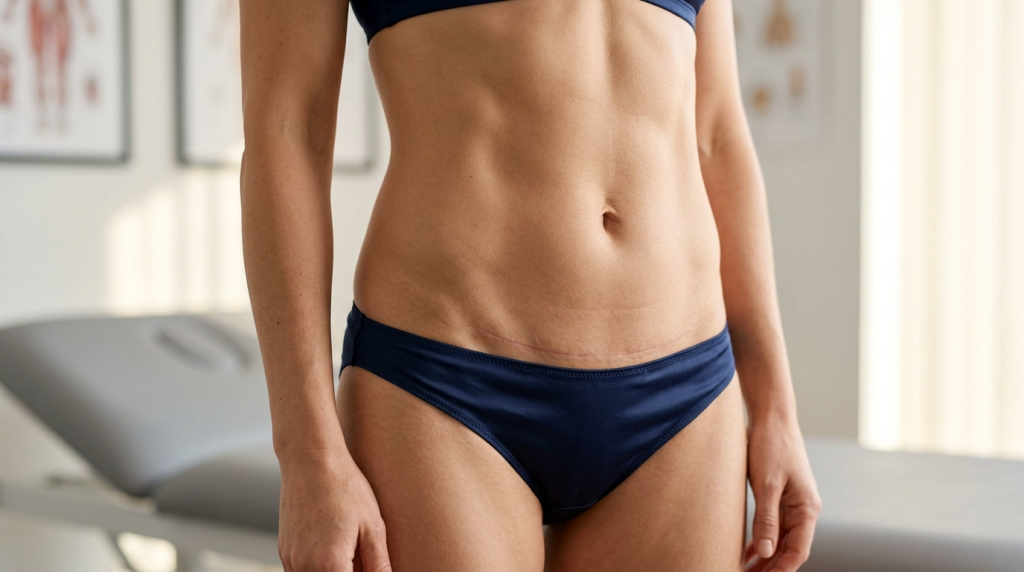
Tabla de contenido
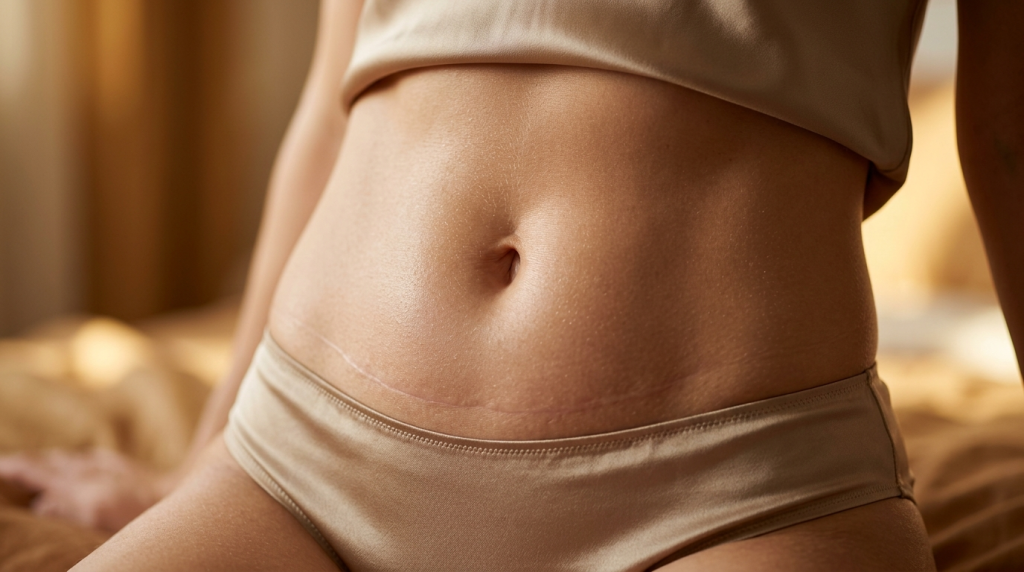
What Causes the ‘Shelf’ Over the Tummy Tuck Incision?
El abdominal shelf deformity after tummy tuck typically stems from a combination of surgical technique, tissue dynamics, and healing factors. Understanding these root causes is the first step toward effective correction.
1. Incision Design and Wound Tension
During a tummy tuck, the surgeon makes an incision low on the abdomen, usually near the pubic area. If the incision is placed too high or the skin is pulled too tightly during closure, excess tension can create a raised ridge as the tissue heals. This is particularly common in patients with thicker skin or those who develop significant scar maturation post-surgery.
2. Tissue Puckering and Improper Drainage
Tissue puckering occurs when the deeper layers of the abdomen don’t adhere smoothly to the overlying skin. This can happen if:
- Fluid accumulates beneath the incision (seroma), creating separation between tissue layers.
- The surgeon fails to secure the deeper tissues adequately during closure.
- Post-operative drainage is insufficient, leading to fluid buildup.
When these issues arise, the skin may heal in a puckered or ridged manner, forming the characteristic “shelf.”
3. Scar Maturation and Healing Dynamics
Scar maturation is a natural part of healing, but in some cases, the scar tissue becomes overly thick or raised. This is influenced by:
- Genetic predisposition to hypertrophic or keloid scarring.
- Excessive wound tension during the healing process.
- Inadequate post-operative care, such as premature physical activity or poor compression garment use.
When scar tissue forms unevenly, it can create a permanent ridge that resembles a shelf.

Can the Abdominal Shelf Go Away on Its Own?
In some cases, mild shelf deformities may soften and flatten over 12–18 months as the scar matures and tissues settle. However, if the shelf is caused by structural issues—such as improper tissue adhesion or excessive skin tension—it is unlikely to resolve without intervention.
For persistent or severe cases, surgical or non-surgical correction is often necessary to achieve a smooth contour.
How to Fix Abdominal Shelf Deformity After Tummy Tuck
If you’re frustrated by the appearance of your abdomen post-tummy tuck, several options can help restore a flatter, more natural contour. The best approach depends on the severity of the deformity and your individual anatomy.
1. Non-Surgical Options
For mild cases, non-invasive treatments may improve the appearance of the shelf:
- Steroid Injections: Corticosteroid injections can reduce thickened scar tissue, flattening the shelf over time.
- Laser Therapy: Fractional laser treatments can soften scar tissue and stimulate collagen remodeling.
- Radiofrequency or Ultrasound: These modalities can improve skin elasticity and reduce tissue puckering.
While these methods can yield improvements, they are most effective for minor deformities. Severe or structural shelves typically require surgical revision.
2. Revision Surgery for Abdominal Shelf Correction
For pronounced or persistent shelves, abdominoplasty revision is the gold standard. This procedure aims to:
- Release the scar tissue causing the ridge.
- Reposition the skin and deeper tissues for a smoother transition.
- Excise excess scar tissue if necessary.
- Reinforce the incision line to prevent recurrence.
Revision surgery is highly customized. Your surgeon may combine techniques such as:
- Revision Liposuction: To contour the area and remove localized fat deposits contributing to the shelf.
- Scar Excision: To eliminate thickened or raised scar tissue.
- Tissue Re-draping: To ensure the skin lies flat against the abdominal wall.

3. Combining Procedures for Optimal Results
In some cases, combining revision surgery with additional contouring procedures can enhance outcomes. For example:
- 360-Degree Liposuction: To refine the entire torso and create a more harmonious silhouette. Learn more about 360-degree liposuction.
- Fat Grafting: To fill depressions or irregularities near the incision line.
- Laser Skin Resurfacing: To improve skin texture and reduce scar visibility post-revision.
Your surgeon will tailor the approach based on your unique anatomy and goals.
Choosing the Right Surgeon for Your Revision
Correcting an abdominal shelf deformity after tummy tuck requires precision and expertise. Not all plastic surgeons specialize in revision cases, so selecting the right professional is critical. Here’s what to look for:
- Board Certification: Ensure your surgeon is certified by a recognized board, such as the American Board of Plastic Surgery.
- Revision Experience: Ask how many tummy tuck revisions they perform annually. Look for before-and-after photos of shelf corrections.
- Personalized Approach: Your surgeon should evaluate your specific deformity and propose a customized plan—not a one-size-fits-all solution.
- Transparent Communication: They should clearly explain the risks, benefits, and expected outcomes of revision surgery.
En SurgyTeam, our surgeons specialize in complex revision cases, including abdominoplasty revision for shelf deformities. We combine advanced techniques with a patient-centered approach to deliver natural, long-lasting results.
Recovery After Abdominal Shelf Correction
Recovery from shelf correction surgery is similar to that of a primary tummy tuck but may vary depending on the extent of revision. Here’s what to expect:
- First Week: Swelling and bruising are common. You’ll wear a compression garment to support healing and reduce fluid buildup.
- 2–4 Weeks: Light activities can resume, but avoid strenuous exercise or heavy lifting.
- 6–12 Weeks: Most swelling subsides, and you’ll see initial improvements in contour. Final results emerge after 6–12 months as scars mature.
Your surgeon will provide detailed post-operative instructions to optimize healing and minimize complications.
Cost of Tummy Tuck Revision for Shelf Deformity
The cost of correcting an abdominal shelf deformity after tummy tuck varies based on:
- The complexity of the revision.
- Whether additional procedures (e.g., liposuction, fat grafting) are included.
- The surgeon’s experience and geographic location.
On average, revision surgery ranges from $6,000 to $12,000. While this may seem significant, the investment can dramatically improve your confidence and satisfaction with your appearance. Many patients find that the emotional and aesthetic benefits far outweigh the cost.

Frequently Asked Questions About Abdominal Shelf Deformity
Will my abdominal shelf go away over time?
Mild shelves may soften as scars mature, but structural shelves typically require intervention. If the shelf persists after 12–18 months, consult a revision specialist.
How much does tummy tuck revision cost?
The cost varies widely, but most patients invest between $6,000 and $12,000 for shelf correction. This includes surgeon fees, anesthesia, and facility costs.
Is revision surgery riskier than the original tummy tuck?
Revision surgery carries slightly higher risks due to scar tissue and altered anatomy. However, in the hands of an experienced surgeon, it is generally safe and highly effective.
Can non-surgical treatments eliminate the shelf completely?
Non-surgical options can improve mild deformities but are unlikely to eliminate a pronounced shelf. Surgical revision remains the most reliable solution.
How do I prevent a shelf after tummy tuck revision?
Follow your surgeon’s post-operative instructions meticulously, including wearing compression garments, avoiding strain, and attending follow-up appointments to monitor healing.
Restoring Confidence: Your Next Steps
Dealing with an abdominal shelf deformity after tummy tuck can be disheartening, but it’s not the end of your journey. With the right approach—whether through non-surgical treatments or expert revision surgery—you can achieve the smooth, contoured abdomen you envisioned.
If you’re ready to explore your options, schedule a consultation with our revision specialists. We’ll evaluate your unique case, discuss tailored solutions, and help you take the next step toward a result you’ll love.

 Spanish
  English
  German
  Russian
  Turkish
  Arabic
  Italian