
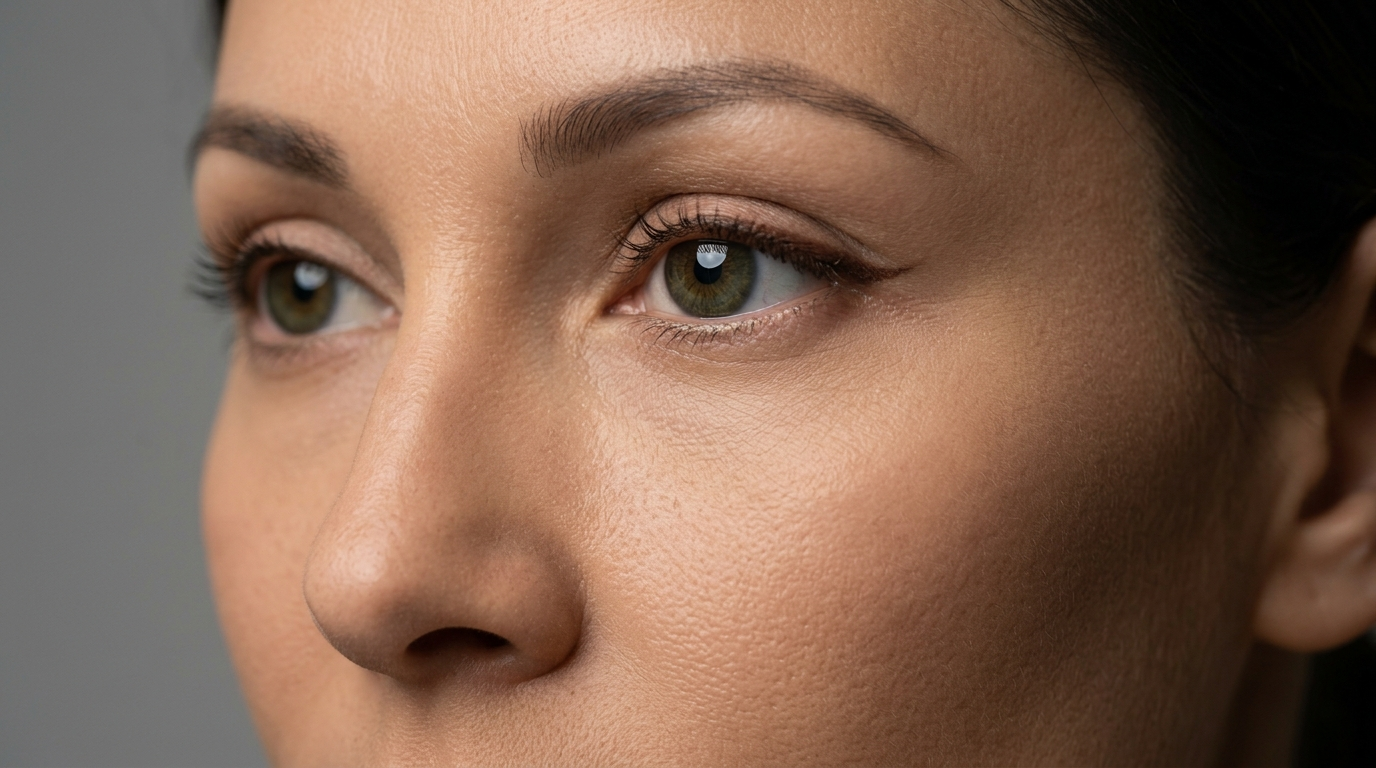
The allure of almond eye surgery has captivated beauty enthusiasts worldwide, transforming the way we perceive eye aesthetics. This procedure, known as canthoplasty, reshapes the outer corners of the eyes to create a lifted, elongated appearance reminiscent of the coveted “cat eye” look. Whether inspired by celebrities or simply seeking a more youthful and exotic eye shape, almond eye surgery offers a permanent solution to enhance your natural beauty.
In this guide, we’ll explore everything you need to know about almond eye surgery, from the differences between canthoplasty y canthopexy to the recovery process and expected results. Discover how this procedure can help you achieve the perfect eye shape and boost your confidence.

Tabla de contenido
What Is Almond Eye Surgery? Understanding Canthoplasty
Almond eye surgery, or canthoplasty, is a cosmetic procedure that modifies the shape of the eyes by altering the lateral canthus—the outer corner where the upper and lower eyelids meet. This surgery is designed to create a more lifted, elongated, and almond-shaped appearance, often referred to as the “cat eye” effect. Unlike temporary makeup techniques, canthoplasty provides a permanent solution for those seeking a dramatic yet natural enhancement.
How Canthoplasty Differs from Canthopexy
While both procedures focus on the eye area, they serve different purposes:
- Canthoplasty: Involves cutting and reshaping the lateral canthus to change the eye’s overall shape. It’s ideal for those seeking a permanent almond or cat-eye effect.
- Canthopexy: A less invasive procedure that tightens the lateral canthus without altering its shape. It’s often used to correct drooping due to aging.
For individuals looking to achieve a more dramatic transformation, canthoplasty is the preferred choice. If you’re also considering other eye-enhancing procedures, such as fox eye lift o blefaroplastia, consulting with a specialist can help tailor the perfect plan for your aesthetic goals.
Why Choose Almond Eye Surgery? Benefits and Aesthetic Goals
Almond eye surgery is more than just a cosmetic trend—it’s a transformative procedure that enhances facial harmony and boosts self-confidence. Here’s why so many people are opting for this surgery:
1. Achieving the Coveted “Cat Eye” Look
The “cat eye” aesthetic, popularized by celebrities and influencers, is characterized by an upward tilt at the outer corners of the eyes. Canthoplasty makes this look achievable permanently, eliminating the need for daily makeup application.
2. Youthful and Exotic Appearance
As we age, the eyes can appear droopy or tired. Almond eye surgery lifts the outer corners, creating a more youthful and alert appearance. It also adds an exotic touch, making the eyes appear larger and more expressive.
3. Long-Lasting Results
Unlike temporary solutions like makeup or non-surgical treatments, canthoplasty offers permanent results. Once healed, the new eye shape will remain for years, making it a cost-effective investment in your appearance.
4. Customizable to Your Facial Features
Every face is unique, and so are the goals for almond eye surgery. Whether you want a subtle lift or a more dramatic change, the procedure can be tailored to complement your natural features and achieve the look you desire.

The Almond Eye Surgery Procedure: Step-by-Step
Understanding the almond eye surgery process can help ease any concerns and prepare you for what to expect. Here’s a detailed breakdown of the procedure:
1. Pre-Surgical Consultation
Your journey begins with a consultation with a board-certified plastic surgeon specializing in oculoplastics. During this meeting, you’ll discuss your aesthetic goals, medical history, and any concerns. The surgeon will evaluate your eye shape and recommend the best approach, whether it’s canthoplasty or a combination of procedures like blefaroplastia.
2. Anesthesia and Incision
On the day of the surgery, you’ll receive local anesthesia with sedation or general anesthesia, depending on your surgeon’s recommendation. The surgeon will then make precise incisions at the lateral canthus, carefully reshaping the outer corners of your eyes.
3. Reshaping the Lateral Canthus
The key step in almond eye surgery involves repositioning the tendons and tissues at the lateral canthus to create the desired lift and elongation. The surgeon will ensure symmetry and a natural appearance, avoiding an overly dramatic or unnatural result.
4. Closing the Incisions
Once the reshaping is complete, the incisions are closed with fine sutures. The surgeon will apply a protective ointment and may place sterile gauze over the eyes to protect them during the initial healing phase.

Recovery After Almond Eye Surgery: What to Expect
Recovery is a critical phase of the almond eye surgery process. Following your surgeon’s post-operative instructions will ensure optimal healing and results. Here’s a timeline of what to expect:
Immediate Post-Operative Phase (Days 1-3)
- Hinchazón y hematomas: Expect mild to moderate swelling and bruising around the eyes. Cold compresses can help reduce these symptoms.
- Malestar: Any discomfort can be managed with prescribed pain medication.
- Protective Care: Avoid rubbing your eyes or applying pressure to the incisions. Sleep with your head elevated to minimize swelling.
First Week (Days 4-7)
- Follow-Up Visit: Your surgeon will remove any sutures and assess your healing progress.
- Reduced Swelling: Swelling will begin to subside, and you can gradually resume light daily activities.
- Avoid Straining: Refrain from heavy lifting, bending, or strenuous exercise.
Weeks 2-4
- Return to Normal Activities: Most patients can return to work and normal routines, though strenuous activities should still be avoided.
- Final Results: While you’ll see improvements, the final results of your almond eye surgery will become fully apparent after 2-3 months as swelling completely subsides.

Risks and Considerations of Almond Eye Surgery
As with any surgical procedure, almond eye surgery carries potential risks and considerations. Being aware of these will help you make an informed decision:
Riesgos potenciales
- Infección: Though rare, infections can occur. Following post-operative care instructions minimizes this risk.
- Cicatrización: While incisions are made in discreet locations, some scarring may occur. Most scars fade over time.
- Asimetría: Temporary asymmetry may occur during healing but typically resolves as swelling subsides.
- Dry Eyes: Some patients experience temporary dryness or irritation, which can be managed with eye drops.
Cómo elegir el cirujano adecuado
Selecting a qualified and experienced surgeon is crucial for achieving the best results with almond eye surgery. Here’s what to look for:
- Board Certification: Ensure your surgeon is certified in plastic surgery or oculoplastics.
- Experience: Look for a surgeon with a proven track record in canthoplasty and similar procedures.
- Before-and-After Gallery: Review the surgeon’s portfolio to assess their skill and aesthetic style.
- Patient Reviews: Read testimonials from previous patients to gauge satisfaction and results.
For a consultation with our expert team, visit our contact page to schedule an appointment.
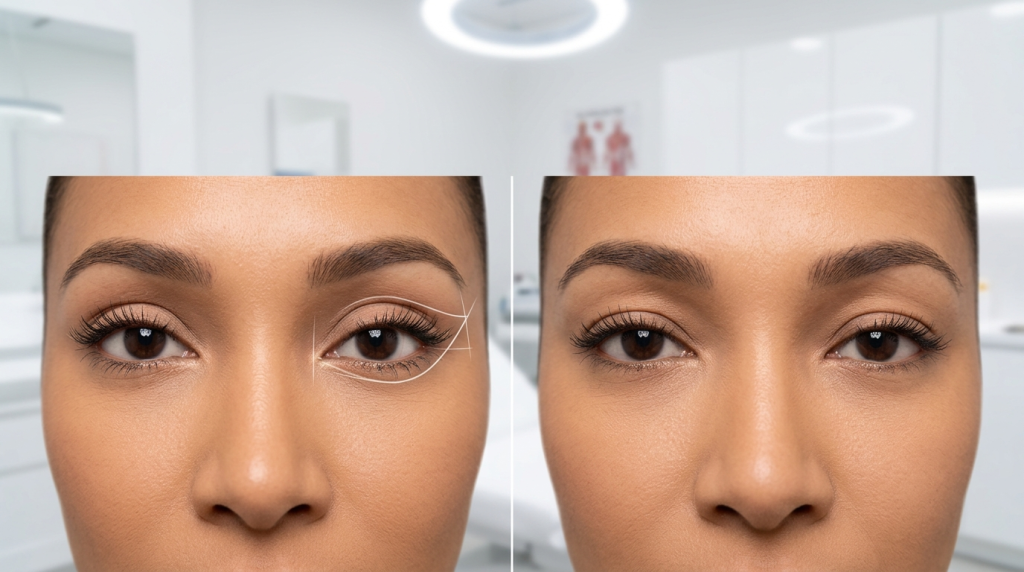
Almond Eye Surgery Before and After: Real Results
Seeing real-life transformations can help you visualize the potential results of almond eye surgery. Our before-and-after gallery showcases the dramatic yet natural-looking changes achieved through canthoplasty:
For more inspiring transformations, visit our before and after experiences page.
Frequently Asked Questions About Almond Eye Surgery
Is almond eye surgery permanent?
Yes, the results of almond eye surgery (canthoplasty) are permanent. Once the healing process is complete, the new shape of your eyes will remain for years.
What is the recovery time for canthoplasty?
Most patients can return to work and normal activities within 1-2 weeks. However, full recovery and final results may take up to 2-3 months as swelling completely subsides.
Does almond eye surgery hurt?
The procedure is performed under anesthesia, so you won’t feel pain during the surgery. Mild discomfort during recovery can be managed with prescribed medication.
Can I combine almond eye surgery with other procedures?
Yes, many patients combine canthoplasty with procedures like blepharoplasty or fox eye lift for a more comprehensive transformation. Consult your surgeon to discuss your options.
How much does almond eye surgery cost?
The cost varies depending on the surgeon’s expertise, location, and the complexity of the procedure. On average, it ranges from $2,500 to $5,000. For detailed pricing, visit our all-inclusive packages page.
Achieve Your Dream Eye Shape with Almond Eye Surgery
Almond eye surgery offers a permanent solution to achieve the exotic, lifted eye shape you’ve always desired. Whether you’re inspired by the “cat eye” trend or simply want to enhance your natural beauty, canthoplasty can transform your appearance and boost your confidence.
Ready to take the next step? Contact us today to schedule a consultation with our expert team. We’ll guide you through the process and help you achieve the perfect eye shape tailored to your unique features.


 Spanish
  English
  German
  Russian
  Turkish
  Arabic
  Italian