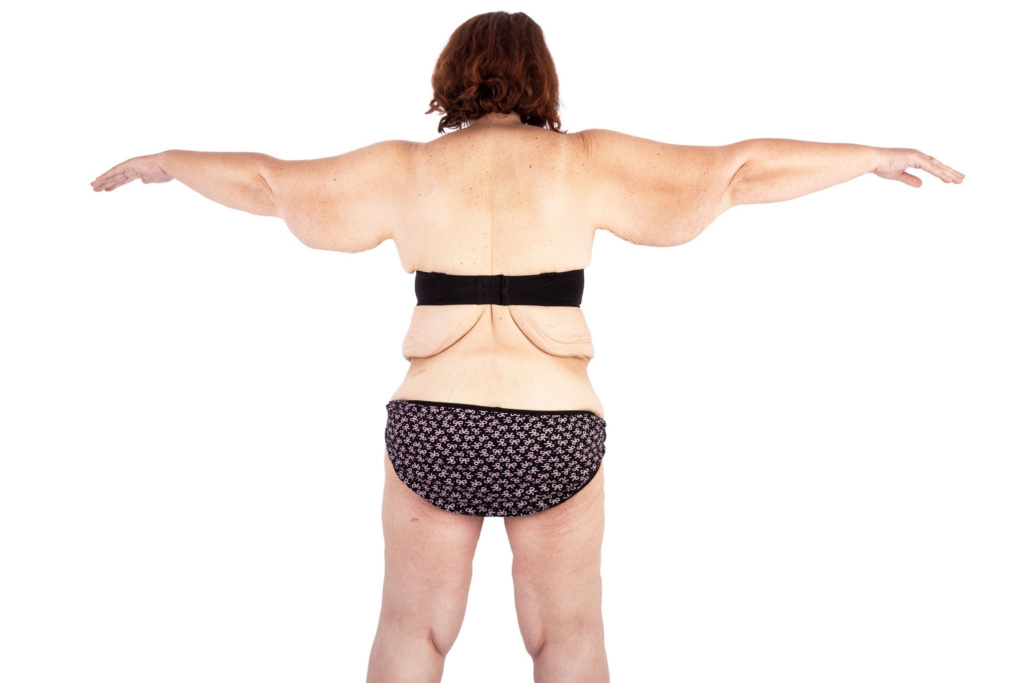
Embarcarse en el camino de un mommy makeover es un paso significativo para recuperar tu cuerpo y confianza después del embarazo y el parto. Este conjunto transformador de procedimientos puede ayudar a abordar las preocupaciones comunes posparto, lo que conduce a notables mejoras estéticas. Sin embargo, comprender el proceso de recuperación es tan crucial como la decisión de someterse a la cirugía en sí. Una pregunta clave que muchas mujeres tienen al planificar su recuperación y actividades futuras es: “¿Cuándo puedo viajar después de un mommy makeover?”
Viajar, ya sea por placer, trabajo o familia, es una parte integral de muchas vidas. Después de la cirugía, tu cuerpo necesitará tiempo para sanar, y ciertas actividades, incluido viajar, deben abordarse con precaución. Esta guía completa te acompañará a través de la línea de tiempo típica de recuperación de una transformación de mamá, los factores que influyen en tu disposición para viajar, los preparativos esenciales y consideraciones críticas para garantizar que tu viaje sea seguro y apoye tu proceso de curación. Te proporcionaremos el conocimiento necesario para tomar decisiones informadas y asegurar que tus viajes post‑transformación sean lo más fluidos y cómodos posible.

Tabla de contenido
Entendiendo el Procedimiento de Transformación de Mamá
Un mommy makeover no es una sola cirugía, sino una combinación de procedimientos cosméticos adaptados a las necesidades específicas de cada persona. Generalmente aborda cambios en los senos, el abdomen y, a menudo, otras áreas como las caderas o los muslos que comúnmente ocurren después del embarazo y la lactancia. Los componentes más frecuentes incluyen una abdominoplastia, aumento de senos, levantamiento de senos (mastopexia) y liposucción. Cada uno de estos procedimientos, aunque efectivos para lograr objetivos estéticos, afecta el cuerpo de diferentes maneras y contribuye al cronograma general de recuperación.
Abdominoplastia (Tummy Tuck): Este procedimiento elimina el exceso de piel y grasa del abdomen y tensa los músculos abdominales subyacentes. La incisión generalmente se extiende de cadera a cadera, y la recuperación implica hinchazón significativa, molestias y restricciones en los movimientos del tronco. El tensado de los músculos puede dificultar estar de pie erguido y moverse durante las primeras semanas.
Aumento/Lift de senos: El aumento de senos implica colocar implantes para incrementar el volumen de los senos, mientras que un levantamiento de senos remodela y eleva los senos caídos. A veces se realizan ambos. La recuperación incluye manejar el dolor, la hinchazón y las limitaciones en los movimientos de los brazos para proteger los tejidos e incisiones en proceso de curación.
Liposucción: Este procedimiento elimina depósitos de grasa localizados de varias áreas del cuerpo. Aunque es menos invasivo que una abdominoplastia, la liposucción aún causa moretones, hinchazón y requiere el uso de prendas de compresión para ayudar a la curación y reducir la acumulación de líquidos.
El efecto acumulativo de estos procedimientos significa que una transformación de mamá es una cirugía importante que requiere un tiempo de recuperación considerable. Tu cuerpo estará sanando múltiples sitios quirúrgicos simultáneamente, lo que genera fatiga general, hinchazón, moretones y molestias. Comprender estos impactos físicos es fundamental para apreciar por qué la preparación para viajar es una consideración crítica durante tu período de recuperación.

Cronograma de Recuperación y Hitos
El proceso de recuperación de una transformación de mamá es único para cada persona, pero existen hitos generales que proporcionan un marco de lo que se puede esperar. La paciencia y la adherencia a las instrucciones postoperatorias de tu cirujano son primordiales para un resultado exitoso y un regreso seguro a las actividades normales, incluido viajar.
Periodo Postoperatorio Inmediato (Día 1-7)
Esta es la fase más crítica de la recuperación. Experimentarás dolor, hinchazón y moretones significativos. Puede haber drenajes para recolectar fluidos, y se usarán prendas de compresión. El movimiento será limitado y necesitarás ayuda con las tareas diarias. El descanso es esencial, y la actividad extenuante, incluido caminar o estar sentado por períodos prolongados, está estrictamente prohibida. Probablemente estarás tomando analgésicos durante este tiempo. Viajar está absolutamente no recomendado.
Primera Semana (Días 7-14)
Aunque el dolor puede comenzar a disminuir, la incomodidad seguirá presente. Los drenajes suelen retirarse durante esta semana. La hinchazón y los moretones persistirán. Se fomenta caminar ligeramente para promover la circulación, pero aún se desaconseja sentarse o estar de pie por mucho tiempo. Continuarás usando prendas de compresión. Los viajes en avión y los largos recorridos en coche siguen siendo muy riesgosos debido al riesgo de TVP (trombosis venosa profunda) y la incomodidad general.
Segunda a Cuarta Semana (Semanas 2-4)
Los niveles de energía suelen comenzar a mejorar. La mayoría de los pacientes pueden realizar actividades diarias ligeras con mayor facilidad. La hinchazón disminuye gradualmente, aunque permanecerá. Es posible que ya no necesites analgésicos con tanta frecuencia. Puedes aumentar la duración de las caminatas, pero levantar objetos pesados y el ejercicio extenuante siguen estando prohibidos. Los viajes cortos en coche local podrían ser factibles, pero los viajes más largos, especialmente volar, generalmente aún no se recomiendan sin una autorización médica explícita debido al riesgo de TVP y la necesidad de moverse con frecuencia.
Quinta a Octava Semana (Semanas 5-8)
En esta etapa, muchos pacientes se sienten significativamente mejor y pueden reanudar actividades más normales, aunque gradualmente. La mayor parte de la hinchazón habrá desaparecido, aunque la curación interna continúa durante varios meses. Se puede reintroducir el ejercicio ligero. Este período suele ser el más temprano en que su cirujano podría considerar aprobar ciertos tipos de viaje, dependiendo de su progreso de curación individual y la naturaleza del viaje.
Nota: Inserte una infografía de línea de tiempo aquí que detalle las etapas típicas de recuperación y cuándo se podrían considerar diversas actividades.
Factores que Influyen en la Disponibilidad para Viajar
Decidir cuándo es seguro viajar después de una transformación de mamá implica más que una fecha en el calendario. Se deben considerar varios factores críticos, cada uno desempeñando un papel vital para garantizar su seguridad y una recuperación óptima.
Salud Personal y Progreso de la Curación
La capacidad única de curación de su cuerpo es el factor más importante para determinar su preparación para viajar. Cada persona se recupera de manera diferente, y lo que es seguro para una persona puede no serlo para otra. Es fundamental monitorear de cerca las señales de su cuerpo. Los signos de una buena curación incluyen incisiones limpias y cerradas, dolor mínimo o nulo, disminución de la hinchazón y mejora de la movilidad. Debería poder moverse cómodamente sin tirones ni esfuerzos y manejar su propio cuidado personal.
Por el contrario, las señales de alerta que indican que necesita más tiempo de recuperación incluyen dolor persistente o que empeora, hinchazón excesiva, enrojecimiento o calor alrededor de las incisiones (signos de infección), fiebre, secreción de pus o cualquier síntoma nuevo o inusual. Si experimenta mareos, aturdimiento, falta de aire o dolor en la pantorrilla, busque atención médica inmediata, ya que podrían ser signos de complicaciones graves como un coágulo sanguíneo. No considere viajar hasta que todas esas señales de advertencia se hayan resuelto y haya recibido la autorización directa de su cirujano. Apresurar este proceso puede provocar complicaciones que prolonguen su recuperación general y potencialmente comprometan los resultados de la cirugía.
Consideraciones según el Tipo de Viaje
No todos los viajes son iguales cuando está recuperándose. El modo, la duración y las condiciones de su viaje impactan significativamente los riesgos y el nivel de comodidad.
- Viajes cortos (viaje en coche): Para diligencias locales o viajes cortos en coche (1-2 horas), podría recibir autorización relativamente pronto (por ejemplo, 2-3 semanas después de la operación) siempre que pueda entrar y salir del coche cómodamente, ajustar su posición y no necesite conducir. Asegúrese de hacer paradas frecuentes para estirarse y caminar para prevenir la rigidez y reducir el riesgo de TVP. Una almohada o cojín cómodo para el abdomen puede ser invaluable.
- Vuelos de larga distancia (viaje aéreo): Este es el tipo de viaje más desafiante. Las principales preocupaciones son el mayor riesgo de trombosis venosa profunda (TVP) debido a la inmovilidad prolongada en un espacio confinado, los cambios en la presión de la cabina que pueden afectar la hinchazón y el acceso limitado a atención médica inmediata. La mayoría de los cirujanos recomiendan esperar al menos 4-6 semanas, y a menudo más (hasta 3 meses para vuelos muy largos), antes de emprender un viaje aéreo. Incluso cuando se autorice, precauciones específicas como usar medias de compresión, caminar regularmente por el pasillo y mantenerse hidratado son esenciales.
- Viaje en crucero: Similar a los vuelos de larga distancia, los cruceros implican períodos prolongados de relativa inactividad y la falta de instalaciones médicas de alto nivel inmediatas. Considere el momento cuidadosamente, especialmente si planea participar en actividades a bordo o en los puertos. El movimiento de balanceo de un barco también puede resultar incómodo después de la cirugía.
Siempre discuta sus planes de viaje específicos con su cirujano, detallando la duración, el modo de transporte y las actividades previstas en su destino. Ellos pueden ofrecerle consejos personalizados basados en su recuperación.
Autorización médica
El factor más importante para determinar su preparación para viajar es la autorización médica explícita de su cirujano plástico. Esto no es opcional; es un paso crítico para garantizar su seguridad y una recuperación óptima.
Rol de las citas de seguimiento: Su cirujano programará varias citas de seguimiento durante su recuperación. Estas visitas son vitales para monitorear su progreso de curación, revisar los sitios de incisión, evaluar la hinchazón y abordar cualquier preocupación. Durante estas citas, su cirujano evaluará su salud general y discutirá específicamente su preparación para diversas actividades, incluido viajar. No haga planes de viaje sin tener esta conversación directa.
Qué discutir con su cirujano: Al hablar de viajar, sea transparente sobre sus planes. Infórmele de:
- Sus fechas de viaje previstas.
- El modo de transporte (auto, avión, tren).
- La duración del viaje.
- Su destino y la disponibilidad de instalaciones médicas allí.
- Cualquier actividad planificada en su destino (p. ej., nadar, hacer turismo, levantar equipaje).
Su cirujano puede recomendar precauciones específicas, como usar prendas de compresión durante el vuelo, tomar medicamentos específicos o proporcionar una carta para la seguridad de la aerolínea si tiene implantes u otros dispositivos médicos. También podrían aconsejar no viajar si hay signos de complicaciones o si su curación avanza más lentamente de lo esperado.
Riesgos Potenciales de Viajar Temprano
Viajar demasiado pronto después de una cirugía de remodelación corporal puede provocar varias complicaciones que pueden afectar significativamente su recuperación y resultados generales. Comprender estos riesgos subraya la importancia de la paciencia y la adherencia a las indicaciones médicas.
- Trombosis venosa profunda (TVP) y embolia pulmonar (EP): El riesgo más grave de viajar temprano, especialmente en avión, es la formación de coágulos sanguíneos en las piernas (TVP), que pueden desprenderse y viajar a los pulmones (EP), potencialmente siendo fatal. La cirugía en sí aumenta el riesgo de TVP, y la inmovilidad prolongada durante el viaje lo eleva aún más.
- Aumento de hinchazón y acumulación de líquido (Seroma): Los cambios de presión en la cabina durante los vuelos pueden exacerbar la hinchazón y aumentar la probabilidad de formación de seroma (una acumulación de líquido bajo la piel), lo que puede requerir drenaje.
- Infección: Viajar lo expone a más gérmenes, y su sistema inmunológico puede estar temporalmente comprometido después de la cirugía. Las incisiones son vulnerables a infecciones, lo que puede retrasar la curación y comprometer los resultados.
- Dehiscencia de la herida: Esforzarse, levantar objetos o realizar movimientos bruscos durante el viaje puede ejercer presión sobre las incisiones en proceso de curación, potencialmente provocando que se separen (dehiscencia), lo que requeriría una intervención médica adicional.
- Dolor y malestar: Incluso si no surgen complicaciones mayores, viajar demasiado pronto puede ser increíblemente incómodo, especialmente con incisiones frescas e hinchazón residual. Esta incomodidad puede convertir lo que debería ser un viaje agradable en una experiencia dolorosa.
Señales de advertencia a observar durante y después del viaje: Esté atento a cualquier síntoma nuevo o que empeore. Los signos de TVP incluyen dolor en la pantorrilla, hinchazón, calor o enrojecimiento. Los signos de EP incluyen falta repentina de aire, dolor en el pecho, ritmo cardíaco rápido o tos. Otras banderas rojas incluyen aumento del dolor, enrojecimiento o secreción de los sitios de incisión, fiebre o cualquier sensación general de malestar. Si experimenta alguno de estos síntomas, busque atención médica inmediata, incluso si está en el extranjero. Se recomienda encarecidamente contar con un seguro de viaje que cubra emergencias médicas.

Preparación para Viajar Después de una Transformación de Mamá
Una vez que haya recibido la autorización de su cirujano, una preparación cuidadosa puede mejorar significativamente su comodidad y seguridad al viajar después de una transformación postparto.
Consejos para un Viaje Cómodo y Seguro
- Elegir la ropa adecuada: Opte por ropa holgada, suave y transpirable hecha de fibras naturales. Evite cualquier cosa que comprima su abdomen o senos. Las prendas de compresión, si aún son necesarias, deben usarse diligentemente.
- Manejo del dolor y la incomodidad: Empaque cualquier medicamento para el dolor recetado y analgésicos de venta libre que su cirujano apruebe. Tómelos según las indicaciones para mantenerse por delante de la incomodidad. Use almohadas o cojines suaves para apoyo, especialmente para su abdomen en el coche o en el avión. Una manta enrollada puede proporcionar soporte lumbar.
- Mantenerse hidratado y nutrido: Beba abundante agua durante su viaje para prevenir la deshidratación, lo que puede empeorar la hinchazón y la fatiga. Evite el consumo excesivo de cafeína y alcohol. Empaque refrigerios saludables para no depender de alimentos de viaje potencialmente poco saludables o altos en sodio.
- Movimiento frecuente: Ya sea en coche o avión, evite la inmovilidad prolongada. En viajes en coche, deténgase cada 1-2 horas para salir y caminar unos minutos. En los vuelos, levántese y camine por el pasillo cada hora, realice ejercicios en el asiento (bombeo de tobillos, elevaciones de pantorrilla) y estire las piernas.
- Reserva anticipada de comodidad: Si vuela, considere reservar un asiento de pasillo para facilitar el acceso al baño y la libertad de ponerse de pie. Si conduce, planifique paradas cómodas con baños accesibles y oportunidades para estirarse.
Elementos Esenciales para Empacar
Lo que empaques es tan importante como cuándo vayas. Una bolsa bien preparada puede marcar la diferencia en un viaje sin contratiempos.
- Medicamentos: Todos los medicamentos recetados (analgésicos, antibióticos, etc.) en sus envases originales, junto con analgésicos de venta libre y cualquier medicamento anti-náuseas.
- Prendas de compresión: Lleva juegos extra si aún necesitas usarlos, especialmente si anticipas que tendrás que lavar alguno.
- Artículos de comodidad: Una almohada o manta pequeña y suave para soporte abdominal, una máscara para los ojos, tapones para los oídos y pantuflas cómodas.
- Hidratación y refrigerios: Botella de agua reutilizable, refrigerios saludables (nueces, fruta, barras de proteína).
- Ropa suelta: Varias mudas de ropa cómoda y holgada.
- Suministros para el cuidado de heridas: Cualquier vendaje, cinta o crema específica recomendada por tu cirujano.
- Documentos importantes: Información de contacto de tu cirujano, una carta de resumen médico si se proporciona y los detalles del seguro de viaje.
- Entretenimiento: Libros, auriculares o películas descargadas para mantenerte ocupado y minimizar el aburrimiento, lo que puede hacer que el malestar sea más notable.
Gestionando la Recuperación Mientras Viajas
Viajar no significa que tu recuperación se detenga. Integra tus necesidades de recuperación en tus planes de viaje.
- Planificación del tiempo de descanso y recuperación: No sobrecargues tu viaje. Reserva tiempo suficiente para periodos de descanso a lo largo del día. Escucha a tu cuerpo y no te exijas demasiado. Si vas a visitar a familiares o amigos, diles que necesitarás tiempo de inactividad.
- Mantenerse activo y móvil de forma segura: Continúa con la caminata ligera que tu cirujano ha aprobado. Evita cualquier actividad que implique levantar objetos pesados, trabajo intenso del core o movimientos significativos de los brazos. Si la natación está aprobada, hazlo con suavidad.
- Nutrición e hidratación: Mantén una dieta saludable y sigue priorizando la hidratación. Esto favorece la curación y puede ayudar a controlar la inflamación.
- Monitoreo de tu cuerpo: Evalúa continuamente tu condición física. Presta atención a cualquier dolor nuevo, hinchazón o enrojecimiento. Si algo te parece extraño, actúa de inmediato.
- Saber cuándo buscar ayuda médica: Antes de viajar, identifica los centros médicos locales en tu destino, especialmente si vas a un país extranjero. Lleva la información de contacto de tu cirujano y un resumen médico. No dudes en buscar atención médica inmediata si experimentas dolor intenso, sangrado, signos de infección o síntomas de un coágulo sanguíneo.

Conclusión
Una cirugía de remodelación corporal puede ser una experiencia que cambia la vida, restaurando la confianza y la comodidad. Aunque el atractivo de viajar después del procedimiento es comprensible, priorizar tu salud y recuperación debe ser la preocupación principal. El regreso a la actividad completa es una maratón, no una carrera de velocidad, y apresurarlo, especialmente con viajes, puede introducir riesgos y complicaciones innecesarias que comprometen tus hermosos resultados.
Recuerda siempre que tu cirujano plástico es tu recurso más valioso durante este período. Su experiencia y orientación son indispensables. Escucha sus consejos, asiste a todas las citas de seguimiento y sé honesto sobre tus sensaciones físicas e intenciones de viaje. Al hacerlo, aseguras que tu recuperación sea fluida, tus resultados óptimos y tus viajes futuros seguros y agradables, permitiéndote abrazar plenamente tu yo revitalizado.
Conclusiones clave
- Siempre obtén la autorización médica de tu cirujano antes de hacer cualquier plan de viaje.
- El tiempo más seguro para viajar suele oscilar entre 2 y 8 semanas, dependiendo del tipo de viaje y la curación individual.
- Prioriza el movimiento durante el viaje para prevenir coágulos sanguíneos y controlar la hinchazón.
- Empaca con sabiduría, incluyendo medicamentos, prendas de compresión y artículos de comodidad.
- Escucha a tu cuerpo, planifica el descanso y prepárate para buscar ayuda médica si es necesario.
Preguntas frecuentes
¿Cuánto tiempo después de una transformación de mamá puedo volar?
En general, los cirujanos recomiendan esperar un mínimo de 4 a 6 semanas después de una mamoplastia (mommy makeover) antes de volar, especialmente en vuelos largos. Este período reduce significativamente el riesgo de trombosis venosa profunda (TVP) y permite que el edema inicial disminuya. Para vuelos muy cortos (por ejemplo, menos de 1 hora) y con la aprobación explícita del cirujano, algunos pueden ser autorizados ligeramente antes (por ejemplo, 3 semanas), aunque esto es menos frecuente y sigue conllevar.
¿Qué debo hacer si experimento dolor mientras viajo?
Si experimentas dolor mientras viajas, primero toma tu medicación analgésica recetada según lo indicado. Si se aprueban opciones de venta libre, úsalas. Trata de ajustar tu posición para aliviar la presión, usa almohadas de apoyo y asegúrate de estar bien hidratado. Si el dolor es severo, repentino, empeora o se acompaña de otros síntomas preocupantes como fiebre, enrojecimiento, secreción, dificultad para respirar o dolor en la pantorrilla, debes buscar atención médica inmediata. No dudes en contactar los服.
¿Puedo viajar sola después de una transformación de mamá?
En las semanas inmediatas postoperatorias (hasta 4-6 semanas), se recomienda encarecidamente contar con un acompañante al viajar. Aún estarás recuperándote, podrías experimentar fatiga o molestias, y podrías necesitar ayuda con equipaje o para desplazarte por aeropuertos. Si el viaje en solitario es inevitable, asegúrate de estar bien fuera de la fase aguda de recuperación, de haber recibido autorización explícita de tu cirujano y de poder atender todas tus necesidades de forma independiente. Empaca ligero,.
¿Cuáles son los signos de que aún no estoy lista para viajar?
Señales que indican que no estás listo para viajar incluyen dolor persistente o creciente a pesar de la medicación, hinchazón significativa que no mejora, enrojecimiento o calor alrededor de los sitios de incisión (posible infección), fiebre, drenaje de incisiones, mareos, fatiga extrema o cualquier dificultad con la movilidad básica (por ejemplo, dificultad para caminar distancias cortas o levantarse de una silla cómodamente). Si experimentas síntomas de una posible complicación, como dificultad para respi.
¿Cómo puedo hacer mi viaje más cómodo después de la cirugía?
Para maximizar la comodidad, elige ropa suelta, suave y transpirable. Usa tus prendas de compresión de manera diligente si aún se requieren. Usa pequeñas almohadas o mantas enrolladas para soporte abdominal en el coche o en el avión. Mantente bien hidratado bebiendo abundante agua y evita bebidas deshidratantes. Programa paradas frecuentes para caminar y estirarte si conduces, o levántate y muévete alrededor de la cabina regularmente si vuelas. Reserva un asiento en el pasillo para facilitar el movimiento.
Nuestros cirujanos y profesionales afiliados
En Surgyteam, nos enorgullece colaborar con un equipo distinguido de profesionales médicos, cada uno aportando una gran experiencia y un compromiso con la atención centrada en el paciente.
- Dr. Mehmet Fatih Okyay (Dr. MFO): Especialista en Cirugía Plástica, Reconstructiva y Estética. Co-fundador de Surgyteam. Certificado por FEBOPRAS. (https://www.dr-mfo.com/)
- Dr. Selçuk Yılmaz: Especialista en Cirugía Plástica, Reconstructiva y Estética. (https://drselcukyilmaz.com)
- Dr. Ebru Okyay: Especialista en Dermatología. (https://drebruokyay.com/)
- Dr. Mustafa Keleş: Especialista en Cirugía Estética, Plástica y Reconstructiva. (https://www.medstar.com.tr/doktorlar/mustafa-keles/)
- Dr. Boray Yücel: Especialista en Cirugía Plástica, Reconstructiva y Estética. (https://borayucel.com/)
- Dr. Sibel Atalay: Especialista en Cirugía Plástica, Reconstructiva y Estética. Clínica con Certificado de Autorización de Turismo de Salud Internacional. (https://www.sibelatalay.com.tr/)
- Dr. Mert Meral: Especialista en Cirugía Plástica, Reconstructiva y Estética. Certificado EBOPRAS. (https://mertmeral.com/)
Para obtener más información sobre Surgyteam y cómo podemos ayudarle, visite nuestro sitio web:
https://surgyteam.com/
Descargo de responsabilidad: Esta publicación del blog está destinada solo a fines informativos y no constituye consejo médico. Los costos son estimaciones y pueden variar. Siempre consulte a un profesional médico calificado para obtener asesoramiento y tratamiento personalizados.