
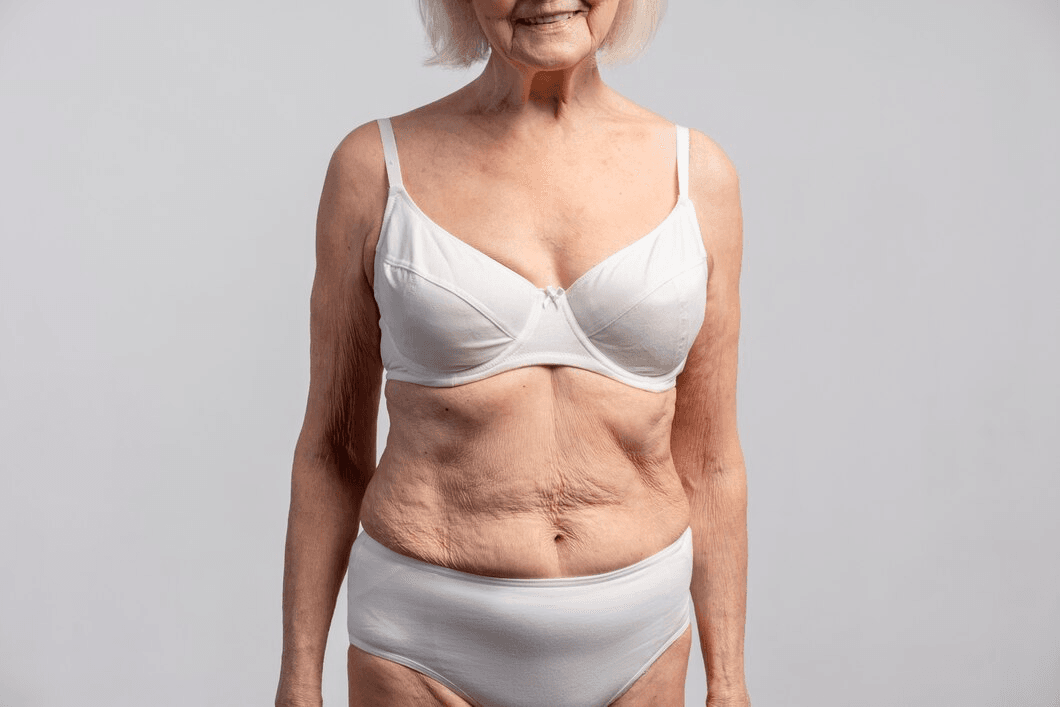
A tummy tuck, or abdominoplasty, is a significant surgical procedure designed to remove excess skin and fat from the abdomen, tightening underlying muscles to create a flatter, more toned midsection. The longevity of the results, however, is not indefinite and depends on several interacting factors. This article will delineate the key elements influencing the long-term effectiveness of an abdominoplasty.
Table of Contents
Factors Affecting Longevity
The longevity of a tummy tuck is multifaceted. Significant weight fluctuations post-surgery are the most prominent factor impacting results. Substantial weight gain can stretch the abdominal skin and muscles, negating the surgical improvements. Conversely, significant weight loss can also affect the outcome, potentially leading to excess skin and a less aesthetically pleasing result. Pregnancy, too, can significantly alter abdominal contours, potentially reversing the effects of the procedure. Finally, the natural aging process, including gradual skin laxity and muscle weakening, will inevitably impact the longevity of the results.
The effects of gravity and the natural aging process are unavoidable. Over time, even with optimal patient compliance, some degree of skin laxity will occur. This is a natural consequence of chronological aging and is not a reflection of surgical failure. The rate at which this occurs varies considerably between individuals based on genetic predisposition, sun exposure, and overall health. Understanding this inherent limitation is crucial for realistic patient expectations.
Lifestyle choices significantly influence the longevity of a tummy tuck. Smoking impairs wound healing and increases the risk of complications, potentially compromising the aesthetic outcome. Similarly, inadequate sun protection can accelerate skin aging and damage, leading to premature wrinkling and loss of elasticity. Maintaining a stable weight through a healthy diet and regular exercise is paramount in preserving the results of the procedure.
Finally, the initial condition of the abdominal tissues plays a crucial role. Patients with significant amounts of excess skin and fat may experience a more dramatic initial improvement, but this also means a higher likelihood of some degree of sagging over time compared to patients with less initial laxity. A thorough pre-operative assessment is essential to accurately predict the potential longevity of the results for each individual patient.
Surgical Technique & Skill
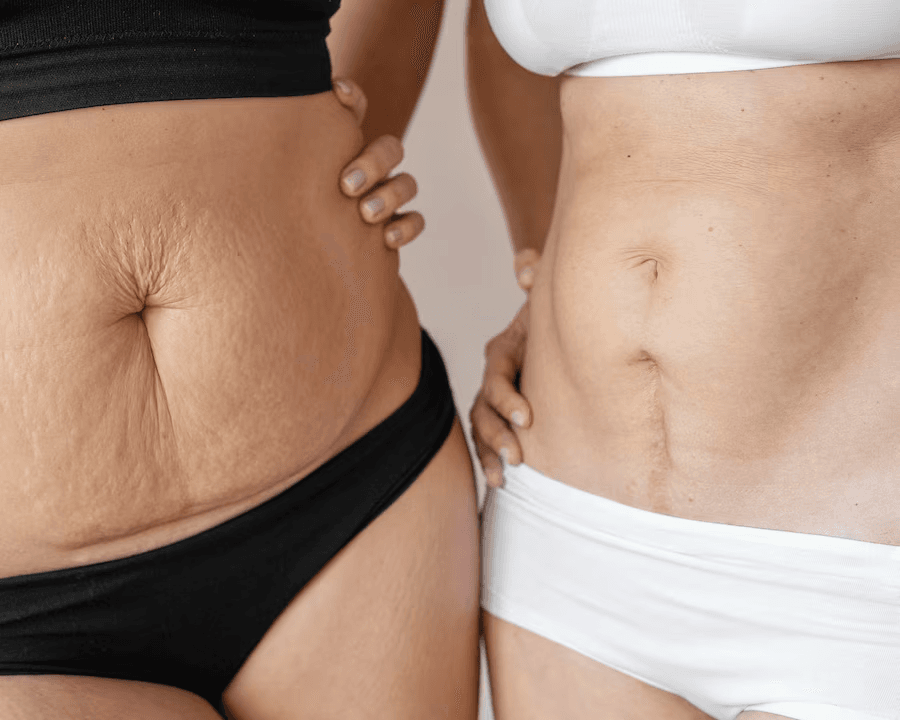
The surgeon’s skill and the surgical technique employed significantly influence the long-term outcome of an abdominoplasty. Precise dissection, meticulous closure of the abdominal muscles (if necessary), and careful skin excision are crucial for achieving optimal and durable results. Experienced surgeons are adept at tailoring the procedure to the individual patient’s anatomy and achieving a natural-looking, long-lasting result.
The choice of surgical technique itself impacts longevity. For instance, the extent of muscle tightening (plasty) and the amount of skin removed directly influence the long-term aesthetic outcome. A surgeon’s experience in selecting the appropriate technique for a given patient’s anatomy and goals is critical. Advanced techniques, such as liposuction in conjunction with abdominoplasty, can further enhance the longevity of results by addressing both excess skin and fat simultaneously.
Utilizing advanced surgical tools and technologies can improve precision and minimize trauma, leading to better healing and potentially longer-lasting results. For example, the use of energy-based devices can aid in precise tissue dissection and improve hemostasis, reducing the risk of complications and promoting optimal healing. This translates to a more durable and aesthetically pleasing outcome.
Ultimately, the surgeon’s experience and attention to detail are paramount. A surgeon with a strong track record in abdominoplasty, demonstrated by a high success rate and positive patient outcomes, is more likely to deliver results that endure. Choosing a board-certified plastic surgeon with extensive experience in abdominoplasty is a crucial step in maximizing the longevity of the procedure.
Individual Patient Factors
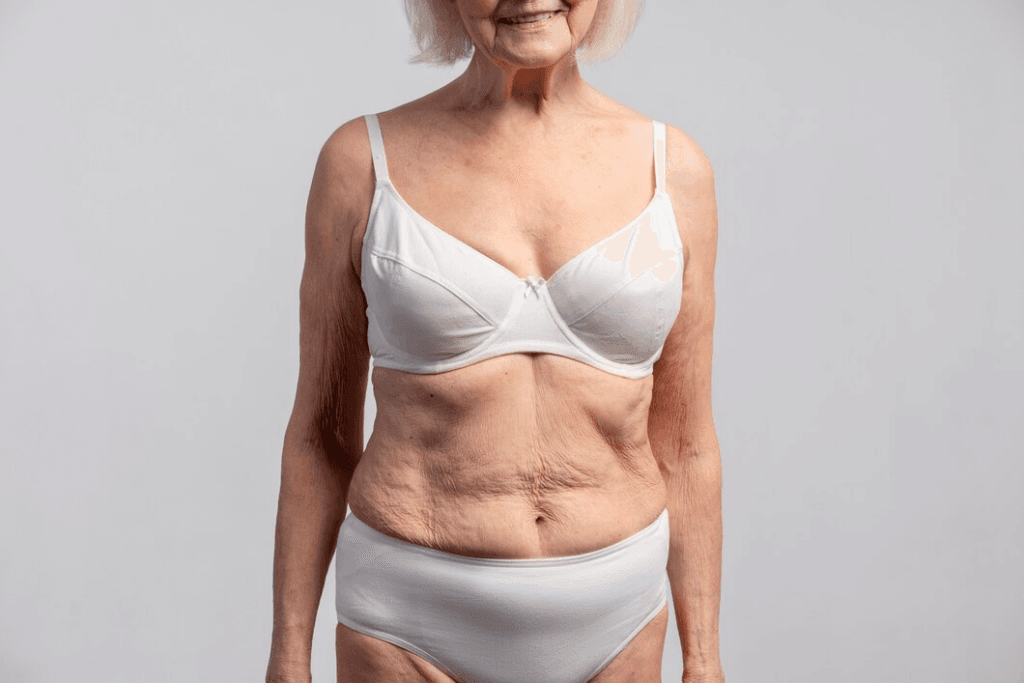
Genetic predisposition plays a significant role in determining the longevity of a tummy tuck. Some individuals naturally have better skin elasticity and collagen production than others. This inherent genetic factor influences how well the skin adapts and maintains its tautness over time, impacting the long-term results of the procedure.
Individual healing capacity also affects the outcome. Patients with underlying health conditions or who are smokers may experience slower healing and a higher risk of complications, potentially compromising the longevity of the results. Optimizing overall health and minimizing risk factors pre-operatively is therefore crucial.
Pre-existing medical conditions can influence the outcome. Conditions such as diabetes or autoimmune diseases can impair wound healing and increase the risk of complications, potentially affecting the long-term aesthetic result. A thorough pre-operative assessment is essential to identify and manage any potential risks.
Finally, patient compliance with post-operative instructions is critical. Following the surgeon’s recommendations regarding diet, exercise, and wound care is paramount in ensuring optimal healing and maximizing the longevity of the results. Non-compliance can lead to complications and potentially compromise the long-term aesthetic outcome.
Maintaining the Results
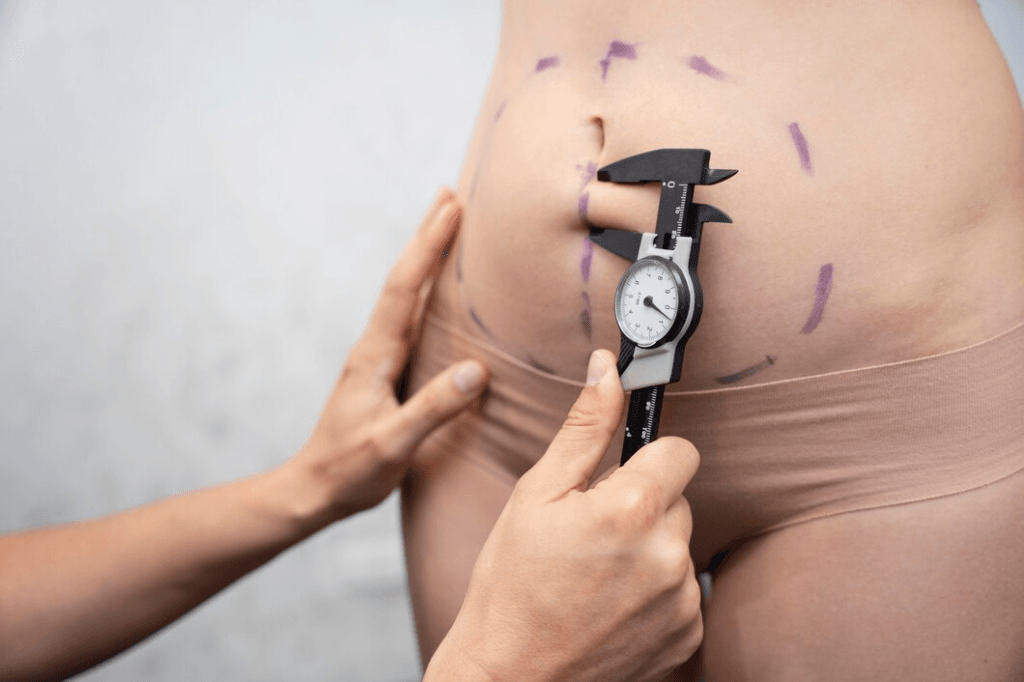
Maintaining a stable weight is the single most important factor in preserving the results of a tummy tuck. Significant weight fluctuations can stretch the abdominal skin and muscles, negating the surgical improvements. A commitment to a healthy lifestyle, including a balanced diet and regular exercise, is essential for long-term maintenance.
Regular exercise, particularly core strengthening exercises, can help maintain muscle tone and support the abdominal wall, further enhancing the longevity of the results. These exercises should be initiated gradually post-operatively as directed by the surgeon. A balanced approach that includes both cardiovascular activity and strength training is recommended.
Sun protection is crucial in preserving skin elasticity and preventing premature aging. Daily application of broad-spectrum sunscreen with an SPF of 30 or higher is recommended to minimize sun damage and maintain the youthful appearance of the abdomen. Avoiding prolonged sun exposure, especially during peak hours, is also advisable.
Finally, maintaining a healthy lifestyle overall contributes significantly to the long-term success of a tummy tuck. This includes a balanced diet, regular exercise, adequate sleep, and stress management techniques. A holistic approach to health and well-being will support the longevity of the surgical results and contribute to overall health and vitality.
While a tummy tuck can deliver dramatic and transformative results, the longevity of these results is not guaranteed indefinitely. A combination of surgical technique, individual patient factors, and post-operative lifestyle choices all play a significant role in determining how long the effects of the procedure will last. Realistic expectations, careful patient selection, and diligent adherence to post-operative instructions are essential for maximizing the long-term benefits of an abdominoplasty.
Transform Your Confidence with Surgyteam!
Join the thousands of satisfied patients who have experienced the exceptional care and expertise of Surgyteam’s renowned plastic surgeons. Whether you’re seeking aesthetic enhancements or reconstructive surgery, our dedicated team in Antalya is here to provide you with the highest quality treatment and personalized care.
 English
  German
  Russian
  Turkish
  Arabic
  Spanish
  Italian