

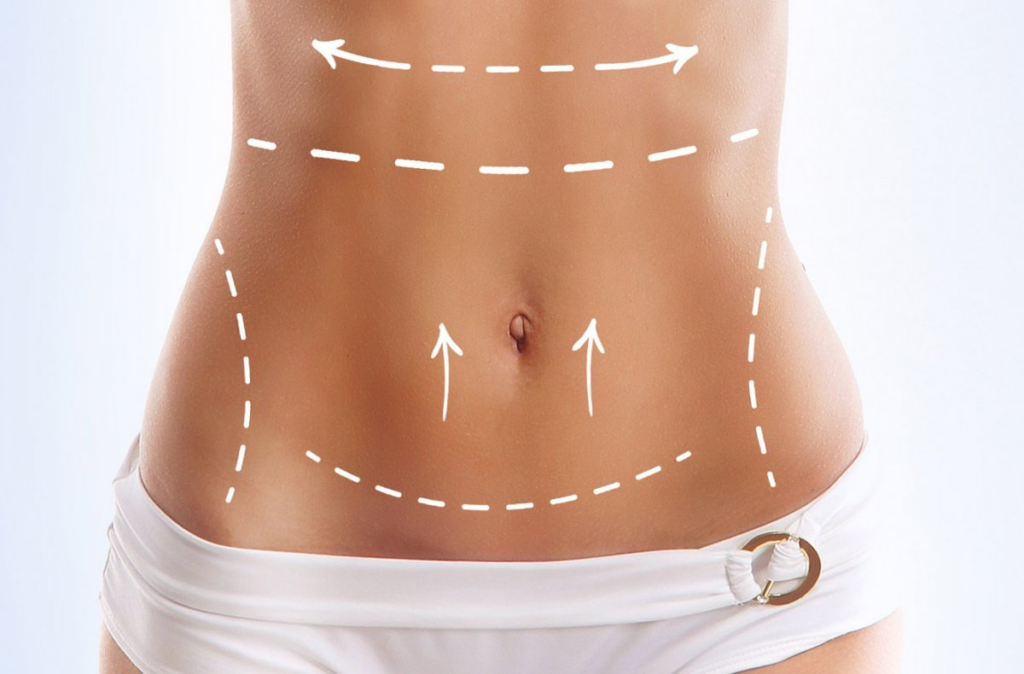
A tummy tuck, or abdominoplasty, is a surgical procedure designed to remove excess skin and fat from the abdomen, resulting in a flatter, more toned midsection. However, it’s crucial to understand that a tummy tuck is not a weight-loss procedure. While some weight loss occurs, the primary goal is aesthetic improvement, not significant weight reduction. The amount of weight lost varies significantly depending on several factors.
Table of Contents
Factors Influencing Weight Loss
The amount of weight lost during a tummy tuck is highly variable and depends on several key factors. Firstly, the patient’s individual body composition plays a crucial role. Patients with a higher percentage of excess abdominal fat will naturally see a greater weight reduction post-surgery compared to those with less excess fat. Secondly, the extent of skin removal significantly impacts the final weight change. More extensive procedures involving the removal of larger quantities of loose, excess skin will naturally result in a greater weight loss. Thirdly, the surgeon’s technique and the specific surgical plan tailored to the individual patient’s anatomy will influence the outcome. Finally, pre-operative weight and BMI are critical considerations; a healthier BMI before surgery leads to better results and a more predictable weight loss.
The initial consultation is critical in establishing realistic expectations. We meticulously assess the patient’s body composition, skin elasticity, and overall health to determine the feasibility and potential outcomes of the procedure. This detailed assessment allows us to accurately predict the approximate amount of weight loss, emphasizing that the primary goal is aesthetic improvement, not dramatic weight reduction. We also discuss potential risks and complications, ensuring the patient is fully informed before proceeding. Open communication is paramount in managing expectations and achieving optimal results.
Pre-existing medical conditions, such as diabetes or cardiovascular disease, can influence both the surgical approach and the post-operative recovery process. These conditions may necessitate adjustments to the surgical plan and post-operative care to ensure patient safety and optimal healing. Furthermore, the patient’s commitment to post-operative instructions, including dietary restrictions and physical therapy, significantly impacts the final outcome and the overall weight loss experienced. Non-compliance can negatively impact the results and potentially lead to complications.
Finally, the patient’s age also plays a role. Younger patients with more elastic skin tend to have better outcomes and potentially experience more significant weight loss compared to older patients with less elastic skin. This is because the skin’s ability to retract and heal efficiently is crucial for optimal results. Therefore, a comprehensive assessment considering all these factors is essential for accurate prediction of weight loss and ensuring realistic patient expectations.

Surgical Removal of Excess Fat
During a tummy tuck, a significant portion of the weight loss comes from the direct removal of excess subcutaneous fat. This fat is located beneath the skin and is often resistant to diet and exercise. The amount of fat removed varies greatly depending on the individual patient’s anatomy and the extent of the procedure. It’s important to note that this fat removal is localized to the abdominal area and does not constitute a significant overall body weight reduction. The procedure is focused on contouring and tightening the abdomen, not overall weight loss.
The surgical technique employed influences the amount of fat removed. Liposuction may be incorporated into the procedure to further refine the abdominal contour and remove additional fat deposits. However, liposuction is supplemental to the primary goal of skin excision and muscle tightening. The surgeon carefully plans the amount of fat to be removed, balancing aesthetic goals with the need to maintain sufficient tissue for proper wound healing and a natural-looking result. Excessive fat removal can compromise the healing process and lead to complications.
The precision of the surgical technique is paramount in achieving optimal results. Experienced surgeons utilize advanced techniques and specialized instruments to ensure precise fat removal while minimizing trauma to surrounding tissues. This approach minimizes the risk of complications such as seroma formation (fluid accumulation) and infection. The surgeon’s skill and experience directly impact the safety and effectiveness of the procedure, as well as the amount of fat removed.
It is crucial to emphasize that a tummy tuck is not a substitute for weight loss through diet and exercise. Patients who are significantly overweight may not be ideal candidates for the procedure, as excessive weight can negatively impact healing and increase the risk of complications. Ideally, patients should be within a healthy weight range or have achieved a stable weight before undergoing a tummy tuck to ensure optimal results.

Fluid Shifts and Post-Op Weight
Immediately following surgery, patients often experience a significant drop in weight due to fluid shifts. This is primarily caused by the loss of blood and other fluids during the procedure, as well as the body’s natural inflammatory response. This weight loss is temporary and does not reflect a reduction in body fat. The fluid balance will gradually normalize within a few weeks post-surgery.
The initial post-operative weight loss can be substantial, often ranging from several pounds to over ten pounds, depending on the extent of the surgery and individual patient factors. This weight loss is primarily due to fluid loss and should not be interpreted as a reduction in body fat or overall body weight. Patients should be informed that this weight will be regained as the body rehydrates and the inflammatory response subsides.
The use of drains post-operatively further contributes to the initial weight loss. Surgical drains are placed to remove excess fluid and blood from the surgical site, preventing seroma formation and promoting healing. The fluid removed through these drains contributes to the immediate post-operative weight loss. Drains are typically removed within a few days to a week after surgery, depending on the individual patient’s healing progress.
It is essential to differentiate between the temporary weight loss due to fluid shifts and the actual weight loss resulting from the removal of excess fat and skin. Accurate assessment of the long-term weight loss requires considering the factors contributing to both temporary and permanent weight changes. This distinction is crucial in managing patient expectations and providing realistic assessments of surgical outcomes.

Long-Term Weight Management Strategies
Maintaining a healthy weight after a tummy tuck is crucial for preserving the results of the procedure and maintaining overall health. A balanced diet and regular exercise are essential for long-term success. Patients should adopt a lifestyle that supports healthy weight management, focusing on nutritious foods and regular physical activity.
Post-operative dietary guidance is provided to support healing and maintain a healthy weight. A balanced diet, rich in protein and essential nutrients, promotes tissue repair and helps prevent weight gain. Patients should avoid excessive calorie intake and focus on consuming foods that support healthy weight management. A registered dietitian can provide personalized dietary recommendations tailored to individual needs.
Regular exercise is crucial for maintaining a healthy weight and improving overall fitness. Patients should gradually increase their activity levels post-surgery, starting with gentle exercises and gradually progressing to more strenuous activities as they recover. A physical therapist can provide guidance on safe and effective exercises to promote healing and improve strength and flexibility.
Sustaining the results of a tummy tuck requires a commitment to long-term lifestyle changes. Patients should adopt a holistic approach to weight management, incorporating healthy eating habits, regular exercise, and stress management techniques. This comprehensive approach ensures the long-term success of the procedure and promotes overall well-being.
In conclusion, while a tummy tuck can result in some weight loss, it’s primarily a body contouring procedure, not a weight-loss solution. The amount of weight lost varies significantly depending on individual factors, and the emphasis should be on achieving aesthetic improvement rather than significant pound reduction. Long-term weight management strategies are crucial for maintaining the results and overall health.
Transform Your Confidence with Surgyteam!
Join the thousands of satisfied patients who have experienced the exceptional care and expertise of Surgyteam’s renowned plastic surgeons. Whether you’re seeking aesthetic enhancements or reconstructive surgery, our dedicated team in Antalya is here to provide you with the highest quality treatment and personalized care.

 English
  German
  Russian
  Turkish
  Arabic
  Spanish
  Italian