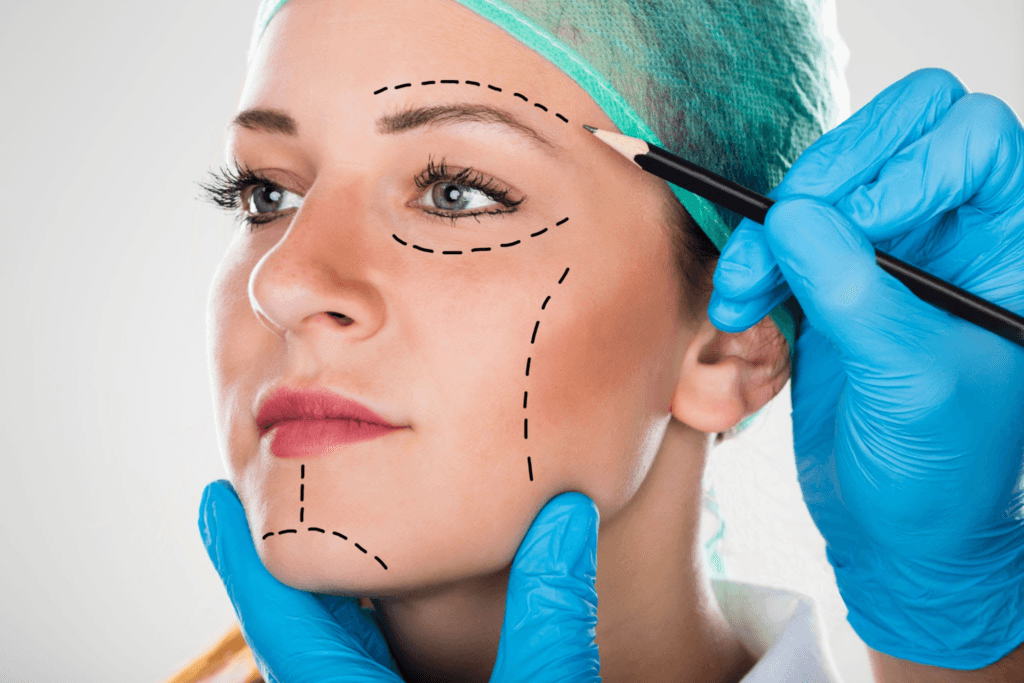
La ricerca di un aspetto rinfrescato e giovanile porta spesso le persone a esplorare varie procedure{ Sollevamento temporale, anche noto come un Lift temporale o lift laterale della fronte, si distingue come una soluzione sofisticata e minimamente invasiva. Questa procedura si concentra specificamente sulle estremità esterne delle sopracciglia e sulla zona temporale, offrendo un rinnovamento sottile ma significativo della parte superiore del viso. A differenza di interventi chirurgici più estesi che affrontano l'intera fronte, un lift temporale si concentra sul ripristino di una leggera arco della sopracciglia laterale e sulla levigatura della delicata pellearound.
Con il passare del tempo, la pelle e i tessuti sottostanti nella zona temporale perdono naturalmente la loro elasticità. Questo cambiamento legato all'età spesso si manifesta con un appiattimento o un cedimento della sopracciglia esterna, creando un aspetto pesante sopra gli occhi superiori e contribuendo alla formazione di linee sottili, comunemente note come zampe di gallina. Per molti, questi sottili cambiamenti possono alterare significativamente l'armonia del viso, facendo apparire più anziani o più st.
L'appeal di un lift temporale risiede nella sua capacità di offrire miglioramenti visibili con un tempo di inattività minimo e cicatrici discrete. I chirurghi solitamente realizzano piccole incisioni strategicamente posizionate, spesso nascoste nella linea dei capelli—spesso nascoste nella linea dei capelli—i chirurghi possono riposizionare con cura i tessuti e sollevare delicatamente la pelle cadente. Questa tecnica mirata rinfresca la parte superiore del viso senza conferirgli un aspetto eccessivamente ti.
Oltre ai benefici estetici, un lift temporale può anche affrontare preoccupazioni funzionali. Sopracciglia cadenti possono talvolta esercitare pressione sulle palpebre, portando a insoddisfazione estetica e a una sensazione di ostruzione visiva. Sollevando la linea delle sopracciglia, la procedura può alleviare questa pressione, facendo apparire gli occhi più aperti e attenti. Il processo di recupero è generalmente rapido, con la maggior parte dei pazienti che può tornare alle attività quotidiane entro unao.

Sommario
Comprendere i Principi Fondamentali di un Lift Temporale
Il lifting temporale, o Schläfenlift, si basa sui principi fondamentali dell'anatomia facciale e sulla dinamica dell'invecchiamento. Per apprezzarne realmente l'efficacia, è essenziale comprendere le aree specifiche che colpisce e i processi biologici sottostanti che richiedono un'intervento del genere. La procedura si concentra principalmente sulla fossa temporale, la zona che va dall'angolo esterno dell'occhio verso la linea dei capelli, e il terzo laterale, o .
Con l'età, l'elasticità naturale della pelle diminuisce, un processo largamente attribuito alla riduzione della produzione di collagene ed elastina (Dr. Şafak Çakır, 2025). Queste proteine vitali sono responsabili del mantenimento della fermezza e della resilienza della pelle. Contemporaneamente, i tessuti connettivi e le strutture di supporto nella regione temporale si indeboliscono. La costante forza di gravità accentua ulteriormente questo processo, causando il cedimento della pelle e dei tessuti molli向下.
Il principio fondamentale di un lift temporale è contrastare questi cambiamenti legati all'età riposizionando i tessuti discesi. Elevando con cura la pelle e i tessuti molli sottostanti della regione temporale, la procedura mira a ripristinare un contorno più giovanile nella zona esterna dell'occhio e della sopracciglia. Questo lift mirato non affronta solo la sopracciglia cadente, ma ha anche un effetto benefico sulle linee sottili e le rughe che si irradiano dagli angoli esterni degli occhi, comunemente名为.
Inoltre, la procedura può alleviare la pressione che la parte esterna cadente del sopracciglio può esercitare sulle palpebre superiori. Ciò può migliorare sia l'aspetto estetico sia, in alcuni casi, l'aspetto funzionale della visione, rendendo gli occhi più aperti e svegli. Il posizionamento strategico delle incisioni all'interno dell'attaccatura dei capelli garantisce che eventuali cicatrici risultanti siano discrete e si fondano perfettamente con i contorni naturali del viso, rendendo il lifting temporale un'opzione preferita per chi cerca un miglioramento raffinato e dall'aspetto naturale (Belorens, 2025).
Dettagli Meccanici: Come Viene Eseguito un Lift Temporale
L'esecuzione di un lifting temporale comporta tecniche chirurgiche precise progettate per ottenere risultati estetici ottimali con minima invasività. La procedura viene solitamente eseguita in anestesia locale con leggera sedazione, sebbene l'anestesia generale possa essere un'opzione a seconda delle preferenze del paziente e della raccomandazione del chirurgo (Biology Insights, 2025). La scelta dell'anestesia viene discussa durante la consultazione iniziale per garantire il comfort e la sicurezza del paziente.
Il chirurgo inizia praticando piccole incisioni discrete, solitamente di lunghezza compresa tra 4 e 6 centimetri. Queste incisioni sono strategicamente nascoste all'interno del cuoio capelluto, sopra la tempia o vicino all'orecchio, per garantire che eventuali cicatrici risultanti siano praticamente invisibili una volta guarite (Biology Insights, 2025; Dr. Şafak Çakır, 2025). La pianificazione accurata dei siti di incisione è cruciale per minimizzare le cicatrici visibili e promuovere un risultato estetico naturale.
Attraverso questi{.
Nei casi che richiedono una regolazione più completa dei tessuti o per individui con cedimento più pronunciato, potrebbe essere utilizzata un'incisione leggermente più lunga, fornendo un accesso diretto agli strati più profondi. Indipendentemente dall'approccio specifico, i tessuti mobilizzati vengono poi tirati con cura verso l'alto e leggermente verso l'esterno per ottenere l'elevazione desiderata del sopracciglio laterale e l'ammorbidimento dell'area temporale (Biology Insights, 2025). Il chirurgo può anche tendere il Sistema Muscolopapillare Superficiale (SMAS), uno strato di tessuto più profondo, per garantire un sollevamento più duraturo e risultati stabili (Biology Insights, 2025).
Una volta che i tessuti sono riposizionati nella loro posizione ottimale, vengono fissati con suture interne o tecniche di fissazione specializzate. Qualsiasi eccesso di pelle risultante dal tiro verso l'alto viene meticolosamente rimosso prima che le incisioni vengano chiuse con suture sottili (Biology Insights, 2025). L'intera procedura dura tipicamente tra 40 minuti e due ore per entrambi i lati del viso, a seconda della complessità del caso e della tecnica scelta (Biology Insights, 2025; Belorens, 2025; New York Facial Plastic Surgery, n.d.). L'approccio a più strati, che affronta sia la pelle sia i tessuti di supporto sottostanti, contribuisce a risultati più duraturi e dall'aspetto naturale preservando le espressioni facciali naturali (Dr. Şafak Çakır, 2025).

Applicazioni nel Mondo Reale e Idoneità del Candidato
Il sollevamento temporale offre una soluzione mirata per un insieme specifico di preoccupazioni estetiche, rendendolo una scelta ideale per individui che cercano un ringiovanimento focalizzato della parte superiore del viso. Comprendere chi è un buon candidato e quali preoccupazioni la procedura affronta efficacemente è fondamentale per impostare aspettative realistiche e ottenere risultati soddisfacenti.
Chi è un Buon Candidato?
I candidati ideali per un sollevamento temporale sono tipicamente individui tra i 35 e i 50 anni che stanno sperimentando i primi segni di invecchiamento localizzati all'esterno dell'occhio e dell'area del sopracciglio (Natural Look Institute, n.d.; Dr. Şafak Çakır, 2025). Questi pazienti spesso presentano cedimento o appiattimento agli angoli esterni del sopracciglio, che può creare un aspetto stanco, preoccupato o addirittura severo. Potrebbero non necessitare di un sollevamento completo della fronte o di un lifting più esteso, ma piuttosto di un miglioramento sottile per rinfrescare le caratteristiche della parte superiore del viso (Belorens, 2025).
Gli indicatori chiave per l'idoneità includono:
- Lassità localizzata, specificamente il cedimento del sopracciglio laterale.
- Leggere rughe intorno agli occhi, come le zampe di gallina.
- Il desiderio di un aspetto degli occhi più aperto e vigile.
- Buona salute generale e aspettative realistiche riguardo ai miglioramenti sottili ma evidenti.
- Individui che non richiedono una correzione significativa del cedimento nella zona media del viso, della mandibola o del collo (Biology Insights, 2025).
È importante notare che l'età non è l'unico fattore determinante. Alcuni individui più giovani possono anche beneficiare di un sollevamento temporale se hanno sopraccigli naturalmente bassi che contribuiscono a un aspetto pesante o stanco (Belorens, 2025). Una consulenza approfondita con un chirurgo plastico certificato è essenziale per valutare l'anatomia facciale individuale, la qualità della pelle e gli obiettivi estetici per determinare se il sollevamento temporale è la procedura più appropriata.
Preoccupazioni Affrontate da un Lift Temporale
Il sollevamento temporale è altamente efficace nell'affrontare una gamma di preoccupazioni estetiche specifiche nella parte superiore del viso:
- Cedimento del sopracciglio esterno: Questo è l'obiettivo principale della procedura. Elevando il terzo esterno della sopracciglia, il sollevamento temporale ripristina un arco più giovanile e riduce l'aspetto pesante sopra le palpebre superiori (New York Facial Plastic Surgery, n.d.).
- Pieghe d'oca: Il riposizionamento dei tessuti nell'area delle tempie può levigare significativamente le linee sottili e le rughe che si irradiano dagli angoli esterni degli occhi (Biology Insights, 2025).
- Cappuccio della palpebra superiore: Sollevando il sopracciglio laterale, la procedura può ridurre l'aspetto della pelle in eccesso sulle palpebre superiori, facendo apparire gli occhi più luminosi e più aperti (New York Facial Plastic Surgery, n.d.).
- Espressione stanca o severa: L'effetto complessivo di un lifting temporale è creare un'espressione facciale più fresca, vibrante e accogliente, contrastando l'aspetto stanco o invecchiato spesso causato da sopracciglia cadenti (Dr. Şafak Çakır, 2025).
- Cavità nell'area temporale: In alcuni casi, la procedura può aiutare a ripristinare il volume e il contorno giovanile dell'area delle tempie, affrontando eventuali cavità che possono essersi verificate con l'età (Biology Insights, 2025).

Procedimenti di Combinazione
Per un ringiovanimento facciale più completo, un lifting temporale può essere combinato efficacemente con altri trattamenti estetici. Questo approccio integrato consente una maggiore simmetria complessiva e un risultato estetico più armonioso (Belorens, 2025). Le procedure di combinazione più comuni includono:
- Chirurgia della palpebra superiore (Blefaroplastica): Questa procedura tratta la pelle flaccida e i depositi di grasso sulle palpebre superiori, completando il lifting delle sopracciglia aprendo ulteriormente l'area degli occhi (Belorens, 2025; New York Facial Plastic Surgery, n.d.).
- Lifting medio-facciale o lifting inferiore: Per chi cerca miglioramenti oltre la parte superiore del viso, combinare un lifting temporale con un lifting del terzo medio o inferiore del viso può armonizzare il profilo facciale complessivo, creando un aspetto più giovane che si estende oltre le tempie e le sopracciglia (Belorens, 2025).
- Botox e Filler Dermici: Mentre un lifting temporale affronta il cedimento strutturale, trattamenti non chirurgici come il Botox possono mirare alle linee più profonde nella fronte centrale e tra le sopracciglia, e i filler dermici possono ripristinare il volume perso in altre aree del viso, migliorando ulteriormente il ringiovanimento complessivo (New York Facial Plastic Surgery, n.d.).
Combinare più procedure in una singola sessione operatoria può semplificare il recupero e ridurre la necessità di anestesie ripetute. Tuttavia, tali decisioni dovrebbero sempre essere prese in stretta consultazione con il chirurgo, che può fornire consigli professionali basati su una valutazione attenta delle esigenze e degli obiettivi individuali del paziente (Belorens, 2025).
Implicazioni Future e Analisi dell'Impatto a Lungo Termine
La decisione di sottoporsi a un lifting temporale va oltre la procedura chirurgica immediata, comprendendo un periodo di recupero, la realizzazione dei risultati e il mantenimento a lungo termine di un aspetto ringiovanito. Comprendere queste implicazioni future è fondamentale affinché i pazienti affrontino la procedura con aspettative informate e massimizzino la longevità dei loro miglioramenti estetici.
Cronologia del Recupero e Risultati Attesi
Dopo un lifting temporale, i pazienti dovrebbero aspettarsi un periodo di recupero caratterizzato da lieve gonfiore, lividi e una sensazione di tensione nell'area della tempia e dell'occhio (Biology Insights, 2025; Dr. Şafak Çakır, 2025). Questi sono effetti normali e temporanei dell'intervento. Il gonfiore raggiunge tipicamente il picco intorno al secondo o terzo giorno post-operatorio prima di diminuire gradualmente. Qualsiasi disagio sperimentato è solitamente gestibile con farmaci antidolorifici prescritti o da banco, spesso descritto come pressione o rigidità piuttosto che dolore acuto (Biology Insights, 2025; Belorens, 2025).
- Primi Giorni: I pazienti potrebbero essere consigliati a camminare leggermente curvi in avanti per ridurre la tensione sulla linea di incisione. Potrebbe essere applicato un indumento di compressione o un abbigliamento addominale speciale per sostenere l'area e minimizzare il gonfiore. Il riposo e le cure di base sono cruciali durante questa fase iniziale (Dr. Şafak Çakır, 2025).
- Da Una a Due Settimane: La maggior parte delle persone può tornare al lavoro leggero e alle attività quotidiane normali entro una o due settimane, riflettendo la natura meno invasiva della chirurgia (Belorens, 2025; Biology Insights, 2025; Natural Look Institute, n.d.). I punti sono solitamente rimossi tra i sette e i quattordici giorni post-procedura, o se si utilizzano punti dissolvibili, le cure di follow-up saranno guidate di conseguenza (Biology Insights, 2025; Dr. Şafak Çakır, 2025).
- Da Quattro a Sei Settimane: Mentre i segni visibili iniziali si risolvono rapidamente, il gonfiore sottile può persistere per diverse settimane. I pazienti dovrebbero evitare di sollevare pesi e attività strenue che coinvolgono fortemente i muscoli addominali durante questo periodo. La nuova forma addominale diventa più visibile mentre il gonfiore continua a diminuire (Dr. Şafak Çakır, 2025).
I risultati estetici finali diventano evidenti mentre il gonfiore si riduce completamente, spesso due o tre mesi dopo la procedura (Biology Insights, 2025). L'esito offre un aspetto ringiovanito che evita l'aspetto “tirato” a volte associato a sollevamenti più estesi, delivering una espressione naturalmente fresca (Biology Insights, 2025).
Durata dei Risultati e Gestione delle Cicatrici
I risultati di un lift temporale sono generalmente duraturi, spesso estesi per diversi anni, solitamente variando da cinque a dieci anni, a seconda della qualità della pelle individuale e del processo naturale di invecchiamento (Biology Insights, 2025; Belorens, 2025). Tuttavia, è importante capire che il processo naturale di invecchiamento continua, e potrebbero essere necessari trattamenti di manutenzione nel tempo per mantenere l'aspetto giovanile (Belorens, 2025). Fluttuazioni significative del peso o-f.
Riguardo alle cicatrici, uno dei vantaggi significativi del lifting temporale è la posizione strategica delle incisioni all'interno della linea dei capelli. Ciò garantisce che eventuali cicatrici siano discrete e diventino quasi invisibili nel tempo (Belorens, 2025; New York Facial Plastic Surgery, n.d.; Dr. Şafak Çakır, 2025). L'aspetto finale delle cicatrici dipende da diversi fattori, tra cui il tipo di pelle individuale, la capacità di guarigione e l'aderenza alle istruzioni post-operatorie per la cura的.
Si consiglia ai pazienti di seguire attentamente tutte le istruzioni post-operatorie, inclusa la cura della ferita e le restrizioni dell'attività, per garantire un processo di guarigione regolare e risultati ottimali (Belorens, 2025). Supportare la guarigione della pelle con pratiche come la protezione solare, evitare il contatto chimico sul sito della ferita e l'idratazione regolare è importante per minimizzare la visibilità delle cicatrici (Dr. Şafak Çakır, 2025). In rari casi, durante il periodo di follow-up possono essere raccomandate ulteriori misure di cura delle cicatrici se necessario.
La longevità dei risultati è strettamente legata al mantenimento di un peso stabile e di uno stile di vita sano. L'esercizio regolare e una nutrizione equilibrata supportano sia la salute generale sia la durata dei risultati estetici. Una consultazione pre-operatoria completa è necessaria per determinare l'idoneità e valutare i benefici rispetto alle potenziali complicazioni, come rare preoccupazioni quali la lesione del ramo frontale del nervo facciale, che potrebbe influenzare temporaneamente o permanentemente la mobilità della fronte (Biology Insights, 2025).

Conclusione: Abbracciare una Nuova Prospettiva con il Lift Temporale
Il sollevamento temporale, o Schläfenlift, si presenta come una procedura cosmetica altamente efficace e sfumata, offrendo una soluzione mirata per ringiovanire la zona esterna della sopracciglia e le tempie. Questo approccio minimamente invasivo è una testimonianza dei progressi nella chirurgia estetica, fornendo alle persone un percorso verso un aspetto naturalmente rinfrescato e più giovanile senza i lunghi tempi di recupero o le alterazioni drammatiche associate a sollevamenti facciali più completi. Affrontando con precisione i segni sottili ma significativi dell'invecchiamento nella parte superiore del viso, il sollevamento temporale consente ai pazienti di riacquistare fiducia e migliorare l'armonia complessiva del volto.
Il punto di forza principale del sollevamento temporale risiede nella sua precisione mirata. Corregge meticolosamente la caduta e la lassità che contribuiscono a un'espressione stanca o severa, sollevando specificamente il terzo laterale della sopracciglia e levigando la delicata pelle intorno alle tempie. Questa intervento focalizzato non solo diminuisce l'aspetto delle rughe intorno agli occhi e del cedimento della palpebra superiore, ma ripristina anche un arco delicato e naturale della sopracciglia, aprendo gli occhi e conferendo uno sguardo più vigile e vibrante. Il posizionamento accurato delle incisioni lungo la linea dei capelli garantisce che il percorso verso il ringiovanimento sia contrassegnato da cicatrici discrete, permettendo un'integrazione fluida delle caratteristiche migliorate con i contorni facciali esistenti del paziente.
I dettagli meccanistici della procedura, sia eseguita endoscopicamente sia tramite un'incisione leggermente più lunga, sottolineano l'impegno sia all'efficacia sia al comfort del paziente. La capacità di riposizionare i tessuti sottostanti e, se necessario, di rassodare lo strato SMAS, contribuisce alla durata dei risultati, che possono durare diversi anni. Il processo di recupero, caratterizzato da gonfiore e disagio gestibili, è generalmente rapido, consentendo alla maggior parte dei pazienti di riprendere le proprie attività quotidiane entro una o due settimane. Questo recupero accelerato, unito ai risultati dall'aspetto naturale, rende il sollevamento temporale una scelta sempre più popolare per chi cerca miglioramenti significativi con minima interruzione della propria vita.
In definitiva, il successo di un sollevamento temporale dipende da uno sforzo collaborativo tra il paziente e un chirurgo esperto, certificato dal consiglio. Una valutazione preoperatoria approfondita, una comunicazione aperta riguardo agli obiettivi estetici e una chiara comprensione dei risultati realistici sono fondamentali. Scegliendo un professionista qualificato che dà priorità a risultati dall'aspetto naturale e aderisce a una pianificazione chirurgica meticolosa, i pazienti possono intraprendere con fiducia un percorso trasformativo. Il sollevamento temporale è più di una semplice procedura chirurgica; è un investimento nella fiducia in sé stessi e in un rinnovato senso di vitalità, permettendo agli individui di presentare un volto che riflette veramente la loro giovinezza interiore e la loro energia.
Se stai valutando un sollevamento temporale per rinfrescare il tuo aspetto e affrontare i sottili segni dell'invecchiamento intorno agli occhi e alle sopracciglia, ti invitiamo a cercare una consulenza personalizzata. Una discussione dettagliata con un chirurgo plastico qualificato ti fornirà approfondimenti su misura, risponderà a eventuali preoccupazioni e ti aiuterà a formulare un piano di trattamento che si allinei perfettamente con le tue aspirazioni estetiche uniche. Abbraccia l'opportunità di rivelare una versione più vibrante e sicura di te stesso.
Bibliografia
- Belorens. (14 marzo 2025). Guida completa alla chirurgia del lifting temporale: benefici, tecniche e FAQ. Belorens. https://www.belorens.com/blog/temporal-lift-surgery/
- Biology Insights. (27 novembre 2025). Cos'è un lifting temporale e come funziona? Scoperte di Biologia. https://biologyinsights.com/what-is-a-temporal-facelift-and-how-does-it-work/
- Dr. Şafak Çakır. (2025). Sollevamento temporale. Dr. Şafak Çakır. https://drsafakcakir.com/en/treatments/facial-aesthetics/temporal-lift/
- Istituto Natural Look. (n.d). Lift Temporale | Procedura, Fatti, Costo, Prima & Dopo. Natural Look Institute. https://www.naturallookinstitute.com/procedures/temporal-lift/
- New York Facial Plastic Surgery. (n.d.). Lift temporale | Lift temporale laterale | Mini-lift temporale. Chirurgia plastica facciale di New York. https://www.newyorkfacialplasticsurgery.com/plastic-surgery-results/eyelift/lateral-temporal-lift
Domande Frequenti sulla Chirurgia del Lift Temporale
Cos'è un Lift Temporale (Schläfenlift)?
Un Lifting temporale, noto anche come Schläfenlift o lifting brow laterale, è una procedura cosmetica minimamente invasiva che mira alle estremità esterne delle sopracciglia e alla zona delle tempie per ripristinare un arco giovanile e levigare la pelle cadente.
Quanto dura in genere la procedura di Lift Temporale?
La procedura chirurgica effettiva dura generalmente tra un'ora e due ore, a seconda dell'anatomia individuale e della complessità del caso.
Qual è il tempo di recupero dopo la chirurgia di Lift Temporale?
La maggior parte dei pazienti può tornare al lavoro leggero, basato sulla scrivania, e alle attività quotidiane entro una o due settimane. Sebbene il gonfiore e i lividi iniziali si riducano relativamente rapidamente, la guarigione completa può richiedere diversi mesi.
I risultati di un Lifting temporale sono permanenti?
La procedura fornisce risultati duraturi, solitamente per diversi anni (5-10 anni). Tuttavia, i processi naturali di invecchiamento continuano e potrebbero essere necessari trattamenti di manutenzione nel tempo per mantenere l'aspetto giovanile.
La procedura di Lifting temporale lascerà cicatrici visibili?
Le incisioni sono posizionate con cura all'interno della linea dei capelli, sia sopra la tempia che vicino all'orecchio, per minimizzare le cicatrici visibili. Con il tempo, eventuali cicatrici solitamente svaniscono e diventano quasi invisibili.
È possibile combinare un Lifting temporale con altre procedure estetiche?
Sì, molti pazienti scelgono di combinare un Temporal Lift con interventi come la blefaroplastica (chirurgia delle palpebre superiori), il lifting del medio viso o trattamenti non chirurgici come il Botox e i filler dermici per ottenere un ringiovanimento facciale più completo.