

Did you know that breast sagging in puberty is a common concern for nearly 60% of adolescents and their parents? Rapid growth spurts, hormonal shifts, and changes in connective tissue can lead to temporary sagging, often sparking unnecessary worry. This guide, endorsed by adolescent health specialists, explains why these changes are normal, how the body adapts, and when to seek professional advice. Discover the science behind adolescent development and why confidence—not concern—should be the focus.
Puberty is a transformative phase, marked by physical and emotional changes. For many teens, the rapid development of breasts can raise questions about shape, firmness, and symmetry. While societal beauty standards often emphasize perky breasts, the reality is far more diverse. Breast sagging in puberty is rarely a cause for alarm; instead, it’s a natural part of growth influenced by genetics, hormones, and lifestyle factors. This article dives deep into the causes, stages, and solutions, ensuring you leave with clarity and confidence.
Sommario
Rapid Growth and Skin Elasticity in Teens: Why Sagging Happens
During puberty, the body undergoes dramatic changes, particularly in the chest area. The Tanner stages, a widely recognized framework for adolescent development, outline how breasts evolve from flat to fully mature. However, rapid growth can outpace the skin’s ability to stretch, leading to temporary sagging. This phenomenon is especially common in teens experiencing:
- Hormonal growth spurts: Estrogen triggers breast tissue expansion, sometimes faster than the skin can adapt.
- Weight fluctuations: Sudden weight gain or loss can affect breast shape and skin elasticity.
- Genetic predisposition: Family history plays a significant role in breast shape and connective tissue strength.
It’s crucial to understand that this sagging is often temporary. As the body matures, the skin and connective tissue gradually firm up, and breasts settle into their natural shape. For most teens, no intervention is needed—just patience and proper support.
The Importance of a Supportive Bra
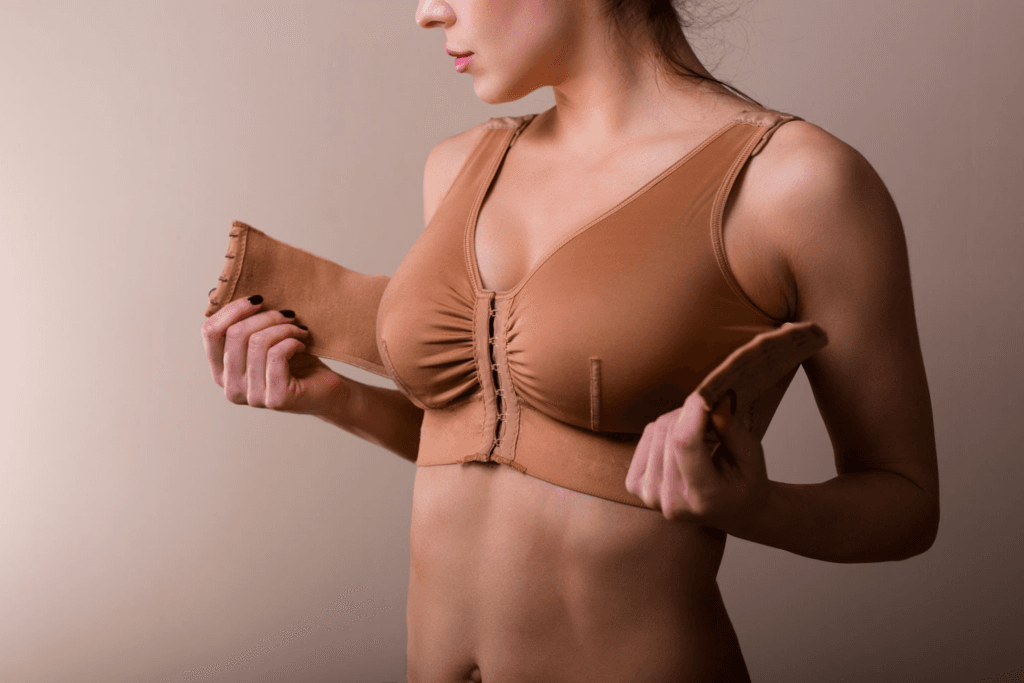
A well-fitted bra isn’t just about comfort; it’s a tool for supporting developing breast tissue. During puberty, the ligaments in the breasts are still forming, and inadequate support can contribute to sagging over time. Look for bras with:
- Wide, adjustable straps to distribute weight evenly.
- A snug but not tight band for proper support.
- Soft, breathable fabric to prevent irritation.
Parents and teens should prioritize comfort over aesthetics. A supportive bra can make a significant difference in how breasts develop and settle.
When to Consult a Doctor About Development
While breast sagging in puberty is usually normal, there are rare cases where medical advice is warranted. Consult a healthcare provider if you notice:
- Severe asymmetry (one breast significantly larger or lower than the other).
- Pain or discomfort not related to menstrual cycles.
- Unusual lumps or skin changes (redness, dimpling).
Most concerns are part of typical adolescent development, but a professional can provide reassurance or address underlying issues if needed.

Understanding the Tanner Stages: What to Expect
IL Tanner stages are a standardized way to describe the physical changes during puberty. For breast development, these stages are:
- Stage 1 (Pre-puberty): Flat chest, no visible breast tissue.
- Stage 2 (Early puberty): Breast buds form, often unevenly.
- Stage 3 (Mid-puberty): Breasts grow larger and rounder, with possible sagging due to rapid expansion.
- Stage 4 (Late puberty): The areola and nipple become raised, and breasts take on a more adult shape.
- Stage 5 (Full maturity): Breasts reach their final size and shape, with sagging often resolving as skin tightens.
Each stage is influenced by hormonal growth and individual factors. Sagging during Stage 3 is common but typically improves by Stage 5.

Body Confidence: Embracing Natural Changes
Society often perpetuates unrealistic beauty standards, making teens self-conscious about their bodies. However, breast sagging in puberty is a natural part of growth, not a flaw. Here’s how to foster body confidence:
- Educate yourself: Understanding the science behind adolescent development reduces anxiety.
- Focus on health: A balanced diet and exercise support overall well-being, including skin elasticity.
- Avoid comparisons: Every body develops at its own pace; embrace your unique journey.
Parents play a crucial role in reinforcing positive body image. Open conversations about puberty and its changes can alleviate unnecessary stress.
Frequently Asked Questions About Breast Sagging in Puberty
Will my breasts firm up after puberty?
Yes, for most teens, breasts firm up as the body completes its development. The skin and connective tissue gradually adapt to the new size, and sagging often resolves by the late teens or early twenties.
Is surgery an option for teenagers?
Surgery is rarely recommended for teens, as their bodies are still developing. A qualified surgeon will advise waiting until full maturity (usually after age 18) before considering any cosmetic procedures.
Can exercise prevent breast sagging?
Exercise strengthens the pectoral muscles beneath the breasts, which can improve appearance but won’t significantly alter breast shape or sagging. A supportive bra during workouts is more effective.
Does breast sagging affect health?
No, breast sagging is a cosmetic concern and does not impact physical health. However, proper support and skin care can maintain comfort and confidence.
Comprensione breast sagging in puberty is the first step toward embracing natural changes with confidence. Whether you’re a parent guiding your teen or a young adult navigating these shifts, remember: development is a journey, not a race. For personalized advice, consult a healthcare provider who specializes in adolescent development.
For more insights on body changes during puberty, explore our Breast Development Guide O contact us for expert support.
 Italian
  English
  German
  Russian
  Turkish
  Arabic
  Spanish