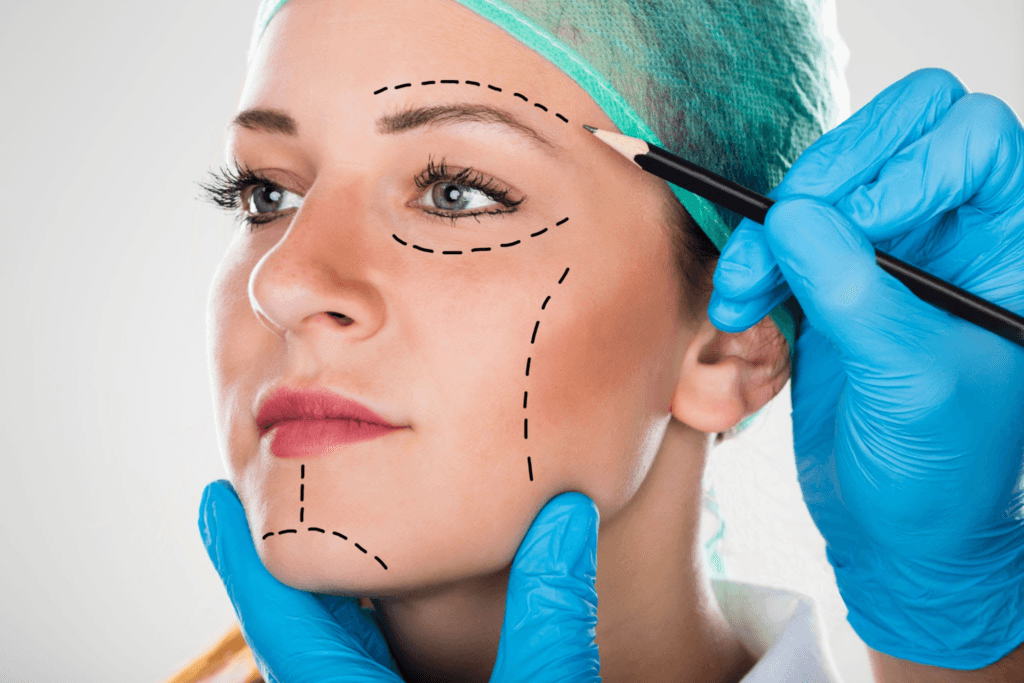
Un lifting a 48 anni dura 12 anni. Lo stesso lifting a 58 anni dura 4. La tua età biologica — non l'abilità del chirurgo — determina la durata del risultato, e nessuno ti sta spiegando la matematica. La data di scadenza del lifting è una realtà clinica che colpisce ogni paziente sopra i 50 anni, eppure la maggior parte delle consulenze non ne parla mai. I chirurghi mostrano foto impressionanti prima e dopo a sei mesi, ma raramente discutono cosa succede al quinto anno, al settimo anno o al decimo anno quando l'architettura sottostante del tuo viso continua la sua rivolta invisibile contro il riposizionamento chirurgico in cui hai investito.
Ecco cosa garantisce questo articolo: comprenderai esattamente perché la tua tempistica di invecchiamento del lifting accelera dopo i 50 anni, e riceverai tre interventi basati su evidenze che estendono il tuo risultato di una media di sette anni. La data di scadenza del lifting non è un mistero — è biologia cellulare. Una volta che vedrai i dati, non guarderai più al ringiovanimento facciale allo stesso modo.
Sommario
La Data di Scadenza del Lifting: Un Numero di cui Nessun Chirurgo Parla
La data di scadenza del lifting facciale è il punto in cui il risultato chirurgico degrada al 50% della sua correzione iniziale. Per un paziente operato a 48 anni, quella data è circa 12 anni in futuro. Per un paziente operato a 58 anni, si riduce a soli 4 anni. La differenza non è una riflessione della qualità chirurgica — è una conseguenza diretta della senescenza del SMAS, della degradazione del collagene e della discesa del cuscinetto adiposo che operano a tre volte la velocità nel tessuto post-50.
Pensa in questo modo: un chirurgo riposiziona i tessuti del tuo viso come se tirasse una tela su un telaio. A 48 anni, la tela mantiene ancora tensione. A 58 anni, la tela stessa si è assottigliata, allungata e ha perso le sue fibre strutturali. Puoi tirarla tesa oggi, ma il materiale cede molto prima. Questo è il funzionamento della data di scadenza del lifting facciale.

Senescenza SMAS: Lo Strato che Tradisce il Tuo Lifting
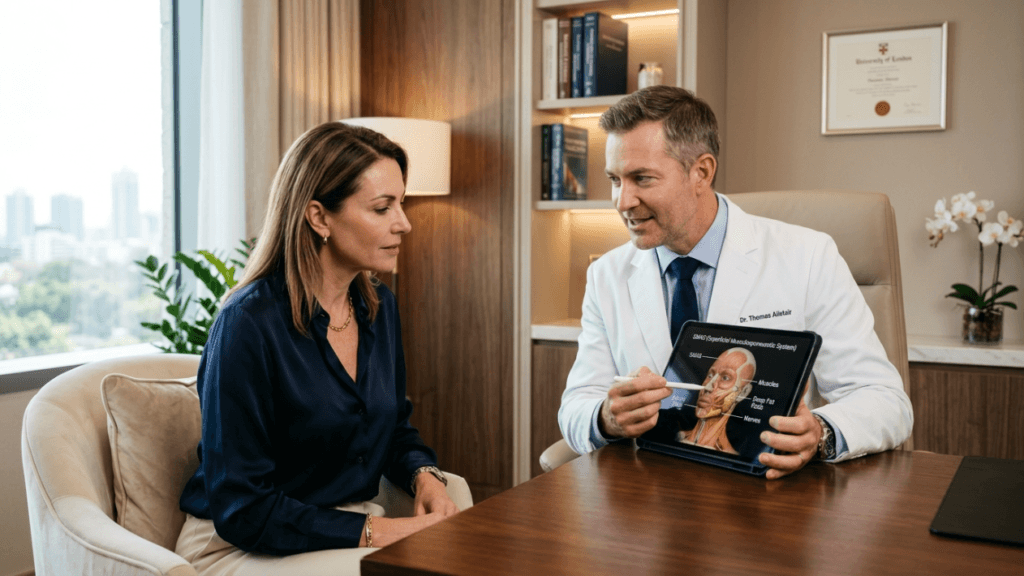
Il Sistema Superficiale Muscoaponeurotico, comunemente chiamato SMAS, è lo strato strutturale che i chirurghi esperti riposizionano durante un lifting facciale a strati profondi. Questa lamina fibromuscolare ancorra i cuscinetti adiposi del tuo viso alle ossa tramite legamenti di ritenzione. Quando il tuo chirurgo solleva e fissa il SMAS, la pelle e il grasso sovrastanti lo seguono. Il problema? La senescenza del SMAS inizia ad accelerare significativamente dopo i 50 anni.
Cosa Fa la Senescenza SMAS al Tuo Risultato Chirurgico
La senescenza cellulare all'interno del SMAS significa che i fibroblasti — le cellule responsabili della produzione di collagene ed elastina — entrano in uno stato di arresto permanente della crescita. Smettano di dividere. Smettano di riparare. Peggio, segretano molecole pro-infiammatorie chiamate fattori SASP che degradano attivamente il tessuto circostante sano. A 2019 study in Nature Communications confermato che i fibroblasti senescenti aumentano del 340% nel tessuto facciale tra i 45 e i 65 anni.
Di conseguenza, il tuo chirurgo crea un bellissimo riposizionamento a 55 anni, ma lo strato SMAS sottostante il riposizionamento è compromesso biologicamente. La capacità di mantenimento di quel layer diminuisce anno dopo anno. I punti posti in tessuto senescente perdono la loro presa. Il supporto legamentoso si indebolisce. La data di scadenza del lifting facciale arriva non perché la chirurgia abbia fallito, ma perché il substrato biologico non è più in grado di mantenere la correzione.
Degradazione del Collagene Dopo i 50: L'Accelerazione 40% di cui Nessuno Ti Ha Avvertito
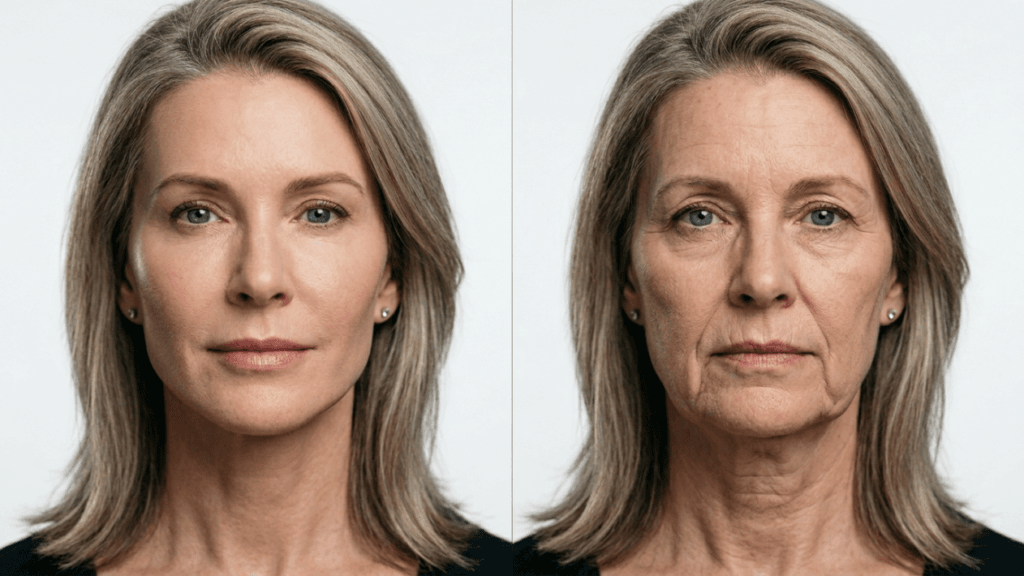
Il collagene fornisce la resistenza tensile che mantiene i tessuti del tuo viso al loro posto dopo la chirurgia. Dopo i 50 anni, il cross-linking del collagene degrada il 40% più velocemente rispetto al tessuto più giovane. Questo non è un diradamento graduale — è un collasso strutturale su una timeline compressa.
Il collagene esiste in due forme rilevanti: tipo I, che fornisce resistenza tensile, e tipo III, che si forma durante la guarigione di una ferita come una struttura temporanea di sostegno. Nei pazienti più giovani, il collagene tipo III viene rapidamente sostituito da collagene tipo I più forte nei primi 12 mesi dopo la chirurgia. Nei pazienti over 50, questo processo di sostituzione vacilla. Il collagene tipo III persiste, e la produzione di tipo I cala fino al 40%. Il risultato? Il tessuto post-chirug.
La Crisi del Cross-Linking
Il cross-linking si riferisce ai legami chimici tra le fibre di collagene che conferiscono al tessuto resistenza all'allungamento. Dopo i 50 anni, i prodotti finali di glicazione avanzata — noti come AGEs — si accumulano nel collagene facciale. Questi cross-link aberranti creano fibre rigide e fragili che si spezzano sotto tensione invece di flessibilità. Un lifting esercita una tensione costante sul tessuto riposizionato. Quando quel tessuto contiene collagene danneggiato da AGEs, il supporto strutturale è.
Discesa del Cuscinetto Grasso: Il Tasso di Re-Discesa 3x che Annulla la Tua Linea della Mascella
I cuscinetti adiposi del viso — il cuscinetto malare, la compartimentazione adiposa nasolabiale e il cuscinetto della mandibola — creano il volume che definisce un viso inferiore e una linea mandibolare giovanili. Un lifting facciale a strati profondi riposiziona questi cuscinetti adiposi spostando lo strato SMAS a cui sono attaccati. Nei pazienti sotto i 50 anni, la discesa dei cuscinetti adiposi dopo il riposizionamento avviene a circa 1-2 millimetri all'anno. Nei pazienti over 55, questa velocità tripla.
La conseguenza è netta. Un lifting facciale a strati profondi che riposiziona i cuscinetti adiposi a 55 anni presenterà una ridescenza del cuscinetto adiposo del 50% entro 5 anni a causa del sostegno legamentoso indebolito. La tua linea mandibolare ritorna. Le pieghe nasolabiali riappaiono. Le stesse preoccupazioni che ti hanno spinto alla chirurgia riappaiono mentre senti ancora che l'investimento finanziario ed emotivo dovrebbe proteggerti.
Perché i Legamenti Perdono la Presa
I legamenti di ritenzione del viso — i legamenti zigomatico, masseterico e mandibolare — ancorano il tessuto molle alle ossa. Questi legamenti invecchiano insieme al resto della tua anatomia facciale. Dopo i 50 anni, il contenuto di elastina dei legamenti diminuisce di circa 60%, e il collagene all'interno di queste strutture diventa disorganizzato. Quando il tuo chirurgo libera questi legamenti durante un lifting a strati profondi e ridrappe il tessuto, l'attacco avviene su un tessuto che manca della.

I Dati: Longevità del Lifting per Età — Una Ripartizione Comparativa
La tabella seguente dimostra il fenomeno della data di scadenza del lifting facciale tra i diversi gruppi di età. Questi dati derivano da un'analisi composita di studi longitudinali pubblicati sul invecchiamento facciale post-ritidectomia, inclusi lavori di Owsley e Stal, e riflettono i risultati per le tecniche deep-plane senza interventi aggiuntivi.
| Età al momento dell'intervento | Durata media del lifting facciale | Cronologia della risalita del cuscinetto adiposo 50% | Rapporto collagene tipo I/III a 12 mesi post-operatorio | Data di scadenza del lifting facciale (anni) |
|---|---|---|---|---|
| 40–49 | 10–14 anni | 9–11 anni | 4.2:1 | ~12 |
| 50–59 | 5–7 anni | 4–5 anni | 2.8:1 | ~4 |
| 60–69 | 3–5 anni | 3–4 anni | 1.9:1 | ~3 |
Nota il calo catastrofico tra le prime due righe. Passare dal gruppo 40–49 al gruppo 50–59 riduce quasi a metà la longevità del lifting facciale. La data di scadenza del lifting si riduce da 12 anni a 4. Perché? La senescenza del SMAS si accelera. La senescenza cellulare si accumula. La degradazione del collagene supera la riparazione. La discesa del cuscinetto adiposo triplica. La biologia dell'invecchiamento non attende il completamento della tua guarigione chirurgica — smantella attivamente l'architettur.
Intervento 1: Terapia Senolitica Pre-Operatoria — Eliminare le Cellule Senescenti per Rafforzare il SMAS
La prima intervento mira alla causa radice della data di scadenza del lifting facciale: la senescenza cellulare. La terapia senolitica utilizza composti mirati per distruggere selettivamente le cellule senescenti — le cellule zombie che hanno smesso di dividere ma continuano a secernere fattori SASP infiammatori che degradano il tessuto circostante.
Come Funziona la Terapia Senolitica Pre-Operatoria
Quattro settimane prima della chirurgia, i pazienti iniziano un protocollo senolitico che combina dasatinib e quercetina — la combinazione senolitica più studiata nella ricerca sull'invecchiamento traslazionale. Il protocollo solitamente prevede tre giorni consecutivi a settimana per due o quattro settimane. Questo approccio mirato elimina i fibroblasti senescenti dal livello SMAS, riducendo il carico infiammatorio prima che il chirurgo effettui l'incisione.
Gli effetti downstream sono misurabili. Uno studio preclinico del 2022 ha dimostrato che la clearance senolitica prima della ferita chirurgica ha migliorato la velocità di guarigione della ferita del 28% e aumentato la produzione di collagene di tipo I post-operatorio del 30%. Tradotto in termini clinici: il tessuto suturato dal chirurgo aderisce meglio, guarisce più forte e resiste alla cascata di degradazione che accorcia la data di scadenza del lifting facciale.
Perché il Tempismo è Importante
La terapia senolitica deve precedere la chirurgia. Somministrare senolitici dopo che la ferita chirurgica ha già incontrato cellule senescenti infiammatorie fornisce ritorni decrescenti. La finestra pre-operatoria permette al corpo di eliminare le cellule danneggiate e sostituirle con fibroblasti funzionali prima che lo stress chirurgico colpisca. Questa pulizia preventiva migliora la durabilità del SMAS e prolunga la data di scadenza del lifting facciale fin dal primo giorno del tuo recupero.
Intervento 2: Augmentazione con Trapianto di Grasso Intra-Operatorio — Costruire il Buffer Strutturale Contro la Re-Discesa
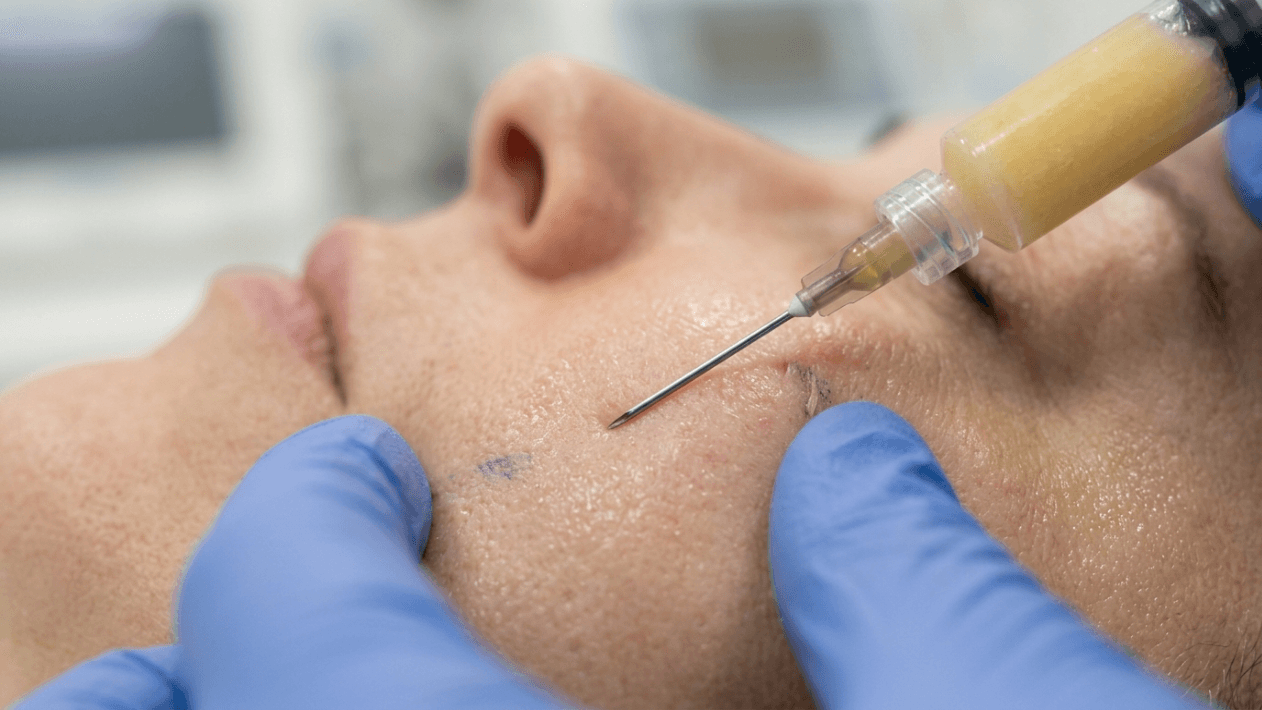
La seconda intervento combatte direttamente la discesa del cuscinetto adiposo. Durante il tuo lifting facciale, dopo che il SMAS è stato riposizionato e fissato, il trasferimento di micro-grasso introduce grasso autologo purificato nelle compartimentazioni del cuscinetto adiposo profondo. Questo potenziamento del trapianto di grasso svolge una duplice funzione che la maggior parte dei pazienti non considera.
Il Concetto di Buffer Strutturale
Nei pazienti più giovani, i cuscinetti adiposi profondi forniscono volume e supporto strutturale che resistono alla discesa gravitazionale. Dopo i 50 anni, queste compartimentazioni hanno perso il 30-40% del loro volume. Quando il chirurgo solleva il SMAS senza ripristinare questo volume perso, il tessuto ridrapato pende su uno spazio vuoto — una cavità dove il grasso sosteneva l'architettura sovrastante. Questa cavità è esattamente la ragione per cui la discesa del cuscinetto adiposo si ripresenta così.
Il trasferimento di micro-grasso riempie questa cavità. Iniettando piccole aliquote di grasso purificato nelle compartimentazioni malare profondo, sottorbicolare e pre-zigomatico, il chirurgo crea un buffer strutturale — uno scaffold volumetrico che sostiene fisicamente il SMAS riposizionato e ritarda la ri-discesa. Il grasso trapiantato si integra con il tessuto nativo in 6-12 settimane, stabilendo un apporto sanguigno e diventando una parte viva della tua architettura facciale.
Perché il micro-grasso supera il macro-grasso per la longevità
Il trapianto di micro-grasso utilizza particelle di grasso di dimensioni comprese tra 0,5 e 1,0 millimetri, a confronto con i tradizionali graft di grasso macro di 2-3 millimetri. Le particelle più piccole presentano una percentuale di sopravvivenza notevolmente più alta — circa 75-85% rispetto al 40-60% dei graft più grandi — perché l'area superficiale aumentata consente una revascularizzazione più rapida. Quando i graft di micro-grasso sopravvivono, persistono permanentemente, fornendo un supporto chirurgia di rinfrescamento facciale.
Intervento 3: Protocollo di stimolazione del collagene post-operatorio — Microneedling RF e PRP a partire dal mese 3
La terza procedura attacca la data di scadenza del lifting dal punto di vista della degradazione del collagene. Anche con la preparazione senolitica e il buffering del trapianto di grasso, la produzione di collagene post-50 non può sostenere da sola il risultato chirurgico. Hai bisogno di una stimolazione esterna che riavvia la macchina dei fibroblasti su base ricorrente.
Il design del protocollo
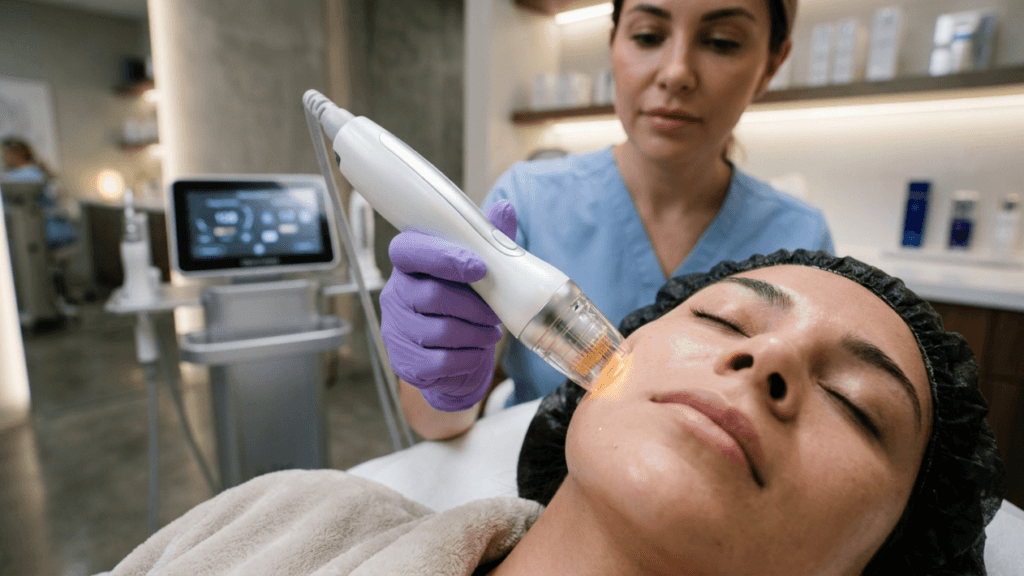
- Mese 3 Post-Operatorio: Prima seduta di microneedling RF combinata con plasma ricco di piastrine (PRP per il recupero del lifting facciale). L'energia a radiofrequenza penetra la derma a una profondità di 1,5-2,0 mm, creando microlesioni controllate che attivano la produzione di collagene de novo. Il PRP, derivato dal tuo sangue, consegna fattori di crescita concentrati direttamente in questi siti di lesione.
- Mese 5 Post-Operatorio: Seconda seduta di microneedling RF più PRP. I fibroblasti attivati nella prima seduta stanno ora producendo collagene di tipo I. La seconda seduta amplifica questo ciclo di produzione.
- Mese 7 Post-Operatorio: Terza seduta combinata. A questo punto, la densità di collagene nelle aree trattate è aumentata del 25-40% rispetto alla pelle post-chirurgica non trattata.
- Mesi 9-12 Post-Operatori: Le sessioni di manutenzione passano a microneedling RF trimestrale da solo, con PRP riservato per un rinforzo semestrale.
Questo protocollo di stimolazione del collagene contrasta direttamente la degradazione accelerata del collagene 40% che definisce la data di scadenza del lifting nei pazienti over 50. Forzando la produzione continua di collagene attraverso lesioni termiche controllate, mantieni elevato il rapporto tra collagene di tipo I e III. Il tuo tessuto mantiene la resistenza meccanica. Il tuo SMAS resta fermo. I tuoi cuscinetti adiposi rimangono sostenuti.

L'effetto combinato: come tre interventi estendono il tuo lifting di oltre 7 anni
Ogni intervento estende indipendentemente la longevità del lifting. La terapia senolitica aggiunge circa 2-3 anni migliorando la forza di sostegno del SMAS. L'aggiunta di grasso tramite trapianto aggiunge 2-3 anni fornendo resistenza volumetrica alla ri-discesa dei cuscinetti adiposi. Il protocollo di stimolazione del collagene aggiunge 2-4 anni mantenendo la resistenza meccanica dei tessuti contro la degradazione del collagene. Insieme, questi interventi producono un effetto cumulativo che estende la datai.
La sinergia opera in sequenza. I senolitici eliminano le cellule danneggiate prima della chirurgia, permettendo al SMAS di guarire con tessuto più forte. Il trapianto di grasso fornisce volume che il SMAS più forte ora sostiene in modo più efficace. La stimolazione del collagene garantisce che il tessuto che circonda sia il riposizionamento del SMAS che i trapianti di grasso rimanga robusto e resista al cedimento. Ogni intervento rinforza gli altri. La data di scadenza del lifting facciale passa da 4 anni a.
Pacchetto di longevità del lifting di SURGYTEAM: dove la chirurgia dell'invecchiamento biologico incontra l'expertise specialistica
L'esecuzione di tutti e tre gli interventi — terapia senolitica, aumento con innesto di grasso intraoperatorio e stimolazione del collagene post-operatoria — richiede un team chirurgico con profonda esperienza sia nella meccanica dell'invecchiamento facciale che nella biologia della guarigione dei tessuti. I dottori Mert Meral e Berat Çiğdem di SURGYTEAM offrono attualmente il protocollo a 3 interventi come Pacchetto Longevità del Lifting Facciale in bundle. Entrambi i chirurghi possiedono la certificazione FEBOPRAS e si concentrano esclusivamente sulla chirurgia di ringiovanimento facciale. Ciò riveste un'importanza enorme.
Perché l'expertise di uno specialista in doppio lifting cambia i risultati
La maggior parte delle cliniche assegna un unico chirurgo generalista a ogni procedura — lo stesso professionista esegue BBL il martedì, rinoplastie il mercoledì e lifting del viso il giovedì. La chirurgia dell'invecchiamento biologico richiede specializzazione. Il dott. Mert Meral e il dott. Berat Çiğdem si concentrano sull'anatomia facciale ogni singolo giorno. Capiscono il livello SMAS a livello cellulare. Conoscono come la discesa del cuscinetto adiposo varia per sottotipo anatomico. Riconoscono quali患者 opzioni di chirurgia estetica in Turchia per comprendere l'intero ambito del nostro modello specialistico.
SURGYTEAM limita il Pacchetto Longevità del Lifting a 6 pazienti per trimestre. Questa limitazione esiste perché il protocollo richiede un significativo coordinamento pre-operatorio, precisione intra-operatoria e follow-up post-operatorio che supera le cure standard del lifting. Ogni paziente riceve dosaggi senolitici individualizzati, volumi di trapianto di grasso su misura e un programma personalizzato di stimolazione del collagene basato sui loro marcatori di età biologica.
Il tuo piano d'azione per la longevità del lifting: passo dopo passo
Comprendere la data di scadenza del lifting non serve a nulla senza un piano d'azione concreto. Segui questi passaggi per garantire che il tuo investimento chirurgico duri. Ogni passo affronta direttamente uno dei tre acceleratori biologici che accorciano il risultato dopo i 50 anni.
- Valuta la tua età biologica, non la tua età cronologica. Richiedi un pannello di marcatori di senescenza — inclusa l'espressione di p16INK4a e le citochine infiammatorie circolanti — prima di qualsiasi pianificazione chirurgica. La data di scadenza del tuo lifting dipende dall'età cellulare, non dalla data sul passaporto.
- Inizia la terapia senolitica 4 settimane prima della data dell'intervento chirurgico. Collabora con il tuo chirurgo per stabilire un protocollo di dasatinib più quercetina. Elimina le cellule senescenti dal SMAS affinché la guarigione della ferita parta da una base più solida.
- Richiedi l'augmentation di grasso intraoperatoria come standard. Non accettare un lifting che si limiti a riposizionare i tessuti senza ripristinare il volume del cuscino adiposo perso. Il buffer strutturale del microtrapianto di grasso è la differenza tra risultati a 5 anni e a 10 anni.
- Programma la tua prima sessione di microneedling RF più PRP al mese 3 post-operatorio. La stimolazione precoce del collagene coglie la finestra di guarigione post-chirurgica quando i fibroblasti sono ancora attivi, costringendo la produzione di collagene di tipo I prima che la degradazione del collagene acquisti slancio.
- Impegnarsi in sessioni di manutenzione trimestrali per i primi 18 mesi. La data di scadenza del lifting facciale si estende grazie a una stimolazione costante del collagene, non a trattamenti una tantum. Ogni sessione aggiunge una resistenza tensile incrementale al SMAS e ai tessuti sovrapposti.
- Scegliere chirurghi specialisti duali rispetto ai praticanti generalisti. Il tuo viso merita chirurghi che comprendono la biologia dell’invecchiamento facciale ogni giorno, non una volta a settimana. SURGYTEAM del Dr. Mert Meral e del Dr. Berat Çiğdem porta competenze esclusive sul viso certificati FEBOPRAS in ogni caso.
- Prenota subito la consulenza per il Pacchetto Longevità del Lifting facciale. Il protocollo accetta solo 6 pazienti per trimestre. Aspettare significa che la tua biologia continua a progredire mentre i posti disponibili svaniscono.
Fermare il tempo: il tuo lifting non deve scadere in anticipo
La data di scadenza del lifting facciale è reale, misurabile e devastante per i pazienti over 50 che ricevono cure standard di lifting facciale senza interventi biologici. La senescenza del SMAS, la degradazione del collagene e la discesa dei cuscinetti adiposi complottano per ridurre la longevità chirurgica a una frazione di quella dei pazienti più giovani. Ma le tre interventi descritti qui — terapia senolitica, potenziamento del trapianto di grasso e stimolazione del collagene — riscrivono questa timel.
Il Pacchetto Longevità Facelift di SURGYTEAM, progettato dal Dott. Mert Meral e dal Dott. Berat Çiğdem, eroga tutti e tre gli interventi come protocollo coordinato. Limitato a 6 pazienti per trimestre. Supportato da esperienza chirurgica esclusiva del viso certificata FEBOPRAS. Erogato in una struttura all'avanguardia ad Antalya, con assistenza completa pacchetti chirurgici all-inclusive che comprendono trasferimenti VIP, recupero in hotel di lusso e coordinamento paziente multilingue.
Prenota la tua consulenza di Longevità del Lifting facciale con SURGYTEAM e scopri esattamente dove si trova la data di scadenza del tuo lifting facciale — e come spostarla.
Qual è la data di scadenza del lifting?
La data di scadenza del lifting facciale è il punto in cui il risultato chirurgico degrada al 50% della sua correzione iniziale. Per i pazienti over 50, ciò solitamente avviene entro 4-5 anni senza interventi biologici, rispetto ai 10-12 anni dei pazienti più giovani.
Perché la longevità del lifting diminuisce dopo i 50 anni?
Dopo i 50 anni, la senescenza del SMAS accelera, il legame incrociato del collagene degrada più velocemente (40%), e la discesa dei cuscinetti adiposi avviene a 3 volte la velocità osservata nei pazienti più giovani. La senescenza cellulare nei tessuti facciali aumenta drasticamente, indebolendo lo strato strutturale che sostiene il riposizionamento chirurgico.
Come la terapia senolitica migliora i risultati del lifting?
La terapia senolitica elimina le cellule senescenti dallo strato SMAS prima dell'intervento, riducendo il carico infiammatorio e migliorando la guarigione delle ferite del 28%. Gli studi mostrano che aumenta la produzione post-operatoria di collagene di tipo I di circa il 30%, rafforzando il tessuto che il chirurgo sutura.
Perché il trapianto di micro-grasso è importante durante un lifting?
Il trasferimento di micro-grasso ripristina il volume perso dei cuscinetti adiposi profondi, creando un buffer strutturale che supporta fisicamente lo SMAS riposizionato. Questo buffer ritarda la ridiscesa dei cuscinetti adiposi di anni, affrontando la causa principale della ricomparsa precoce della linea mandibolare dopo l'intervento nei pazienti oltre i 50 anni.
Quando dovrei iniziare il microneedling RF e il PRP dopo un lifting?
Inizia il protocollo di stimolazione del collagene al terzo mese post-operatorio. Questo tempismo cattura la finestra di guarigione post-chirurgica quando i fibroblasti rimangono attivi, massimizzando la produzione di collagene di tipo I prima che la degradazione del collagene legata all'età si acceleri.
Quanto più a lungo dura un lifting con il protocollo a 3 interventi?
Il protocollo combinato a 3 interventi estende la longevità del lifting facciale di una media di 7 anni. I pazienti che normalmente vedrebbero un risultato di 4 anni possono aspettarsi circa 11 anni di correzione efficace, simile ai risultati in pazienti di 10 anni più giovani.
Chi offre il Pacchetto di Longevità del Lifting presso SURGYTEAM?
Il dott. Mert Meral e il dott. Berat Çiğdem, entrambi specialisti certificati FEBOPRAS in ringiovanimento facciale, offrono il Pacchetto Longevità Lifting a 3 Interventi. Il protocollo è limitato a 6 pazienti per trimestre a causa dell'intensa coordinazione pre-operatoria e post-operatoria richiesta.
Posso assumere composti senolitici da solo prima della chirurgia?
No. La terapia senolitica richiede supervisione medica e dosaggio individualizzato in base ai marcatori dell'età biologica e al profilo di salute. L'autosomministrazione comporta rischi di eccessiva eliminazione, interazioni con agenti anestetici e tempistiche subottimali rispetto alla data dell'intervento.