

The allure of an almond-shaped, subtly upturned eye has captivated aesthetic trends globally, giving rise to the popular “Fox Eye” look. This distinctive eye shape, often associated with youthfulness and an exotic charm, has become a highly sought-after feature in modern beauty standards. For many, achieving this captivating gaze represents more than just a cosmetic enhancement; it embodies a desire for a refreshed appearance, heightened confidence, and a harmonious facial aesthetic.
The journey to acquiring the “Fox Eye” aesthetic is multifaceted, encompassing both advanced surgical interventions and innovative non-surgical techniques. Each approach offers unique benefits and considerations, catering to diverse individual needs and desired outcomes. Understanding the intricacies of these procedures, from their mechanistic details to their long-term implications, is paramount for anyone contemplating this transformative change. This comprehensive guide aims to demystify the “Fox Eye” phenomenon, providing an authoritative resource for those seeking to explore its potential.
At its core, the “Fox Eye” procedure is designed to lift and elongate the outer corners of the eyes, creating a more open and alluring appearance. This subtle yet impactful modification can significantly alter one’s overall facial expression, often diminishing signs of fatigue or aging. The demand for this aesthetic has spurred advancements in oculoplastic surgery and non-invasive cosmetic treatments, offering a spectrum of options for individuals to achieve their desired look. However, navigating these choices requires a deep understanding of the underlying principles, potential risks, and the importance of expert guidance.
The central thesis of this exploration is that while the “Fox Eye” aesthetic offers a compelling vision of enhanced beauty, its pursuit necessitates informed decision-making, realistic expectations, and the selection of highly qualified professionals. This article will delve into the core principles behind the “Fox Eye” look, examine the detailed mechanisms of both surgical and non-surgical methods, present real-world applications, and analyze the future implications of these aesthetic interventions. By providing a thorough and evidence-based overview, we aim to empower individuals to make confident and well-considered choices on their path to achieving a more captivating gaze.
The desire for a more defined and youthful eye area is not new, but the “Fox Eye” trend has refined this aspiration into a specific, recognizable aesthetic. It moves beyond general anti-aging treatments to target a particular shape and tilt, reflecting a contemporary shift towards precise, tailored cosmetic enhancements. This guide will serve as an indispensable tool for anyone looking to understand the nuances of this popular procedure, ensuring they are equipped with the knowledge to embark on their aesthetic journey safely and effectively.

Sommario
Unveiling the “Fox Eye” Aesthetic: A Deeper Look
The “Fox Eye” aesthetic is characterized by an upward and outward tilt of the outer corner of the eye, creating an elongated, almond-shaped appearance. This look is often associated with a sense of alertness, youthfulness, and a subtle, captivating allure. It aims to counteract the natural downward pull of gravity and the effects of aging, which can lead to a tired or sad expression. The desired outcome is a refreshed and more defined eye contour that enhances overall facial harmony (Dr. MFO, 2024).
Beyond its visual appeal, the “Fox Eye” aesthetic taps into a psychological desire for a vibrant and energetic appearance. Eyes are often considered the focal point of the face, and their shape and expression significantly influence how we perceive ourselves and how others perceive us. A lifted, elongated eye can convey confidence and vitality, contrasting with the perception of fatigue that can arise from drooping eyelids or a rounded eye shape (Dr. MFO, 2024).
Surgical Pathways to the Fox Eye: Precision and Permanence
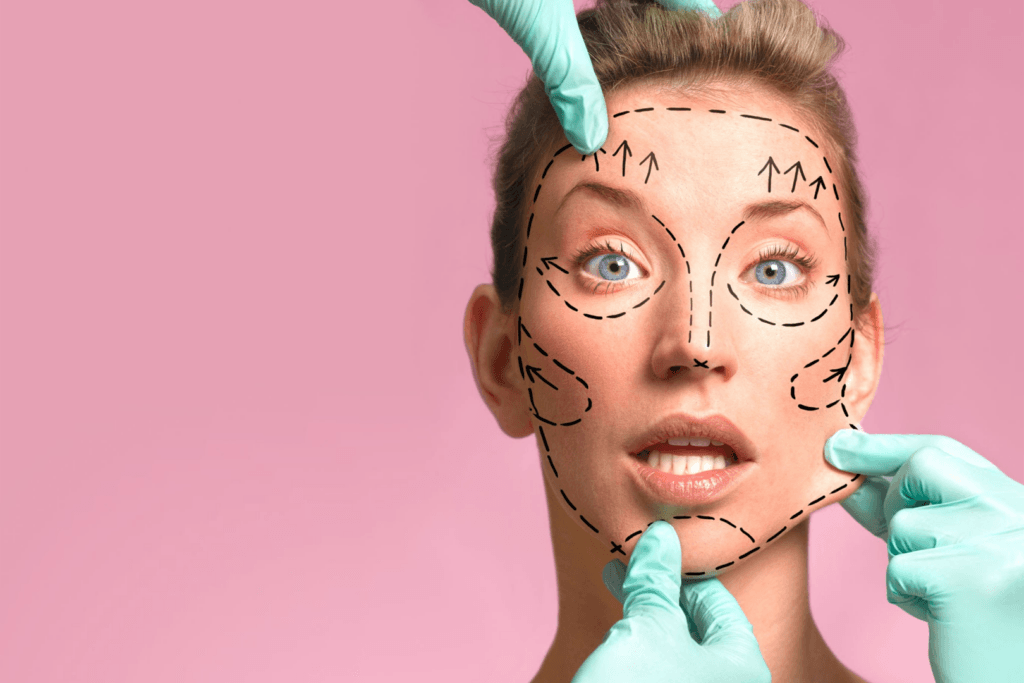
For those seeking a more definitive and long-lasting transformation, surgical procedures offer precise methods to achieve the “Fox Eye” aesthetic. These interventions involve carefully reshaping the structures around the eye to create the desired upward tilt and elongation. The primary surgical techniques include canthoplasty and canthopexy, often performed in conjunction with other eyelid procedures.
Cantoplasty and Canthopexy: Reshaping the Eye’s Outer Corner
Cantoplasty, also known as a “cat eye” or “almond eye” procedure, is a plastic surgery that lifts and repositions the lateral canthus, the outer corner of the eye (Dr. Kevin Sadati, 2026). This procedure can correct sagging lower eyelids or reshape eyes that appear more round than almond-shaped. During a cantoplasty, the surgeon makes a small incision in the temple area, then carefully adjusts the position of the tendons and muscles that support the outer corner of the eye. The skin is pulled upwards and outwards, and excess skin is trimmed before securing the new position with sutures (Seduction Cosmetic Center, 2026).
Canthopexy is a less invasive variation where the lateral canthus is tightened and suspended without cutting the tendon. Both procedures aim to create the coveted upward slant, providing a more youthful and exotic look. The choice between canthoplasty and canthopexy depends on the individual’s existing eye structure and the extent of correction required. These procedures typically take between one to two hours to complete and are often performed under local anesthesia with twilight sedation, or sometimes general anesthesia (Surgyteam, 2024).
Complementary Role of Blepharoplasty
The “Fox Eye” surgery is frequently combined with blepharoplasty, commonly known as an eyelid lift. Blepharoplasty addresses excess skin and fat in the upper or lower eyelids, which can contribute to a tired or aged appearance. When performed alongside canthoplasty, blepharoplasty helps to create a more comprehensive rejuvenation of the eye area. The incision marks for both procedures are often similar, allowing for a streamlined surgical process (Dr. Kevin Sadati, 2026).
While blepharoplasty focuses on removing redundant tissue, “Fox Eye” surgery specifically targets the shape and tilt of the eye’s outer corner. Combining these procedures can yield a more harmonious and dramatic result, addressing both the signs of aging and the desire for a specific eye aesthetic. This integrated approach ensures that the entire eye region appears refreshed, lifted, and beautifully contoured.

Non-Surgical Alternatives: Temporary Enhancements for the Fox Eye Look
For individuals seeking to achieve the “Fox Eye” aesthetic without undergoing surgery, several non-surgical options offer temporary enhancements. These methods are generally less invasive, involve shorter recovery times, and come with a lower cost, making them attractive alternatives for those who prefer a less permanent solution or wish to test the look before committing to surgery (Florence Healthcare International, 2024).
Thread Lifts: A Minimally Invasive Approach
Thread lifts are a popular non-surgical method for creating the “Fox Eye” effect. This procedure involves inserting special dissolvable sutures, or threads, under the skin to lift and reposition the outer corners of the eyes. The threads have tiny barbs or cones that grip the tissue, allowing the surgeon to gently pull the skin upwards and outwards, creating the desired upward slant (Seduction Cosmetic Center, 2026).
The procedure is minimally invasive and typically performed under local anesthesia. It is relatively quick, often completed within 30 minutes to an hour. One of the main advantages of a thread lift is the reduced downtime compared to surgery; most patients can resume normal activities within a few days. However, the results are temporary, usually lasting between 12 to 18 months, as the threads eventually dissolve and the lifting effect diminishes (Florence Healthcare International, 2024).
Dermal Fillers and Botox for Subtle Adjustments
While not directly creating the “Fox Eye” shape, dermal fillers and Botox can be used to complement the aesthetic or provide subtle lifting effects. Botox injections can relax specific muscles around the eyebrows, leading to a slight brow lift that contributes to a more open and elevated eye appearance. Fillers can be strategically placed in the temple area or along the brow bone to add volume and provide indirect support, subtly lifting the outer eye region. These treatments offer temporary results, typically lasting a few months, and require regular maintenance to sustain the effect (Dr. MFO, 2024).
Identifying the Ideal Candidate for Fox Eye Procedures
Determining suitability for a “Fox Eye” procedure, whether surgical or non-surgical, involves a thorough evaluation of an individual’s health, aesthetic goals, and realistic expectations. Ideal candidates generally share several key characteristics that maximize the likelihood of a successful outcome and patient satisfaction.
Firstly, candidates should be in good general health, without any underlying medical conditions that could complicate surgery or recovery. A comprehensive medical history review is essential to identify any contraindications. Secondly, individuals who are bothered by drooping or tired-looking eye corners, deep under-eye bags, or dark circles often find significant improvement with these procedures. Those with naturally rounded or asymmetrical eyes who desire a more elongated, almond shape are also excellent candidates (Seduction Cosmetic Center, 2026).
Crucially, having realistic expectations about the potential results is vital. While “Fox Eye” procedures can create a noticeable and aesthetically pleasing change, they do not promise perfection or an entirely different appearance. A skilled surgeon will discuss achievable outcomes, ensuring the patient’s vision aligns with what is surgically or non-surgically possible. Patients should understand that the goal is to enhance their natural features, not to drastically alter their identity (Florence Healthcare International, 2024).
The Procedure Journey: What to Expect from Consultation to Recovery
Embarking on a “Fox Eye” procedure involves a structured journey, beginning with an initial consultation and extending through the recovery period. Each stage is critical for ensuring safety, achieving optimal results, and promoting a smooth healing process.
Pre-operative Consultation: Laying the Foundation for Success
The initial consultation is the cornerstone of a successful “Fox Eye” procedure. During this meeting, a board-certified plastic surgeon will assess the patient’s facial anatomy, skin quality, and overall health. This includes a detailed discussion of the patient’s aesthetic goals, medical history, and any concerns they may have. The surgeon will explain the different surgical and non-surgical options, outlining the benefits, risks, and expected outcomes of each (Florence Healthcare International, 2024).
Patients are encouraged to view before-and-after photographs of previous cases to gain a realistic understanding of the potential results. This is also an opportunity to ask questions and build rapport with the surgical team. Choosing a surgeon with extensive experience in oculoplastic surgery and a keen artistic eye is paramount. Multiple consultations may be beneficial to ensure complete comfort and confidence in the chosen professional and treatment plan (Dr. MFO, 2024).
During the Procedure: A Detailed Overview
The “Fox Eye” surgical procedure typically lasts between one to two hours, depending on the complexity and whether it’s combined with other treatments like blepharoplasty. It is commonly performed under local anesthesia with twilight sedation, allowing the patient to remain comfortable and relaxed without being fully unconscious. In some cases, general anesthesia may be used. The surgeon makes small, discreet incisions, often in the temple area or along the natural creases of the eyelid, to minimize visible scarring (Surgyteam, 2024).
For surgical canthoplasty, the lateral canthus is carefully detached, repositioned upwards and outwards, and then reattached to the periosteum (the bone lining) to create the desired lift and elongation. Excess skin may be removed, and the incisions are meticulously closed with fine sutures. For non-surgical thread lifts, specialized threads are inserted through tiny entry points and manipulated to lift the skin, then secured to maintain the elevated position. Patients generally experience minimal discomfort during the procedure itself due to effective anesthesia (Seduction Cosmetic Center, 2026).

Recovery and Aftercare: Ensuring Optimal Healing
The recovery period is a crucial phase for achieving optimal and long-lasting results. Immediately after a surgical “Fox Eye” procedure, patients can expect some swelling, bruising, and mild to moderate discomfort around the treated area. Pain medication will be prescribed to manage any pain effectively. It is often recommended to keep the head elevated, especially during sleep, to help reduce swelling (Dr. Kevin Sadati, 2026).
Within the first week, sutures are typically removed during a follow-up visit. Most patients can return to light, non-strenuous activities, such as desk-based work, within 7 to 14 days. However, strenuous exercise, heavy lifting, and activities that put tension on the eye area should be avoided for at least a few weeks. Swelling and bruising will gradually subside, becoming noticeably less prominent over the first two weeks (Seduction Cosmetic Center, 2026).
Long-term healing continues for several months, during which the final results become more apparent as residual swelling resolves and scars mature and fade. Adhering strictly to the surgeon’s post-operative instructions is paramount. This includes applying cold compresses, using prescribed eye drops or ointments, and avoiding rubbing or touching the treated area. The longevity of the results, particularly for surgical options, is closely linked to maintaining a stable weight and a healthy lifestyle (Surgyteam, 2024).

The Transformative Benefits of the Fox Eye Procedure
Undergoing a “Fox Eye” procedure offers a range of compelling benefits that extend beyond mere aesthetic alteration. These advantages contribute to a more youthful appearance, enhanced facial harmony, and a significant boost in self-confidence.
Rejuvenated and Youthful Appearance
One of the primary benefits is the creation of a refreshed and more youthful look. By lifting the outer corners of the eyes and addressing any sagging skin, the procedure effectively combats the signs of aging that can make the eyes appear tired or heavy. This subtle elevation can minimize the appearance of crow’s feet and reduce eyelid hooding, resulting in brighter, more alert eyes that reflect inner vitality (Dr. MFO, 2024).
Enhanced Facial Harmony and Symmetry
The “Fox Eye” aesthetic contributes significantly to overall facial harmony. By creating a more balanced and symmetrical eye shape, the procedure can refine facial proportions, aligning with principles of aesthetic beauty. This meticulous reshaping helps to create a captivating aesthetic that complements other facial features, leading to a more pleasing and balanced appearance (Dr. MFO, 2024).
Increased Confidence and Self-Esteem
Beyond the physical changes, many patients report a profound increase in confidence and self-esteem. Feeling good about one’s appearance can have a powerful psychological impact, empowering individuals to engage with the world more confidently. The “Fox Eye” procedure can be a journey of self-discovery and empowerment, addressing aesthetic concerns that may have previously affected one’s self-perception (Dr. MFO, 2024).
Long-Lasting or Permanent Results
Surgical “Fox Eye” procedures offer long-lasting, often permanent results, providing a sustained improvement in eye shape and contour for many years. This makes it a worthwhile investment for those seeking enduring aesthetic changes. Even non-surgical options, while temporary, provide a significant period of enhanced appearance, allowing individuals to enjoy the benefits without the commitment of surgery (Surgyteam, 2024).
Navigating the Risks and Limitations of Fox Eye Procedures
While “Fox Eye” procedures offer appealing aesthetic benefits, it is crucial to approach them with a clear understanding of the potential risks and limitations. Like any medical intervention, these procedures carry inherent considerations that patients must carefully weigh before making a decision.
Common Surgical Risks
As with any surgical procedure, there are general risks such as infection, bleeding, and adverse reactions to anesthesia. Although rare, these complications can occur. Choosing a board-certified and experienced surgeon significantly minimizes these risks, as they adhere to stringent safety protocols and possess the expertise to manage potential issues (Seduction Cosmetic Center, 2026).
Specific Aesthetic and Functional Risks
More specific to “Fox Eye” procedures are risks related to the aesthetic outcome. These include the possibility of asymmetry, where the eyes may not appear perfectly matched, or an unnatural or over-pulled appearance if the procedure is not performed with precision. In some rare instances, patients may experience changes in eye sensitivity or even nerve damage, though skilled surgeons take every precaution to avoid such complications (Florence Healthcare International, 2024).
Another consideration is the potential for a hematoma, which is a collection of blood under the skin, or complications during the healing process. While most side effects like swelling and bruising are temporary, persistent issues may necessitate revision surgery to correct the outcome. It is important for patients to have realistic expectations and understand that individual healing varies (Seduction Cosmetic Center, 2026).
Limitations of Non-Surgical Options
For non-surgical alternatives like thread lifts, the primary limitation is the temporary nature of the results. While less invasive and with quicker recovery, the effects typically last 12 to 18 months, requiring repeat treatments to maintain the aesthetic. These methods also offer less dramatic changes compared to surgical interventions and may not be suitable for individuals seeking significant reshaping (Florence Healthcare International, 2024).
Cost and Insurance Coverage
The cost of “Fox Eye” procedures can be a significant factor, and it is generally not covered by insurance as it is considered a cosmetic enhancement. Patients should be prepared for the financial investment, which can vary widely based on the surgeon’s fees, facility costs, anesthesia, and geographic location. Understanding all associated costs upfront is essential for informed decision-making (Seduction Cosmetic Center, 2026).
Cost Considerations for Fox Eye Procedures
The financial aspect of undergoing a “Fox Eye” procedure is a significant consideration for many individuals. The cost can vary widely, influenced by several key factors, and it is important for prospective patients to understand these variables to plan accordingly.
Firstly, the experience and reputation of the surgeon play a substantial role in pricing. Highly sought-after, board-certified plastic surgeons with extensive experience in oculoplastic procedures typically command higher fees. Their expertise often translates into more predictable and aesthetically pleasing results, which is a valuable consideration for such a delicate area of the face (Dr. MFO, 2024).
Secondly, the geographic location of the clinic or surgical center can impact the overall cost. Procedures performed in major metropolitan areas or regions with a higher cost of living tend to be more expensive than those in smaller towns. Additionally, the type and extent of the procedure itself are critical determinants. A non-surgical thread lift will generally be less costly than a surgical canthoplasty, which involves more intricate techniques and longer operating times (Seduction Cosmetic Center, 2026).
Other factors contributing to the total cost include anesthesia fees, facility fees (for the operating room), pre-operative consultations, post-operative care, and any necessary follow-up appointments or medications. If the “Fox Eye” procedure is combined with other treatments, such as blepharoplasty, the overall cost will naturally increase. On average, surgical “Fox Eye” procedures can range from $2,000 to $5,000, though this is a broad estimate and actual prices can vary significantly (Seduction Cosmetic Center, 2026).
It is important to remember that cosmetic procedures are rarely covered by health insurance, as they are considered elective. Therefore, patients should be prepared to cover the costs out-of-pocket. Many clinics offer financing options or payment plans to help make the procedure more accessible. A detailed breakdown of all anticipated costs should be provided during the initial consultation, allowing patients to make an informed financial decision (Florence Healthcare International, 2024).
Future Implications and Long-Term Impact of Fox Eye Procedures
The decision to undergo a “Fox Eye” procedure extends beyond immediate aesthetic gratification, carrying long-term implications for both physical appearance and personal well-being. Understanding these future impacts is essential for a holistic perspective on this popular cosmetic trend.
Maintaining Results and Lifestyle Choices
For surgical “Fox Eye” procedures, the results are generally long-lasting, often considered permanent. However, the longevity of these results is closely tied to an individual’s lifestyle choices. Maintaining a stable weight is crucial, as significant fluctuations can affect facial skin elasticity and potentially alter the appearance of the eye area over time. A healthy lifestyle, including balanced nutrition, adequate hydration, and protection from sun exposure, also contributes to preserving skin quality and supporting the aesthetic outcome (Surgyteam, 2024).
For non-surgical thread lifts, the temporary nature means that repeat treatments will be necessary to maintain the desired “Fox Eye” effect. Patients opting for this route should factor in the ongoing commitment and associated costs. The evolving nature of aesthetic medicine also suggests that future advancements may offer even more refined or less invasive maintenance options.
Psychological Benefits Beyond Aesthetics
The long-term impact of a “Fox Eye” procedure often extends to significant psychological benefits. Many individuals report a sustained boost in self-confidence and an improved self-image. This enhanced self-perception can positively influence various aspects of life, from social interactions to professional endeavors. Feeling more comfortable and confident in one’s appearance can lead to greater overall life satisfaction and a more positive outlook (Dr. MFO, 2024).
The procedure can address long-standing insecurities related to a tired or aged eye appearance, allowing individuals to feel more aligned with their inner vitality. This empowerment is a profound, lasting impact that transcends the purely physical transformation. It underscores the idea that investing in one’s aesthetic well-being can be a valuable investment in overall quality of life.
Evolving Trends in Aesthetic Procedures
The field of aesthetic medicine is constantly evolving, with new techniques and technologies emerging regularly. While the “Fox Eye” aesthetic is currently popular, future trends may introduce variations or entirely new approaches to eye enhancement. Patients who undergo these procedures should be aware that their aesthetic preferences might change over time, and future interventions could be considered to adapt to new trends or natural aging processes. However, the foundational principles of facial harmony and rejuvenation are likely to remain constant, ensuring that well-executed “Fox Eye” procedures retain their value (Florence Healthcare International, 2024).
Conclusion: Embracing a Captivating Gaze with Informed Choices
The “Fox Eye” aesthetic, characterized by its alluring upward and outward eye tilt, has firmly established itself as a prominent desire in contemporary beauty. This comprehensive guide has explored the multifaceted nature of achieving this captivating gaze, from the precise interventions of surgical canthoplasty to the temporary enhancements offered by non-surgical thread lifts. We have delved into the core principles that define this look, the mechanistic details of its execution, and the profound impact it can have on an individual’s appearance and self-perception.
The journey towards a “Fox Eye” transformation is deeply personal, driven by a desire for a more refreshed, youthful, and harmonious facial aesthetic. Whether one opts for the permanence of surgery or the flexibility of non-surgical alternatives, the underlying goal remains consistent: to enhance natural beauty and boost inner confidence. We have highlighted that both pathways offer distinct advantages, with surgical methods providing enduring results and non-surgical options presenting a less invasive entry point into this popular trend.
Crucially, this exploration has underscored the paramount importance of informed decision-making. Understanding the benefits, meticulously weighing the potential risks, and setting realistic expectations are not merely recommendations but essential prerequisites for a successful outcome. The selection of a highly qualified, board-certified plastic surgeon with a proven track record in oculoplastic procedures is a non-negotiable step. Such a professional not only possesses the technical expertise but also the artistic vision to tailor the procedure to individual facial anatomy, ensuring results that are both aesthetically pleasing and natural-looking.
The recovery phase, though varying in duration and intensity between surgical and non-surgical methods, demands diligent adherence to post-operative care instructions. This commitment to healing is integral to minimizing complications and optimizing the longevity of the results. Furthermore, recognizing that lifestyle choices, such as maintaining a stable weight and protecting the skin, play a significant role in preserving the aesthetic over time, empowers individuals to actively participate in their long-term beauty maintenance.
Ultimately, the pursuit of the “Fox Eye” aesthetic is more than just a physical alteration; it is an investment in self-image and personal empowerment. By making educated choices and partnering with experienced professionals, individuals can confidently embark on this transformative journey. The ability to look in the mirror and see a reflection that aligns with one’s inner vitality and desired aesthetic can unlock a renewed sense of self-assurance, radiating outward into all aspects of life. This is the enduring promise of the “Fox Eye” procedure: a captivating gaze that reflects a confident and revitalized you.
If you are considering a “Fox Eye” procedure, take the crucial first step by scheduling a consultation with a specialist. This personalized discussion will allow you to explore your options, address any questions, and develop a tailored plan to achieve your aesthetic aspirations safely and effectively.
What is the Fox Eye aesthetic?
The Fox Eye aesthetic is a popular look characterized by an upward and outward tilt of the outer corner of the eye, creating an elongated, almond-shaped appearance that conveys youthfulness and alertness.
What are the main types of Fox Eye procedures?
There are two main approaches: surgical (canthoplasty/canthopexy) for permanent results, and non-surgical (thread lifts, sometimes complemented by Botox/fillers) for temporary enhancements.
How long does recovery take for Fox Eye surgery?
Most patients can return to light activities within 1-2 weeks, with sutures typically removed after a week. Full healing and final results may take several months as swelling completely subsides.
Are the results of Fox Eye procedures permanent?
Surgical Fox Eye procedures offer long-lasting, often permanent results. Non-surgical options like thread lifts are temporary, typically lasting 12-18 months, and require repeat treatments.
What are the potential risks of Fox Eye procedures?
Risks include general surgical complications (infection, bleeding), aesthetic issues (asymmetry, unnatural look), and rare instances of nerve damage or changes in eye sensitivity. Non-surgical options have limitations regarding permanence.
Is Fox Eye surgery covered by insurance?
No, Fox Eye procedures are generally considered elective cosmetic enhancements and are typically not covered by health insurance. Patients should anticipate covering the costs out-of-pocket.
Bibliography
- Dr. Kevin Sadati. (2026). The Ins and Outs of Getting “Fox Eyes” with Surgery. Retrieved from https://drkevinsadati.com/es/blog/los-entresijos-de-tener-ojos-de-zorro-con-cirug%C3%ADa/
- Seduction Cosmetic Center. (2026). Fox Eye Surgery: The Latest Trend in Aesthetic Surgery. Retrieved from https://seductioncosmetic.com/es/cirug%C3%ADa-de-ojo-de-zorro/
- Dr. MFO. (2024). 5 Reasons Why Fox Eye Surgery is Worth Every Penny. Retrieved from https://www.dr-mfo.com/es/beneficios-de-la-cirugia-de-ojo-de-zorro/
- Surgyteam. (2024). Occhio di volpe. Retrieved from https://surgyteam.com/es/ojo-de-zorro/
- Florence Healthcare International. (2024). Fox Eye Surgery: Trending Eye Lift Procedure. Retrieved from https://florencehealthcare.international/es/Cirug%C3%ADa-de-ojos-de-zorro%3A-procedimiento-de-levantamiento-de-ojos-de-tendencia/

 Italian
  English
  German
  Russian
  Turkish
  Arabic
  Spanish