Intraprendere un percorso per rimodellare il proprio corpo porta spesso a esplorare varie procedure estetiche. Tra le più popolari ed efficaci c'è la liposuzione, una procedura progettata per rimuovere depositi di grasso ostinati che resistono a dieta ed esercizio. Il suo fascino duraturo risiede nella capacità di scolpire e contornare il corpo, offrendo una silhouette più definita. Con i progressi della tecnologia medica, la liposuzione è evoluta significativamente, offrendo una vasta gamma di tecniche su misura per le esigenze individuali e i risultati desiderati. Questa guida completa mira a demistificare il mondo della liposuzione, fornendo una panoramica dettagliata dei diversi tipi disponibili. Il nostro obiettivo è fornirti le conoscenze necessarie per comprendere le tue opzioni e, in ultima analisi, prendere una decisione informata su quale tecnica potrebbe essere adatta a te.

Sommario
Capire la liposuzione
Prima di approfondire le specifiche delle varie tecniche di liposuzione, è fondamentale comprendere il concetto di base della procedura stessa.
Che cos'è la liposuzione?
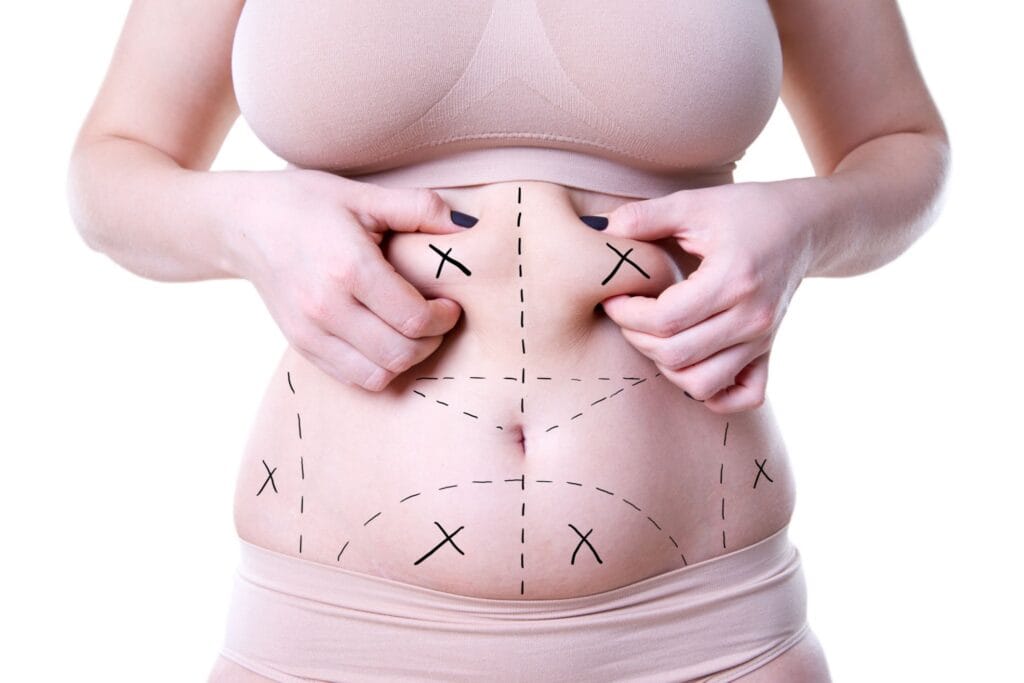
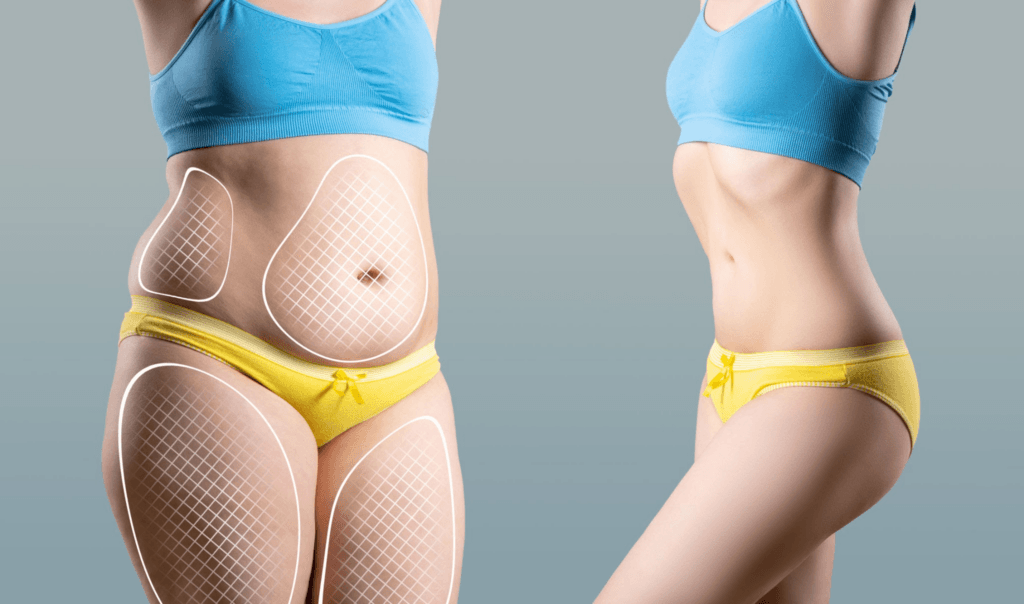
La liposuzione è una procedura chirurgica estetica che rimuove il grasso in eccesso da aree specifiche del corpo, come addome, fianchi, cosce, glutei, braccia o collo. Non è una soluzione per la perdita di peso, ma piuttosto una tecnica di modellamento del corpo utilizzata per affrontare sacche di grasso localizzate che sono sproporzionate rispetto al resto del corpo. La procedura prevede tipicamente la creazione di piccole incisioni nella pelle, attraverso le quali viene inserito un sottile tubo cavo chiamato cannula. La cannula viene poi mossa avanti e indietro per allentare le cellule adipose, che vengono successivamente aspirate dal corpo usando una pompa a vuoto o una grande siringa. L'obiettivo principale della liposuzione è migliorare la forma e la proporzione del corpo, creando un contorno più liscio e esteticamente gradevole.
Storia ed evoluzione della liposuzione
Il concetto di rimozione del grasso risale ai primi del XX secolo, ma ciò che riconosciamo come liposuzione moderna è iniziato negli anni “70. I chirurghi francesi Arpad e Giorgio Fischer sono accreditati per lo sviluppo della tecnica della cannula smussata nel 1974, segnando una tappa importante. Tuttavia è stato il dottor Yves-Gérard Illouz a rendere davvero popolare la procedura all'inizio degli anni ”80, introducendo la "tecnica umida" che prevedeva l'iniezione di soluzione salina nel grasso prima dell'aspirazione, rendendo il processo più sicuro ed efficiente. Da allora la liposuzione ha subito continui perfezionamenti, con l'introduzione di metodi assistiti da potenza, ultrasuoni e laser, tra gli altri. Questi progressi hanno reso la procedura più sicura, più precisa e capace di affrontare una gamma più ampia di esigenze di scolpitura corporea, riducendo i tempi di recupero e migliorando i risultati per i pazienti.
Benefici e rischi della liposuzione
Come qualsiasi procedura chirurgica, la liposuzione offre benefici significativi ma comporta anche alcuni rischi di cui i pazienti dovrebbero essere consapevoli.
Vantaggi:
- Contorno del corpo migliorato: Rimuove efficacemente le sacche di grasso ostinate che resistono a dieta ed esercizio, portando a un fisico più scolpito.
- Aumento dell'autostima: Molti pazienti sperimentano un incremento dell'autostima e dell'immagine corporea dopo aver raggiunto i contorni desiderati.
- Risultati a lungo termine: Una volta rimosse, le cellule adipose non ricrescono. Se il paziente mantiene un peso stabile, i risultati possono essere permanenti.
- Riduzione mirata del grasso: Consente la rimozione precisa del grasso da aree problematiche specifiche.
Rischi:
- Gonfiore e lividi: Effetti collaterali comuni che tipicamente scompaiono entro poche settimane.
- Intorpidimento: Cambiamenti temporanei o, in rari casi, permanenti nella sensibilità della pelle.
- Infezione: Un rischio con qualsiasi procedura chirurgica, sebbene raro con tecniche sterili adeguate.
- Accumulo di liquido (Seroma): Possono formarsi sacche di liquido sotto la pelle e potrebbero richiedere drenaggio.
- Irregolarità del contorno: La rimozione irregolare del grasso può causare pelle ondulata o grumosa.
- Reazioni allergiche: A farmaci o materiali utilizzati durante la procedura.
- Reazione avversa all'anestesia: Rischi associati all'anestesia generale.
- Embolia grassa: Una complicazione molto rara ma grave in cui particelle di grasso entrano nel flusso sanguigno.
È fondamentale discutere approfonditamente con un chirurgo qualificato per comprendere questi rischi in dettaglio e determinare se la liposuzione è la scelta giusta per il tuo profilo di salute individuale.

Tipi di tecniche di liposuzione
L'evoluzione della liposuzione ha portato a una varietà di tecniche, ciascuna con il proprio approccio unico alla rimozione del grasso. Comprendere queste distinzioni è essenziale per identificare l'opzione più adatta ai tuoi obiettivi.
Liposuzione tradizionale
La liposuzione tradizionale, spesso chiamata liposuzione tumescente, è il metodo fondamentale da cui si sono evolute la maggior parte delle altre tecniche. Prevede l'iniezione di un grande volume di soluzione tumescente — una miscela di soluzione salina, lidocaina (anestetico locale) ed epinefrina (vasocostrittore) — nelle aree adipose prima della rimozione del grasso. La soluzione salina aiuta a gonfiare e rassodare il grasso, facilitandone la rimozione, mentre la lidocaina intorpidisce l'area e l'epinefrina costringe i vasi sanguigni, riducendo sanguinamento ed ecchimosi. Dopo l'iniezione, si pratica una piccola incisione e si inserisce una cannula per aspirare manualmente le cellule adipose allentate. Questo metodo è altamente efficace per rimuovere volumi significativi di grasso ed è spesso preferito per aree di trattamento più estese.
Liposuzione assistita da aspirazione (SAL)
La liposuzione assistita da aspirazione (SAL) è la forma più comune di liposuzione tradizionale, in cui una pompa a vuoto o una grande siringa crea aspirazione, estraendo il grasso attraverso la cannula. Il processo inizia con l'infiltrazione della soluzione tumescente. Una volta che il grasso è allentato e l'area intorpidita, il chirurgo manipola manualmente la cannula avanti e indietro nello strato adiposo per rompere le cellule adipose. Il grasso dislocato viene poi aspirato. La SAL è altamente efficace e permette un contouring preciso. I suoi vantaggi includono l'ampio utilizzo e una comprovata esperienza. Tuttavia, può essere fisicamente impegnativa per il chirurgo, il che potrebbe influenzare indirettamente la regolarità del risultato, e può causare più ecchimosi e gonfiore rispetto ad alcune tecniche più recenti a causa della forza manuale coinvolta.
Liposuzione assistita da potenza (PAL)
La liposuzione assistita da potenza (PAL) è un'evoluzione della SAL che utilizza una cannula specializzata con punta vibrante. Questa cannula che vibra o oscilla rapidamente (fino a 5.000 volte al minuto) rompe meccanicamente le cellule adipose in modo più efficiente della manipolazione manuale. Il chirurgo guida ancora la cannula, ma l'assistenza motorizzata riduce lo sforzo fisico richiesto, permettendo una rimozione del grasso più precisa e meno faticosa. I principali vantaggi della PAL includono una rimozione del grasso più rapida, in particolare in aree fibrose o per grandi volumi di grasso, e potenzialmente meno trauma ai tessuti circostanti, con conseguente riduzione di ecchimosi e recupero più fluido. Questa tecnica è spesso preferita per procedure secondarie di liposuzione o per pazienti con grasso denso.
Tecniche avanzate di liposuzione
Oltre ai metodi tradizionali e meccanicamente assistiti, diverse tecniche avanzate di liposuzione sfruttano diverse forme di energia per facilitare la rimozione del grasso, offrendo maggiore precisione, benefici di rassodamento cutaneo e spesso tempi di recupero più rapidi. Queste innovazioni rappresentano l'avanguardia della tecnologia di liposcultura, fornendo ai chirurghi più strumenti per ottenere risultati estetici ottimali minimizzando l'invasività.
Liposuzione assistita da ultrasuoni (UAL)
La liposuzione assistita da ultrasuoni (UAL) impiega energia ultrasonica per liquefare le cellule adipose prima che vengano aspirate. Durante la procedura, una cannula speciale che emette onde sonore ad alta frequenza viene inserita sotto la pelle. Queste onde rompono le pareti delle cellule adipose, trasformando il grasso in un'emulsione (forma liquida). Questo grasso emulsionato viene poi rimosso usando una cannula di aspirazione tradizionale. L'UAL è particolarmente utile per trattare grandi volumi di grasso, aree fibrose (come la schiena o il seno maschile) e per procedure secondarie dove potrebbe essere presente tessuto cicatriziale. Un vantaggio chiave dell'UAL è la sua capacità di colpire precisamente le cellule adipose risparmiando i tessuti circostanti come vasi sanguigni e nervi. Può anche portare a un certo grado di rassodamento cutaneo grazie al calore generato, contribuendo a un contorno post-procedura più liscio.
Liposuzione assistita da laser (LAL)
La liposuzione assistita da laser (LAL), spesso commercializzata con nomi come SmartLipo o SlimLipo, usa energia laser per liquefare le cellule adipose. Una minuscola fibra ottica viene fatta passare attraverso una piccola cannula e inserita nel tessuto adiposo. Il laser emette energia che riscalda e rompe le cellule adipose, trasformandole in un liquido oleoso che viene poi delicatamente aspirato o metabolizzato dal corpo. Un vantaggio significativo della LAL è la sua duplice azione: oltre alla rimozione del grasso, il calore generato dal laser stimola la produzione di collagene, portando a un evidente rassodamento cutaneo nell'area trattata. Questo rende la LAL un'ottima scelta per aree dove la lassità cutanea è una preoccupazione, come collo, braccia o addome. È generalmente meno invasiva della liposuzione tradizionale, richiedendo spesso solo anestesia locale e risultando in tempi di recupero più rapidi con meno ecchimosi e gonfiore.
Liposuzione assistita da radiofrequenza (RFAL)
La liposuzione assistita da radiofrequenza (RFAL), nota con marchi come BodyTite, utilizza energia a radiofrequenza per sciogliere il grasso e rassodare simultaneamente la pelle. Questa tecnica prevede un elettrodo interno che eroga energia a radiofrequenza direttamente nel tessuto adiposo, riscaldandolo a una temperatura precisa. Un elettrodo esterno monitora la temperatura superficiale della pelle, garantendo sicurezza e riscaldamento ottimale. Il riscaldamento controllato liquefa le cellule adipose, che vengono poi delicatamente aspirate. Similmente alla LAL, il calore generato dalla RFAL stimola la produzione di collagene ed elastina, portando a una significativa contrazione e rassodamento cutaneo. La RFAL è particolarmente efficace per la rimozione di grasso in aree estese con lassità cutanea moderata e può fornire risultati di contouring impressionanti con minima invasività e downtime. È un metodo altamente preciso che permette risultati costanti e un eccellente controllo termico.
Alternative non chirurgiche alla liposuzione
Per individui che preferiscono evitare la chirurgia o hanno piccole sacche di grasso, una gamma di alternative non chirurgiche offre riduzione del grasso senza incisioni, anestesia o downtime significativo. Questi metodi funzionano tipicamente distruggendo le cellule adipose attraverso vari mezzi, che vengono poi naturalmente processate ed eliminate dal corpo.
Criolipolisi (CoolSculpting)
La criolipolisi, nota soprattutto con il nome commerciale CoolSculpting, è una procedura non invasiva che utilizza il raffreddamento controllato per congelare ed eliminare il grasso ostinato. Durante una seduta di criolipolisi, un applicatore specializzato viene posizionato sull'area target, che poi trattiene il grasso tra due pannelli di raffreddamento. Le cellule adipose vengono raffreddate a una temperatura che le fa cristallizzare e morire, senza danneggiare la pelle o i tessuti circostanti. Nelle settimane e nei mesi successivi, l'organismo elimina naturalmente queste cellule adipose morte. La criolipolisi è ideale per piccole accumulazioni di grasso localizzate in aree come addome, fianchi (“maniglie dell'amore”), cosce e mento. È una scelta popolare per la sua natura non invasiva, l'assenza di tempi di recupero e risultati graduali dall'aspetto naturale, anche se potrebbero essere necessarie più sedute per risultati ottimali.
Liposolisi iniettata (Kybella)
La lipolisi iniezione prevede l'iniezione di una sostanza direttamente nel tessuto adiposo per dissolvere le cellule di grasso. L'esempio più noto è Kybella (acido deossicolico), un farmaco iniettabile specificamente approvato per il trattamento del gonfiore submentale, comunemente noto come “doppio mento”. L'acido deossicolico è una molecola presente naturalmente nel corpo che aiuta nella scomposizione e nell'assorbimento del grasso alimentare. Quando iniettato nel grasso sotto il mento, distrugge le cellule adipose, che vengono poi eliminate naturalmente dai processi metabolici del corpo. Sono generalmente necessarie più sessioni di trattamento, tipicamente distanziate di diverse settimane, per raggiungere la riduzione desiderata. Sebbene efficace per il grasso localizzato, in particolare sotto il mento, la lipolisi iniezione non è destinata alla rimozione di grandi volumi di grasso o al rimodellamento corporeo diffuso.
Scegliere la giusta tecnica di liposuzione
Con una così ampia gamma di tecniche di liposuzione disponibili, scegliere quella più appropriata può sembrare scoraggiante. L'approccio migliore prevede una attenta considerazione dei fattori individuali e, soprattutto, una consulenza dettagliata con un professionista qualificato.
Fattori da considerare
Diversi fattori chiave svolgono un ruolo fondamentale nel determinare la tecnica di liposuzione più adatta a un individuo. Questi includono la quantità e la posizione del grasso da rimuovere, l'elasticità cutanea del paziente, lo stato di salute generale, i risultati desiderati e la disponibilità ad accettare tempi di recupero. Il chirurgo valuterà questi elementi per consigliare una tecnica che si adatti al meglio all'anatomia e agli obiettivi estetici del paziente. Non è una soluzione universale; ciò che funziona in modo ottimale per una persona potrebbe non essere la scelta migliore per un'altra.
Tipo di corpo e obiettivi
Il tipo corporeo unico del paziente e gli obiettivi estetici specifici influenzano significativamente la scelta della tecnica di liposuzione. Ad esempio, le persone con buona elasticità cutanea sono generalmente candidati migliori per la liposuzione tradizionale o ad assistenza motorizzata, poiché la loro pelle si ritrae bene dopo la rimozione del grasso. Coloro che presentano un rilassamento cutaneo da lieve a moderato, o che cercano un beneficio aggiuntivo di rassodamento della pelle, potrebbero essere più adatti alla liposuzione assistita da laser (LAL) o assistita da radiofrequenza (RFAL). Se l'obiettivo è rimuovere grandi volumi di grasso, i metodi tradizionali o assistiti da ultrasuoni (UAL) potrebbero essere più efficaci. Per accumulazioni di grasso molto piccole e localizzate o per chi è contrario alla chirurgia, si possono prendere in considerazione opzioni non chirurgiche come la criolipolisi o la lipolisi da iniezione. È essenziale esprimere chiaramente le proprie preoccupazioni corporee e i risultati desiderati durante la consulenza.
Tempo di recupero e periodo di inattività
La diversa natura delle tecniche di liposuzione significa che i tempi di recupero e il downtime associato possono differire significativamente. Generalmente, la liposuzione tradizionale e l'UAL possono comportare un periodo di recupero leggermente più lungo, con pazienti che tipicamente necessitano di 1-2 settimane di assenza dal lavoro ed evitano attività faticose per 4-6 settimane. Ecchimosi e gonfiore sono più pronunciati inizialmente. Tecniche minimamente invasive come LAL e RFAL spesso vantano recuperi più rapidi, con molti pazienti che riprendono attività leggere entro pochi giorni ed esercizio più intenso entro 2-4 settimane, beneficiando di meno ecchimosi e risoluzione più rapida del gonfiore grazie a minor trauma tissutale e rassodamento cutaneo integrato. Opzioni non chirurgiche come Criolipolisi e Lipolisi iniettiva hanno virtualmente nessun downtime, permettendo ai pazienti di riprendere normali attività immediatamente, sebbene i risultati appaiano gradualmente nel corso di settimane o mesi. Comprendere queste differenze è vitale per pianificare la procedura e il programma post-trattamento.
Costo e accessibilità
Il costo della liposuzione varia ampiamente a seconda di diversi fattori, tra cui il tipo di tecnica utilizzata, l'estensione dell'area trattata, la posizione geografica della clinica, gli onorari del chirurgo, i costi dell'anestesia e della struttura. La liposuzione tradizionale può talvolta essere più conveniente per aree estese, mentre le tecniche avanzate assistite da energia (UAL, LAL, RFAL) possono comportare costi più elevati a causa di attrezzature specializzate. Le alternative non chirurgiche hanno spesso costi per sessione inferiori ma possono richiedere più sessioni per ottenere i risultati desiderati, rendendo potenzialmente il loro costo complessivo comparabile o addirittura superiore per una riduzione del grasso simile. È importante ottenere una ripartizione dettagliata di tutti i costi durante la consultazione e informarsi sulle opzioni di finanziamento se necessario. Ricorda che scegliere un chirurgo qualificato ed esperto è fondamentale, e selezionare una procedura basandosi esclusivamente sul costo non è consigliabile.
Consultazione con un professionista
Il passo più importante nella scelta della tecnica di liposuzione giusta è consultare un chirurgo plastico certificato o un professionista medico qualificato specializzato nella contouring corporeo. Un chirurgo esperto effettuerà un esame fisico completo, valuterà la tua storia medica, discuterà i tuoi obiettivi estetici e valuterà la qualità della tua pelle e dei depositi di grasso. Spiegherà in dettaglio le varie tecniche, delineando i pro e i contro di ciascuna in relazione al tuo caso specifico. Questa咨.
Cosa aspettarsi durante una consultazione
Durante una consulenza tipica di liposuzione, puoi aspettarti una discussione completa e personalizzata. Il chirurgo inizierà esaminando la tua storia medica, inclusi eventuali interventi chirurgici precedenti, farmaci attuali e allergie, per assicurarsi che tu sia un candidato idoneo per la procedura. Avrai poi l'opportunità di esprimere in dettaglio le tue preoccupazioni riguardo al corpo e le tue aspirazioni estetiche. Il chirurgo eseguirà un esame fisico delle aree che desideri trattare, valutando l'elasticità della pelle, la distribuzione del grasso e la proporzione corporea complessiva. Sulla base di questa valutazione e dei tuoi obiettivi, ti spiegherà quali tecniche di liposuzione sono più appropriate per te, dettagliando i passaggi della procedura, le opzioni di anestesia, i rischi potenziali e il processo di recupero previsto. Potrebbero essere condivise foto prima e dopo di pazienti precedenti per illustrare i risultati potenziali. Dovresti sentirti incoraggiato a porre qualsiasi domanda tu abbia sulla procedura, sui costi, sul recupero e sulle prospettive a lungo termine. Una buona consulenza sarà educativa, trasparente e ti lascerà sentirti informato e sicuro riguardo ai tuoi prossimi passi.
Conclusione
Esplorando il panorama delle procedure di modellamento del corpo emerge che la liposuzione, nelle sue varie forme, rimane una soluzione altamente efficace per la rimozione mirata del grasso e il modellamento corporeo. Dall'approccio fondamentale della liposuzione tradizionale alla precisione all'avanguardia delle tecniche assistite da energia come UAL, LAL e RFAL, e persino alle alternative non chirurgiche come la Criolipolisi e la Lipolisi iniettiva, le opzioni sono più diverse e raffinate che mai. Ogni metodo offre vantaggi distinti, adattandosi a diversi tipi di corpo, esigenze di riduzione del grasso e preferenze dei pazienti riguardo all'invasività e al recupero.
La chiave per ottenere risultati soddisfacenti e sicuri risiede in una comprensione approfondita di queste differenze e, soprattutto, nel prendere una decisione informata in collaborazione con un professionista altamente qualificato. Fattori come i tuoi obiettivi corporei specifici, la quantità e la posizione del grasso, l'elasticità della pelle, il tempo di recupero desiderato e il budget giocano tutti un ruolo significativo nel determinare la tecnica più appropriata per te. La liposuzione non è un sostituto della perdita di peso, bensì uno strumento potente per affinare il tuo fisico e valorizzare i tuoi contorni naturali.
Punti chiave:
- La liposuzione comprende una gamma di tecniche, dai metodi tradizionali assistiti da aspirazione alle avanzate tecniche assistite da energia (ultrasuoni, laser, radiofrequenza) e alle alternative non chirurgiche (Criolipolisi, Lipolisi iniettiva).
- Ogni tecnica presenta benefici specifici riguardo all'efficienza di rimozione del grasso, alle capacità di rassodamento della pelle, all'invasività e al tempo di recupero.
- Scegliere la tecnica giusta dipende da fattori individuali come il tipo di corpo, gli obiettivi estetici, l'elasticità della pelle e la disponibilità a periodi di inattività.
- Una consulenza completa con un chirurgo plastico certificato è fondamentale per valutare l'idoneità, discutere le opzioni, comprendere i rischi e stabilire aspettative realistiche.
Domande frequenti
Qual è il tipo più comune di liposuzione?
La Liposuzione Assistita da Aspirazione (SAL), soprattutto quando combinata con la tecnica tumescente, rimane il tipo di liposuzione più comune e ampiamente eseguito. La sua popolarità deriva dall'efficacia comprovata, dalla versatilità nel trattare diverse aree del corpo e dalla capacità di rimuovere volumi significativi di grasso. Sebbene le tecniche più recenti assistite da energia offrano vantaggi specifici come il rassodamento della pelle, la SAL funge da metodo di base ed è spesso utilizzata in combinazione o come fase primaria per la rimozione del grasso in molte procedure.
Quanto tempo ci vuole per recuperare dalla liposuzione?
Il tempo di recupero dalla liposuzione varia notevolmente a seconda del tipo di tecnica utilizzata, dell'estensione delle aree trattate e delle capacità di guarigione individuali. In generale:
- Tradizionale/SAL/UAL: Il recupero iniziale con gonfiore e lividi può durare 1-2 settimane. La maggior parte dei pazienti può tornare al lavoro leggero entro una settimana e riprendere attività intense in 4-6 settimane.
- LAL/RFAL: Spesso presenta un recupero più rapido grazie a minore invasività. I pazienti possono tornare alle attività leggere in pochi giorni e all'esercizio intenso in 2-4 settimane.
- Non chirurgico (Criolipolisi, Lipolisi iniezione): Tipicamente senza tempi di inattività. I pazienti possono riprendere le attività normali immediatamente, sebbene i risultati compaiano gradualmente nel corso di diverse settimane o mesi.
Indossare un indumento compressivo per diverse settimane dopo la procedura è solitamente consigliato per aiutare a ridurre il gonfiore e favorire la retrazione della pelle.
I risultati della liposuzione sono permanenti?
Sì, i risultati della liposuzione sono generalmente considerati permanenti perché le cellule adipose rimosse durante la procedura non ricrescono. Una volta che queste cellule adipose sono state eliminate, sono eliminate per sempre. Tuttavia, è fondamentale comprendere che, mentre le aree trattate manterranno il loro nuovo contorno, le cellule adipose rimaste in altre parti del corpo possono comunque ingrandirsi se si aumenta di peso. Pertanto, mantenere un peso stabile attraverso una dieta sana e un esercizio fisico regolare è essenziale per preservare i risultati a lungo termine della liposuzione. Un aumento di peso significativo dopo la liposuzione può ridurre il risultato estetico.
Quali sono i potenziali rischi e le complicazioni della liposuzione?
Sebbene generalmente sicura quando eseguita da un chirurgo qualificato, la liposuzione comporta potenziali rischi e complicazioni. Questi includono problemi post-operatori comuni come gonfiore, lividi e intorpidimento temporaneo. Complicazioni più serie, sebbene rare, possono includere infezione, accumulo di liquidi (seroma), irregolarità del contorno o risultati non uniformi, cambiamenti di colore della pelle, reazioni allergiche all'anestesia o ai farmaci, e in casi molto rari, embolia grassa o coaguli sanguigni. Scegliere un chirurgo plastico certificato, seguire le istruzioni pre e post-operatorie e fornire una storia medica completa può ridurre significativamente questi rischi.
La liposuzione può essere usata per la perdita di peso?
No, la liposuzione non è un metodo primario per la perdita di peso. È una procedura di modellamento del corpo progettata per rimuovere sacche localizzate di grasso ostinato che resistono a dieta ed esercizio, migliorando così la forma e la proporzione del corpo. È più efficace per individui che sono al loro peso ideale o vicino ad esso, ma che hanno aree specifiche di accumulo di grasso sproporzionato. I pazienti che cercano una riduzione di peso significativa dovrebbero esplorare altre opzioni come dieta, esercizio o chirurgia bariatrica, poiché la liposuzione non è destinata a trattare l'obesità.
Quanto costa tipicamente la liposuzione?
Il costo della liposuzione varia notevolmente, con una fascia di prezzo tipica che va da alcune migliaia a oltre diecimila dollari, a seconda di diversi fattori. Questi includono il numero e la dimensione delle aree trattate, la tecnica di liposuzione specifica utilizzata (ad es. tradizionale, assistita da laser, assistita da radiofrequenza), le tariffe del chirurgo (che variano in base all'esperienza e alla reputazione), le tariffe per l'anestesia, le tariffe della struttura e le cure pre- e post-operatorie. Anche la posizione geografica influisce sul prezzo. Poiché la liposuzione è considerata una procedura estetica, generalmente non è coperta dalle assicurazioni. I pazienti dovrebbero richiedere un preventivo dettagliato durante la consulenza e discutere tutti i costi potenziali coinvolti.
I nostri chirurghi e professionisti affiliati
In Surgyteam, siamo orgogliosi di collaborare con un team distinto di professionisti medici, ognuno dei quali porta una grande esperienza e un impegno verso un'assistenza centrata sul paziente.
- Dr. Mehmet Fatih Okyay (Dr. MFO): Specialista in Chirurgia Plastica, Ricostruttiva ed Estetica. Co-fondatore di Surgyteam. Certificato FEBOPRAS. (https://www.dr-mfo.com/)
- Dr. Selçuk Yılmaz: Specialista in Chirurgia Plastica, Ricostruttiva ed Estetica. (https://drselcukyilmaz.com)
- Dr. Ebru Okyay: Specialista in Dermatologia. (https://drebruokyay.com/)
- Dott. Mustafa Keleş: Specialista in chirurgia estetica, plastica e ricostruttiva. (https://www.medstar.com.tr/doktorlar/mustafa-keles/)
- Dott. Boray Yücel: Specialista in chirurgia plastica, ricostruttiva ed estetica. (https://borayucel.com/)
- Dott.ssa Sibel Atalay: Specialista in Chirurgia Plastica, Ricostruttiva ed Estetica. Clinica con Certificato di Autorizzazione al Turismo Sanitario Internazionale.https://www.sibelatalay.com.tr/)
- Dott. Mert Meral: Specialista in chirurgia plastica, ricostruttiva ed estetica. Certificato EBOPRAS. (https://mertmeral.com/)
Per saperne di più su Surgyteam e su come possiamo aiutarti, visita il nostro sito web:
https://surgyteam.com/
Disclaimer: questo articolo del blog ha solo scopo informativo e non costituisce consulenza medica. I costi sono stimati e possono variare. Consultare sempre un medico qualificato per consigli e trattamenti personalizzati.