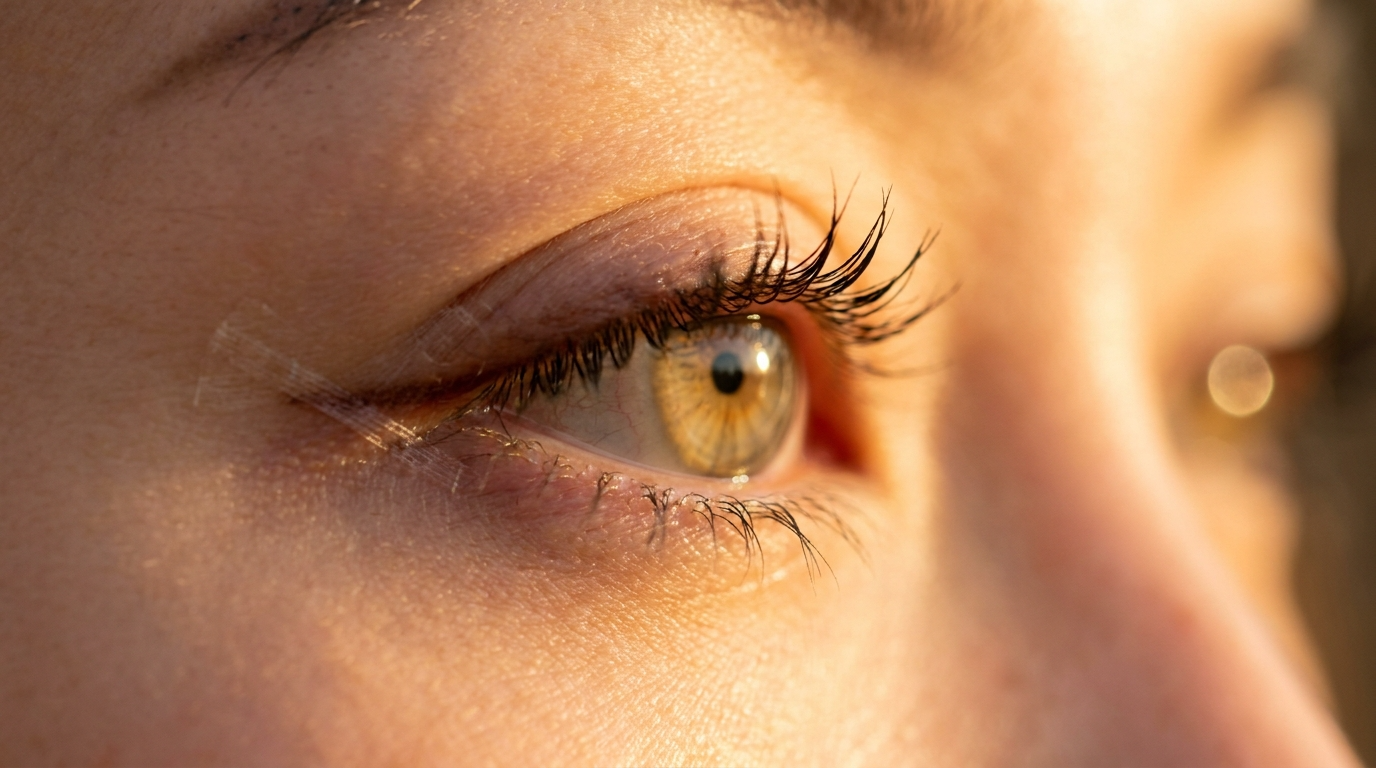
Il fascino di taglio occhi a mandorla risiede nella sua capacità di trasformare lo sguardo da ordinario a ipnotico—permanentemente. Che tu sia attratto dal fascino seducente della Occhio di volpe tendenza o dall'eleganza senza tempo di una forma dell'occhio raffinata, ottenere questo aspetto chirurgicamente richiede precisione, arte e una profonda comprensione dell'anatomia oculare. A differenza dei fili temporanei o dei trucchi di trucco, un canthoplastica offre risultati duraturi rimodellando il canthus laterale—l'angolo esterno del tuo occhio. Questa guida rivela le tecniche chirurgiche, le strategie di incisione e le informazioni sul recupero di cui hai bisogno per prendere una decisione informata e ottenere la forma dell'occhio che hai sempre desiderato.
Se ti sei mai chiesto come le celebrità ottengono i loro contorni oculari marcati e sollevati, la risposta spesso risiede in canthoplastica o nel suo cugino, canthopexy. Queste procedure non riguardano solo l'estetica—ma l'armonia. Regolando l'angolo e la posizione del canthus laterale, i chirurghi possono creare una forma a mandorla naturale che completa la tua struttura facciale. Ma ecco il punto critico: Il successo del tuo taglio occhi a mandorla dipende da due fattori critici—posizionamento dell'incisione E gestione delle cicatrici. Esploriamo come le tecniche moderne garantiscono una visibilità minima e un impatto massimo.

Sommario
Incisione Almond Eye: Posizionamento della cicatrice e guarigione
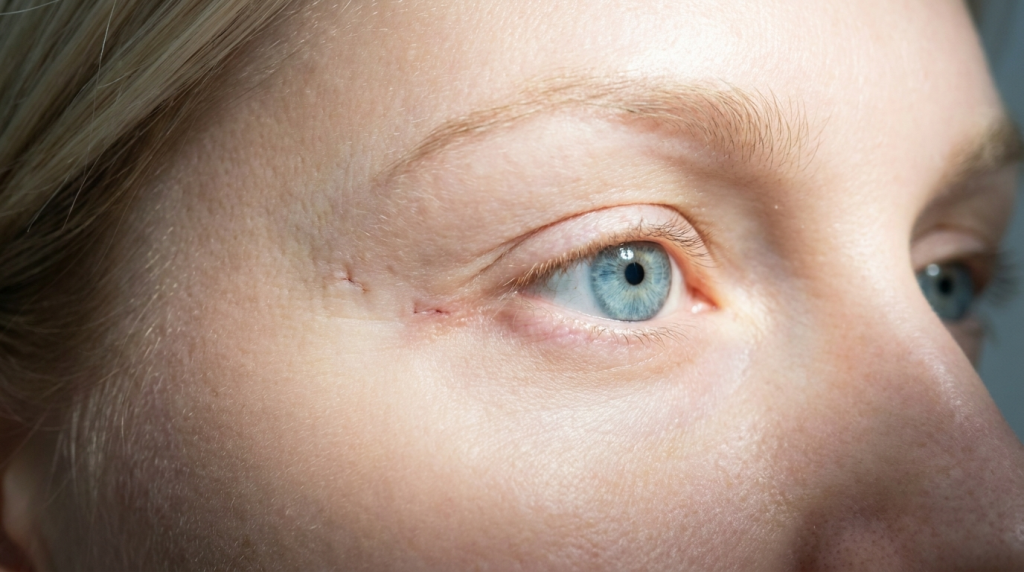
Il segreto per una transizione perfetta taglio occhi a mandorla risiede nell'incisione. Durante una canthoplastica, i chirurghi effettuano un piccolo taglio strategico al canthus laterale, dove si incontrano la palpebra superiore e quella inferiore. Questa posizione è ideale per due motivi: è naturalmente nascosta nell'anatomia dell'occhio e consente una regolazione precisa dell'angolo dell'occhio. L'incisione è tipicamente inferiore a 5 mm, garantendo che col tempo diventi quasi invisibile.
Dopo l'intervento, la cicatrice subisce un processo di maturazione. Nei primi 3 mesi può apparire leggermente rossa o rialzata, ma entro 6–12 mesi si ammorbidisce e si fonde con il tono della tua pelle. Per ottimizzare la guarigione, i chirurghi raccomandano:
- Fogli di gel al silicone: Applicati sul sito dell'incisione per ridurre il rossore e appiattire la cicatrice.
- Evitare l'esposizione al sole: I raggi UV possono scurire le cicatrici, quindi SPF 50+ è imprescindibile.
- Massaggio delicato: Dopo 2 settimane, un leggero massaggio può migliorare la circolazione sanguigna e ammorbidire il tessuto cicatriziale.
Per chi è preoccupato della visibilità, stare tranquilli: il canthus laterale è l'area meno evidente per le cicatrici, soprattutto se eseguita da un chirurgo esperto.
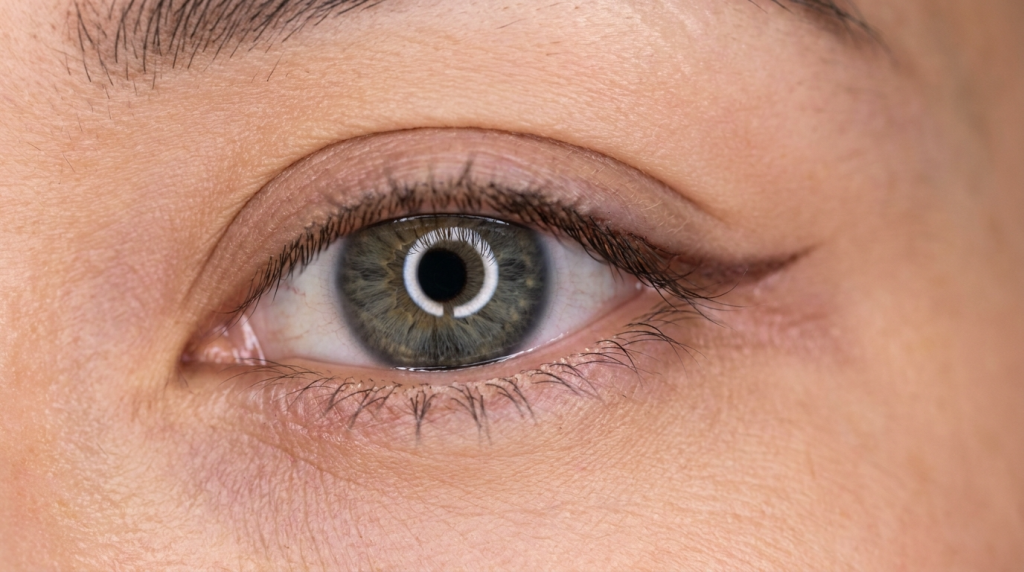
Incisioni di Canthoplastica vs. Canthopexy: Qual è la differenza?
Mentre entrambe le procedure migliorano la forma dell'occhio, le loro incisioni e gli obiettivi differiscono. Un canthoplastica prevede il taglio e il riposizionamento del canthus laterale per allungare o sollevare l'occhio, creando un effetto drammatico taglio occhi a mandorla. Al contrario, un canthopexy stringe il tendine canthale esistente senza alterarne la posizione, risultando in un sollevamento più delicato. L{BOLD_1}incisione per un{BOLD_ canthopexy è ancora più piccola, spesso nascosta nella piega naturale della palpebra.
| Procedura | Dimensione dell'Incisione | Obiettivo Primario | Tempo di recupero |
|---|---|---|---|
| Canthoplastica | 3–5 mm | Rimodella e solleva il canthus laterale | 7–10 giorni |
| canthopexy | 2–3mm | Stringi il tendine canthale | 5–7 giorni |
Raggiungere l'inclinazione laterale: la chiave per gli occhi a mandorla (Almond Eyes)"","74":"Il processo chirurgico: passo dopo passo","76":"Il taglio per gli occhi a mandorla sarà visibile?","78":"FAQ: le tue domande più frequenti sul taglio per occhi a mandorla","79":"Quanto tempo ci vuole prima che il gonfiore dell'occhio diminuisca dopo un taglio per occhi a mandorla?","80":"La procedura del taglio per occhi a mandorla è permanente?","81":"Posso indossare trucco dopo un taglio per occhi a mandorla?","82":"Il taglio per occhi a mandorla cambierà la mia vista?","83":"Qual è la differenza tra cantoplastica e blefaroplastica?","84":"Il tuo percorso verso gli occhi a
Il segno distintivo di un taglio occhi a mandorla è la sua inclinazione verso l'alto all'angolo esterno. I chirurghi ottengono questo risultato riposizionando attentamente il canthus laterale per creare un angolo di 5–15°. Il grado preciso dipende dalla simmetria del tuo viso e dagli obiettivi estetici. Un sollevamento eccessivo può apparire innaturale, mentre uno insufficiente potrebbe non dare l'effetto desiderato. Durante la consulenza, il chirurgo utilizzerà immagini digitali per mostrare l'angolo che meglio completa le tue caratteristiche.
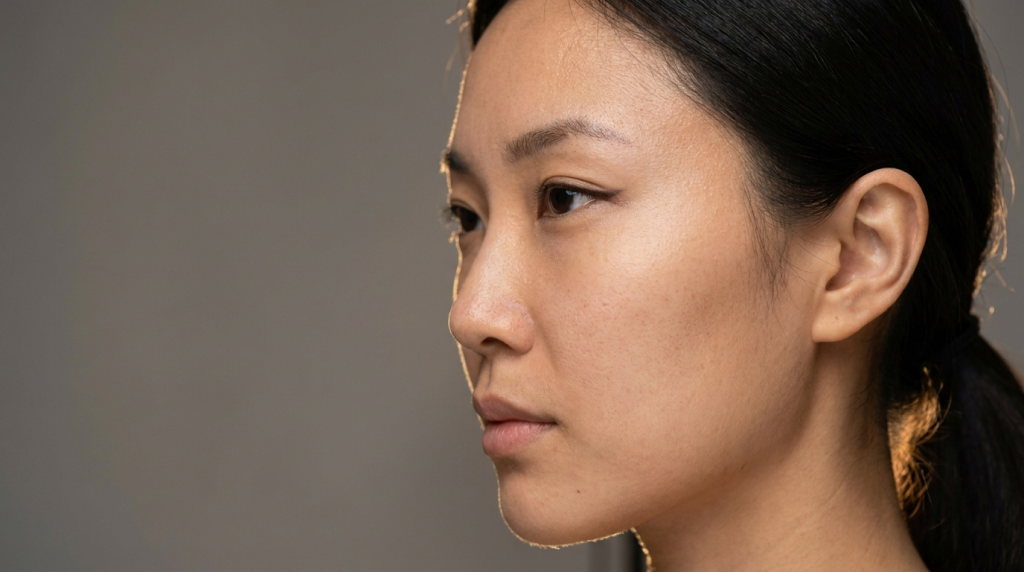
Il processo chirurgico: passo dopo passo
UN canthoplastica per un taglio occhi a mandorla viene eseguita in anestesia locale con sedazione, garantendo comfort ma veglia. L'intervento dura 60–90 minuti e segue questi passaggi:
- Incisione: Viene praticata un'incisione precisa al canthus laterale, seguendo il contorno naturale del tuo occhio.
- Regolazione del tendine: Il tendine canthale viene riposizionato per ottenere il sollevamento e l'angolo desiderati.
- Chiusura: L'incisione viene chiusa con punti di sutura riassorbibili, eliminando la necessità di rimozione.
- Recupero: Riposerai per 30–60 minuti post-operatori prima di tornare a casa con protezioni oculari.
Molti pazienti combinano il loro canthoplastica con blefaroplastica (chirurgia delle palpebre) per un ringiovanimento completo degli occhi. Questo duo affronta sia la forma che la pelle intorno agli occhi, offrendo un risultato armonioso.
Cosa aspettarsi durante il recupero
Le prime 48 ore sono cruciali per la guarigione. Potresti sperimentare:
- Gonfiore lieve: Raggiunge il picco a 24–48 ore ma diminuisce entro una settimana.
- Ematomi: Di solito si risolve in 5–7 giorni. L'arnica montana può aiutare ad accelerare questo processo.
- Tensione: Una sensazione di trazione è normale mentre il canthus laterale guarisce.
La maggior parte dei pazienti ritorna al lavoro entro 5–7 giorni, anche se le attività faticose dovrebbero essere evitate per 2–3 settimane. Entro la terza settimana vedrai 80% del risultato finale, con guarigione completa a 6 mesi.
Il taglio Almond Eye sarà visibile?
Una delle preoccupazioni più comuni è se il taglio occhi a mandorla sarà evidente. Quando eseguito da un chirurgo esperto, il risultato dovrebbe valorizzare la tua bellezza naturale senza apparire eccessivo. La chiave è la sottigliezza: Un'operazione ben eseguita canthoplastica solleva e allunga l'occhio giusto quanto basta per creare una forma a mandorla, preservando le tue espressioni facciali uniche. Gli amici potrebbero notare che sembri più fresco, ma non dovrebbero riuscire a capire il motivo.
Combinazione di procedure per risultati ottimali
Per un risultato davvero trasformativo, molti pazienti combinano il loro taglio occhi a mandorla con procedure complementari:
- Blefaroplastica: Rimuove l'eccesso di pelle o grasso dalle palpebre, migliorando il canthoplastica risultato.
- Lifting temporale: Sollevano la sopracciglia esterna per accentuare ulteriormente la forma a mandorla. Scopri di più nel nostro Guida al Sollevamento degli Occhi a Volpe.
- Trapianto di grasso: Aggiunge volume all'area sotto gli occhi per un aspetto giovanile e riposato.
Combinare le procedure non solo massimizza i risultati ma riduce anche il tempo di recupero complessivo, poiché guarisci da tutto simultaneamente.
FAQ: Le tue domande più frequenti sul taglio Almond Eye
Quanto tempo ci vuole perché il gonfiore dell'occhio diminuisca dopo un taglio Almond Eye?
Il gonfiore di solito raggiunge il picco a 48 ore e si riduce significativamente entro 7–10 giorni. La risoluzione completa richiede 4–6 settimane, sebbene la maggior parte dei pazienti si senta a proprio agio in contesti sociali dopo 1 settimana.
La procedura del taglio Almond Eye è permanente?
Sì. A differenza dei fili o filler temporanei, un canthoplastica rimodella permanentemente il canthus laterale. Tuttavia, l'invecchiamento e i fattori legati allo stile di vita possono alterare sottilmente i risultati nel tempo.
Posso truccarmi dopo un taglio Almond Eye?
Puoi riprendere il trucco dopo 10–14 giorni, una volta che l'incisione si è completamente chiusa. Opta per prodotti a base minerale per evitare irritazioni.
Il taglio Almond Eye cambierà la mia vista?
No. La procedura si concentra sul canthus laterale e sui tessuti circostanti, non sul globo oculare o sui muscoli responsabili della visione.
Qual è la differenza tra cantoplastica e blefaroplastica?
Canthoplastica rimodella l'angolo esterno dell'occhio, mentre blefaroplastica rimuove l'eccesso di pelle o grasso dalle palpebre. Spesso vengono combinati per un ringiovanimento completo degli occhi.
Il tuo percorso verso occhi Almond inizia qui
Un taglio occhi a mandorla è più di una procedura—è un investimento in fiducia ed eleganza. Rimodellando il canthus laterale con precisione, puoi ottenere uno sguardo sia sorprendente che naturale. Che tu sia attratto dal sollevamento delicato di un canthopexy o dal potere trasformativo di un canthoplastica, la chiave è scegliere un chirurgo che dia priorità sia all'arte che alla sicurezza.
Pronto a esplorare le tue opzioni? Prenota una consulenza con i nostri specialisti oggi. Ti guideremo attraverso ogni fase, dalla posizione dell'incisione al recupero, assicurandoci che i risultati siano tanto mozzafiato quanto la tua visione.