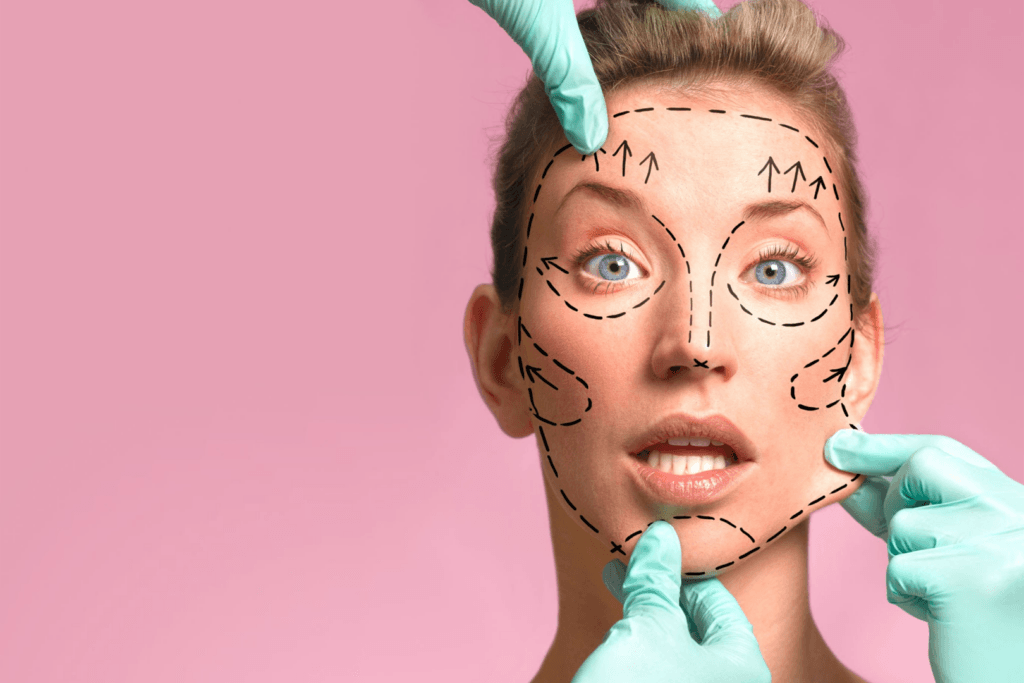
Что если каждый год, который вы тратите на ‘обдумывание’, тихо сокращает результат, который вы в итоге получите? Самый разрушительный миф об elective surgery — что чем дольше ждать, тем меньше понадобится процедура; что терпение как-то вознаграждает вас менее инвазивным вмешательством. Тканевая наука говорит об обратном: ваше тело работает по таймингу пластической хирургии по возрасту часу, и каждая крупная процедура имеет хирургическое «золотое окно», где эластичность кожи, память ткани и клеточный ремонт сходятся, чтобы обеспечить результаты, которые сохраняются на годы дольше, чем та же операция, проведённая лишь через десятилетие.
Эта статья отображает эти точные окна на основе рецензируемых гистологических данных и более чем 20 лет хирургических результатов в Хирургическая бригада. Вы увидите, почему подтяжка лица в 48 лет может длиться 12–15 лет, тогда как идентичная техника в 58 лет в среднем дает только 7–9 лет, почему результаты подтяжки груди зависят от паренхимальной целостности, о которой большинство пациентов никогда не задумываются, и почему таймингу пластической хирургии по возрасту концепция не является маркетингом — это биомеханика. К концу вы будете знать свою личную временную шкалу процедур и получите конкретный способ действовать до того, как пороги деградации закроются.
Оглавление
Кривая убывающей отдачи: почему Тайминг пластической хирургии по возрасту Не является необязательным
Хирурги шептали об этом десятилетиями — явление, видимое в каждой базе данных результатов, но редко обсуждаемое с пациентами: удовлетворённость процедурой, лёгкость осложнений и долговечность не снижаются линейно после определённого возраста. Они падают как со скалы. Кривая убывающей отдачи пластической хирургии показывает, что все три показателя достигают пика внутри конкретного окна, а затем асимметрично ухудшаются, когда качество тканей пересекает биологический порог.
Представьте график, где ось X отображает возраст пациента, а ось Y измеряет долговечность результата. В возрасте от 45 до 53 лет у пациентов после подтяжки лица кривая достигает плато в своей высшей точке — удовлетворённость выше 92%, уровень повторных операций ниже 4% и результаты сохраняются 12–15 лет. После 55 лет та же кривая резко падает. Удовлетворённость опускается до 78%, уровень ревизий поднимается до 11%, а долговечность сокращается до 7–9 лет. Хирургическая техника была одинаковой. Единственной переменной была снижение качества тканей, связанное с возрастом.
Эта асимметрия существует потому, что соединительная ткань человека не стареет линейно. Скрещивание коллагена ускоряется после менопаузы. Фрагментация эластиновых волокон достигает критического порога около 55 лет у большинства пациентов. Атрофия подкожного жира ускоряется. Слой SMAS — структурный лист, который перемещает подтяжка лица — теряет способность удерживать новое положение с той же твёрдостью. Эластичность кожи и хирургические результаты зависят от этой клеточной архитектуры, и как только она деградирует за определённый предел, ни одна техника не может полностью компенсировать.
Окно подтяжки лица: результаты подтяжки лица в 48 и 58 лет, переопределяющие ожидания
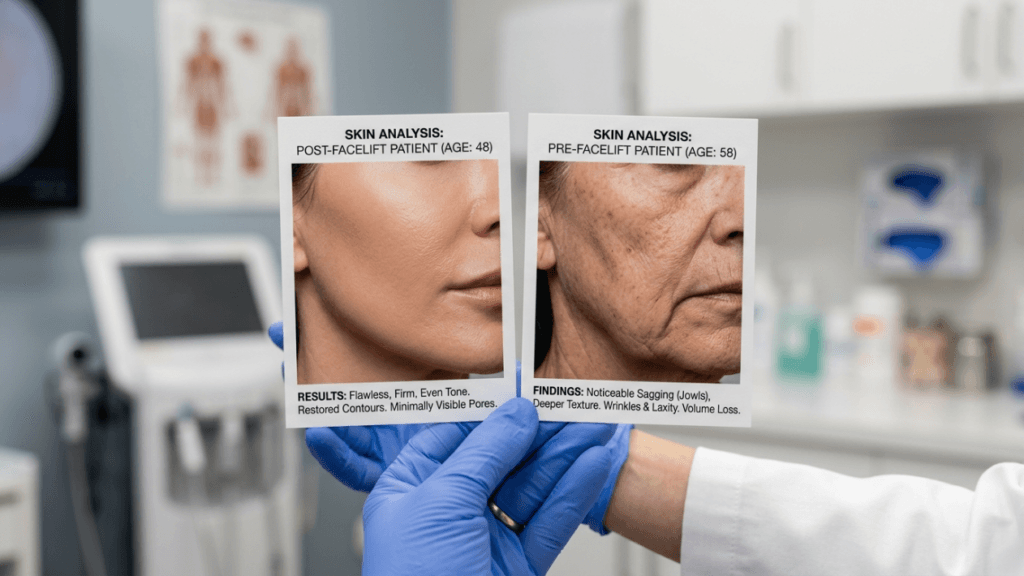
Рассмотрим процедуру, где время дает самое драматическое различие. Глубокий фасциальный лифтинг, выполненный в 48 лет, и идентичный глубокий фасциальный лифтинг, выполненный в 58 лет, технически являются одной и той же операцией. Биомеханически это совершенно разные процедуры, потому что ткань, на которой они работают, фундаментально изменилась.
В 48 лет слой SMAS всё ещё обладает достаточной внутренней эластичностью, чтобы быть перемещённым и удерживаемым собственной молекулярной структурой. Представьте, что это перемещение паруса высокого натяжения — он сохраняет новую форму, потому что ткань сопротивляется деформации. В 58 лет тот же SMAS претерпел примерно 35% больше кросс-связывания коллагеновых волокон, из‑за чего он ведёт себя больше как холст, чем как парусина. Его можно переместить, но ему не хватает молекулярного отскока, чтобы противостоять гравитационным силам в течение следующего десятилетия. Результат стабилизируется быстрее. Челюсть смягчается раньше. Пациенты возвращаются для коррекции примерно на 5–7 лет раньше.
Рассмотрите сравнительные данные из длительного наблюдения за пациентами, прошедшими первичный лифтинг в нашей клинике. Эти цифры отражают пациентов, наблюдаемых минимум десять лет после операции с стандартизированной фотодокументацией ежегодно.
| Метрика | Лифтинг в возрасте 48 лет | Подтяжка лица в 58 лет |
|---|---|---|
| Средняя продолжительность результата | 12–15 лет | 7–9 лет |
| Удовлетворённость пациентов через 5 лет | 94% | 81% |
| Уровень повторных операций в течение 10 лет | 6% | 19% |
| Тяжесть видимых шрамов (1–10) | 2,1 в среднем | 3,8 в среднем |
| Уровень осложнений (гематома, нерв) | 3.2% | 7.1% |
Доктор Мерт Мерал и доктор Берат Чигдем — посвящённая команда SURGYTEAM омоложению лица хирурги — постоянно наблюдают, что пациенты в возрасте 45–53 лет достигают того, что они называют ‘структурным сбросом’, когда репозиционированная ткань меняет саму траекторию старения. Пациенты, которые ждут до конца пятидесятых, получают улучшение, но оно больше похоже на временную коррекцию, чем на фундаментальный сброс. Это различие — структурное против временного — и есть весь аргумент в пользу действий в соответствующем возрасте. возраст подтяжки 48 против 58 лет результаты окна.

Тайминг ринопластики: память хряща при ринопластике и преимущество возрастов 18–35 лет
Носовой хрящ — самая чувствительная к форме ткань на человеческом лице, и он подчиняется строгому биологическому графику. В возрасте от 18 до 35 лет носовой хрящ сохраняет то, что хирурги называют ‘памятью хряща’ — клеточную способность ремоделироваться по новым векторам после хирургической репозиции. Хондроциты (клетки, строящие хрящ) в этом окне достаточно метаболически активны, чтобы создавать новую внеклеточную матрицу, стабилизирующую новую форму на десятилетия.
После 35 лет метаболическая активность хондроцитов начинает заметно снижаться. Хрящ постепенно теряет способность к ремоделированию. Его можно разрезать, зашить и трансплантировать — но он не будет активно укреплять результат операции так, как это делает более молодой хрящ. Практический вывод: ринопластика операция, проведённая в 28 лет, имеет уровень рецидивов примерно 3–5%, тогда как та же процедура в 45 лет приводит к росту уровня рецидивов до 9–12%, потому что хрящевой каркас не может стабилизировать новую конфигурацию столь надёжно.
Доктор MFO, специалист SURGYTEAM по ринопластика возрасту памяти хряща результатам и контурированию лица, уделяет особое внимание этому окну для пациентов, ищущих функциональную и эстетическую ринопластику. Хрящ в 28 лет не просто принимает новую форму — он её укрепляет. В 48 лет он лишь терпит её.
Почему мужчины и женщины используют один и тот же «часы» ринопластики
В отличие от процедур на груди и теле, где гормональные изменения определяют разницу во времени, старение носового хряща в значительной степени независимо от гормонов. Окно 18–35 лет одинаково применимо к обоим полам.{{{ } } } } } } } } } } } } } } } } } } } } } } } } } } } } } } } } } } } } } } } } } } } } } } } } } } } } } } } } } } } } } } } } } .
Пациенты иногда откладывают ринопластику, думая, что нос ‘примет’ лучшую форму. Нет. Носовой хрящ не самовосстанавливается. Отклонение или дорсальный горб, которые вы видите в 25 лет, будут тем же отклонением в 45 — только ткань, удерживающая коррекцию, будет значительно менее податливой. таймингу пластической хирургии по возрасту Принцип здесь действует с почти математической точностью: действуйте в рамках окна, и ваше тело завершит работу. Действуйте вне его, и ваше тело лишь терпит прерывание.
Тайминг подтяжки груди: оптимальное возрастное окно до необратимой паренхимальной атрофии
Молочная ткань проходит уникальную цепочку старения, которую хирурги редко объясняют пациентам. Между 28 и 42 годами железистая ткань груди (гланулярная ткань, обеспечивающая структурную поддержку) сохраняет достаточную плотность и кровоснабжение, чтобы поддерживать результат мастопластики в течение 10–15 лет. Это оптимальный возрастной диапазон для мастопластики, и он завершается биологическим событием, которое большинство пациентов никогда не замечают: атрофия паренхимы.
После 42 лет — и ускоряющееся после менопаузы — железистая паренхима постепенно заменяется на адпоническую (жирную) ткань. Это не косметическое изменение. Это структурное. Железистая ткань сопротивляется гравитационным силам, потому что она плотная и волокнистая. Жирная ткань предлагает минимальное структурное сопротивление. Когда хирург перемещает грудную ткань у 38‑летней пациентки, паренхима имеет достаточно внутренней опоры, чтобы удерживать новую позицию. На 52‑летнюю попытку того же манёвра пытается у.
Доктор Бора Юджель, специалист SURGYTEAM по хирургии молочной железы с сертификацией FEBOPRAS и EBOPRAS, тщательно отслеживает этот паренхиматозный переход. Его данные показывают, что пациенты, перенесшие увеличивающая мастопексия операцию в возрасте от 30 до 40 лет демонстрируют частоту рецидивов птоза ниже 8% за десять лет. Та же процедура, выполненная в возрасте от 48 до 58 лет, показывает частоту рецидивов птоза выше 22% за тот же период.
Фактор после беременности: когда окно сдвигается раньше
Беременность и кормление грудью ускоряют паренхиматозные изменения независимо от хронологического возраста. Женщина, завершившая две беременности к 34 годам, может иметь паренхиматозную плотность, эквивалентную нерожавшей женщине в 42 года. Это объясняет почему оптимальный возрастной диапазон для мастопластики должен быть откалиброван под репродуктивную историю пациента, а не только под год рождения. Консультационный процесс SURGYTEAM явно учитывает эту переменную.
Пациенты, совмещающие подтяжку груди с восстановлением объёма с помощью имплантов или пересадки жира, немного расширяют своё окно, потому что добавленный объём обеспечивает внутреннюю поддержку. Однако фундаментальная паренхимальная временная шкала остаётся прежней — структурная ткань продолжает своё преобразование независимо от наличия имплантов.
Наука абдоминопластики: тайминг абдоминопластики и крайний срок фациальных адгезий
Время проведения абдоминопластики связано с переменной, о которой большинство пациентов никогда не слышали: способностью фасции к адгезии. Фасция прямой мышцы живота — соединительная тканевая стенка, которую подтягивает абдоминопластика — теряет способность образовывать прочные хирургические адгезии с возрастом. В возрасте от 30 до 47 лет фасция прямой мышцы сохраняет достаточную активность синтеза белка для создания постоянной связи при пликации (сворачивании и наложении швов). Эти связи становятся структурным каркасом новой брюшной стенки.
После 47 лет биохимическая среда меняется. Плотность фибробластов в фасции снижается. Производство коллагена замедляется. Швы изначально держат, но биологический ‘клей’, цементирующий пликацию, слабее. Доктор Сельчук Йылмаз — специалист SURGYTEAM по абдоминопластика отмечает, что уровень рассогласования фасции (когда ремонт ослабляется) более чем удваивается, когда та же техника пликации выполняется в 55 лет по сравнению с 40.
The наука о выборе времени абдоминопластики также пересекается с дряблостью кожи. Более молодая кожа перераспределяется по новому контуру живота с меньшим натяжением, формируя более тонкие рубцы и снижая риск осложнений заживления. Более старая кожа — тоньше, менее эластичная и с ослабленным микрососудистым кровообращением — требует большего натяжения для достижения того же контура, что напрямую увеличивает риск расхождения раны, расширения рубца и замедленного заживления.
Размер диастаза: разделение прямых мышц становится труднее исправлять со временем
Диастаз прямых мышц живота — расхождение мышц живота, частое после беременности — не статическое состояние. Расстояние между прямыми мышцами постепенно увеличивается, если не устранено, а фасция вдоль средней линии прогрессивно истончается. Диастаз шириной 2 сантиметра в возрасте 35 лет может достигать 3,5 сантиметра к 50 годам, требуя более агрессивной пликации на более тонкой и слабой ткани. Хирургическая коррекция становится более обширной, тогда как способность ткани удерживать эту коррекцию ослабевает — двойная расплата за промедление.
Пациенты, перенёсшие абдоминопластику в возрасте 30–47 лет, отмечают более быстрое восстановление, более плоские окончательные контуры и более долговечную коррекцию мышечной стенки. Те, кто ждёт дольше, сталкиваются с более длительным восстановлением, более высокими показателями осложнений и результатами, которые могут потребовать более ранней коррекции. Математика этого такова снижение качества тканей, связанное с возрастом не подчиняется личным предпочтениям — она следует гистологической реальности.
Снижение качества тканей с возрастом: биохимические часы, о которых никто не говорит
Каждый хирургический результат основан на клеточной биологии. Понимание того, почему время имеет значение, требует понимания трёх конкретных биохимических процессов, которые ускоряются после определённого возраста, вызывая асимметричную деградацию, наблюдаемую в убывающей отдачи пластической хирургии кривая.
Ускорение кросс-связывания коллагена
Коллаген обеспечивает тензурную прочность вашей кожи и соединительной ткани. В ваши тридцать лет кросс‑линки коллагена увеличиваются примерно на 1–2% в год. После менопаузы (средний возраст 51 год) этот показатель возрастает до 4–6% в год. Кросс‑линкованный коллаген более жёсткий, менее эластичный и менее способен к ремоделированию при хирургическом перенастройке. Чем больше кросс‑линков, тем больше ткань сопротивляется новому положению, а не принимает его.
Фрагментация эластиновых волокон
Эластин — это белок, позволяющий ткани растягиваться и возвращаться в исходное состояние. В отличие от коллагена, ваш организм после подросткового возраста почти не вырабатывает новый эластин. То, что у вас есть в 25 лет, — это всё, что вы когда‑либо получите. Существующая сеть эластина разрушается под воздействием накопленного УФ‑излучения, окислительного стресса и гликации. К середине пятидесятых оставшаяся сеть эластина фрагментируется настолько, что растянутая кожа лишь частично возвращается в исходное状 кожная эластичность хирургических результатов радикально различаются у пациентов в конце 40‑х и 50‑х лет.
Атрофия подкожного жира и потеря объёмного каркаса
Жирные отсеки лица теряют примерно 1% объёма в год после 30 лет. Жирный слой под кожей обеспечивает каркас, удерживающий гладкость и поддержку лица. При атрофии этого жира каркас уменьшается, а кожный «пакет» становится слишком большим для убывающего объёма — как палатка, у которой shortened the poles while the fabric stays the same size. Сморщины, складки и подбородки возникают не только из‑за избыточной кожи, но и из‑за недостатка подкожного объёма. Лифтинг, который перенастраивает ткань в 48 лет,工作 с.
Эластичность кожи и хирургические результаты: невидимая переменная, определяющая видимые результаты
Два пациента могут получить идентичную хирургическую технику от одного и того же хирурга в один и тот же день и получить радикально разные долгосрочные результаты. Невидимая переменная — кожная эластичность хирургических результатов — степень, в которой ткань пациента может адаптироваться и сохранять новую позицию.
Хирурги оценивают эластичность с помощью теста «щелчок» — сжимая кожу и наблюдая, как быстро она возвращается в исходное положение. В 45 лет кожа предплечья обычно возвращается менее чем за 1,5 секунды. В 58 лет тот же тест дает время возврата 2,5–4 секунды. Эта, казалось бы, незначительная разница предсказывает, насколько хорошо любой поднятый или перемещённый тканевой участок будет удерживать свой новый вектор против гравитации в последующие годы.
Клинический вывод прост: чем более эластична ткань во время операции, тем больше ваше тело участвует в поддержании результата. Чем менее эластична, тем больше результат зависит исключительно от хирургической техники и постоянных швов — менее надёжного долгосрочного якоря, чем живой тканевой материал, активно удерживающий своё положение. Поэтому таймингу пластической хирургии по возрасту — это не о тщеславии или спешке с пациентами; это о согласовании хирургического вмешательства с максимальным биологическим сотрудничеством ткани самого пациента.
Убывающая отдача пластической хирургии: данные, которые никто не хочет публиковать
Клиники редко публикуют данные, показывающие, что одна и та же процедура дает худшие результаты в более зрелом возрасте, потому что это может отпугнуть пациентов. На самом деле такие данные должны способствовать более разумным решениям. убывающей отдачи пластической хирургии это не значит, что пациенты, вышедшие за пределы окна, не должны проходить операцию — это значит, что им следует знать точные сроки и соответственно корректировать свои ожидания, планировать возможные коррекции и финансовую подготовку.
Во всех основных процедурах, отслеживаемых в SURGYTEAM, на кривой времени выделяются три отдельные зоны. Зона оптимизации — это область, где качество ткани делает хирургические результаты наиболее прочными и долговечными. Жизнеспособная зона — это область, где результаты хорошие, но заметно менее продолжительные, и частота повторных операций возрастает. Компенсационная зона — это область, где исходы сильно зависят от модификаций техники, дополнительных процедур и более частых коррекций, чтобы приблизиться к результатам, достижимым в более ранних зонах.
Пациентка 52 лет, желающая сделать подтяжку лица, находится прямо в Жизнеспособной зоне — она получит значительное улучшение, но результат может не продлиться столько же лет, сколько при той же операции, проведенной в 48 лет. Пациентка 62 лет попадает в Компенсационную зону, где необходимы дополнительные процедуры, такие как липофилинг, поднятие средней части лица или сопутствующие кожные процедуры, чтобы приблизить результат к однопроцедурному, достижимому десятилетие назад.
Оптимальная точка хирургии контурной пластики: карта всех основных процедур
Концепция идеального хирургического момента в контурной пластике тела выходит за пределы процедур для лица. Каждая процедура контурной пластики тела имеет свой собственный гистологический срок, определяемый конкретной тканью, с которой она работает.
Для процедуры груди, срок истекает при атрофии паренхимы около 42 лет, после чего внутренняя поддерживающая структура постепенно превращается в жировую ткань с минимальной структурной целостностью. Для процедуры живота, срок истекает при снижении адгезионной способности фасции после 47 лет, увеличивая вероятность ослабления восстановления мышечной стенки со временем. Для процедуры для лица, срок истекает при переходе эластичности SMAS через критический порог около 53–55 лет, после чего перемещённая ткань не может поддерживать новый вектор.
Для пациентов, рассматривающих комбинированные процедуры, такие как Преображение мамочки, расчет времени становится аддитивным. Пациент должен находиться в жизнеспособном окне для каждой отдельной процедуры одновременно, чтобы максимизировать комбинированный результат. Вот почему мультиспециалистская координация SURGYTEAM — где доктор Юджель управляет грудным компонентом, доктор Йылмаз занимается абдоминальным ремонтом, и каждый специалист работает в рамках своего точного опыта — дает измеримо превосходные комбинированные результаты по сравнению с одним хирургом-универсалом, выполняющим все компоненты.

Оценка жизненного пути SURGYTEAM: 90‑минутная консультация по таймингу процедур
Понимая, что таймингу пластической хирургии по возрасту определяет качество результата так же, как и хирургическое мастерство, SURGYTEAM разработала оценку жизненного графика SURGYTEAM — 90‑минутную всестороннюю консультацию, которая отображает вашу личную хирургическую временную шкалу по всем потенциальным будущим процедурам. Это не стандартная предоперационная консультация. Это стратегическая сессия планирования, основанная на текущем качестве тканей, семейной истории, гормональном статусе и эстетических целях.
Что включает оценка
- Картирование эластичности тканей: Количественное измерение упругости кожи в нескольких анатомических точках с использованием стандартизированных протоколов оценки.
- Оценка плотности паренхимы: Анализ состава ткани груди, предсказывающий, как долго результат мастопексии сохранится, исходя из текущего соотношения железистой и жировой ткани.
- Оценка целостности фасции: Оценка компетентности брюшной стенки и потенциального адгезивного риска у пациентов, рассматривающих контурную пластику.
- Дорожная карта процедур на 5 и 10 лет: Персонализированный документ, показывающий, какие процедуры оптимальны сейчас, какие можно отложить, и какие окна закрываются — с указанием возрастных диапазонов для каждого вмешательства.
- Мультиспециалистический обзор: Ваша оценка рассматривается тем же специалистом, который будет выполнять каждую процедуру. Доктор Мерт Мерал рассматривает проблемы лица. Доктор Бора Юджел оценивает вопросы, связанные с грудью. Доктор Сельчук Йылмаз оценивает сроки для живота. Доктор МФО рассматривает контурирование лица и вопросы анатомии носа.
The консультация по срокам процедур заменяет догадки данными. Вместо вопроса ‘Нужно ли мне делать подтяжку лица?’ — по сути неответимого без контекста ткани — вы получаете график, который гласит: ‘Ваша ткань на пике следующие 3 года. После этого прогнозируемая долговечность результата падает примерно на 2 года за каждый год задержки’. Эта конкретика меняет решения.
Консультация по таймингу процедур: как действовать, пока окна ещё открыты
Знание без действия — лишь тревога. Вот конкретная последовательность использования таймингу пластической хирургии по возрасту данных для защиты качества вашего хирургического результата.
Шаг за шагом: построение и реализация вашего хирургического графика
- Оцените ваше текущее положение относительно оптимального окна каждой процедуры. Если вам 42 года и вы рассматриваете подтяжку груди, вы находитесь на границе оптимального окна — срочность реальна. Если вам 28 лет и вы рассматриваете ринопластику, у вас есть время, но нельзя откладывать бесконечно.
- Запросите консультацию по пожизненному хирургическому графику SURGYTEAM. Эта 90‑минутная сессия со специалистами‑хирургами сопоставляет качество ваших тканей с пороговыми значениями деградации каждой процедуры. Вы уходите с документированным планом на 5 и 10 лет.
- Отдавайте приоритет процедурам с закрывающимися окнами. Если ваша оценка показывает, что окно для подтяжки лица сужается, а окно для ринопластики остаётся открытым, запланируйте сначала омоложение лица. Процедуры, у которых наибольшие потери от задержки, получают приоритет.
- Стратегически комбинируйте процедуры, когда окна пересекаются. Пациенты, рассматривающие одновременно процедуры груди и живота в возрасте от 35 до 45 лет, могут объединить их в одной операционной сессии, максимизируя результаты в период пересечения и сокращая общее время восстановления.
- Планируйте эстетическую траекторию, а не только отдельное вмешательство. Подтяжка лица в 48 лет в зоне оптимизации часто означает, что вторичная процедура не понадобится в течение 12–15 лет. Подтяжка лица в 58 лет в зоне компенсации может потребовать небольшую коррекцию через 7 лет. Учтите этот график в планировании и бюджете.
- Запланируйте консультацию до следующего дня рождения, когда ещё один процентный пункт преимущества ткани исчезнет. Каждый год задержки после 45 лет стоит примерно 6–8% в прогнозируемой длительности лифтинга. Каждый год после 42 лет у пациентов груди стоит примерно 5% в ёмкости подкожной поддержки. Время не нейтрально — это активная переменная, которая вычитает из вашего конечного результата.
- Приверженность сроку, а не только процедуре. Разница между результатом, который длится 15 лет, и результатом, который длится 8 лет, не в операции — а в том, когда она проводится. Уважайте сроки, и они отблагодарят вас долговечностью, которую откладывание никогда не сможет заменить.
Каждый год, потраченный на размышления, — это год, когда ваша ткань теряет способность доставить тот результат, который вы себе представляете. The таймингу пластической хирургии по возрасту Данные ясны: окно не ждёт. Запланируйте консультацию SURGYTEAM Lifetime Surgical Timeline сегодня и отобразите свои оптимальные окна процедур, пока они не закрыты.
Почему подтяжка лица в 48 лет длится дольше, чем в 58?
В 48 лет слой SMAS всё ещё сохраняет достаточную внутреннюю эластичность, чтобы удерживать переставленное положение за счёт молекулярного отскока. К 58 годам кросс‑линкинг коллагена увеличился примерно на 35%, делая ткань более жёсткой, как канвас, а не эластичную ткань под высоким напряжением, что приводит к тому, что результат оседает и рецидивирует гораздо раньше.
Как атрофия паренхимы груди влияет на долговечность подтяжки?
Паренхима атрофируется, заменяя плотную поддерживающую железистую ткань на жировую, которая предлагает минимальное структурное сопротивление. При грудиной с подъёмом, когда поддерживающая паренхима снижена, гравитация быстрее тянет грудь вниз, вызывая рецидивирующее провисание раньше, чем при той же операции, выполненной с целой паренхимой.
Может ли хирургическая техника компенсировать ухудшение качества тканей у пожилых?
Продвинутые техники могут частично компенсировать старческую ткань, но они не могут воспроизвести биологическое взаимодействие, которое предоставляет молодёжная ткань. Модификации техники помогают, однако фундаментальное ограничение остаётся: переставленная ткань, которая не может активно удерживать новое положение, всегда будет оседать быстрее, чем ткань, которая может.
Что такое консультация по процедурному таймингу SURGYTEAM?
Это 90‑минутное комплексное оценивание, в ходе которого специализированные хирурги строят ваш личный хронометраж всех потенциальных процедур. Вы получаете измерения эластичности ткани, оценку паренхимы, фасциальный анализ и задокументированную дорожную карту на 5 и 10 лет, проверенную тем же специалистом, который будет выполнять каждую операцию.
Почему у ринопластики более узкое оптимальное возрастное окно?
Носовой хрящ содержит хондроциты, которые активно ремоделируют и укрепляют хирургические изменения. После примерно 35 лет метаболическая активность хондроцитов заметно снижается, уменьшая способность хряща стабилизировать новые формы. Это приводит к значительно более высоким показателям ревизии, когда ринопластика выполняется у более старших пациентов.
Применяется ли окно тайминга к нехирургическим процедурам?
Ненон‑хирургические процедуры, такие как филлеры и реструктуризация кожи, имеют менее критичные временные окна, потому что они не зависят от перемещения ткани. Однако они лучше дополняют хирургические процедуры, когда базовая хирургическая основа сильная, то есть правильное планирование хирургических вмешательств также улучшает результаты ненон‑хирургических методов.
Сколько долговечности результата я теряю за каждый год задержки после оптимального окна?
Данные показывают примерно потерю 6‑8% в прогнозируемой длительности подтяжки лица за каждый год задержки после окна 45‑53 лет. Пациенты, делающие подъём груди, теряют примерно 5% паренхимальной поддерживающей ёмкости в год после 42 лет. Эти проценты накапливаются, делая даже задержку в 2 года клинически значимой для долгосрочных результатов.