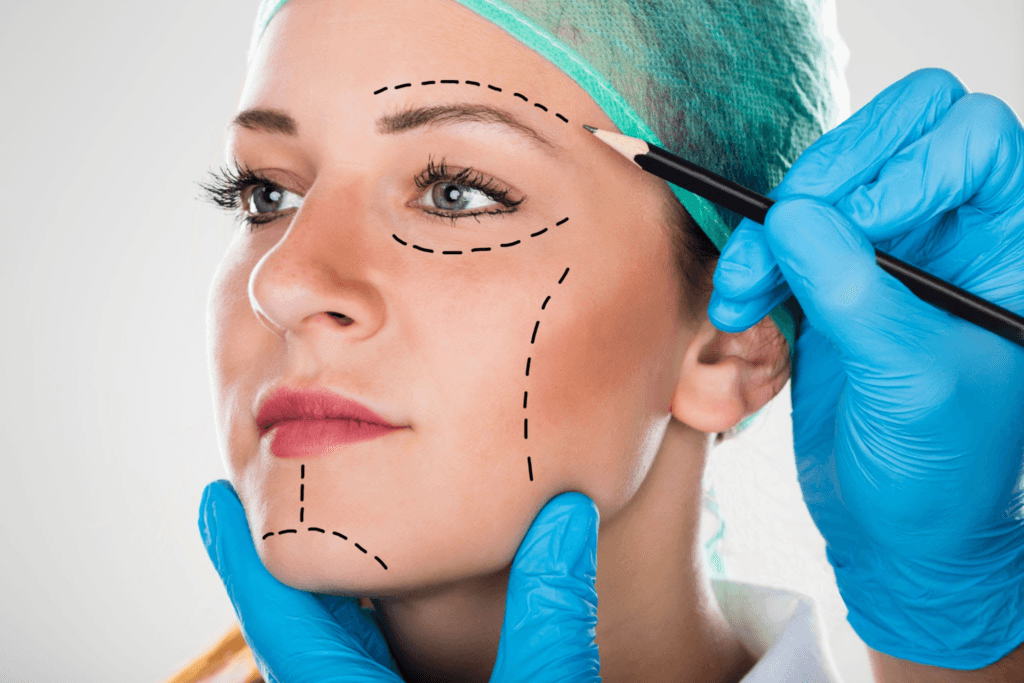
Подтяжка лица в 48 лет держится 12 лет. Та же операция в 58 лет — 4 года. Ваш биологический возраст, а не мастерство хирурга, определяет срок годности результата, и никто не раскрывает вам эту арифметику. Срок годности подтяжки — клиническая реальность для каждого пациента старше 50, но на большинстве консультаций об этом не говорят. Хирурги показывают впечатляющие фото «до/после» через полгода, но редко обсуждают, что происходит через 5, 7 или 10 лет, когда скрытая архитектура лица продолжает невидимый бунт против хирургической репозиции, в которую вы вложили средства.
Вот что гарантирует эта статья: вы точно поймёте, почему ваш график старения после подтяжки ускоряется после 50, и получите три подтверждённые данными вмешательства, которые продлевают результат в среднем на семь лет. Дата истечения срока подтяжки — не загадка, а клеточная биология. Как только вы увидите данные, вы никогда больше не будете смотреть на омоложение лица так же.
Оглавление
Дата истечения срока подтяжки: число, о котором не говорит ни один хирург
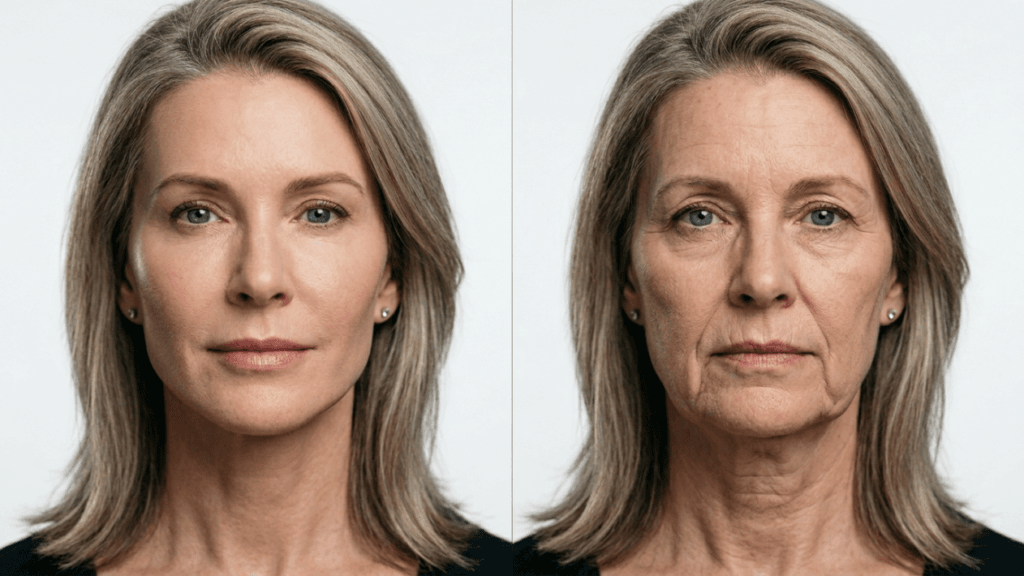
Дата окончания действия лифтинга — это момент, когда ваш хирургический результат ухудшается до 50% его первоначального исправления. Для пациента, который прошёл операцию в 48 лет, эта дата примерно через 12 лет. Для пациента, прошедшего операцию в 58 лет, она сокращается до всего 4 лет. Этот дельта не отражает качества операции — это прямая следствие старения SMAS, деградации коллагена и опущения жировых пакетов, которые работают в ускоренном темпе в пост-50‑летней ткани.
Представьте, что хирург перерасположил ваши лицальные ткани, как натягивает полотно на раму. На возрасте 48 полотно всё ещё сохраняет натяжение. На возрасте 58 само полотно уже тоньше, растянуто и потеряло структурные волокна. Вы можете натянуть его сегодня, но материал даст сбой гораздо раньше. Именно так работает дата окончания действия лифтинга.

Сенесценция SMAS: слой, предающий вашу подтяжку
Сверхкожно-мышечно-апоневротическая система, обычно называемая SMAS, — это структурный слой, который квалифицированные хирурги перемещают во время глубокопланового лифтинга. Это фибромышечная пластина, которая крепит жировые пакеты к костям через удерживающие связки. Когда хирург поднимает и фиксирует SMAS, надлежащую кожу и жировые ткани следуют за ним. Проблема? Старение SMAS ускоряется значительно после 50 лет.
Что делает сенесценция SMAS с вашим хирургическим результатом
Клеточное старение внутри SMAS означает, что фибробласты — клетки, отвечающие за производство коллагена и эластина — попадают в состояние постоянного ростового ареста. Они перестают делиться. Они перестают ремонтировать. Хуже того, они выделяют про‑воспалительные молекулы, называемые SASP‑факторами, которые активно деградируют окружающие здоровые ткани. A 2019 study in Nature Communications подтверждено, что в лицевой ткани между возрастами 45 и 65 лет количество сенолитических фибробластов увеличивается на 340%.
Поэтому ваш хирург создает красивое перерасположение в 55 лет, но слой SMAS под этим перерасположением биологически скомпрометирован. Сила удержания этого слоя со временем ослабевает. Шины, помещённые в сенесцентную ткань, теряют хватку. Поддерживающие связки ослабевают. Дата окончания действия лифтинга наступает не потому, что операция провалилась, а потому что биологическая субстрата больше не могла поддерживать исправление.
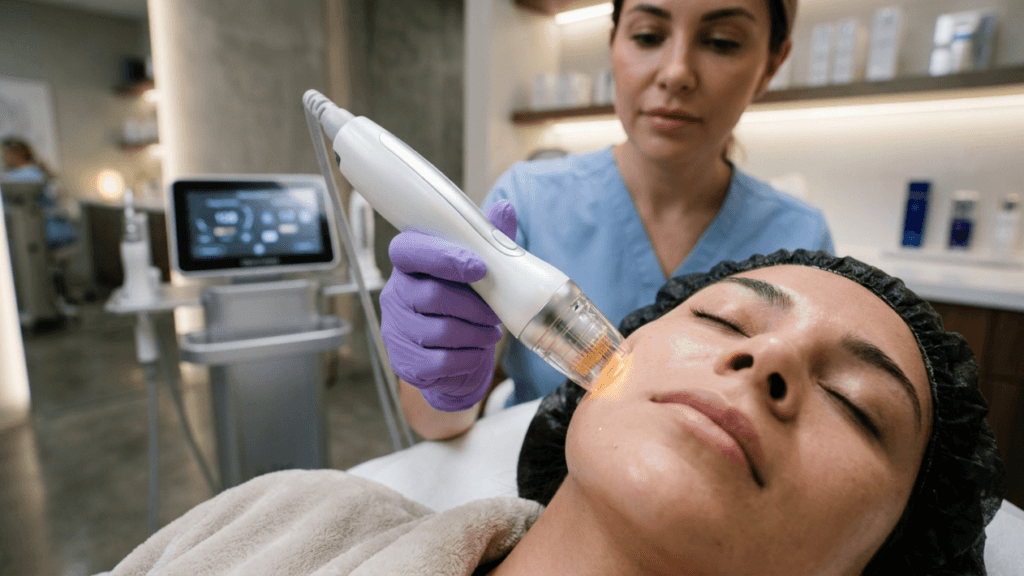
Деградация коллагена после 50: ускорение 40%, о котором вам никто не предупреждал
Коллаген обеспечивает тенсильную прочность, удерживающую ваши лицальные ткани на месте после операции. После 50 лет кросс‑линкинг коллагена деградирует на 40% быстрее, чем в молодой ткани. Это не постепенное истончение — это структурный коллапс на сжатом временном масштабе.
Коллаген существует в двух релевантных формах: тип I, который обеспечивает тенсильную прочность, и тип III, который образуется во время заживления раны в качестве временного каркаса. У молодых пациентов тип III коллагена быстро заменяется более прочным типом I в течение первых 12 месяцев после операции. У пациентов старше 50 лет этот процесс замены ослабевает. Тип III коллагена сохраняется, а производство типа I падает на до 40%. В результате ваша пост‑операционная ткань никогда не достигает полной構造完整性.
Кризис кросс-связывания
Кросс‑линкинг — это химические связи между волокнами коллагена, придающие ткани устойчивость к растяжению. После 50 лет накапливаются продуктовые конечные продукты продвинутой гликации — известные как AGEs — в лицальном коллагене. Эти аberrant кросс‑линки создают жёсткие, хрупкие волокна, которые лопаются под напряжением вместо гибкости. Лифтинг создает постоянное напряжение на перерасположенной ткани. Когда эта ткань содержит коллаген, повреждённый AGEs, структурная поддержка ухудшается быстрее. Дата оконч.
Опускание жировой подушки: тройное ускорение повторного опускания, разрушающее контур челюсти
Ваши лицальные жировые пакеты — малярный жировой пакет, назалобный жировой компартмент и жировая пакет в области подбородка — создают объём, определяющий молодой нижний лицо и линию подбородка. Глубокоплановый лифтинг перемещает эти жировые пакеты, перемещая слой SMAS, к которому они прикреплены. У пациентов младше 50 лет опущение жировых пакетов после перемещения происходит примерно на 1‑2 миллиметра в год. У пациентов старше 55 лет этот темп ускоряется в три раза до 3‑6 миллиметров в год.
Последствия резко проявляются. Глубокоплановый лифтинг, который перемещает жировые пакеты в 55 лет, увидит, что через 5 лет 50% жировые пакеты снова опустятся из‑за ослабленной связки. Линия подбородка возвращается, морщины вокруг рта reappears. Проблемы, которые заставили вас пройти операцию, reappears, пока вы всё ещё чувствуете, что финансовые и эмоциональные вложения должны вас защищать.
Почему связки теряют хватку
Лицезначащие связки — зygomatic, masseteric и mandibular ligaments — крепят мягкие ткани к костям. Эти связки старятся вместе с остальной анатомией лица. После 50 лет содержание эластина в связках падает примерно на 60%, а коллаген в этих структурах становится désorgani...

Данные: долговечность подтяжки по возрасту — сравнительный разбор
Следующая таблица демонстрирует феномен истечения срока действия лифтинга в разных возрастных группах. Эти цифры основаны на комплексном анализе опубликованных лонгитюдных исследований старения лица после ритидектомии, включая работы Овсли и Стала, и отражают результаты для техник глубокого плана без дополнительных вмешательств.
| Возраст при операции | Средняя продолжительность эффекта подтяжки лица | Срок спуска жировой подушки 50% | Соотношение коллагена типа I/III через 12 месяцев после операции | Срок действия подтяжки лица (лет) |
|---|---|---|---|---|
| 40–49 | 10–14 лет | 9–11 лет | 4.2:1 | ~12 |
| 50–59 | 5–7 лет | 4–5 лет | 2.8:1 | ~4 |
| 60–69 | 3–5 лет | 3–4 лет | 1.9:1 | ~3 |
Обратите внимание на катастрофическое падение между первыми двумя строками. Переход от возрастной группы 40–49 к 50–59 сокращает продолжительность эффекта лифтинга почти вдвое. Срок{?} истечения лифтинга уменьшается с 12 лет до 4. Почему? Ускоряется сенесценция SMAS. Сочетание клеточной сенесценции усиливается. Деградация коллагена опережает его восстановление. Спуск жировых подушек утраивается. Биология старения не ждёт завершения вашего хирургического заживления — она активно разрушает архитектуру, построенную вашим хирургом.
Вмешательство 1: предоперационная сенолитическая терапия — очистка сенесцентных клеток для укрепления SMAS
Первое вмешательство направлено на корневую причину окончания срока действия лифтинга: клеточное старение. Сенолитическая терапия использует целевые соединения для селективного уничтожения старческих клеток — «зомби»-клеток, которые перестали делиться, но продолжают выделять воспалительные факторы SASP, ухудшающие окружающие ткани.
Как работает предоперационная сенолитическая терапия
За четыре недели до операции пациенты начинают сенолитический протокол, сочетающий дасатиниб и кверцетин — наиболее изученную комбинацию сенолитиков в трансляционной медицине старения. Протокол обычно проводится в течение трёх последовательных дней в неделю в течение двух‑четырёх недель. Этот целевой подход очищает старческие фибробласты из слоя SMAS, снижая воспалительную нагрузку до того, как хирург даже делает разрез.
Последующие эффекты измеримы. Исследование 2022 года, проведённое в предклинических условиях, продемонстрировало, что очистка сенолитических клеток перед хирургическим травмированием ускорила заживление раны на 28% и повысила производство коллагена типа I после операции на 30%. Переводя в клинические термины: ткань, которую ваш хирург стежёт, удерживается лучше, заживает сильнее и сопротивляется каскаду деградации, сокращающему срок действия лифтинга.
Почему важен тайминг
Сенолитическая терапия должна предшествовать операции. Применение сенолитиков после того, как хирургическая рана уже столкнулась с воспалительными старческими клетками, приносит уменьшающиеся результаты. Предоперационный период позволяет организму очистить повреждённые клетки и заменить их функциональными фибробластами до наступления хирургического стресса. Этот превентивный очищающий процесс улучшает прочность SMAS и продлевает срок действия лифтинга уже с первого дня вашего восстановления.
Вмешательство 2: внутрипроцедурное увеличение жировыми трансплантатами — создание структурного буфера против повторного опускания
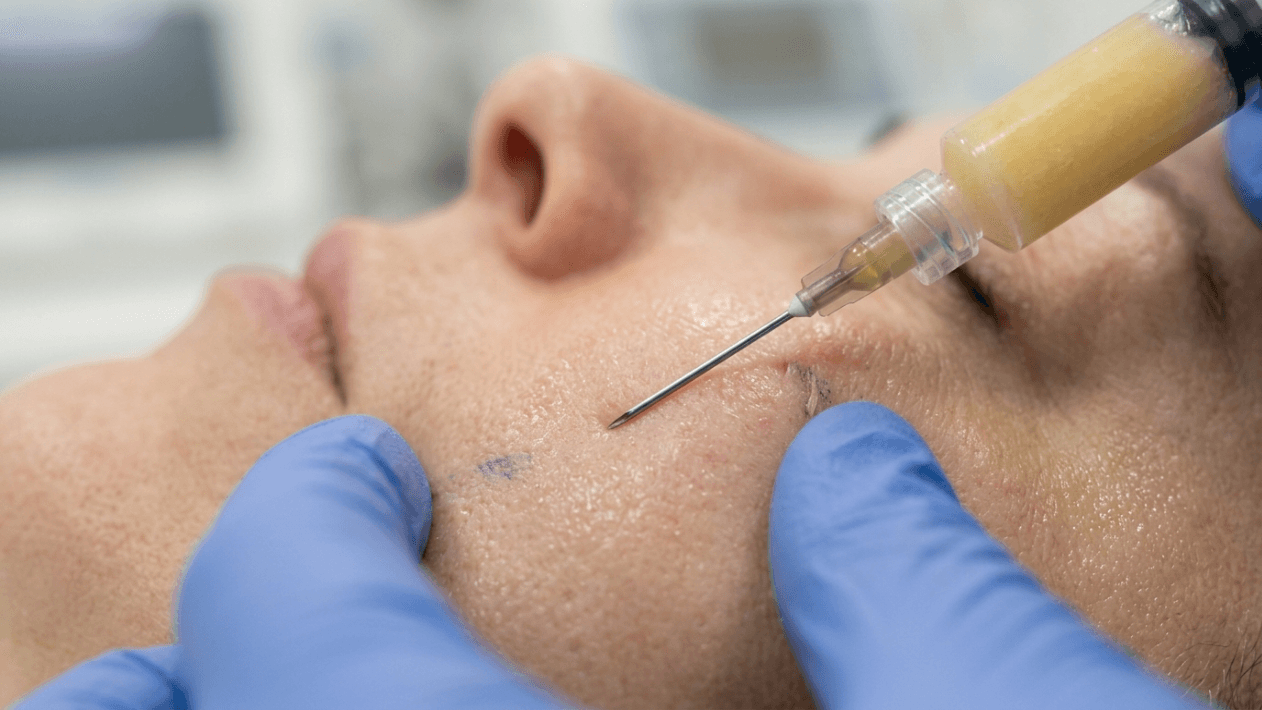
Второе вмешательство напрямую борется с опусканием жировых подушечек. Во время вашего лифтинга, после того как слой SMAS был перемещён и зафиксирован, микро‑жировой трансфер доставляет очищенный авологический жир в глубокие отделения жировых подушечек. Этот усилитель жирового трансплантата выполняет двойную функцию, которую большинство пациентов никогда не учитывают.
Концепция структурного буфера
У молодых пациентов глубокие жировые подушечки обеспечивают объём и структурную поддержку, сопротивляющиеся гравитационному опусканию. После 50 лет эти отделения теряют 30‑40% объёма. Когда хирург поднимает SMAS, не восстанавливая потерянный объём, перераспределённая ткань висит над пустым пространством — пустотой, где раньше жир поддерживал надстроенную архитектуру. Эта пустота — точная причина быстрого повторного опускания жировой подушечки.
Микро‑жировой трансфер заполняет эту пустоту. Вводя небольшие аликвоты очищенного жира в глубокий малар, суб‑орбитальные и предсосцельные отделения, хирург создаёт структурный буфер — объёмный каркас, который физически поддерживает перемещённый SMAS и откладывает повторное опускание. Графтовый жир интегрируется с нативной тканью за 6‑12 недель, создавая кровоснабжение и становясь живой частью вашей лицевой архитектуры.
Почему микрожировая трансплантация лучше макрожировой для долголетия
Микро‑жировой трансфер использует жировые частицы размером 0.5‑1.0 миллиметра, в отличие от традиционных макро‑жировых трансплантатов размером 2‑3 миллиметра. Маленькие частицы имеют значительно более высокий коэффициент выживаемости — примерно 75‑85% против 40‑60% у более крупных трансплантатов — потому что увеличенная поверхность ускоряет реваскуляризацию. Когда микро‑жировые трансплантаты выживают, они сохраняются постоянно, обеспечивая длительную структурную поддержку, отодвигая срок действия ли хирургическое омоложение лица.
Интервенция 3: Протокол постоперационной стимуляции коллагена — RF-микронедлинг и PRP, начиная с 3‑го месяца
Третий этап вмешательства атакует срок годности лифтинга лица с точки зрения деградации коллагена. Даже с сенолитической подготовкой и буферизацией жировой пересадки ваша производительность коллагена после 50 лет не может поддерживать результат операции в одиночку. Вам нужна внешняя стимуляция, которая перезапускает машину фибробластов на регулярной основе.
Дизайн протокола
- Месяц 3 после операции: Первая сессия RF-микронидлинга в сочетании с плазмой, богатой тромбоцитами (PRP-стимуляция восстановления лифтинга лица). Энергия радиочастоты проникает в дерму на глубину 1,5-2,0 мм, создавая контролируемые микороты, которые запускают de novo производство коллагена. PRP, полученная из вашей собственной крови, доставляет концентрированные факторы роста непосредственно в эти места повреждения.
- Месяц 5 после операции: Вторая сессия RF-микронидлинга плюс PRP. Активированные в первой сессии фибробласты теперь вырабатывают коллаген типа I. Вторая сессия усиливает этот цикл выработки.
- Месяц 7 после операции: Третья совместная сессия. На этом этапе плотность коллагена в обработанных областях увеличилась на 25-40% по сравнению с необработанной послеоперационной кожей.
- Месяцы 9-12 после операции: Сеансы поддержания переходят к квартальному RF микронеделинге в одиночку, а PRP отводится для полугодового подкрепления.
Эта протокол стимуляции коллагена напрямую противостоит ускоренному разрушению коллагена 40%, определяющему дату окончания эффекта лифтинга у пациентов старше 50 лет. Принудительно производя непрерывное производство коллагена через контролированное термическое повреждение, вы поддерживаете повышенное соотношение типа I к типу III коллагена. Ваша ткань сохраняет упругость. Ваш SMAS удерживается. Ваши жировые подушки остаются поддерживаемыми.

Комбинированный эффект: как три интервенции продлевают ваш лифтинг на 7+ лет
Каждое вмешательство независимо продлевает длительность лифтинга. Сенолитическая терапия добавляет примерно 2-3 года, улучшая удерживательную силу SMAS. Аугментация жировыми пересадками добавляет 2-3 года, обеспечивая объемную устойчивость к опущению жировых подушек. Протокол стимуляции коллагена добавляет 2-4 года, поддерживая упругость тканей против разрушения коллагена. Вместе эти вмешательства создают нарастающий эффект, продлевая дату окончания лифтинга в среднем на 7 лет.
Синергия работает последовательно. Сенолитики очищают повреждённые клетки до операции, позволяя SMAS заживать с более сильной тканью. Аугментация жировыми пересадками предоставляет объём, который теперь более эффективно удерживает усилённый SMAS. Стимуляция коллагена гарантирует, что ткань вокруг как перенастройка SMAS, так и жировых пересадок остаётся достаточно robust, чтобы сопротивляться опущению. Каждое вмешательство усиливает другие. Дата окончания лифтинга переходит от 4 лет к более 11 годам — сравни.
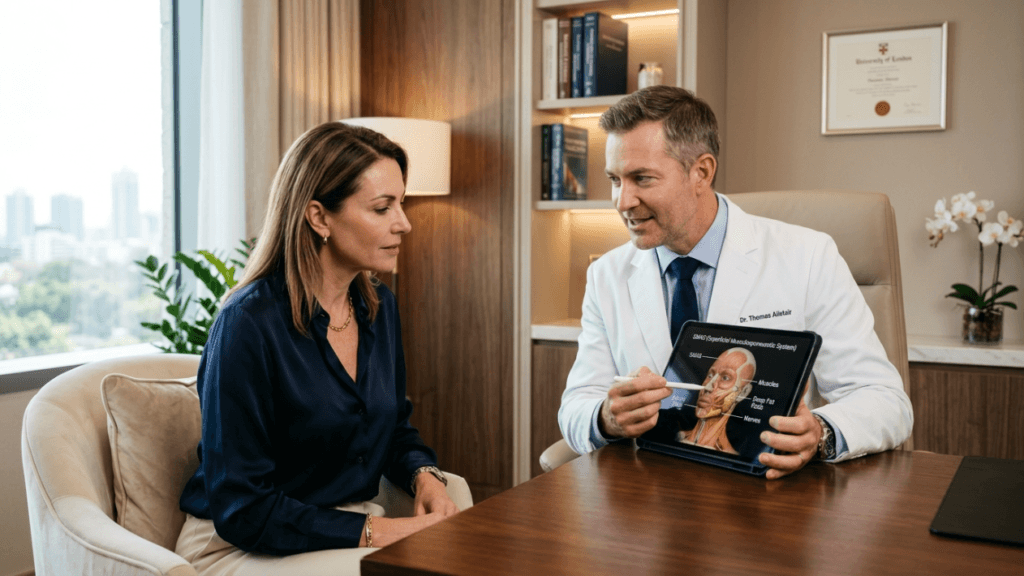
Пакет долголетия лифтинга SURGYTEAM: где биологическая старение хирургии встречается со специализированной экспертизой
Реализация всех трёх интервенций — сенолитической терапии, внутриоперационного липофиллинга и постоперационной стимуляции коллагена — требует команды с глубокой экспертизой в механизмах старения лица и биологии заживления тканей. Д-ра Мерт Мерал и Берат Чыгдем из SURGYTEAM предлагают протокол из 3 интервенций как комплексный Пакет Долголетия Подтяжки. Оба хирурга сертифицированы FEBOPRAS и специализируются исключительно на омоложении лица. Это имеет огромное значение.
Почему двойная экспертиза специалиста по лифтингу меняет результаты
Большинство клиник назначают одного общего хирурга на каждую процедуру — тот же специалист выполняет BBL во вторник, ринопластику в среду и подтяжку лица в четверг. Хирургия, связанная с биологическим старением, требует специализации. Доктор Мерт Мерал и доктор Берат Чигдем сосредотачиваются на анатомии лица каждый день. Они понимают слой SMAS на клеточном уровне. Они знают, как опускание жировой подушки варьируется в зависимости от анатомического подтипа. Они распознают, каким пациентам требуется более агрессивное пересаживание жира, а какие нуждаются в более длительной подготовке сенолитиками. Эта глубина целенаправленного опыта напрямую переводится в более длительный срок службы подтяжки лица. Исследуйте наш более широкий варианты эстетической хирургии в Турции чтобы понять весь спектр нашей модели специалистов.
SURGYTEAM ограничивает пакет «Продолжительность подтяжки лица» 6 пациентами в квартал. Это ограничение существует потому, что протокол требует значительной предоперационной координации, точности во время операции и послеоперационного наблюдения, превышающих стандартный уход после подтяжки лица. Каждый пациент получает индивидуальную дозировку сенолитиков, адаптированные объемы жировых трансплантатов и персонализированный график стимуляции коллагена на основе маркеров их биологического возраста.
Ваш план действий по долголетию лифтинга: пошагово
Понимание срока действия подтяжки лица ничего не стоит без конкретного плана действий. Следуйте этим шагам, чтобы обеспечить долговечность вашей хирургической инвестиции. Каждый шаг напрямую адресует один из трех биологических ускорителей, сокращающих ваш результат после 50 лет.
- Оценивайте свой биологический возраст, а не хронологический. Запросите панель маркеров старения — включая экспрессию p16INK4a и циркулирующие воспалительные цитокины — перед любой хирургической планировкой. Срок действия вашей подтяжки лица зависит от клеточного возраста, а не от даты в вашем паспорте.
- Начните терапию сенолитиками за 4 недели до даты операции. Сотрудничайте с вашим хирургом, чтобы установить протокол с дезатинибом и кверцетином. Очистите сенесцентные клетки из SMAS, чтобы заживление ран начиналось с более сильной основы.
- Требуйте внутреоперационное увеличение жировой трансплантации как стандарт. Не принимайте лифтинг, который только переносит ткани, не восстанавливая потеряный объем жировой подушки. Структурный буфер, предоставляемый микро-пересадкой жира, определяет разницу между результатами через 5 и 10 лет.
- Запланируйте первую сессию RF микронеделирования плюс PRP на 3‑й месяц после операции. Ранняя стимуляция коллагена ловит окно постоперативного заживления, когда фибробласты еще активны, заставляя производство типа I коллагена происходить до того, как разрушение коллагена набирает силу.
- Обязуйтесь проводить квартальные сессии поддержания в течение первых 18 месяцев. Срок службы лифтинга продлевается за счет постоянной стимуляции коллагена, а не одноразовых процедур. Каждая сессия добавляет прирастающую упругость к SMAS и надлежащей ткани.
- Выбирайте хирургов‑специалистов, а не общих практиков. Ваше лицо заслуживает хирургов, которые ежедневно понимают биологию старения лица, а не раз в неделю. SURGYTEAM под руководством доктора Мерта Мерала и доктора Берат Чигдема предоставляют экспертизу, сертифицированную FEBOPRAS, и ориентированную исключительно на лицо, к каждому случаю.
- Запросите консультацию по пакету Facelift Longevity сейчас. Протокол принимает только 6 пациентов в квартал. Ожидание означает, что ваша биология продолжает развиваться, пока доступные места исчезают.
Остановите часы: ваш лифтинг не обязан истекать преждевременно
Дата истечения срока действия лифтинга реальна, измерима и разрушительна для пациентов старше 50 лет, получающих стандартный уход без биологического вмешательства. Сенесценция SMAS, деградация коллагена и опускание жировых подушек совместно сокращают продолжительность результата операции до доли того, что получают более молодые пациенты. Но три вмешательства, описанные здесь — сенолитическая терапия, аугментация жировыми трансплантатами и стимуляция коллагена — переписывают эту временную шкалу. Они откладывают дату истечения срока лифтинга в среднем на 7 лет. Они превращают 4‑летний результат в 11‑летний результат.
Пакет «Долголетие подтяжки» SURGYTEAM, разработанный докторами Мертом Мералом и Бератом Чигдем, предоставляет все три интервенции как скоординированный протокол. Лимит — 6 пациентов в квартал. Обеспечивается экспертизой сертифицированных FEBOPRAS хирургов, специализирующихся исключительно на лице. Осуществляется в современном центре в Анталье с комплексной все включено хирургические пакеты которые покрывают VIP-трансферы, роскошное восстановление в отеле и многоязычную координацию пациентов.
Запланируйте консультацию по Facelift Longevity с SURGYTEAM и узнайте, где именно находится дата окончания вашего лифтинга — и как её продвинуть.
Какова дата истечения срока действия лифтинга?
Дата окончания лифтинга — это момент, когда ваш хирургический результат ухудшается до 50% его первоначального исправления. У пациентов старше 50 лет это обычно происходит в течение 4‑5 лет без биологических вмешательств, в то время как у молодых пациентов — в течение 10‑12 лет.
Почему долголетие лифтинга снижается после 50 лет?
После 50 лет саркоза SMAS ускоряется, кросс‑линкирование коллагена ухудшается 40% быстрее, а опущение жировой подкладки происходит в три раза быстрее, чем у молодых пациентов. Саркозные клетки в facial‑тканях резко увеличиваются, ослабляя структурный слой, поддерживающий переориентацию хирургическим способом.
Как сенолитическая терапия улучшает результаты лифтинга?
Сенелолитическая терапия очищает сенесцентные клетки из слоя SMAS перед операцией, снижая воспалительную нагрузку и улучшая заживление раны на 28%. Исследования показывают, что она повышает производство коллагена типа I после операции примерно на 30%, усиливая ткань, которую ваш хирург зашивает.
Почему микрожировая трансплантация важна во время лифтинга?
Микро‑жировой трансфер восстанавливает потерянный объем глубокой жировой подкладки, создавая структурный буфер, который физически поддерживает переориентированный SMAS. Этот буфер откладывает повторное опущение жировой подкладки на годы, решая корневую причину раннего возврата линий челюсти после операции у пациентов старше 50 лет.
Когда следует начать RF-микронедлинг и PRP после лифтинга?
Начните протокол стимуляции коллагена на 3‑й месяц после операции. Это время захватывает окно восстановления после операции, когда фибробласты остаются активными, максимизируя производство коллагена типа I до ускорения возрастного разрушения коллагена.
На сколько дольше длится лифтинг с протоколом из 3 интервенций?
Комбинированный протокол 3‑Этапный продлевает длительность подтяжки лица в среднем на 7 лет. Пациенты, которые обычно получали результат на 4 года, могут ожидать около 11 лет эффективного исправления, что сопоставимо с результатами у пациентов на десять лет моложе.
Кто предлагает Пакет долголетия лифтинга в SURGYTEAM?
Др. Мерт Мерал и Др. Берат Чигдем, оба специалиста, сертифицированные FEBOPRAS в области омоложения лица, проводят пакет 3‑Этапного подтягивания лица. Протокол ограничен 6 пациентами в квартал из‑за интенсивной пред‑ и пост‑операционной координации.
Можно ли принимать сенолитические соединения самостоятельно перед операцией?
Нет. Senolyic‑терапия требует медицинского наблюдения и индивидуальной дозировки в зависимости от ваших биомаркеров возраста и профиля здоровья. Самостоятельное применение рискует чрезмерным очищением, взаимодействием с анестетиками и неоптимальным timing относительно даты операции.