
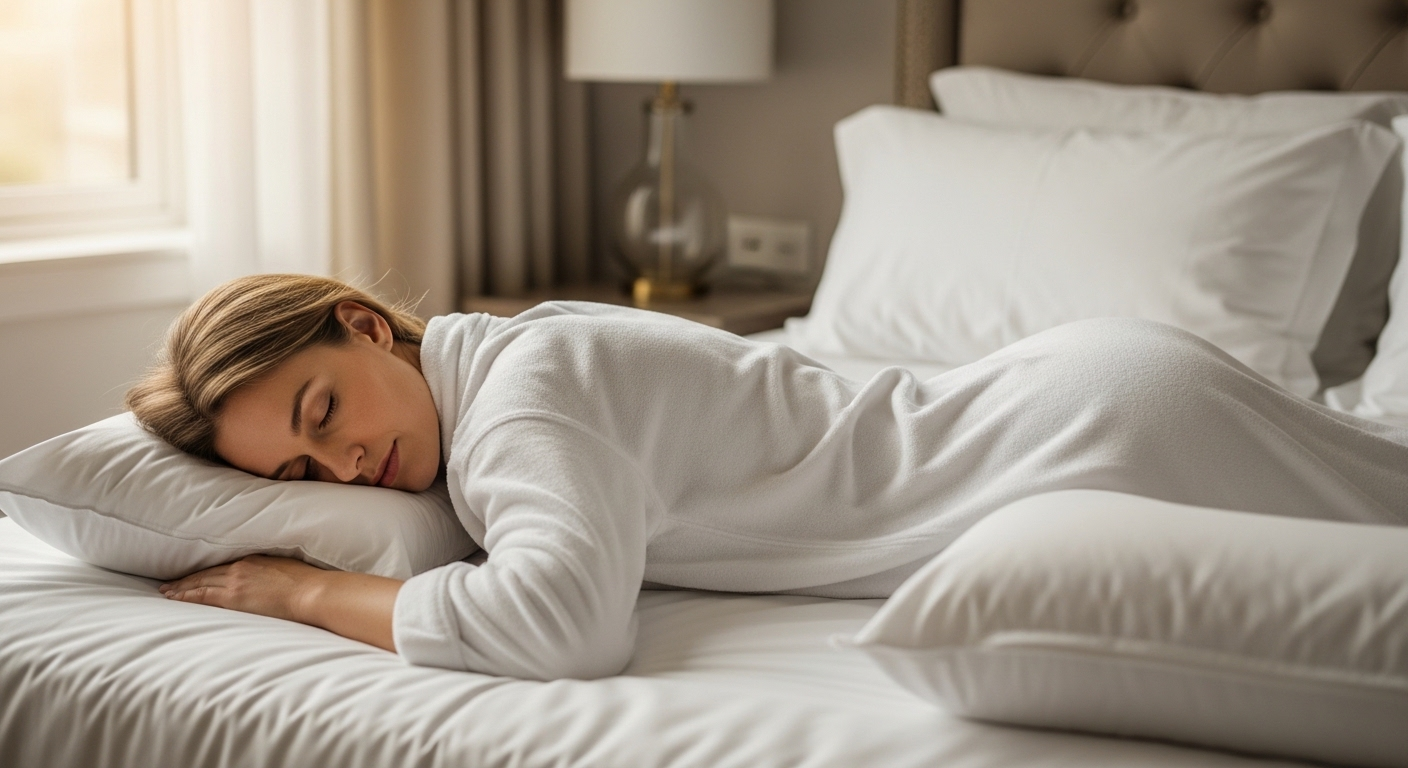
A Brazilian Butt Lift (BBL) is a transformative procedure that enhances your curves by transferring fat to your buttocks. However, the success of your results heavily depends on how well you protect your fat grafts during the critical recovery period. One of the most overlooked yet vital aspects of BBL recovery is how you sleep. Sleeping in the wrong position can compromise your results by placing undue pressure on the newly transferred fat cells, leading to absorption and uneven contours. This guide provides a meticulously structured 8-week blueprint to ensure you sleep safely, optimize fat retention, and achieve the best possible outcome from your BBL.
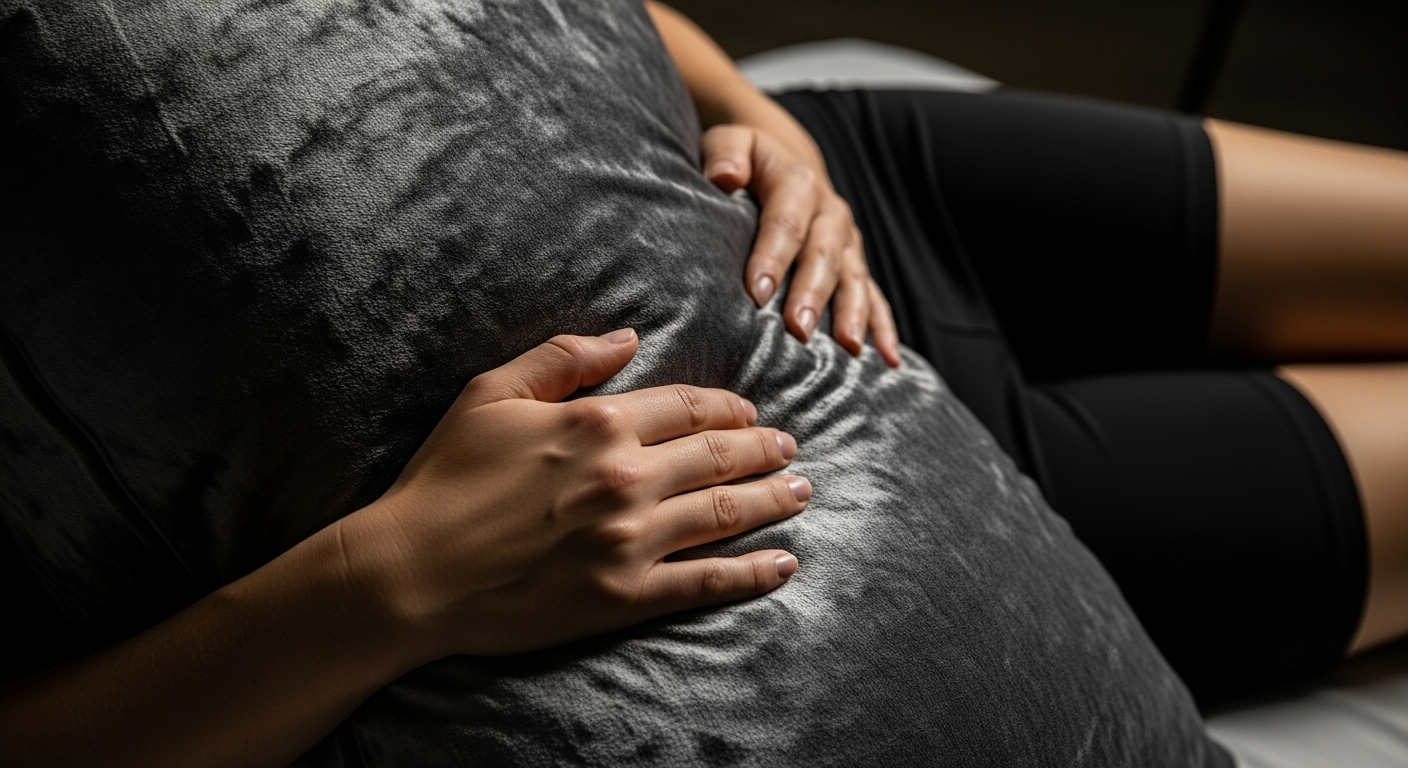
Table of Contents
Why Sleep Position Matters After BBL
The first 8 weeks post-BBL are the most critical for fat graft survival. During this period, the transferred fat cells are establishing a new blood supply. Pressure on the buttocks disrupts this process, causing fat cells to die and reabsorb into the body. Sleeping on your back or sides shifts pressure away from the grafts, allowing them to integrate successfully. Conversely, sleeping on your stomach or directly on your buttocks can lead to:
- Fat cell death: Excessive pressure cuts off blood flow to the grafts, causing them to dissolve.
- Uneven results: Pressure points create indentations or asymmetrical contours.
- Prolonged swelling: Poor circulation exacerbates inflammation and delays healing.
To avoid these complications, you must adopt a strict sleep regimen that prioritizes graft protection.
The 8-Week Sleeping Blueprint
This blueprint is divided into phases, each with specific guidelines to ensure optimal fat retention and comfort. Follow these steps diligently to protect your investment.
Weeks 1-2: The Critical Phase
During the first two weeks, your body is in the initial stages of healing. The fat grafts are fragile, and any pressure can jeopardize their survival. You must sleep exclusively on your stomach or sides, using specialized pillows to offload pressure from your buttocks.
Recommended Sleeping Positions
- Prone position (on your stomach): Place a soft pillow under your hips to elevate your buttocks slightly. This prevents direct contact with the mattress.
- Side-lying position: Use a body pillow to support your torso and keep your weight off your buttocks. Avoid lying on your back at all costs.
Essential Tools
- BBL pillow: A specially designed pillow with a cutout for your buttocks ensures no pressure is applied to the grafts.
- Body pillow: Provides support and prevents rolling onto your back.
- Wedge pillow: Elevates your torso to reduce swelling and improve circulation.
During this phase, avoid sleeping without support. If you find yourself rolling onto your back, use additional pillows to create a barrier.
Weeks 3-4: The Adaptation Phase
By the third week, your body begins to adapt, but the fat grafts are still vulnerable. You can introduce slight variations in your sleeping positions, but avoid direct pressure on your buttocks.
Recommended Adjustments
- Modified side-lying: Use a pillow between your knees to align your spine and reduce pressure on your hips.
- Inclined prone position: Elevate your upper body slightly to improve comfort and circulation.
Preventing Unconscious Rolling
Many patients unconsciously roll onto their backs during sleep. To prevent this:
- Place a body pillow or rolled-up towel along your back to create a physical barrier.
- Use a sleep tracking app to monitor your position and receive alerts if you roll over.
- Train yourself to sleep in the recommended positions by practicing during short naps.
Weeks 5-8: The Stabilization Phase
By the fifth week, your fat grafts are more stable, but they are not fully integrated. You can gradually reintroduce sleeping on your back, but avoid prolonged pressure on your buttocks.
Transitioning to Back Sleeping
- Start by sleeping on your back for short periods (15-30 minutes) and gradually increase the duration.
- Use a donut-shaped pillow to keep pressure off your buttocks while lying on your back.
- Continue using a body pillow to prevent rolling onto your sides or stomach.
Final Precautions
Even as you approach the 8-week mark, remain cautious:
- Avoid sitting directly on your buttocks for extended periods.
- Use a cushion or BBL pillow when sitting to distribute pressure evenly.
- Stay hydrated and maintain a balanced diet to support healing and fat retention.
Specialized Pillow Configurations for Optimal Support
Investing in the right pillows is crucial for protecting your BBL results. Here are the most effective configurations:
1. BBL Pillow
A BBL pillow is specifically designed with a cutout to relieve pressure from your buttocks. It allows you to lie on your stomach or sides without compromising your grafts. Use this pillow for the first 6 weeks to ensure maximum protection.
2. Body Pillow
A full-length body pillow provides support for your torso and legs, preventing you from rolling onto your back. Place it along your side and hug it to maintain a stable position throughout the night.
3. Wedge Pillow
A wedge pillow elevates your upper body, reducing swelling and improving circulation. Use it in combination with a BBL pillow for enhanced comfort and graft protection.
4. Donut Pillow
A donut pillow is ideal for sitting and sleeping on your back during the later stages of recovery. It distributes pressure evenly, preventing direct contact with your buttocks.
Strategies to Prevent Unconscious Rolling
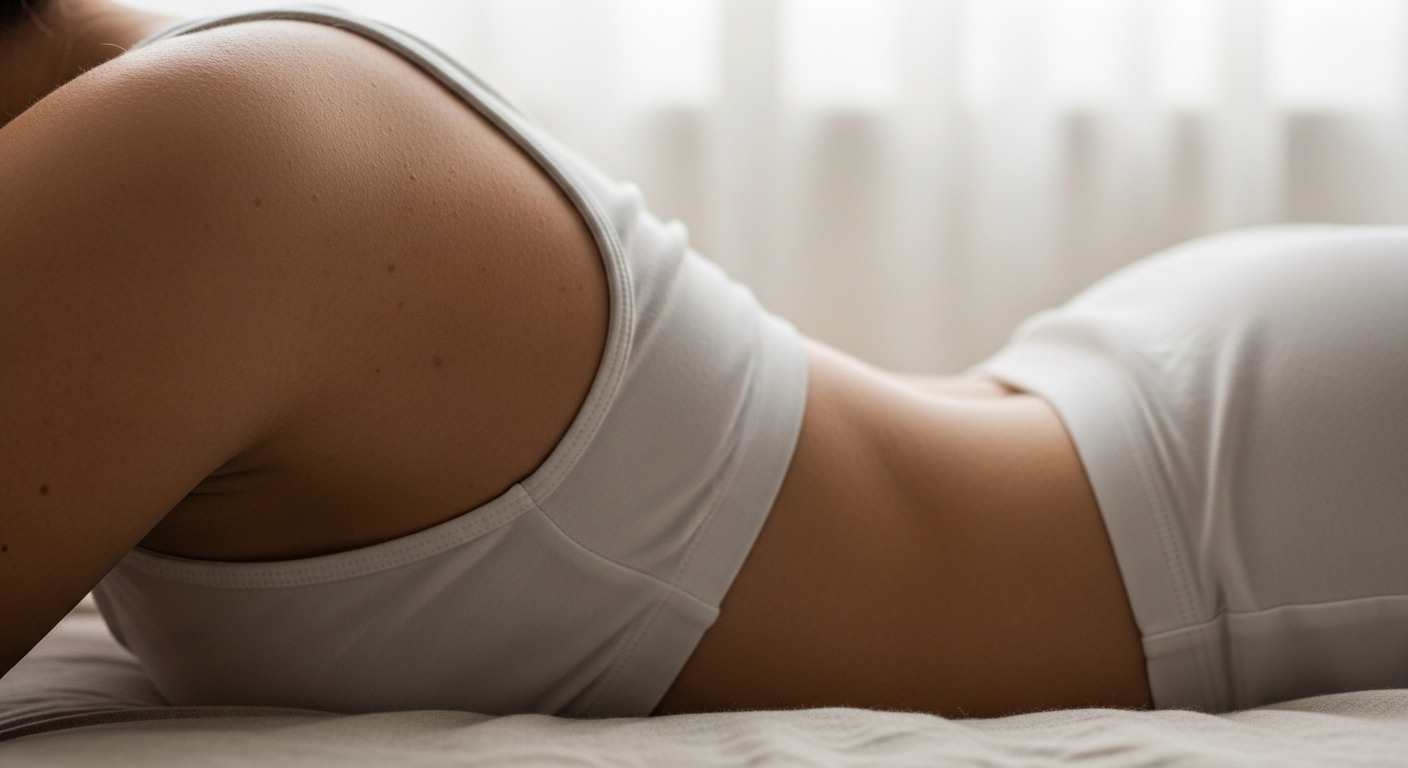
Even with the best intentions, it’s easy to roll onto your back or sides during sleep. Here are proven strategies to stay in the correct position:
- Physical barriers: Place pillows or rolled-up towels along your back to create a wall that prevents rolling.
- Sleep tracking: Use a smartwatch or sleep app to monitor your position and receive alerts if you move.
- Gradual training: Practice sleeping in the recommended positions during short naps to condition your body.
- Comfort optimization: Ensure your bed and pillows are comfortable to reduce the urge to shift positions.
Common Mistakes to Avoid
Avoid these pitfalls to ensure a smooth recovery and optimal results:
- Sleeping on your back too soon: This places direct pressure on your buttocks and compromises fat retention.
- Using inadequate pillows: Standard pillows do not provide the necessary support. Invest in specialized BBL pillows.
- Ignoring discomfort: If a position causes pain or pressure, adjust immediately. Discomfort is a sign that your grafts are at risk.
- Skipping follow-up appointments: Regular check-ins with your surgeon ensure your recovery is on track and allow for timely adjustments.
Final Tips for Long-Term Success
As you near the end of the 8-week period, keep these tips in mind to maintain your results:
- Gradually reintroduce sitting: Start with short periods and use a cushion to distribute pressure.
- Stay active: Light walking promotes circulation and reduces swelling.
- Follow your surgeon’s advice: Every patient’s recovery is unique. Adhere to personalized guidelines for the best outcome.
- Monitor your progress: Take photos and note changes in your body to track healing and fat retention.
Frequently Asked Questions About Sleeping After BBL
Can I sleep on my side after BBL?
Yes, sleeping on your side is permitted, but you must use a body pillow to support your torso and prevent rolling onto your back. Avoid placing pressure on your hips or buttocks.
How long do I need to sleep on my stomach after BBL?
You should sleep on your stomach for at least the first 4-6 weeks. After this period, you can gradually reintroduce sleeping on your back with a donut pillow.
What happens if I accidentally roll onto my back?
Occasional rolling is unlikely to cause significant damage, but consistent pressure on your buttocks can compromise fat retention. Use physical barriers like pillows to prevent this.
Can I use a regular pillow instead of a BBL pillow?
Regular pillows do not provide the necessary support to protect your grafts. A BBL pillow is specifically designed to relieve pressure and is essential for optimal recovery.
When can I sleep normally after BBL?
Most patients can return to their normal sleeping positions after 8 weeks, but it’s best to consult your surgeon for personalized advice based on your healing progress.
Your BBL results depend on how well you protect your fat grafts during recovery. By following this 8-week sleeping blueprint, you can ensure optimal fat retention, minimize complications, and achieve the curves you desire. For more information on BBL recovery and other aesthetic procedures, explore our resources on Brazilian Butt Lift, 360 Liposuction, and Mommy Makeover.
 English
  German
  Russian
  Turkish
  Arabic
  Spanish
  Italian