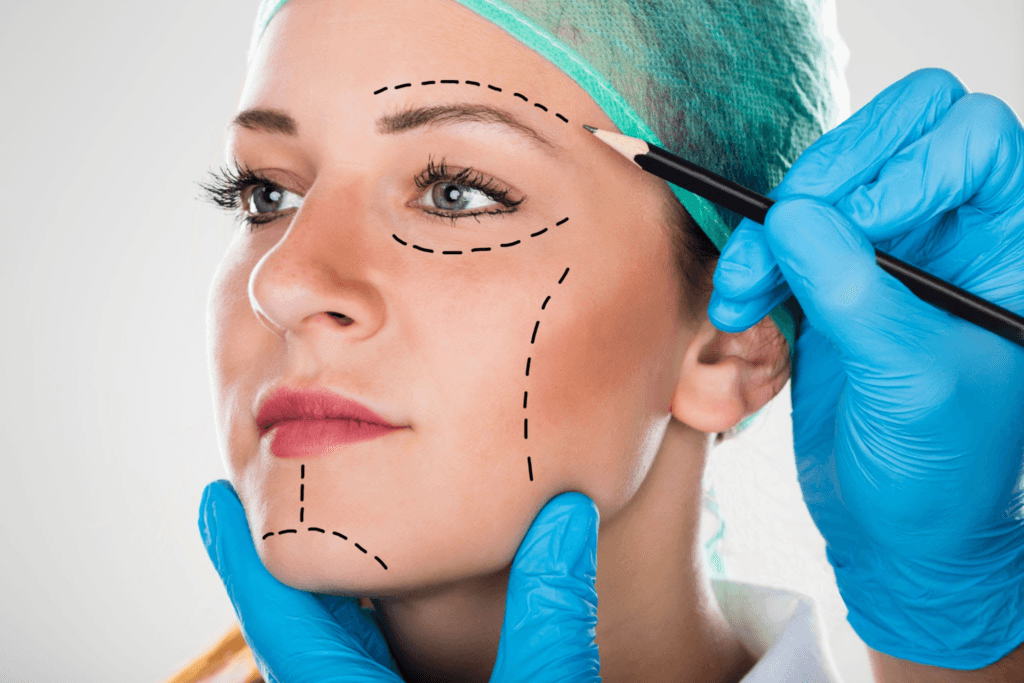
Genç ve taze bir görünüm arayışı, bireyleri çeşitli kozmetik prosedürleri keşfetmeye yönlendirir ve “yüz germe” terimi geniş bir seçenek yelpazesini kapsar. Bunlar arasında, “20 dakikalık yüz germe” kavramı, minimum kesinti süresiyle hızlı sonuçlar vaat ederek büyük ilgi görmüştür. Ancak, bu basit görünen ifade genellikle geleneksel bir cerrahi prosedürden ziyade bir dizi minimal invaziv tekniği ifade eder. Bu yaklaşımların inceliklerini, ilgili maliyetleri ve optimal sonuçlar için gereken uzmanlığı anlamak, yüz gençleştirmeyi düşünen herkes için çok önemlidir. Bu kapsamlı rehber, “20 dakikalık yüz germe”nin neyi kapsadığını, çeşitli minimal invaziv germe tekniklerinin maliyetlerini ayrıntılı olarak inceleyerek, özellikle Türkiye gibi destinasyonlarda tıbbi turizm bağlamında önde gelen tekniklerin hasta odaklı bir değerlendirmesini sunar.
Hızlı bir dönüşümün cazibesi inkar edilemez, ancak yüz estetiğinin gerçeği, temel bilimi ve cerrahi sanatını daha iyi anlamayı gerektirir. Gerçek bir “yüz germe” geleneksel olarak daha genç bir kontur elde etmek için daha derin yüz dokularını yeniden konumlandırmayı ve fazla cildi çıkarmayı içerir. “20 dakika” lakabı, akılda kalıcı olsa da, genellikle dermal dolgular ve iplik yüz germe gibi cerrahi olmayan müdahaleleri veya bazı durumlarda mini-yüz germe olarak adlandırılan çok özelleşmiş, sınırlı insizyonlu cerrahi teknikleri işaret eder. Bu prosedürler hafif sarkma veya hacim kaybı gibi belirli endişeleri gidermeyi amaçlar, tam cerrahi yüz germesine daha az ağır bir alternatif sunar. Maliyet etkileri, kullanılan ürün türü, tedavi edilen alan sayısı, uygulayıcının deneyimi ve kliniğin coğrafi konumu gibi faktörlerden önemli ölçüde etkilenir.
Birçok kişi için finansal yön birincil öneme sahiptir. Cerrahi olmayan seçenekler başlangıçta daha uygun maliyetli görünebilir, ancak geçici doğaları nedeniyle tekrarlanan tedaveler gerekebilir ve zamanla tek bir uzun ömürlü cerrahi prosedürün maliyetini eşitleyebilir ya da aşabilir. Bu rehber, çeşitli yüz germe tekniklerinin ilk harcama ve uzun vadeli yatırımını karşılaştırarak ayrıntılı bir maliyet analizi sunacaktır. Cerrah ücretleri, anestezi, tesis masrafları ve postoperatif bakımın toplam harcama üzerindeki katkılarını inceleyerek bireylerin bilinçli finansal kararlar almasına şeffaflık sağlayacağız. Ayrıca, kozmetik cerrahi küresel manzarası, tıbbi turizmi birçok kişi için geçerli bir seçenek haline getirmiştir; Türkiye gibi ülkeler yüksek kaliteli, maliyet etkin prosedürler için önde gelen destinasyonlar olarak ortaya çıkmaktadır. Bu makale, Türkiye'de minimal invaziv germe ve kapsamlı yüz germeyi sürdürmenin fırsatlarını ve dikkate alınması gereken hususları, cerrahların uzmanlığı ve beklenen sonuçlar üzerine odaklanarak özel olarak inceleyecektir.
Yüz gençleştirme yolculuğu, bireysel estetik hedefler ve dış görünüşü içsel canlılıkla uyumlu hale getirme arzusuyla derinlemesine kişisel bir süreçtir. İster hafif bir iyileştirme, ister daha dramatik bir dönüşüm düşünülüyor olsun, mevcut teknikleri, mekanizmalarını ve potansiyel sonuçları anlamak kritik öneme sahiptir. Bu rehber, “20 dakikalık” etiketiyle sıkça ilişkilendirilen hızlı çözümlerden gelişmiş cerrahi yöntemlerin sunduğu derin ve kalıcı değişimlere kadar, potansiyel hastaları bilgiyle donatmayı amaçlamaktadır. Finansal ve prosedürel yönleri aydınlatarak ve cerrah uzmanlığının doğal, uyumlu sonuçlar elde etmedeki rolünü vurgulayarak, yüz germe düşüncesinde olanlar için kesin bir kaynak olmayı ve kararların güven ve netlikle alınmasını sağlamayı hedefliyoruz.
İçindekiler
“20 Dakikalık Yüz Germe”yi Çözümlemek: Cerrahi Olmayan ve Minimal İnvaziv Yaklaşımlar
“20 dakikalık yüz germe” terimi, genellikle minimal iyileşme süresiyle hızlı yüz gençleştirme sunmak üzere tasarlanmış bir dizi prosedürü kapsayan bir pazarlama ifadesidir. Genellikle cerrahi olmayan müdahalelere atıfta bulunur, ancak daha kısa işlem süreleri nedeniyle bazı çok sınırlı cerrahi teknikler de bu kapsamda değerlendirilebilir. Bu ayrımları anlamak, sonuçlar, kalıcılık ve maliyet açısından gerçekçi beklentiler belirlemek için kritik öneme sahiptir.
Cerrahi Olmayan “20 Dakikalık” Seçenekler: Dolgu Maddeleri ve İpler
“20 dakikalık yüz germe”nin en yaygın yorumları enjektabl maddeler ve ipli yüz asma işlemlerini içerir. Bu prosedürler, anlık ancak geçici etkileri ve geleneksel cerrahiye kıyasla önemli ölçüde kısaltılmış iyileşme süreleri nedeniyle popülerdir (Cost Digest, 2025).
Hacim Yeniden Kazanımı İçin Dermal Dolgu Maddeleri
Hyaluronik asit gibi maddelerden oluşan dermal dolgu maddeleri, kaybedilen hacmi geri kazandırmak, kırışıklıkları düzeltmek ve sarkık bölgeleri hafifçe kaldırmak için enjekte edilir. Yanaklar veya nazolabial kıvrımlar gibi bölgeleri hedefleyen tek bir dermal dolgu şırıngası, 1.600 TL ile 4.600 TL arasında bir maliyete sahip olabilir (Cost Digest, 2025). Prosedürün kendisi dakikalar içinde tamamlanabilir ve neredeyse anında bir iyileşme sunar. Sonuçlar genellikle dolgu türüne ve tedavi edilen bölgeye bağlı olarak 6 ila 18 ay arasında sürer ve bu da bakım için tekrarlanan tedavileri gerektirir.
Hafif Kaldırma İçin İp Germe
İp askıları, sarkık yüz dokularını kaldırmak ve yeniden konumlandırmak için cilt altına küçük çıkıntılar veya koniler içeren emilebilir dikişlerin yerleştirilmesini içerir. Bu ipler ayrıca kolajen üretimini uyararak cilt dokusu ve sıkılığında kademeli bir iyileşme sunar. Genellikle hızlı bir kaldırma olarak pazarlanan bir ip askısı, 1.500 ile 5.000 arasında bir maliyete sahip olabilir (Cost Digest, 2025). Prosedür nispeten hızlı olabilir ve genellikle bir saat içinde tamamlanır. İp askısının etkileri genellikle 12 ila 24 ay sürer; ardından ipler çözünür ve kaldırma etkisi kademeli olarak azalır, sonuçları korumak için ek seanslar gerekir.
Minimal İnvaziv Cerrahi Germe: “Hızlı Lift” Perspektifi
“20 dakikalık” etiketi için daha az yaygın olsa da, genellikle mini yüz germe veya quick lift olarak adlandırılan bazı kısa süreli cerrahi prosedürler de değerlendirilebilir. Bu prosedürler, özellikle alt yüz ve çene yamukları olmak üzere belirli yüz bölgelerindeki hafif ve orta derecede sarklığı gidermek için, daha küçük olsa da gerçek cerrahi kesiler içerir (Cost Answers, 2026).
Mini Yüz Germe Teknikleri
Mini yüz germe genellikle yüzün alt üçte birine odaklanır; çene hattı boyunca sarkık cilt ve çene hattı sarkmalarını ele alır. Daha kısa kesiler içerir; bunlar genellikle kulak çevresinde gizlenir ve geleneksel yüz germeye kıyasla daha az kapsamlı bir diseksiyon gerektirir. Gerçek cerrahi süre 20 dakikadan uzun olabilir (genellikle 1-2 saat), ancak genel iyileşme süresi tam bir yüz germeden önemli ölçüde daha kısadır. Mini yüz germe için ulusal ortalama maliyet yaklaşık $7.525'tir; aralık $3.500 ile $10.000 arasındadır (La Belle Vie Cosmetic, 2025; Carolina Cosmetic Surgery, 2025). Mini yüz germeden elde edilen sonuçlar 5-7 yıl sürebilir ve cerrahi olmayan seçeneklere göre daha kalıcı bir çözüm sunar.

Kapsamlı Yüz Germe Teknikleri: “Hızlı Çözüm”ün Ötesinde”
Daha anlamlı ve uzun süreli gençleşme arayan bireyler için, geleneksel ve gelişmiş cerrahi yüz germe teknikleri, daha geniş bir yaşlanma endişesi yelpazesini ele alan kapsamlı çözümler sunar. Bu prosedürler daha kapsamlı doku manipülasyonu ve daha uzun operasyon süreleri içerir, ancak derin ve kalıcı sonuçlar sağlar.
Geleneksel SMAS Yüz Germe: Altın Standart
Geleneksel SMAS (Yüzeysel Muskuloaponevrotik Sistem) yüz germe, kapsamlı yüz gençleştirme için altın standart olarak kabul edilir. Bu prosedür, orta ve alt yüzdeki orta ila şiddetli yaşlanmayı ele alır; belirgin çene hattı sarkması, derin nazolabial kıvrımlar ve boyun gevşekliği dahil. Doğal görünümlü bir kaldırma oluşturmak için hem cildi hem de alttaki kas katmanlarını (SMAS) yeniden konumlandırmayı içerir. Prosedür genellikle 3-4 saat sürer. Geleneksel SMAS yüz germe maliyetleri $8.000 ile $30.000 arasında değişir (La Belle Vie Cosmetic, 2025; Carolina Cosmetic Surgery, 2025). Bu teknikten elde edilen sonuçlar genellikle 10-12 yıl sürer.
Derin Plan Yüz Germe: Gelişmiş ve Uzun Süreli
Derin plan yüz germe, SMAS ve alttaki bağlar dahil en derin yüz dokularını serbest bırakan ve yeniden konumlandıran gelişmiş bir tekniktir. Bu yaklaşım, tüm yanak ve çene hattı birimini tek parça halinde kaldırarak en doğal ve uzun süreli sonuçları oluşturur. Özel cerrahi eğitim gerektirir ve genellikle 4-6 saat sürer. Derin plan yüz germe için ulusal ortalama yaklaşık $17.200'dür; yüksek maliyetli bölgelerde fiyatlar $15.000 ile $50.000 arasında değişir (La Belle Vie Cosmetic, 2025; Carolina Cosmetic Surgery, 2025). Üstün sonuçlar ve genellikle 12-15 yıl süren kalıcılık, bunu birçok kişi için değerli bir yatırım haline getirir.
Yüz Germe Maliyetlerini Çözümlemek: Ayrıntılı Finansal Analiz
Yüz germede yer alan finansal taahhüdü anlamak, tek bir teklif edilen fiyatın ötesine bakmayı gerektirir. Toplam maliyet, genel giderlere katkıda bulunan birkaç temel bileşenin bir bileşimidir. Bu bileşenler arasında cerrahın ücreti, anestezi maliyetleri, tesis ücretleri ve ameliyat sonrası bakım yer alır.
Yüz Germe Fiyatlandırmasının Temel Bileşenleri
Cerrahın ücreti genellikle toplam maliyetin en büyük kısmını oluşturur ve sıklıkla -'ini oluşturur (La Belle Vie Cosmetic, 2025). Bu ücret, cerrahın uzmanlığını, itibarını ve seçilen tekniğin karmaşıklığını yansıtır. 1.000 ile 3.000 TL arasında değişen anestezi ücretleri, anestezi türüne (sedasyonlu lokal veya genel) ve prosedürün süresine bağlıdır (La Belle Vie Cosmetic, 2025). Ameliyathane tesis ücretleri, ameliyatın bir hastanede, ayakta cerrahi merkezinde veya özel bir cerrahi odada gerçekleştirilmesine bağlı olarak değişerek 2.000 ile 5.000 TL arasında ek maliyet getirebilir (La Belle Vie Cosmetic, 2025). Son olarak, takip randevuları, gerekli ilaçlar ve kompresyon giysileri dahil ameliyat sonrası bakım, genellikle nihai faturaya ek 500 ile 1.500 TL arasında bir maliyet ekler (La Belle Vie Cosmetic, 2025).
Fiyat Değişkenliğini Etkileyen Faktörler
Yüz germe maliyetlerinin geniş aralığına birkaç faktör katkıda bulunur. Coğrafi konum önemli bir rol oynar; büyük metropol bölgelerindeki fiyatlar genellikle daha küçük pazarlardakinden önemli ölçüde yüksektir. Örneğin, New York City'deki yüz germeler $18.000 ile $35.000 arasında değişebilirken, Ohio veya Utah gibi bölgelerde tam prosedürler için fiyatlar $8.000 ile $16.000 arasında olabilir (How Much Is, 2025). Cerrahın uzmanlığı ve itibarı da yüksek ücretler talep eder; çünkü yüksek deneyime sahip cerrahlar genellikle daha öngörülebilir ve rafine sonuçlar sunar. Daha önce tartışıldığı gibi seçilen özel teknik, cerrahi süreyi ve karmaşıklığı doğrudan etkiler, dolayısıyla maliyeti etkiler. Ayrıca, göz kapağı ameliyatı veya boyun germe gibi diğer prosedürlerle yüz germeyi birleştirmek genel maliyeti artıracaktır ancak paket indirimleri de sunabilir (Carolina Cosmetic Surgery, 2025).
Uzun Vadeli Değer: Cerrahi Yüz Germe vs. Cerrahi Olmayan Alternatifler
Yüz gençleştirmeyi değerlendirirken, yalnızca başlangıç maliyetini değil, aynı zamanda uzun vadeli yatırımı ve değeri de değerlendirmek esastır. Birçok hasta, daha düşük ön maliyetleri ve minimal iyileşme süreleri nedeniyle cerrahi olmayan “20 dakikalık” seçeneklere yönelir. Ancak bu tedavilerin geçici doğası, zamanla tek bir cerrahi yüz germeyi aşabilecek birikimli maliyetlere yol açar; bu tedaviler ise daha az dramatik ve kalıcı sonuçlar sunar.
10 Yıllık Maliyet Karşılaştırması
10 yıllık bir dönemi finansal karşılaştırmayı göstermek için ele alalım. Oturum başına 1.000 ile 5.000 TL arasında ve 1-2 yıl süreyle kalıcı olan thread lift uygulamaları, on yıl boyunca 25.000 ile 50.000 TL arasında birikme yapabilir (La Belle Vie Cosmetic, 2025). Benzer şekilde, yıllık ortalama 3.000 TL'lık oturumlarla yapılan kapsamlı yüz yenileme ve dermal dolgu, 10 yılın sonunda toplam 30.000 TL'a ulaşır (La Belle Vie Cosmetic, 2025). Yıllık bakım ile ortalama 2.500 TL'lik oturumlarla yapılan Ultherapy ve diğer Yüksek Yoğunluklu Odaklı Ultrason (HIFU) tedavileri de on yılın sonunda 25.000 TL'e ulaşır (La Belle Vie Cosmetic, 2025).
Buna karşılık, geleneksel SMAS yüz germe gibi cerrahi bir yüz germe, 10-12 yıl süreyle kalıcı ve 8.000 ile 30.000 TL arasında maliyetli olabilir. Ya da 12-15 yıl süreyle kalıcı ve 15.000 ile 50.000 TL arasında maliyetli derin düzlem yüz germe gibi. Sonuçları 10-15 yıl süreyle kalıcı 15.000 TL'lik bir yüz germe, yıllık yaklaşık 1.000-1.500 TL'ye denk gelir (La Belle Vie Cosmetic, 2025). Bu durum, özellikle daha belirgin ve tutarlı estetik iyileştirmeleri göz önüne alındığında, cerrahi seçeneği uzun vadede daha ekonomik kılar.
Rakamların Ötesinde: Sonuç Kalitesi ve Dayanıklılık
Finansal boyutun ötesinde, sonuçların kalitesi ve ömrü çok önemlidir. Cerrahi olmayan seçenekler, hafif iyileştirmeler sunar ve yaşlanmanın erken belirtileri için ya da cerrahi işlemler arasında sonuçları korumak için idealdir. Ancak, bu seçenekler cerrahi işlemler gibi önemli cilt gevşekliğini gideremez veya daha derin yüz dokularını aynı şekilde yeniden konumlandıramaz. Cerrahi yüz germe ameliyatları, daha dramatik ve kapsamlı bir yenileme sağlayarak, sarkan cilt, derin kırışıklıklar ve çeneleri etkili bir şekilde düzeltir; sonuçlar on yılı aşkın sürebilir. Uzun süreli, doğal görünen cerrahi sonuçlarla gelen özgüven artışı ve iyileşmiş benlik algısı, hastalar tarafından genellikle paha biçilmez kabul edilir ve hem mesleki hem de kişisel yaşamlarını pozitif yönde etkiler.
Yüz Germe İçin Medikal Turizm: Türkiye'ye Odaklanma
Tıbbi turizm, yüksek kaliteli estetik işlemleri daha rekabetçi fiyatlarla arayan bireyler için popüler bir seçenek haline gelmiştir. Önde gelen destinasyonlar arasında, Türkiye, gelişmiş tıbbi tesisleri, deneyimli cerrahları ve yüz germe gibi işlemler için çekici her şey dahil paketleriyle önemli bir tanınırlık kazanmıştır. Ancak, tasarruf potansiyeli önemli olsa da, tıbbi turizme avantajlarını ve potansiyel zorluklarını kapsamlı bir şekilde anlayarak yaklaşmak çok önemlidir.
Türkiye'nin Yüz Germe İçin Popüler Bir Destinasyon Olmasının Sebepleri
Türkiye, Meksika, Tayland ve Güney Kore ile birlikte yüz germe tıbbi turizm pazarında önemli bir oyuncudur. Temel çekim noktası önemli maliyet tasarrufudur; Türkiye'deki yüz germe paketleri genellikle $3.000 ile $6.500 arasında başlar (How Much Is, 2025). Bu paketler sık sık cerrahiyi değil, aynı zamanda konaklama ve yerel ulaşımı da içerir, bu da onları son derece çekici kılar. Türk cerrahlar genellikle son derece yeteneklidir ve gelişmiş tekniklerde eğitim almıştır, en son teknoloji ile donatılmış modern hastanelerde çalışırlar. Uzmanlık, kaliteli tesisler ve rekabetçi fiyatlandırma kombinasyonu, Türkiye'yi birçok uluslararası hasta için ilgi çekici bir seçenek haline getirir (Carolina Cosmetic Surgery, 2025).
Türkiye'de Cerrah Uzmanlığı ve Sonuçlar
Mükemmel sonuçlar veren Türk plastik cerrahların itibarı, ülkenin tıbbi turizm başarısında önemli bir faktördür. Birçok cerrah uluslararası eğitim ve sertifikalara sahiptir, mini-liftler, geleneksel SMAS ve derin düzlem prosedürleri de dahil olmak üzere çeşitli yüz germe tekniklerinde uzmanlaşmıştır. Bireysel hasta ihtiyaçlarına göre prosedürleri uyarlamada ustadırlar, yüz uyumunu artıran doğal görünen sonuçlar hedeflerler. Hasta yorumları ve öncesi-sonrası galerileri genellikle elde edilen yüksek standartlı işleri sergiler. Ancak, her tıbbi işlemde olduğu gibi, olumlu bir sonuç sağlamak için cerrahın yeterlilikleri, deneyimi ve hasta yorumları hakkında kapsamlı araştırma yapmak esastır.
Gerçek Maliyeti Anlamak: Gizli Giderler ve Dikkat Edilmesi Gerekenler
Türkiye'deki yüz germe için reklam edilen fiyatlar çekici olsa da, toplam deneyimi ve finansal harcamayı etkileyebilecek potansiyel gizli maliyetleri ve diğer hususları hesaba katmak çok önemlidir. Uluslararası uçuşlar toplam maliyete $500 ile $2.000 arasında ekleyebilir (La Belle Vie Cosmetic, 2025). Ayrıca, eve dönmeden önce yeterli iyileşme için Türkiye'deki uzun süreli toparlanma konaklaması, ek $1.000 ile $3.000 arasında bir maliyet doğurabilir (La Belle Vie Cosmetic, 2025). Bu giderler, ilk bütçe planlamasında sık sık göz ardı edilse de, algılanan tasarrufu önemli ölçüde azaltabilir.
Finansal hususların ötesinde, pratik zorluklar vardır. Takip bakımı karmaşık olabilir, çünkü hastanın bulunduğu ülkedeki birçok cerrah, yurt dışında yapılan işlemlerin komplikasyonlarını yönetmekten çekinebilir. Dil bariyerleri, farklı tıbbi standartlar ve haksızlık durumunda sınırlı yasal çözüm yolları da hastaların cerrahiye yurt dışında başlamadan önce dikkatle değerlendirmesi gereken önemli risk faktörleridir. Bu nedenle, Türkiye tıbbi turizm için çekici bir seçenek olsa da, güvenli ve başarılı bir deneyim için tüm ilişkili maliyetlerin ve potansiyel zorlukların kapsamlı bir şekilde anlaşılması çok önemlidir.
Sonuç: Yüz Yenileme İçin Bilinçli Bir Karar Vermek
Yüz yenileme yolculuğu, estetik arzular, finansal değerlendirmeler ve kalıcı sonuçlar isteğiyle şekillenen önemli bir kişisel karardır. “20 dakikalık yüz germe” kavramı genellikle bu dünyaya giriş noktasıdır ve cerrahi olmayan ile minimal invaziv cerrahi seçeneklerin bir yelpazesini kapsar. Dermal dolgu maddeleri ve ip askı uygulamaları düşük başlangıç maliyetleriyle hızlı, geçici iyileştirmeler sunsa da, zaman içindeki birikmiş maliyetleri tek bir kapsamlı cerrahi yüz germe maliyetini eşleştirebilir hatta aşabilir. Daha derin ve kalıcı dönüşümler arayanlar için, geleneksel SMAS ve gelişmiş derin plan yüz germe ameliyatları, yaşlanma endişelerinin daha geniş bir yelpazesini ele alan üstün, uzun süreli sonuçlar sunar.
Detaylı bir finansal analiz, yüz germenin toplam maliyetinin cerrah ücretleri, anestezi, tesis ücretleri ve post-operatif bakımı içeren çok yönlü bir toplam olduğunu ortaya koyar. Bu maliyetler ayrıca coğrafi konum, cerrahın uzmanlığı ve kullanılan belirli teknik tarafından etkilenir. Türkiye gibi tıbbi turizm destinasyonları çekici, maliyet etkin paketler sunsa da, potansiyel hastalar uçuşlar ve uzun süreli toparlanma konaklamaları gibi gizli giderleri, takip bakımı ve farklı tıbbi standartlar gibi pratik hususları da titizlikle hesaba katmalıdır. Sonuçları genellikle on yılı aşkın süreyle kalıcı cerrahi yüz germenin uzun vadeli değeri, hem finansal harcama hem de estetik iyileştirme kalitesi açısından, geçici cerrahi olmayan alternatiflerin tekrarlayan yatırımını sık sık aşar.
Sonuç olarak, yüz yenileme yoluna giden en etkili yol, kapsamlı araştırma, gerçekçi beklentiler ve mevcut tüm seçeneklerin net bir şekilde anlaşılmasıyla dökülür. Yerel olarak ya da Türkiye gibi bir tıbbi turizm merkezinde board-certified cerrahlarla detaylı konsültasyonlara katılmak, bireysel hedeflere ve bütçeye uygun kişiselleştirilmiş bir tedavi planı geliştirmek için çok önemlidir. Her işlemin faydalarını, risklerini ve maliyetlerini dikkatlice tartarak, bireyler taze, özgüvenli ve uyumlu bir görünümle, içsel canlılıklarını gerçekten yansıtan bilinçli bir karar verebilirler. Düşünülerek yapılan kendine yapılan yatırım, estetik boyutunun ötesinde getiriler sağlayarak, yenilenmiş bir özgüven ve refah duygusu geliştirir.
Kaynakça
- Carolina Cosmetic Surgery. (2025). 2025 Yüz Germe Maliyet ve Güvenlik Verileri: Tam İstatistik Raporu. https://carolinacosmeticsurgery.org/blog/2025-facelift-cost-safety-data-complete-statistics-report
- Cost Answers. (2026). 2026 için 20 Dakikalık Yüz Germe Maliyeti. https://costanswers.com/cost-insights-20-minute-facelift/
- Maliyet Özeti. (2025). 2026 20 Dakikalık Yüz Germe Maliyet Rehberi. https://costdigest.org/20-minute-facelift-cost/
- Ne Kadar? (2025). 2025'te Yüz Germe Ne Kadar? | Tür ve Konuma Göre Maliyet. https://howmuchis.wiki/facelift/
- La Belle Vie Kozmetik. (2025). 2025'te Yüz Germe Maliyeti Ne Kadardır? Cerrah Ücretleri, Bölgesel Maliyetler ve Finansman Seçenekleriyle Tam Fiyat Rehberi. https://labelleviecosmetic.com/how-much-does-a-facelift-cost-in-2025-complete-price-guide-with-surgeon-fees-regional-costs-financing-options/
Minimal İnvaziv Yüz Germe ve Maliyetleri Hakkında Sıkça Sorulan Sorular
’20 dakikalık yüz germe’ gerçekte ne anlama geliyor?
’20 dakikalık yüz germe’ terimi genellikle dermal dolgular veya iplik yüz germe gibi, hızlı sonuçlar veren ve minimal iyileşme süresi gerektiren cerrahi olmayan prosedürleri ifade eder. Bazı bağlamlarda çok sınırlı, minimal invaziv cerrahi mini-yüz germelerini de kapsayabilir. Genellikle geleneksel, kapsamlı bir cerrahi yüz germeyi ima etmez.
Cerrahi olmayan ’20 dakikalık’ yüz germe seçeneklerinin maliyeti ne kadar?
Maliyetler önemli ölçüde değişir. Dermal dolgu fiyatları şırınga başına $600 ile $1,600 arasında değişirken, ip germe seansları genellikle $1,500 ile $5,000 arasında fiyatlandırılır. Bunlar geçici çözümler olup tekrarlayan tedaviler gerektirir.
Cerrahi bir yüz germe, uzun vadede cerrahi olmayan seçeneklerden daha maliyet etkin mi?
Genellikle evet. Cerrahi yüz germe yüksek bir başlangıç maliyetine sahiptir (ör. $8,000-$50,000), ancak sonuçları 10-15 yıl sürebilir. Cerrahi olmayan seçenekler seans başına daha ucuz olsa da, sık bakım gerektirdiği için on yıllık dönemde birikmiş maliyetleri cerrahi seçenekleri aşabilir.
Yüz germe maliyetinin ana bileşenleri nelerdir?
Toplam maliyet genellikle cerrah ücreti (60-70%), anestezi ücretleri ($1.000-$3.000), tesis/ameliyathane ücretleri ($2.000-$5.000) ve postoperatif bakım ($500-$1.500) içerir. Bu rakamlar konum ve karmaşıklığa göre değişebilir.
Türkiye yüz germe için neden popüler bir destinasyondur ve gizli maliyetler nelerdir?
Türkiye, rekabetçi fiyatları ve deneyimli cerrahlarıyla popülerdir; paketler genellikle $5,000 civarında başlar. Gizli maliyetler uluslararası uçuşlar ($500-$2,000), uzatılmış iyileşme konaklamaları ($1,000-$3,000) ve evinizdeki takip bakımı veya revizyon cerrahisiyle ilgili potansiyel zorlukları içerebilir.