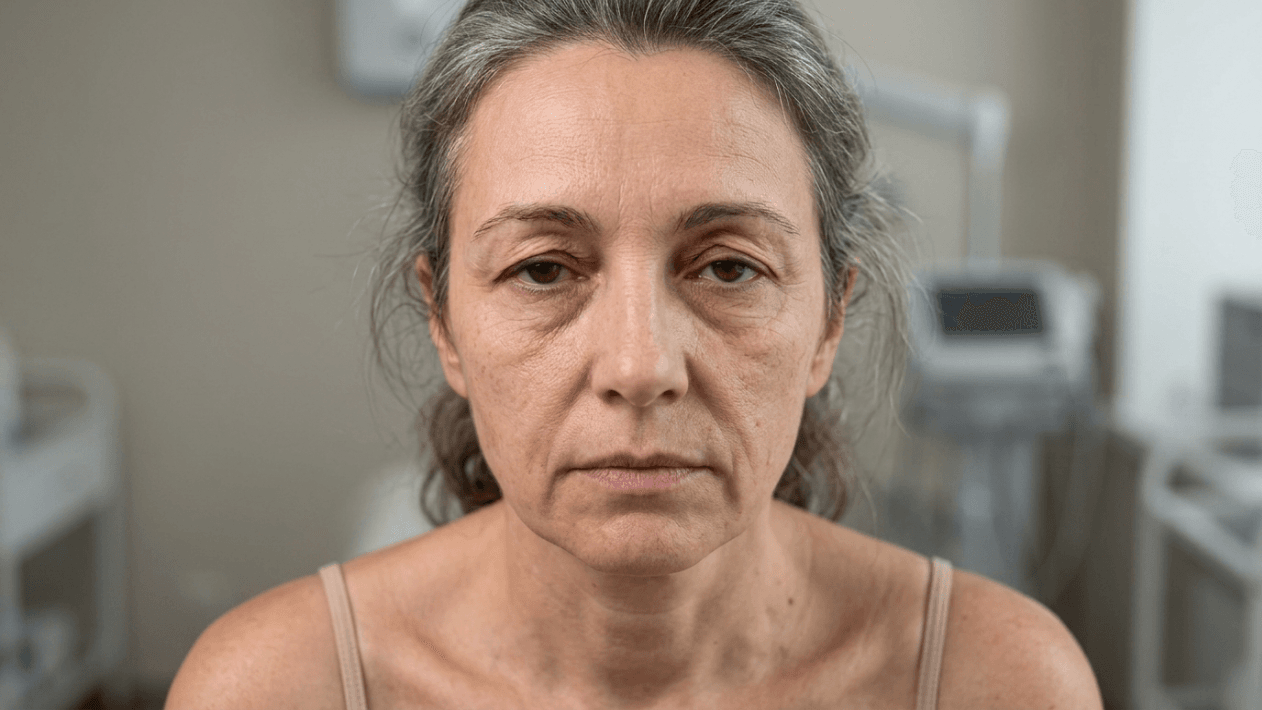
Eğer size şunu söylemişlerse blefaroplasti kapalı gözler için, yanlış çözüm üzerine yatırım yapıyor olabilirsiniz. 2026'da kapalı gözlerin gerçek suçlusu sadece fazla göz kapağı derisi değildir— kaş düşüşüdür, özellikle temporal (dış) bölgede. Bu yaygın yanlış tanı, alt-optimal sonuçlara, gereksiz prosedürlere ve boşa harcanan kaynaklara yol açar. İşte bir çok katmanlı tanı yaklaşımının ve bir temporal kaldırma doğal, uzun süreli gençleştirme için ihtiyacınız olan oyun değiştirici olabileceği.
İçindekiler
Kapalı Gözlerin Gizli Nedeni: Sadece Göz Kapağı Derisi Değil, Kaş Düşüşü
Kapak gözleri genellikle sadece üst göz kapaklarındaki fazla deri nedeniyle olduğu düşünülür. Ancak, 2025 ve 2026 yıllarına ait araştırmalar şunu ortaya koymaktadır kaş düşüklüğü—özellikle temporal bölgede kaşın aşağı doğru inmesi—birincil katkı sağlayan faktördür. Bu düşüş, göz kapağının üzerine sarkan bir deri kıvrımı oluşturur ve fazla göz kapağı derisi görünümünü taklit eder. Aslında, şu dergilerde yayınlanan çalışmalar Nature Scientific Reports Ve Europe PMC kapak gözlü hastaların %'ye kadarının aslında lateral kaş düşüklüğü yaşadığını, sadece dermatochalasis (fazla göz kapağı derisi) olmadığını doğrulamaktadır [1].
Kaş aşağı düştüğünde, üst göz kapağı derisini aşağı doğru iter ve kapak etkisi illüzyonu yaratır. Bu yüzden yalnızca blefaroplasti yapılan birçok hastada geçici veya eksik sonuçlar görülür—temel neden (kaş düşüklüğü) ele alınmamıştır. Bir temporal kaldırma, ise, dış kaşı hedef alarak doğal konumuna kaldırır ve daha açık, genç bir göz görünümü sağlar.
Neden Blefaroplasti Tek Başına Yetersiz Kalır
Blefaroplasti, göz kapaklarından fazla deri ve yağı çıkarmak için son derece etkili bir prosedürdür. Ancak, ana sorun kaş düşüklüğü olduğunda, blefaroplasti aslında sorunu daha da kötüleştirerek kaş konumunu daha da aşağıya çekebilir. İşte nedeni:
- Geçici Sonuçlar: Kaş düşüklüğüne değinmeden göz kapağı derisini çıkarmak, kaş sarkmaya devam ettikçe 2-5 yıl içinde kapak kapağının tekrar ortaya çıkmasına yol açar [2].
- Doğal Olmayan Görünüm: Aşırı deri çıkarımı, özellikle kaş kaldırılmadıysa, boş, “operasyonlu” bir görünüm yaratabilir. Bu, başlangıçta düşük kaş konumuna sahip hastalarda özellikle yaygındır.
- Fonksiyonel Sorunlar: Kaş düşüklüğü görme alanı engeline katkıda bulunabilir ve yalnızca blefaroplasti bunu tam olarak düzeltemeyebilir. Temporal bir kaldırma, kaşı yükselterek ve kapak kapağını azaltarak çevresel görüşü geri kazandırabilir [3].

Kaş Düşüşünün Bilimi
Kaş düşüklüğü, birkaç ana faktör tarafından yönlendirilen doğal bir yaşlanma sürecidir:
- Ligament Destek Kaybı: Kaşı kemiğe bağlayan tutucu bağlar zamanla zayıflar ve kaşın sarkmasına izin verir.
- Yağ Pedi Atrofisi: Kaşın altındaki yağ pedleri azalır, yapısal desteği azaltır ve kaşın düşmesine neden olur.
- Kas Gevşekliği: Kaşı yükselten frontal kas tonusunu kaybeder, düşüşü artırır.
- Genetik ve Etnik Köken: Bazı bireyler, özellikle kuzey Avrupa veya Asya kökenli olanlar, göz kapağı sarkması için genetik olarak yatkındır; bu gruplarda kapalı gözler daha yaygındır [4].

Temporal Kaldırma: Kapalı Gözler İçin Hassas Çözüm
A temporal kaldırma dış kaş ve şakak bölgesine özellikle odaklanan minimal invaziv bir prosedürdür. Tüm alın bölgesini kapsayan tam kaş kaldırma işlemine kıyasla, temporal lift sadece yan kaşı hedef alır ve kaş sarkması nedeniyle kapalı gözleri olan hastalar için idealdir. İşte bu spesifik sorun için blefaroplastiye göre üstün olmasının nedenleri:
- Hedefli Düzeltme: Temporal lift, dış kaşı yükselterek, doğal bir yay geri kazandırarak ve göz bölgesini açarak kapak sarkmasının temel nedenini doğrudan ele alır.
- Doğal Sonuçlar: İşlem kaşı kaldırdığı için cildi çıkarmak yerine, sonuç daha doğal ve yüzün geri kalanıyla uyumlu olur.
- Minimum Kesinti Süresi: Temporal lift, tam kaş kaldırma veya blefaroplastiye göre daha az invazivdir ve çoğu hasta 5-7 gün içinde normal aktivitelere döner. [5].
- Uzun Süreli Sonuçlar: Araştırmalar, temporal liftlerin dayanıklı sonuçlar sağladığını, kaş yükselmesinin çoğu hastada 5-10 yıl korunduğunu gösteriyor. [6].
- Blefaroplastiyle Tamamlayıcı: Hem fazla göz kapağı derisi hem de kaş düşüklüğü olan hastalar için, temporal lift ile blefaroplastinin birleştirilmesi en iyi sonuçları verebilir. Temporal lift kaş konumunu düzeltirken, blefaroplasti göz kapağı konturunu iyileştirir.
Çok Katmanlı Tanı Yaklaşımı: Neden Önemlidir
Şu anda Cerrahi ekibi, tek beden herkese uyan çözümlere inanmıyoruz. Bizim çok katmanlı tanı yaklaşımının yüz yaşlanmasını birden fazla katmanda—kemik, yağ, kas ve deri—değerlendirerek kapalı gözlerin gerçek nedenini belirler. Bu yaklaşım, hastanın kaş, göz kapağı ya da her ikisi için doğru bölgeyi hedeflememizi sağlar. İşte nasıl çalışıyor:
- 3D Görüntüleme Analizi: Kaş konumunu, göz kapağı deri fazlalığını ve alttaki yapısal değişiklikleri değerlendirmek için gelişmiş 3D görüntüleme kullanıyoruz. Bu, kaş ve göz kapağının nasıl etkileştiğini görselleştirmemizi ve kapaklanmanın temel nedenini belirlememizi sağlar.
- Fonksiyonel Değerlendirme: Kaş düşüklüğünün görme alanını engelleyip engellemediğini değerlendiriyoruz; bu, sürüş veya okuma gibi günlük aktiviteleri etkileyebilir.
- Kişiselleştirilmiş Tedavi Planı: Tanısal bulgulara dayanarak, en uygun prosedürü öneriyoruz—temporal lift, blefaroplasti ya da her ikisinin kombinasyonu—doğal, uzun vadeli sonuçlar elde etmek için.

Vaka Çalışması: Temporal Kaldırma vs. Blefaroplasti Sonuçları
2026 yılında yayınlanan bir çalışma Nature Scientific Reports kapalı gözler için yalnızca blefaroplasti ya da temporal lift ve blefaroplasti kombinasyonu yapılan hastaların sonuçlarını karşılaştırdı. Sonuçlar çarpıcıydı:
| Sonuç Ölçütü | Sadece Blefaroplasti | Temporal Kaldırma + Blefaroplasti |
|---|---|---|
| Hasta Memnuniyeti (1-10 ölçeği) | 6.2 | 9.1 |
| 3 Yılda Kapak Kapanmasının Tekrarı | 45% | 8% |
| Görüş Alanı İyileşmesi | 30% | 75% |
| Doğal Görünüm | 55% | 92% |
Bu bulgular, kapaklı gözlerde kaş düşüşünün ele alınmasının önemini vurgulamaktadır. Sadece blefaroplasti göz kapaklarının görünümünü iyileştirebilir, ancak hastaların istediği uzun vadeli, doğal sonuçları genellikle sağlayamaz. [7].
Temporal Kaldırma İçin Aday Kimdir?
Temporal kaldırma, aşağıdaki hastalar için idealdir:
- Öncelikle yan kaş düşüşünden kaynaklanan kapaklı gözlere sahip olmak.
- Kaş sarkması nedeniyle görüş alanı engeli yaşamak.
- Tam kaş kaldırmanın invazivliğinden kaçınarak doğal, hafif bir kaldırma istemek.
- Daha önce blefaroplasti geçirmiş ancak kapak kapanmasının tekrar ettiğini görmek.
- Minimum iyileşme süresi ve uzun süreli sonuçlar sunan bir prosedür aramak.
Konsültasyonunuz sırasında Cerrahi ekibi, uzmanlarımız benzersiz anatominiz ve hedefleriniz için temporal kaldırma, blefaroplasti veya her ikisinin kombinasyonunun en iyi çözüm olup olmadığını belirlemek amacıyla kapsamlı bir değerlendirme yapacaktır.
Prosedür: Ne Beklemelisiniz?
Temporal kaldırma, lokal anestezi ve sedasyon altında gerçekleştirilir, prosedür boyunca konforunuz sağlanır. İşte adım adım bir genel bakış:
- Kesi Yerleşimi: Şakaklarda saç çizgisi içinde küçük kesiler yapılır, izlerin gizlenmesi sağlanır.
- Diseksiyon: Alttaki dokular nazikçe kaldırılır ve dış kaşı yükseltmek için yeniden konumlandırılır.
- Fiksasyon: Kaldırılan dokular, eriyebilir dikişler veya küçük ankrajlar kullanılarak sabitlenir, uzun süreli sonuçlar sağlanır.
- Kapanış: Kesiler ince dikişlerle kapatılır ve hafif bir pansuman uygulanır.
Tüm prosedür genellikle 60-90 dakika sürer ve çoğu hasta aynı gün evine dönebilir.
Kurtarma ve Sonuçlar
Temporal lift'ten iyileşme nispeten hızlı ve basittir:
- İlk 48 Saat: Şakaklar ve göz çevresinde hafif şişlik ve morluklar yaygındır. Soğuk kompresler şişliği azaltmaya yardımcı olabilir.
- 3-7 Günler: Çoğu hasta işe ve hafif aktivitelere dönebilir. Şişlik ve morluklar azalmaya devam eder.
- Haftalar 2-4: Şişlik azaldıkça nihai sonuçlar ortaya çıkmaya başlar. Hastalar yoğun aktiviteler ve egzersize geri dönebilir.
- Uzun Vadeli: Sonuçlar uzun süre dayanır ve çoğu hasta 5-10 yıl boyunca yenilenmiş, genç bir görünüme sahip olur. Cerrahi olmayan kaş kaldırma gibi bakım tedavileri sonuçları uzatmaya yardımcı olabilir.
Neden Temporal Kaldırma İçin SURGYTEAM'i Seçmelisiniz?
Şu anda Cerrahi ekibi, uzmanlaştığımız alan yüz kontürleme Ve Yüz Yenilenmesi, hassasiyet ve doğal sonuçlara odaklanarak. İşte bizi farklı kılanlar:
- Yüz Yaşlanması Uzmanlığı: Baş cerrahımız, Dr. Mert Meral, yüz kontürleme ve gençleştirme konusunda tanınmış bir uzmandır, yaşlanmayla birlikte meydana gelen çok katmanlı değişiklikleri derinlemesine anlar.
- Çok Katmanlı Tanı Yaklaşımı: Hooded gözlerin temel nedenini belirlemek için gelişmiş görüntüleme ve tanı araçları kullanıyoruz, böylece her hasta için doğru bölgeye odaklanıyoruz.
- Kişiselleştirilmiş Tedavi Planları: Her prosedürü hastanın benzersiz anatomisine ve hedeflerine göre özelleştiriyoruz; ister temporal lift, blefaroplasti ya da her ikisinin kombinasyonu olsun.
- Uluslararası Standartlar: Klinikimiz akredite edilmiştir FEBOPRAS Ve EBOPRAS, en yüksek güvenlik ve kalite standartlarını sağlamak için.
- Her Şey Dahil Paketler: Cerrahi, konaklama ve ameliyat sonrası bakımı içeren kapsamlı paketler sunuyoruz, böylece yolculuğunuz sorunsuz ve stressiz olur.
Temporal Kaldırma ve Blefaroplasti Hakkında Sıkça Sorulan Sorular
Temporal kaldırma mı yoksa blefaroplasti mi gerektiğini nasıl anlarım?
Zamanlı kaldırma, blefaroplasti ya da her ikisine ihtiyacınız olup olmadığını belirlemenin en iyi yolu çok düzlemli tanı değerlendirmesinden geçmektir. SURGYTEAM'de, kaş konumunu, göz kapağı deri fazlalığını ve alttaki yapısal değişiklikleri değerlendirmek için gelişmiş 3D görüntüleme kullanıyoruz. Kapalı gözleriniz öncelikle kaş düşüşünden kaynaklanıyorsa, zamanlı kaldırma en iyi çözüm olabilir. Fazla göz kapağı derisi ana sorun ise, blefaroplasti önerilebilir. Çoğu zaman, her iki prosedürün kombinasyonu en iyi sonuçları verir.
Temporal kaldırma, blefaroplastiden daha mı acı vericidir?
Her iki prosedür de lokal anestezi ve sedasyon altında yapılır, bu yüzden ameliyat sırasında rahatsızlık minimaldir. Ameliyat sonrası hastalar hafif şişlik ve morluk yaşayabilir, ancak ağrı genellikle reçetesiz ağrı kesicilerle iyi yönetilir. Çoğu hasta, zamanlı kaldırmanın iyileşme süresinin blefaroplastiden eşit ya da daha kolay olduğunu bulur, çünkü kesiler daha küçüktür ve prosedür daha az invaziftir.
Temporal kaldırmanın sonuçları ne kadar sürer?
Zamanlı kaldırma sonuçları uzun ömürlüdür, çoğu hasta 5-10 yıl boyunca yenilenmiş, genç bir görünümden keyif alır. Yaşlanma, güneş ışığı ve genetik gibi faktörler sonuçların süresini etkileyebilir. Non‑cerrahi kaş kaldırma veya dokunuş prosedürleri gibi bakım tedavileri, sonuçların uzatılmasına yardımcı olabilir.
Temporal kaldırmayı başka prosedürlerle birleştirebilir miyim?
Evet! Zamanlı kaldırma, blefaroplasti, yüz germe veya Botox ya da dermal dolgu gibi non‑cerrahi tedavilerle birleştirilebilir. Prosedürlerin birleştirilmesi, genel yüz uyumunu artırabilir ve daha kapsamlı bir gençleştirme sağlayabilir. SURGYTEAM'deki danışmanlığınız sırasında, hedeflerinize uygun kişiselleştirilmiş bir tedavi planı oluşturacağız.
Temporal kaldırmanın riskleri nelerdir?
Her cerrahi prosedürde olduğu gibi, zamanlı kaldırma da şişlik, morluk, enfeksiyon ve asimetri gibi bazı riskler taşır. Ancak, bu riskler deneyimli, board‑certified bir cerrah tarafından yapıldığında en aza indirilir. SURGYTEAM'de, hasta güvenliğini ön planda tutar ve minimal komplikasyonla optimal sonuçlar sağlamak için gelişmiş teknikler kullanırız.
Bir Sonraki Adımı Atın: Sanal Yüz Yaşlanma Analizinizi Planlayın
Kapalı gözlerin sizi yorgun ya da hissettiğinizden daha yaşlı göstermesine izin vermeyin. Blefaroplasti düşünüyorsanız ama doğru çözüm olup olmadığından emin değilseniz, bir sanal yüz yaşlanma analizi adresinde Cerrahi ekibi endişelerinizin temel nedenini anlamanıza ve en iyi tedavi seçeneklerini keşfetmenize yardımcı olabilir.
Bizim çok katmanlı tanı yaklaşımının doğal, uzun ömürlü sonuçlar için doğru bölgeyi hedeflediğimizden emin olur. İster zamanlı kaldırma, blefaroplasti, ister her ikisinin kombinasyonu olsun, benzersiz anatominiz ve hedefleriniz için kişiselleştirilmiş bir plan oluşturacağız.
Bize bugün ulaşın danışmanlığınızı planlamak ve yenilenmiş, genç bir görünüme doğru ilk adımı atmak için.