Yatırım yaptığınız yüz germe operasyonunun, ameliyat olduğunuzda yaşınızı dramatik bir şekilde kısaltan gizli bir son kullanma tarihi olduğunu düşünün? Çoğu hasta, yüz germe işleminin saati bir on yıl boyunca aynı şekilde sıfırladığını düşünür. Rahatsız edici gerçek ise çok daha şaşırtıcıdır: 45 yaşında yapılan bir yüz germe genellikle 12 yıl veya daha uzun bir gençleştirici etki sağlar, ancak aynı yüz germe prosedürü 60 yaşında yapıldığında sadece 7 yıl süren kalıcı sonuçlar verebilir. Cerrahi teknik değişmedi. Biyolojik ortam değişti.
Yüz germe son kullanma tarihi bir pazarlama miti değildir — östrojen düşüşü, kolajen tükenme eğrileri ve yüz yağ ped atrofisi oranlarıyla yönlendirilen ölçülebilir, fizyolojik bir gerçektir. Bu zaman çizelgesini anlamak, 50 yaş sonrası yüz gençleştirmeye nasıl yaklaşmanız gerektiğini tamamen yeniden çerçevelendirir. Bu rehber, cerrahi ömrünüzü uzatan üç biyolojik hileyi ve Antalya'daki SurgyTeam uzmanlarının her yüz germe işlemini bu prensiplere göre nasıl yapılandırdığını ortaya koyar.
İçindekiler
Şifresi çözülüyor Yüz Germe Yaşlanma Zaman Çizelgesi: Sonuçların 50 Yaşından Sonra Daha Hızlı Neden Kaybolduğu
Cerrahi bir yüz germe, dokuyu yeniden konumlandırır ve fazla deriyi alır. Ancak, içsel biyolojik saati durdurmaz. Yüz germe yaşlanma zaman çizelgesi, 50 yaşından sonra üç kritik fizyolojik değişimin aynı anda gerçekleşmesiyle keskin bir şekilde hızlanır. 50 yaşın altındaki kollajen ağınız, yeniden konumlandırılmış dokuyu tutacak kadar yapısal dayanıklılık hâlâ korur. Bu eşik aşıldığında, iskelet içten zayıflar.
Ameliyat Sonrası Yaşlanmanın Üç Hızlandırıcısı
- Östrojen Çekilmesi: Menopoz, fibroblast aktivitesini uyarıp doku hidrasyonunu sürdüren hormon olan estradiolün dramatik bir şekilde düşmesine neden olur. Yeterli östrojen sinyali olmadan, cilt 18 ila 24 ay içinde viskoelastik özelliklerini kaybeder.
- Kollajen Üretim Çöküşü: 50 yaşından sonra, dermal kollajen sentezi yılda yaklaşık %2,1 azalır. Bir zamanlar güçlü iyileşme yanıtlarını tetikleyen cerrahi travma, artık tükenmiş bir fibroblast popülasyonu ile karşılaşır ve daha zayıf skar yapısı ve daha az dayanıklı doku tutuşuna yol açar.
- Yağ Pedi Hacim Kaybı: Yüz yağ bölmeleri beşinci on yıldan sonra yılda yaklaşık %1 oranında atrofiye uğrar. Yerçekimi, bu boşlukları kullanarak yeniden konumlandırılmış dokuyu cerrahinin ortadan kaldırmaya çalıştığı boşluklara doğru aşağı çeker.
Bu üç güç, cilt yüzeyinin altında sessizce çalışır. Sonuçlarının birkaç yıl içinde “düşüş”ünü fark eden hastalar cerrahi başarısızlık yaşamazlar — yapı desteklerini çözümlenmemiş biyoloji yıkmaktadır. Bu yüz yaşlanma dinamikleri hakkında daha fazlasını bizimle okuyun blog.
Kolajen Azalması Plastik Cerrahi: Cerrahi Uzun Ömürlülüğün Sessiz Sabotajcısı
Kolajen, yüzünüzün yapısal çelikidir. Tip I kolajen çekme dayanıklılığı sağlarken, Tip III genç sıçramayı destekleyen esnek retiküler ağı oluşturur. 25 yaş civarında, vücudunuz kolajen üretimini yılda yaklaşık %1 azaltmaya başlar. 55 yaşına geldiğinizde, orijinal kolajen yoğunluğunuzun neredeyse yarısıyla çalışırsınız. Bir cerrah, bu tükenmiş ortamda dokuyu kaldırıp sabitlediğinde, bağlantılar kırılgan malzemeyi tutar.
Kollajen düşüşü ile plastik cerrahi arasındaki bağlantı, yüz gençleştirme planlamasında en çok göz ardı edilen değişkenlerden biridir. Daha genç hastalar, dikiş hatlarında hızlı ve yoğun kollajen birikimiyle iyileşir. 50 yaş üzerindeki hastalar daha ince ve daha düzensiz kollajen demetleri üretir. Yeniden konumlandırılmış SMAS katmanlarını yerinde tutan bağ dokusu yapıları, sürekli yerçekimi yükü altında daha hızlı yorulur. Bu, sadece yüzeysel kaldırmaların daha yaşlı demografilerde birkaç yıl içinde “eriyormuş” gibi görünmesinin nedenini açıklar.
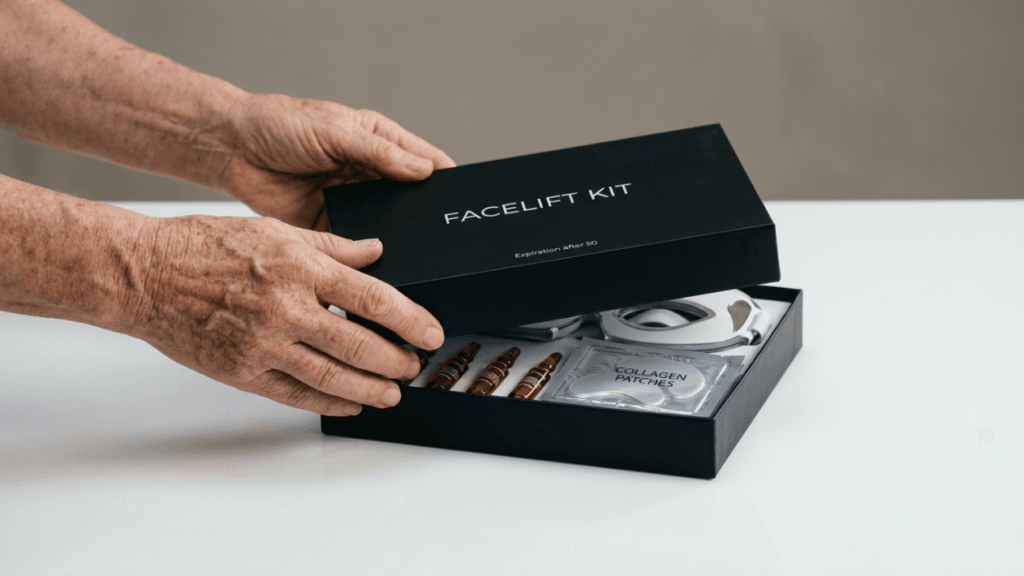
Sonuçların Karşılaştırılması: Kolajen Zengini vs. Kolajen Azalmış Doku
| Faktör | Hasta Yaşı 40-45 | Hasta Yaşı 55-65 | Yüz Germe Süresine Etkisi |
|---|---|---|---|
| Yıllık Kollajen Kaybı | ~1% yılda bir | ~2.1% yılda bir | Azalmış iskele dikişleri zayıf tutar |
| Östrojen Seviyesi | Stabil veya erken perimenopoz | Menopoz sonrası (80%+ düşüş) | Doku hidrasyonu ve elastikiyetinde dramatik azalma |
| Yağ Pedi Hacmi Korunumu | ~0.5% yıllık kayıp | ~1.1% yıllık kayıp | Derin bölmeler daha hızlı oyular, sarkmaya neden olur |
| Ortalama Yüz Germe Süresi | 10-15 yıl | 5-8 yıl | Biyolojik güçler cerrahi yeniden konumlandırmayı aşar |
| Yara İyileşme Hızı | Çekme dayanımına 14-21 gün | Çekme dayanımına 21-35 gün | Gecikmiş iyileşme nüks riskini artırır |
Veriler çarpıcı bir gerçeği doğruluyor. Kollajen azalmasını doğrudan ele alan müdahaleler olmadan cerrahi sonuçlar daha hızlı bozulur. Bu, 50 yaş üzerindeki hastaların kalıcı gençleşme arayışında pre‑cerrahi kollajen hazırlığının vazgeçilmez bir adım haline gelmesinin tam da nedenidir.
Yüz Yağ Pedi Atrofisi: Yüz Çöküşünün Gizli Mimarisi
Cerrahlar bir zamanlar yüz yaşlanmasının öncelikle cilt ve yerçekimi sorunu olduğunu düşünürdü. Cildi daha sıkı çekin, gençlik geri gelsin. Modern anatomik araştırmalar bu varsayımı tamamen çürüttü. Yüz, yüzeysel malar, derin malar, nazolabial ve temporal yağ pedleri gibi ayrı yağ bölmelerini içerir ve her biri kendi fasya zarına sahiptir. Zamanla, yüz yağ pedi atrofisi bu bölmelerin bağımsız olarak küçülüp aşağı inmesine neden olur.
Bir cerrah, bu bölümlerde kaybedilen hacmi geri kazandırmadan sadece deri veya standart bir SMAS kaldırması yaptığında, sonuç eksik yayları olan bir yatağın üzerine çarşaf çekmeye benzer. Yüzey başlangıçta gergin görünür, ancak alttaki çukurlar hızla kendini gösterir. Çene çizgileri, derinin gevşemesinden değil — ama arkasındaki yağ pedlerinin içe çökmeye devam etmesinden dolayı geri döner.
Yağ Bölmeleri ve Yaşlanma Kalıpları
- Yüzeysel Malar Yağ Pedi: Yavaşça atrofiye uğrar, erken yanak yassılığına katkıda bulunur. Hacim kaybı burada 30'lu yaşların sonlarında görülür.
- Derin Malar Yağ Pedi: 50 yaşından sonra daha agresif küçülür, yanak kemiğinin altındaki çukuru oluşturur ve yüzlerin zayıf ve köşeli görünmesine neden olur.
- Nazolabial Bölüm: Pirimorf açıklığa karşı sıkışır, başarılı bir deri yeniden konumlandırmasından sonra bile nazolabial kıvrımı derinleştirir.
- Bukkal Yağ Pedi: Saf atrofi yerine ptoz geçirir, aşağı kayarak çene çizgisine ağırlık verir ve çene konturunu gizler.
Yüz yağ pedi atrofiyle başa çıkmak, yüzeyin altında çalışan bir cerrah gerektirir. Dr. Mert Meral ve Dr. Berat Çiğdem, SurgyTeam'de bu bölümlere doğrudan ulaşan derin plan diseksiyonu konusunda uzmanlaşmıştır; sadece üstteki deri zarını pürüzsüzleştirmek yerine konumlarını ve hacimlerini geri kazandırırlar.
Menopoz Facelift Sonuçları: Aynı Ameliyatın Neden Farklı Başarısız Olduğu
Menopoz cerrahi ortamı değiştirir. Östrojen reseptörleri dermis ve subkutan dokunun her yerinde bulunur. Östrojen düştüğünde, bu reseptörler sessizleşir ve zincirleme etkiler dokuya her cerrahi aşamada nasıl yanıt verdiğini yeniden şekillendirir — kesi iyileşmesinden uzun vadeli yapısal tutuma kadar. Menopoz facelift sonuçları tutarlılıkla daha kısa dayanıklılık gösterir ve nedenler doğrudan bu hormonal değişime dayanır.
Menopoz sonrası ilk iki yıl içinde deri kalınlığı 'ye kadar azalır. Kollajen liflerindeki çapraz bağlanmalar zayıflar, doku çekme dayanıklılığı düşer. Vasküler ağ incelir, cerrahi bölgelere daha az besin ve bağışıklık hücresi taşır. Aynı zamanda hyalüronik asit üretimi azalır, dermisin nem bağlayıcı iskeletini çalar. Doku temelde daha kuru, daha ince ve daha kırılgan hâle gelir — tam da cerrahi kaldırmaların konumunu korumakta zorlandığı koşullar.
Östrojen-Yara İyileşme Bağlantısı
Araştırmalar, östrojenin yara iyileşmesinin inflamatuar fazını doğrudan modüle ettiğini gösterir. Makrofaj fonksiyonu, fibroblast göçü ve anjiyogenez yeterli östrojen sinyallemesine bağlıdır. Menopoz sonrası hastalar uzamış inflamatuar fazlar, azalmış neovaskülarizasyon ve kesi bölgelerinde daha zayıf çekme dayanıklılığı gösterir. Bu klinik olarak daha yavaş iyileşmeler, daha belirgin skarlaşma ve dokunun yerçekimi kuvvetlerine daha çabuk boyun eğmesi anlamına gelir. Bu hormonal gerçekler göz önünde bulundurulmadan yapılan bir facelift, ilk dikişten itibaren zorlu bir mücadeleyle karşılaşır.
Hastalar araştırıyor Türkiye'de estetik cerrahi Hormonal durumu dikkate alan bir cerrahi planı doğrulamalıdır, sadece anatomik etiketleme değil. Menopoz sonrası yüz germe sonuç verilerini görmezden gelen cerrahlar, erken bozulmaya yol açan güzel ameliyathane sonuçları sunar.
Biyolojik Hack #1 — Ameliyat Öncesi Kolajen Hazırlığı: 90 Günlük Protokol
İlk biyolojik hack, skalpel cilde dokunmadan önce kolajen düşüşünü ele alır. Ameliyat gününe kadar azalmış kolajeni ele almak çok geç kalmaktır. Yapılandırılmış 90 günlük preoperatif kolajen primleme protokolü, fibroblast aktivitesini uyarır ve yeni Tip I ve Tip III kolajeni dermal matrise depolar, cerrahi sonucunuzu tutacak doku iskeletini güçlendirir.
Retinoid ve Peptit Protokolü
- Gün 1-30 (Başlangıç Aşaması): Yüz ve boyna her gece reçeteli tretinoin %0.025% uygulayın. Tretinoin, fibroblast proliferasyonunu teşvik etmede ve kolajen gen ifadesini artırmada altın standart olmaya devam eder. Kolajen üç sarmal oluşumunda prolin hidroksilasyonu için gerekli kofaktörü sağlamak amacıyla günde 1000 mg oral C vitamini takviyesi ekleyin.
- Günler 31-60 (Amplifikasyon Aşaması): Tolerans gösteriliyorsa tretinoin %0.05%'ye artırın. Her sabah bakır peptit serumu (GHK-Cu) tanıtın. Bakır peptitler, Tip I kolajeni yaklaşık % oranında artırırken aynı zamanda elastin ve dekordin üretimini uyarır — kolajen demetleri arasındaki moleküler yapıştırıcı.
- Günler 61-90 (Konsolidasyon Aşaması): Dermal tabakanın derinlerinde sürdürülebilir kolajen sentezini tetikleyen topikal matrixyl (palmitoyl pentapeptide-4) ekleyin. Tretinoin'i %0.05% olarak her gece kullanmaya devam edin. Ameliyat sırasında aşırı inflamatuar yanıtı azaltmak için tüm retinoidleri ameliyattan 7 gün önce bırakın.
Bu 90 günlük protokolü tamamlayan hastalar, ameliyatta belirgin şekilde daha kalın ve daha dayanıklı dermal doku gösterir. Çalışmalar, retinoid ile hazırlanmış cildin tedavi görmemiş kontrol gruplarına göre ‑40 daha yüksek kolajen yoğunluğuna sahip olduğunu doğrulamaktadır. Bu zenginleştirilmiş doku, dikişleri daha sağlam tutar, daha yüksek çekme dayanımıyla yerçekimine karşı direnç gösterir ve daha uzun süreli yeniden konumlandırmayı destekler.
Dr. Mert Meral ve Dr. Berat Çiğdem, SurgyTeam'de yüz germe planlamalarına pre‑cerrahi cilt koşullandırmasını dahil eder. FEBOPRAS sertifikalı yaklaşımları, cerrahi sonuçların ameliyathaneden çok önce başladığını kabul eder. Özel danışmanlık süreci, dermatolojik değerlendirme ve klinik dermatolog Dr. Ebru Okyay ile koordine edilen kişiselleştirilmiş 90 günlük hazırlık takvimini içerir.
Derin Plan Yüz Germe Dayanıklılığı: Biyolojik Hack #2 — İntra‑Operatif Yağ Bölmesi Yeniden Oluşturulması
İkinci hack, cerrahi sırasında gerçekleşenleri dönüştürür. Çoğu yüz germesi, deri gerginliği veya yüzeysel SMAS kıvrımına odaklanır. Bu yaklaşımlar zarfı ele alırken içeriği görmez. Derin plan yüz germesi dayanıklılığı, 50 yaşından sonra yüz çöküşüne neden olan yapısal boşlukları oluşturan yağ bölmelerine erişim ve yeniden konumlandırmaya bağlıdır.
Derin Düzlem Diseksiyonu ve Yağ Pedi Yeniden Konumlandırma
Gerçek derin‑plan yüz germeleri, yağ bölmelerini kemiğe bağlayan zygomatikokutanöz ve mandibulokutanöz bağları serbest bırakır. Serbest bırakıldıktan sonra, malar yağ pedi, bukal yağ pedi ve çene altı yağ pedi, gençlik pozisyonlarına geri dönen birleşik bir kompozit flap olarak dönebilir. Bu deri çekmek değildir. Bu, yapısal mimari restorasyondur.
- Yüzeysel Malar Hacmi: SMAS flap dönüşüyle restore edilir, orta yüzün düz ve yaşlı görünmesine neden olan ön yanak çukurunu doldurur.
- Derin Malar Hacmi: Sub‑SMAS diseksiyonla erişilir, derin yağ pedinin maksiller çıkıntının üzerindeki konumuna geri dönmesine izin verir.
- Çene Yağı Yeniden Konumlandırma: Mandibular cilt bağından serbest bırakılarak kranial olarak yeniden konumlandırılır, yüzeysel kaldırmalarda yıllar içinde geri gelen çene sarkısını ortadan kaldırır.
- Tamamlayıcı Yağ Nakli: Temporal çukur, göz altı çukuru ve perioral bölgelerdeki hacim eksiklikleri, mikro damla tekniği kullanılarak otolog yağ transferi ile kalıcı yapısal destek sağlar.
Derin plesi yüz germe dayanıklılığı, yeniden konumlandırılan yağ kompartmanlarının yerçekimi yükünü cilt yerine taşıması nedeniyle yüzeysel teknikleri geride bırakır. Cilt gerilim taşıdığında, yıllar içinde gerilir ve gevşer. Derin yağ kompartmanları yapısal yükü taşıdığında, sonuç kalıcı olur çünkü kemikle bağlantılı ligamentler ve fasiyal planlar, herhangi bir dermal katmandan çok daha etkili bir şekilde yerçekimine bağlı alçalmayı engeller. SurgyTeam'in Antalya'daki yüz gençleştirme uzmanları, her yüz germeyi bu derin plesi yapısal felsefe üzerine kurar.
Kök Hücreli Yüz Germe Tekniği: Biyolojik Hack #3 — Antalya'daki Petersburg İnovasyonu
Üçüncü biyolojik hack, 50 yaş üzerindeki hastalar için yüz gençleştirmede tek başına en dönüştürücü ilerleme olabilecek kök hücre destekli yüz germe tekniğini kullanır. Standart yağ nakli ila arasında hayatta kalır. Kalan yağ hücreleri apoptoz geçirir, hacim ve yapısal destek aylar içinde azalır. Kök hücreli yüz germe tekniği bu denklemi dramatik şekilde değiştirir.
Kök Hücre Takviyesinin Nasıl Çalıştığı
Kök hücre destekli bir yüz germe sırasında, cerrahi ekip karın veya yan bölgeden düşük aspirasyonlu özel bir teknikle yağ toplar ve adiposit canlılığını korur. Bu yağ, santrifüjleme yoluyla stromal vasküler fraksiyonu izole etmek için işlenir — adipöz kökenli kök hücreler (ADSC'ler), endotelyal progenitor hücreler ve perisitler içeren yoğun bir katman. Bu fraksiyon zenginleştirilir ve saflaştırılmış yağ greftiyle karıştırılarak enjeksiyondan önce geri eklenir.
- Geliştirilmiş Greft Hayatta Kalma: ADSC'ler vasküler endotelyal büyüme faktörü (VEGF) ve temel fibroblast büyüme faktörü (bFGF) salgılar, her nakledilen yağ hücresinin etrafında hızlı yeni damar oluşumunu teşvik eder. Yağ grefti hayatta kalma oranları ila 'e yükselir.
- Yerel Kollajen Indüksiyonu: Kök hücreler alıcı bölgede fibroblastlara dönüşerek, çevre dokuyu içten güçlendiren yeni kollajen üretir.
- Anti-İnflamatuar Sinyalleme: ADSC'ler interlökin-10 ve TGF-beta3 serbest bırakarak, ameliyat sonrası kritik ilk haftalarda hassas nakledilen dokuyu zarar verebilecek inflamasyon kaskadını modüle eder.
- Uzun Vadeli Doku Yenilenmesi: Statik yağ greftlerinin aksine, kök hücre zengini enjeksiyonlar, ameliyattan sonraki 12 ila 18 ay boyunca doku matrisini yenilemeyi ve yeniden şekillendirmeyi sürdürür, geleneksel yağ greftlemesinin sağladığından daha uzun bir sonuç ömrü sunar.
SurgyTeam'in Antalya kliniği, 50 yaş üzeri hastalar için yüz gençleştirmenin temel bileşeni olarak bu kök hücreli yüz germe tekniğini sunar. Dr. Mert Meral ve Dr. Berat Çiğdem, kök hücre ile zenginleştirilmiş yağ naklini derin planda doku yeniden konumlandırmayla birleştirerek, hem yüzün mimari yapısında oluşan çöküşü hem de erken cerrahi yaşlanmayı tetikleyen hacim kaybını hedef alan çift yapılı bir yaklaşım oluşturur.
Biyolojik Hack #3 Genişletilmiş — Yapısal Bütünlük İçin Ameliyat Sonrası Hormonal Optimizasyon
Cerrahi biter, ancak biyoloji asla durmaz. 50 yaş üzeri hastalar için yüz germe süresinin hızlanmasının temel nedeni, ameliyat sonrası hormonal ortamın ele alınmamasıdır. Müdahale olmadan östrojen düşük kalır, kolajen sentezi baskılanır ve yeni konumlandırılan doku yavaşça yerçekimine ve atrofiye teslim olur. Ameliyat sonrası hormonal optimizasyon, sürdürülebilir yapısal bütünlük için gerekli metabolik ortamı sağlar.
Hormon-Aestetik Protokolü
- Topikal Östrojen Tedavisi: Ameliyattan 4 hafta sonra başlayarak, haftada iki kez yüzde estradiol kremi 0.01% uygulanması ve 12 ay boyunca devam edilmesi. Klinik çalışmalar, topikal estradiolün dermal kolajen kalınlığını %6‑ artırdığını ve tedavi edilen deri katmanlarında hyalüronik asit sentezini yeniden sağladığını göstermektedir.
- Ağız Yoluyla Kolajen Peptit Takviyesi: Hidrolize Tip I kolajen peptitleri (günde 10 gram), ameliyat sonrası kolajen lif oluşumu için gerekli amino asit substratı — glisin, prolin, hidroksiprolin — sağlar. Çalışmalar, günlük kolajen peptit alımının 8 hafta sonunda 50 yaş üzeri kadınlarda cilt elastikiyetini ‑ artırdığını göstermektedir.
- D Vitamini Optimizasyonu: D3 vitamini eksikliği, yara iyileşmesinde bozulma ve artmış fibrozla ilişkilidir. Serum seviyelerinin 50‑70 ng/mL’ye ulaşması, bağışıklık fonksiyonunu, kalsiyum bağımlı doku onarımını ve iyileşme süreci boyunca anti‑inflamatuar modülasyonu destekler.
- Sürekli Retinoid Bakımı: İnsizyon iyileşmesi tamamlandıktan sonra, ameliyat sonrası 6. haftada tretinoin 0.05%’ye yeniden başlanması. Uzun vadeli retinoid kullanımı, fibroblast aktivitesini yüksek tutar ve cerrahi sonuçları kısaltan yıllık kolajen kaybına karşı koyar.
SurgyTeam, çok disiplinli ekibi aracılığıyla ameliyat sonrası hormonal optimizasyonu koordine eder. Her yüz germe hastası, ameliyathanenin ötesine geçen, hormonal göstergeleri ve cilt kalitesi metriklerini düzenli takip aralıklarında izleyen yapılandırılmış bir bakım protokolü alır. The her şey dahil paketler klinikte mevcut olanlar, takip koordinasyonunu içerir ve hastaların ameliyatın başlattığı biyolojik ivmeyi sürdürmelerini sağlar.
Yüz Yağ Bölmeleri Yaşlanması: Neden Yüzey Yalnızca Kaldırma Her Zaman 50 Sonrası Başarısız Olur
Yüz yağ kompartmanının yaşlanması, öngörülebilir ve bölgesi-spesifik bir desen takip eder. Yüzey kenar çene kompartmanı, 40 yaşına yaklaşırken hacim kaybına uğrar ve yüz yaşlanma ilk belirgin işaretini yaratır. Derin medyal çene kompartmanı ardından gelir ve 45-55 yaş arası boşalır. Altplatysmal ve altmental yağ kompartmanları inerek birikerek .
Yüz‑only (yani sadece cilt) facelift ve SMAS plikasyon prosedürleri kritik bir kısıtlamaya sahiptir: wevleri (ya da yağ kumu) boşluklarını yeniden oluşturmadan dokuyu yerleştirirler. Cilt tabakası boşluğa uzanarak ilk başta bir rüzgâr gibi görünüm ve alt kompartmanların sürekli küçülmesiyle progresif kemikleşmeye yol açar. Hastalar genellikle .
Yapısal Fark: Yüzey Kaldırımı vs. Derin Düzlem Restorasyonu
A derin plan facelift (derin plan facelift) with yağ kompartmanı yeniden yerleştirmesi, temel olarak farklı biyomekanikler üzerinden çalışır. Yerleştirilen SMAS ve yağ kabuğu kompozit flap, yereğe göre ağırlık kuvvetlerini yüz bağışıklığı ve derin sabit yapılar üzerinden dağıtır. Cilt gerilimsiz bir şekilde yeniden konumlandırır, cerrahi çekişlerin işaretini ortadan kaldırır. Yüz yağ kompartmanlarının yaşlanması yavaşlar çünkü yerleştirilen dokular anatomik derinliklerinde doğru bir şekilde yer alır, ilerle.
Bu, Dr. Mert Meral ve Dr. Berat Çiğdem, SurgyTeam'de günlük olarak uygulayan bir tekniğin bir parçasıdır. Onların FEBOPRAS sertifikalı nitelikleri, derin anatomik planlarda ve ileri yapısal tekniklerde uzmanlıklarını doğrular. Yüz yenilenmesi için seyahat eden hastalar, bir a yüz germe SurgyTeam'de daha fazla yüzey sıkılaştırma yapmakla sınırlı kalmaz — derin yapısal katmanlardan dışarı doğru yüz mimarisini yeniden kurar.
Adım Adım Eylem Planınız: Yüz Germe Süresini Uzatma
Ameliyatınızdan 90 Gün Önce Başlayın
- Retinoid-peptide kolaj priming protokolünü başlatın Biological Hack #1'de belirtilen şekilde tam olarak başlatın. Gece yarısı tretinoin 0.025% ve günlük olarak oral vitamin C 1000mg başlatın. Tıbbi fotoğraflarla taban çizim cildin kalitesini belgeleyin.
- Kapsamlı hormon değerlendirmesi yapın serum estradiol, progesteron, DHEA-S ve vitamin D seviyelerini içeren kapsamlı bir değerlendirme. Çürüyen ve cerrahi sonrası yapı tutulumunu engelleyebilecek eksiklikleri tespit etmek için birincil bakım doktorunuz veya endokrinologunuzla çalışın.
- Derin plan uzmanıyla cerrahi danışmanlığınızı planlayın Yüz yağ kompartmanı yeniden yerleştirmesini uygulayan, sadece yüzey tekniği yerine sahip bir cerrahim. FEBOPRAS veya eşdeğer bir tıbbi rozet belgesini doğrulayın ve en az 2 yıl takip süresiyle yaş aralığınızda ki hastalarından önceden ve sonrasında gelen dokümantasyon isteyin.
- Yapılan cerrahi planının stem hücreyi içeren yağ grafting'i içerdiğini doğrulayın volüm eksikliği yaşayan kompartmanlar için. Prosedür sırasında ADSC zenginleştirme ve stromal vasküler kesit işleme hakkında cerrahınıza özellikle sorun.
- Cerrahi sonrası hormon optimizasyonu hazırlığına başlayın prosedürünüzden önce. Topikal estradiol krem reçeteleri, hidrolize kolajen peptit takviyeleri ve yüksek dozda vitamin D3 temin edin. Bunların hazır olması, ameliyat sonrası 4 hafta içinde gecikme olmadan hemen uygulanmasını sağlar.
- Ameliyat sonrası 6 hafta itibarıyla retinoid bakım protokolünüze devam edin ve süresiz olarak devam edin. Kolajen yoğunluğunu izlemek ve nesnel klinik geri bildirimlere göre topikal rejiminizi ayarlamak için üç aylık cilt kalitesi değerlendirmeleri planlayın.
- SurgyTeam ile özel danışmanlığınızı bugün ayırtın. Dr. Mert Meral ve Dr. Berat Çiğdem, biyolojinize dayalı bir yüz germe planı tasarlayacak — derin plan yağ bölmesi restorasyonu, kök hücre destekli yağ grefti ve tam bir pre‑ ve post‑cerrahi optimizasyon protokolü dahil. SurgyTeam ile İletişime Geçin kişiselleştirilmiş değerlendirmenize başlamak için.
FEBOPRAS Sertifikalı Derin Düzlem Uzmanlığının 50 Yaşından Sonra Önemi
Tüm yüz germe cerrahları, derin plan yağ bölmesi restorasyonu için gerekli anatomik bilgi ve teknik hassasiyete sahip değildir. Bu prosedür, yüz siniri yollarına — temporal ve bukal dalların doğrudan cerrahi alandan geçmesi — yakından hâkim olmayı gerektirir. Derin plan diseksiyonunu nadiren yapan bir cerrah, sinir yaralanması, asimetrik sonuçlar ve eksik bölme serbest bırakma riski taşır. FEBOPRAS sertifikası, bir cerrahın sıkı Avrupa kurul sınavlarını geçtiğini ve ileri yüz anatomisi dahil olmak üzere plastik cerrahi prosedürlerinin tüm yelpazesinde yetkinliğini gösterdiğini garanti eder.
Dr. Mert Meral ve Dr. Berat Çiğdem, SurgyTeam'de gerçekleştirilen her yüz germe operasyonunda bu titiz belgeyi getirir. Dünyanın en çok tercih edilen sağlık turizmi destinasyonlarından biri olan Antalya'daki uygulamaları, uluslararası hasta demografisiyle geniş deneyim kazanmalarını sağlar. 50 yaş üzerindeki, yatırımından uzun ömür beklentisi taşıyan hastaların özel endişelerini anlarlar, sadece geçici bir sıkılaşma değil.
SurgyTeam felsefesi, endüstriyel tıp tur{LINK_1}izmi modelini reddeder. Her cerrahi plan, bireysel anatomi, hormonal durum ve estetik hedeflere göre özel olarak tasarlanır. Pre‑cerrahi kolajen hazırlık protokolleri, her hastanın cilt kalitesine göre özelleştirilir. Yağ bölmesi yeniden konumlandırma konusundaki intra‑operatif kararlar, gerçek zamanlı anatomik bulgulara yanıt verir. Post‑cerrahi hormonal optimizasyon, bireysel laboratuvar sonuçlarına göre ayarlanır{BOLD_1}, böylece bakım stratejisi her hastanın biyolojisine özgü olur, genel bir broşür yerine. }.
Antalya Avantajı: Akdeniz'de Dünya Çapında Yüz Yenileme
Cerrahi mükemmeliyet, uzmanlığın altyapıyla buluştuğu ortamlarda gelişir. SurgyTeam, Akdeniz kıyısında bir şehir olan Lara, Antalya'da faaliyet göstermektedir — tıbbi turizm için önde gelen bir merkez haline gelmiştir. Klinik, uluslararası akredite operasyon odaları, gelişmiş izleme sistemleri ve ameliyat sonrası konfor için tasarlanmış özel iyileşme süitleriyle donatılmış son teknoloji cerrahi tesislerine sahiptir.
Klinik standartların ötesinde, Antalya ortamı pratik iyileşme avantajları sunar. Hafif Akdeniz iklimi, iyileşen doku üzerindeki çevresel stresi azaltır. Sıcak sıcaklıklar, soğuk iklimlerin neden olduğu damar daralması olmadan yara iyileşmesini destekleyen nazik dolaşımı teşvik eder. Hastalar, Kuzey Avrupa'daki bir hastane iy{LINK_1} iyileşme odasının klinik sterilitesinden uzakta, lüks bir kıyı destinasyonunun huzurunun tadını çıkararak konfor içinde iyileşirler.
SurgyTeam, çoklu dil koordine etme yoluyla kendini daha da ayırt eder. Ekibimiz İngilizce, Almanca, Rusça, Arapça, İspanyolca ve İtalyanca dilinde Türkçe ekibi eşlik eder. Uluslararası hastalar VIP havalimanına transferi, 5 yıldızlık konaklama planları ve konuk oturma süresince adanmış iyileşme desteği alır. Her lojistik ayrıntıya dikkat edilir, hastalar sadece cerrahi sonucu ve biyolojik iyileşmeye odaklanır.
SurgyTeam Yüz Yenileme Belgeleri
- FEBOPRAS ve EBOPRAS Sertifikasyonu: Her iki Dr. Mert Meral ile Dr. Berat Çiğdem, Avrupa tabanlı sınavlık haklarına sahip olup, yüz estetiği prosedürlerinin tüm alanında ileri düzeyde eğitim ve cerrahi yetkinliği onaylamaktadır.
- Uluslararası Sağlık Turizmi Yetkilendirmesi: SurgyTeam, uluslararası hastaları tedavi etme yetkisi için resmi Türk devlette sertifikaatına sahiptir, bu da sıkı güvenlik ve kalite düzenlemeleriyle uyum sağlamasını garanti eder.
- ISAPS Üyelik: SurgyTeam heyetinde aktif üyelik, cerrahları Uluslararası Estetik Plak Chirurjiya Topluluğu'nda en yeni küresel araştırmalar ve teknik gelişimlere bağlamalarını sağlar.
- Süper Uzmanlık Modeli: Genel çiftçi uygulamalar farklılık gösterir, SurgyTeam yüz yenileme prosedürlerini sadece Dr. Meral ve Dr. Çiğdem'e atar — bu cerrahlar yüz anatomisi ve bu özel bölge için cerrahi yenilik üzerinde tam odaklanır.
50 Yaşından Sonra Yüz Germe Süresi Hakkında Sıkça Sorulan Sorular
Neden bir yüz germesi 50 yaşından sonra daha kısa sürer?
50 yaşından sonra, estrojen seviyesinin düşmesi yıllık yaklaşık %2,1 oranında kolajen kaybına yol açar ve yüz yağ tabakası atrofı yaklaşık %1,1 oranında hızlanır. Bu biyolojik değişiklikler, yerleştirilen yapıların yerini tutmasını sağlayan doku çerçevesini zayıflatır ve sonuçların genç hastalarda daha hızlı bozulmasına neden olur; çünkü genç hastalar daha güçlü kolajen ağları ve hormon seviyeleri korur.
Ameliyat öncesi kolajen hazırlığı gerçekten yüz germesi sonuçlarımı uzatabilir mi?
Evet. 90 günlük retinoid ve peptid protokolü, fibroblast aktivitesini tetikler ve derm dermis kolajen yoğunluğunu -40 artırır. Daha kalın, kolajen zengin doku, iplikleri daha güçlü bir şekilde tutar ve gravitasyona karşı daha etkili bir şekilde direndiği için, 50 yaş üzerindeki hastalarda daha uzun süreli cerrahi sonuçlara doğrudan dönüşür.
Derin-plana yüz germe, standart bir yüz germeden daha dayanıklı olmasını ne sağlar?
Derin plan facelift, cildini sıkıca çekmek yerine yüz yağ tabakalarını serbest bırakır ve yerleştirir. Yerleştirilen yağ tabakaları, yüzeyden yalnızca dermis gerilmesi yerine kemikle bağlanan ligamentlere yönelik gravitasyonal kuvvetleri dağıtır. Bu yapısal yaklaşım, yüz yüzeyinde yapılan yükselticilerde 50 yaşından sonra görülür hızlı bir gevşeme sonucunu önler.
Kök hücre takviyesi, yüz germelerinde yağ grefti hayatta kalmasını nasıl iyileştirir?
Stem hücre zengin yağ graftleri, adipoz türevi stem hücreleri VEGF ve bFGF gibi büyüme faktörlerini salgılayan yağ transplantları içerir. Bu proteinler, yerleştirilen yağ hücreleri çevresinde hızlı neovaskülerizasyonu tetikler ve hayatta kalma oranlarını -'lerden -'e yükseltir. Stem hücreler ayrıca cerrahi sonrasında 12-18 ay boyunca yerel olarak yeni kolajen üretir.
Ameliyat sonrası hormonal optimizasyon güvenli midir?
Yüz dokularına uygulanan topikal estradiol kremi, lokal estrojen etkisi verirken sistemik emilimi minimuma indirir. Oral kolajen peptidleri ve vitamin D takviyeleri kabul edilen güvenli profilleri taşır. Herhangi bir hormon takviyesi başlatmadan önce mutlaka birincil bakım doktorunuzla danışın ve protokolünüzü cerrahi ekipınızla koordinasyonu yapın.
Kök hücre destekli derin-plana yüz germesi ne kadar sürer?
Bireysel sonuçlar genetik ve yaşam tarzı faktörlerine göre değişir; derin plan yağ tabakası geri kazanımı, stem hüreli yağ transplantı ve cerrahi sonrası hormon optimizasyonu birleştirilen hastalar, sonuçların 10-15 yıl sürdüğünü bekleyebilir — yaşından sonra standart faceliftlerin ortalama 5-8 yıl sürmesiyle karşılaştırıldığında çok daha uzun bir süre.
Antalya'da yüz germem için neden SurgyTeam'i seçmeliyim?
SurgyTeam, yüz yenileme alanında özelinde faaliyet gösteren FEBOPRAS sertifikalı Dr. Mert Meral ve Dr. Berat Çiğdem cerrahlarını içerir. Yaklaşımı, yüzeyden yalnızca teknikler yerine derin plan yağ tabakası geri kazanımı ve stem hüreli yağ transplantı içerir. Klini, dünya sınıfı Akdeniz tesislerinde kişiselleştirilmiş ön cerrahi kolajen tetikleme ve cerrahi sonrası hormon optimizasyonu protokolleri de sunar.
90 günlük kolajen hazırlık protokolüne ne zaman başlamalıyım?
Yapılan ameliyat tarihine tam olarak 90 gün önce başlayın. Retinoid-peptid protokolü, derm matrixine anlamlı kolajen depozit etmesi için tam üç aylık bir döngü gerektirir. Daha erken başlamak, ameliyata yönelik ek bir fayda sağlamaz, daha geç başlamak ise ameliyat sırasında kullanılabilecek birikmiş kolajen yoğunluğunu azaltır.