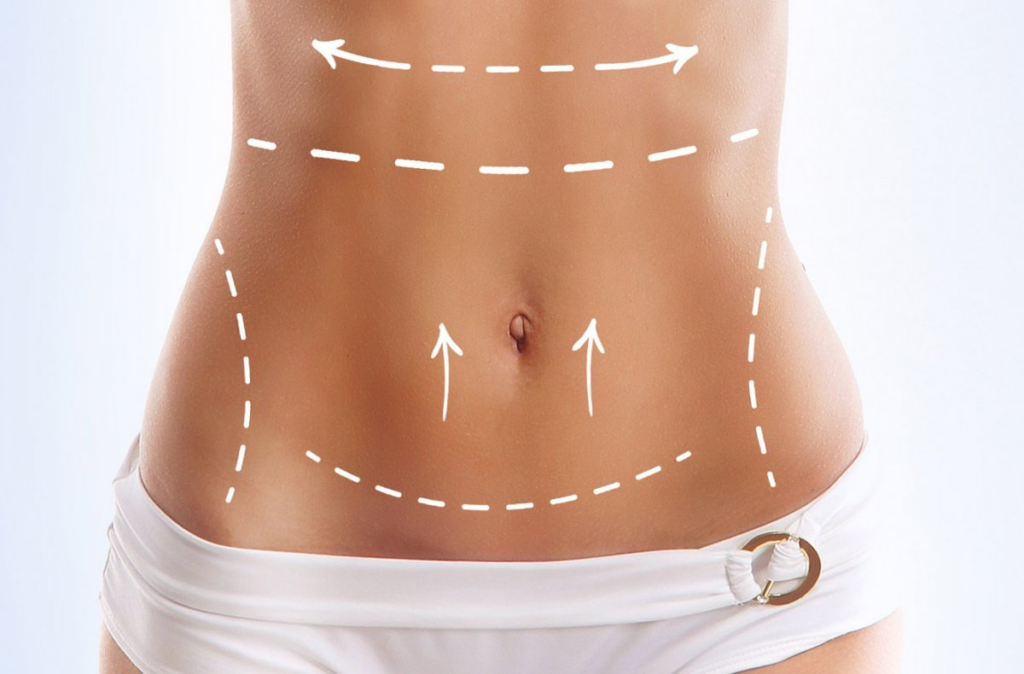
Üçüncü ayda karın germe ameliyatınız mükemmel görünüyordu. Cilt düzdü, yara gizliydi ve sonunda hamilelik öncesi vücudunuza geri dönmüş gibi hissettiniz. On sekizinci ayda tanıdık bir şişlik tekrar ortaya çıktı — ameliyatın başarısız olduğu için değil, ancak rektus kaslarınızın bir daha birlikte çalışmayı öğrenememesi nedeniyle. Dikişler tutundu. Sinir sisteminiz tutmadı. Bu, çoğu cerrahın asla açıklamadığı biyomekanik gerçektir.
Diyastaz rektus onarımı, ayrılmış rektus abdominis kaslarını orta hatta diker, ancak transversus abdominis nörolojik olarak inhibe kalırsa — doğum sonrası karın germe hastalarının 62%'sinde görülen bir durum — onarılan rektus, 12 ila 24 ay içinde yük altında ayrılır. Beyniniz bu kasları hâlâ ayrıymış gibi ateşler ve dikişler tüm yükü taşır ve sonunda kırılır. Bu sessiz başarısızlık mekanizmasına diyastaz rebound, denir ve her gün abdominoplasti sonuçlarını sabote eder.

İçindekiler
Abdominoplasti Sonrası Diyastaz R{RECTI} Tekrarının Gizli Biyomekaniği
Çoğu hasta diyastaz recti'nin sadece yapısal bir sorun olduğunu düşünür — hamilelik nedeniyle kasların birbirinden uzaması, karın germe sırasında dikişlerle onarılması. Bu mekanik bakış açısı sadece gerçeğin yarısını kapsar. Diğer yarısı sinir sisteminizde yaşar ve onu görmezden gelmek en büyük tahmin edicidir diyastaz rektus nüksü.
Neden Dikişler Tek Başına Diyastaz Reküransını Çözemez
Gebelik sırasında, rektus abdominis, uterin büyümeyi karşılamak için linea alba boyunca ayrılır. Ancak hasar, gerilmiş bağ dokusunun çok ötesine uzanır. En derin çekirdek kasınız olan transversus abdominis, doğru şekilde ateşleme yeteneğini kaybeder. Aylarca yer değiştirmiş ve nörolojik olarak sessizleştirilmiş bu kas, temelde rolünü unutur. Beyin, hareket, yükleme ve stabilizasyon sırasında onu işe almayı durdurur.
Bir cerrah rektusu kalıcı dikişlerle katladığında, yapısal boşluk kapanır. Orta hat sağlam görünür. Ancak, transversus abdominis'in baskı altında aktive olmasını söyleyen nörolojik bağlantı hâlâ kırık durumdadır. Bu derin stabilizatör olmadan, öksürük, kaldırma veya hatta ayakta durma gibi yan kuvvetler doğrudan onarılan linea alba'ya aktarılır. Bu dikişler sürekli dinamik yükü absorbe edecek şekilde tasarlanmamıştır. Dokuya benzerler; fonksiyonel kas kasılmasını yerine koymazlar.

Transversus Abdominis İnhibisyonu: Kimsenin Test Etmediği Temel Neden
Transversus abdominis, iç bir korsaj gibi çalışır. Gövdenizi yatay olarak sarar, karın iç organlarını sıkıştırır ve herhangi bir hareket gerçekleşmeden önce omurgayı stabilize eder. Araştırmalar, sağlıklı bireylerde bu kasın önceden aktive olduğunu gösterir — kas ateşlenir önce kolunuzu kaldırmadan önce, bir adım atmadan önce. Bu önceden ateşleme, linea alba'yı aşırı gerilmeye karşı korur.
62% postpartum karın germe adaylarında, transversus abdominis inhibisyonu mevcuttur. Kas geç gecikmeli ateşlenir, zayıf ateşlenir ya da hiç ateşlenmez. Beyin, diyastazın aylarca ya da yıllarca süren etkisine uyum sağlayarak telafi edici kalıpları işe almıştır — oblikler, sırt ekstansörleri, hatta kalça fleksörleri devreye girer. Cerrah rektusu onardığında, donanım sabitlenir. Yazılım ise bozuk kalır.
Sezaryenler Transversus Abdominis İnhibisyonunu Nasıl Derinleştirir
Sezaryen doğumlar başka bir işlev bozukluğu katmanı ekler. Cerrahi kesi, deri, subkutan yağ, rektus kılıfını keser ve bazen transversus abdominis'i besleyen nörovasküler demetleri bozar. Kesim düzleminde skar dokusu oluşur, hem fiziksel bir bariyer hem de nörolojik bir kopukluk yaratır. Gerçek zamanlı ultrason görüntüleme kullanan çalışmalar, önceki sezaryen geçirmiş kadınların 44% gecikmiş aktivasyon zamanlamasını vaginal doğum yapan kadınlara kıyasla transversus abdominis'te gösterdiğini ortaya koyar.
Bu, karın germe danışmanlığına giren post-sezaryen hastanın çift bir eksikliği olduğu anlamına gelir: gebelik kaynaklı gerilme inhibisyonu ve cerrahi kaynaklı sinir bozukluğu. Çoğu cerrahi danışma, bu kasın fonksiyonel değerlendirmesini asla içermez. Fiziksel muayene, deri gevşekliğini, yağ hacmini ve diyastaz genişliğini kontrol eder. Çekirdeğin yük karşısında stabilize edip edemediğini test etmez.
Hastalar araştırıyor karın germe cerrahisi başarılı bir estetik sonucun fonksiyonel bütünlüğe, sadece yapısal onarıma değil, bağlı olduğunu anlamalıdır.
Sezaryen Sonrası Kas Hafızası: Beyniniz Hâlâ Kaslarınızın Ayrı Olduğunu Düşünür
“Kas hafızası” terimi genellikle olumlu çağrışımlar taşır — sporcular bir ara sonrası formunu hızlıca geri kazanır, piyanistler karmaşık parçaları hatırlar. Abdominoplasti bağlamında kas hafızası kötü bir karakter haline gelir. Beyniniz dokuz ay boyunca genişleyen bir diyastaza uyum sağladı. Ayrılmış bir linea alba etrafında ek aylar ya da yıllar boyunca telafi etti. Transversus abdominis'i tamamen bypass eden hareket kalıplarını öğrendi.
Cerrah boşluğu kapattığında, beyniniz otomatik bir güncelleme almaz. Ayrı kaslar için tasarlanmış eski motor programını kullanmaya devam eder. Bu sezaryen sonrası kas hafızası en yıkıcı biçiminde olur. Öksürdüğünüzde, bir çocuğu kaldırdığınızda veya mekik yaptığınızda, sinir sisteminiz transversus abdominis'in koruyucu eş kasılması olmadan oblikleri ve rectusu ateşler. Onarılan linea alba üzerindeki yan çekiş anında ve durmaksızın gerçekleşir.
Bunu şu şekilde düşünün: cerrah yeni bir köprü inşa etti, ancak trafik kontrol sistemi hâlâ ağır kamyonları eski, çürük yola yönlendiriyor. Yeni köprü ağırlık taşımaz ve ihmalden yavaşça bozulur.
Rectus Onarım Başarısızlığı: Cerrahi Sonucunuzu Yok Eden Biyomekanik Kaskad
Anlamak rektus onarım hatası gerçek dünya koşullarında dikiş hattında neler olduğunu kavramayı gerektirir. Transversus abdominis doğru şekilde ateşlendiğinde içe doğru bir sıkıştırma üretir. Bu sıkıştırma, hareket sırasında oblikler ve rectusun uyguladığı yan çekme kuvvetlerini nötralize eder. Dikiş hattı minimal stres yaşar.
Transversus abdominis inhibe edildiğinde denge çöküşür. Oblikler yanlara doğru çeker. Dikişlerle yaklaşık olarak birleştirilen rectus, her kasıldığında orta hatta gerilim oluşturur. Dikişler bu kuvveti sürekli emer — her öksürükte, her ağır kaldırmada, her sandalyeden kalkışta. 12 ila 24 ay içinde, dikiş hattında mikro travma birikir. Bağ dokusu uzar. Onarılan linea alba milimetre milimetre genişler ve diyastaz tekrar klinik olarak görülür hale gelir.
Bu bir cerrahi başarısızlık değildir. Katlama başlangıçta tutundu. Bu fonksiyonel bir başarısızlıktır — kas desteğinin olmaması, zamanla yapısal onarımı mahvetti.
Diyastaz Rebound: Düz Karnınızın Şişmeye Dönmesi
Diyastaz geri dönüşü onarılan rectus kaslarının abdominoplasti sonrası yavaş yavaş yeniden ayrılmasını tanımlar. Birincil diyastazdan kritik bir şekilde farklıdır: doku katmanları zaten cerrahi olarak değiştirilmiştir. Dikiş malzemesi — kalıcı ya da emilebilir — skar doku bölgeleri ve göreceli zayıflık bölgeleri oluşturur. Yaklaşım başarısız olduğunda, yeniden ayrılma genellikle bu cerrahi kusur hatları boyunca düzensiz bir desen izler.
Klinik veriler çarpıcı bir desen ortaya koyar. Ameliyat öncesi çekirdek aktivasyonunu atlayan hastalar 38% yeniden diyastaz oranları gösterir. Yapılandırılmış bir preoperatif aktivasyon protokolünü tamamlayan hastalar bu oranı 8%’ye düşürür. Beş kat fark cerrahi teknik varyasyonundan kaynaklanmaz. Fonksiyonel nöromüsküler desteğin varlığı ya da yokluğundan kaynaklanır.
Geri dönüş genellikle ameliyat sonrası 12 ila 18 ay arasında ortaya çıkar. Hastalar göbek üstünde hafif bir yumuşaklaşma fark eder. Gerildiğinde küçük bir şişlik belirir. Haftalar içinde boşluk genişler. Cerrahlarına geri döndüklerinde onarım zaten başarısız olmuştur.
Çekirdek Aktivasyonu Pre-Op: Onarımınızı Koruyan Dört Haftalık Protokol
Diyastaz geri dönüşünün çözümü daha fazla dikiş ya da daha sıkı katlama değildir. Çözüm şudur çekirdek aktivasyonu pre-op — ameliyat öncesinde yapılan transversus abdominis aktivasyon egzersizlerinin yapılandırılmış dört haftalık protokolü. Bu protokol, ameliyat sonrası onarımı koruyan sinir yollarını oluşturur.
Bu dört hafta boyunca hastalar, oblik ve rektus kasları devreye girmeden önce transversus abdominis'i ateşlemek için sinir sistemlerini yeniden eğitir. Beyin yeni motor programlar oluşturur. Kas, hem işe alım zamanlamasını hem de güç çıkışını yeniden kazanır. Cerrah plikasyon dikişlerini yerleştirdiğinde, hasta yükü paylaşmaya hazır fonksiyonel bir iç korsete sahiptir.
Core Activation Pre-{OP} Dört Haftada Neler Başarır
- 1. Hafta — Farkındalık: Hastalar, gerçek zamanlı ultrason biyogeribildirimi kullanarak transversus abdominis'i bulmayı ve isteyerek kasılmasını öğrenir. Çoğu doğum sonrası kadın bu kası ilk denemede izole edemez.
- 2. Hafta — Zamanlama: Kasılma zamanlama egzersizleri, beyni uzuv hareketinden önce transversus abdominis'i ateşlemeye öğretir. Bu, diyastaz sırasında kaybolan önceden aktivasyon kalıbını geri kazandırır.
- 3. Hafta — Yükleme: İlerleyici yükleme, kasın artan dirence karşı kasılmayı sürdürmesini öğretir. Simüle edilen günlük aktiviteler — kaldırma, öksürme, dönme — yeni kalıbı fonksiyonel talepler altında test eder.
- 4. Hafta — Entegrasyon: Tam hareket entegrasyonu, yeni motor programı pekiştirir. Hasta, transversus abdominis'in otomatik olarak, bilinçli çaba olmadan ateşlendiği karmaşık görevleri yerine getirir.
Ameliyattan önceki bu dört haftalık yatırım, sonrasında yıllarca korunan sonuçlara dönüşür. Uygun şekilde aktive olan transversus abdominis, aksi takdirde dikiş hattını yok edecek güçleri emer.
Veri: Pre-Op Çekirdek Aktivasyonu Karın Germe Sonuçlarını Nasıl Değiştirir
Preoperatif çekirdek aktivasyonu yapan hastalar ile doğrudan ameliyata geçen hastalar arasındaki fark ölçülebilir, anlamlı ve klinik gözlemler boyunca tutarlıdır. Aşağıdaki tablo karşılaştırmalı sonuç verilerini sunmaktadır:
| Sonuç Ölçütü | Çekirdek Aktivasyonu Pre-Op Olmadan | 4 Haftalık Çekirdek Aktivasyonu Pre-Op ile |
|---|---|---|
| 24 ayda yeniden diyastaz oranı | 38% | 8% |
| Transversus abdominis aktivasyon zamanlaması | Gecikmeli (ortalama 89 ms gecikme) | Öngörücü (hareket öncesi ateşleme) |
| Hasta tarafından bildirilen şişlik tekrarı | 41% 18. ayda şişliği fark etti | 6% 18. ayda şişliği fark etti |
| 12 ayda fonksiyonel çekirdek güç skoru | 42/100 | 78/100 |
| 24 ayda düz karın memnuniyeti | 54% | 91% |
| İkincil revizyon cerrahi oranı | 23% | 3% |
Bu sayılar net bir hikâye anlatıyor. Yapısal onarım her iki grupta da aynı; aynı cerrahi teknik, aynı dikiş malzemesi, aynı postoperatif kompresyon protokolü. Tek değişken, hastanın sinir sisteminin iyileşme başladığında fonksiyonel bir{BOLD_1} transversus abdominis aktivasyon patternine sahip olup olmadığıdır.
Dört hafta nörolojik hazırlığa yatırım yapan hastalar, cerrahi yatırımlarını yıllarca korur. Bu adımı atlayanlar ise sonuçlarının yavaş yavaş çözülme ihtimaliyle neredeyse üçte bir oranla karşı karşıya kalır.
Karın Germe Fonksiyonel Sonucu: Çoğu Cerrahın Neden Sadece Sonucun Yarısını Sağladığı
Geleneksel abdominoplasti konsültasyonu öngörülebilir bir yol izler. Cerrah, deri fazlalığını, yağ dağılımını, diyastaz genişliğini ve göbek konumunu değerlendirir. Kesim yerini, kas kıvrımını ve yara yönetimini tartışır. Neredeyse evrensel olarak değerlendirmedikleri şey, transversus abdominis'in yük altında ateşleyip ateşleyemediğidir.
Bu eksiklik, plastik cerrahi eğitiminin yapısal anatomiye odaklanıp fonksiyonel nörolojiyi ele almamasından kaynaklanır. Cerrahlar gördüklerini onarmayı öğrenir. Nörolojik inhibisyonu göremezler. Gecikmeli ateşleme desenlerini göremezler. Telafi edici işe alım stratejilerini göremezler. Bu görünmez eksiklikler yalnızca dinamik koşullarda ortaya çıkar — standart preoperatif muayenenin asla simüle etmediği koşullar.
Sonuç öngörülebilir: zamanla bozulacak güzel bir erken sonuç. Üçüncü ayda düz karın hastayı ve cerrahı memnun eder. On sekizinci ayda kademeli şişlik her ikisini de şaşırtır. Hiçbir taraf neden olduğunu anlamaz ve hasta genellikle kendisini suçlar ya da cerrahinin teknik olarak kusurlu olduğunu varsayar. Gerçekte, bu abdominoplasti fonksiyonel sonucu ilk kesi yapılmadan önce bozulmuştu.
Yapısal başarı ile fonksiyonel başarısızlık arasındaki bu boşluk, günümüzde doğum sonrası abdominoplastide ele alınmamış en önemli sorunu temsil etmektedir. Bir Anne Estetiği çekirdek inhibisyonunu ele almadan prosedürleri birleştirmenin riski artırdığını, ek ameliyatların eğitimsiz çekirdeğin daha da az dikkat gördüğü daha uzun iyileşme dönemleri anlamına geldiğini fark etmelidir.
Nöromüsküler Rehabilitasyon Karın Germe: SURGYTEAM’in Entegre Yaklaşımı
Nöromüsküler rehabilitasyonlu karın germe cerrahi teknik değişikliği değildir. Bu, abdominoplasti iş akışının tamamen yeniden düşünülmesidir — SURGYTEAM'in bakım standardına entegre ettiği bir yaklaşım. Antalya'daki SURGYTEAM kliniğinde Dr. Selçuk Yılmaz, diyastaz rektus onarımını hassas bir kıvrım ile gerçekleştirir ve hastalar ameliyat tarihinden önce transversus abdominis'i aktive etmeye yönelik yönlendirilmiş bir preoper{ }.
Bu entegre model, temel bir gerçekliği tanır: cerrahi yapıyı tamir eder, ama hastanın sinir sistemi onu korur. Her iki bileşen olmadan sonuç bozulur. Her iki birlikte ise sonuç sürdürülür.
Dr. Selçuk Yılmaz: Fonksiyonel Diyastaz Onarımında Uzmanlık
Dr. Selçuk Yılmaz, her casoya 20’den fazla abdominoplasti uzmanlığı getirir. Türkiye Tıbbi Sertifika Komitesi’ne üye bir uzman olarak, kariyer boyunca teknik olarak kusursuz plikasyonlara rağmen tekrarlanan diastaz geri dönüş fenomenini gözlemlemiştir. Klinik deneyimi ona net bir sonuç koydu: cerrahi tamir, çevresindeki fonksiyonel destek kadar sürdürülebilirdir.
Onun yönlendirmesi altında, SURGYTEAM, abdominoplasti sürecine ön‑operatif merkezi aktivite değerlendirmesini entegre etti. Her bir bel şekillendirme adayı, cerrahi tarihine karar vermeden önce transversus abdominis aktivasyon testini geçirir. Bel bulguları belirtilen hastalar — çoğunlukla postpartum hastalar — cerrahi tarihine karar vermeden önce dört‑haftalık yönlendirilen fizyoterapi protokolüne tabi tutulur.
Bu yaklaşım, SURGYTEAM’in geniş felsefesini yansıtır: uzman cerrahlar, uzmanlık alanlarına odaklanarak hem görünür anatomiyi hem de görünmez fonksiyonu kapsayan sonuçlar sunar. Kliniğin FEBOPRAS ve EBOPRAS sertifikalarına sahiptir, Uluslararası Sağlık Turizmi Yetkilendirmesi sürdürülür ve Birleşik Krallık, Almanya, İtalya ve Orta Doğu’dan gelen hastalar, yedi dilde transkripsiyon destekli danışmanlıkla hizmet alır.
Uluslararası seyahat eden hastalar için, SURGYTEAM sunar her şey dahil paketler öngörülmüş fizyoterapiyi uzaktan koordinasyonu, four-week activation protokolünün ameliyat tarihine öncesinde tamamlandığını sağlar.
Adım Adım Rehberiniz: Diyastaz Geri Dönüşünden Karın Germe Ameliyatınızı Koruma
Sorunu anlamak, somut bir eylem planı olmadan hiçbir şey ifade etmez. Aşağıdaki yedi adımlık rehber, ameliyatın mükemmel olması değil, çünkü omuzunuz onu korumaya hazır olduğundan, sizin bel şekillendirme sonucunuz sürdürülür.
Adım 1: Ameliyat Planlamadan Önce Fonksiyonel Çekirdek Değerlendirmesi Talep Edin
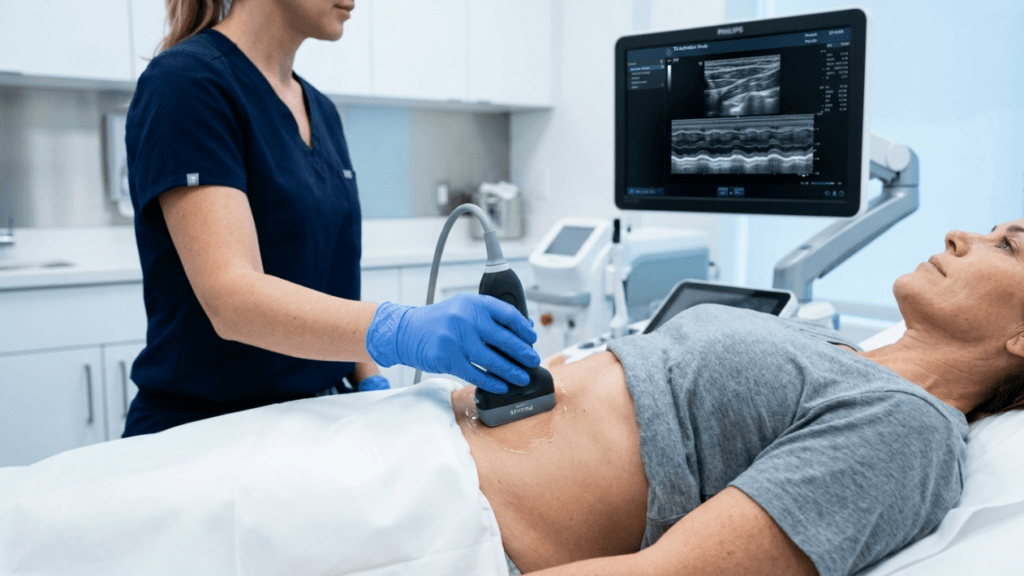
Cerrahi tarihine kararlılaşmadan önce, cerrahınızın transverzüs abdominis fonksiyonunu değerlendirmeli. Bu değerlendirme, gerçek zamanlı ultrasonografi ile kasın öksürme, kaldırma ve kontrol solunum sırasında doğru çalışıp çalışmadığını ölçer. Cerrahınız bu testi sunmazsa, uzun vadeli sonucunuzu belirleyen en kritik değişken bilinmez. SURGYTEAM’den bu fonksiyonel değerlendirmeyi içeren omuz-değerlendirme danışmanlığı için iletişime geçin.
Adım 2: Transversus Abdominis İnhibisyon Seviyenizi Belirleyin ve Ölçün
Tüm inhibisyonlar eşit değildir. Bazı hastalarda hafif gecikmeli aktivite görülür — kas, ama 50 milisaniye geç gider. Başka bazı hastalarda yük altında tamamen aktivite yoktur. Inhibisyonun ciddiyeti, ön‑operatif protokolünüzün yoğunluğunu belirler. Şiddetli inhibisyon, günlük pratik oturumları gerektirir. Hafif inhibisyon ise haftada üç oturumla çözülebilir.
Adım 3: Dört Haftalık Transversus Abdominis Aktivasyon Protokolüne Başlayın
Bu rehberde açıklanan yapılandırılmış protokolü takip edin. Biofeedback ile bilinme açış egzersizleriyle başlayın. Zamanlama egzersizleri, yük alma zorlukları ve tam hareket entegrasyonuna ilerleyin. SURGYTEAM, bu aşamayı evde tamamlayan uluslararası hastalar için yönlendirilen video talimatları ve uzaktan fizyoterapist desteği sağlar.
Adım 4: Nörolojik Olarak Hazırlanmış Bir Çekirdek ile Ameliyatı Gerçekleştirin
Transversus abdominis, hareket ve yük bindirmeden önce önceden aktivite gösterdiğinde, ameliyat sonucunuz işlevsel bir koruma ile başlar. Plicasyon omurga ipleri artık tüm yükü taşımak zorunda kalmaz. Kasınız, ilk gününden paylaşır.
Adım 5: Erken Postoperatif İyileşme Sürecinde Onarımı Koruyun
Yönetilen şekilde kompresyon kıyafetini takın. İlk altı hafta boyunca ağır kaldırma, ani dönüş ve sürekli bel gerilimini kaçının. İlk üç ay, tamir edilen dokunun güç kazanığı kritik bir dönemdir. Transversus abdominis daha iyi çalıştığında, bu hassas aşamada omurga hatının emilmesi mekanik stres azalır.
Adım 6: Ameliyat Sonrası Altı Haftada Hedefli Çekirdek Rehabilitasyonuna Devam Edin
Cerrahınız onayladıktan sonra, transverzüs abdominis koşullandırmayı tekrar başlatın. Destekli konumlarda izole kas kasılmalar ile başlayın. Yük ve dinamik hareketleri yavaşça dahil edin. Ön‑operatif olarak kurduğunuz sinir yolları, bu aşamayı sıfırdan başlamaktan çok daha hızlı ve etkili kılar.
Adım 7: Çekirdek Fonksiyonunuzu Yıllık Olarak İzleyin ve Nüksü Erken Müdahale Edin
Ultrasonografi veya bir uzman fizyoterapistin değerlendirmesiyle yılda transverzüs abdominis aktivitesini kontrol edin. Gecikmeli aktivite desenleri döndüğünde, hedef odaklı rehabilitasyonla hemen abone edin. Erken müdahale, hafif fonksiyonel gerilemeyi yapısal başarısızlığa dönüşmesini önler.
Çekirdek Aktivasyonunu Atlamanın Maliyeti: Re-Diyastazda Beş Kat Artış
Matematik net bir biçimde ortaya çıkar. Ön‑operatif omuz aktivitesizseniz, her 100 bel şekillendirme hastasının iki yıl içinde tekrarlanan diastaz yaşayacak 38'i olur. Dört‑haftalık protokol ile bu sayı 8’e düşer. Hazırlık egzersizlerini atlamak, ameliyat başarısız riskinizi 5% artırır.
Pratik etkisini göz önünde bulundurun. Düzeltme abdominoplasti işlemleri, finansal ve fiziksel açıdan birincil prosedürden çok daha pahalıdır — hem maliyet hem de fiziksel yük. İyileşme süresi daha uzun. İlk ameliyat sonrası kalıtsal dokuda bir artış yaşanır ve ikinci ameliyata zorluk yaratır. Hastalar, değerli bir sonucu bozulduğunu görürken psikolojik yükü büyük olur ve ardından tüm cerrahi yolculuğu tekrar yaşamak zorunda kalır.
Beş haftalık ön cerrahi protokolü, büyük çoğunluğu hastılarda bu zincirleri ortadan kaldırır. Çocuk oturma (tummy tuck) işlemini, 38% başarısızlık riskine sahip bir prosedürden, 92% dayanıklı başarı oranına sahip bir prosedür haline getirir. Bu iyileştirmeyi yalnızca cerrahi teknik değişikliği yapmakla sağlamazsınız. Sadece fonksiyonel hazırlık yapar.
Uluslararası Hastaların Fonksiyonel Karın Germe Ameliyatı İçin Neden SURGYTEAM'i Tercih Ettikleri
Tıp turizmi hastaları, yurtdışında abdominoplasti yaparken benzersiz zorluklar karşılaşırlar. Eksiksiz cerrahi sonuçlar ve rekabetçi maliyetler için seyahat ederler. Ancak yalnızca estetik değil, fonksiyonel boyutu da ele alacak bir cerrah bulmak ayrımcılık gerektirir.
SURGYTEAM, üç taahhütle kendini ayırır. İlk olarak, her abdominoplasti hastası ön cerrahi temel değerlendirme alır — bu standart global olarak nadiren görülür. İkinci olarak, Dr. Selçuk Yılmaz, diastaz tamirine odaklı özel bir odak gösterir ve bu işlemleri sadece daralt spesifikleşmenin sunduğu tutarlılıkla yürütür. Üçüncü olarak, klinik, uluslararası hastalara yönlendirilmiş uzaktan fizyoterapi desteği sunarak, Antalya’ya seyahat etmeden önce dört haftalık aktivasyon protokolünü tamamlamalarını sağlar.
Klinik, Lara, Antalya’da yenilikçi bir tesiste çalışır; FEBOPRAS sertifikalı cerrahlar, gece hospitala kaleleri, adedi çokdilli hasta koordinatörleri ve kapsamlı post-op takip sunar. Birleşik Krallık, Almanya, İtalya ve Orta Doğu’dan gelen hastalar, ana dilinde danışmanlık alır ve seyahat planlarına göre kişiselleştirilmiş iyileşme protokolleri uygulanır.
Zaman Çizelgesini Anlamak: Diyastaz Rebounu Ne Zaman Olur ve Nasıl Yakalanır
Diastaz geri dönüş ani bir şekilde duyulmaz. Önceden bilgi sahibi olan hastalar, tahmin edilebilen bir zaman çizelgesiyle takip edebilir.
1. Aylar - 6. Aylar: Balayı Dönemi
Cerrahi sonrası şişlik, erken fonksiyonel eksikliği maskeler. Kompresyon bezı, transversus abdominis zayıflığı için dış destek sağlar. Hastalar düz ve düz görünür ve sonucu kalıcı olarak kabul ederler. Bu dönem, özellikle ön cerrahi temel aktivasyona atlamış hastalarda yanlış bir güven hissi yaratır.
6. Aylar - 12. Aylar: İnce Kayma
Şişlik tamamen geçtikçe ve kompresyon bezı bırakıldığında, transversus abdominis tamirü desteklemek için bağımsız olarak çalışmalıdır. Engellenmiş hastalarda küçük fonksiyonel boşluklar ortaya çıkar. Üst karın biraz daha yumuşak hissedilir. Sit-to-stand geçişlerinde hafif bir doming oluşabilir. Bu işaretler, tipik post-op oturma olarak kolayca yorumlanır.
12. Aylar - 24. Aylar: Rebound Görünür Hale Gelir
Desteklenmeyen yükün birikimsel etkisi bir eşik noktasına ulaşır. Genişleştirilmiş linea alba palpabel hâle gelir. Bel button üstünde görünen bir patlama oluşur. Hasta yutarken, gerilimde veya geriye doğru eğildiğinde karınları öne çıkarırlar. Diastaz geri dönüş artık klinik olarak ölçülebilir — tipik olarak 2-3 cm ayrılık.
24 Aydan Sonra: Yerleşik Re-Diyastaz
Müdahale olmadan ayrılık, yeni genişliğinde stabilizasyon eder. Düzeltme yapılan rectus kenarları arasında gelen dokular kalıcı olarak gerilmiş olur. Konservatif rehabilitasyon fonksiyonu iyileştirebilir ama bir yapısal boşuk kalmışsa kapatamaz. Düz bir karın tekrar elde etmek isteyen hastalar için revizyon ameliyatı tek seçenek haline gelir.
Bu zaman çizelgesini tanıyarak hastalar, önleyici olarak harekete geçebilir. 6. ile 12. ay arasında yumuşaklaşma veya hafif doming fark ettiyseniz, transversus abdominis rehabilitasyonunu hemen yoğunlaştırın. Erken fonksiyonel müdahale sık sık yapısal başarının önlenmesini sağlar.
Karın Germe ve Çekirdek İyileşmesi Hakkında Üç Tehlikeli Efsaneyi Çürütmek
Efsane 1: Cerrah Kaslarınızı Onardı ve Çekirdeğiniz Tekrar Çalışır
Omurga, dokunuşları yaklaştırır. Sinir fonksiyonunu yeniden getirmez. Diastaz tamir sonrası transversus abdominis'i doğru şekilde tetiklemek, bir yaralanma sonrası herhangi bir yeni hareket modelini öğrenmek gibi bir süreçtir. Bilinçli yeniden eğitim olmadan beyin, diastaz dönemi sırasında geliştirilen tüketici desenlere geri döner. Cerrahi anatomiyi düzeltir. Siz de motor programını düzeltmeniz gerekir.
Efsane 2: Ameliyat Sonrası Çekirdek Egzersizleri Yeterlidir
Ameliyat sonrası rehabilitasyonu başlamak, hiç başlamamaktan daha iyi olur. Ancak post-op rehabilitasyonu bir dezavantajla başlar. Hasta büyük bir ameliyattan iyileşmekte, ağrı yönetimine çalışmaktadır ve hareket kısıtlaması yaşar. Erken post-op haftalarında sadece en nazik izolasyon egzersizleri yapılabilir. 6-8 hafta arasında progresif yükleme güvenli hâle geldiğinde, omurga omurga hâlâ koruyucu bir korumasız yükü taşımıştır yaklaşık iki ay. Ön cerrahi aktivasyon, stres başlamadan önce koruma sağlar.
Efsane 3: Doğal Doğum Yaptıysanız Çekirdeğiniz Sorunlu Değildir
Vajinal doğum, C-section’ın cerrahi sinir bozukluğundan kaçınmanı sağlar. Ancak uzun süren gebelikle ilgili esneme, doğum yöntemi bağımsız olarak transversus abdominis'i engeller. Abdominal duvarının 9 ay boyunca gerçekleşen kayması, doğal doğumlarda da transversus abdominis'i sessizleştirir. 62% engelleme oranı, sekans geçmişi olmayan tüm postpartum hastalarda geçerlidir.
Nörolojik Sıfırlama: Dört Haftada Karın Motor Programınız Nasıl Yeniden Bağlanır
Motor öğrenme araştırmaları, yaklaşık 21 ila 28 gün süren tutarlı, odaklanmış pratiğin kortikal motor temsillerinde kalıcı değişiklikler yarattığını göstermektedir. Dört haftalık preoperatif protokol, bu nöroplastisite penceresini kasıtlı olarak kullanır.
İlk hafta boyunca, hastalar transversus abdominis kasını bilinçli olarak çalıştırır — çoğu kişinin yıllardır gönüllü olarak kasmadığı bir kas. Çaba yabancı ve kesin olmayan bir his verir. Ultrason biyogeribildirimi, kasılmanın gerçekleşip gerçekleşmediğini doğrular ve görsel pekiştirme sağlar.
İkinci haftaya gelindiğinde, bilinçli çaba bilinçsiz zamanlamaya kayar. Hasta, kol hareketlerinden, ağırlık kaymalarından, kontrollü nefes verişlerinden önce transversus abdominis'i ateşlemeyi uygular. Her tekrar sinir yolunu güçlendirir ve motor programı otomatikliğe daha da yaklaştırır.
Üçüncü hafta direnç ve öngörülemezlik getirir. Transversus abdominis, hasta ağırlık kaldırırken, yön değiştirirken ve beklenmedik yüklerle karşılaşırken doğru şekilde ateşlenmelidir — onarılan linea alba'yı zorlayan gerçek dünya kuvvetlerini simüle eder.
Dördüncü haftada, yeni desen varsayılan haline gelmiştir. Transversus abdominis, bilinçli bir ipucu olmadan hareket öncesinde ateşlenir. Eski telafi programı üzerine yazılmıştır. Hasta, plikasyon tamamlandığı anda cerrahi onarımı aktif olarak koruyan nörolojik bir temelle ameliyata gelir.
Karın Germe Sonrası Diyastaz Rebounu En Yüksek Riskle Karşılaşanlar
Her karın germe hastası aynı riski taşımaz. Yüksek riskli profilleri belirlemek, başarısızlık sonrası reaktif tedavi yerine ameliyat öncesi hedefli müdahaleyi mümkün kılar.
- Çoklu gebelikler: Her gebelik linea alba'yı daha da uzatır ve transversus abdominis inhibisyonunu derinleştirir. Üç veya daha fazla gebeliği olan kadınlar en yüksek şiddette inhibisyon oranlarını gösterir.
- Önceki sezaryen: Karın duvarı kesisi, gebelikle ilişkili gerilmeye cerrahi sinir bozulması ekleyerek çift bir eksiklik yaratır.
- Uzun süren diyastaz: Onarım arayışına iki yıldan fazla süredir diyastaz rektus ile yaşayan hastalar, derinlemesine yerleşmiş telafi edici motor desenlere sahiptir. Beyin, işlev bozukluğunu pekiştirmek için daha fazla zamana sahiptir.
- Hareketsiz postpartum dönemi: Doğum sonrası hızlı bir şekilde masa başı işe dönen ve fiziksel aktiviteden kaçınan kadınlar, çekirdek boyunca daha zayıf nöromüsküler bağlantılar geliştirir.
- Kronik bel ağrısı: Ağrı, transversus abdominis'i doğrudan inhibe eder. Sürekli doğum sonrası sırt ağrısı olan hastalar genellikle en şiddetli aktivasyon gecikmeleriyle ortaya çıkar.
Bu risk faktörlerinden herhangi biri size uygulanıyorsa, dört haftalık preoperatif aktivasyon protokolü isteğe bağlı değildir. Bu, on yıllar süren bir sonuç ile aylar içinde başarısız olan bir sonuç arasındaki farktır.
Bugün SURGYTEAM'de Çekirdek Değerlendirme Danışmanlığınızı Randevu Alın
Preoperatif çekirdek aktivasyonunu atlamak, re-diyastaz riskinizi 8%'den 38%'ye yükseltir. Bu beş katlık artış teorik değildir — korumalı bir onarım ile desteklenmemiş bir onarım arasındaki ölçülebilir farkı yansıtır. Çekirdek değerlendirmenizi her geciktirdiğinizde, cerrahi sonucunuz için gereksiz riski kabul etmiş olursunuz.
Dr. Selçuk Yılmaz ve Antalya'daki SURGYTEAM ekibi, abdominoplasti planlamadan önce transversus abdominis fonksiyonunuzu değerlendiren kapsamlı çekirdek değerlendirme danışmanlıkları sunar. Bu değerlendirme yaklaşık 45 dakika sürer ve kas aktivasyon zamanlamanızı, işe alım gücünüzü ve kompansatuvar desenlerinizi ölçmek için gerçek zamanlı ultrason görüntülemesi kullanır.
Uluslararası hastalar değerlendirme sürecine uzaktan başlayabilir. SURGYTEAM'in çok dilli koordinatörleri, ön değerlendirmelerinizde size rehberlik eder ve evde tamamlamanız için dört haftalık preoperatif aktivasyon protokolünü sağlar. Antalya'ya geldiğinizde çekirdeğiniz hazır olacaktır. Ameliyatınız birinci günden itibaren korunmuş olacaktır.
Kas hafızanızı tummy tuck'ınızı bozutturmaz. Çekirdek değerlendirme danışmanlığınızı SURGYTEAM'de rezerve edin ve cerrahi sonucunuzu kalıcı kılmak için fonksiyonel temeli sağlayın.
Karın germe, çekirdek ameliyat öncesi test edilmemişse neden başarısız olur?
Bir karın germe ameliyatı, transversus abdominis kası ameliyat sonrası nörolojik olarak engellendiğinde başarısız olur. Dikişler rectus kaslarını birleştirir, ancak fonksiyonel derin çekirdek desteği olmadan, günlük aktivitelerden gelen yan kuvvetler dikiş hattına sürekli baskı yapar. 12 ila 24 ay içinde, bu desteklenmemiş yük onarımı ayırır — bu olaya diyastaz rebound denir.
Post-C-section kas hafızası karın germe sonuçlarını nasıl etkiler?
Sezaryen sonrası kas hafızası, beyninizin diyastaz sırasında geliştirilen telafi edici kalıpları kullanarak karın kaslarını çalıştırmaya devam etmesi anlamına gelir. Transversus abdominis geç ya da hiç ateşlenmez ve oblik kaslar onarılmış orta hattına karşı yan çekme kuvvetleri üret{{{{{{{{{{{{{{{{{{{{{{{{{{{{{{{{{{{{{{{{{{{{{{{{{{{{{{{{{{{{{{{{{{{{{{{{{{{{{{{{{{{{{{{{{{{{{{{{{{{{{{{{{{{{{{{{{{{{{{{{{{{{{{}.
Karın germe öncesi Pre-Op Core Activation Protokolü nedir?
Pre-Op Core Activation Protokolü, abdominoplasti öncesi yapılan dört haftalık transversus abdominis egzersizleri programıdır. Bilinç, zamanlama, yükleme ve entegrasyon fazlarındaki ilerlemeyi takip eder. Hedef, iyileşmeye başlamadan itibaren omurganı koruyan öngörüsel transversus abdominis ateşliğini kurmaktır ve 38%'ten 8%'e kadar yeniden diastaz oranlarını azaltır.
Diyastaz rebound nedir ve genellikle ne zaman ortaya çıkar?
Diastaz geri dönüşü, abdominoplasti sonrasında onarılan rectus abdominis kaslarının yavaş yavaş ayrılmasıdır. Genellikle 12 ila 18 ay arasında operatif olarak belirginleşir. Hastalar önceleri omurganın üstünde yumuşaklaşma hissi yaşar, ardından germe sırasında görünür bir şişlik oluşur. Ayrılması, transversus abdominis fonksiyonel destek sağlayamadığı için düzeltme sonrası bu destek eksikliği nedeniyle oluşur.
Transversus abdominis inhibisyonu nasıl teşhis edilir?
Transversus abdominis inhibisyon, gerçek zamanlı ultrasonografi ile nefes aldırma, kaldırma ve kontrollü solunum gibi fonksiyonel görevler sırasında tanılanır. Ultrasonik, kasın hareket öncesi öngörülü ateşleyip etmeye ya da gecikmeli ateşleyip etmeye karar vermesini gösterir. 50 milisaniyeden fazla gecikme klinik olarak anlamlı bir inhibisyon işareti olup, bu durum ön cerrahi rehabilitasyon gerektirir.
Karın germe öncesi yerine ameliyat sonrası çekirdek egzersizleri yapabilir miyim?
Cerrahi sonrası temel kas egzersizleri yardımcı olur ancak önemli bir dezavantajla başlar. ameliyat sonrasında ilk altı‑sekiz hafta içinde ağrı ve hareket kısıtlamaları yalnızca nazik izolasyon egzorikasyonlarına izin verir. Bu süreçte omurgan, korumasız yük alınır. Ön cerrahi aktivasyon, stres başlamadan önce koruma sağlar ve çok daha iyi uzun vadeli sonuçlar sağlar.
SURGYTEAM, karın germe sürecine çekirdek değerlendirmesini nasıl entegre ediyor?
SURGYTEAM, her abdominoplasti randevusunda fonksiyonel temel kas değerlendirmesini standart bir parçası olarak içerir. Dr. Selçuk Yılmaz, ameliyat planlaması öncesinde ultrasonografi ile transversus abdominis fonksiyonunu değerlendirir. Belirlenen inhibisyon bulunan hastalarına yönlendirilmiş dört haftalık ön cerrahi fizyoterapi protokolü verilir. Uluslararası hastalar, Antalya’ya seyahat etmeden önce bu protokolü uzaktan tamamlar.
Doğum sonrası karın germe hastalarının yüzde kaçı çekirdek inhibisyonuna sahiptir?
Klinik veriler, 62%'lik post‑partum mastektomi hastalarının önceden var olan transversus abdominis inhibisyonunun standart cerrahi randevularda hiç testmediğini gösterir. Bu inhibisyon, önceden C‑section, birden fazla hamilelik, uzun süreli diastaz ve pasif post‑partum yaşam tarzı sahip hastalarda en ciddidir. Değerlendirme yapılmazsa bu bozuluk görünmez kalır ve cerrahi başarısızlığı tetikler.