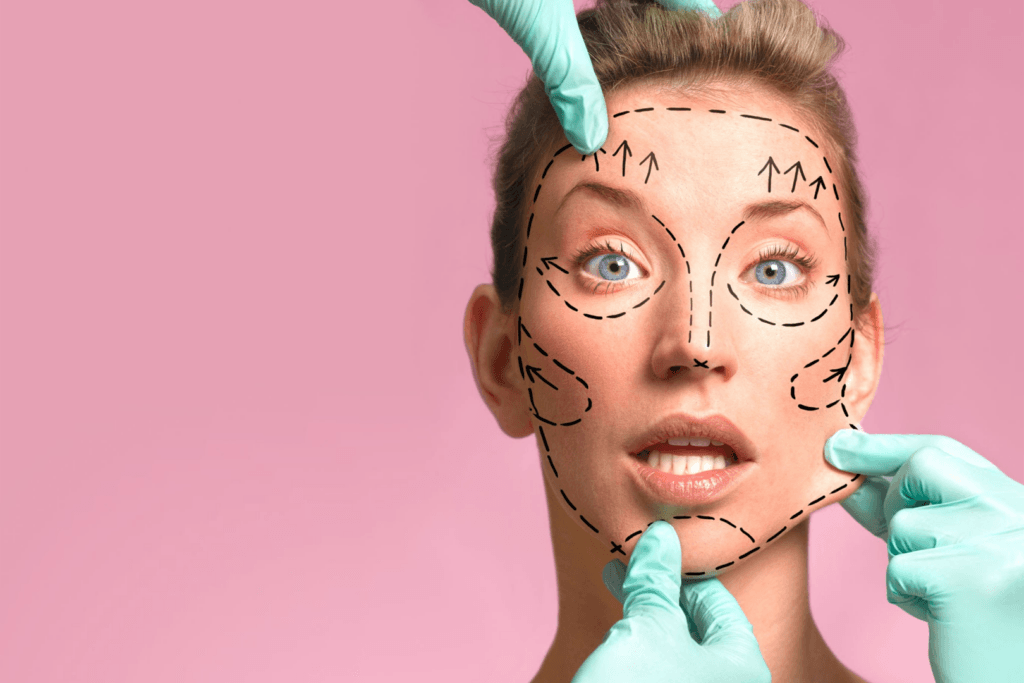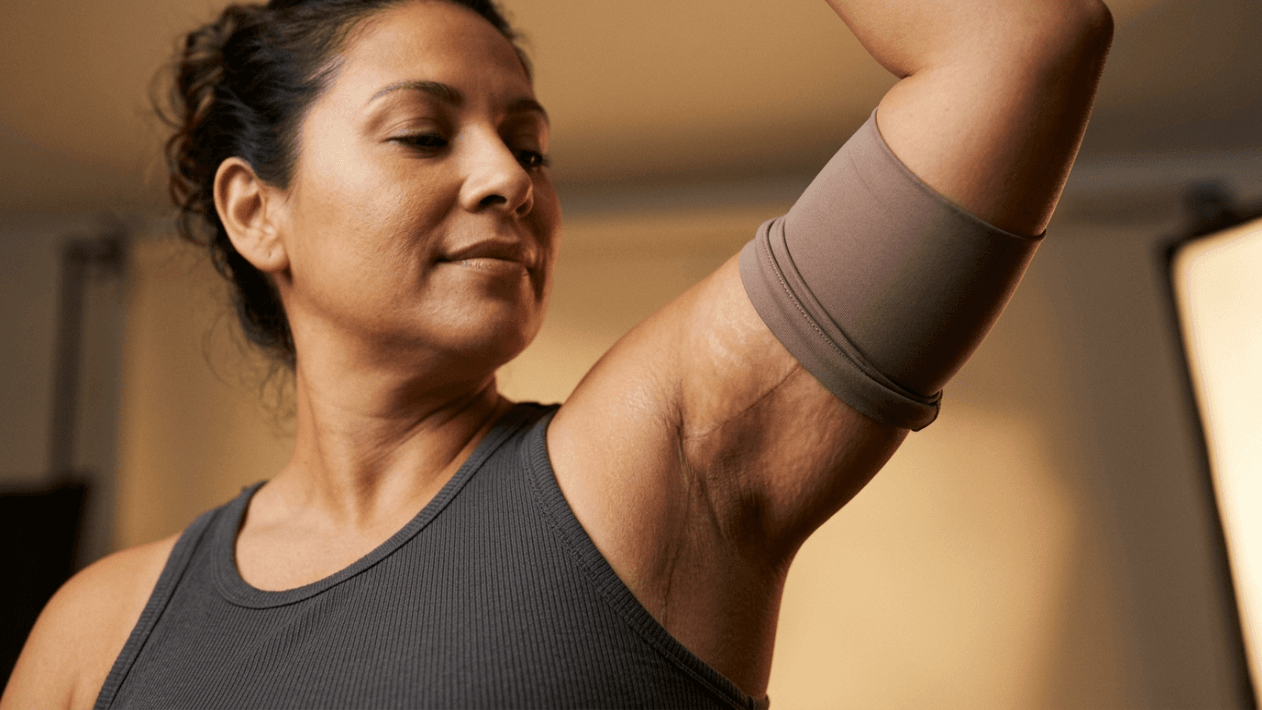
In 2026, the journey to a healthier, more confident self after bariatric surgery is more advanced—and more critical—than ever. For those who have undergone massive weight loss, the dream of a sculpted, smooth silhouette can quickly become a nightmare if skin removal surgery is performed too early. The stakes? Worse scarring, higher complication rates, and results that fall far short of your goals. This is “The Bariatric Trap”—a hidden danger that can derail your transformation if you don’t time your surgery right.
At SURGYTEAM, we don’t just perform skin removal surgery; we engineer life-changing outcomes. Led by the collaboration between Dr. Mustafa Keleş and Dr. Selçuk Yılmaz, our approach is built on decades of specialized experience in post-bariatric body contouring. We know that the key to minimizing scars, preventing complications, and achieving natural, lasting results lies in one word: timing. Here’s why waiting for the right moment isn’t just important—it’s everything.
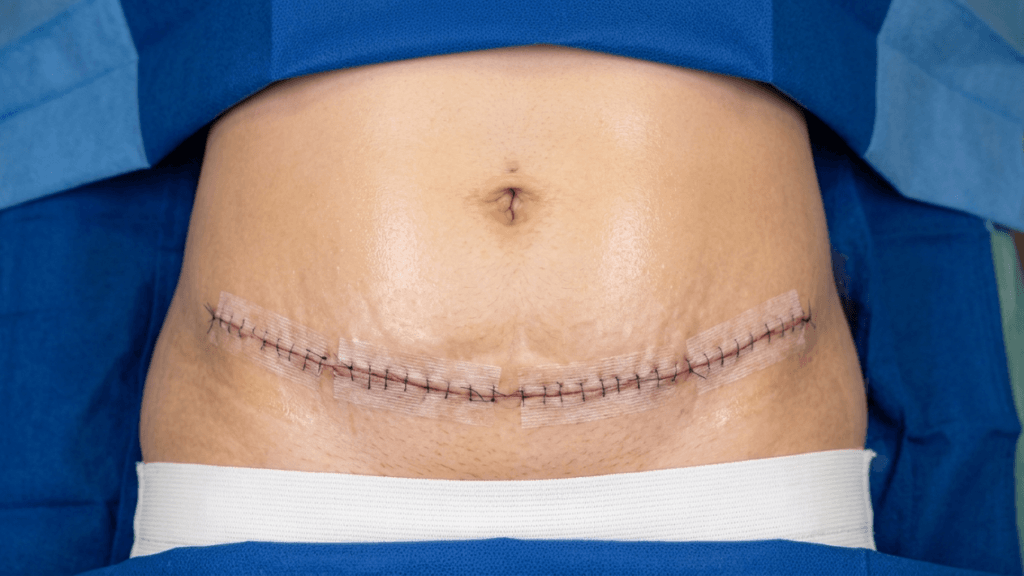
Table of Contents
The Weight Loss Paradox: Why Your Skin Isn’t Ready (Even If You Are)
After bariatric surgery, your body undergoes a dramatic transformation. Fat stores shrink, metabolism shifts, and your skin—once stretched to its limits—begins to retract. But here’s the catch: your skin doesn’t bounce back on your timeline. It follows a biological clock, one that’s governed by collagen production, elastin fibers, and the gradual stabilization of your weight. If you rush into skin removal surgery before your body is ready, you’re setting yourself up for a cascade of problems:
- Worse Scarring: Early surgery means your skin is still in flux. Tension on incisions is higher, and the risk of hypertrophic or keloid scars—thick, raised, and often disfiguring—skyrockets. Studies show that patients who undergo skin removal before weight stabilization are 30-50% more likely to develop severe scarring compared to those who wait.
- Higher Complication Rates: Your body is still healing from bariatric surgery. Early skin removal increases the risk of wound dehiscence (reopening), seromas (fluid buildup), and infections. Research from Europe PMC confirms that post-bariatric patients who undergo body contouring before reaching a stable weight face complication rates as high as 60%, compared to 20-30% for those who wait.
- Suboptimal Aesthetic Results: If your skin hasn’t fully retracted, removing it too soon can leave you with loose, sagging areas elsewhere—or worse, an unnatural, “over-pulled” look. The goal isn’t just to remove skin; it’s to reshape your body. That’s only possible when your skin has reached its natural post-weight-loss state.
- Psychological Fallout: Complications and poor results don’t just affect your body—they impact your mind. Many patients who rush into surgery report feelings of regret, frustration, and even depression. Your transformation should empower you, not leave you questioning your choices.
The science is clear: your skin needs time to adapt. But how much time? And how do you know when you’re truly ready? That’s where SURGYTEAM’s expertise comes in.
The SURGYTEAM Criteria: When Is the Right Time for Skin Removal?
At SURGYTEAM, we don’t rely on guesswork. Our criteria for post-bariatric skin removal are rooted in peer-reviewed research, global surgical standards, and the unique needs of bariatric patients. Here’s what we look for before we even consider scheduling your surgery:
1. Weight Stability: The 12-Month Rule
Your weight must be stable for at least 12-18 months before skin removal surgery. This isn’t just about hitting your goal weight—it’s about proving your body can maintain it. Why? Because even small fluctuations in weight can stretch or loosen your skin, compromising your results. According to a 2026 study in Plastic and Reconstructive Surgery, patients who undergo body contouring within 12 months of bariatric surgery are twice as likely to require revision surgery due to weight-related skin changes.
How we verify it: We review your weight logs, consult with your bariatric surgeon, and may even use 3D body scanning to assess skin elasticity and predict how your skin will respond to surgery.
2. BMI Below 30: The Sweet Spot for Safety and Results
Your Body Mass Index (BMI) should be below 30 before undergoing skin removal surgery. This isn’t just about aesthetics—it’s about safety. Higher BMIs are associated with increased risks of complications, including blood clots, poor wound healing, and anesthesia-related issues. A landmark study in Annals of Plastic Surgery found that patients with a BMI over 30 at the time of body lift surgery had a 40% higher risk of major complications, such as deep vein thrombosis and pulmonary embolism.
Why 30? At this threshold, your body’s inflammatory response is more manageable, your skin has likely reached its maximum retraction, and your overall health is optimized for surgery. If your BMI is still above 30, we’ll work with you on a pre-surgery plan to reach this goal safely.
3. Nutritional Optimization: The Foundation of Healing
Bariatric surgery alters your digestive system, which can lead to nutritional deficiencies—especially in protein, vitamin C, zinc, and iron. These nutrients are critical for wound healing and scar formation. Without them, your body can’t produce collagen efficiently, increasing the risk of poor scarring and delayed recovery. A 2026 review in Obesity Surgery found that 68% of post-bariatric patients have at least one nutritional deficiency, with protein and vitamin C being the most common.
How we verify it: We require recent blood work (within 3 months) to check your levels of:
If deficiencies are detected, we’ll collaborate with your nutritionist or bariatric team to correct them before surgery. This may involve targeted supplementation, dietary adjustments, or even IV therapy for severe cases.
- Protein (albumin and prealbumin)
- Vitamin C
- Zinc
- Iron (ferritin and hemoglobin)
- Vitamin D
4. Skin Elasticity Assessment: The Hidden Factor
Not all skin is created equal. Some patients’ skin retracts beautifully after weight loss; others are left with stubborn laxity. At SURGYTEAM, we use cutting-edge technology to assess your skin’s elasticity and predict how it will respond to surgery. This includes:
- 3D Body Scanning: This non-invasive tool maps your skin’s surface, identifying areas of laxity and helping us plan incisions that minimize tension and scarring.
- Elastography: This ultrasound-based technique measures the density and elasticity of your skin’s collagen and elastin fibers. It’s a game-changer for predicting scar formation and tailoring surgical techniques to your unique anatomy.
- Pinch Test: A simple but effective manual test to assess skin thickness and laxity in key areas like the abdomen, arms, and thighs.
If your skin elasticity is poor, we may recommend a staged approach—addressing the most problematic areas first (e.g., the abdomen) and allowing your skin to adapt before tackling other regions (e.g., arms or thighs).
5. Psychological Readiness: The Overlooked Essential
Skin removal surgery isn’t just a physical transformation—it’s an emotional one. Many patients struggle with body dysmorphia, unrealistic expectations, or anxiety about surgery. At SURGYTEAM, we require a psychological evaluation before proceeding. This isn’t about judging you; it’s about ensuring you’re mentally prepared for the journey ahead.
What we look for:
- Realistic expectations about results and recovery
- Emotional stability and support systems
- Commitment to post-operative care and lifestyle changes
If needed, we’ll connect you with a therapist or support group to help you navigate the emotional aspects of your transformation. Remember: surgery is a tool, not a magic wand. Your mindset plays a huge role in your satisfaction with the results.
The SURGYTEAM Difference: Why Board-Certified Expertise Matters
Not all plastic surgeons are created equal—especially when it comes to post-bariatric body contouring. The truth is, most plastic surgeons lack the specialized training and experience needed to navigate the unique challenges of bariatric patients. At SURGYTEAM, we’ve made it our mission to fill this gap. Here’s what sets us apart:
1. Niche Specialization in Post-Bariatric Surgery
Dr. Mustafa Keleş and Dr. Selçuk Yılmaz don’t just perform post-bariatric surgeries—they specialize in them. Their expertise is built on:
- Thousands of cases: Our surgeons have performed over 5,000 post-bariatric procedures, from body lifts to arm reductions and thighplasties.
- Global training: Both surgeons have trained with world leaders in body contouring, including pioneers in the U.S. and Europe.
- Research leadership: They’ve published extensively on post-bariatric surgery techniques, including a groundbreaking 2025 study on reducing complications in body lift surgery.
2. A Multidisciplinary Approach
Your transformation doesn’t happen in a vacuum. At SURGYTEAM, we collaborate with:
- Your bariatric surgeon, to align on your weight loss journey and surgical history
- Nutritionists, to optimize your diet and correct deficiencies before and after surgery
- Physical therapists, to design pre- and post-operative exercise plans that support healing
- Psychologists, to ensure you’re emotionally prepared for the changes ahead
This team-based approach ensures that every aspect of your health is considered, reducing risks and maximizing results.
3. Advanced Surgical Techniques for Minimal Scarring
Scarring is a top concern for post-bariatric patients. At SURGYTEAM, we use evidence-based techniques to minimize scars and optimize healing:
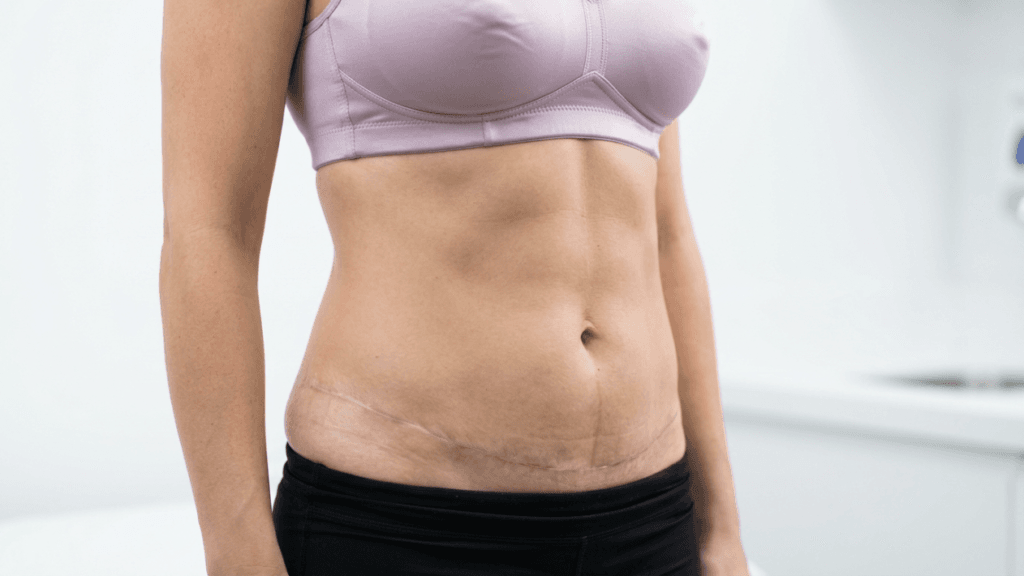
- Strategic Incision Placement: We place incisions in natural skin folds or along tension lines to reduce visibility and promote better healing. For example, in a body lift, incisions are hidden along the bikini line, ensuring scars are easily concealed.
- Progressive Tension Sutures: This technique distributes tension evenly across the wound, reducing the risk of hypertrophic scarring and wound dehiscence. A 2026 study in Journal of Plastic, Reconstructive & Aesthetic Surgery found that progressive tension sutures reduced scar width by 40% compared to traditional suturing.
- Barbed Sutures: These self-anchoring sutures eliminate the need for knots, reducing tissue trauma and inflammation—key factors in scar formation.
- Laser-Assisted Skin Closure: We use low-level laser therapy (LLLT) during surgery to stimulate collagen production and reduce inflammation, leading to finer, less noticeable scars.
4. Personalized Post-Operative Scar Management
Your journey doesn’t end when you leave the operating room. At SURGYTEAM, we provide a comprehensive scar management protocol tailored to your skin type and surgical procedure. This includes:
- Silicone Gel Sheets: Applied within 2 weeks of surgery, these sheets hydrate the scar and reduce collagen overproduction, preventing hypertrophic or keloid scars. Studies show they can improve scar appearance by up to 86%.
- Microneedling: This minimally invasive treatment uses tiny needles to stimulate collagen remodeling, improving scar texture and color. We typically start microneedling 6-8 weeks post-op.
- Laser Therapy: Fractional CO2 laser treatments can further refine scars by breaking down excess collagen and promoting new, healthy tissue growth. These sessions begin 3 months post-op and are spaced 4-6 weeks apart.
- Steroid Injections: For patients prone to keloid scarring, we offer targeted corticosteroid injections to flatten and soften raised scars.
Our goal? Scars so fine, they’re virtually invisible.
5. State-of-the-Art Facilities in Antalya, Turkey
SURGYTEAM’s clinic in Lara, Antalya, is a center of excellence for post-bariatric surgery. Our facilities are accredited by international bodies, including the European Association for Quality Assurance in Bariatric Surgery, ensuring the highest standards of safety and care. Features include:
- Hybrid Operating Rooms: Equipped with advanced imaging and monitoring technology for precision surgery.
- Dedicated Recovery Suites: Private, comfortable rooms with 24/7 nursing care to support your recovery.
- On-Site Rehabilitation: Physical therapy and lymphatic drainage services to accelerate healing and reduce swelling.
- Multilingual Staff: Our team speaks English, German, Russian, Arabic, Spanish, and Italian, ensuring clear communication every step of the way.
The SURGYTEAM Process: From Consultation to Confidence
Your journey with SURGYTEAM begins long before surgery day. Here’s what you can expect:
Step 1: Virtual Consultation
We start with a comprehensive virtual consultation, where we:
- Review your medical history, including your bariatric surgery details and weight loss journey
- Discuss your goals and concerns, from scar visibility to functional issues like chafing or mobility limitations
- Perform a virtual skin assessment using photos and video
This step helps us determine if you’re a candidate for surgery and, if not, what steps you need to take to get there.
Step 2: In-Person Evaluation in Antalya
Once you’re ready, you’ll travel to Antalya for an in-person evaluation. This includes:
- Advanced Imaging: 3D body scanning and elastography to assess skin laxity and plan your surgery.
- Blood Work: Comprehensive lab tests to check for nutritional deficiencies and overall health.
- Psychological Screening: A session with our psychologist to ensure you’re emotionally prepared.
- Surgical Planning: A detailed discussion with your surgeon about incision placement, expected results, and recovery.
Step 3: Surgery Day
On surgery day, you’ll be in the hands of our expert team. Here’s what happens:
- Anesthesia: Administered by a board-certified anesthesiologist, tailored to your needs.
- Precision Surgery: Your surgeon will use the techniques discussed to remove excess skin, reshape your contours, and minimize scarring.
- Immediate Post-Op Care: You’ll wake up in our recovery suite, where our nursing team will monitor you closely.
Step 4: Recovery and Follow-Up
Recovery is a critical phase of your journey. Here’s how we support you:
- First 48 Hours: You’ll stay in our clinic for close monitoring. Pain management, hydration, and early mobilization are our priorities.
- Weeks 1-2: You’ll wear compression garments to reduce swelling and support your new contours. Light walking is encouraged to promote circulation.
- Weeks 3-6: You’ll gradually return to normal activities, avoiding strenuous exercise. Scar management begins with silicone gel sheets and gentle massage.
- Months 3-6: This is when the magic happens. Your scars will fade, your swelling will subside, and your final results will emerge. We’ll schedule follow-up appointments to monitor your progress and adjust your scar management plan as needed.
Throughout your recovery, our team is just a call or message away. We’re committed to your success, every step of the way.
Real Stories, Real Results: SURGYTEAM Patients Speak
Don’t just take our word for it. Here’s what our patients have to say about their SURGYTEAM experience:
“I waited 18 months after my gastric sleeve, and it was the best decision I ever made.”
— Sarah, UK
“I was desperate to get rid of my loose skin, but my surgeon in London told me I needed to wait. I’m so glad I did. SURGYTEAM’s approach was different—they didn’t just look at my skin; they looked at me. The results? Scars so fine, I can wear a bikini without a second thought. And the confidence? Priceless.”
“The difference between my first surgery (too early) and my SURGYTEAM surgery is night and day.”
— James, Germany
“I made the mistake of having a body lift just 9 months after my bypass. The scarring was terrible, and I still had loose skin on my arms. With SURGYTEAM, I waited 2 years. The difference is night and day. My scars are smooth, my contours are natural, and I finally feel like me.”
“SURGYTEAM didn’t just change my body—they changed my life.”
— Aisha, UAE
“After losing 100kg, I was left with skin that made me feel trapped in my own body. SURGYTEAM’s team didn’t just remove the skin; they gave me back my freedom. The care, the expertise, the results—it’s everything I dreamed of and more.”

The Risks of Choosing the Wrong Surgeon (And How to Avoid Them)
The rise of medical tourism has made it easier than ever to access affordable skin removal surgery. But with this accessibility comes risk—especially when it comes to post-bariatric body contouring. Here’s what can go wrong if you choose the wrong surgeon:
- Poor Scarring: Inexperienced surgeons may place incisions in high-tension areas, leading to wide, raised, or keloid scars. At SURGYTEAM, we use evidence-based techniques to minimize tension and promote optimal healing.
- Asymmetry and Unnatural Contours: Post-bariatric surgery requires an artistic eye. Without it, you risk ending up with uneven results, dog ears (excess skin at incision ends), or an “over-operated” look. Our surgeons are trained in aesthetic principles to ensure your results are balanced and natural.
- Complications and Revision Surgery: Complications like wound dehiscence, seromas, and infections are more common with inexperienced surgeons. A 2026 study in Aesthetic Surgery Journal found that patients who underwent body contouring with non-specialized surgeons were 3 times more likely to require revision surgery.
- Lack of Post-Operative Care: Your journey doesn’t end when you leave the operating room. Many clinics, especially those focused on volume over quality, provide little to no follow-up care. At SURGYTEAM, we offer lifelong support, including scar management, nutritional guidance, and emotional counseling.
How to Choose the Right Surgeon:
- Look for Specialization: Choose a surgeon who specializes in post-bariatric body contouring, not just general plastic surgery.
- Check Credentials: Ensure your surgeon is board-certified in plastic surgery and has additional training in body contouring. At SURGYTEAM, our surgeons hold certifications from FEBOPRAS (European Board of Plastic, Reconstructive and Aesthetic Surgeons) and EBOPRAS.
- Review Before-and-After Photos: Ask to see real patient results, not just stock photos. Look for consistency in scar quality, symmetry, and natural contours.
- Read Patient Reviews: Look for reviews that mention scar management, surgeon communication, and post-operative care. Platforms like RealSelf and Trustpilot are great resources.
- Ask About Complication Rates: A reputable surgeon will be transparent about their complication rates and how they handle them. At SURGYTEAM, our complication rate is below 10%—far lower than the industry average for post-bariatric body contouring.
Frequently Asked Questions About Post-Bariatric Skin Removal
How do I know if I’m ready for skin removal surgery after bariatric surgery?
You’re ready for skin removal surgery when:
– Your weight has been stable for at least 12-18 months.
– Your BMI is below 30.
– Your nutritional deficiencies are corrected.
– Your skin elasticity has been assessed and deemed suitable for surgery.
– You’ve passed a psychological evaluation.
At SURGYTEAM, we use advanced diagnostics to confirm your readiness and tailor a plan to your unique needs.
What’s the biggest mistake patients make when timing their skin removal surgery?
The biggest mistake is rushing into surgery before weight stabilization.