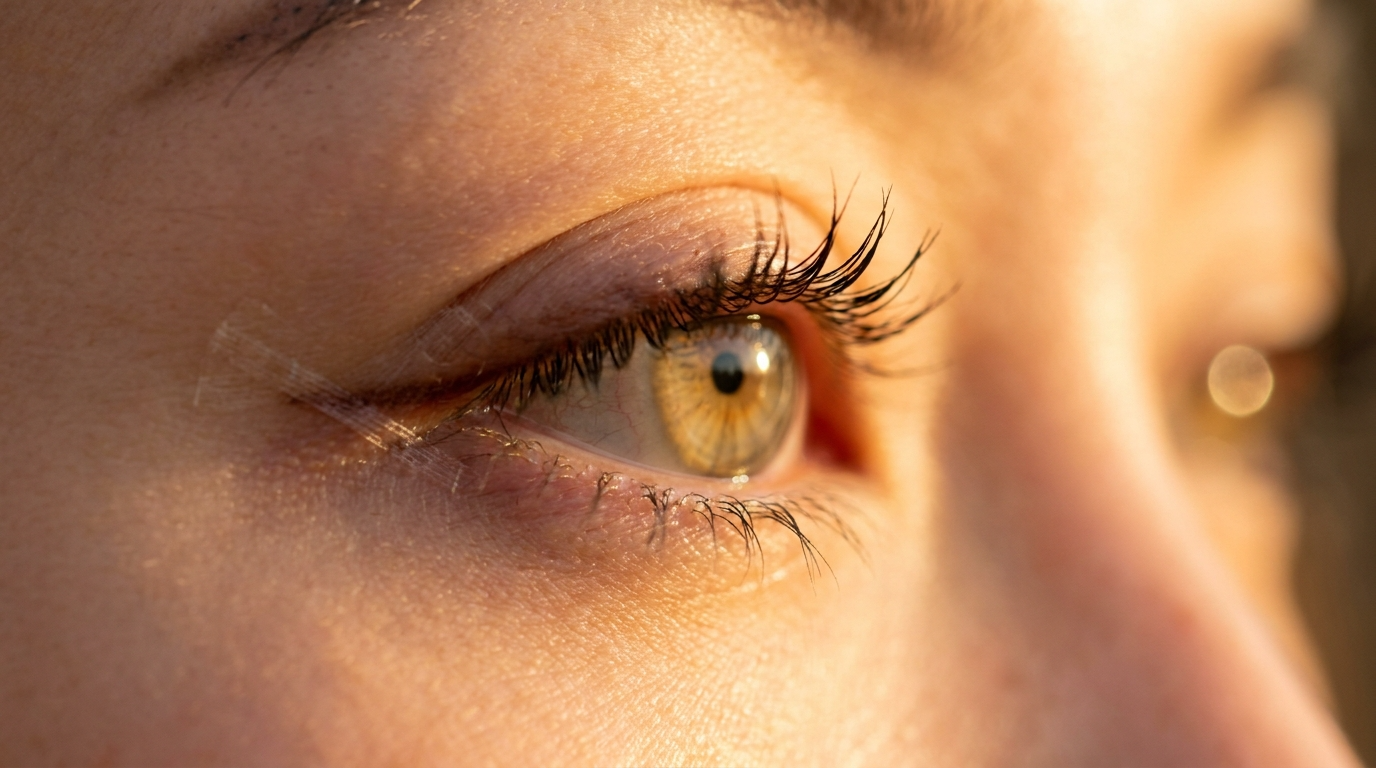
الجاذبية قص العين اللوزي يكمن في قدرته على تحويل نظرتك من عادية إلى آسرة—بشكل دائم. سواء كنت تنجذب إلى الرفع الجذاب لل عين الثعلب الاتجاه أو الأناقة الخالدة لشكل عين محسن، تحقيق هذا المظهر جراحيا يتطلب دقة وفن وفهما عميقا لتشريح العين. على عكس الخيوط المؤقتة أو حيل المكياج، جراحة الجفن يحقق نتائج دائمة من خلال إعادة تشكيل الكانثوس الجانبي—الزاوية الخارجية لعينك. يكشف هذا الدليل التقنيات الجراحية، واستراتيجيات الشق، ورؤى التعافي التي تحتاجها لاتخاذ قرار مستنير وتحقيق شكل العين الذي طالما رغبت فيه.
إذا تساءلت يوماً كيف يحقق المشاهير محيطات عيونهم المذهلة والمرفوعة، فالإجابة غالباً تكمن في جراحة الجفن أو قريبه, جراحة شدّ الجفن. هذه الإجراءات ليست مجرد جمالية—إنها عن التناغم. من خلال تعديل زاوية وموضع الكانثوس الجانبي, ، يمكن للجراحين إنشاء شكل لوزي طبيعي يكمل بنية وجهك. لكن هنا يكمن العيب: نجاح قص العين اللوزي يعتمد على عاملين حاسمينوضع الشق و إدارة الندبات. دعونا نستكشف كيف تضمن التقنيات الحديثة الحد الأدنى من الرؤية وتحقيق أقصى تأثير.

جدول المحتويات
شق العين اللوزي: موضع الجرح وعمليّة الشفاء
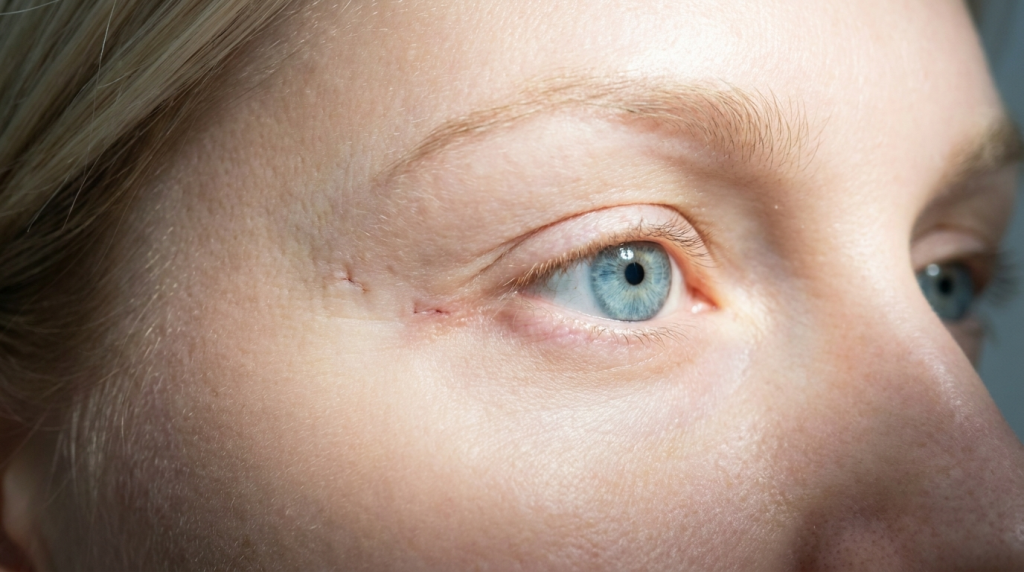
سر السلاسة قص العين اللوزي يكمن في الشق. أثناء جراحة الجفن, ، يقوم الجراحون بعمل قطع صغير واستراتيجي عند الـ الكانثوس الجانبي, ، حيث يلتقي الجفنان العلوي والسفلي. هذا الموقع مثالي لسببين: فهو مخفي طبيعياً ضمن تشريح العين، ويتيح ضبطاً دقيقاً لزاوية العين. عادةً ما يكون الشق أقل من 5 مم، مما يضمن تلاشيه إلى خط غير مرئي تقريباً مع مرور الوقت.
بعد الجراحة، تخضع الندبة لعملية نضج. في الأشهر الثلاثة الأولى، قد تبدو حمراء قليلاً أو بارزة، لكن بحلول 6 إلى 12 شهراً، تلين وتمتزج مع لون بشرتك. لتحسين الشفاء، يوصي الجراحون بـ:
- صفائح جل السيليكون: تُطبق على موقع الشق لتقليل الاحمرار وتسطيح الندبة.
- تجنب التعرض لأشعة الشمس: يمكن لأشعة فوق البنفسجية أن تُغمق الندوب، لذا فإن استخدام واقٍ شمسي بعامل حماية 50+ أمر لا غنى عنه.
- تدليك لطيف: بعد أسبوعين، يمكن للتدليك الخفيف تحسين تدفق الدم وتليين نسيج الندبة.
لمن يقلقون بشأن الظهور، اطمئنوا: الـ الكانثوس الجانبي هي المنطقة الأقل ملاحظة للندوب، خاصة عند إجرائها من قبل جراح ماهر.
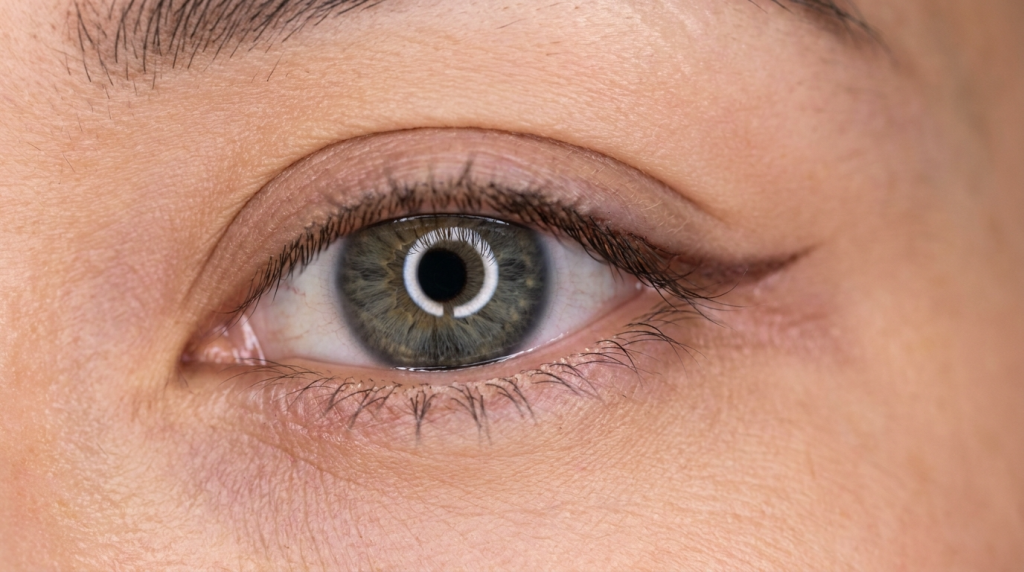
قنثوبلاستي مقابل قنثوبكسي: ما الفرق بين الجراحيتين؟
بينما تعزز كلتا العمليتين شكل العين، تختلف شقوقهما وأهدافهما. أ جراحة الجفن يتضمن قطع وإعادة وضع الـ الكانثوس الجانبي لإطالة أو رفع العين، مما يخلق درامياً قص العين اللوزي. في المقابل، أ جراحة شدّ الجفن يشد الوتر الزاوي الموجود دون تغيير موضعه، مما يؤدي إلى رفع أدق. الشق لـ جراحة شدّ الجفن أصغر حتى، وغالباً ما يكون مخفياً داخل الطية الطبيعية للجفن.
| إجراء | حجم الجرح | الهدف الرئيسي | وقت التعافي |
|---|---|---|---|
| جراحة الجفن | 3–5mm | إعادة تشكيل ورفع الكانثوس الجانبي | 7–10 أيام |
| جراحة شدّ الجفن | 2–3مم | شد الوتر المأبضي الظاهري | 5–7 أيام |
تحقيق الميل الجانبي: المفتاح لعين اللوز
السمة المميزة قص العين اللوزي هي ميلها الصاعد في الزاوية الخارجية. يحقق الجراحون ذلك بإعادة تموضع الكانثوس الجانبي لإنشاء زاوية بين 5 و15 درجة. تعتمد الدرجة الدقيقة على تناسق وجهك وأهدافك الجمالية. قد يبدو الرفع المفرط غير طبيعي، بينما قد لا يحقق الرفع القليل التأثير المرغوب فيه. أثناء استشارتك، سيستخدم جراحك التصوير الرقمي لمعاينة الزاوية التي تكمل ملامحك بشكل أفضل.
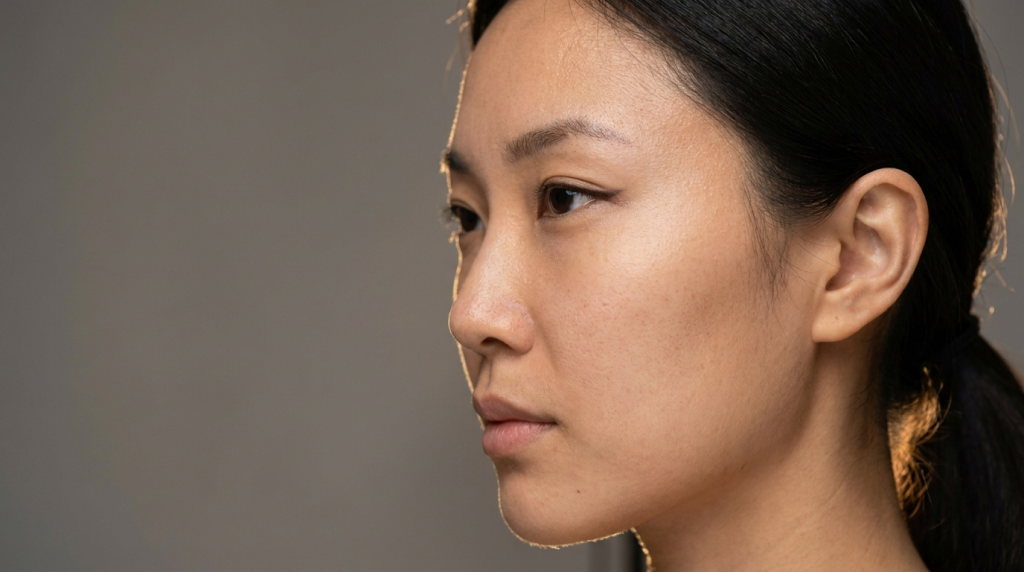
العملية الجراحية: خطوة تلو الأخرى
أ جراحة الجفن لـ قص العين اللوزي يتم الإجراء تحت تأثير التخدير الموضعي مع تهدئة، مما يضمن راحتك وأنت مستيقظ. يستغرق الإجراء من 60 إلى 90 دقيقة ويتبع هذه الخطوات:
- شق: يتم إجراء قطع دقيق عند الكانثوس الجانبي, ، باتباع محيط عينك الطبيعي.
- تعديل الأربطة: يعاد وضع وتر الكانثوس لتحقيق الرفع والزاوية المطلوبة.
- إنهاء: تُغلق الشق بخيوط قابلة للامتصاص، مما يلغي الحاجة إلى إزالتها.
- استعادة: سترتاح لمدة 30-60 دقيقة بعد العملية قبل العودة إلى المنزل مع دروع حماية للعين.
يجمع العديد من المرضى بين جراحة الجفن مع تجميل الجفن (جراحة الجفن) لتجديد شامل للعين. يعالج هذا الثنائي كل من الشكل والجلد حول العينين، مما يحقق نتيجة متناسقة.
ماذا تتوقع خلال فترة التعافي
الأربع وأربعون ساعة الأولى حاسمة للشفاء. قد تعاني من:
- الانتفاخ الخفيف: يصل إلى ذروته في 24-48 ساعة ولكن يزول في غضون أسبوع.
- الكدمات: تت解决 عادة في 5-7 أيام. يمكن أن تساعد أرنيكا مونتانا في تسريع هذه العملية.
- الانقباض: انقباض الشعور هو طبيعي أثناء شفاء الكانثوس الجانبي .
يعود معظم المرضى إلى العمل في غضون 5-7 أيام، على الرغم من أنه يجب تجنب الأنشطة الشاقة لمدة 2-3 أسابيع. في الأسبوع الثالث، ستكون قد رأيت 80% من النتيجة النهائية، مع شفاء كامل في 6 أشهر.
هل سيكون شق العين اللوزية مرئيًا؟
من أكثر المخاوف شيوعاً هو ما إذا كان قص العين اللوزي سيبدو واضحًا. عند إجرائها على يد جراح متمرس، يجب أن تعزز النتيجة جمالك الطبيعي دون أن تبدو مبالغة. المفتاح هو الرقة: رفع مُنفّذ بإتقان جراحة الجفن يرفع ويطيل العين بما يكفي لإنشاء شكل اللوز، مع الحفاظ على تعابير وجهك الفريدة. قد يلاحظ الأصدقاء أنك تبدو أكثر انتعاشًا، لكنهم لن يتمكنوا من تحديد السبب.
دمج الإجراءات للحصول على أفضل النتائج
من أجل تحقيق نتيجة تحويلية حقيقية، يقوم العديد من المرضى بتوحيد علاجهم مع علاجات أخرى: قص العين اللوزي مع إجراءات مكملة:
- رأب الجفن: يزيل الجلد الزائد أو الدهون من الجفون، مما يعزز جراحة الجفن النتائج.
- رفع الجبهة الزمني يرفع الحاجب الخارجي لإبراز شكل اللوز بشكل أكبر. تعرف على المزيد في دليل رفع عين الثعلب.
- نقل الدهون: يضيف الحجم إلى منطقة تحت العين لمظهر شبابي ومرتاح.
الجمع بين الإجراءات لا يعظم نتائجك فحسب، بل يقلل أيضًا من وقت التعافي الإجمالي، حيث تشفى من كل شيء في آن واحد.
الأسئلة الشائعة: أسئلتك الأكثر شيوعاً حول شق العين اللوزية
كم يستغرق زوال تورم العين بعد عملية العين اللوزية؟
تصل الالتهابات عادةً إلى أقصاها في غضون 48 ساعة وتقل بشكل كبير في غضون 7-10 أيام. تستغرق الحلول الكاملة 4-6 أسابيع، على الرغم من أن معظم المرضى يشعرون بالراحة في المواقف الاجتماعية بعد أسبوع واحد.
هل عملية شق العين اللوزية دائمة؟
نعم. على عكس الخيوط المؤقتة أو الحشوات، أ جراحة الجفن يعيد تشكيلها بشكل دائم الكانثوس الجانبي. ومع ذلك، يمكن أن تؤدي الشيخوخة وعوامل نمط الحياة إلى تغيير نتائجك بشكل طفيف مع مرور الوقت.
هل يمكنني ارتداء الماكياج بعد شق العين اللوزي؟
يمكنك استئناف وضع المكياج بعد 10-14 يوماً، بمجرد أن يلتئم الجرح بالكامل. يفضل استخدام المنتجات المعدنية لتجنب التهيج.
هل سيتغير رؤيتي بعد شق العين اللوزي؟
لا. يركز الإجراء على الكانثوس الجانبي والأنسجة المحيطة، وليس مقلة العين أو العضلات المسؤولة عن الرؤية.
ما الفرق بين رأب القناة (كانثوبلاستي) ورأب الجفن (بلفاروبلاستي)؟
جراحة الجفن يعيد تشكيل الزاوية الخارجية للعين، بينما تجميل الجفن تزيل الجلد الزائد أو الدهون من الجفون. وغالباً ما يتم دمجهما لتجديد شامل للعين.
رحلتك إلى العيون اللوزية تبدأ هنا
عملية قص العين اللوزي هي أكثر من مجرد إجراء—إنها استثمار في الثقة والأناقة. من خلال إعادة تشكيل الكانثوس الجانبي بدقة، يمكنك تحقيق نظرة ساحرة وطبيعية. سواء كنت تنجذب إلى الرفع الدقيق لـ جراحة شدّ الجفن أو القوة التحويلية لـ جراحة الجفن, ، يكمن المفتاح في اختيار جراح يعطي الأولوية للفن والسلامة معاً.
هل أنت مستعد لاستكشاف خياراتك؟ حدد موعداً للاستشارة مع أخصائيينا اليوم. سنرشدك في كل خطوة، من وضع الشق إلى التعافي، لضمان أن تكون نتائجك مذهلة مثل رؤيتك.