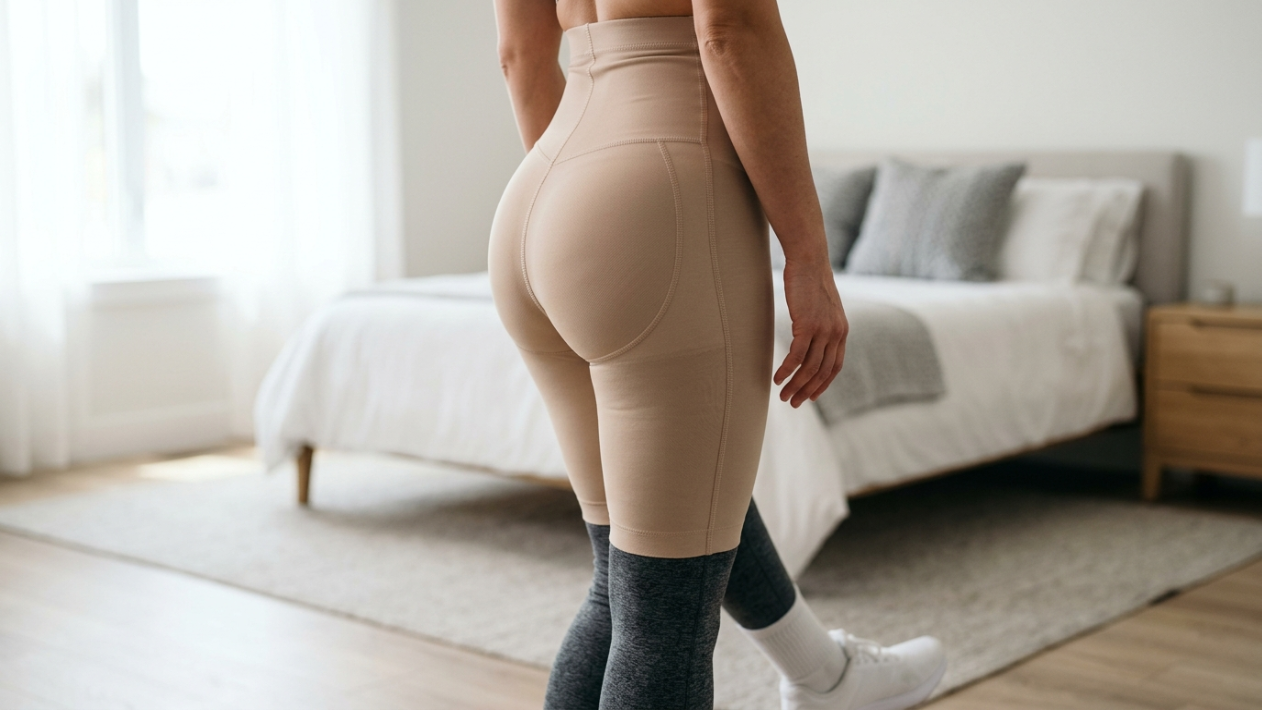
إن الخضوع لعملية رفع المؤخرة البرازيلية (BBL) يمثل خطوة مهمة نحو تحقيق القوام المرغوب. ومع ذلك، غالبًا ما تجلب فترة ما بعد الجراحة مخاوف، وخاصة ظهور الكتل أو المناطق المتصلبة. ومن المخاوف الشائعة لدى المرضى التمييز بين التورم الطبيعي المؤقت والمضاعفات الأكثر خطورة المتمثلة في نخر الدهون. يعد فهم هذه الاختلافات أمرًا بالغ الأهمية للتعافي السلس وراحة البال.
يوفر هذا الدليل إطارًا محددًا لمساعدتك في تحديد ما إذا كانت الكتل الملموسة التي تعاني منها جزءًا من عملية الشفاء الطبيعية أم تشير إلى الحاجة إلى تقييم طبي إضافي. زود نفسك بالمعرفة اللازمة لتجاوز فترة التعافي من عملية BBL بثقة.

جدول المحتويات
فهم الشفاء بعد عملية BBL: الأسابيع الأولى
يمر الجسم بتغييرات واسعة بعد عملية BBL، وهي إجراء يتضمن تطعيم الدهون لتعزيز الأرداف. تندمج خلايا الدهون المنقولة في بيئتها الجديدة، وتشفى مناطق الشفط. تنطوي هذه العملية المعقدة بشكل طبيعي على درجة من الالتهاب واحتباس السوائل.
يعاني المرضى عادةً من التورم والكدمات والألم في كل من المناطق المعالجة ومناطق المتبرع. هذه استجابات متوقعة بينما يُصلح الجسم نفسه. الأسابيع الأولى حاسمة للشفاء السليم وتتطلب الالتزام الدقيق بتعليمات الرعاية بعد الجراحة.
ما هو التورم الطبيعي بعد الجراحة؟
التورم الطبيعي، أو الوذمة، هو جزء لا مفر منه من أي تعافي جراحي. يحدث عندما تتراكم السوائل في الأنسجة بسبب استجابة الجسم الالتهابية للصدمة. بعد عملية BBL، يكون التورم أكثر وضوحاً في الأسابيع القليلة الأولى ويتلاشى تدريجياً على مدى عدة أشهر.
- الخصائص: يكون التورم عادةً ناعماً أو إسفنجياً عند اللمس، على الرغم من أنه قد يكون صلباً أحياناً. غالباً ما يتحسن مع ملابس الضغط والرفع.
- التطور: يتلاشى مع الوقت، مع تحسن ملحوظ بحلول 6-8 أسابيع. قد يستمر التورم المتبقي لمدة تصل إلى 6 أشهر أو حتى عام.
- الأعراض: الانزعاج الخفيف، والشد، والشعور بالامتلاء أمر شائع. الألم عادة ما يمكن التحكم فيه بالأدوية الموصوفة.
الاستخدام المستمر لملابس الضغط الخاصة بك أمر بالغ الأهمية. تساعد هذه الملابس في تقليل تراكم السوائل وتدعم المناطق التي تم تشكيلها حديثاً، مما يسهل مسار شفاء أكثر سلاسة.
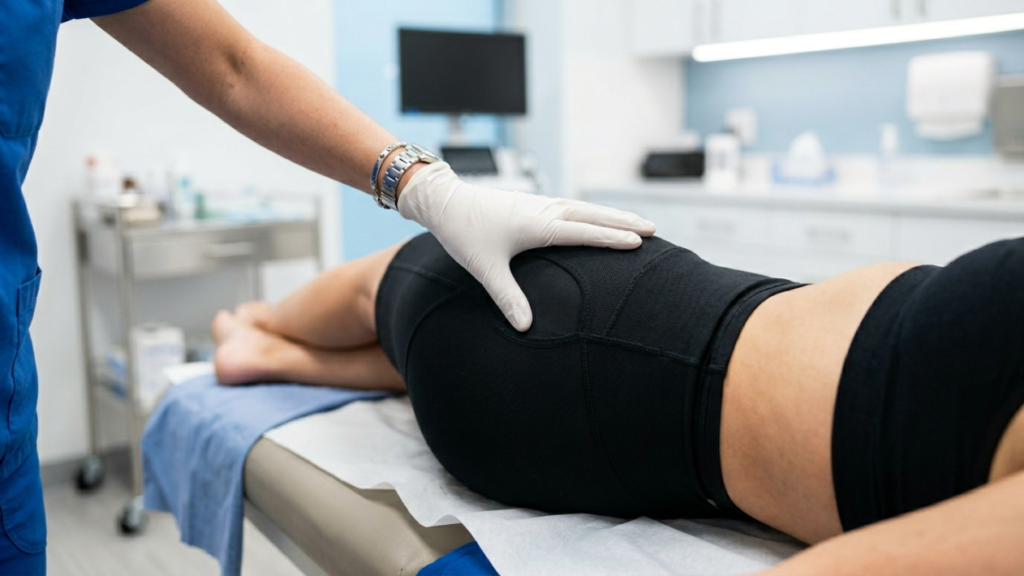
ما هو نخر الدهون؟
يحدث نخر الدهون عندما لا تتلقى خلايا الدهون المنقولة إمداداً دموياً كافياً وتموت نتيجة لذلك. يحاول الجسم تكسير هذه الخلايا الميتة، مما قد يؤدي إلى تكوين كتل أو أكياس صلبة. هذه المضاعفة خطر معروف لإجراءات تطعيم الدهون، بما في ذلك BBL.
- الخصائص: يظهر نخر الدهون عادةً ككتل صلبة، غالباً غير منتظمة، يمكن جسها تحت الجلد. يمكن أن تشعر هذه الكتل بالصلابة، مثل الحصى الصغيرة أو العقيدات الأكبر.
- التوقيت: في حين يظهر التورم فوراً، فإن نخر الدهون يصبح ملحوظاً عادةً بعد أسابيع إلى أشهر من الجراحة، بمجرد أن يبدأ التورم الأولي في الزوال.
- الأعراض: قد تكون الكتل الناتجة عن نخر الدهون مؤلمة أو غير مؤلمة. قد تصاحبها أحياناً تغيرات في لون الجلد (احمرار أو كدمات) أو شعور بالدفء. في بعض الحالات، قد تتكلس مع مرور الوقت، لتصبح أكثر صلابة.
لا يتطلب كل نخر دهني تدخلاً. قد تختفي المناطق الصغيرة غير المصحوبة بأعراض من تلقاء نفسها أو تظل غير ملاحظة. ومع ذلك، قد تتطلب المناطق الأكبر أو المصحوبة بأعراض علاجاً.
5 اختلافات حاسمة: التورم مقابل نخر الدهون بعد عملية BBL
التمييز بين هاتين الحالتين أمر حيوي للإدارة المناسبة بعد الجراحة. انتبه جيداً للمؤشرات التالية:
- البدء والمدة: يظهر التورم فوراً ويقل تدريجياً. يتطور نخر الدهون عادةً بعد أسابيع إلى أشهر ويستمر.
- الملمس والقوام: غالباً ما يكون التورم ناعماً أو صلباً إلى حد ما ويستجيب للضغط. يظهر نخر الدهون ككتل صلبة بشكل واضح، أو قاسية، أو مطاطية لا تزول بسهولة.
- الألم والإيلام: يسبب التورم انزعاجاً عاماً وضيقاً. يمكن أن يكون نخر الدهون غير مؤلم، أو قد يسبب حساسية موضعية وألماً حاداً، خاصة إذا كان ملتهباً.
- تغيرات الجلد: قد يسبب التورم شداً عاماً للجلد. يمكن أن يؤدي نخر الدهون إلى تغير موضعي في لون الجلد، أو تنقير، أو حتى إفراز زيتي إذا انفجر كيس.
- الاستجابة للضغط: يتحسن التورم بشكل كبير مع الضغط المستمر. تظل كتل نخر الدهون دون تغيير بشكل عام أو تظهر استجابة ضئيلة للضغط.
المراقبة الذاتية الدقيقة والتواصل الواضح مع فريقك الجراحي هما أفضل أدواتك للتقييم الدقيق. لمزيد من المعلومات حول عملية BBL نفسها، تفضل بزيارة صفحتنا المخصصة حول رفع المؤخرة البرازيلية.

متى تطلب العناية الطبية
في حين أن بعض الأعراض بعد العملية طبيعية، فإن بعض العلامات تستدعي استشارة طبية فورية. لا تتردد في الاتصال بجراحك إذا واجهت أيًا مما يلي:
- زيادة مفاجئة في الألم أو التورم.
- احمرار أو دفء أو إيلام ينتشر من موقع الجراحة.
- حمى (فوق 100.4°F أو 38°C).
- صديد أو إفرازات كريهة الرائحة من الشقوق الجراحية.
- كتل صلبة مؤلمة تنمو أو مصحوبة بتغيرات في الجلد.
- أي مخاوف بشأن العدوى، أو الورم المصلي (تجمع السوائل)، أو الورم الدموي (تجمع الدم).
الكشف المبكر والتدخل ضروريان لإدارة المضاعفات المحتملة بشكل فعال. فريقك الجراحي هو المورد الأساسي للإرشاد خلال فترة التعافي.
منع المضاعفات بعد عملية BBL
التدابير الاستباقية تقلل بشكل كبير من خطر المضاعفات مثل نخر الدهون والتورم المفرط. التزم بدقة بتعليمات جراحك بعد العملية.
- الملابس الضاغطة: ارتدِ ثوب الضغط حسب التوجيهات، عادةً لعدة أسابيع. هذا يقلل التورم ويدعم الدهون المزروعة.
- تجنب الضغط المباشر: لا تجلس أو تستلقِ مباشرة على الأرداف خلال الفترة الموصى بها. استخدم وسادة BBL لتخفيف الضغط عن المناطق المزروعة.
- تدليك لطيف: قد يوصي جراحك بتقنيات تدليك محددة للمساعدة في تقليل التورم وتحسين التصريف اللمفاوي.
- الترطيب والتغذية: حافظ على نظام غذائي صحي وترطيب كافٍ لدعم قدرات جسمك على الشفاء.
- مواعيد المتابعة: احضر جميع مواعيد المتابعة المجدولة. تتيح هذه الزيارات لجراحك مراقبة تقدم شفائك ومعالجة أي مخاوف على الفور.
التزامك بالرعاية بعد العملية يؤثر مباشرة على نتائجك النهائية وتجربة التعافي الشاملة. للحصول على رؤى عامة حول الرعاية ما بعد الجراحة، استكشف مدونة.
الأسئلة الشائعة حول الكتل بعد عملية BBL
كم يستمر التورم بعد عملية BBL؟
يتلاشى التورم الكبير عادةً خلال 6-8 أسابيع، لكن التورم المتبقي قد يستمر لمدة تصل إلى 6 أشهر أو حتى عام. الاستخدام المستمر لثوب الضغط يساعد في زواله.
هل يمكن أن يختفي نخر الدهون من تلقاء نفسه؟
قد تشفى مناطق نخر الدهون الصغيرة تلقائياً أو تصبح متكلسة وتظل بدون أعراض. قد تتطلب المناطق الأكبر أو ذات الأعراض تدخلاً طبياً، مثل الشفط أو الإزالة الجراحية.
هل الألم دائمًا علامة على نخر الدهون؟
لا. بينما يمكن أن يكون نخر الدهون مؤلمًا، خاصة إذا كان ملتهبًا، فإن التورم الطبيعي بعد الجراحة يسبب أيضًا ألمًا. الألم الموضعي، الحاد، أو المتزايد، خاصة مع أعراض أخرى مقلقة، يستدعي تقييمًا طبيًا.
ما الفرق بين نخر الدهون والسيروما؟
نخر الدهون هو نسيج دهني ميت يشكل كتلة صلبة. المصلية هي تجمع لسائل شفاف مصفر تحت الجلد، عادة ما يكون ناعمًا ومتقلبًا. كلاهما يمكن أن يحدث بعد الجراحة، لكن تكوينهما يختلف.
متى يجب أن أتصل بجراحي بشأن كتلة؟
اتصل بجراحك فورًا إذا لاحظت أي كتل جديدة أو متفاقمة، خاصة إذا صاحبها ألم متزايد، احمرار، دفء، حمى، أو إفرازات. التواصل المبكر هو المفتاح للإدارة السليمة.
ضمن تعافياً سلساً: استشر خبيرك
اجتياز فترة التعافي بعد عملية BBL يتطلب يقظة واتخاذ قرارات مستنيرة. فهم الفروق بين الورم الطبيعي ونخر الدهون يتيح لك مراقبة شفائك بفعالية. دائمًا أعطِ الأولوية للتواصل المفتوح مع فريقك الجراحي.
إذا كانت لديك مخاوف بشأن أي كتل أو تغييرات في موقع الجراحة، لا تتأخر في طلب المشورة المهنية. اتصل بنا اليوم لتحديد موعد استشارة وضمان تقدم تعافيك بشكل أمثل.