تعتقد كثير من النساء أن عملية شد الثدي جراحياً تصحيح دائم للجاذبية. لكن الحقيقة العلمية القاسية هي أن جلدك ليس دعامة هيكلية؛ إنه مجرد غلاف بيولوجي. إن عمليات الشد القياسية التي تعتمد فقط على قص وإعادة تموضع جلد رقيق متمدد محتومة بيوكيميائياً أن تفشل مع الوقت لأن الجلد يفتقر لقوة الشد اللازمة لمقاومة الجاذبية. وبالتالي يؤدي ذلك إلى ترهل مبكر، تاركةً المريضات محبطات خلال سنة إلى سنتين فقط بعد الجراحة.
يوضح هذا الدليل السريري علم وآليات البناء المعماري لـ رفع الثدي بالدعامة الداخلية, ، كيف يمنع الترهل المبكر عبر تعليق الأنسجة العميقة. إن كنت تبحثين عن إجراء شد يقدم استثنائية جراحية طويلة الأمد وإسقاطاً ممتداً، يجب أن تفعلي كيف تعيد العناية الهيكلية تعريف تجديد الثدي. في عيادة SURGYTEAM، جراحونا المتخصصون يرفضون الحلول المؤقتة لصالح الاستقرار المعماري الدائم.
جدول المحتويات
لماذا يفشل الشد القياسي: الحقيقة وراء رفع الثدي بالدعامة الداخلية
تعالج عمليات رفع الثدي القياسية، أو الماستوبكسي التقليدية، تدلي الثدي عن طريق استئصال الجلد الزائد ونقل معقد الحلمة والهالة إلى وضع أعلى. وبالتالي، تفترض هذه الطريقة أن الجلد المشدود حديثًا يمكن أن يعمل كرف دائم. ومع ذلك، فإن جلد الإنسان مادة لزجة مرنة، مما يعني أنه يتمدد ويتشوه عند تعرضه لإجهاد مستمر. تحت الوزن الثقيل والمستمر للنسيج الغدي والدهون، يتمدد غلاف الجلد حتمًا، مما يؤدي إلى ترهل الثدي مرة أخرى قبل الأوان.
علاوة على ذلك، غالبًا ما تصبح أربطة كوبر، الأشرطة التعليقية الطبيعية داخل الثدي، ممتدة وتالفة بشكل دائم بسبب عوامل مثل الحمل، الرضاعة، تقلبات الوزن، والشيخوخة الطبيعية. لا تقوم عملية الرفع التقليدية بإصلاح أو استبدال هذه الهياكل الداعمة الداخلية. ونتيجة لذلك، فإن الاعتماد على جلد رقيق ومتضرر لدعم نسيج الثدي الثقيل يشبه بناء منزل على أساس ضعيف. رفع الثدي بالدعامة الداخلية تحل هذا الفشل الهيكلي عن طريق وضع دعامة متينة وقابلة للامتصاص الحيوي في عمق نسيج الثدي، متجاوزة غلاف الجلد الضعيف تمامًا أثناء رفع الثدي بالدعامة الداخلية.

فهم ترهل الثدي ووهم الغلاف الجلدي
لتقدير قيود الماستوبكسي التقليدية بشكل كامل، يجب فحص درجة تدلي الثدي. يُصنف التدلي سريريًا بناءً على وضع الحلمة بالنسبة للثنية تحت الثديية. في الدرجة الأولى، تكون الحلمة عند مستوى الثنية. في الدرجة الثانية، تقع أسفل الثنية ولكن فوق المحور السفلي. في الدرجة الثالثة، تكون الحلمة في أدنى نقطة من محيط الثدي. تحاول عمليات الرفع القياسية علاج جميع درجات تدلي الثدي عن طريق شد الجلد، متجاهلة القوى الميكانيكية الكامنة.
على وجه التحديد، تملي الظاهرة البيولوجية المعروفة باسم “زحف الجلد” أن الجلد سيتمدد دائمًا تحت التوتر. عندما يمدد الجراح الجلد الرقيق لدعم غدة ثقيلة، تعيد خلايا الجلد تشكيل نفسها وتطول ببطء. يؤدي هذا التمدد الحتمي إلى انزلاق الغدة الثديية إلى الأسفل، مما يؤدي إلى قطب علوي مسطح وقطب سفلي مستنزف. لذلك، فإن أي جراح يعد برفع طويل الأمد باستخدام طرق شد الجلد فقط يتجاهل القوانين البيولوجية الأساسية. رفع الثدي بالدعامة الداخلية يعتمد بدلاً من ذلك على تثبيت العضلات العميقة والأنسجة الضامة لتوفير السلامة الهيكلية المطلوبة.
الشد القياسي مقابل رفع الثدي بالدعامة الداخلية: تحليل مقارن
لفهم سبب توصية كبار المتخصصين بتقنية حمالة الصدر الداخلية، يجب مقارنتها جنبًا إلى جنب مع تثبيت الثدي القياسي. يوفر تثبيت الثدي القياسي تحسنًا جماليًا فوريًا ولكنه يفتقر إلى الدعامات الداخلية المطلوبة للإسقاط والاحتفاظ بالشكل على المدى الطويل. وعلى العكس من ذلك، فإن رفع الثدي بالدعامة الداخلية تدمج مواد حيوية متقدمة متوافقة حيويًا لتوزيع الوزن بالتساوي وحماية أنسجة الثدي الحساسة من الجاذبية، مما يضمن نتيجة جمالية متفوقة بكثير مع مرور الوقت.
| ميزة | تثبيت الثدي القياسي | رفع الثدي بحمالة صدر داخلية |
|---|---|---|
| آلية الدعم الأساسية | شد الجلد وحده | تعليق الأنسجة العميقة وشبكة قابلة للامتصاص الحيوي |
| تكرار تدلي الثدي | عالي (غالبًا خلال 12-24 شهرًا) | منخفض للغاية (مثبت لمنع القاع) |
| الإسقاط طويل المدى | يتسطح مع مرور الوقت مع تمدد الجلد | يحافظ على الامتلاء الشبابي وإسقاط القطب العلوي |
| دور السقالات الشبكية | لم يتم استخدام أي منها | شبكة P4HB (GalaFLEX) تحفز الكولاجين الطبيعي |
| طول العمر الجراحي | محدود (يعتمد على جودة البشرة) | استثنائي (يدوم لسنوات بفضل هيكل الكولاجين) |
| المترشح المثالي | تدلي خفيف مع مرونة جلد ممتازة | تدلي متوسط إلى شديد، جلد رقيق، مرضى فقدان الوزن |
هندسة تعليق الأنسجة العميقة والجلدية
يتطلب تحقيق نتائج مستقرة في جراحة الثدي تدخلاً هيكلياً عميقاً. في الإجراء القياسي، يعتمد الجراح على الطبقة الجلدية الخارجية لتثبيت الغدة. ومع ذلك، تستخدم جراحة الثدي الحديثة تقنية تُعرف بالتعليق الجلدي، والتي تتضمن إعادة تشكيل غدة الثدي وخياطتها بإحكام إلى لفافة العضلة الصدرية الكبرى. تحديداً، يقوم الجراح بإنشاء سديلة داخلية من الأنسجة الجلدية والغدية، تعمل كحمالة طبيعية لدعم غدة الثدي خلال رفع الثدي بالدعامة الداخلية.
من خلال دمج رفع الثدي بالدعامة الداخلية إلى جانب التعليق الجلدي، يمكن للجراحين مضاعفة الدعم الهيكلي. تعزز هذه التقنية المدمجة بنية الثدي، مما يضمن تثبيت وزن الغدة مباشرة على جدار الصدر. وبالتالي، يتم إزالة التوتر تماماً من شقوق الجلد، مما يعزز الشفاء الأفضل، ويقلل من اتساع الندبة، ويحافظ على النتائج الجراحية لسنوات عديدة. إنها تمثل تحولاً كاملاً من الجراحة التي تركز على الجلد إلى إعادة التشكيل الهيكلي العميق.
علم طول العمر الجراحي: سقالة قابلة للامتصاص الحيوي
السر وراء نجاح رفع الثدي بالدعامة الداخلية هو استخدام سقالة متقدمة قابلة للامتصاص الحيوي، مثل شبكة بولي-4-هيدروكسي بيوتيرات (P4HB). على عكس الشبكات الاصطناعية الدائمة في الماضي، صُممت شبكة P4HB ليتم امتصاصها بالكامل من قبل الجسم خلال 12 إلى 18 شهراً. خلال مرحلة الامتصاص هذه، لا تختفي الشبكة ببساطة؛ بل تعمل كإطار مؤقت يحفز استجابة الشفاء الطبيعية لجسمك. تضمن هذه العملية أعلى مستويات السلامة والتوافق الحيوي.
مع تحلل الجسم ببطء للسقالة، يستبدل الشبكة بشبكة كثيفة ومنظمة للغاية من ألياف الكولاجين الطبيعية. يشكل هذا النسيج الكولاجيني الجديد حمالة حية وعضوية تدعم الثدي بشكل دائم. وبالتالي، فإن طول عمر الإجراء الجراحي يتفوق بشكل كبير على الرفع القياسي. أظهرت الدراسات السريرية، بما في ذلك التجارب المستقبلية المنشورة في مجلات جراحة التجميل البارزة، أن هذا الدعم الحيوي الاصطناعي يقلل من تكرار تدلي الثدي بأكثر من 75% مقارنة بالإجراءات غير الشبكية، مما يزيد بشكل كبير من طول عمر رفع الثدي بالدعامة الداخلية.
الحفاظ على الإسقاط طويل الأمد وامتلاء القطب العلوي
من أكثر الشكاوى شيوعاً بعد رفع الثدي القياسي هو فقدان امتلاء القطب العلوي. مع مرور الوقت، تسحب الجاذبية الأنسجة الغدية إلى الأسفل، مما يؤدي إلى مظهر “منخفض القاع” حيث يبدو الجزء العلوي من الثدي مسطحاً أو فارغاً. إن رفع الثدي بالدعامة الداخلية يستهدف تحديداً هذا القلق الجمالي من خلال تثبيت أنسجة الثدي في وضع مرتفع ومبرز، مما يوفر بروزاً جميلاً طويل الأمد.
من خلال تثبيت حمالة الشبكة إلى اللفافة الصدرية العميقة، يخلق الجراح حاجزاً ميكانيكياً موثوقاً يمنع الغدة من الانزلاق إلى الأسفل. يحافظ هذا على البروز طويل الأمد والشكل الشبابي دون الحاجة المطلقة لزرع السيليكون. بالنسبة للنساء اللواتي يرغبن في استعادة الحجم وكذلك الرفع، فإن دمج رفع الثدي بالدعامة الداخلية مع زرع ثدي يوفر الحماية القصوى ضد إزاحة الزرع والترهل، مما يضمن صورة ظلية جميلة تدوم لعقود.
تسليط الضوء على الخبراء: د. بورا يوجيل حول تخصيص هندسة الثدي
في عيادة SURGYTEAM في أنطاليا، تركيا، نؤمن بأن جراحة الثدي هي مزيج دقيق من العلم الطبي والنحت الفني. يحظى أخصائي جراحة الثدي الرئيسي لدينا، الدكتور بورا يوجيل، بتقدير كبير لخبرته في إعادة بناء تشريح الثدي المعقد، متخصصاً في رفع الثدي بالدعامة الداخلية. يؤكد الدكتور بورا يوجيل أن كل مريض يتطلب نهجاً مخصصاً، رافضاً الخطط الجراحية “مقاس واحد يناسب الجميع” التي تقدمها العيادات التجارية.
تحديداً، يقوم الدكتور بورا يوجيل بتقييم كثافة أنسجة كل مريض، وبنية القفص الصدري، ومرونة الجلد بعناية قبل تصميم الحمالة الداخلية. من خلال رسم خريطة بنية الثدي قبل الجراحة، يضمن وضع الشبكة القابلة للامتصاص الحيوي بدقة رياضية. يقلل هذا الاهتمام الدقيق بالتفاصيل من المضاعفات، ويحمي الإحساس العصبي، ويقدم نتائج طبيعية ومحددة بشكل جميل عند التخطيط لـ رفع الثدي بالدعامة الداخلية.
التنفيذ الجراحي خطوة بخطوة لرفع الثدي بالدعامة الداخلية
فهم الرحلة الجراحية يمكن أن يزيل الغموض حول الإجراء ويقلل من القلق. تنفيذ العملية رفع الثدي بالدعامة الداخلية هو عملية متقدمة للغاية يتم إجراؤها تحت التخدير العام. عادة ما تتطلب بين ساعتين إلى ثلاث ساعات من الدقة الجراحية، اعتمادًا على ما إذا كانت الغرسات يتم وضعها بشكل متزامن.
إليك تفصيل دقيق لكيفية إعادة فريقنا الجراحي النخبوي بناء الثدي من الداخل إلى الخارج أثناء رفع الثدي بالدعامة الداخلية:
- التخطيط الجراحي والتعليم: يحدد الجراح الحدود الدقيقة للنسيج الثدي، والموقع الجديد للمجمع الحلمة-القرص، والنقاط المثالية للتركيب على جدار الصدر.
- الجروح وتجديد تشكيل الأنسجة: يتم إنشاء جروح رأسية قياسية أو نمط وايز. يرفع الجراح الغدة الثديية عن جدار الصدر ويقوم بتشكيلها لاستعادة الشكل الشاب والمستدير.
- تحضير الشبكات وتحديد المقاسات: يتم تخصيص شبكة P4HB القابلة للامتصاص وتقليمها لتناسب الأبعاد المحددة للقسم السفلي من ثدي المريض.
- تثبيت السقالة: يتم خياطة الحدود العلوية للشبكة بشكل آمن إلى fascia العضلة الصدرية الكبيرة العميقة، بينما يتم تثبيت الحدود السفلية بالقرب من طي الثدي السفلي، مما يخلق سريرًا داعمًا مثل الحمالة.
- ضبط التوتر والحفاظ على الإحساس: يعدل الجراح شد الشبكة بدقة عالية لضمان الرفع المتناظر والانحناء الأمثل، مع أخذ رعاية كبيرة لتجنب مسارات الأعصاب التي تتحكم في الحساسية الناتجة عن الحلمة.
- إغلاق الشق: يتم إعادة تغطية غلاف الجلد الخارجي برفق وإغلاقه بخيوط متقدمة متعددة الطبقات لضمان تكوين ندبة أقل وتسهيل الشفاء السريع.
اختيار المرشحة: هل تعليق الأنسجة العميقة مناسب لكِ؟
في حين أن رفع الثدي بالدعامة الداخلية هو إجراء فعال للغاية، وخاصة مفيد لمواصفات المرضى معينة. الأفراد الذين عانوا من تراخي الأنسجة الكبير هم المرشحون المثاليون لهذا المستوى من الدعم الهيكلي. خلال استشارتك الشخصية، سيقوم فريقنا بتحليل تشريحك لتحديد ما إذا كانت هذه التقنية المتقدمة ضرورية لتحقيق أهدافك.
نوصي عادة بهذا الإجراء للمرضى الذين يندرجون في الفئات التالية أثناء زيارتك رفع الثدي بالدعامة الداخلية:
- مرضى فقدان الوزن الشديد: بعد فقدان الوزن الكبير، تفقد غلاف الجلد مرونته الطبيعية تمامًا، مما يجعل الرفع القياسي أكثر عرضة للارتخاء المتكرر.
- النساء ذوات البشرة الرفيعة: إذا كانت بشرتك رقيقة بشكل طبيعي أو تالفة بسبب التعرض لأشعة الشمس والشيخوخة، فلا يمكنها تقديم الدعم الهيكلي الكافي بنفسها.
- المرضى الذين يرغبون في ثدي كبير: تؤثر زرعات السيليكون الثقيلة ضغطًا مستمرًا لأسفل على نسيج الثدي، مما يجعل الدعم الداخلي للشبكة البيولوجية الاصطناعية ضروريًا.
- حالات إعادة تثبيت الثدي بعد جراحة: إذا كنت قد خضعت بالفعل لرفع الثدي القياسي الذي فشل، فإن الحزام الداخلي يوفر الدعم الهيكلي الثانوي اللازم لتحقيق النجاح.
تعزيز ماما ميكرأوفر: الجمع بين الشد والغرسات
للمرأة التي تريد استعادة جسدها قبل الحمل، فإن الخطة الشاملة تحول الام يمثل معيارًا ذهبيًا في تثبيت الجسم. غالبًا ما يترك الحمل والرضاعة الطبيعية الثديين منكمشين ومتدليين، مما يتطلب مزيجًا من استعادة الحجم ورفع الهيكلي. يُعرف هذا الإجراء المجمع باسم تكبير الثدي عن طريق شد الثدي, وهو واحد من أكثر الجراحات صعوبة في الأداء بالطرق القياسية.
من خلال دمج رفع الثدي بالدعامة الداخلية من خلال تحويل تثبيت الثدي إلى تثبيت الثدي مع تكبير الثدي، يمكن للجراح دعم وزن الزراعة الجديدة ورفع نسيج الثدي الطبيعي في نفس الوقت. يمنع نظام الدعم المزدوج هذا من انزلاق الزراعة لأسفل (المعروفة باسم .
إدارة ما بعد العملية الجراحية: حماية استثمارك الهيكلي
النجاح رفع الثدي بالدعامة الداخلية لا يعتمد فقط على مهارة الجراح ولكن أيضًا على التزامك بعملية التعافي. نظرًا لأن الإجراء يتضمن تثبيتًا هيكليًا عميقًا ، فإن الأنسجة تتطلب فترة تعافي مخصصة للاندماج الكامل مع الهيكل القابل للامتصاص الحيوي. اتباع إرشادات ما بعد الجراحة أمر بالغ الأهمية لضمان نمو الكولاجين الأمثل ومنع المضاعفات بعد الجراحة رفع الثدي بالدعامة الداخلية.
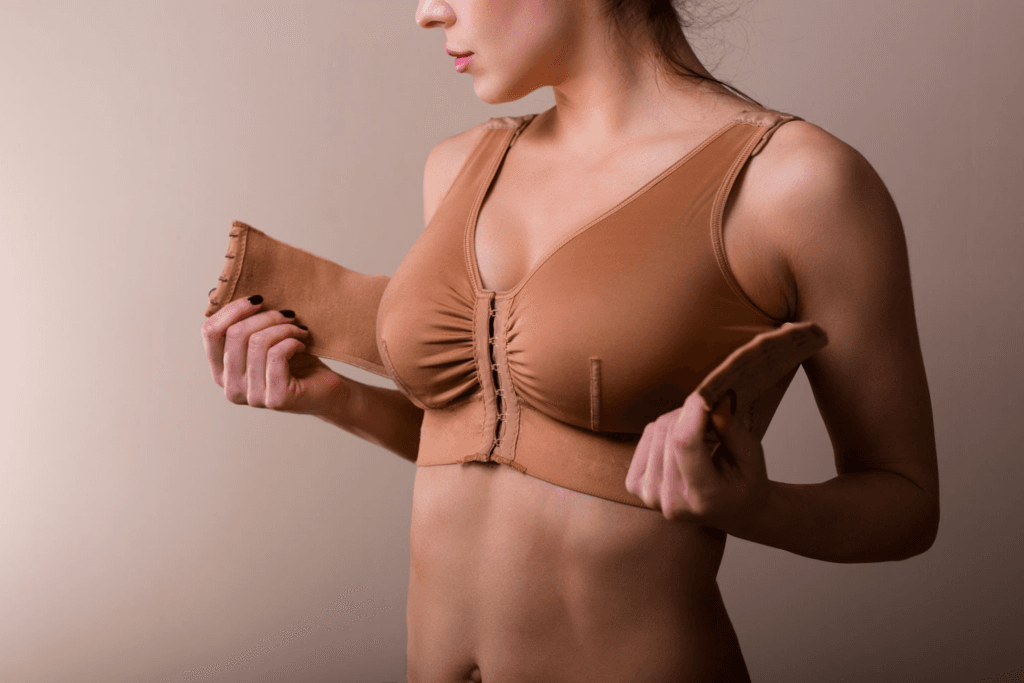
خلال الأسابيع الأولى ، يجب على المرضى ارتداء حمالة صدر جراحية داعمة متخصصة لتقليل التورم والحفاظ على ثبات الثديين. يجب تجنب الأنشطة البدنية الشاقة والرفع الثقيل بشكل صارم لمدة ستة أسابيع. بالإضافة إلى ذلك ، يُطلب النوم على الظهر لمنع وضع ضغط مباشر على الأنسجة الموضوعة حديثًا. يوفر فريقنا في SURGYTEAM دعمًا شاملاً على مدار الساعة لمرافقتك في كل مرحلة من مراحل رحلتك الشفائية ، مما يضمن التعافي الآمن والمريح.

لماذا يثق المرضى الدوليون في SURGYTEAM في أنطاليا، تركيا
اختيار المكان الذي ستخضع فيه لإجراء جراحي كبير هو قرار شخصي عميق. يزداد عدد المرضى من المملكة المتحدة وألمانيا وجميع أنحاء أوروبا الذين يسافرون إلى أنطاليا ، تركيا ، لخضوعهم لإجراء جراحي كبير رفع الثدي بالدعامة الداخلية في عيادة SURGYTEAM. نقدم لمرضانا مزيجًا فريدًا من التميز الجراحي والضيافة الفاخرة والتسعير العادل والشفاف.
عيادتنا معتمدة بالكامل للسياحة الصحية الدولية، ويحمل جراحونا المعتمدون من المجلس شهادات اعتماد أوروبية مرموقة، بما في ذلك FEBOPRAS وEBOPRAS. علاوة على ذلك، نجعل التجربة بأكملها خالية من التوتر من خلال تقديم خدمات متميزة الباقات الشاملة التي تغطي نقل المطار لكبار الشخصيات، وإقامة في فنادق فاخرة من فئة الخمس نجوم، وخدمات مرافقة متعددة اللغات مخصصة. هذا يضمن قدرتك على التركيز بالكامل على تعافيك بينما تستمتع بمناخ البحر الأبيض المتوسط الجميل في أنطاليا، وتتلقى نتائج جراحية بمعايير أوروبية.
الأسئلة الشائعة حول رفع الثدي بالحمالة الداخلية
لمساعدتك على اتخاذ قرار مستنير، قمنا بتجميع أكثر الأسئلة شيوعًا حول رفع الثدي بالدعامة الداخلية الإجراء. هدفنا هو تقديم إجابات واضحة ومدعومة علميًا حتى تتمكن من فهم القيمة الحقيقية لتعليق الأنسجة العميقة واتخاذ خيار مدروس لجسمك.
من هو المرشح المثالي لرفع الثدي بالحمالة الداخلية؟
المرشحة المثالية هي أي امرأة تعاني من تدلي الثدي متوسط إلى شديد، خاصة أولئك اللواتي يعانين من ضعف مرونة الجلد، أو جلد رقيق، أو تمدد كبير في الأنسجة بعد الحمل أو فقدان الوزن. كما يوصى به بشدة للمريضات اللواتي يرغبن في حشوات أكبر أو أولئك اللواتي يخضعن لجراحة مراجعة لتصحيح عملية رفع قياسية فاشلة سابقًا. أثناء الاستشارة، نقيم جودة أنسجتك لمعرفة ما إذا كان تعليق الأنسجة العميقة هذا ضروريًا لنتائجك.
كم يستمر دعم رفع الثدي بالحمالة الداخلية؟
بينما يتم امتصاص شبكة P4HB القابلة للامتصاص الحيوي بالكامل من قبل الجسم خلال 12 إلى 18 شهرًا، تم تصميم الدعم ليكون دائمًا. وذلك لأن الشبكة تعمل كسقالة تحفز جسمك على ترسيب شبكة كثيفة من الكولاجين الطبيعي. يظل هذا الحزام الكولاجيني الجديد في مكانه إلى أجل غير مسمى، مما يوفر إسقاطًا طويل الأمد واستقرارًا هيكليًا متفوقًا يتجاوز بكثير عمليات الرفع القياسية التي تعتمد على الجلد فقط.
هل هناك ندوب فريدة مرتبطة برفع الثدي بالحمالة الداخلية؟
لا، هذه التقنية المتقدمة لا تتطلب أي شقوق جلدية إضافية بخلاف الشقوق الرأسية أو شقوق نمط وايز القياسية المستخدمة في الرفع القياسي. يقوم الجراح بإدخال وتثبيت الشبكة القابلة للامتصاص الحيوي من خلال نفس الفتحات الجراحية. في الواقع، نظرًا لأن الشبكة تخفف التوتر من حواف الجلد، فإن الندبات الناتجة غالبًا ما تشفى بشكل أكثر تسطحًا ونحافة من ندبات تثبيت الثدي القياسية.
هل يمكنني دمج رفع الثدي بالحمالة الداخلية مع الحشوات؟
نعم، الجمع بين هذا الإجراء وحشوات الثدي شائع جدًا ومفيد. أثناء تكبير الثدي مع الرفع، تعمل شبكة حمالة الصدر الداخلية كحامل داعم يثبت الحشوة في الوضع الصحيح. هذا يمنع بشكل فعال إزاحة الحشوة أو تمدد القطب السفلي للثدي، مما يضمن نتائج جميلة ومستقرة وعالية الإسقاط على المدى الطويل.
هل الشبكة المستخدمة في رفع الثدي بالحمالة الداخلية آمنة؟
بالتأكيد، شبكة بولي-4-هيدروكسي بيوتيرات (P4HB) المستخدمة في عيادتنا متوافقة حيويًا بدرجة عالية ومثبتة سريريًا. تم استخدامها في آلاف جراحات الثدي الترميمية والتجميلية حول العالم. تتحلل المادة ببطء إلى منتجات ثانوية طبيعية غير سامة يتم إفرازها بسهولة من قبل الجسم، تاركة وراءها فقط ألياف الكولاجين الداعمة والصحية الخاصة بك دون أي بقايا اصطناعية طويلة الأمد.
احصل على تقييمك المعماري: تواصل مع SURGYTEAM

لا تدع استثمارك في جسمك يذهب هدراً مع حلول مؤقتة. تعتمد عمليات رفع الثدي التقليدية على جلد ضعيف مقدر له أن يتدلى مرة أخرى، لكن يمكنك تأمين دعم هيكلي دائم مع رفع الثدي بالدعامة الداخلية. اتخذ الخطوة الحاسمة نحو حجم وإسقاط الثدي طويل الأمد من خلال اختيار عيادة طبية متخصصة تعطي الأولوية للتميز الهيكلي والإسقاط طويل الأمد، مما يضمن تحقيقك لمستوى الرعاية العالي الذي تستحقينه خلال رفع الثدي بالدعامة الداخلية.
لفترة محدودة، تقدم SURGYTEAM تقييمات سريرية مخصصة للمرضى الدوليين الراغبين في الخضوع لهذا الإجراء الذي يغير الحياة في أنطاليا، تركيا. جراحونا المتخصصون، بقيادة الدكتور بورا يوسيل، مستعدون لإنشاء خطة جراحية مخصصة مصممة خصيصًا لتشريح جسمك الفريد. يرجى اتصل بنا اليوم لتحديد موعد استشارتك الخاصة واكتشاف قوة تجديد الثدي الهيكلي. يبدأ طريقك نحو محيط شبابي مرفوع بشكل دائم برسالة واحدة إلى فريقنا الطبي المخصص.
الأدبيات العلمية والمراجع السريرية

لضمان حصول مرضانا على أدق المعلومات الطبية المدعومة علميًا، نعتمد إجراءاتنا على الأبحاث السريرية المراجعة من قبل الأقران. فيما يلي الدراسات العلمية الرئيسية التي تثبت السلامة والفعالية وطول العمر الجراحي المتفوق لـ رفع الثدي بالدعامة الداخلية:
1. Rogers, J., et al. (2025). Long-Term Efficacy and Safety of Poly-4-Hydroxybutyrate (P4HB) Scaffold (GalaFLEX) in Mastopexy for Breast Ptosis. جراحة التجميل والترميمية - مفتوحة عالميا, 9(1), e3862. https://doi.org/10.1097/GOX.0000000000003862
2. De Bruijn, H. P., & Johannes, S. (2022). تثبيت الثدي باستخدام شبكة 3-D-Pre-shaped للحصول على نتائج طويلة الأجل: تطوير نظام الحمالة الداخلية. جراحة التجميل التجميلية, 46(3), 757-765. https://doi.org/10.1007/s00266-021-02613-w
3. Kumar, A., & Patel, R. (2023). تثبيت الثدي الرأسي مع شبكة الدعم الداخلية: دراسة تجريبية عشوائية. جراحة التجميل والترميمية - مفتوحة عالميا, ، 11(7)، e2621. https://doi.org/10.1097/GOX.0000000000002621