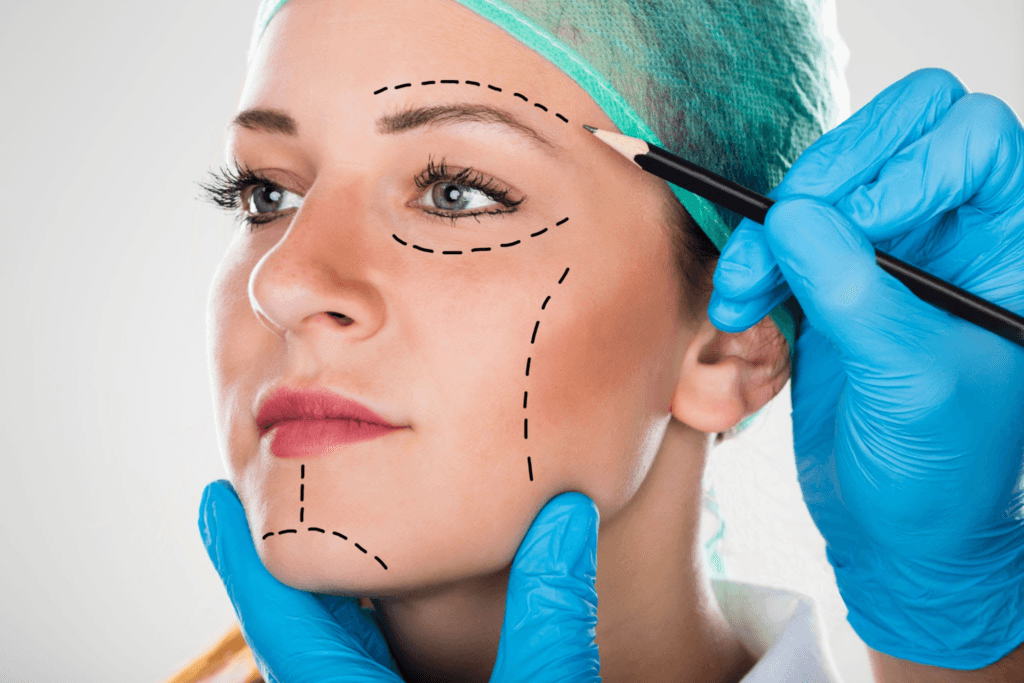
Considerando un lifting facial en el extranjero pero confundido sobre las diferencias entre lifting facial tradicional y procedimientos mínimamente invasivos? No estás solo. Con el auge de turismo médico, los pacientes ahora tienen más opciones que nunca, pero no todos los liftings son iguales. Esta guía completa desglosa los diferencias clave entre liftings tradicionales y mínimamente invasivos, incluyendo detalles del procedimiento, cronogramas de recuperación, costos, riesgos y resultados, para que puedas tomar una decisión informada decisión basada en tus objetivos, presupuesto y estilo de vida. Al final, sabrás exactamente qué procedimiento se alinea con tus necesidades y cómo elegir la mejor clínica en el extranjero para obtener resultados óptimos.
Tabla de contenido
Comprendiendo los procedimientos de lifting facial: una visión general
Los liftings faciales están diseñados para revertir los signos del envejecimiento al tensar la piel flácida, reducir arrugas y restaurar un contorno juvenil. Sin embargo, la técnica, invasividad y resultados varían significativamente entre las opciones tradicionales y mínimamente invasivas. Aquí hay una comparación a alto nivel:
| Característica | Lifting facial tradicional | Lifting Facial Minimimamente Invasivo |
|—————————|————————————————–|———————————————–|
| Invasividad | Alto (incisiones grandes, manipulación profunda de tejidos) | Bajo (incisiones pequeñas, ajustes superficiales) |
| Tiempo de inactividad | 3-4 semanas | 1-7 días |
| Duración de los resultados | 10-15 años | 2-5 años |
| Costo en el extranjero | $5.000 – $15.000 | $2.000 – $7.000 |
| Ideal para | Flacidez significativa, arrugas profundas, definición de la línea mandibular | Flacidez leve a moderada, signos tempranos de envejecimiento |
| Anestesia | Anestesia general | Anestesia local con sedación |
| Cicatrización | Oculto pero más extenso | Mínimo, casi invisible |
| Dolor de recuperación | Moderado a alto | Leve a moderado |
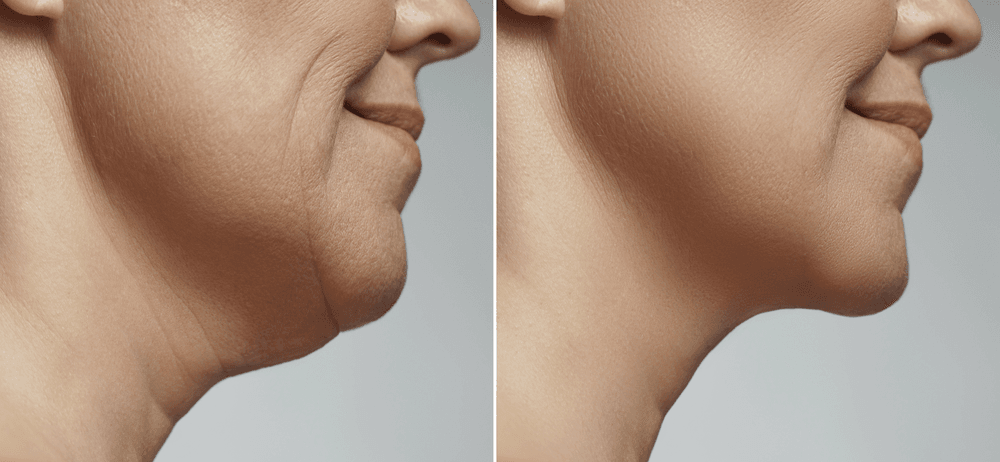
Lifting facial tradicional: el estándar de oro para resultados dramáticos
¿Qué es un lifting facial tradicional?
Un lifting tradicional, también conocido como ritidectomía, es una procedimiento quirúrgico que aborda signos de envejecimiento de moderados a severos por:
- Tensado de los músculos subyacentes (capa SMAS).
- Eliminación del exceso de piel y redistribución de grasa.
- Redefiniendo la línea de la mandíbula y el cuello para una apariencia esculpida.
Tipos de lifting facial tradicional
- Rejuvenecimiento facial SMAS
- Qué hace: Eleva el sistema musculopapironéctico superficial (SMAS), proporcionando resultados duraderos y naturales.
- Ideal para: Pacientes con flacidez significativa o arrugas profundas.
- Recuperación: 3-4 semanas.
- Lifting facial de plano profundo
- Qué hace: Reposiciona los tejidos faciales más profundos para un levantamiento juvenil y volumétrico.
- Ideal para: Aquellos que buscan rejuvenecimiento integral con mínima cicatrización.
- Recuperación: 4-6 semanas.
- Lifting facial completo con elevación de cuello
- Qué hace: Combina un lifting facial con liposucción de cuello o platismoplastia para abordar las papadas y el cuello de pavo.
- Ideal para: Pacientes con envejecimiento avanzado en la cara y el cuello.
- Recuperación: 4 semanas.
Ventajas de los liftings faciales tradicionales
✅ Resultados duraderos (10-15 años).
✅ Mejora dramática en la flacidez, arrugas y definición de la línea de la mandíbula.
✅ Personalizable para abordar preocupaciones específicas de envejecimiento.
✅ Técnica probada con décadas de refinamiento.
Desventajas de los liftings faciales tradicionales
❌ Recuperación más larga (3-4 semanas de inactividad).
❌ Costo más alto (especialmente en países occidentales).
❌ Más riesgos (p. ej., daño nervioso, cicatrices, hematoma).
❌ Requiere anestesia general, lo que conlleva riesgos adicionales.
Candidatos ideales para liftings faciales tradicionales
- Edad 40-70 con flacidez moderada a severa.
- Buena salud general (no fumadores, sin condiciones crónicas descontroladas).
- Expectativas realistas sobre los resultados y la recuperación.
- Dispuesto a comprometerse con el tiempo de inactividad para una curación óptima.

Liftings faciales mínimamente invasivos: recuperación rápida, resultados sutiles
¿Qué son los liftings faciales mínimamente invasivos?
Los lifts faciales mínimamente invasivos utilizan incisiones más pequeñas, menos manipulación de tejido y tecnologías avanzadas para proporcionar rejuvenecimiento sutil pero perceptible con tiempo de inactividad mínimo. Estos procedimientos son ideales para pacientes con signos tempranos del envejecimiento o aquellos que no desean someterse a una cirugía mayor.
Tipos de liftings faciales mínimamente invasivos
- Lifting con hilos (no quirúrgico)
- Qué hace: Utiliza hilos dissolubles para levantar y tensar la piel flácida.
- Ideal para: Leve flacidez, procedimiento rápido de almuerzo.
- Recuperación: 1-3 días.
- Duración de los resultados: 1-2 años.
- Mini Facelift (S-Lift, Facelift de cicatriz corta)
- Qué hace: Apunta a cara inferior y mandíbula con incisiones más cortas.
- Ideal para: Pacientes con flacidez incipiente o leve caída.
- Recuperación: 1-2 semanas.
- Duración de los resultados: 5-7 años.
- Lifting líquido (no quirúrgico)
- Qué hace: Utiliza rellenos dérmicos y Botox para restaurar volumen y suavizar arrugas.
- Ideal para: Aquellos que buscan sin tiempo de inactividad y mejoras sutiles.
- Recuperación: Ninguno.
- Duración de los resultados: 6-18 meses.
- Lifting con láser o Ultherapy
- Qué hace: Utiliza dispositivos basados en energía (p. ej., ultrasonido, radiofrecuencia) para estimular colágeno.
- Ideal para: Tensado de piel sin cirugía.
- Recuperación: 1-3 días (enrojecimiento, hinchazón).
- Duración de los resultados: 1-2 años.
Ventajas de los liftings faciales mínimamente invasivos
✅ Tiempo de inactividad mínimo (volver al trabajo en 1-7 días).
✅ Costo menor (frecuentemente 30-50% más barato (que los estiramientos tradicionales).
✅ Menor riesgo de complicaciones (p. ej., cicatrices, daño nervioso).
✅ Resultados naturales, sutiles (ideal para signos de envejecimiento temprano).
✅ Se puede combinar con otros tratamientos no quirúrgicos (p. ej., rellenos, Botox).
Desventajas de los liftings faciales mínimamente invasivos
❌ Resultados de menor duración (típicamente 1-5 años).
❌ Mejora menos dramática para flacidez avanzada.
❌ Múltiples sesiones pueden ser necesarias para resultados óptimos.
❌ No apto para la flacidez severa de la piel o arrugas profundas.
Candidatos ideales para liftings faciales mínimamente invasivos
- Edad 30-50 con flacidez leve a moderada.
- estilo de vida ocupado (no puede permitirse largos tiempos de inactividad).
- Prefiere mejoras sutiles y naturales.
- No está listo para la cirugía pero quiere abordar los signos tempranos del envejecimiento.
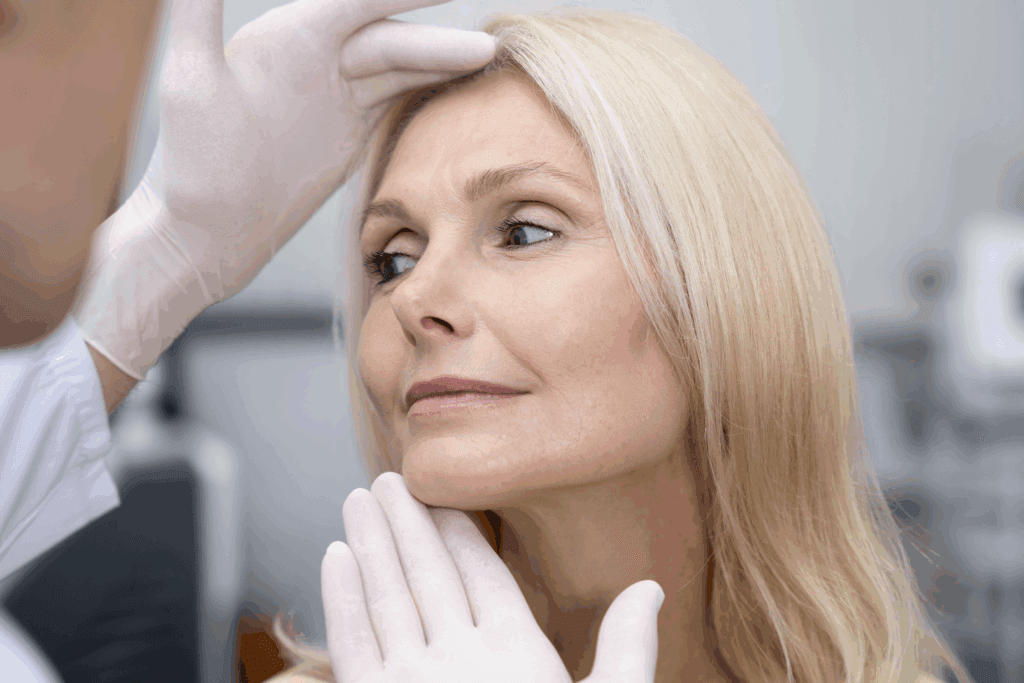
Comparación entre liftings faciales tradicionales y mínimamente invasivos en el extranjero
1. Comparación de costos
| Procedimiento | Costo en EE. UU. | Costo en el extranjero (Destinos populares) | Ahorros |
|—————————–|———————-|—————————————-|—————————|
| Lifting facial tradicional | 12.000 – 25.000 | 5.000 – 12.000 (Turquía, México, Tailandia) | 50-701 |
| Rejuvenecimiento facial SMAS | $15.000 – $30.000 | $6.000 – $15.000 (Corea del Sur, Alemania) | 50-60% |
| Mini lifting facial | $6.000 – $12.000 | $2.500 – $7.000 (México, Polonia) | 50-70% |
| Lifting con hilos | $2.000 – $5.000 | $1.000 – $3.000 (Tailandia, Colombia) | 40-60% |
| Lifting líquido | $1.500 – $4.000 | $800 – $2.500 (Turquía, India) | 40-60% |
| Ultherapy/Lifting con láser | $1.500 – $3.500 | $800 – $2.000 (Corea del Sur, Brasil) | 30-50% |
Conclusión clave: Optar por un lifting en el extranjero puede ahorra 30-70% comparado con precios de EE. UU. o europeos, pero verificar acreditaciones de la clínica (p. ej., JCI, ISAPS) para garantizar la seguridad.
2. Recuperación y tiempo de inactividad
| Procedimiento | Tiempo de inactividad | Regreso al trabajo | Recuperación completa |
|—————————–|—————————-|————————–|—————————-|
| Lifting facial tradicional | 3-4 semanas | 2-3 semanas | 3-6 meses |
| SMAS/Deep Plane Facelift | 4-6 semanas | 3-4 semanas | 6 meses |
| Mini lifting facial | 1-2 semanas | 7-10 días | 1-2 meses |
| Lifting con hilos | 1-3 días | 1-2 días | 1 semana |
| Lifting líquido | Ninguno | Inmediatamente | Ninguno |
| Laser/Ultherapy Facelift | 1-3 días | 1-2 días | 1 semana |
Conclusión clave: Los procedimientos mínimamente invasivos ofrecen recuperación más rápida, lo que los hace ideales para pacientes con tiempo de inactividad limitado. Los estiramientos faciales tradicionales requieren más paciencia pero entregan resultados de mayor duración.
3. Resultados y longevidad
| Procedimiento | Duración de los resultados | Ideal para | ¿Mantenimiento necesario? |
|—————————–|———————-|—————————————|——————————–|
| Lifting facial tradicional | 10-15 años | Flacidez severa, arrugas profundas | Toques ocasionales (rellenos, láser) |
| SMAS/Deep Plane Facelift | 10-15 años | Rejuvenecimiento integral | Mínimo |
| Mini lifting facial | 5-7 años | Flacidez leve a moderada | Posibles retoques después de 5 años |
| Lifting con hilos | 1-2 años | Flacidez leve, solución rápida | Repetir el procedimiento cada 1-2 años |
| Lifting líquido | 6-18 meses | Pérdida de volumen, líneas finas | Repetir cada 6-12 meses |
| Laser/Ultherapy Facelift | 1-2 años | Tensión de la piel, estimulación de colágeno | Repetir cada 1-2 años |
Conclusión clave: Los estiramientos faciales tradicionales ofrecen resultados de una década, mientras que las opciones mínimamente invasivas requieren mantenimiento más frecuente pero proporcionar mejoras sutiles y naturales.
4. Riesgos y complicaciones
| Procedimiento | Riesgos comunes | Severidad |
|—————————–|———————————————————————————|—————————-|
| Lifting facial tradicional | Hematoma, daño nervioso, cicatrices, infección, riesgos de anestesia | Moderado a alto |
| SMAS/Deep Plane Facelift | Hinchazón prolongada, asimetría, lesión nerviosa rara | Moderada |
| Mini lifting facial | Hinchazón leve, moretones, entumecimiento temporal | Bajo a moderado |
| Lifting con hilos | Migración del hilo, hilos visibles, equimosis menores | Bajo |
| Lifting líquido | Hematomas, irregularidades, reacciones alérgicas | Bajo |
| Laser/Ultherapy Facelift | Enrojecimiento, hinchazón, molestia temporal | Bajo |
Conclusión clave: Las facelifts tradicionales llevan riesgos más altos debido a su naturaleza invasiva, mientras que los procedimientos mínimamente invasivos tienen menos complicaciones pero puede requerir tratamientos repetidos.
5. Anestesia y manejo del dolor
| Procedimiento | Tipo de Anestesia | Nivel de dolor | Manejo del dolor |
|—————————–|—————————|—————————|——————————————|
| Lifting facial tradicional | Anestesia general | Moderado a alto | Analgésicos con receta, compresas frías |
| SMAS/Deep Plane Facelift | Anestesia general | Moderada a alta | Analgésicos potentes, antiinflamatorios fuertes |
| Mini lifting facial | Local + sedación | Suave a moderada | Analgésicos de venta libre |
| Lifting con hilos | Anestesia local | Leve | Paquetes de hielo, analgésicos leves |
| Lifting líquido | Ninguna o anestesia tópica | Mínima | No se necesita |
| Laser/Ultherapy Facelift | Anestesia tópica | Leve | Geles refrigerantes, analgésicos leves |
Conclusión clave: Las cirugías faciales tradicionales implican más dolor y riesgos de anestesia, mientras que las opciones mínimamente invasivas son ... ... ....

Cómo elegir entre lifting facial tradicional y mínimamente invasivo en el extranjero
1. Evalúa tus preocupaciones de envejecimiento
- ¿Flacidez severa, arrugas profundas o papada? → Lifting facial tradicional o SMAS
- ¿Flacidez leve o primeros signos de envejecimiento? → Mini lifting facial o elevación de hilos
- ¿Pérdida de volumen o líneas finas? → Lifting facial líquido o tratamiento láser
2. Considera tu presupuesto
- Lifting facial tradicional cuestan más al principio pero ....
- Opciones mínimamente invasivas son más baratas pero requieren retoques más frecuentes.
3. Evalúa el tiempo de recuperación y tu estilo de vida
- ¿No se puede permitir 3-4 semanas libres? → Mini lifting facial o elevación de hilos
- ¿Está dispuesto a invertir tiempo para obtener resultados a largo plazo? → ...
4. Investiga clínicas y cirujanos
- Para facelifts tradicionales: ... hospitales acreditados por JCI con Cirujanos certificados por ISAPS.
- Para procedimientos mínimamente invasivos: Busque clínicas especializadas en rejuvenecimiento no quirúrgico con portafolios de antes y después.
5. Verifica los estándares de seguridad
- Asegúrate de que la clínica siga protocolos internacionales de seguridad (p. ej., quirófanos estériles, planes de emergencia).
- Verifique credenciales del anestesiólogo (especialmente para lifting tradicional).
6. Planificar la Atención de Seguimiento
- Lifting facial tradicional puede requerir seguimiento personal (considere quedarse en el extranjero durante 2-4 semanas).
- Procedimientos mínimamente invasivos a menudo necesitan menos atención postoperatoria (los seguimientos virtuales pueden ser suficientes).
Destinos populares para lifting facial en el extranjero
1. Corea del Sur
- ¿Por qué? El líder mundial en técnicas de lifting facial avanzadas, especialmente SMAS y lifting facial de plano profundo.
- Costo promedio: $6.000 – $15.000 (tradicional), $2.000 – $5.000 (mínimamente invasivo).
- Clínicas principales: Hospital ID, Clínica Banobagi, Clínica Lien.
- Certificaciones a verificar: KSPRS (Sociedad Coreana de Cirujanos Plásticos), JCI.
2. Turquía
- ¿Por qué? Precios asequibles y cirujanos altamente capacitados, especialmente en Estambul.
- Costo promedio: $4.000 – $10.000 (tradicional), $1.500 – $4.000 (mínimamente invasivo).
- Clínicas principales: Estetik International, Clinica International, Clínica del Dr. Serkan Aygin.
- Certificaciones a verificar: TPRCD (Asociación Turca de Cirugía Plástica), ISO.
3. Tailandia
- ¿Por qué? Hospitales de clase mundial con Cirujanos formados en el extranjero a menores costes.
- Costo promedio: $5.000 – $12.000 (tradicional), $1.500 – $4.000 (mínimamente invasivo).
- Clínicas principales: Hospital Bumrungrad, Hospital Bangkok, Hospital Yanhee.
- Certificaciones a verificar: JCI, Colegio Tailandés de Cirugía Plástica.
4. México
- ¿Por qué? Proximidad a EE. UU. y precios competitivos con altos estándares.
- Costo promedio: $5.000 – $12.000 (tradicional), $2.000 – $5.000 (mínimamente invasivo).
- Clínicas principales: Hospital Ángeles Tijuana, Instituto de Cirugía Cosmética, Cirugía Plástica Transformations.
- Certificaciones a verificar: AMCPER (Consejo Mexicano de Cirugía Plástica), JCI.
5. Colombia
- ¿Por qué? Especialización en procedimientos faciales y clínicas de lujo asequibles.
- Costo promedio: $4,500 – $10,000 (tradicional), $1,800 – $4,500 (mínimamente invasiva).
- Clínicas principales: Cirugía Plástica Bogotá, Clínica de Cirugía Plástica Dr. Jorge Cortadellas.
- Certificaciones a verificar: SCCP (Sociedad Colombiana de Cirugía Plástica).
Cómo prepararse para un lifting facial en el extranjero
1. Investiga y verifica credenciales
- Cirujano: Comprobar certificación de la ISAPS o de la junta local.
- Clínica: Asegurar acreditación JCI o equivalente.
- Reseñas: Lea RealSelf, Google y testimonios de la clínica.
2. Programa una consulta virtual
- Discutir sus objetivos, historia médica y resultados esperados.
- Solicite fotos de antes y después de pacientes similares.
3. Planifica la logística de tu viaje
- Requisitos de visa: Verifique si necesita una visa de turismo médico.
- Seguro de viaje: Obtenga seguro de turismo médico que cubra complicaciones.
- Estancia de recuperación: Reserve una hotel o centro de recuperación cerca de la clínica.
4. Prepararse para la Recuperación
- Empaca lo esencial: Prendas de compresión, medicamentos recetados, cremas para cicatrices.
- Organiza la atención postoperatoria: Seguimientos virtuales o coordinación con médico local.
5. Entender los Riesgos
- Estiramientos faciales tradicionales: Mayor riesgo de daño nervioso, formación de cicatrices o hematoma.
- Mínimamente invasivos: Menor riesgo pero resultados de menor duración.
Riesgos de Obtener un Lifting Facial en el Extranjero
Aunque el turismo médico ofrece ahorro de costos y acceso a cirujanos cualificados, también conlleva riesgos únicos:
1. Normas Médicas Inconsistentes
- Algunos países tienen regulaciones menos estrictas para cirugía estética.
- Solución: ... Clínicas acreditadas por JCI con Cirujanos certificados por ISAPS.
2. Barreras de comunicación
- Malentendidos sobre detalles del procedimiento, riesgos o cuidados posteriores.
- Solución: Trabaje con clínicas que ofrecen personal de habla inglesa y traductores.
3. Recurso Legal Limitado
- Dificultad para demandar por negligencia si surgen complicaciones.
- Solución: Asegúrese de que la clínica tenga seguro de mala praxis que cubra a pacientes internacionales.
4. Complicaciones Relacionadas con el Viaje
- Coágulos sanguíneos o infecciones por vuelos largos después de la cirugía.
- Solución: Permanezca en el destino durante al menos 1-2 semanas antes de volar a casa.
5. Desafíos en la atención de seguimiento
- Los médicos locales pueden no estar familiarizados con su procedimiento.
- Solución: Obtén un plan de cuidados postoperatorios detallado de tu cirujano.
Lifting Facial Tradicional vs. Minimimamente Invasivo: Experiencias Reales de Pacientes
Estudio de Caso 1: Lifting Facial Tradicional en Corea del Sur
- Paciente: mujer de 58 años con colgamiento de papada y cuello severo.
- Procedimiento: levantamiento de cara SMAS + levantamiento de cuello.
- Costo: $10,000 (vs. $25,000 en EE. UU.).
- Recuperación: “Las primeras 2 semanas fueron difíciles, pero los resultados después de 6 meses fueron cambios de vida. Mi línea de mandíbula parece 20 años más joven.”
- Veredicto: “Vale la pena el tiempo de inactividad y el ahorro de costos.”
Estudio de Caso 2: Lifting con Hilos en Turquía
- Paciente: mujer de 42 años con colgamiento leve.
- Procedimiento: levantamiento de hilo PDO.
- Costo: $1,800 (vs. $4,000 en EE. UU.).
- Recuperación: “Volví al trabajo en 2 días con moretones mínimos. Los resultados duraron unos 18 meses.”
- Veredicto: “Genial para una solución rápida, pero tendré que repetirlo.”
Estudio de Caso 3: Mini Lifting Facial en México
- Paciente: Hombre de 50 años con papada incipiente.
- Procedimiento: Minilifting facial de cicatriz corta.
- Costo: $4,500 (vs. $10,000 en EE. UU.).
- Recuperación: “Tomé 1 semana de baja laboral y me sentí normal en 2 semanas. Los resultados son naturales y sutiles.”
- Veredicto: “Equilibrio perfecto entre coste, recuperación y resultados.”
Conclusión
Conclusiones clave
- Lifting facial tradicional oferta resultados dramáticos y duraderos pero requieren más tiempo de inactividad y mayores costes.
- Estiramientos faciales mínimamente invasivos brindan recuperación rápida y menores costes pero resultados de menor duración.
- Elegir en el extranjero puede ahorrar 30-70% pero requiere investigación exhaustiva para asegurar seguridad y calidad.
- Verifique las certificaciones del cirujano (ISAPS), las acreditaciones de la clínica (JCI) y las opiniones de los pacientes antes de reservar.
Próximos pasos
- Evalúe sus preocupaciones sobre el envejecimiento para determinar si necesita un estiramiento facial tradicional o mínimamente invasivo.
- Investigue los principales destinos (Corea del Sur, Turquía, Tailandia) y verifique las credenciales de la clínica.
- Programa consultas virtuales con 2 a 3 cirujanos certificados por la junta en el extranjero.
- Planifica la logística de tu viaje, incluyendo visa, seguro y estancia de recuperación.
- Prepárate para el cuidado postoperatorio con un plan de seguimiento detallado de tu cirujano.
Al comprender las diferencias entre los lifting faciales tradicionales y mínimamente invasivos y elegir una clínica de buena reputación en el extranjero, puedes lograr resultados seguros y espectaculares mientras ahorras miles de dólares. Ya sea que optes por un lifting SMAS completo en Corea del Sur o un lifting con hilos en Turquía, priorizando seguridad, certificaciones y expectativas realistas garantizarán una experiencia exitosa y satisfactoria.
Nuestros cirujanos y profesionales afiliados
En Surgyteam, nos enorgullece colaborar con un equipo distinguido de profesionales médicos, cada uno aportando una gran experiencia y un compromiso con la atención centrada en el paciente.
- Dr. Mehmet Fatih Okyay (Dr. MFO): Especialista en Cirugía Plástica, Reconstructiva y Estética. Co-fundador de Surgyteam. Certificado por FEBOPRAS. (https://www.dr-mfo.com/)
- Dr. Selçuk Yılmaz: Especialista en Cirugía Plástica, Reconstructiva y Estética. (https://drselcukyilmaz.com)
- Dr. Ebru Okyay: Especialista en Dermatología. (https://drebruokyay.com/)
- Dr. Mustafa Keleş: Especialista en Cirugía Estética, Plástica y Reconstructiva. (https://www.medstar.com.tr/doktorlar/mustafa-keles/)
- Dr. Boray Yücel: Especialista en Cirugía Plástica, Reconstructiva y Estética. (https://borayucel.com/)
- Dr. Sibel Atalay: Especialista en Cirugía Plástica, Reconstructiva y Estética. Clínica con Certificado de Autorización de Turismo de Salud Internacional. (https://www.sibelatalay.com.tr/)
- Dr. Mert Meral: Especialista en Cirugía Plástica, Reconstructiva y Estética. Certificado EBOPRAS. (https://mertmeral.com/)
Para obtener más información sobre Surgyteam y cómo podemos ayudarle, visite nuestro sitio web:
https://surgyteam.com/
Descargo de responsabilidad: Esta publicación del blog está destinada solo a fines informativos y no constituye consejo médico. Los costos son estimaciones y pueden variar. Siempre consulte a un profesional médico calificado para obtener asesoramiento y tratamiento personalizados.