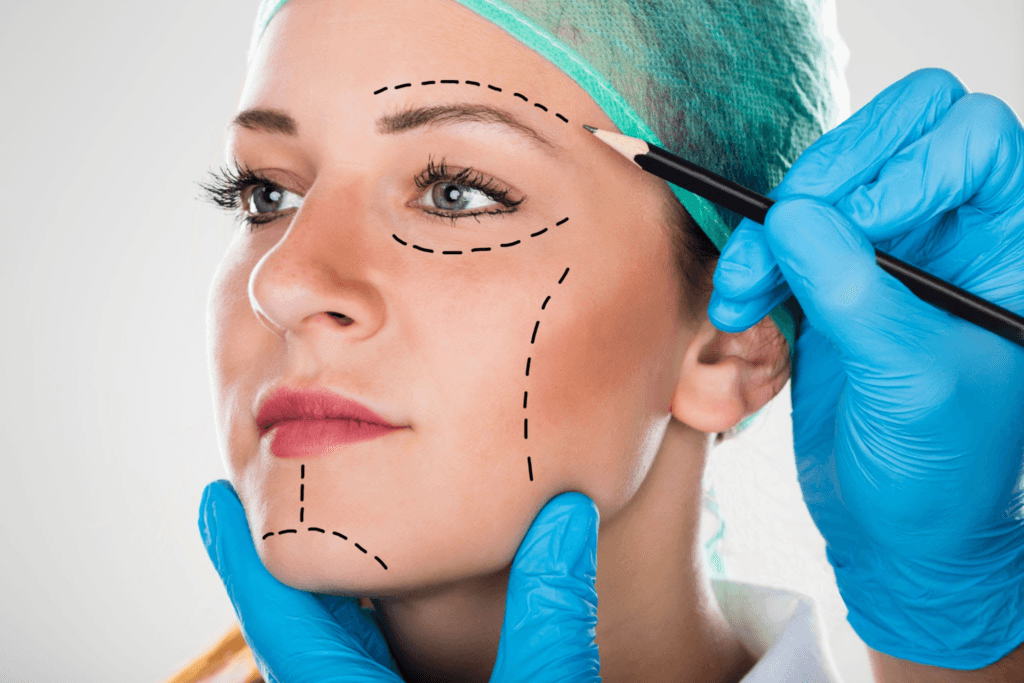
Stai valutando un lifting all'estero ma sei confuso sulle differenze tra lifting tradizionali E procedure minimamente invasive? Non sei solo. Con l'aumento di turismo medico, i pazienti hanno ora più opzioni che mai—ma non tutti i lifting sono uguali. Questo guida completa analisi dei principali differenze tra lifting tradizionali e minimamente invasivi, includendo dettagli della procedura, tempi di recupero, costi, rischi e risultati, così puoi fare una decisione informata basata sui tuoi obiettivi, budget e stile di vita. Alla fine, saprai esattamente quale procedura si adatta alle tue esigenze e come scegliere il miglior centro all'estero per risultati ottimali.
Sommario
Comprendere le Procedure di Lifting: Una Panoramica
I lifting facciali sono progettati per invertire i segni dell'invecchiamento stringendo la pelle cadente, riducendo le rughe e ripristinando un contorno giovanile. Tuttavia, la tecnica, l'invasività e i risultati variano significativamente tra le opzioni tradizionali e quelle minimamente invasive. Ecco un confronto a livello generale:
| Caratteristica | Ristrutturazione pubblica | Lifting Minimale Invasivo |
|—————————|————————————————–|———————————————–|
| Invasività | Alto (incisioni grandi, manipolazione più profonda dei tessuti) | Basso (incisioni piccole, aggiustamenti superficiali) |
| Tempo di inattività | 3-4 settimane | 1-7 giorni |
| Durata dei risultati | 10-15 anni | 2-5 anni |
| Costo all'estero | $5.000 – $15.000 | $2.000 – $7.000 |
| Ideale per | Caduta significativa, rughe profonde, definizione della linea della mascella | Caduta da lieve a moderata, primi segni di invecchiamento |
| Anestesia | Anestesia generale | Anestesia locale con sedazione |
| cicatrici | Nascosto ma più esteso | Minimo, quasi invisibile |
| Dolore di recupero | Moderato a alto | Lieve a moderato |
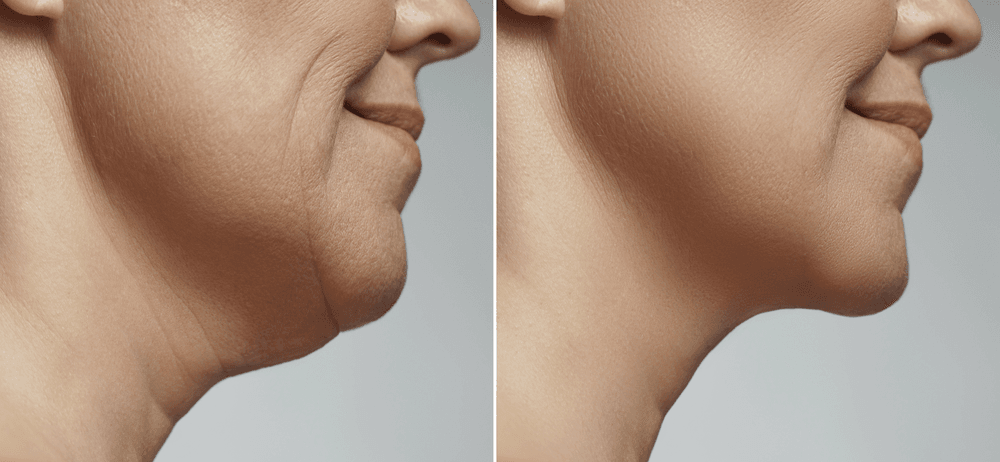
Lifting Tradizionale: Lo Standard d'Oro per Risultati Drammatici
Cos'è un Lifting Tradizionale?
Un lifting tradizionale, noto anche come ritidectomia, è un procedura chirurgica che affronta segni di invecchiamento da moderati a severi per:
- Rafforzamento dei muscoli sottostanti (strato SMAS).
- Rimozione della pelle in eccesso e redistribuzione del grasso.
- Ridefinizione della linea della mascella e del collo per un aspetto scolpito.
Tipi di Lifting Tradizionali
- Lifting del viso SMAS
- Cosa fa: Solleva il sistema muscolopannicolare superficiale (SMAS), fornendo risultati naturali e duraturi.
- Ideale per: Pazienti con cedimento significativo o rughe profonde.
- Recupero: 3-4 settimane.
- Lifting del viso profondo
- Cosa fa: Riposiziona tessuti facciali più profondi per un aspetto più sollevamento giovanile e volumetrico.
- Ideale per: Chi cerca ringiovanimento completo con cicatrici minime.
- Recupero: 4-6 settimane.
- Lifting completo con sollevamento del collo
- Cosa fa: Combina un lifting con liposuzione del collo o platismaplastica per trattare borse e collo a tacchino.
- Ideale per: Pazienti con invecchiamento avanzato del viso e del collo.
- Recupero: 4 settimane.
Vantaggi dei lifting tradizionali
✅ Risultati duraturi (10-15 anni).
✅ Miglioramento drammatico in cedimento, rughe e definizione della linea della mascella.
✅ Personalizzabile per affrontare preoccupazioni specifiche legate all'invecchiamento.
✅ Tecnica provata con decenni di perfezionamento.
Svantaggi dei lifting tradizionali
❌ Recupero più lungo (3-4 settimane di inattività).
❌ Costo più elevato (soprattutto nei paesi occidentali).
❌ Più rischi (ad es., danni ai nervi, cicatrici, ematoma).
❌ Richiede anestesia generale, che comporta rischi aggiuntivi.
Candidati ideali per i lifting tradizionali
- Età 40-70 con cedimento moderato o grave.
- Buona salute generale (non fumatori, nessuna condizione cronica incontrollata).
- Aspettative realistiche sui risultati e sulla ripresa.
- Disponibile a impegnarsi per il tempo di recupero. per una guarigione ottimale.

Lifting minimamente invasivi: recupero rapido, risultati sottili
Cosa sono i lifting minimamente invasivi?
I mini-lifting invasivi usano incisioni più piccole, minore manipolazione dei tessuti, e tecnologie avanzate per fornire un ringiovanimento sottile ma evidente con tempo di recupero minimo. Queste procedure sono ideali per pazienti con segni precoci dell'invecchiamento o di chi non è disposto a sottoporsi a un intervento chirurgico maggiore.
Tipi di lifting minimamente invasivi
- Lifting con fili (Non Chirurgico)
- Cosa fa: Utilizza fili dissolvibili per sollevare e rassodare la pelle cadente.
- Ideale per: Caduta lieve, procedura rapida per la pausa pranzo.
- Recupero: 1-3 giorni.
- Durata dei risultati: 1-2 anni.
- Mini lifting (S-Lift, Lifting a cicatrice corta)
- Cosa fa: Targettizza il viso inferiore e la linea della mandibola con incisioni più corte.
- Ideale per: Pazienti con prime rughe della mascella o caduta lieve.
- Recupero: 1-2 settimane.
- Durata dei risultati: 5-7 anni.
- Lifting liquido (non chirurgico)
- Cosa fa: Utilizza filler dermici e Botox per ripristinare il volume e levigare le rughe.
- Ideale per: Chi cerca nessun tempo di inattività e miglioramenti sottili.
- Recupero: Nessuno.
- Durata dei risultati: 6-18 mesi.
- Lifting laser o Ultherapy
- Cosa fa: Utilizza dispositivi a energia (ad es., ultrasuoni, radiofrequenza) per stimolare il collagene.
- Ideale per: Rassodamento della pelle senza chirurgia.
- Recupero: 1-3 giorni (arrossamento, gonfiore).
- Durata dei risultati: 1-2 anni.
Vantaggi dei lifting minimamente invasivi
✅ Tempi di inattività minimi (ritorno al lavoro in 1-7 giorni).
✅ Costo inferiore (spesso 30-50% più economico rispetto ai lifting tradizionali).
✅ Meno rischio di complicazioni (ad es., cicatrici, danni ai nervi).
✅ Risultati naturali e sottili (ideale per i primi segni dell'invecchiamento).
✅ Può essere combinato con altri trattamenti non chirurgici (ad esempio, filler, Botox).
Svantaggi dei lifting minimamente invasivi
❌ risultati di durata più breve (solitamente 1-5 anni).
❌ miglioramento meno marcato per il cedimento avanzato.
❌ Sessioni multiple potrebbero essere necessarie per risultati ottimali.
❌ Non adatto per la grave lassità cutanea o rughe profonde.
Candidati ideali per i lifting minimamente invasivi
- Età 30-50 con cedimento lieve a moderato.
- stile di vita occupato (non possono permettersi lunghi tempi di recupero).
- Preferiscono miglioramenti sottili e naturali.
- Non pronti per la chirurgia ma voglio affrontare i primi segni dell'invecchiamento.
Confronto tra lifting tradizionali e minimamente invasivi all'estero
1. Confronto dei costi
| Procedura | Costo negli USA. | Costo all'estero (Destinazioni popolari) | Risparmio |
|—————————–|———————-|—————————————-|—————————|
| Ristrutturazione pubblica | $12.000 – $25.000 | $5.000 – $12.000 (Turchia, Messico, Thailandia) | 50-70% |
| Lifting del viso SMAS | $15.000 – $30.000 | $6.000 – $15.000 (Corea del Sud, Germania) | 50-60% |
| Mini lifting | $6.000 – $12.000 | $2.500 – $7.000 (Messico, Polonia) | 50-70% |
| Sollevamento della filettatura | $2.000 – $5.000 | $1.000 – $3.000 (Thailandia, Colombia) | 40-60% |
| Lifting Liquido | $1.500 – $4.000 | $800 – $2.500 (Turchia, India) | 40-60% |
| Ultherapy/Laser Lifting | $1.500 – $3.500 | $800 – $2.000 (Corea del Sud, Brasile) | 30-50% |
Punto chiave: Scegliere di fare un lifting all'estero può risparmiare 30-70% rispetto ai prezzi degli Stati Uniti o europei, ma verificare le accreditazioni delle cliniche (ad esempio, JCI, ISAPS) per garantire la sicurezza.
2. Recupero e tempi di inattività
| Procedura | Tempo di inattività | Ritorno al lavoro | Recupero completo |
|—————————–|—————————-|————————–|—————————-|
| Ristrutturazione pubblica | 3-4 settimane | 2-3 settimane | 3-6 mesi |
| Lifting SMAS/Deep Plane | 4-6 settimane | 3-4 settimane | 6 mesi |
| Mini lifting | 1-2 settimane | 7-10 giorni | 1-2 mesi |
| Sollevamento della filettatura | 1-3 giorni | 1-2 giorni | 1 settimana |
| Lifting Liquido | Nessuno | Subito | Nessuno |
| Laser/Ultherapy Lifting | 1-3 giorni | 1-2 giorni | 1 settimana |
Punto chiave: Le procedure minimamente invasive offrono recupero più rapido, rendendole ideali per pazienti con tempo di inattività limitato. I lifting tradizionali richiedono più pazienza ma offrono risultati più duraturi.
3. Risultati e durata
| Procedura | Durata dei risultati | Ideale per | Manutenzione necessaria? |
|—————————–|———————-|—————————————|——————————–|
| Ristrutturazione pubblica | 10-15 years | Caduta severa, rughe profonde | Ritocchi occasionali (filler, laser) |
| Lifting SMAS/Deep Plane | 10-15 years | Rinascita completa | Minimale |
| Mini lifting | 5-7 years | Caduta lieve-moderata | Ritocchi possibili dopo 5 anni |
| Sollevamento della filettatura | 1-2 years | Caduta lieve, soluzione rapida | Ripetere la procedura ogni 1-2 anni |
| Lifting Liquido | 6-18 months | Perdita di volume, linee sottili | Ripetere ogni 6-12 mesi |
| Laser/Ultherapy Lifting | 1-2 years | Tensione della pelle, stimolazione del collagene | Ripetere ogni 1-2 anni |
Punto chiave: I lifting facciali tradizionali offrono risultati duraturi per un decennio, mentre le opzioni minimamente invasive richiedono una manutenzione più frequente ma offrono miglioramenti sottili e naturali.
4. Rischi e complicazioni
| Procedura | Rischi comuni | Gravità |
|—————————–|———————————————————————————|—————————-|
| Ristrutturazione pubblica | ematoma, danni nervosi, cicatrici, infezione, rischi anestetici | moderato a elevato |
| Lifting SMAS/Deep Plane | gonfiore prolungato, asimmetria, lesione nervosa rara | moderato |
| Mini lifting | gonfiore minore, lividi, intorpidimento temporaneo | basso a moderato |
| Sollevamento della filettatura | migrazione dei fili, fili visibili, lividi minori | basso |
| Lifting Liquido | lividi, irregolarità, reazioni allergiche | basso |
| Laser/Ultherapy Lifting | rossore, gonfiore, disagio temporaneo | basso |
Punto chiave: I lifting facciali tradizionali portano rischi più elevati a causa della loro natura invasiva, mentre le procedure minimamente invasive hanno meno complicazioni ma può richiedere trattamenti ripetuti.
5. Anestesia e gestione del dolore
| Procedura | Tipo di anestesia | Livello di dolore | Gestione del dolore |
|—————————–|—————————|—————————|——————————————|
| Ristrutturazione pubblica | Anestesia generale | Moderato-alto | Farmaci analgesici su prescrizione, impacchi freddi |
| Lifting SMAS/Deep Plane | Anestesia generale | Moderato-alto | Analgesici forti, anti-infiammatori |
| Mini lifting | Anestesia locale + sedazione | Lieve a moderato | Analgesici da banco |
| Sollevamento della filettatura | Anestesia locale | Lieve | Impacchi di ghiaccio, analgesici lievi |
| Lifting Liquido | Nessuno o intorpidimento topico | Minimale | Nessuno necessario |
| Laser/Ultherapy Lifting | Intorpidimento topico | Lieve | Gel rinfrescanti, analgesici lieviiangleeangleeangleeangleeangleeangleeangleeangleeangleeangleeangleeangleeangleeangleeangleeangleeangleeangleeangleeangleeangleeangleeangleeangleeangleeangleeangleeangleeangleeangleeangleeangleeangleeangleeangleeangleeangleeangleeangleeangleeangleeangleeangleeangleeangleeangleeangleeangleeangleeangleeangleeangleeangleeangleeangleeangleeangleeangleeangleeangleeangleeangleeangleeangleeangleeangleeangleeangleeangleeangleeangleeangleeangleeangle
Punto chiave: I lifting tradizionali prevedono più dolore e rischi anestetici, mentre le opzioni minimamente invasive sono meno doloroso e richiedono anestesia minima.

Come scegliere tra lifting tradizionali e minimamente invasivi all'estero
1. Valuta le tue preoccupazioni legate all'invecchiamento
- Sagging grave, rughe profonde o mento cadente? → Lifting tradizionale o SMAS
- Caduta lieve o primi segni dell'invecchiamento? → Mini lifting o lifting con fili
- Perdita di volume o linee sottili? → Lifting liquido o trattamento laser
2. Considera il tuo budget
- Lifting tradizionali costano di più all'inizio ma durano 10+ anni.
- Opzioni minimamente invasive sono più economiche ma richiedono più frequenti ritocchi.
3. Valuta il tempo di recupero e lo stile di vita
- Non puoi permetterti 3-4 settimane di riposo? → Mini lifting o lifting con fili
- Sei disposto a prenderti del tempo per risultati a lungo termine? → Lifting tradizionale
4. Ricerca cliniche e chirurghi
- Per i lifting tradizionali: Scegli ospedali accreditati JCI con Chirurghi certificati ISAPS.
- Per le procedure minimamente invasive: Cerca cliniche specializzate in rijuvenazione non chirurgica con portfolio prima e dopo.
5. Verifica gli standard di sicurezza
- Assicurati che la clinica segua protocolli di sicurezza internazionali (ad esempio, sale operatorie sterili, piani di emergenza).
- Verifica qualifiche dell'anestesista (soprattutto per i lifting tradizionali).
6. Pianifica le cure di follow-up
- Lifting tradizionali potrebbe richiedere follow-up in presenza (considera di stare all'estero per 2-4 settimane).
- Procedure minimamente invasive spesso necessitano di cura post-operatoria ridotta (le visite virtuali potrebbero bastare).
Destinazioni popolari per i lifting all'estero
1. Corea del Sud
- Perché? IL leader globale nelle tecniche avanzate di lifting facciale, soprattutto Lifting SMAS e deep plane.
- Costo medio: $6,000 – $15,000 (tradizionale), $2,000 – $5,000 (minimamente invasivo).
- Top Cliniche: Ospedale ID, Clinica Banobagi, Clinica Lien.
- Certificazioni da verificare: KSPRS (Società Coreana di Chirurgia Plastica), JCI.
2. Turchia
- Perché? Prezzi accessibili E chirurghi altamente qualificati, soprattutto a Istanbul.
- Costo medio: $4,000 – $10,000 (tradizionale), $1,500 – $4,000 (minimamente invasivo).
- Top Cliniche: Estetik International, Clinica International, Clinica Dr. Serkan Aygin.
- Certificazioni da verificare: TPRCD (Associazione Turca di Chirurgia Plastica), ISO.
3. Thailandia
- Perché? Ospedali di classe mondiale con Chirurghi formati in Occidente a costi più bassi.
- Costo medio: $5,000 – $12,000 (tradizionale), $1,500 – $4,000 (minimamente invasiva).
- Top Cliniche: Bumrungrad Hospital, Bangkok Hospital, Yanhee Hospital.
- Certificazioni da verificare: JCI, Thai Board of Plastic Surgery.
4. Messico
- Perché? Prossimità agli Stati Uniti. E prezzi competitivi con standard elevati.
- Costo medio: $5,000 – $12,000 (tradizionale), $2,000 – $5,000 (minimamente invasivo).
- Top Cliniche: Hospital Angeles Tijuana, Cosmetic Surgery Institute, Transformations Plastic Surgery.
- Certificazioni da verificare: AMCPER (Mexican Board of Plastic Surgery), JCI.
5. Colombia
- Perché? Competenza in procedure facciali E cliniche di lusso accessibili.
- Costo medio: $4,500 – $10,000 (tradizionale), $1,800 – $4,500 (minimamente invasivo).
- Top Cliniche: Chirurgia Plastica Bogotá, Clinica di Chirurgia Plastica Dr. Jorge Cortadellas.
- Certificazioni da verificare: SCCP (Colombian Society of Plastic Surgery).
Come prepararsi per un lifting all'estero
1. Ricerca e verifica le credenziali
- Chirurgo: Controlla certificazione ISAPS o board locale.
- Clinica: Assicurati Accreditamento JCI o equivalente.
- Recensioni: Leggi RealSelf, Google e testimonianze della clinica.
2. Prenota una consulenza virtuale
- Discuti i tuoi obiettivi, storia clinica e risultati attesi.
- Chiedi foto prima e dopo di pazienti simili.
3. Pianifica la logistica del viaggio
- Requisiti per il visto: Verifica se hai bisogno di un visto per turismo medico.
- Assicurazione di viaggio: Ottieni assicurazione per il turismo medico che copra le complicanze.
- Soggiorno di recupero: Prenota un hotel o struttura di recupero vicino alla clinica.
4. Preparati per il recupero
- Prepara l'essenziale: Indumenti compressivi, farmaci prescritti, creme per cicatrici.
- Organizza l'assistenza post-operatoria: Follow-up virtuali o coordinamento con medico locale.
5. Comprendere i Rischi
- Lifting tradizionali: Rischio più alto di danni ai nervi, cicatrici o ematoma.
- Minimamente invasivo: Rischio inferiore ma risultati meno duraturi.
Rischi di un Lifting Facciale all'Estero
Mentre il turismo medico offre risparmio sui costi e accesso a chirurghi esperti, comporta anche rischi specifici:
1. Standard Medici Incoerenti
- Alcuni paesi hanno regolamenti meno severi per la chirurgia estetica.
- Soluzione: Scegli Cliniche accreditate JCI con Chirurghi certificati ISAPS.
2. Barriere comunicative
- Incomprensioni su dettagli della procedura, rischi o assistenza post-operatoria.
- Soluzione: Collaborare con cliniche che offrono personale di lingua inglese e traduttori.
3. Ricorso legale limitato
- Difficoltà nel fare causa per negligenza in caso di complicanze.
- Soluzione: Assicurati che la clinica abbia assicurazione contro gli errori medici che copre i pazienti internazionali.
4. Complicazioni Legate al Viaggio
- Coaguli di sangue o infezioni dopo un intervento chirurgico durante voli lunghi.
- Soluzione: Rimani nella destinazione per almeno 1-2 settimane prima di tornare in aereo a casa.
5. Sfide nella cura post-operatoria
- I medici locali potrebbero non avere familiarità con la tua procedura.
- Soluzione: Ottieni un piano di assistenza post-operatoria dettagliato dal tuo chirurgo.
Lifting Tradizionale vs. Minimale Invasivo: Esperienze Reali dei Pazienti
Studio di Caso 1: Lifting Tradizionale in Corea del Sud
- Paziente: Donna di 58 anni con grave cedimento delle guance e del collo.
- Procedura: Lifting SMAS + lifting del collo.
- Costo: $10,000 (vs. $25,000 in the U.S.).
- Recupero: “Le prime 2 settimane sono state dure, ma i risultati dopo 6 mesi erano che cambiano la vita. La mia linea mandibolare sembra 20 anni più giovane!”
- Verdetto: “Vale il tempo di recupero e il risparmio sui costi.”
Studio di Caso 2: Lifting con Fili in Turchia
- Paziente: Donna di 42 anni con Cicatrice leggera.
- Procedura: Lifting con fili PDO.
- Costo: $1.800 (rispetto a $4.000 negli Stati Uniti).
- Recupero: “Sono tornato/a al lavoro in 2 giorni con lividi minimi. I risultati sono durati circa 18 mesi.”
- Verdetto: “Ottimo per una soluzione rapida, ma dovrò ripeterlo.”
Studio di Caso 3: Mini Lifting in Messico
- Paziente: uomo di 50 anni con cedimento iniziale della mandibola.
- Procedura: Mini lifting del viso con cicatrice corta.
- Costo: $4.500 (rispetto a $10.000 negli Stati Uniti).
- Recupero: “Ho preso 1 settimana di ferie dal lavoro e mi sono sentito/a di nuovo normale in 2 settimane. I risultati sono naturali e discreti.”
- Verdetto: “Equilibrio perfetto tra costo, recupero e risultati.”
Conclusione
Punti chiave
- Lifting tradizionali offrono risultati drammatici e duraturi ma richiedono più tempo di recupero e costi più elevati.
- Lifting minimamente invasivi offrono recupero rapido e costi inferiori ma risultati meno duraturi.
- Scegliere l'estero può far risparmiare 30-70% ma richiede ricerche approfondite per garantire sicurezza e qualità.
- Verificare le certificazioni del chirurgo (ISAPS), gli accreditamenti della clinica (JCI) e le recensioni dei pazienti prima di prenotare.
Prossimi passi
- Valutare i propri segni d'invecchiamento per determinare se hai bisogno di un lifting tradizionale o minimamente invasivo.
- Ricercare le migliori destinazioni (Corea del Sud, Turchia, Thailandia) e verifica le credenziali della clinica.
- Programma consulenze virtuali con 2-3 chirurghi certificati a livello di consiglio all'estero.
- Pianifica la logistica del tuo viaggio, inclusi visto, assicurazione e soggiorno di riposo.
- Preparati per le cure post-operatorie con un piano di follow-up dettagliato dal tuo chirurgo.
Capendo il differenze tra lifting facciale tradizionale e lifting minimamente invasivo E scegliendo una clinica affidabile all'estero, puoi ottenere risultati sicuri e sorprendenti risparmiando migliaia di dollari. Che tu opti per un lifting completo SMAS in Corea del Sud o un sollevamento del filo in Turchia, dando priorità sicurezza, certificazioni e aspettative realistiche garantiranno un esperienza di successo e soddisfacente.
I nostri chirurghi e professionisti affiliati
In Surgyteam, siamo orgogliosi di collaborare con un team distinto di professionisti medici, ognuno dei quali porta una grande esperienza e un impegno verso un'assistenza centrata sul paziente.
- Dr. Mehmet Fatih Okyay (Dr. MFO): Specialista in Chirurgia Plastica, Ricostruttiva ed Estetica. Co-fondatore di Surgyteam. Certificato FEBOPRAS. (https://www.dr-mfo.com/)
- Dr. Selçuk Yılmaz: Specialista in Chirurgia Plastica, Ricostruttiva ed Estetica. (https://drselcukyilmaz.com)
- Dr. Ebru Okyay: Specialista in Dermatologia. (https://drebruokyay.com/)
- Dott. Mustafa Keleş: Specialista in chirurgia estetica, plastica e ricostruttiva. (https://www.medstar.com.tr/doktorlar/mustafa-keles/)
- Dott. Boray Yücel: Specialista in chirurgia plastica, ricostruttiva ed estetica. (https://borayucel.com/)
- Dott.ssa Sibel Atalay: Specialista in Chirurgia Plastica, Ricostruttiva ed Estetica. Clinica con Certificato di Autorizzazione al Turismo Sanitario Internazionale.https://www.sibelatalay.com.tr/)
- Dott. Mert Meral: Specialista in chirurgia plastica, ricostruttiva ed estetica. Certificato EBOPRAS. (https://mertmeral.com/)
Per saperne di più su Surgyteam e su come possiamo aiutarti, visita il nostro sito web:
https://surgyteam.com/
Disclaimer: questo articolo del blog ha solo scopo informativo e non costituisce consulenza medica. I costi sono stimati e possono variare. Consultare sempre un medico qualificato per consigli e trattamenti personalizzati.