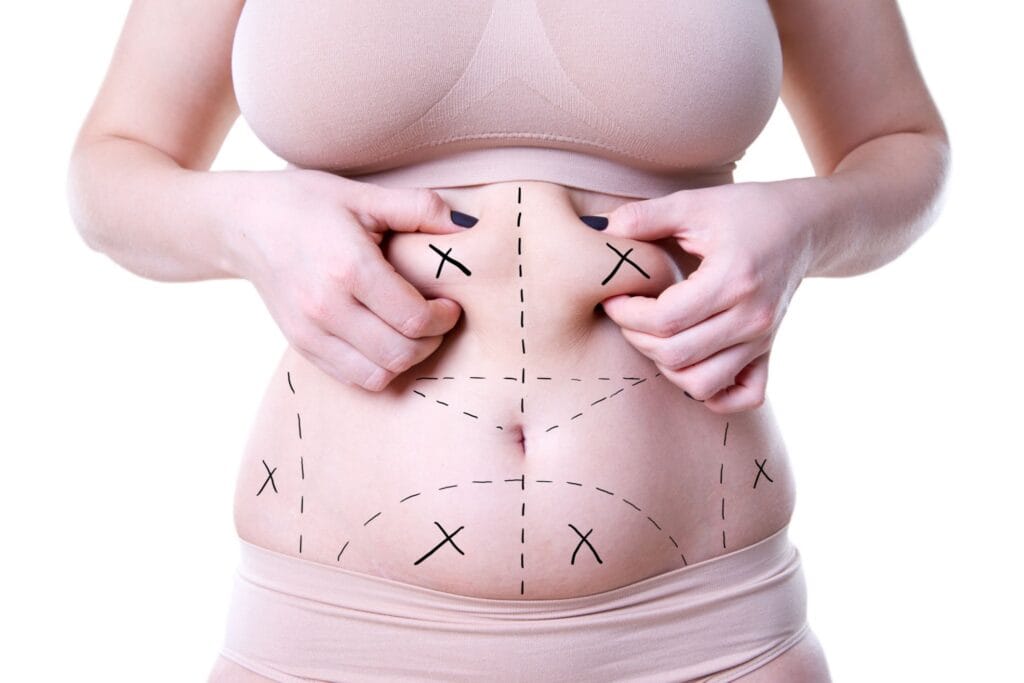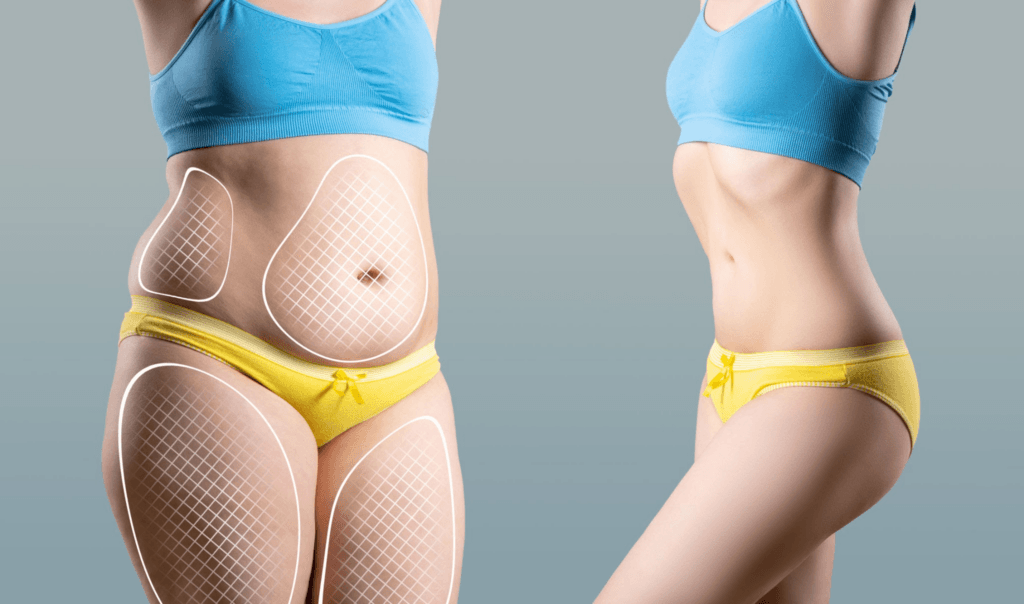
En el ámbito de la medicina estética, los procedimientos de contorno corporal se han vuelto cada vez más populares, ofreciendo soluciones para personas que buscan refinar su figura. Entre las opciones más demandadas se encuentran la abdominoplastia y la liposucción. Aunque ambos procedimientos buscan mejorar la silueta del cuerpo, abordan preocupaciones diferentes y emplean enfoques quirúrgicos distintos. Es común que la gente confunda los dos, o piense que son intercambiables, lo que genera malentendidos sobre lo que cada uno puede lograr.
Esta guía completa está diseñada para desmitificar estas populares cirugías de contorno corporal. Profundizaremos en los detalles tanto de la abdominoplastia como de la liposucción, aclarando sus diferencias fundamentales, explorando los beneficios únicos que ofrece cada una e identificando a los candidatos ideales para cada procedimiento. Al final de este artículo, tendrás una comprensión clara de cuál procedimiento podría ser el más adecuado para tus objetivos estéticos individuales.

Tabla de contenido
Comprendiendo los Procedimientos de Contorno Corporal
El contorno corporal se refiere a una serie de procedimientos quirúrgicos y no quirúrgicos diseñados para remodelar y mejorar la apariencia del cuerpo. Estos procedimientos se eligen habitualmente después de una pérdida de peso significativa, un embarazo o simplemente para abordar depósitos de grasa rebeldes y piel flácida que no responden a la dieta y el ejercicio.
▸ Definición y Propósito
El contorno corporal es un término general para los procedimientos médicos que remodelan el cuerpo. Su propósito principal es mejorar la apariencia física eliminando el exceso de piel y grasa, y en algunos casos, tensando los músculos subyacentes. El objetivo es lograr un físico más proporcionado, tonificado y estéticamente agradable. No es una solución para perder peso, sino un proceso de refinamiento para personas que ya están en o cerca de su peso ideal pero tienen problemas con áreas específicas.
▸ Razones Comunes para el Contorno Corporal
Las personas optan por el contorno corporal por diversas razones. Una de las motivaciones más comunes es tratar la piel flácida o caída que resulta de una pérdida de peso significativa, que a menudo deja un delantal de piel alrededor del abdomen, brazos o muslos. El embarazo también puede provocar músculos abdominales estirados y exceso de piel, lo que hace que la abdominoplastia sea una opción popular para las madres. Además, los depósitos de grasa localizados que resisten la dieta y el ejercicio, a menudo encontrados en el abdomen, flancos, muslos o brazos, son una razón frecuente para considerar la liposucción. El envejecimiento también juega un papel, ya que la elasticidad de la piel disminuye naturalmente con el tiempo, contribuyendo a la flacidez.
▸ Tipos de Procedimientos de Contorno Corporal
Más allá de las abdominoplastias y la liposucción, el campo del contorno corporal incluye diversos otros procedimientos. Estos pueden ir desde levantamientos de brazos (braquioplastia) hasta levantamientos de muslos (cruroplastia), levantamientos corporales (que abordan múltiples áreas simultáneamente), e incluso levantamientos o reducciones de senos. Las opciones no quirúrgicas, como la criolipólisis (congelación de grasa) o los tratamientos de radiofrecuencia, también entran dentro del contorno corporal, ofreciendo alternativas menos invasivas para la reducción menor de grasa y el tensado de la piel. Cada procedimiento se adapta a áreas y preocupaciones específicas, destacando la naturaleza personalizada de la cirugía estética.
¿Qué es una abdominoplastia?
Un tummy tuck, conocido médicamente como abdominoplastia, es un procedimiento quirúrgico mayor diseñado para crear un perfil abdominal más plano y firme. Aborda preocupaciones que la dieta y el ejercicio por sí solos no pueden resolver.
▸ Definición y Propósito
La abdominoplastia es un procedimiento quirúrgico cosmético que elimina el exceso de piel y grasa del abdomen y tensa los músculos de la pared abdominal. Su propósito principal es aplanar el abdomen, reducir la apariencia de estrías (especialmente las que están debajo del ombligo) y restaurar un contorno más juvenil y tonificado. Es particularmente efectiva para personas que tienen piel flácida y caída debido a una pérdida de peso significativa o al embarazo, ya que aborda directamente problemas tanto de laxitud de la piel como de separación muscular (diástasis de rectos).
▸ Detalles del Procedimiento
El procedimiento estándar de abdominoplastia implica una incisión horizontal realizada justo por encima del área púbica, extendiéndose de cadera a cadera. Se puede realizar una segunda incisión alrededor del ombligo para liberarlo del tejido circundante. El cirujano luego levanta la piel y la grasa, tensa los músculos abdominales subyacentes suturándolos juntos y tira de la piel restante hacia abajo. Luego se elimina el exceso de piel y grasa, y se crea una nueva abertura para el ombligo. La piel restante se vuelve a colocar y las incisiones se cierran. Existen variaciones, como una mini abdominoplastia para una laxitud de piel menos extensa debajo del ombligo, y una abdominoplastia extendida para quienes también necesitan mejora en los flancos y la parte baja de la espalda.
▸ Beneficios
Los beneficios de la abdominoplastia son significativos y a menudo transformadores. Los pacientes experimentan un abdomen más plano, firme y tonificado, lo que puede mejorar enormemente el ajuste de la ropa y la confianza corporal. Elimina eficazmente el exceso de piel caída, que puede causar irritación o problemas de higiene. Para las mujeres después del embarazo, puede reparar los músculos abdominales separados (diástasis de rectos), lo que no solo mejora la apariencia sino que también puede aliviar el dolor lumbar y mejorar la fuerza del core. Aunque no es un procedimiento para perder peso, eliminar el exceso de piel y grasa puede resultar en una reducción de peso modesta. Los resultados son generalmente duraderos, siempre que el paciente mantenga un peso estable.
▸ Candidatos Ideales
Los candidatos ideales para una abdominoplastia suelen ser personas que gozan de buena salud general, tienen un peso estable y expectativas realistas sobre el resultado. A menudo tienen exceso de piel caída y músculos abdominales debilitados que no han respondido a la dieta y el ejercicio. Esto incluye a mujeres que han tenido múltiples embarazos, personas que han sufrido una pérdida de peso significativa o aquellas con predisposición genética a la piel flácida en el área abdominal. Es crucial que los candidatos no fumen y estén libres de condiciones médicas que puedan afectar la cicatrización o aumentar los riesgos quirúrgicos. Una abdominoplastia no es adecuada para quienes buscan una solución rápida para perder peso.
▸ Recuperación y Resultados
El proceso de recuperación de una abdominoplastia es más extenso que el de la liposucción debido a su naturaleza invasiva. Los pacientes suelen experimentar dolor, hinchazón y moretones, y necesitarán usar una prenda de compresión durante varias semanas para ayudar a reducir la hinchazón y apoyar los tejidos en cicatrización. Se pueden colocar drenajes temporalmente para recolectar líquido. La mayoría de los pacientes requieren de 2 a 4 semanas de descanso laboral y deben evitar actividades extenuantes durante 6 a 8 semanas. Los resultados completos se hacen evidentes a medida que la hinchazón disminuye durante varios meses, con el resultado final a menudo visible dentro de 6 a 12 meses. La cicatriz, inicialmente prominente, se desvanecerá con el tiempo pero es permanente y generalmente queda bien oculta por la ropa interior o el traje de baño.
¿Qué es la liposucción?
La liposucción es un procedimiento quirúrgico diseñado para eliminar depósitos de grasa localizados que son resistentes a la dieta y al ejercicio, con el objetivo de esculpir y remodelar áreas específicas del cuerpo.
▸ Definición y Propósito
La liposucción, a menudo referida simplemente como “lipo”, es un procedimiento cosmético que succiona grasa de áreas específicas del cuerpo, como el abdomen, caderas, muslos, glúteos, brazos o cuello. Su propósito principal no es la pérdida de peso sino el esculpido y contorno corporal. Está diseñada para personas que están en o cerca de su peso corporal ideal pero tienen bolsas aisladas de grasa persistente que no responden a los métodos tradicionales de pérdida de peso. La liposucción reduce eficazmente estas protuberancias de grasa localizadas, creando una forma corporal más suave y proporcionada. No aborda la piel flácida ni mejora significativamente la elasticidad de la piel.
▸ Detalles del Procedimiento
La liposucción se realiza típicamente utilizando un tubo delgado y hueco llamado cánula, que se inserta a través de pequeñas incisiones en la piel. Antes de succionar la grasa, generalmente se inyecta una solución estéril (líquido tumescente) —una mezcla de solución salina, lidocaína (anestésico) y epinefrina (para contraer los vasos sanguíneos y reducir el sangrado)— en el área grasa. Esto facilita la eliminación de grasa, reduce la pérdida de sangre y proporciona anestesia local. Luego, la cánula se mueve de un lado a otro para romper las células grasas, que luego son succionadas utilizando una bomba de vacío o jeringa. Existen diversas técnicas, incluyendo la liposucción tumescente, la liposucción asistida por ultrasonido (UAL) y la liposucción asistida por láser (LAL), cada una ofreciendo beneficios ligeramente diferentes en términos de licuefacción de grasa y tensión de la piel.
▸ Beneficios
Los principales beneficios de la liposucción incluyen una apariencia más contorneada y estilizada en las áreas objetivo. Elimina eficazmente los depósitos de grasa persistentes que han resistido la dieta y el ejercicio, lo que lleva a una proporción corporal mejorada. Los pacientes a menudo experimentan una imagen de sí mismos mejorada y mayor confianza. El procedimiento es menos invasivo que una abdominoplastia, típicamente implicando incisiones más pequeñas y un período de recuperación más corto. Los resultados pueden verse relativamente rápido a medida que la hinchazón disminuye, y las células grasas eliminadas durante la liposucción se han ido permanentemente, lo que significa que si se mantiene el peso, los resultados son duraderos. Es una excelente opción para el contorno preciso en lugar de la remodelación corporal generalizada.
▸ Candidatos Ideales
Los candidatos ideales para la liposucción son personas que están cerca de su peso corporal ideal, tienen buena elasticidad de la piel y depósitos de grasa localizados que desean eliminar. Deben gozar de buena salud, ser no fumadores y tener expectativas realistas sobre el resultado. La liposucción no es un tratamiento para la obesidad ni un sustituto de un estilo de vida saludable. Es mejor para quienes tienen un peso relativamente estable y buscan refinar la forma de su cuerpo apuntando a áreas específicas como los michelines, las cartucheras o la papada. Una buena elasticidad de la piel es importante porque la liposucción no elimina el exceso de piel, y si la piel carece de elasticidad, puede parecer flácida después de la eliminación de grasa.
▸ Recuperación y Resultados
La recuperación de la liposucción es generalmente menos complicada que la de una abdominoplastia. Los pacientes suelen experimentar moretones, hinchazón y dolor en las áreas tratadas. Generalmente se usa una prenda de compresión durante varias semanas para ayudar a reducir la hinchazón y favorecer la retracción de la piel. La mayoría de los pacientes pueden regresar a actividades ligeras y al trabajo dentro de unos días a una semana. El ejercicio extenuante debe evitarse durante 2 a 4 semanas. Los resultados iniciales suelen ser visibles una vez que la hinchazón comienza a disminuir, lo que puede tomar varias semanas. Los resultados completos típicamente se hacen evidentes durante varios meses a medida que el cuerpo continúa sanando y la hinchazón se resuelve completamente, generalmente dentro de 3 a 6 meses. Las pequeñas incisiones cicatrizan bien, a menudo volviéndose apenas perceptibles con el tiempo.
Diferencias Clave entre una Abdominoplastia y una Liposucción
Aunque ambos procedimientos buscan mejorar el contorno corporal, sus diferencias fundamentales radican en su enfoque, áreas objetivo y el tipo de problemas que resuelven.
▸ Técnicas del Procedimiento
La diferencia más significativa radica en las técnicas quirúrgicas. Una abdominoplastia es un procedimiento quirúrgico invasivo que implica una gran incisión para eliminar el exceso de piel y grasa, y crucialmente, para tensar los músculos abdominales subyacentes. Es una cirugía reconstructiva de la pared abdominal. La liposucción, por otro lado, es un procedimiento menos invasivo que utiliza pequeñas incisiones para insertar una cánula y succionar depósitos de grasa localizados. Se centra exclusivamente en la eliminación de grasa y no aborda la piel flácida ni la laxitud muscular.
▸ Áreas Objetivo
Una abdominoplastia se dirige principalmente al abdomen, abordando específicamente el exceso de piel, grasa y músculos debilitados en esta región. Aunque se puede eliminar algo de grasa, su propósito principal es la remodelación integral del abdomen. La liposucción puede realizarse en casi cualquier área del cuerpo donde haya bolsas de grasa persistentes, incluyendo el abdomen, los flancos (michelines), caderas, muslos, glúteos, brazos, espalda y cuello. Es ideal para la reducción de grasa aislada, en lugar de la eliminación generalizada de piel.
▸ Resultados y Consecuencias
Los resultados de una abdominoplastia son un abdomen dramáticamente más plano y firme, a menudo con una cintura más ajustada, y la eliminación de pliegues de piel y estrías debajo del ombligo. Proporciona un rejuvenecimiento más integral del área abdominal. La liposucción resulta en una reducción de los bultos de grasa localizados y una mejora de los contornos corporales en las áreas tratadas. Aunque puede hacer que un área sea más pequeña y esculpida, no resolverá la piel flácida ni reparará la separación muscular. Por ejemplo, una persona con piel abdominal significativamente flácida no logrará un abdomen plano solo con liposucción, ya que la liposucción no elimina la piel sobrante.
▸ Recuperación y Tiempo de Inactividad
Debido a la naturaleza más extensa de una abdominoplastia, el período de recuperación es significativamente más largo y exigente. Los pacientes a menudo experimentan más dolor, hinchazón y moretones, y típicamente requieren 2 a 4 semanas de baja laboral y 6 a 8 semanas antes de reanudar actividades extenuantes. La liposucción tiene una recuperación más corta y generalmente más fácil, con la mayoría de los pacientes regresando a actividades ligeras en pocos días y a la actividad completa en 2 a 4 semanas. El malestar asociado con la liposucción suele ser menos intenso, a menudo descrito como dolor muscular.
▸ Consideraciones de Coste
Generalmente, una abdominoplastia es un procedimiento más costoso que la liposucción porque es una cirugía más compleja y que requiere más tiempo, que necesita anestesia general, más tiempo en el quirófano y cuidados postoperatorios extensos. El costo de una abdominoplastia puede oscilar entre $8,000 y $15,000 o más, dependiendo de los honorarios del cirujano, los honorarios de anestesia, los costos de la instalación y la ubicación geográfica. Los costos de la liposucción varían ampliamente según el número y tamaño de las áreas tratadas, pero típicamente oscilan entre $2,500 y $8,000 por área. Es importante obtener un presupuesto detallado de un cirujano calificado, ya que los precios pueden fluctuar significativamente.

Conclusión
Comprender las diferencias entre una abdominoplastia y una liposucción es crucial para cualquier persona que considere el contorno corporal. Aunque ambos procedimientos buscan mejorar su físico, abordan conjuntos de preocupaciones diferentes. Una abdominoplastia es una cirugía integral de rejuvenecimiento abdominal, ideal para quienes tienen piel flácida y músculos abdominales debilitados, a menudo después del embarazo o una pérdida de peso importante. Resulta en un abdomen más plano y firme y puede eliminar estrías. La liposucción, por otro lado, es un procedimiento de eliminación de grasa dirigida, más adecuado para personas con buena elasticidad de la piel que desean eliminar bolsas de grasa persistentes y localizadas que resisten la dieta y el ejercicio. Esculpe áreas específicas del cuerpo pero no tensa la piel ni los músculos.
La elección entre estos dos poderosos procedimientos es profundamente personal y depende completamente de sus preocupaciones corporales específicas, objetivos estéticos y salud general. No se trata de elegir el procedimiento “mejor”, sino el procedimiento “correcto” para usted. Esta decisión nunca debe tomarse a la ligera ni sin la guía de un experto. El paso más crítico en su camino hacia una mayor confianza en sí mismo es programar una consulta con un cirujano plástico calificado y certificado por la junta.
Durante esta consulta, su cirujano evaluará su anatomía única, discutirá su historial médico, escuchará sus objetivos y proporcionará recomendaciones personalizadas. Puede explicar los riesgos y beneficios en detalle, mostrarle fotos de antes y después, y ayudarle a establecer expectativas realistas para el resultado. Una decisión informada, tomada en colaboración con un profesional capacitado, es la piedra angular de una experiencia de contorno corporal exitosa y satisfactoria.
▸ Puntos Clave
- Abdominoplastia (Tummy Tuck): Elimina el exceso de piel y grasa del abdomen, y tensa los músculos abdominales debilitados. Ideal para después del embarazo o una pérdida de peso significativa.
- Liposucción: Succiona depósitos de grasa localizados para moldear áreas específicas del cuerpo. Mejor para bolsas de grasa persistentes donde la elasticidad de la piel es buena.
- Piel y Músculo vs. Grasa Solamente Una abdominoplastia aborda la piel flácida y la separación muscular; la liposucción solo elimina grasa.
- Recuperación y Costo: La abdominoplastia tiene una recuperación más larga y complicada y generalmente es más costosa que la liposucción.
Preguntas frecuentes
▸ ¿Quién es un candidato ideal para una abdominoplastia?
Un candidato ideal para una abdominoplastía es una persona que tiene exceso significativo de piel y/o músculos abdominales debilitados, a menudo debido al embarazo, una pérdida de peso masiva o el envejecimiento. Debe estar en buen estado de salud general, no fumar, tener un peso estable y mantener expectativas realistas sobre los resultados del procedimiento. No es una cirugía para perder peso, por lo que los candidatos deben estar cerca de su peso corporal ideal.
▸ ¿Quién es un candidato ideal para la liposucción?
Un candidato ideal para la liposucción es alguien que está en o cerca de su peso corporal ideal pero lucha con bolsillos localizados de grasa rebelde que no han respondido a la dieta y el ejercicio. Debe tener buena elasticidad de la piel, estar en buen estado de salud general y tener expectativas realistas. La liposucción no es una solución para la obesidad ni un sustituto de los hábitos de vida saludables.
▸ ¿Cuánto dura el período de recuperación de una abdominoplastia?
El período de recuperación para una abdominoplastía suele ser de 2 a 4 semanas para volver a actividades ligeras y al trabajo de escritorio. Se debe evitar el ejercicio intenso y levantar objetos pesados durante 6 a 8 semanas. La recuperación completa y los resultados finales pueden tardar de 6 a 12 meses en que la inflamación se resuelva por completo. Los pacientes suelen usar una prenda de compresión durante varias semanas a meses.
▸ ¿Cuánto dura el período de recuperación de la liposucción?
El período de recuperación para la liposucción es generalmente más corto. La mayoría de los pacientes pueden volver a actividades diarias ligeras en unos pocos días a una semana. La inflamación y los hematomas son comunes y pueden durar varias semanas. Se debe evitar el ejercicio intenso durante 2 a 4 semanas. Por lo general se recomienda una prenda de compresión durante varias semanas. Los resultados finales suelen ser visibles entre 3 y 6 meses.
▸ ¿Se pueden realizar la liposucción y la abdominoplastia juntas?
Sí, es común que la liposucción y una abdominoplastia se realicen juntas. Este procedimiento combinado, a veces denominado “lipoabdominoplastia”, permite al cirujano eliminar el exceso de piel y tensar los músculos (abdominoplastia) mientras refina simultáneamente las zonas adyacentes eliminando la grasa rebelde (liposucción), como los flancos o las caderas. Combinar procedimientos puede ofrecer un resultado de contorno corporal más completo y puede reducir el tiempo de recuperación general en comparación con someterse a dos cirugías separadas, aunque aumenta el tiempo quirúrgico total y la complejidad.
▸ ¿Cuáles son los riesgos asociados con una abdominoplastia?
Como con cualquier cirugía mayor, una abdominoplastia conlleva riesgos potenciales, incluyendo infección, sangrado, reacción adversa a la anestesia, acumulación de líquido (seroma), cicatrización deficiente de heridas, entumecimiento o cambios en la sensibilidad de la piel y cicatrices desfavorables. Aunque las complicaciones graves son raras, es crucial discutir todos los riesgos potenciales a fondo con su cirujano antes del procedimiento.
▸ ¿Cuáles son los riesgos asociados con la liposucción?
Los riesgos asociados con la liposucción incluyen hematomas, inflamación, entumecimiento, irregularidades en el contorno (piel desigual), infección, acumulación de líquido (seroma), decoloración de la piel y reacciones adversas a la anestesia. Las complicaciones graves, como embolia grasa o perforación, son extremadamente raras pero posibles. Elegir a un cirujano plástico certificado puede minimizar significativamente estos riesgos.
▸ ¿Cuánto cuesta una abdominoplastia en promedio?
El costo promedio de una abdominoplastia oscila típicamente entre $8,000 y $15,000. Sin embargo, esto es solo una estimación. El costo final puede variar significativamente según factores como los honorarios del cirujano, los costos de anestesia, los costos de la sala de operaciones, la extensión del procedimiento (abdominoplastia mini vs. completa) y la ubicación geográfica. Es importante tener en cuenta que estos costos generalmente no incluyen atención preoperatoria o postoperatoria, recetas o pruebas médicas.
▸ ¿Cuánto cuesta la liposucción en promedio?
El costo promedio de la liposucción puede oscilar entre $2,500 y $8,000 por zona tratada. El costo total depende de varios factores, incluyendo el tamaño y el número de zonas tratadas, la cantidad de grasa eliminada, el tipo de técnica de liposucción utilizada, los honorarios del cirujano, los costos de anestesia y los costos de la instalación. Al igual que con una abdominoplastia, estas cifras son promedios y el costo real se determinará durante su consulta.
▸ ¿Cómo elijo al cirujano adecuado para mi procedimiento?
Elegir al cirujano plástico adecuado es fundamental para un resultado seguro y exitoso. Busque un cirujano que esté certificado por la Junta Americana de Cirugía Plástica (o su equivalente en su país), lo que garantiza que haya cumplido con rigurosos estándares de entrenamiento y ética. Verifique su experiencia específicamente en abdominoplastías y liposucción. Revise fotos de antes y después de sus pacientes anteriores y lea los testimonios de los pacientes. Asegúrese de que el cirujano opere en una instalación quirúrgica acreditada. Durante su consulta, evalúe su estilo de comunicación, si responde a todas sus preguntas de manera exhaustiva y si se siente cómodo y confiado con su atención. Un cirujano reputado priorizará su seguridad y proporcionará expectativas realistas.
Nuestros cirujanos y profesionales afiliados
En Surgyteam, nos enorgullece colaborar con un equipo distinguido de profesionales médicos, cada uno aportando una gran experiencia y un compromiso con la atención centrada en el paciente.
- Dr. Mehmet Fatih Okyay (Dr. MFO): Especialista en Cirugía Plástica, Reconstructiva y Estética. Co-fundador de Surgyteam. Certificado por FEBOPRAS. (https://www.dr-mfo.com/)
- Dr. Selçuk Yılmaz: Especialista en Cirugía Plástica, Reconstructiva y Estética. (https://drselcukyilmaz.com)
- Dr. Ebru Okyay: Especialista en Dermatología. (https://drebruokyay.com/)
- Dr. Mustafa Keleş: Especialista en Cirugía Estética, Plástica y Reconstructiva. (https://www.medstar.com.tr/doktorlar/mustafa-keles/)
- Dr. Boray Yücel: Especialista en Cirugía Plástica, Reconstructiva y Estética. (https://borayucel.com/)
- Dr. Sibel Atalay: Especialista en Cirugía Plástica, Reconstructiva y Estética. Clínica con Certificado de Autorización de Turismo de Salud Internacional. (https://www.sibelatalay.com.tr/)
- Dr. Mert Meral: Especialista en Cirugía Plástica, Reconstructiva y Estética. Certificado EBOPRAS. (https://mertmeral.com/)
Para obtener más información sobre Surgyteam y cómo podemos ayudarle, visite nuestro sitio web:
https://surgyteam.com/
Descargo de responsabilidad: Esta publicación del blog está destinada solo a fines informativos y no constituye consejo médico. Los costos son estimaciones y pueden variar. Siempre consulte a un profesional médico calificado para obtener asesoramiento y tratamiento personalizados.