
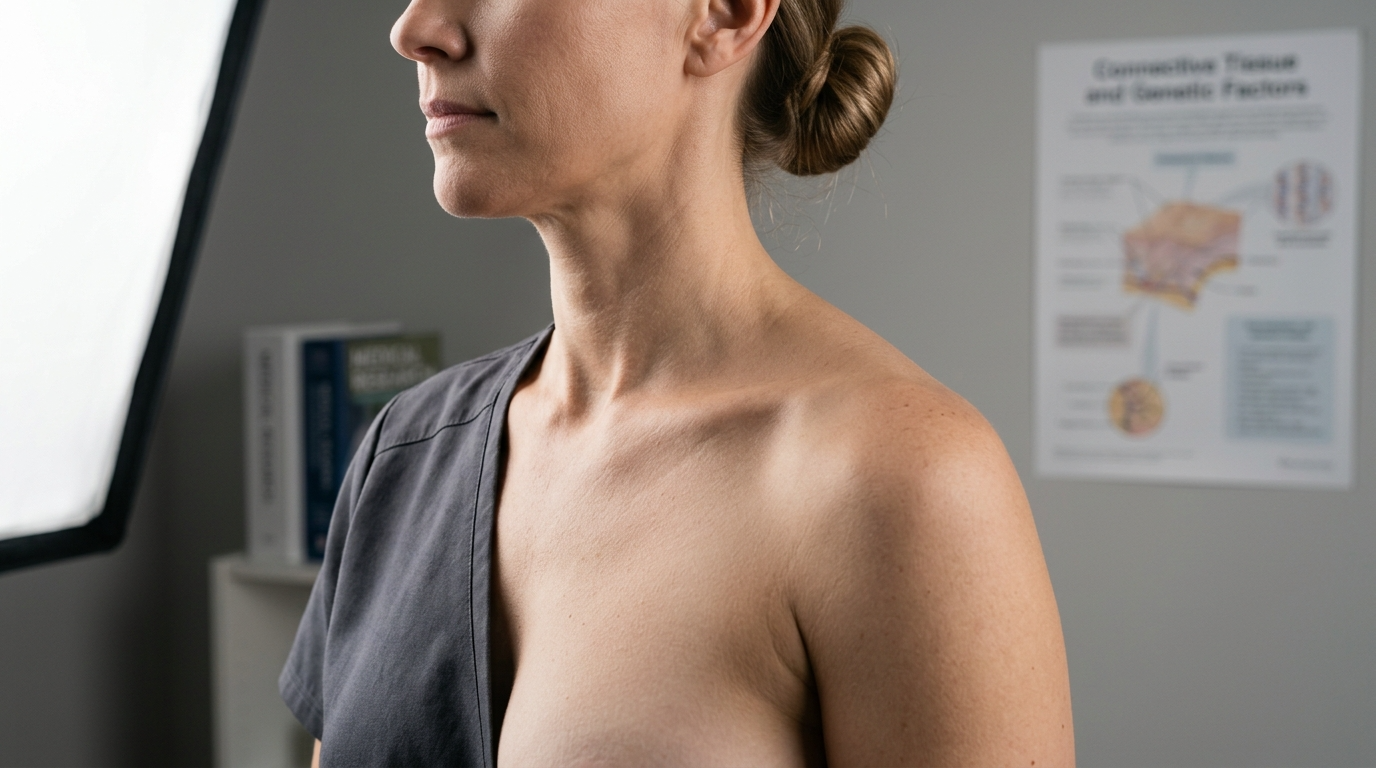
Many young women experience concerns about changes in breast appearance, particularly sagging, which can impact self-confidence and body image. Sagging breasts at a young age are often attributed to a combination of genetic, lifestyle, and environmental factors. This comprehensive guide explores the root causes, preventive measures, and effective correction methods to help you regain firmness and confidence.
Understanding why sagging occurs is the first step toward addressing it. From hormonal fluctuations to poor posture, this guide covers everything you need to know to take control of your breast health and aesthetics.

Sommario
Why Do Breasts Sag at a Young Age? Key Causes Explained
Sagging breasts at a young age can stem from multiple factors, often working in combination. Below, we break down the most common causes:
1. Genetic Predisposition
Genetics play a significant role in determining breast shape, size, and skin elasticity. If your mother or close female relatives experienced early sagging, you may be more prone to it as well. Genetic factors influence the strength of Cooper’s ligaments, which support breast tissue, and the elasticity of your skin.
2. Hormonal Changes
Hormonal fluctuations during puberty, pregnancy, or rapid weight changes can affect breast tissue. Estrogen levels, in particular, impact skin elasticity and collagen production. When hormonal balance is disrupted, the skin may lose its ability to bounce back, leading to sagging.
3. Poor Posture
Slouching or hunching over stretches the Cooper’s ligaments and weakens the chest muscles. Over time, this poor posture can cause breasts to droop. Strengthening your back and chest muscles through targeted exercises can help counteract this effect.
4. Rapid Weight Loss or Gain
Significant weight fluctuations stretch the skin and reduce its elasticity. When weight is lost quickly, the skin may not have enough time to shrink back, resulting in sagging. Maintaining a stable weight through a balanced diet and regular exercise is crucial for preserving breast firmness.
5. Lack of Proper Support
Wearing an unsupportive bra, especially during physical activities, can accelerate sagging. The constant movement and lack of support strain the Cooper’s ligaments, leading to a loss of breast firmness over time. Investing in high-quality, well-fitted bras is essential for long-term breast health.
6. Smoking and Sun Exposure
Smoking reduces blood flow and collagen production, which are vital for skin elasticity. Similarly, excessive sun exposure without protection can damage the skin, leading to premature aging and sagging. Avoiding these habits can significantly improve breast appearance and overall skin health.
Preventing Sagging Breasts: Proactive Steps for Long-Term Firmness
While some causes of sagging breasts at a young age are unavoidable, adopting healthy habits can minimize the risk and maintain breast firmness. Here’s how:
1. Strengthen Chest Muscles
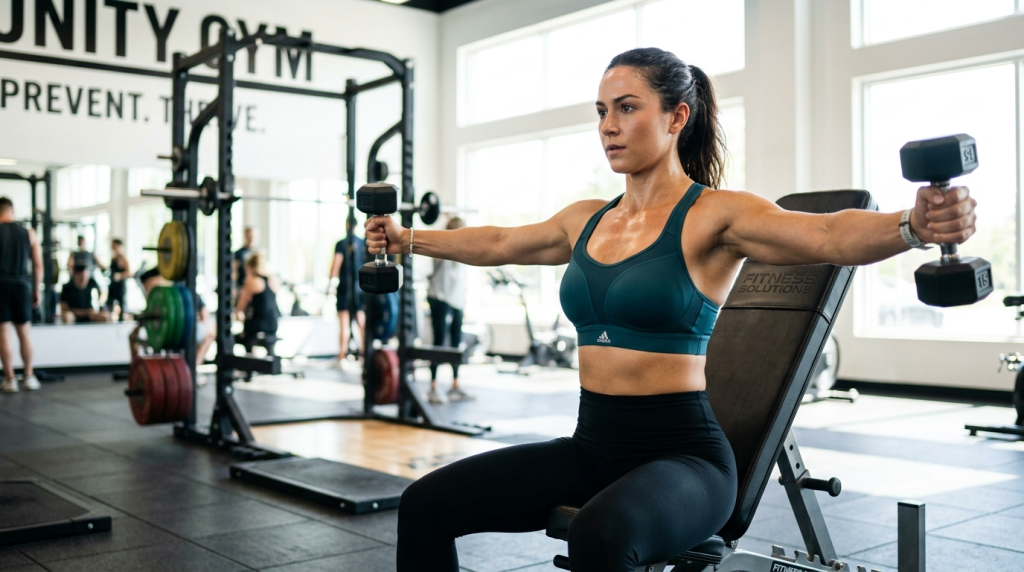
Regular exercise, particularly strength training, can help maintain breast firmness. Focus on exercises that target the pectoral muscles, such as push-ups, chest presses, and dumbbell flys. These exercises strengthen the underlying muscle structure, providing better support for breast tissue.
2. Maintain a Healthy Weight
Avoid rapid weight fluctuations by following a balanced diet rich in proteins, vitamins, and minerals. Gradual weight management helps preserve skin elasticity and prevents stretching that leads to sagging.
3. Wear Supportive Bras
Choose bras that offer adequate support, especially during physical activities. Sports bras with encapsulation or compression features are ideal for minimizing breast movement and reducing strain on the Cooper’s ligaments.
4. Stay Hydrated and Nourished
Hydration and proper nutrition are essential for maintaining skin elasticity. Drink plenty of water and consume foods rich in antioxidants, such as fruits, vegetables, and healthy fats. These nutrients support collagen production and skin health.
5. Avoid Smoking and Limit Sun Exposure
Smoking accelerates skin aging and reduces collagen levels, while excessive sun exposure can cause skin damage. Protect your skin by avoiding smoking and using sunscreen when outdoors.
6. Practice Good Posture
Maintaining good posture reduces strain on the Cooper’s ligaments and chest muscles. Stand tall, keep your shoulders back, and avoid slouching to support breast health and appearance.
Correcting Sagging Breasts: Surgical and Non-Surgical Options
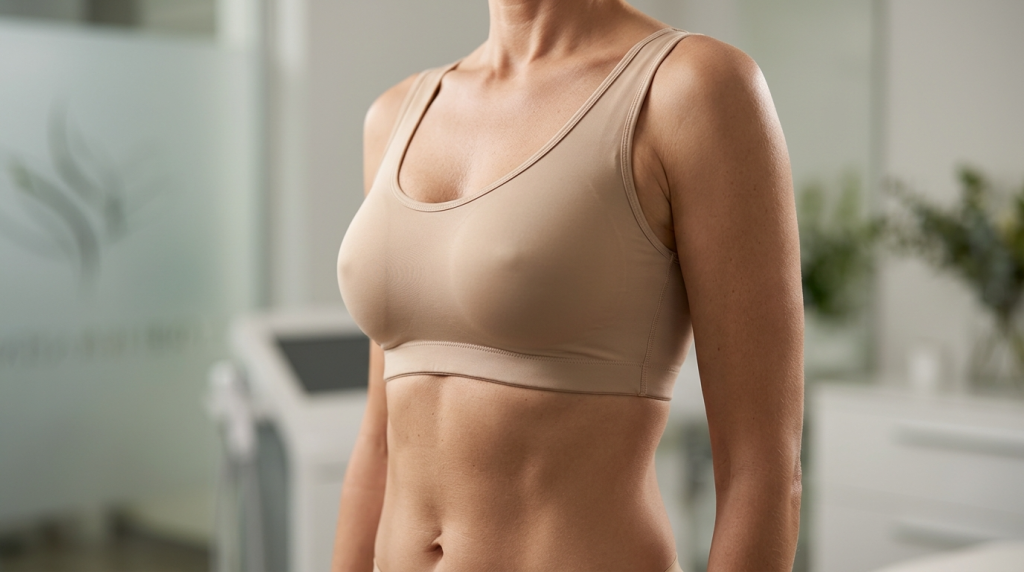
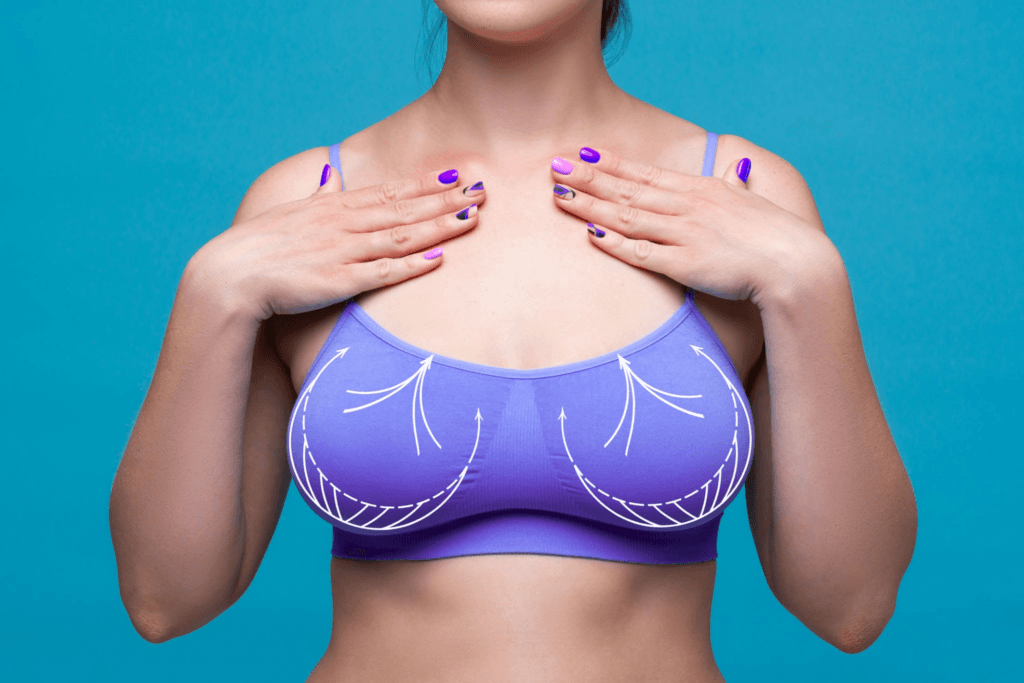
If sagging has already occurred, several options are available to restore breast firmness and shape. These range from non-invasive treatments to surgical procedures, depending on the severity of the sagging and individual preferences.
Non-Surgical Options
For mild to moderate sagging, non-surgical treatments can provide noticeable improvements:
- Radiofrequency Therapy: Stimulates collagen production to tighten skin and improve breast firmness.
- Laser Treatments: Enhances skin elasticity and reduces the appearance of sagging.
- Topical Creams: Retinol and hyaluronic acid-based creams can improve skin texture and firmness over time.
- Ultherapy: Uses ultrasound energy to lift and tighten the skin naturally.
Surgical Options
For more significant sagging, surgical procedures may be necessary to achieve the desired results:
- Breast Lift (Mastopexy): Removes excess skin and reshapes breast tissue to create a firmer, more youthful appearance. Learn more about breast lift procedures.
- Breast Augmentation with Lift: Combines a breast lift with implants to enhance volume and firmness. Explore breast augmentation options.
- Fat Transfer: Uses your body’s fat to restore volume and improve breast shape naturally.
Consulting with a qualified plastic surgeon is essential to determine the best approach for your needs. For personalized advice, visit our contact page to schedule a consultation.

Choosing the Right Surgeon for Breast Correction
Selecting an experienced and board-certified surgeon is crucial for achieving safe and satisfactory results. Here’s what to look for:
- Board Certification: Ensure your surgeon is certified by a recognized board, such as the American Board of Plastic Surgery.
- Experience and Specialization: Choose a surgeon with extensive experience in breast procedures, particularly mastopexy E breast augmentation.
- Before-and-After Portfolio: Review the surgeon’s portfolio to assess their skill and aesthetic style.
- Patient Reviews: Read testimonials and reviews from previous patients to gauge satisfaction levels.
- Consultation Process: A thorough consultation should include a detailed discussion of your goals, expectations, and potential risks.
For a trusted and experienced team, consider SurgyTeam, where patient safety and satisfaction are top priorities.
Recovery and Long-Term Care After Breast Correction
Recovery is a critical phase that directly impacts the final results of your breast correction procedure. Follow these guidelines for a smooth and successful recovery:
Immediate Post-Operative Care
- Follow Surgeon’s Instructions: Adhere to all post-operative care instructions, including medication and wound care.
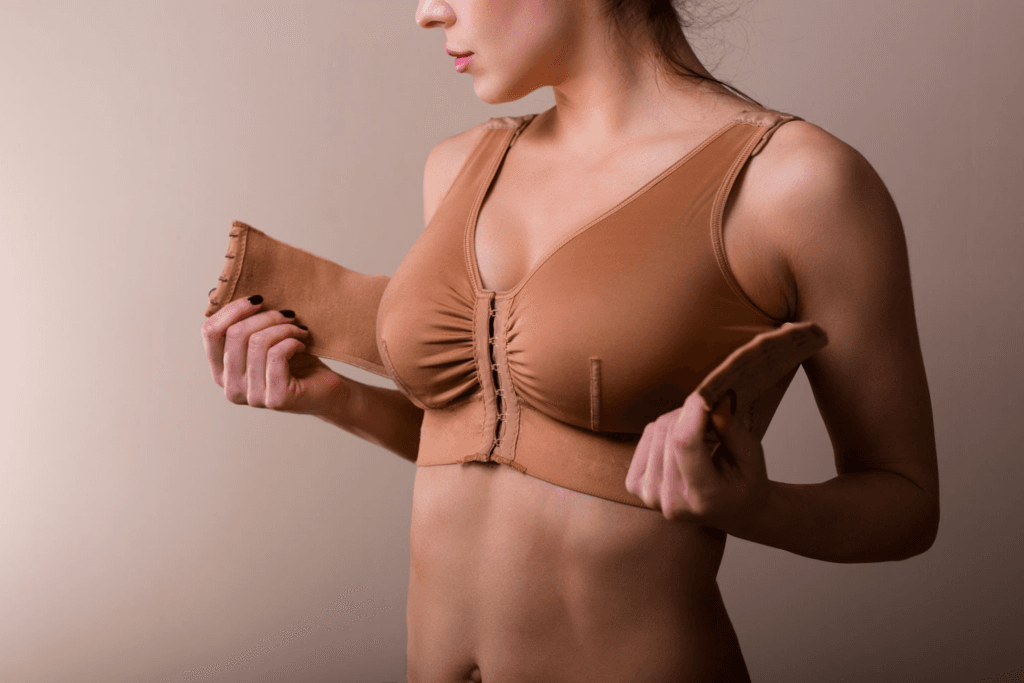
- Wear a Supportive Bra: Use a surgical or supportive bra to minimize swelling and support healing.
- Evitare attività faticose: Refrain from heavy lifting or intense exercise for at least 4-6 weeks.
- Attend Follow-Up Appointments: Regular check-ups ensure proper healing and address any concerns promptly.
Long-Term Care
- Maintain a Stable Weight: Avoid significant weight fluctuations to preserve results.
- Protect Your Skin: Use sunscreen and moisturize regularly to maintain skin elasticity.
- Stay Active: Engage in regular exercise to support overall breast health.
- Schedule Regular Check-Ups: Monitor your breast health with routine medical visits.
Frequently Asked Questions About Sagging Breasts
Can sagging breasts be reversed naturally?
While natural methods like exercise, proper nutrition, and skin care can improve breast firmness, they may not fully reverse significant sagging. For more dramatic results, surgical options like a breast lift are often necessary.
At what age do breasts start to sag?
Breasts can begin to sag as early as the late teens or early twenties, depending on genetic, lifestyle, and environmental factors. However, noticeable sagging typically occurs later in life due to aging and gravity.
Does breastfeeding cause sagging breasts?
Breastfeeding itself does not cause sagging. However, the hormonal changes and weight fluctuations associated with pregnancy and breastfeeding can contribute to changes in breast shape and firmness.
How long does recovery take after a breast lift?
Recovery time varies, but most patients can return to light activities within 1-2 weeks. Full recovery, including the final results, may take several months as swelling subsides and tissues settle.
Are there non-surgical alternatives to a breast lift?
Yes, treatments like radiofrequency therapy, laser treatments, and Ultherapy can provide mild to moderate improvements in breast firmness without surgery. However, these options may not be as effective for severe sagging.
Take Control of Your Breast Health Today
Sagging breasts at a young age can be a source of concern, but understanding the causes and available solutions empowers you to take action. Whether through preventive measures or corrective procedures, achieving firmer, more youthful breasts is within reach.
For personalized advice and expert care, contact SurgyTeam today to schedule your consultation. Our team of experienced surgeons is dedicated to helping you achieve your aesthetic goals safely and effectively.
 Italian
  English
  German
  Russian
  Turkish
  Arabic
  Spanish