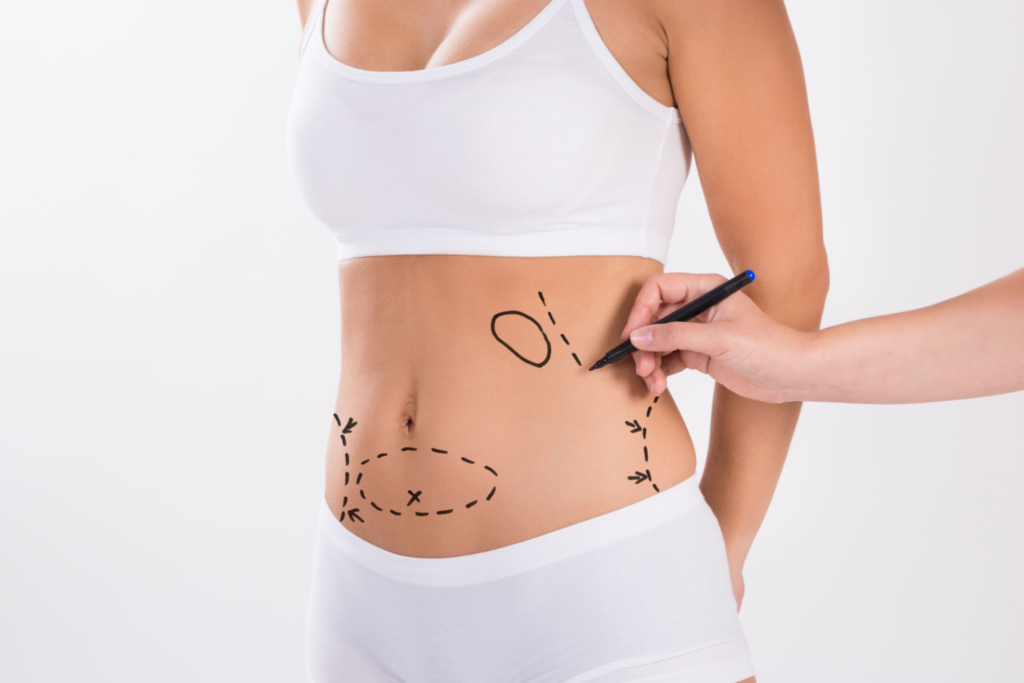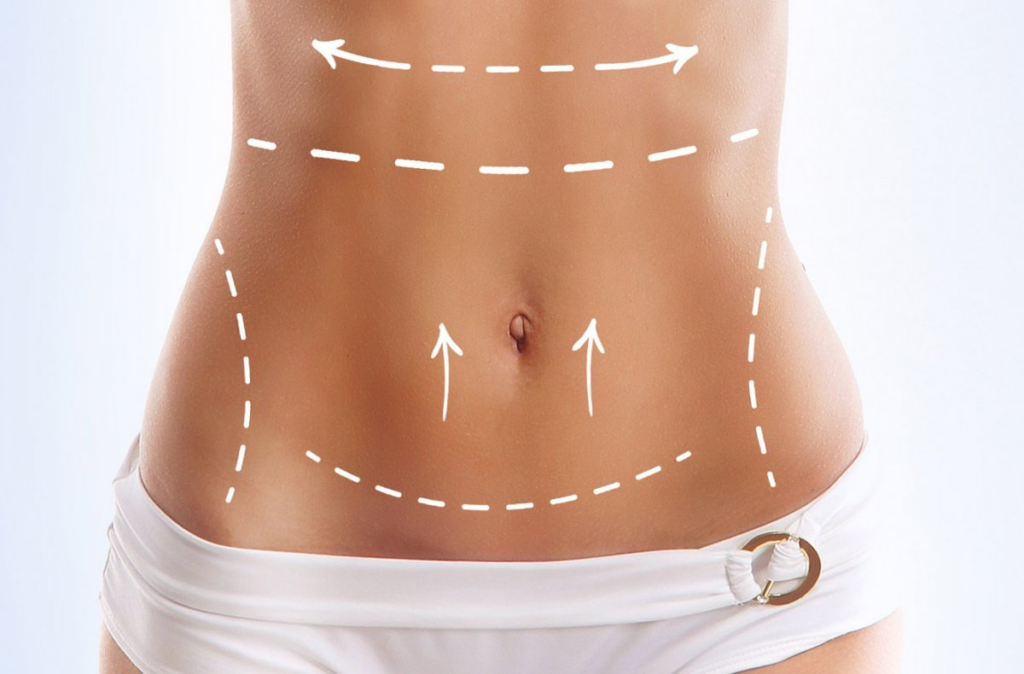
Notare un rigonfiamento dopo una addominoplastica può essere allarmante, soprattutto quando ti aspettavi un addome piatto e tonico. Ma ecco la verità: **è completamente normale** nelle prime fasi del recupero. Che sia residuo l'edema, temporaneo sieroma, o persistente grasso viscerale, la maggior parte dei rigonfiamenti post-operatori si risolve entro **6–12 mesi**—purché tu sappia cosa cercare e come supportare la tua guarigione. Questa guida spiega perché il tuo addome non è ancora piatto, come distinguere il gonfiore normale dai segnali di allarme e i passaggi pratici per garantire risultati fluidi e duraturi dal tuo addominoplastica.
Se sei frustrato da un rigonfiamento persistente dopo la tua procedura, non sei solo. Molti pazienti confondono il post-operatorio l'edema o l'accumulo di liquidi per risultati falliti. Comprendendo le **tre fasi del recupero da addominoplastica**—e il ruolo di grasso viscerale, la riparazione muscolare e la compressione adeguata—otterrai chiarezza sulla tempistica del tuo corpo e imparerai quando chiedere aiuto. Analizziamo la scienza dietro il rigonfiamento e come ottimizzare il tuo percorso di guarigione.
Sommario
Perché il tuo addome non è piatto dopo una addominoplastica: 5 cause comuni
UN rigonfiamento dopo una addominoplastica è raramente un segno di una procedura fallita. Invece, è solitamente una parte normale del processo di guarigione. Ecco le ragioni più comuni per cui il tuo addome può ancora apparire rotondo o irregolare:
1. Edema post-operatorio (gonfiore)
l'edema è la risposta naturale del corpo al trauma, comprese le incisioni e le riparazioni muscolari da parte tua addominoplastica. Questo gonfiore può:
- Raggiunge il picco a **3–5 giorni** post-operatorio, poi diminuisce gradualmente in **3–6 mesi**.
- Causa una sensazione “dura” o “piena” nell'addome inferiore, specialmente in piedi.
- Può essere gestito con **indumenti compressivi**, massaggi di drenaggio linfatico e riposo con le gambe sollevate.
Consiglio professionale: Il gonfiore è spesso più intenso al **mattino** e migliora durante il giorno man mano che i fluidi si ridistribuiscono. È normale!
2. Seroma (accumulo di liquido)
UN sieroma è una sacca di liquido chiaro che può accumularsi sotto la pelle dopo l'intervento. È un effetto collaterale comune di addominoplastica e tipicamente:
- Si sente come un **grumo morbido e mobile** (non duro o doloroso).
- Si verifica in **10–30% dei pazienti**, di solito nelle prime **2–4 settimane**.
- Spesso si risolve da solo o con **drenaggio da parte del tuo chirurgo**.
Segnale di allarme: Se l'area diventa **rossa, calda o dolorante**, potrebbe indicare un'infezione—contatta immediatamente il tuo chirurgo.
3. Grasso viscerale (grasso interno)
UN addominoplastica rimuove **grasso sottocutaneo** (lo strato sotto la pelle) ma **non** elimina grasso viscerale (il grasso intorno ai tuoi organi). Se il tuo rigonfiamento è:
- Più morbido e **più evidente quando sei seduto**, potrebbe trattarsi di grasso viscerale.
- Invariato dopo **6+ mesi**, dieta ed esercizio (soprattutto il rafforzamento del core) possono aiutare.
- Accompagnato da **cattiva postura**, potrebbe essere necessaria la fisioterapia per riaddestrare i muscoli del core.
4. Riparazione e rassodamento muscolare
Durante un addominoplastica, il tuo chirurgo ripara i muscoli addominali separati (una condizione chiamata **diastasis recti**). Questa riparazione può causare:
- Una **sensazione di tensione, tirata** mentre i muscoli guariscono nella loro nuova posizione.
- Gonfiore temporaneo **sopra l'incisione** (da gonfiore interno o spasmi muscolari).
- Miglioramento in **3–6 mesi** man mano che i muscoli si adattano e si rafforzano.
5. Formazione di tessuto cicatriziale
Man mano che il corpo guarisce, forma **tessuto cicatriziale interno** (adesioni) che può creare:
- Una **rigida cresta** lungo la linea dell'incisione (di solito temporanea).
- Disagio quando ci si **piega o si allunga**, che migliora col tempo e con un massaggio delicato.
- Lisciatura a lungo termine con **fogli o gel di silicone** (raccomandato dal chirurgo).
| Causa | Tempistica | Come Si Sente | Soluzione |
|---|---|---|---|
| l'edema | Raggiunge il picco a 3–5 giorni; si risolve in 3–6 mesi | Addome inferiore duro e pieno; peggiora al mattino | Indumenti compressivi, drenaggio linfatico, elevazione |
| sieroma | Prime 2–4 settimane | Massa morbida e mobile; non dolorosa | Drenaggio da parte del chirurgo se persistente |
| Grasso viscerale | In corso (se presente pre-operatorio) | Rigonfiamento morbido, evidente quando si è seduti | Dieta, esercizio, allenamento della postura |
| Riparazione muscolare | 3–6 mesi | Sensazione di tensione, tirata; rigonfiamento sopra l'incisione | Tempo, esercizi per il core (dopo l'autorizzazione) |
| Tessuto cicatriziale | 2–12 mesi | Cresta dura lungo l'incisione; disagio con il movimento | Fogli di silicone, massaggio, fisioterapia |
Normale vs. Anormale: Quando preoccuparsi di una protuberanza dopo una addominoplastica
Mentre la maggior parte rigonfiamento dopo una addominoplastica è temporaneo, alcuni sintomi richiedono una chiamata al chirurgo. Usa questa lista di controllo per valutare la tua situazione:
✅ Normale (Nessuna azione necessaria)
- Il rigonfiamento è **simmetrico** e si ammorbidisce sdraiandosi.
- Il gonfiore **fluttua** (migliora la sera, peggiora al mattino).
- Nessun **rossore, calore o odore sgradevole** dall'incisione.
- Il disagio è **lievo e migliora** con il riposo o la compressione.
⚠️ Monitorare attentamente (Chiamare se peggiora)
- Il rigonfiamento è **duro o in crescita** dopo 4 settimane.
- Il dolore è **acuto o localizzato** (non un dolore generale).
- L'incisione mostra segni di **separazione o secrezione insolita**.
- Sviluppi una **febbre o brividi**.
❌ Segnali di allarme (Contattare immediatamente il chirurgo)
- Improvviso **dolore severo o gonfiore** su un lato.
- Incisione **sanguinante o che trasuda pus**.
- Gonfiore alla gamba o **mancanza di respiro** (potrebbe indicare un coagulo).
- Segni di **infezione** (strisce rosse, odore sgradevole, febbre alta).

La regola dei 6 mesi: Cosa aspettarsi nella tua timeline di recupero
Comprendere la **tempistica di recupero della addominoplastica** può alleviare la frustrazione su un rigonfiamento dopo una addominoplastica. Ecco cosa aspettarsi mese per mese:
Mesi 1–2: Fase di gonfiore
Il tuo corpo è in modalità **alta guarigione**. Aspettati:
- l'edema fa sentire l'addome duro e pieno.
- Potresti apparire **più gonfio rispetto a prima dell'intervento**—è normale!
- Indossa il tuo **indumento compressivo 24/7** (tranne durante la doccia).
- Cammina delicatamente per **favorire la circolazione** e ridurre l'accumulo di liquidi.
Mesi 3–4: Fase di transizione
Il gonfiore inizia a diminuire, ma potresti notare:
- Un aspetto **”a mensola”** dove l'incisione incontra l'area pubica (questo si livella).
- Intorpidimento o **formicolio** mentre i nervi si rigenerano.
- Il tuo chirurgo potrebbe consigliare **massaggi di drenaggio linfatico** per accelerare la guarigione.
Mesi 5–6: Fase di perfezionamento
A questo punto, **80%** di gonfiore dovrebbe essere sparito. Vedrai:
- Una **vita più piatta e definita**.
- Migliorata **postura e forza del core** (se hai eseguito gli esercizi approvati).
- È probabile la presenza di **piccole protuberanze residue** (se presenti). grasso viscerale o tessuto cicatriziale.
Mesi 7–12: Risultati finali
È in quel momento che vedrai il tuo **vero risultato**:
- Il tuo addome dovrebbe essere **liscio e ben definito**.
- Gli eventuali accumuli di grasso residui sono probabilmente **grasso viscerale preesistente** (riducibile con dieta ed esercizio fisico).
- Le cicatrici e le aderenze interne continuano ad ammorbidirsi.

Come ridurre una protuberanza dopo una addominoplastica: 7 strategie comprovate
Se desideri ridurre al minimo un rigonfiamento dopo una addominoplastica, Queste strategie basate su prove scientifiche possono contribuire ad accelerare la tua guarigione:
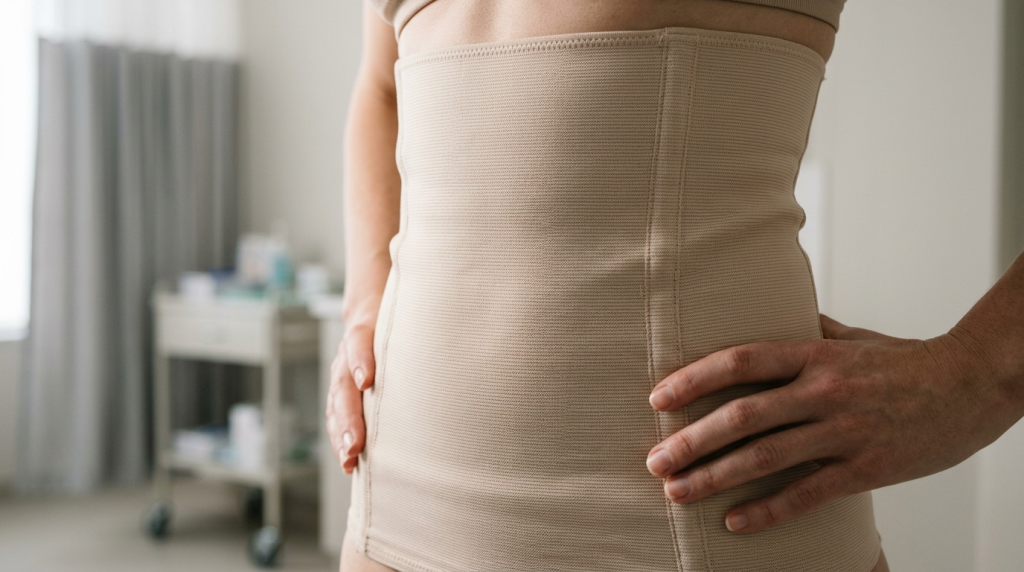
1. Indossa il tuo indumento compressivo religiosamente
Il tuo capo:
- Riduce l'edema da **30–50%** se indossato in modo continuativo.
- Sostiene i muscoli riparati e **previene l'accumulo di liquidi**.
- Deve essere indossato **24 ore su 24, 7 giorni su 7, per almeno 6 settimane** (o secondo le indicazioni).
2. Prioritizza il drenaggio linfatico
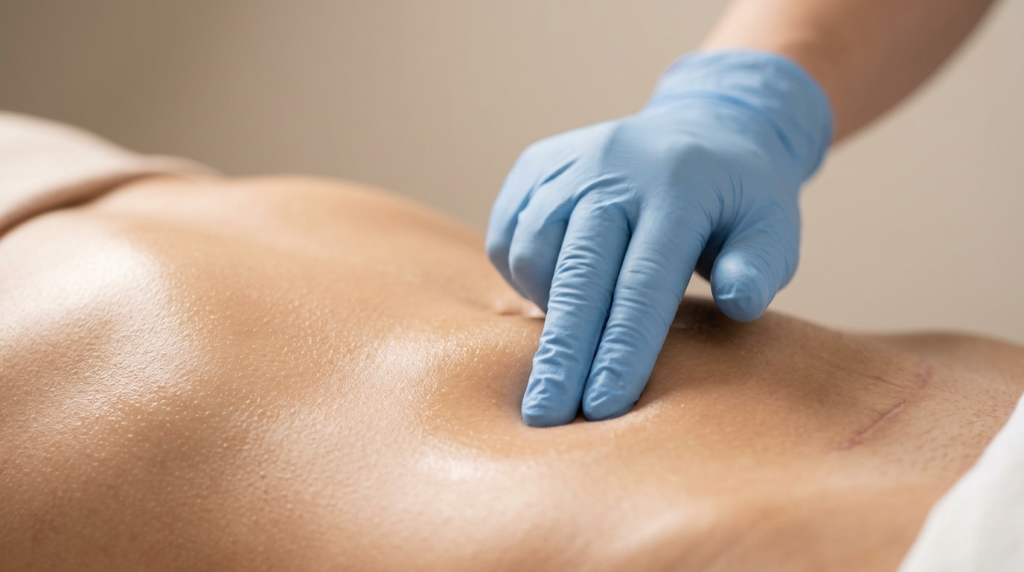
Massaggi di drenaggio linfatico manuale (DLM):
- Aiuta a drenare il liquido in eccesso dalla sede dell'intervento chirurgico.
- Può essere eseguito da un **terapista certificato** oppure delicatamente a casa (chiedere indicazioni al chirurgo).
- Sono più efficaci se iniziate **2-3 settimane dopo l'intervento**.
3. Mantieniti idratato e mangia sano
L'alimentazione influisce sulla guarigione:
- **L'idratazione** (2-3 litri d'acqua al giorno) elimina le tossine e riduce l'edema.
- **Gli alimenti antinfiammatori** (frutti di bosco, verdure a foglia verde, omega-3) riducono al minimo il gonfiore.
- **Una dieta a basso contenuto di sodio** previene la ritenzione idrica.
4. Muoviti delicatamente ma costantemente
A piedi:
- Migliora la circolazione e **riduce il rischio di sieroma**.
- Dovrebbe iniziare **il giorno dopo l'intervento** (con brevi e lente passeggiate).
- Evita **attività faticose** fino a quando non riceverai l'autorizzazione dal chirurgo (di solito 6-8 settimane).
5. Affrontare il grasso viscerale con esercizi per il core
Se il tuo rigonfiamento è grasso viscerale:
- Iniziate gli **esercizi di inclinazione pelvica e i delicati esercizi per i muscoli addominali** 6-8 settimane dopo l'intervento.
- Dopo 12 settimane (con l'approvazione del chirurgo), si può passare agli esercizi di **plank e sollevamento delle gambe**.
- Abbina l'attività fisica all'**attività cardio** (camminata, nuoto) per bruciare il grasso corporeo.
6. Utilizzare fogli di silicone per la gestione delle cicatrici
Fogli di silicone:
- Riduci lo **spessore del tessuto cicatriziale** fino a 60%.
- Dovrebbe essere indossato **per almeno 12 ore al giorno** per 2-3 mesi.
- Può essere abbinato al **massaggio delle cicatrici** (dopo la completa chiusura delle incisioni).
7. Considerare la chirurgia di revisione (ultimo ricorso)
Se dopo **12 mesi** riscontri ancora:
- Una **protuberanza asimmetrica e persistente**.
- Pelle flaccida o **separazione muscolare** non completamente corretta.
- Consulta il tuo chirurgo riguardo a una **mini-revisione** (spesso meno invasiva dell'originale addominoplastica).

Storie reali dei pazienti: superare le protuberanze dopo l'addominoplastica
Ascoltare altri che hanno affrontato un rigonfiamento dopo una addominoplastica può fornire rassicurazioni e consigli pratici:
Anna, 38 (6 mesi post-operatorio)
“Ho avuto un attacco di panico all'8ª settimana quando il mio stomaco sembrava ancora incinto! Il mio chirurgo mi ha spiegato che era l'edema e tessuto cicatriziale. Al quinto mese, la protuberanza era scomparsa—avevo solo bisogno di pazienza e del mio indumento compressivo. Ora, sono entusiasta del mio addome piatto!”
Mark, 45 (1 anno post-operatorio)
“Ho avuto un sieroma alla 3ª settimana che il mio chirurgo ha drenato in ambulatorio. Era indolore e si è risolto rapidamente. La chiave era seguire le istruzioni presto invece di aspettare. Il mio consiglio? **Fidati del processo**—il tuo corpo sa come guarire!”
Lisa, 32 (3 mesi post-operatorio)
“Non mi ero reso conto di quanto grasso viscerale Avevo fino a dopo il mio addominoplastica. Il mio chirurgo ha detto che nessun intervento chirurgico può eliminarlo—è questione di dieta e esercizio fisico. Sto facendo pilates e vedo una grande differenza nella mia linea vita!”

Domande frequenti sulle protuberanze dopo l'addominoplastica
Quando diminuirà il gonfiore dopo un'addominoplastica?
La maggior parte del gonfiore si risolve entro **3-6 mesi**, ma lievi cambiamenti possono continuare fino a un anno. Nelle prime 6 settimane si osserva la riduzione più drastica. l'edema.
È un seroma o semplicemente gonfiore?
UN sieroma sembra un **grumo molle e pieno di liquido** che può spostarsi quando viene premuto, mentre il gonfiore generale (l'edema) è più diffuso e sodo. In caso di dubbi, il chirurgo può eseguire un'ecografia.
Una protuberanza dopo l'addominoplastica può essere corretta senza chirurgia di revisione?
Sì! La maggior parte delle protuberanze migliora con **tempo, compressione, drenaggio linfatico ed esercizi per i muscoli addominali**. La revisione è necessaria solo in caso di problemi strutturali (ad esempio, separazione muscolare) o asimmetria persistente dopo 12 mesi.
Perché il mio addome sembra peggiore dopo un'addominoplastica?
Ciò è spesso dovuto al **gonfiore post-chirurgico** e alla risposta di guarigione del tuo corpo. La fase “peggio prima di meglio” raggiunge generalmente il picco a **2-3 settimane** e migliora costantemente dopo di allora.
Come posso capire se la mia protuberanza è grasso viscerale o gonfiore?
grasso viscerale è morbido, tremolante e più evidente quando si è seduti, mentre l'edema Al tatto risulta duro e può presentare avvallamenti alla pressione. Il gonfiore è variabile (migliora verso sera), mentre il grasso viscerale rimane costante.
Fidati del processo: il tuo addome piatto sta arrivando
UN rigonfiamento dopo una addominoplastica è una parte normale e temporanea del percorso di guarigione. Comprendendo le cause (come l'edema, sieroma, O grasso visceraleSeguendo le indicazioni del chirurgo, vedrai l'addome appiattirsi e rimodellarsi nell'arco di **6-12 mesi**. Ricorda: il tuo corpo è ancora in fase di guarigione, anche se i progressi sembrano lenti.
Per consigli personalizzati o per discutere del tuo percorso di recupero, fissare un consulto di follow-up con il nostro team. Siamo qui per supportarti in ogni fase del percorso verso i risultati lisci e tonici che meriti.