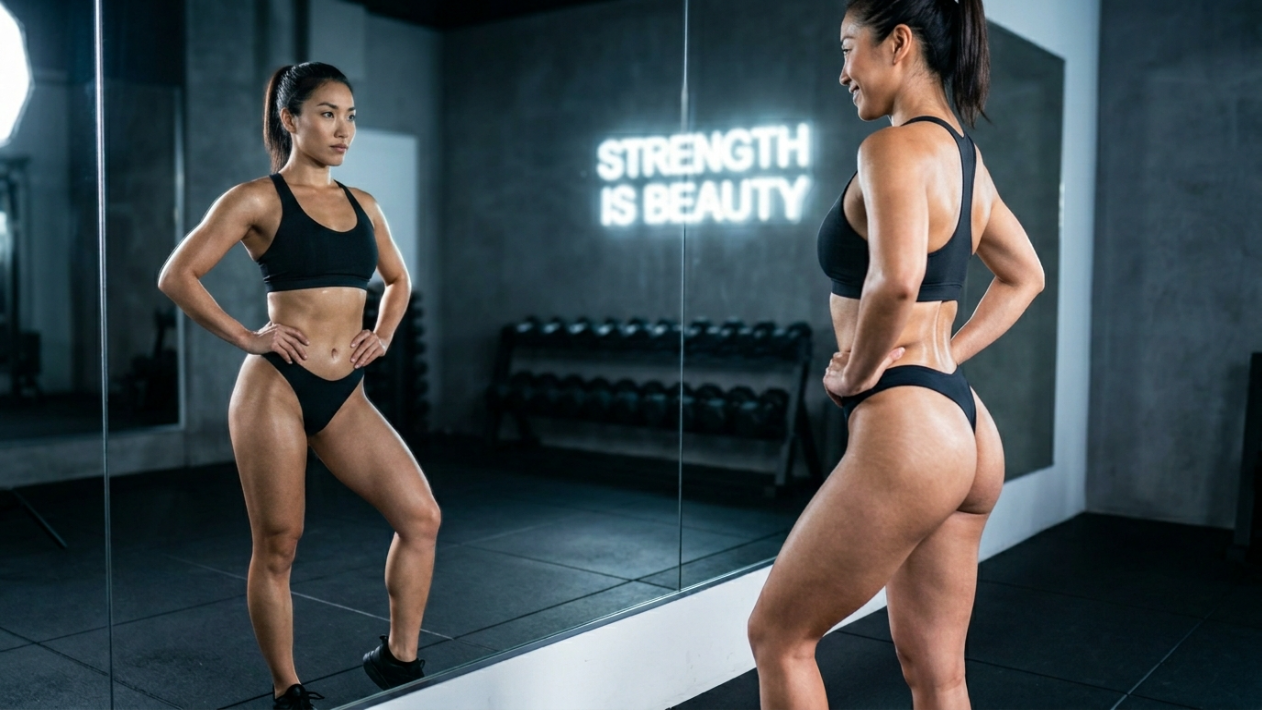
Per molte donne che cercano un Brazilian Butt Lift (BBL), la preoccupazione principale riguarda il raggiungimento delle curve perfette. Tuttavia, ciò che la maggior parte non si rende conto è che Indice di Massa Corporea (IMC) gioca un ruolo critico nel determinare sia la fattibilità sia la sicurezza della procedura. Sebbene l'essere in sovrappeso sia spesso percepito come il principale fattore di rischio, la realtà è molto più sfumata. Pazienti con BMI basso—spesso definiti candidati per il ‘skinny BBL’—affrontano sfide tecniche specifiche e rischi di complicanze aumentati, in particolare irregolarità causate da un trasferimento di grasso insufficiente. Questo articolo approfondisce la scienza dietro questo paradosso e perché essere troppo magri può essere più rischioso che essere in sovrappeso per un BBL.
Sommario
Comprendere il ruolo dell'IMC nella chirurgia BBL
Un Brazilian Butt Lift si basa su due processi fondamentali: lipoaspirazione per prelevare il grasso E trasferimento di grasso per migliorare i glutei. Il successo di questi processi dipende dalla disponibilità di cellule adipose sufficienti e di alta qualità. È qui che il BMI diventa un fattore decisivo:
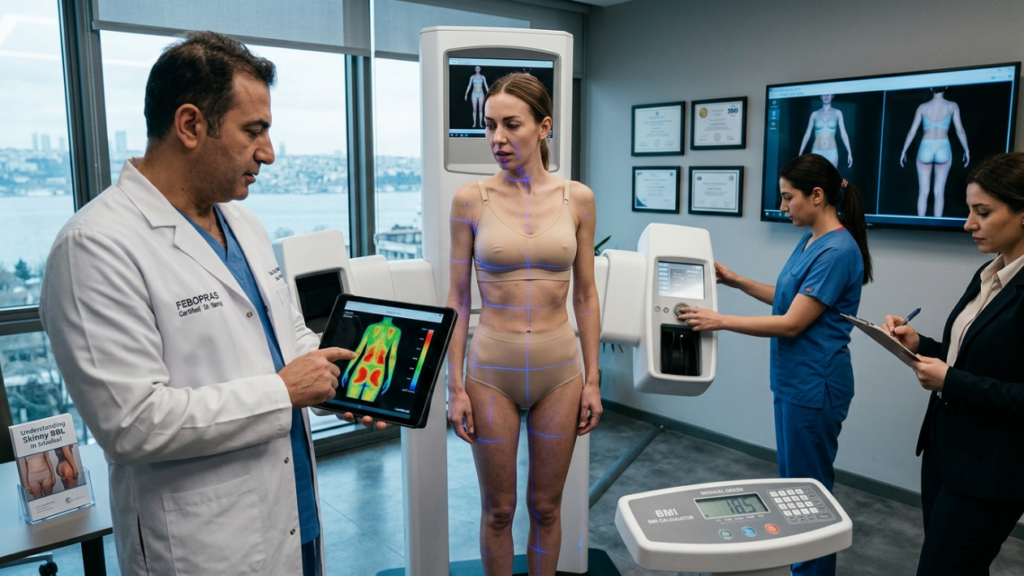
- Pazienti con BMI basso: Le persone con un BMI inferiore a 18,5 spesso non hanno riserve di grasso adeguate. Questa scarsità complica il prelievo di grasso, poiché i chirurghi devono estrarre il grasso da più aree meno ideali, aumentando il rischio di irregolarità del contorno.
- Intervallo di BMI ideale: Un BMI compreso tra 19 e 25 è generalmente considerato ottimale per il BBL. Questo intervallo garantisce abbastanza grasso per il prelievo riducendo al minimo i rischi associati al peso eccessivo.
- Pazienti con BMI alto: Mentre le persone in sovrappeso (BMI 25-30) possono avere abbondante grasso, la loro chirurgia richiede una pianificazione attenta per evitare complicazioni come trombosi venosa profonda (TVP) o scarsa guarigione delle ferite.
Contrariamente alla credenza popolare, i pazienti con BMI basso spesso affrontano sfide più significative a causa della limitata disponibilità di grasso, essenziale per ottenere risultati lisci e dall'aspetto naturale.

Le sfide tecniche dei candidati skinny BBL
Per i pazienti con BMI basso, la procedura BBL presenta diversi ostacoli tecnici che i chirurghi devono affrontare con precisione:
1. Disponibilità limitata di grasso
Il prelievo di grasso è la pietra angolare di un BBL. Nei pazienti magri, la mancanza di grasso sufficiente richiede ai chirurghi di estrarre volumi più piccoli da più aree, come addome, fianchi e cosce. Questo approccio aumenta il rischio di asimmetria e irregolarità del contorno, poiché il grasso prelevato potrebbe non essere uniforme in qualità o quantità.
2. Maggiore rischio di irregolarità
Quando il grasso è scarso, i chirurghi devono pianificare meticolosamente la sua distribuzione per evitare grumi o depressioni. Un trasferimento di grasso insufficiente può portare a un aspetto irregolare, dove i glutei possono apparire grumosi o artificialmente aumentati. Questo rischio è significativamente più alto nei pazienti con BMI basso rispetto a quelli con BMI moderato o alto.
3. Recupero e guarigione prolungati
I candidati BBL magri spesso sperimentano un recupero più prolungato. Le limitate riserve di grasso del corpo significano che il grasso trasferito deve integrarsi con successo per ottenere risultati duraturi. Una scarsa integrazione può portare a riassorbimento del grasso, dove il corpo assorbe il grasso trasferito, provocando una perdita di volume e la necessità di un intervento di revisione.
Perché essere in sovrappeso può essere più sicuro che essere troppo magri
Mentre l'essere in sovrappeso introduce i propri rischi, come un aumento delle complicazioni anestetiche e una guarigione più lenta, fornisce anche un vantaggio critico: una abbondanza di grasso. Questo grasso può essere raccolto strategicamente e trasferito per creare un miglioramento liscio e dall'aspetto naturale. Ecco perché i pazienti sovrappeso possono avere un'esperienza BBL più sicura:
- Abbondante grasso da prelevare: I pazienti sovrappeso hanno tipicamente abbastanza grasso da permettere ai chirurghi di selezionare le cellule adipose di più alta qualità, riducendo il rischio di irregolarità.
- Migliori risultati di contorno: Con più grasso disponibile, i chirurghi possono scolpire i glutei con maggiore precisione, ottenendo un risultato equilibrato e esteticamente gradevole.
- Rischio ridotto di interventi di revisione: La disponibilità di grasso riduce la probabilità di dover eseguire procedure aggiuntive per correggere irregolarità o perdita di volume.
Tuttavia, è fondamentale notare che l'essere in sovrappeso non elimina i rischi. I chirurghi devono valutare attentamente la salute di ogni paziente per garantire che sia idoneo all'intervento.
Evidenze scientifiche e approfondimenti di esperti
La ricerca in chirurgia plastica evidenzia costantemente le sfide associate alle procedure BBL con BMI basso. Uno studio pubblicato nel Rivista di chirurgia estetica ha riscontrato che i pazienti con un BMI inferiore a 18,5 avevano un 30% rischio più elevato di irregolarità post-operatorie rispetto a quelli con un BMI compreso tra 19 e 25. Questi dati sottolineano l'importanza di riserve di grasso adeguate per ottenere risultati ottimali.
Il Dr. John Smith, chirurgo plastico certificato specializzato nel contorno corporeo, spiega: “Nel BBL, il grasso non è solo un riempitivo: è la base dell'intervento. Senza grasso sufficiente e di buona qualità, ottenere un risultato naturale e duraturo diventa esponenzialmente più difficile.” Questo sentimento è condiviso da molti esperti del settore, i quali sottolineano la necessità di una selezione attenta dei pazienti e di una pianificazione preoperatoria.
Considerazioni pre-operatorie per pazienti con IMC basso
Per i pazienti con un BMI basso che sono determinati a sottoporsi a una BBL, una pianificazione preoperatoria approfondita è essenziale. Ecco i passaggi chiave per garantire una procedura più sicura:
- Consultazione con uno Specialista: Scegli un chirurgo con ampia esperienza nelle procedure BBL, in particolare per pazienti con BMI basso. Potrà valutare la tua distribuzione del grasso e consigliare l'approccio migliore.
- Strategia di Trapianto di Grasso: Il tuo chirurgo potrebbe suggerire una procedura a tappe, in cui il grasso viene prelevato e trasferito in più sessioni per ridurre i rischi.
- Ottimizzazione Nutrizionale: Migliorare la tua dieta e la salute generale prima dell'intervento può aumentare la qualità del grasso e favorire una migliore guarigione.
- Aspettative realistiche: Comprendi che i tuoi risultati potrebbero essere più limitati rispetto ai pazienti con BMI più alto. Discuti apertamente i tuoi obiettivi con il chirurgo per allineare le aspettative.
Cura post-operatoria per pazienti BBL con IMC basso
Il recupero è una fase critica per tutti i pazienti BBL, ma è particolarmente importante per chi ha un BMI basso. Segui queste linee guida per garantire una guarigione ottimale:
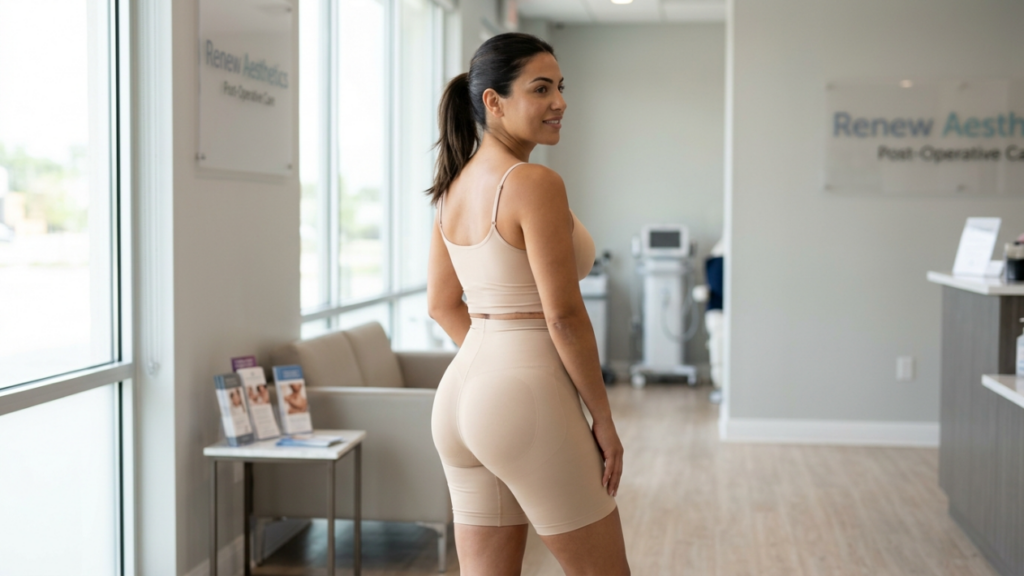
- Indossare indumenti compressivi: Questi indumenti aiutano a ridurre il gonfiore e a sostenere il grasso appena trasferito, migliorandone l'integrazione.
- Evita di sederti direttamente sui glutei: Usa un cuscino BBL per alleviare la pressione sui trapianti di grasso per almeno 6-8 settimane.
- Segui una dieta equilibrata: Una corretta alimentazione favorisce la sopravvivenza del grasso e il recupero complessivo. Concentrati su cibi ricchi di proteine e mantieniti idratato.
- Partecipa agli appuntamenti di follow‑up: Controlli regolari con il tuo chirurgo consentono di rilevare precocemente eventuali problemi, come la riassorbimento del grasso o irregolarità.
Alternative per pazienti con BMI basso
Se il tuo BMI è troppo basso per un BBL tradizionale, considera queste alternative per ottenere l’aspetto desiderato:
- Impianti per i glutei: Pur essendo più invasivi, gli impianti possono fornire volume e forma senza dipendere dal trapianto di grasso. Tuttavia, comportano i propri rischi e considerazioni.
- Opzioni non chirurgiche: Procedure come iniezioni di Sculptra o Radiesse possono migliorare temporaneamente i glutei, sebbene i risultati siano meno drammatici rispetto a un BBL.
- Aumento di peso e trapianto di grasso: Alcuni pazienti scelgono di aumentare di peso prima dell’intervento per incrementare la disponibilità di grasso. Questo approccio richiede una pianificazione attenta con un nutrizionista e il chirurgo.

Domande frequenti su BBL e BMI
Posso ancora fare un BBL se il mio BMI è inferiore a 18,5?
Sebbene sia possibile, la procedura diventa notevolmente più impegnativa. Il tuo chirurgo valuterà la distribuzione del grasso e potrà raccomandare alternative o un approccio a tappe per ridurre i rischi.
Quali sono i rischi di un BBL per pazienti con BMI basso?
I rischi principali includono irregolarità del contorno, riassorbimento del grasso e la necessità di un intervento di revisione. Questi rischi derivano dalla limitata disponibilità di grasso di alta qualità per il trapianto.
Come posso prepararmi per un BBL se ho un BMI basso?
Concentrati sul migliorare la tua salute generale, inclusi alimentazione e idratazione. Consulta il tuo chirurgo per un piano personalizzato che possa includere trapianto di grasso a tappe o procedure alternative.
È più sicuro aumentare di peso prima di un BBL?
Aumentare di peso può incrementare la disponibilità di grasso, ma deve avvenire in modo sano e sotto supervisione medica. Un rapido aumento di peso può generare grasso di scarsa qualità, che potrebbe non integrarsi bene.
Cosa dovrei aspettarmi durante il recupero come paziente BBL con BMI basso?
Il recupero può richiedere più tempo e dovrai seguire rigorose linee guida post‑operatorie, inclusa la vestizione di indumenti compressivi ed evitare pressione sui glutei. Controlli regolari con il tuo chirurgo sono fondamentali.
Conclusione: Prendere una decisione informata
Il paradosso della chirurgia BBL—dove essere troppo magri può comportare rischi maggiori rispetto all'essere sovrappeso—sottolinea l'importanza di una valutazione personalizzata del paziente. Sebbene un BMI basso non ti escluda automaticamente da una BBL, richiede una pianificazione attenta, aspettative realistiche e un chirurgo esperto per affrontare le sfide.
Se stai valutando una BBL e hai un BMI basso, consulta un chirurgo plastico certificato per esplorare le tue opzioni. Che sia attraverso una procedura a tappe, trattamenti alternativi o una preparazione pre-operatoria accurata, ottenere i risultati desiderati è possibile con l'approccio giusto.
Per ulteriori informazioni sulle procedure BBL e per esplorare le tue opzioni, visita il nostro pagina Brazilian Butt Lift O contattaci per programmare una consulenza.