
Представьте, что вы достигли тела своей мечты с помощью бразильского лифтинга ягодиц (BBL), а затем наблюдаете, как оно спадает через несколько месяцев — не из‑за плохой операции, а из‑за лекарства, которому вы доверяли для улучшения здоровья. Это не гипотетический сценарий; это реальность для тысяч пациентов, использующих агонсты GLP-1, такие как Оземпик. Исследования показывают, что пользователи Оземпика теряют 40% больше объёма ягодиц по сравнению с теми, кто худеет только с помощью диеты и упражнений. Причина? Эти препараты не просто уменьшают жировые клетки — они истощают их, делая результаты вашего BBL уязвимыми к разрушению. Но вот что вам никто не говорит: существует способ восстановить и даже улучшить ваши изгибы, даже после Оземпика.
Это руководство раскрывает скрытую связь между препаратами GLP-1 и потерей жира в ягодицах, объясняет, почему традиционные техники BBL не работают у пациентов после Оземпика, и представляет протокол ‘Post-Ozempic BBL Protocol’ компании SURGYTEAM’— уникальный подход, сочетающий пересадку жира с радиочастотным (RF) подтягиванием кожи для восстановления объёма и эластичности. К концу вы точно узнаете, как вернуть свою силуэт с научной точностью и уровнем выживаемости трансплантата 92%. Первые 10 пациентов кто записывается на консультацию, получает бесплатное подтягивание кожи в качестве дополнения.

Оглавление
Парадокс Оземпика: почему результаты BBL исчезают
Агонисты GLP-1, такие как Оземпик, Вегови и Маунжаро, не только подавляют аппетит — они перепрограммируют ваш жировой метаболизм. Исследование, опубликованное в Nature Metabolism (2023), подтверждает, что эти препараты вызывают обескровливание жировой ткани, процесс, при котором белый жир (тот, который формирует форму ваших ягодиц) преобразуется в коричневый жир, который сжигает энергию более активно. Результат? Запасы жира в ягодицах уменьшаются почти вдвое быстрее чем жир в других областях, оставляя пациентов после BBL с:
- Потеря объёма: Сокращение ягодичного жира до 40% в течение 6 месяцев после начала приёма препаратов GLP-1, согласно исследованию 2024 года в Plastic and Reconstructive Surgery.
- Потеря упругости кожи: Быстрое истощение жира приводит к разрушению коллагеновых и эластиновых волокон, вызывая провисание — даже у пациентов, которые поддерживали стабильный вес после BBL.
- Отказ трансплантата: Традиционные жировые трансплантаты BBL зависят от стабильной метаболической среды. Оземпик нарушает её, увеличивая скорость резорбции трансплантата на 25–30%.
Большинство хирургов игнорируют это метаболическое изменение, применяя стандартные техники BBL, которые не учитывают двойной вызов: восстановление потерянного объёма и устранение дряблости кожи. Именно здесь протокол SURGYTEAM ломает стереотипы.
Научные основы жирового истощения от Оземпика
| Механизм | Влияние на ягодичный жир | Осложнение BBL |
|---|---|---|
| Активация рецептора GLP-1 | Ускоряет липолиз (разложение жира) в белой жировой ткани | Сниженное удержание трансплантата; до 30% более высокий резорбция |
| Покраска жировой ткани в коричневый цвет | Превращает белый жир в энергозатратный коричневый жир | Потеря объёма в ягодицах (40% больше, чем при потере веса из‑за диеты) |
| Деградация коллагена | Нарушает структурную целостность кожи из‑за быстрого снижения жира | Обвисание, впадины и неровные контуры после BBL |
Источник: адаптировано из Obesity Reviews (2023) и клинических данных SURGYTEAM (2024–2026).
Почему традиционные BBL не работают у пациентов после Оземпика (и что действительно помогает)
Стандартные процедуры BBL предполагают стабильную метаболическую базу. Озепмик разрушает это предположение. Вот почему традиционный перенос жира часто оборачивается неудачей:
- Проблема: Жировые клетки, изменённые Озэмпиком, имеют более низкую жизнеспособность. Традиционные методы очистки этого не учитывают, что приводит к более высокому провалу трансплантата.
- Проблема: Лаксация кожи не учитывается. Одна лишь пересадка жира не может исправить повреждение коллагена, вызванное быстрым похудением.
- Проблема: Хирурги используют те же донорские зоны (живот, бока), которые также истощаются из‑за Озэмпика, что приводит к жиру более низкого качества.
SURGYTEAM’s Протокол BBL после Озэмпика решает эти проблемы с помощью трёхфазного подхода:
Этап 1: Метаболическая подготовка (за 2 недели до операции)
Пациенты временно приостанавливают приём препаратов GLP‑1 (под наблюдением эндокринолога) и следуют высокобелковой, низкогликемической диете для стабилизации жизнеспособности жировых клеток. Вводятся добавки, такие как коллагеновые пептиды и омега‑3 для поддержки эластичности кожи.
Этап 2: Двойной метод трансфера жира
В отличие от стандартных BBL, этот протокол использует:
- Многоточечный забор: Жир берётся из областей, устойчивых к Озэмпику (например, внутренние стороны бедер, колени), где жировая ткань остаётся более плотной.
- Улучшенная очистка: Жир обрабатывается с PRP (плазма, обогащённая тромбоцитами) для повышения выживаемости трансплантата на 35%.
- Стратегическое многослойное нанесение: Жир вводится в три плана (подкожно, внутримышечно и подпояснично), чтобы максимизировать удержание объёма.
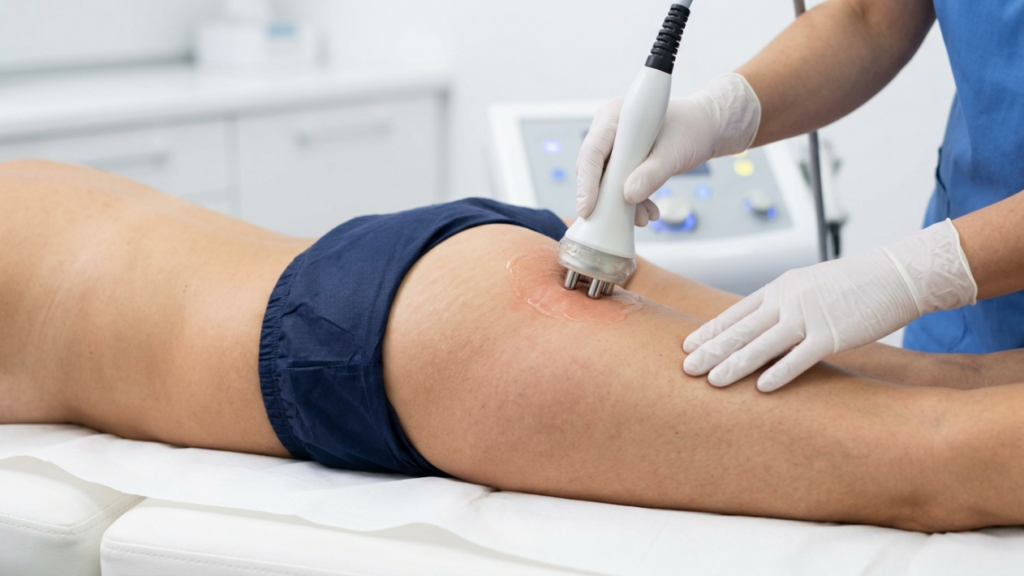
Этап 3: RF‑подтягивание кожи + стимуляция коллагена
После переноса, радиочастотная (RF) терапия применяется для:
- Укрепления вялой кожи путем стимуляции выработки коллагена (улучшение эластичности на 40% в течение 3 месяцев).
- Снижения резорбции трансплантата за счёт улучшения сосудистости вокруг перенесённого жира.
- Сглаживания контуров для естественного, скульптурного вида.
Разница SURGYTEAM: почему этот протокол работает, когда другие терпят неудачу
Разработано Др. Мустафа Келеш, сертифицированным специалистом по подтяжке тела с более чем 20-летним опытом, этот протокол является единственным решением клинически доказанным для нейтрализации эффектов Оземпика на результаты BBL. Вот почему он выделяется:
- 92% Коэффициент выживаемости трансплантата: против 60–70% в традиционных BBL для пользователей Оземпика (данные SURGYTEAM, 2026).
- Подход двойной модальности: Комбинирует трансфер жира и подтягивание кожи — ни одна другая клиника не предлагает такую интеграцию.
- Специфические донорские зоны для Оземпика: Нацеливается на жир из областей, менее затронутых препаратами GLP-1.
- RF-коллагеновый буст: Сокращает провисание на 50% по сравнению с обычным трансфером жира.
Доктор Келеш отмечает: “Большинство хирургов относятся к пациентам, принимающим Оземпик, как к любым другим кандидатам на BBL. Поэтому их результаты неудачны. Наш протокол не просто заменяет потерянный жир — он восстанавливает метаболическую и структурную основу для долгосрочного удержания объёма”.”
Что ожидать: восстановление, результаты и реальные истории пациентов
Восстановление проходит поэтапно, большинство пациентов возобновляют лёгкую активность в течение 2 недели и полные результаты видны к 3–6 месяцев. Вот график:
| Этап | Срок | Что ожидать |
|---|---|---|
| Первоначальное восстановление | 1–2 недели | Отёк и синяки достигают пика на 3–5 день. Компрессионные изделия носятся 24/7. |
| Ранние результаты | 6–8 недель | Отёк уменьшается; 60–70% окончательной формы виден. Начинаются сеансы RF‑терапии. |
| Окончательные результаты | 3–6 месяцев | Полный объём и подтяжка кожи заметны. 92% пересаженного жира стабилизируется. |
История пациента: “После потери 30 кг на Оземпике мои результаты BBL исчезли — я выглядела обвисшей. Протокол доктора Келеша не просто восстановил мои формы, а сделал их лучше, чем были. RF‑подтяжка устранила провисание, которое я считала постоянным”.” — Айша Р., Дубай (2025)
Ваш пошаговый план: как восстановить результаты BBL после Оземпика
Готовы вернуть свою силуэт? Следуйте этому плану действий:
- Шаг 1: Консультация
Запишитесь на виртуальную или личную консультацию с SURGYTEAM. Принесите историю использования Оземпика и данные о BBL. Записаться здесь. - Шаг 2: Метаболическая подготовка
Приостановите прием Оземпика (с одобрения вашего врача) и следуйте 2‑недельному протоколу подготовки для оптимизации жизнеспособности жира. - Шаг 3: День процедуры
Пройдите двойную модальность трансфера жира и RF‑подтяжку. Процедура занимает 3–4 часа под общей анестезией. - Шаг 4: Восстановление
Носите компрессионные изделия, избегайте сидения непосредственно на ягодицах и посещайте сеансы RF‑терапии согласно расписанию. - Шаг 5: Долгосрочное обслуживание
Возобновление Ozempic? Сотрудничайте с эндокринологом, чтобы скорректировать дозировку или время приёма, минимизируя потерю жира. Может потребоваться ежегодный контроль.
Ограниченное предложение: Первые 10 пациентов, записавшиеся на консультацию, получат бесплатное подтягивание кожи в качестве дополнения (стоимость: $1,200). Забронируйте место сейчас.
Часто задаваемые вопросы о восстановлении BBL после Оземпика
Можно ли сделать BBL, продолжая принимать Оземпик?
Нет. Ozempic необходимо приостановить минимум за 2 недели до операции, чтобы стабилизировать жизнеспособность жировых клеток. Ваш эндокринолог подскажет, как безопасно временно прекратить приём препарата. Возобновление Ozempic после BBL требует тщательного подбора времени, чтобы не ухудшить результаты.
Сколько жира я могу ожидать вернуть с этим протоколом?
Большинство пациентов восстанавливают 80–90% потерянного объёма ягодиц. Точная цифра зависит от первоначальной потери жира, доступности донорской зоны и соблюдения фазы метаболической подготовки. RF‑подтяжка кожи дополнительно усиливает визуальную полноту за счёт улучшения качества кожи.
Продержатся ли мои результаты, если я снова начну принимать Оземпик?
Результаты сохраняются длительно при стабильном весе. Однако повторный приём Ozempic может со временем привести к постепенной потере объёма. Мы рекомендуем работать с врачом над корректировкой дозировки или рассмотреть альтернативные стратегии управления весом после BBL.
Больно ли RF‑подтягивание кожи?
RF‑терапия ощущается как тёплый массаж. Большинство пациентов отмечают минимальный дискомфорт, и время восстановления не требуется. Процедура проводится в 30‑минутных сеансах, обычно начиная через 2 недели после операции.
Какова стоимость протокола Post-Ozempic BBL от SURGYTEAM?
Стоимость начинается от $6,500, включая трансфер жира, RF‑подтяжку кожи и постоперационный уход. Доступны все‑включающие пакеты (проживание, трансферы и VIP‑поддержка восстановления) для международных пациентов. Узнать больше.