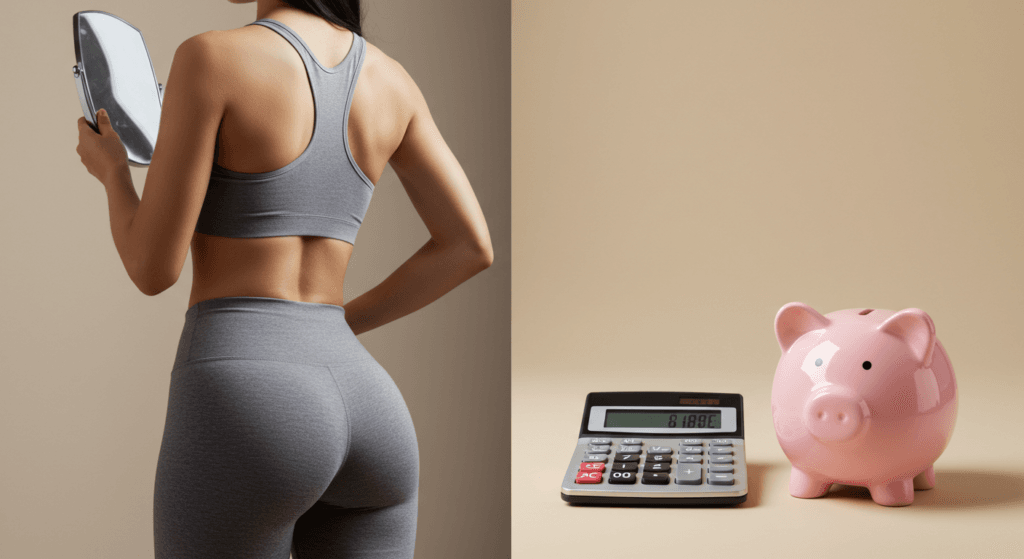
Stellen Sie sich vor, Sie erreichen Ihren Traumkörper mit einem Brazilian Butt Lift (BBL), nur um Monate später zu sehen, wie er sich entleert – nicht wegen einer schlechten Operation, sondern wegen eines Medikaments, dem Sie vertrauten, um Ihre Gesundheit zu verbessern. Das ist kein hypothetisches Szenario; es ist die Realität für Tausende von Patienten, die GLP-1-Agonisten wie Ozempic. Studien zeigen, dass Ozempic-Anwender 40% mehr Gesäßvolumen verlieren im Vergleich zu denen, die allein durch Diät und Sport abnehmen. Der Grund? Diese Medikamente schrumpfen nicht nur Fettzellen – sie erschöpfen sie, wodurch Ihre BBL-Ergebnisse anfällig für ein Zusammenfallen werden. Aber hier ist, was niemand Ihnen sagt: Es gibt einen Weg, Ihre Kurven wiederherzustellen – und sogar zu verbessern, selbst nach Ozempic.
Dieser Leitfaden deckt die verborgene Verbindung zwischen GLP-1-Medikamenten und Gesäßfettverlust auf, erklärt, warum traditionelle BBL-Techniken bei Patienten nach Ozempic scheitern, und stellt vor SURGYTEAMs proprietäres ‘Post-Ozempic BBL Protocol’—einen völlig neuen Ansatz, der kombiniert Fetttransfer mit Radiofrequenz (RF)-Hautstraffung zur Wiederherstellung von Volumen Und und Elastizität. Am Ende wissen Sie genau, wie Sie Ihre Silhouette zurückgewinnen – mit wissenschaftlicher Präzision und einer 92% Transplantatüberlebensrate. Erste 10 Patienten die eine Beratung buchen, erhalten ein kostenloses Hautstraffungs-Add-on.
Inhaltsverzeichnis
Das Ozempic-Paradoxon: Warum Ihre BBL-Ergebnisse verschwinden
GLP-1-Agonisten wie Ozempic, Wegovy und Mounjaro unterdrücken nicht nur den Appetit – sie verändern Ihren Fettstoffwechsel. Forschung veröffentlicht in Nature Metabolism (2023) bestätigt, dass diese Medikamente die Bräunung von Fettgewebe auslösen, ein Prozess, bei dem weißes Fett (die Art, die Ihren Gesäßformen gibt) in braunes Fett umgewandelt wird, das Energie aggressiver verbrennt. Das Ergebnis? Glutealfettdepots schrumpfen fast doppelt so schnell wie Fett in anderen Bereichen, sodass BBL-Patienten erhalten:
- Volumenverlust: Bis zu 40% Reduktion des Gesäßfetts innerhalb von 6 Monaten nach Beginn der GLP-1-Medikamente, laut einer Studie von 2024 in Plastic and Reconstructive Surgery.
- Hauterschlaffung: Schneller Fettabbau führt dazu, dass Kollagen- und Elastinfasern zusammenbrechen, was zu Durchhängen führt – selbst bei Patienten, die nach dem BBL ein stabiles Gewicht beibehalten haben.
- Transplantatversagen: Traditionelle BBL-Fetttransplantate basieren auf einer stabilen Stoffwechselumgebung. Ozempic stört diese, erhöht die Resorptionsraten der Transplantate um 25–30%.
Die meisten Chirurgen übersehen diesen Stoffwechselwechsel, indem sie Standard‑BBL‑Techniken anwenden, die das Problem nicht angehen. doppelte Herausforderung: Wiederherstellung des verlorenen Volumens Und Umkehrung der Hauterschlaffung. Dort bricht das SURGYTEAM‑Protokoll mit dem Gewohnten.
Die Wissenschaft hinter Ozempics fettabbauender Wirkung
| Mechanismus | Auswirkung auf Gesäßfett | BBL-Komplikation |
|---|---|---|
| GLP-1-Rezeptoraktivierung | Beschleunigt die Lipolyse (Fettabbau) im weißen Fettgewebe | Reduzierte Transplantatretention; bis zu 30% höhere Resorption |
| Browning von Fettgewebe | Verwandelt weißes Fett in energieverbrennendes braunes Fett | Volumenverlust im Gesäß (40% mehr als bei diätbedingtem Gewichtsverlust) |
| Kollagenabbau | Stört die strukturelle Integrität der Haut aufgrund schnellen Fettverlusts | Durchhängen, Dellen und ungleichmäßige Konturen nach BBL |
Quelle: Angepasst von Obesity Reviews (2023) und den klinischen Daten von SURGYTEAM (2024–2026).
Warum herkömmliche BBLs bei Patienten nach Ozempic scheitern (und was tatsächlich funktioniert)
Standard-BBL-Verfahren gehen von einer stabilen metabolischen Basis aus. Ozempic zerbricht diese Annahme. Hier ist der Grund, warum herkömmliche Fetttransfers oft nach hinten losgehen:
- Problem: Ozempic-veränderte Fettzellen haben eine geringere Lebensfähigkeit. Traditionelle Reinigungsmethoden berücksichtigen dies nicht, was zu höheren Transplantationsausfällen führt.
- Problem: Hauterschlaffung wird nicht behandelt. Fetttransfer allein kann die durch schnellen Fettverlust verursachten Kollagenschäden nicht korrigieren.
- Problem: Chirurgen verwenden dieselben Spenderstellen (Bauch, Flanken), die ebenfalls durch Ozempic erschöpft sind, was zu minderwertigem Fett führt.
SURGYTEAM’s Post-Ozempic-BBL-Protokoll löst diese Probleme mit einem dreiphasigen Ansatz:
Phase 1: Metabolisches Priming (2 Wochen vor der Operation)
Patienten pausieren vorübergehend GLP-1-Medikamente (unter Aufsicht eines Endokrinologen) und folgen einer hochproteinigen, niedrig-glykämischen Diät um die Lebensfähigkeit der Fettzellen zu stabilisieren. Ergänzungen wie Kollagenpeptide und Omega-3-Fettsäuren werden eingeführt, um die Hautelastizität zu unterstützen.
Phase 2: Dual-modale Fettreduktion
Im Gegensatz zu Standard-BBLs verwendet dieses Protokoll:
- Mehrfachstellen-Entnahme: Fett wird aus Ozempic-resistenten Bereichen (z. B. inneren Oberschenkeln, Knien) gewonnen, wo das Fettgewebe dichter bleibt.
- Verbesserte Reinigung: Fett wird verarbeitet mit PRP (Platelet-Rich Plasma) um das Überleben des Transplants um 35% zu steigern.
- Strategisches Schichten: Fett wird injiziert in drei Ebenen (subkutan, intramuskulär und submuscular) um die Volumenretention zu maximieren.
Phase 3: RF-Hautstraffung + Kollagenstimulation
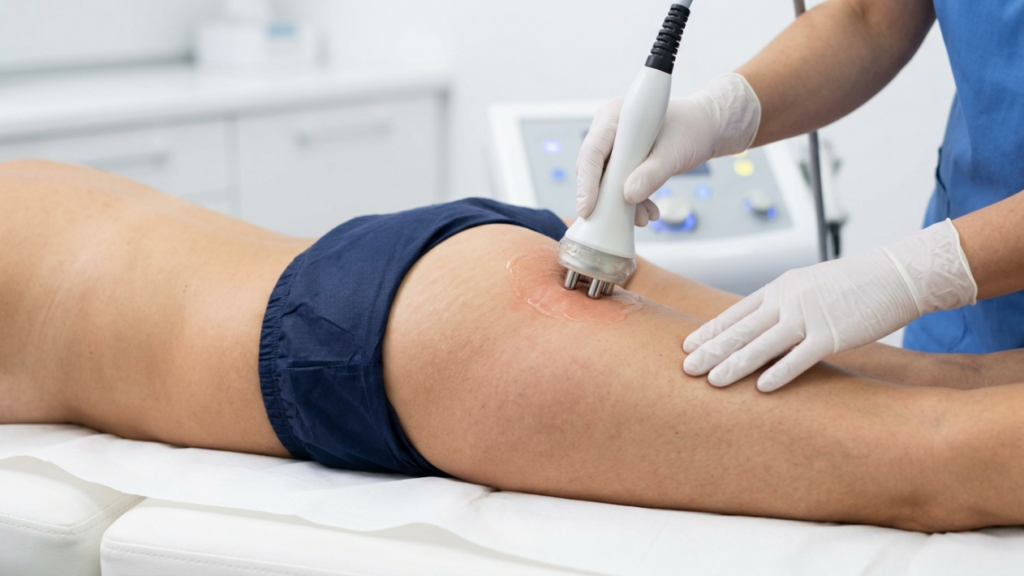
Nach der Übertragung, Radiofrequenz (RF)-Therapie wird angewendet um:
- Schlaffe Haut straffen durch Stimulierung der Kollagenproduktion (40% Verbesserung der Elastizität innerhalb von 3 Monaten).
- Transplantatresorption reduzieren durch Verbesserung der Gefäßbildung um das übertragene Fett herum.
- Sanfte Konturen für ein natürliches, modelliertes Aussehen.
Der SURGYTEAM-Unterschied: Warum dieses Protokoll funktioniert, wenn andere scheitern
Entwickelt von Dr. Mustafa Keleş, ein board-zertifizierter Body-Lift-Spezialist mit über 20 Jahren Erfahrung, ist dieses Protokoll die einzige Lösung klinisch bewiesen um die Auswirkungen von Ozempic auf BBL-Ergebnisse zu neutralisieren. Hier ist, warum es sich abhebt:
- 92% Transplantat-Überlebensrate: vs. 60–70% bei traditionellen BBLs für Ozempic-Anwender (SURGYTEAM-Daten, 2026).
- Dual-Modality-Ansatz: Kombiniert Fetttransfer Und Hautstraffung – keine andere Klinik bietet diese Integration.
- Ozempic-spezifische Spenderstellen: Zielt auf Fett aus Bereichen ab, die weniger von GLP-1-Medikamenten betroffen sind.
- RF-Kollagen-Boost: Reduziert das Durchhängen um 50% im Vergleich zum reinen Fetttransfer.
Anmerkungen von Dr. Keleş: “Die meisten Chir{”
Was Sie erwartet: Erholung, Ergebnisse und echte Patientengeschichten
Die Genesung folgt einem gestuften Ansatz, wobei die meisten Patienten innerhalb von 2 Wochen und vollständige Ergebnisse sichtbar bis 3–6 Monaten. Hier ist ein Zeitplan:
| Phase | Dauer | Was zu erwarten ist |
|---|---|---|
| Erste Wiederherstellung | 1–2 Wochen | Schwellungen und Blutergüsse erreichen an Tag 3–5 ihren Höhepunkt. Kompressionskleidung 24/7 tragen. |
| Frühe Ergebnisse | 6–8 Wochen | Schwellungen lassen nach; 60–70% der Endform sichtbar. RF‑Therapiesitzungen beginnen. |
| Endergebnisse | 3–6 Monate | Volles Volumen und Hautstraffung erkennbar. 92% des übertragenen Fetts stabilisieren sich. |
Patienten im Fokus: “Nachdem ich 30 kg mit Ozempic verloren hatte, waren meine BBL‑Ergebnisse verschwunden – ich sah erschlafft aus. Dr. Keleş” Protokoll stellte meine Kurven nicht nur wieder her; es machte sie besser als zuvor. Die RF‑Straffung beseitigte das Durchhängen, das ich für dauerhaft hielt.” — Aisha R., Dubai (2025)
Ihr Schritt-für-Schritt-Plan: Wie Sie Ihre BBL-Ergebnisse nach Ozempic wiederherstellen
Bereit, Ihre Silhouette zurückzugewinnen? Folgen Sie diesem Aktionsplan:
- Schritt 1: Beratung
Vereinbaren Sie eine virtuelle oder persönliche Beratung mit SURGYTEAM. Bringen Sie Ihre Ozempic-Anwendungshistorie und BBL-Unterlagen mit. Hier planen. - Schritt 2: Metabolische Vorbereitung
Ozempic pausieren (mit Zustimmung Ihres Arztes) und dem 2‑Wochen‑Priming‑Protokoll folgen, um die Fettviabilität zu optimieren. - Schritt 3: Prozedur-Tag
Durchführen der dual-modalen Fettübertragung und RF-Strtightening. Der Eingriff dauert 3–4 Stunden unter Vollnarkose. - Schritt 4: Erholung
Kompressionskleidung tragen, nicht direkt auf das Gesäß sitzen und die geplanten RF‑Therapiesitzungen wahrnehmen. - Schritt 5: Langfristige Wartung
Ozempic wieder einnehmen? Arbeiten Sie mit Ihrem Endokrinologen zusammen, um Dosierung oder Zeitpunkt anzupassen, um Fettverlust zu minimieren. Jährliche Auffrischungen können empfohlen werden.
Zeitlich begrenztes Angebot: Die ersten 10 Patienten, die eine Beratung buchen, erhalten ein kostenloses Hautstraffungs-Add-on (Wert: $1,200). Sichern Sie sich jetzt Ihren Platz.
Häufig gestellte Fragen zur BBL-Wiederherstellung nach Ozempic
Kann ich ein BBL bekommen, während ich weiterhin Ozempic nehme?
Nein. Ozempic muss mindestens 2 Wochen vor der Operation pausiert werden, um die Vitalität der Fettzellen zu stabilisieren. Ihr Endokrinologe wird Sie anleiten, das Medikament sicher vorübergehend abzusetzen. Das Wiederaufnehmen von Ozempic nach dem BBL erfordert ein sorgfältiges Timing, um die Ergebnisse nicht zu gefährden.
Wie viel Fett kann ich mit diesem Protokoll voraussichtlich zurückgewinnen?
Die meisten Patienten stellen 80–90% ihres verlorenen Gesäßvolumens wieder her. Die genaue Menge hängt von Ihrem anfänglichen Fettverlust, der Verfügbarkeit der Spenderstelle und der Einhaltung der metabolischen Priming‑Phase ab. RF‑Hautstraffung verbessert das visuelle Volumen zusätzlich durch Verbesserung der Hautqualität.
Bleiben meine Ergebnisse erhalten, wenn ich Ozempic wieder starte?
Die Ergebnisse sind langanhaltend, wenn Sie ein stabiles Gewicht halten. Das erneute Einnehmen von Ozempic kann jedoch im Laufe der Zeit zu einem allmählichen Volumenverlust führen. Wir empfehlen, mit Ihrem Arzt zusammenzuarbeiten, um die Dosierung anzupassen oder alternative Gewichtsmanagement‑Strategien nach dem BBL zu prüfen.
Ist die RF-Hautstraffung schmerzhaft?
RF‑Therapie fühlt sich an wie eine warme Massage. Die meisten Patienten berichten von minimalen Beschwerden, und es ist keine Ausfallzeit erforderlich. Die Behandlung erfolgt in 30‑Minuten‑Sitzungen, die typischerweise 2 Wochen nach der Operation beginnen.
Wie hoch sind die Kosten für SURGYTEAMs Post-Ozempic BBL-Protokoll?
Die Preise beginnen bei $6.500, inklusive Fettübertragung, RF‑Hautstraffung und Nachsorge. All‑inclusive‑Pakete (mit Unterkunft, Transfers und VIP‑Erholungsunterstützung) stehen internationalen Patienten zur Verfügung. Mehr erfahren.