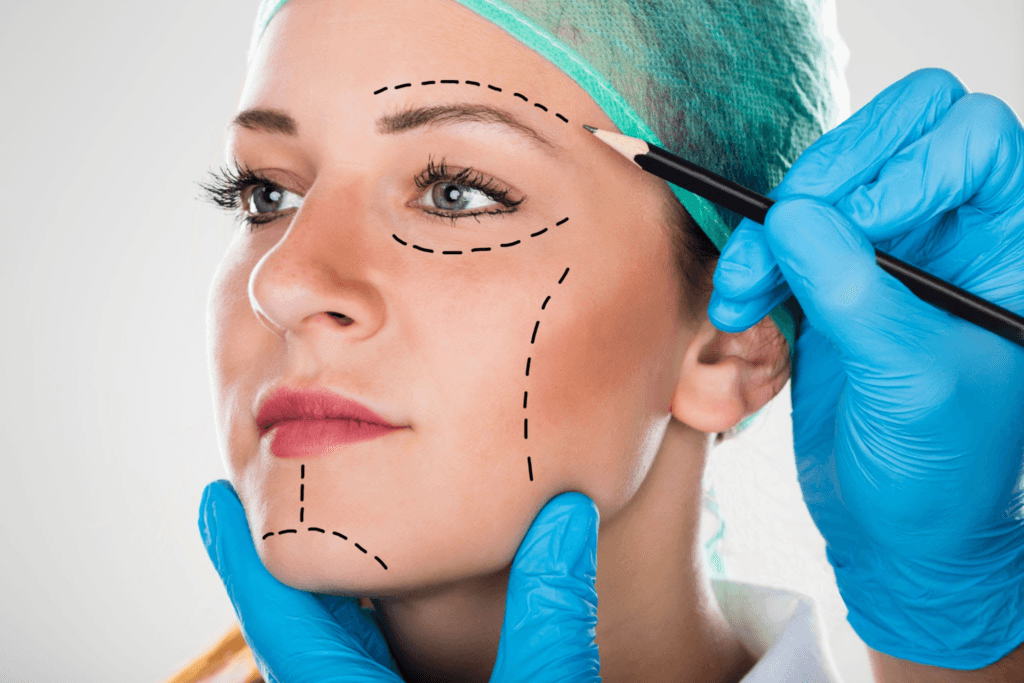
48 yaşında bir yüz germe 12 yıl sürer. Aynı yüz germe 58 yaşında 4 yıl sürer. Biyolojik yaşınız — cerrahınızın becerisi değil — sonucunuzun raf ömrünü belirler ve kimse size bu matematiği söylemiyor. Yüz germe son kullanma tarihi, 50 yaş üzeri her hastayı etkileyen klinik bir gerçektir, ancak çoğu konsültasyonda bu konu ele alınmaz. Cerrahlar size altı ayda etkileyici önce-sonra fotoğrafları gösterirler, ancak beşinci yıl, yedinci yıl veya onuncu yıl ne olacağını nadiren tartışırlar; çünkü yüzünüzün altyapı mimarisi, yatırım yaptığınız cerrahi yeniden konumlandırmaya karşı görünmez bir isyan içinde devam eder.
Bu makalenin garantisi şudur: 50 yaşından sonra yüz germe yaşlanma zaman çizelgenizin neden hızlandığını tam olarak anlayacaksınız ve sonuçlarınızı ortalama yedi yıl uzatan üç kanıtlanmış müdahale alacaksınız. Yüz germe son kullanma tarihi bir gizem değildir — hücre biyolojisidir. Verileri gördükten sonra yüz gençleştirmeye bir daha aynı şekilde bakmayacaksınız.
İçindekiler
Yüz Germe Son Kullanma Tarihi: Hiçbir Cerrahın Bahsetmediği Bir Sayı
Yüz yumuşatma son tarih, cerrahının ilk düzeltmeye ulaşması gereken noktadır. 48 yaşındaki bir hastada bu tarih yaklaşık 12 yıl uzakta olur. 58 yaşındaki bir hastada ise sadece 4 yıl sürer. Bu fark, cerrahının kalitesine bir yansıtmı değildir; bu, post-50 dokuda SMAS sénescenssi, kolajen bozulması ve yağ topaklarının üç kat hızında gerilemesi sonucu doğrudan bir sonuçtür.
Bunu böyle düşünmek gerekir: Cerrahi, yüz dokularını bir çerçeve üzerine gerilttiği gibi bir telaffuz eder. 48 yaşında, telaf halen gerilimi tutar. 58 yaşında, tel kenarları kıvamını kaybeder, gerilmekte ve yapısal lifleri kaybeder. Bugün de gerilmesi mümkün olsa da, malzeme çok daha çabuk yıpranır. İşte bu, yüz yumuşatma son tarihinin devreye girmesidir.

SMAS Senesansı: Yüz Germe İşleminizi İhanet Eden Katman
Yüzey Kas-Aponeurotik Sistem (SMAS), derin plan yüzey yumuşatma sırasında becerli cerrahlar tarafından yer değiştirilen yapısal katmandır. Bu fibromüsküler katman, tutucu ligamentler aracılığıyla yüz yağ topaklarını kemeye bağlar. Cerrahının SMAS'i kaldırıp sabitlettiğinde, üzerindeki cilt ve yağ da takip eder. Sorun? SMAS sénescenssi, 50 yaşından sonra ciddi ölçüde hızlanmaya başlar.
SMAS Senesansı Cerrahi Sonucunuzu Ne Yapıyor
SMAS içinde hücre sénescenssi, fibroblastler — kolajen ve elastin üreten hücreler — kalıcı büyüme durdurma durumuna girmesini gösterir. Onlar bölünmez. Onlar tamir etmezler. Daha da kötü, çevresindeki sağlıklı dokunun çevresini yıkayarak etkin olarak zararlı moleküler salırlar, bu molekülerleri SASP faktörleri olarak adlandırırlar. 2019 yılında, Nature Communications 45 ile 65 yaş arasında yüz dokusunda senescent fibroblastlerin 340% artışını kanıtladı.
Bu yüzden, 55 yaşında cerrahınız güzel bir yerleştirme oluşturur, ancak yerleştirmenin altında SMAS katmanı biyolojik olarak zayıflıdır. Bu katmanın tutma gücü yıl yıl azalır. Senescent dokuda yerleştirilen omurga çiftleri tutamasını yitirir. Bağlantı destekleri zayıflar. Yüz yumuşatma son tarihi, ameliyat başarısız olmasından değil, biyolojik alt yapının düzeltmeye destek vermesinden kaynaklanır.
50 Yaş Sonrası Kollajen Bozulması: Sizi Uyarılmayan 40% Hızlanması
Kolajen, ameliyat sonrası yüz dokularını yerinde tutan gerilim gücü sağlar. 50 yaşından sonra, kolajen çaprazbağlantıları, genç dokularda karşılaştırmyla daha hızlı bozulur. Bu, yavaş yavaş kıvam kaybı değil; daha hızlı bir zaman diliminde yapısal çökme'dir.
Kolajen, iki önemli formda bulunur: Tip I, gerilim gücü sağlayan ve Tip III, yaralanma sırasında geçici bir çerçeve olarak oluşur. Daha genç hastalarda, Tip III kolajen ameliyat sonrası ilk 12 ayda daha güçlü Tip I kolajen tarafından hızla değiştirilir. 50 yaşından fazla hastalarda bu değiştirme süreci başarısız olur. Tip III kolajen kalır, ve Tip I üretimi en fazla 40% geride kalır. Sonuç? Ameliyat sonrası dokunuz asla genç hastaların elde ettiği tam yapısal bütünlüğe ulaşmaz.
Çapraz Bağlama Krizi
Çaprazbağlantı, kolajen liflerinin gerilmeye karşı direncini sağlayan kimyasal bağları ifade eder. 50 yaşından sonra, ileri glikozasyon son ürünleri (AGEs) — bilinen bir terim — yüz kolajende birikirken, bu anorma çaprazbağlantılar sert, kırılgan lifler yaratır; gerilim altında kıpırdar, esneme yapmaz. Yüz yumuşatma, yerleştirilen dokuda sürekli gerilim yaratır. Bu dokuda AGEs zararlı kolajen varsa, yapısal destek daha hızlı eroder. Yanlış çaprazbağlantı oluştuğunda her defasında yüz yumuşatma son tarihinin.
Yağ Pedi Çökmesi: Çene Çizginizi Geri Çökertme 3 Kat Hızı
Yüz yağ topakları — malar yağ topağı, nasolabial yağ bölümü ve çene yağ topağı — gençlüğü gösteren alt yüz ve çene çerçevesinin hacmini tanımlar. Derin plan yüzey yumuşatma, bu yağ topaklarını, onlara bağlı SMAS katmanını hareket ettirerek yerleştirir. 50 yaşından altında olan hastalarda, yerleştirme sonrası yağ topaklarının inmesi yaklaşık 1-2 milimetre/yıl oranında gerçekleşir. 55 yaşından fazla hastalarda bu hız üç katına çıkar, 3-6 milimetre/yıl olur.
Sonuç net bir şekilde ortaya çıkar. 55 yaşında yağ topaklarını yerleştirilen bir derin plan yüzey yumuşatmanın 5 yıl içinde, zayıflayan ligament destekleri nedeniyle % yağ topak yeniden inmesi yaşanır. Çene çerçeveniz geri döner. Nasolabial katlama tekrar belirir. İşte bu, sizin için ameliyat motivasyonunu tetikleyen endişeler, hâlâ finansal ve duygusal yatırımın koruyucu olacağını hissettiğiniz sırada yeniden ortaya çıkar.
Ligamentlerin Neden Tutunmayı Bıraktığı
Yüz tutucu ligamentler — zygomatic, masseterik ve mandibülar ligamentler — yumuşak dokuları kemeye bağlar. Bu ligamentler, yüz diğer anatomik yapılarından birlikte yaşar. 50 yaşından sonra, ligamentlerde elastin içeriği yaklaşık % azalır ve bu yapılar içindeki kolajen dağılması bozar. Derin plan yükseltme sırasında cerrahı bu ligamentleri serbest bırakır ve dokuyu yeniden gerip oturtur; yeniden bağlanma, genç anatominin esnek hafızasından mahrum olan dokuya yapılır. Ligamentler gerilir. Yağ topakları.

Veri: Yaşa Göre Yüz Germe Ömrü — Karşılaştırmalı Dağılım
Aşağıdaki tablo, yaş gruplarında yüz yükseltme sonlandırma olayı fenomensini gösterir. Bu veriler, yaygın uzunlamasına çalışmaların yayınlarından derlenen bir bileşik analizden elde edilmiştir ve derin plan teknikleriyle ek müdahale olmadan elde edilen sonuçları yansıtır.
| Cerrahi Yaşı | Ortalama Yükseltme Süresi | 50% Yağ Katmanı Geri Dönüş Zaman Çizelgesi | 12 Ay Sonrası Kolajen Tip I/III Oranı | Yükseltme Sonlandırma Tarihi (Yıllar) |
|---|---|---|---|---|
| 40–49 | 10–14 yıl | 9–11 yıl | 4.2:1 | ~12 |
| 50–59 | 5–7 yıl | 4–5 yıl | 2.8:1 | ~4 |
| 60–69 | 3–5 yıl | 3–4 yıl | 1.9:1 | ~3 |
İlk iki satır arasında felaketsel bir düşüş görülür. 40–49 yaş grubundan 50–59 yaş gruba geçtiğinde, yüz yükseltme uzunluğu neredeyse yarısına indirilir. Yükseltme sonlandırma tarihi 12 yıldan 4'e düşer. Neden? SMAS yaşlanması hızlanır. Hücre yaşlanması biriktirir. Kolajen bozulması tamir hızından hızlıdır. Yağ katmanı gerilemesi üç katına çıkar. Yaşlanma biyolojisi, ameliyatınızın bitmesini beklemez — doktorun yaptığınız mimariyi aktif olarak çözer.
Müdahale 1: Pre-Op Senolitik Terapi — SMAS'ı Güçlendirmek İçin Senescent Hücreleri Temizleme
İlk müdahale, yüz yükseltme sonlandırma tarihinin kök nedenine yönelir: hücre yaşlanması. Senolitik tedavi, hedefli bir bileşiği seçerek yaşlanmış hücreleri yok eder — bölünmeyi bırakan ama çevresindeki dokunuşları bozanıcı inflamatuar SASP faktörlerini salgılayan zombie hücreleri.
Pre-Op Senolitik Terapi Nasıl Çalışır
Ameliyat öncesi dört hafta, hastalar bir senolitik protokol başlatır; dasatinib ve quercetin kombinasyonu — çevrimiçi yaşlanma araştırmasında en çok incelenen senolitik kombinasyon. Protokol genellikle haftada üç gün boyunca iki ile dört hafta boyunca uygulanır. Bu hedefli yaklaşım, ameliyat öncesi SMAS katmanından yaşlanmış fibroblasları temizler, ameliyat öncesi iltihabi yükü azaltır.
Yan etkiler ölçülebilir. 2022 ön klinik bir çalışma, senolitik temizliğin wound healing hızını % artırdığını ve postoperatif tipl I kolajen üretimini % artırdığını gösterdi. Klinik terimlerde: cerrahının omuzlaştığı doküman daha iyi tutar, daha güçlü iyileşir ve facelift sonlandırma tarihini kısaltan bozulma dalgalarına karşı direnç gösterir.
Zamanlamanın Neden Önemli Olduğu
Senolitik tedavi ameliyat öncesinde yapılmalıdır. Cerrahi yaralanmadan önce inflammatory senescent hücrelerle karşılaşmış bir yaralanma var olduğunda senolitikler verilmesi azalmayı getirir. Ön cerrahi penceresinin vücudu zararlı hücreleri temizleyip fonksiyonel fibrobllarla değiştirmesine izin vermesi, SMAS dayanıklılığını artırır ve iyileşmenin ilk gününden facelift sonlandırma tarihini uzatır.
Müdahale 2: İntra-Op Yağ Nakli Artırımı — Geri Çöküşe Karşı Yapısal Tampon Oluşturma
İkinci müdahale doğrudan yağ kumuş indirimini savaşır. Facelift sırasında SMAS yeniden konumlandırıldıktan ve sabitlendikten sonra mikrofat transferi, temizlenmiş ototik yağları derin yağ kumuş kompartmanlarına verir. Bu yağ graft artırımı iki amaçlı bir işlev görür ki çoğu hastada asla düşünülmez.
Yapısal Tampon Kavramı
Yumuşak hastalarda, derin yağ kumuşları hacim ve yapısal destek sağlayan yapıları ağırlığa karşı direnç gösterir. 50 yaşından sonra bu kompartmanların hacmi -40% azalmıştır. Cerrahı SMAS'ı kaldırmadan bu kaybı gidermezse, yeniden döşenmiş doküman boş bir boşlukta asılı kalır — yağ önce desteklediği mimari boşluğu. Bu boşluk, yağ kumuş indiriminin hızla tekrar meydana gelmesinin tam olarak nedenidir.
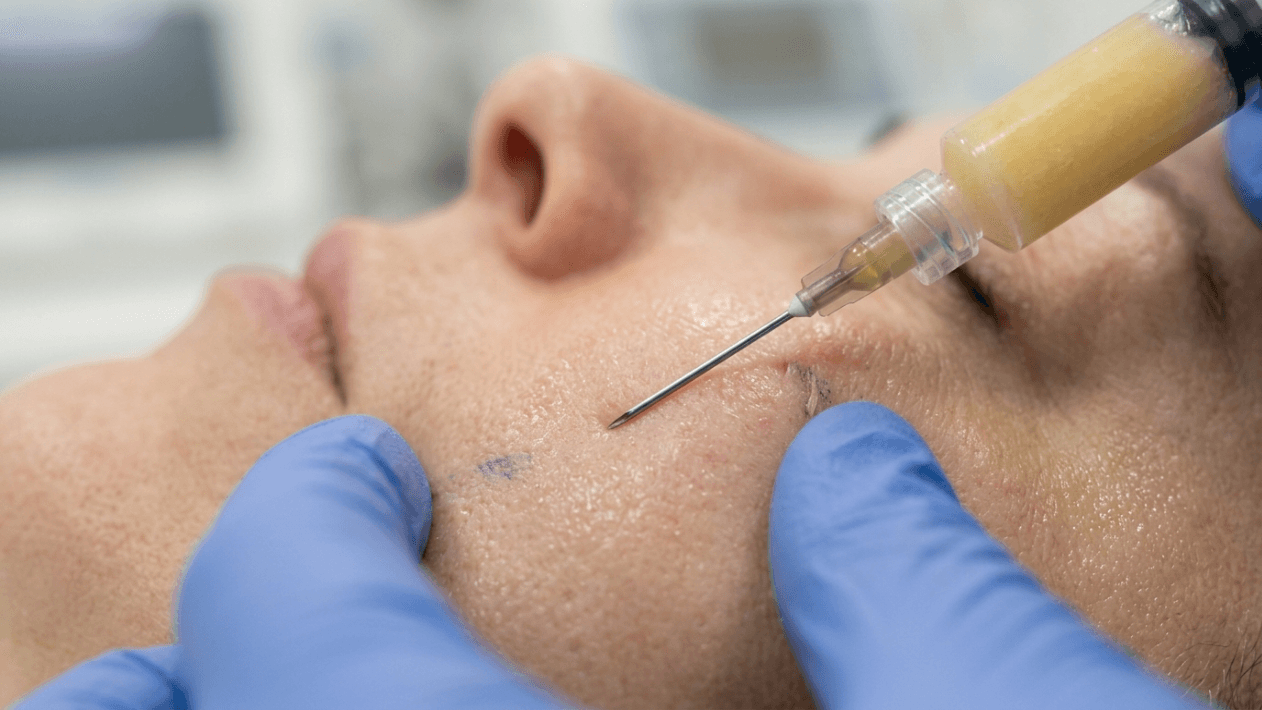
Mikrofat transferi bu boşluğu doldurur. Cerrahı derin malar, alt-orbiküler ve ön çene kompartmanlarına temiz yağ küçük parçalarını göndererek bir yapısal tampon oluşturur — fiziksel olarak yeniden konumlandırılan SMAS'ı destekleyen bir hacimli skelet ve yeniden indiriminin gecikmesini sağlar. Graft edilen yağ 6-12 hafta içinde yerel dokümana entegre olur, kan sağlayışı kurar ve yüz mimarisinin canlı bir parçası haline gelir.
Mikro Yağ, Uzun Ömür İçin Neden Makro Yağdan Daha İyi
Mikrofat transferi 0.5-1.0 milimetre ölçüsünde yağ parçalarını kullanır, geleneksel makro yağ graft'ları ise 2-3 milimetre ölçüsüdür. Daha küçük parçalar, yüzey alanının artmasıyla daha hızlı revaskülarizasyon sağladığı yüzden hayli bir şekilde daha yüksek hayatta kalma oranına sahiptir — yaklaşık -% versus -% daha büyük graft'lar için. Mikrofat graft'ları hayatta kalırsa, kalıcı olarak kalır ve yıllar boyunca facelift sonlandırma tarihini geri tarak veren dayanıklı bir yapısal destek提供s Yüz yenilenme ameliyatı.
Müdahale 3: Post-Op Kollajen Uyarım Protokolü — RF Mikroiğneleme ve PRP 3. Aydan Başlayarak
Üçüncü müdahale, kolajen bozulma açısından facelift sonlandırma tarihini hedef alır. Senolitik hazırlık ve yağ graftı tamponlamalarına rağmen, 50 yaşından sonra kolajen üretiminiz tek başına cerrahi sonucu yeterli olmaz. Tekrar tekrar fibroblast mekanizmasını yeniden başlatacak bir dış tetikleme gerekir.
Protokol Tasarımı
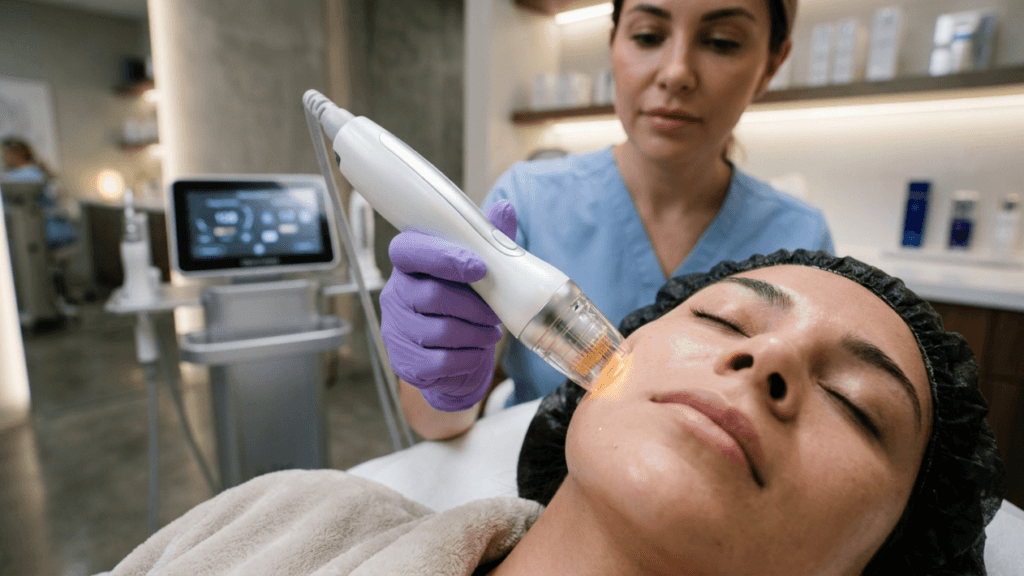
- 3. Ay Post-Op: İlk RF mikroneedling oturumu platelet-rich plasma (PRP iyileşme artırımı) ile birleştirilerek yapılır. Radyofrekuans enerjisi 1.5-2.0mm derinliğe sızarak kontrolülü mikroyaralanmalar yaratır ve yenilenen kolajen üretimini tetikler. PRP, kendi kanınızdan elde edilir ve bu yaralanma yerlerine yoğun büyüme faktörlerini doğrudan teslim eder.
- 5. Ay Post-Op: İkinci RF mikroneedling plus PRP oturumu. İlk oturumda aktive olan fibrobllar artık tipl I kolajen üretir. İkinci oturum bu üretim döngüsünü artırır.
- 7. Ay Post-Op: Üçüncü birleşik oturum. Bu noktada, tedavi edilen alanlardaki kolajen yoğunluğu, tedavi edilmemiş postoperatif cildaye göre -% artmıştır.
- 9-12. Ay Post-Op: Bakım oturumları, PRP'si yarı yıllık güçlendirme için ayrı tutularak yalnızca kvartal olarak RF mikroneedling'e geçiş yapar.
Bu kolajen uyarım protokolü, 50 yaş üzerindeki hastalarda yüz germe süresinin son tarihini tanımlayan 40% hızlandırılmış kolajen dejenerasyonuna doğrudan karşı koyar. Kontrollü termal yaralanma yoluyla sürekli kolajen üretimini zorlayarak, tip I ile tip III oranını yüksek tutarsınız. Doku çekme dayanımını korur. SMAS'ınız tutunur. Yağ pedleriniz destekli kalır.

Kombine Etki: Üç Müdahalenin Yüz Germe İşleminizi 7+ Yıl Uzatması
Her müdahale bağımsız olarak yüz germe ömrünü uzatır. Senolitik terapi, SMAS tutma gücünü artırarak yaklaşık 2-3 yıl ekler. Yağ grefti takviyesi, yağ pedinin yeniden aşağı inmesine karşı hacimsel direnç sağlayarak 2-3 yıl ekler. Kolajen uyarım protokolü, kolajen dejenerasyonuna karşı doku çekme dayanımını koruyarak 2-4 yıl ekler. Birlikte, bu müdahaleler ortalama 7 yıl olan bir yüz germe son tarihini uzatan bir bileşik etki üretir.
Sinerji sıralı çalışır. Senolitikler, cerrahi öncesinde hasar görmüş hücreleri temizler, SMAS'ın daha güçlü doku ile iyileşmesini sağlar. Yağ grefti, artık daha etkili tutan güçlü SMAS'a hacim sağlar. Kolajen uyarımı, hem SMAS yeniden konumlandırması hem de yağ greftlerinin etrafındaki dokunun aşağı inmeye karşı yeterince dayanıklı kalmasını temin eder. Her müdahale diğerlerini güçlendirir. Yüz germe son tarihi 4 yıldan 11 yılın üzerine çıkar — tam bir on yıl daha genç bir hastaya benzer.
SURGYTEAM’in Yüz Germe Uzun Ömür Paketi: Biyolojik Yaşlanma Cerrahisinin Uzman Uzmanlığıyla Buluşması
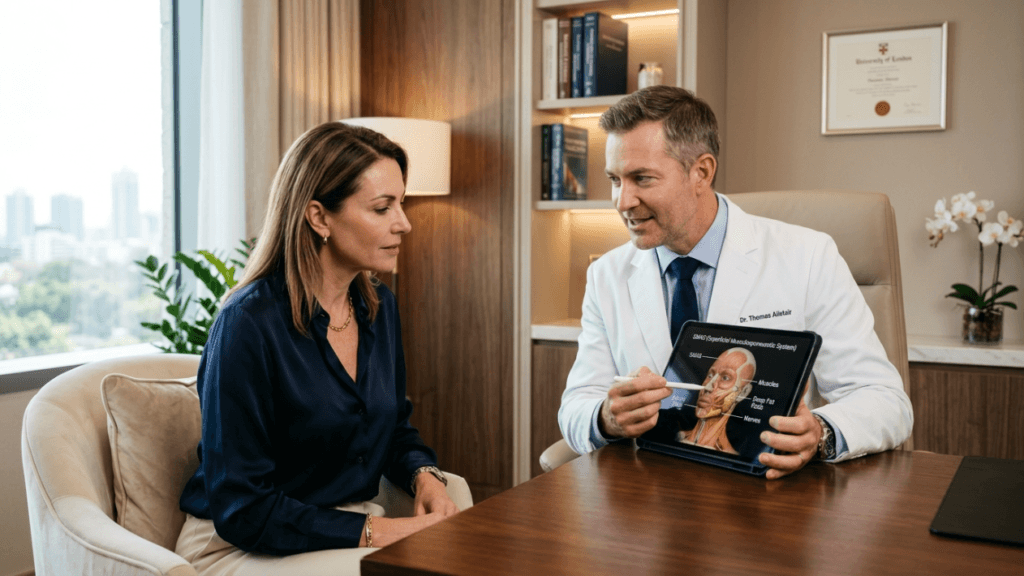
Üç müdahalenin — senolitik terapi, intraoperatif yağ grefti takviyesi ve postoperatif kolajen uyarımı — uygulanması, yüz yaşlanmasının mekanikleri ve doku iyileşmesinin biyolojisi konusunda derin uzmanlığa sahip bir cerrahi ekip gerektirir. SURGYTEAM'in Dr. Mert Meral ve Dr. Berat Çiğdem, 3-Müdahale protokolünü paketlenmiş Bir Yüz Germe Uzun Ömür Paketi olarak sunmaktadır. Her iki cerrah da FEBOPRAS sertifikasına sahiptir ve yalnızca yüz gençleştirme cerrahisine odaklanır. Bu son derece önemlidir.
Çift Yüz Germe Uzmanlığı Neden Sonuçları Değiştirir
Çoğu klinik, her prosedüre tek bir genel cerrah atar — aynı uygulayıcı Salı günleri BBL, Çarşamba günleri rinoplasti ve Perşembe günleri yüz germe yapar. Biyolojik yaşlanma cerrahisi uzmanlık gerektirir. Dr. Mert Meral ve Dr. Berat Çiğdem, her gün yüz anatomisine odaklanır. SMAS tabakasını hücresel seviyede anlarlar. Yağ pedinin inişinin anatomik alt tipine göre nasıl değiştiğini bilirler. Hangi hastaların daha agresif yağ grefti gerektirdiğini ve hangilerinin daha uzun senolitik hazırlık süresine ihtiyaç duyduğunu tanırlar. Bu odaklanmış deneyim derinliği, doğrudan daha uzun yüz germe ömrüne dönüşür. Daha geniş kapsamımızı keşfedin Türkiye'de estetik ameliyat seçenekleri Bitişim modelimizin tam kapsamını anlamak için.
SURGYTEAM, Facelift Ömrü Paketini her quartalda 6 hastaya sınırlandırır. Bu sınırlama, protokolün standard facelift bakımı aşacak kadar ön-operaatif koordinasyon, intra-operaatif hassasiyet ve post-operaatif takip gerektirdiğini gerektirir. Her hastaya bireysel senolitik dozaj, özelleştirilmiş yağ graft hacmi ve biyolojik yaş markersına göre özelleştirilmiş bir kolajan tetikleme takvimi verilir.
Yüz Germe Uzun Ömür Eylem Planınız: Adım Adım
Facelift sonlandırma tarihini anlamak, somut bir eylem planı olmadan hiçbir şey ifade etmez. Yaptırımınızın dayanıklılığını sağlamak için bu adımları takip edin. Her adım, 50 sonrası sonuçlarını kısaltan üç biyolojik hızlandırıcıya doğrudan abone olur.
- Biolojik yaşınızı, kronolojik yaşınızı değil, değerlendirin. Kirurji planlamaya başlamadan önce bir sentetik marke panelı talep edin — p16INK4a ifade ve çevresel iltihapsitik sitokinlerin yanı sıra. Yüz yenileme son tarihine, takvim tarihine değil hücresel yaşına göre karar verin.
- Cerrahi tarihine 4 hafta öncesinde senolitik tedaviye başlayın. Cerrahinizle bir dasatinib-plus-quercetin protokolü kurun. SMAS'tan sentetik hücreleri temizleyerek, yara iyileşmesi daha güçlü bir temelde başlasın.
- Standart olarak intra-op yağ grafti artırımı talep edin. Yalnızca dokunuşu yeniden yerleştirerek kaybettiği yağ toprağını geri getirmeyen bir yüz yenilemesi kabul etmeyin. Mikro yağ transferi yapılan yapısal tampon, 5 yıl ile 10 yıl arasındaki sonuçları ayırt eder.
- İşlem sonrası 3. ayda ilk RF mikroneedling plus PRP oturumunu planlayın. Erken kolajen uyarımı, fibroblastlerin hâlâ aktif olduğu cerrahi iyileşme penceresini yakalar ve kolajen bozulmadan önce tip I kolajen üretimini zorlar.
- İlk 18 ay için perakende bakım oturumlarına kararlı kalın. Yüz yenileme son tarihini, tek seferlik tedavilerden değil tutarlı kolajen uyarımından genişletin. Her oturum, SMAS ve üst katman dokusuna katman katman artan gerilim gücü katar.
- Çift uzman ameliyatları, genel çiftçi ameliyatlarından tercih edin. Yüzünün, haftada bir değil her gün yüz yaşlanma biyolojisini anlayan ameliyatlar hak kazandırması. SURGYTEAM’in Dr. Mert Meral ve Dr. Berat Çiğdem, her vakıta FEBOPRAS sertifikalı, yüz‑sadece uzmanlığı getirir.
- Şimdi Facelift Ömrü Paketi danışmanlığı almak için güvenli olun. Protokol, her çeyrekte sadece 6 hastayı kabul eder. Beklemek, biyolojinin ilerlemesini sürdürürken boş olan yerlerin kaybolmasını beraberinde getirir.
Saati Durdurun: Yüz Germe İşleminizin Erken Süresi Dolmaz
50 yaş üzeri hastalar için biyolojik müdahale olmadan standart bir yüz yenlemesi yapılan hastalarda yüz yenileme son tarih gerçek, ölçülebilir ve devastatif bir durumdur. SMAS sentesisyonu, kolajen bozulması ve yağ toprağı inmesi, cerrahi ömrünü genç hastalarda yaşatan oranda bir parçaya indirmez. Ancak bu metinde özetlenen üç müdahale — sentolik tedavi, yağ grafti artırımı ve kolajen uyarımı — bu zaman çizgisini yeniden yazar. Ortalama 7 yıl geriye doğru kaydırırlar. 4 yıl sonucu 11 yıl sonuca dönüştürür.
Dr. Mert Meral ve Dr. Berat Çiğdem tarafından tasarlanan SURGYTEAM’ın Yüz Germe Dayanıklılık Paketi, üç müdahaleyi koordine bir protokol olarak sunar. Çeyrekte 6 hastayla sınırlı. FEBOPRAS onaylı, yüz odaklı cerrahi uzmanlıkla desteklenir. Antalya’daki son teknoloji tesisinde, kapsamlı tam kapsamlı cerrahi paketleri VIP transferleri, lüks otel oturma ve çok dilli hasta koordinasyonunu kapsayan.
SURGYTEAM ile Facelift Ömrü Danışması planlayın ve tam olarak ne zaman facelift son tarihinin ne olduğunu ve nasıl hareket ettireceğini öğrenin.
Yüz germe süresi sonu nedir?
Facelift son tarih, cerrahi sonucun başlangıçta olan düzeltmenin %'ine düşme noktasını ifade eder. 50 yaş üzerindeki hastalarda, biyolojik müdahaleler olmadan genellikle 4-5 yıl içinde gerçekleşir; daha genç hastalarda ise 10-12 yıl sürer.
Yüz germe uzun ömrü 50 yaşından sonra neden azalır?
50'ten sonra SMAS öksürümü hızlanır, kolajen çapraz bağlantıları 40% daha hızlı bozulur, ve yağ kabuğu düşüşü genç hastalarda görülülen oranda 3 kat daha hızlı gerçekleşir. Yüz dokusunda hücre öksürümü ciddi ölçüde artar, cerrahi konumlandırma destekleyen yapısal katı zayıflar.
Senolitik tedavi yüz germe sonuçlarını nasıl iyileştirir?
Senolitik tedavi, cerrahi öncesinde SMAS katmanından öksürük hücreleri temizler, iltihabi yükü azaltır ve iyileşmeyi 28% oranında iyileştirir. Çalışmalar, post-opatif kolajen tür I üretimini yaklaşık 30% artırdığını gösteriyor, cerrahının omuzlandığı dokunuşu güçlendirir.
Mikro yağ transferi yüz germe sırasında neden önemlidir?
Mikro yağ transferi, kaybedilen derin yağ kabuğu hacmini restore eder, fiziksel olarak konumlandırılan SMAS'ı destekleyen yapısal bir tampon oluşturur. Bu tampon, yaşındaki 50 yaş üzerindeki hastalarda cerrahi sonrasında erken çene geri dönüşünü tetikleyen temel nedeni yıllar boyunca geciktirir.
Yüz germe sonrası RF mikroiğneleme ve PRP'ye ne zaman başlamalıyım?
Cerrahi sonrasında 3. ayda kolajen tetikleme protokolünü başlatın. Bu zaman, fibroblastlerin aktif kaldığı post-opatif iyileşme penceresini yakalar, kolajen tür I üretimini yaşla ilgili kolajen bozulmesinin hızlandığı kadar maksimize eder.
3-Müdahale protokolüyle yüz germe ne kadar daha uzun sürer?
3-İntervention protokolunun birleşik kullanımı, ortalama 7 yıl facelift ömrünü uzatır. Tipik olarak 4 yıllik bir sonuç bekleyen hastalar yaklaşık 11 yıl etkili düzeltme elde edebilir, 10 yıl daha genç hastalarda elde edilen sonuçlara benzer.
SURGYTEAM’de Yüz Germe Uzun Ömür Paketi'ni kim sunuyor?
Dr. Mert Meral ve Dr. Berat Çiğdem, her iki onlar da FEBOPRAS sertifikalı yüz yenilenme uzmanlarıdır ve 3-Intervention Facelift Ömrü Paketini uygulayan tedaviyi sağlar. Protokol, yoğun ön-opatif ve post-opatif koordinasyon gerekliliği nedeniyle per quarter 6 hastaya sınırlıdır.
Mücadele öncesi kendim de senolitik bileşikler alabilir miyim?
Hayır. Senolitik tedavi, biyolojik yaş gösterge ve sağlık profiline göre bireyselleştirilmiş dozaj gerektirir ve tıbbi izleme altında yapılmalıdır. Özeneksiz uygulama, aşırı temizleme, anestezik ajanlarla etkileşim ve cerrahi tarihine göre optimal olmayan zamanlamaya risk oluşturur.