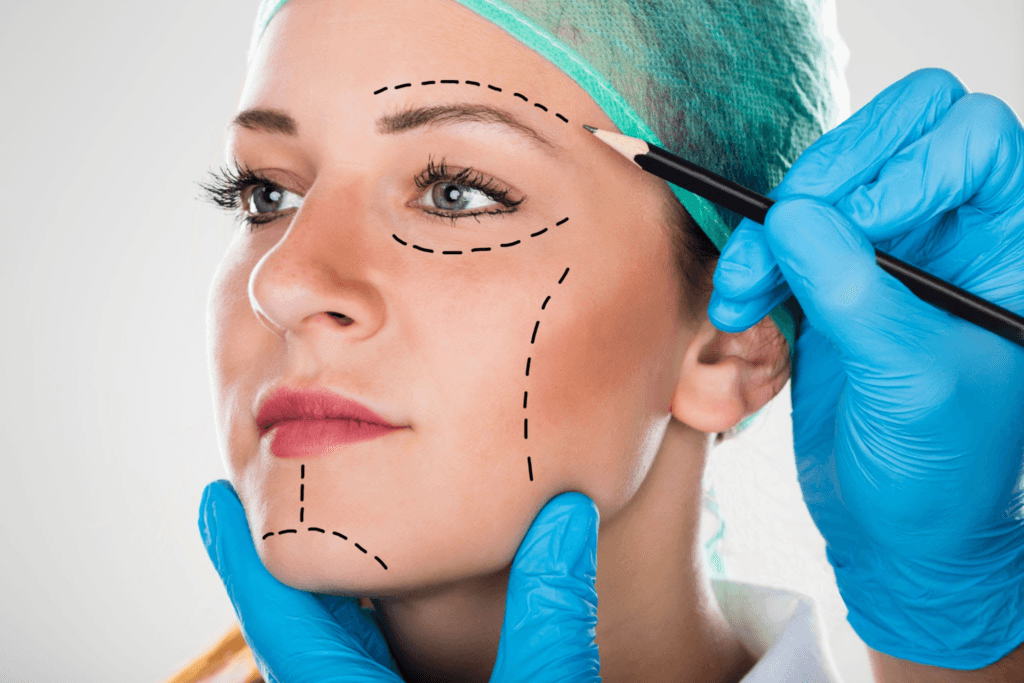
The pursuit of youthful facial aesthetics has led to the development of numerous surgical and non-surgical procedures. Among these, the “French Facelift,” also known as a short-scar facelift or minimal access cranial suspension, stands out for its minimally invasive approach and natural-looking results. This article will delve into the details of this procedure, outlining its benefits, recovery process, and comparison to other facelift techniques.
Table of Contents
Understanding the French Face Lift
The French Facelift is a surgical procedure designed to address the signs of aging in the face and neck. Unlike traditional facelifts which involve extensive incisions, the French Facelift utilizes smaller incisions, typically hidden within the hairline and around the ear. This technique allows for the lifting and repositioning of underlying facial tissues, resulting in a more youthful appearance. The emphasis is on precision and subtlety, aiming for natural-looking results that avoid the “pulled” or artificial look sometimes associated with more extensive procedures. The smaller incisions contribute to a shorter recovery time and less visible scarring. It’s crucial to understand that while less invasive, it’s still a surgical procedure requiring careful consideration and consultation with a qualified plastic surgeon.
This procedure is particularly suitable for individuals experiencing early to moderate signs of aging, such as mild sagging in the mid-face, jowls, and neck. It’s less effective for individuals with significant skin laxity or significant volume loss, who may benefit from a more extensive facelift. The French Facelift is tailored to individual needs, allowing the surgeon to address specific concerns while maintaining a natural aesthetic. The surgeon meticulously plans the procedure based on an individual’s unique facial anatomy and desired outcome.
The choice of whether a French Facelift is appropriate depends heavily on individual factors and the surgeon’s assessment. A thorough consultation is essential to determine if this procedure is the best option to achieve the desired results and to manage expectations regarding the achievable outcome. Open communication between patient and surgeon is paramount for a successful outcome.

Minimally Invasive Procedure Details
The French Facelift begins with precise incisions strategically placed to minimize scarring. These incisions are typically made within the hairline and around the ear, often extending only partially around the earlobe, unlike traditional facelifts. Through these small incisions, the surgeon carefully lifts and repositions the underlying SMAS (superficial musculoaponeurotic system) layer, which is a crucial layer of facial tissue responsible for facial structure and support. This lifting action addresses sagging skin and underlying muscle laxity.
After repositioning the SMAS, the surgeon may also address excess skin. This may involve removing a small amount of excess skin or simply tightening and repositioning the existing tissue. The incisions are then meticulously closed using sutures designed to minimize scarring. The entire procedure is performed under general anesthesia or intravenous sedation, ensuring patient comfort throughout the process. The precise techniques used can vary slightly between surgeons, depending on individual needs and the surgeon’s preference.
The minimally invasive nature of the French Facelift translates to less trauma to the tissues, resulting in less swelling, bruising, and discomfort compared to traditional facelifts. This is a significant advantage for patients seeking a quicker recovery and less downtime. The shorter operative time also contributes to the overall efficiency of the procedure.
Targeting Specific Facial Areas
The French Facelift can effectively target multiple areas of the face and neck simultaneously. This includes addressing sagging in the cheeks, creating a more defined jawline, and improving the appearance of jowls. The lift also improves the appearance of the neck by addressing loose skin and banding. The precise areas targeted are determined during the initial consultation, based on the patient’s individual needs and concerns. The surgeon will carefully assess the degree of sagging and skin laxity to create a customized treatment plan.
The procedure’s versatility allows for a tailored approach to address specific concerns. For example, if a patient is primarily concerned with jowls, the surgeon can focus the lift on that area. Similarly, if the primary concern is sagging cheeks, the emphasis will be on lifting and repositioning the tissues in the mid-face. This individualized approach contributes to the natural and harmonious results that are characteristic of the French Facelift. The surgeon’s skill and experience are crucial in achieving optimal results through precise tissue manipulation.
The ability to target specific areas without the need for extensive incisions is a key advantage of the French Facelift. This allows for a more refined and less invasive approach, leading to more subtle and natural-looking results. The procedure can be combined with other minimally invasive procedures, such as fillers or laser treatments, to further enhance the results and address specific concerns.
The Recovery Process Explained
Post-operative recovery from a French Facelift is generally less extensive than that of a traditional facelift. Patients can expect some swelling, bruising, and discomfort in the first few days. Pain medication is typically prescribed to manage any discomfort. The surgeon will provide specific post-operative instructions, including advice on wound care, pain management, and activity restrictions. It’s crucial to follow these instructions carefully to ensure proper healing.
Most patients can return to their normal activities within a week or two, although strenuous activity should be avoided for several weeks. The swelling and bruising typically subside within a few weeks, allowing the final results to become more apparent. The stitches are usually removed within a week. Regular follow-up appointments with the surgeon are scheduled to monitor healing progress and address any concerns.
While the recovery is generally smoother than with traditional facelifts, individual experiences can vary. Factors such as age, overall health, and the extent of the procedure can influence the recovery time. Open communication with the surgeon throughout the recovery process is essential to address any concerns and ensure optimal healing.
Comparing it to Other Facelifts
The French Facelift differs significantly from traditional facelifts in its minimally invasive nature. Traditional facelifts involve longer incisions, more extensive tissue manipulation, and a longer recovery period. They are typically suited for individuals with significant skin laxity and more pronounced signs of aging. The French Facelift, on the other hand, is better suited for individuals with early to moderate signs of aging who desire a less invasive approach.
Compared to a mini-facelift, the French Facelift often offers a more comprehensive lift, addressing a wider range of concerns. Mini-facelifts typically focus on specific areas, such as the lower face and neck. The French Facelift, while minimally invasive, can address both the mid-face and lower face, providing a more holistic rejuvenation. The choice between these procedures depends on individual needs and the surgeon’s assessment.
The selection between a French Facelift and other facelift techniques depends on individual needs and preferences. A thorough consultation with a qualified plastic surgeon is crucial to determine the most appropriate procedure to achieve the desired results. The surgeon will consider the extent of skin laxity, the patient’s overall health, and their aesthetic goals to recommend the most suitable option.
Table 1: Average Cost of a French Face Lift by Country
| Country | Average Cost (USD) |
|---|---|
| Turkey | $3,000 – $8,000 |
| United Kingdom | $7,000 – $15,000 |
| Germany | $6,000 – $12,000 |
| France | $6,000 – $12,000 |
| Spain | $5,000 – $10,000 |
| Italy | $5,000 – $10,000 |
Table 2: Number of Clinics Offering French Face Lifts by Country
| Country | Number of Clinics |
|---|---|
| Turkey | 55 |
| United Kingdom | 30 |
| Germany | 25 |
| France | 20 |
| Spain | 15 |
| Italy | 10 |
Table 3: Patient Satisfaction Ratings for French Face Lifts by Country
| Country | Average Rating (out of 5) |
|---|---|
| Turkey | 4.8 |
| United Kingdom | 4.6 |
| Germany | 4.5 |
| France | 4.4 |
| Spain | 4.3 |
| Italy | 4.2 |
Long-Term Results and Maintenance
The long-term results of a French Facelift are generally considered to be quite satisfactory. The procedure effectively addresses sagging skin and underlying muscle laxity, resulting in a more youthful appearance that can last for several years. The longevity of the results depends on several factors, including the individual’s aging process, lifestyle, and sun exposure.
While the French Facelift provides long-lasting results, it’s important to note that it does not stop the natural aging process. Maintaining a healthy lifestyle, including a balanced diet, regular exercise, and proper sun protection, can help prolong the results. Additional minimally invasive procedures, such as fillers or laser treatments, may be considered in the future to further enhance the results or address new concerns as they arise.
Regular follow-up appointments with the surgeon are recommended to monitor the results and discuss any maintenance options. The surgeon can provide personalized advice on maintaining the results and address any new concerns as they arise. This ongoing communication ensures optimal long-term outcomes and patient satisfaction.
The French Facelift offers a compelling alternative to traditional facelifts for individuals seeking a minimally invasive approach to facial rejuvenation. Its focus on precision, smaller incisions, and natural-looking results makes it a popular choice for those experiencing early to moderate signs of aging. However, as with any surgical procedure, a thorough consultation with a qualified plastic surgeon is paramount to ensure the procedure is appropriate and to manage expectations regarding the outcome.
Transform Your Confidence with Surgyteam!
Join the thousands of satisfied patients who have experienced the exceptional care and expertise of Surgyteam’s renowned plastic surgeons. Whether you’re seeking aesthetic enhancements or reconstructive surgery, our dedicated team in Antalya is here to provide you with the highest quality treatment and personalized care.