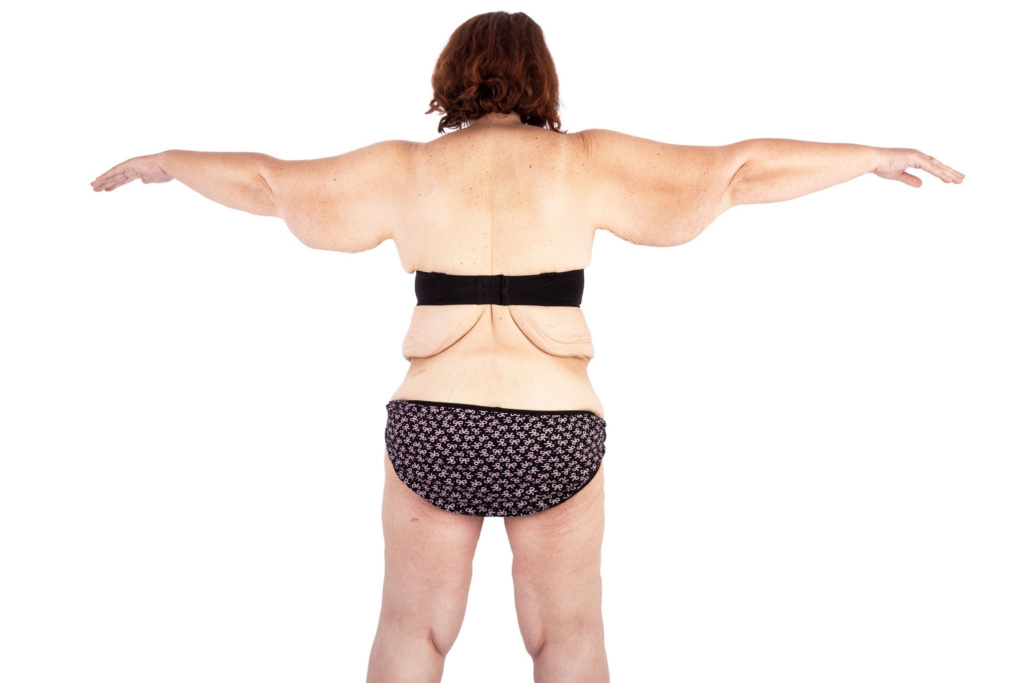
What if the Brazilian Butt Lift you invested in before having children became the most expensive mistake of your aesthetic journey? According to emerging clinical data, up to 78% of women who undergo BBL before pregnancy require significant revision surgery to restore lost volume and correct contour deformities. The truth is harsh: your body’s reproductive timeline will rewrite your surgical results, and ignoring this reality costs thousands of dollars, months of recovery, and emotional distress.
Choosing BBL and pregnancy timing is not a casual scheduling decision — it is the single most important variable determining whether your fat transfer survives or disappears. This article reveals the hidden physiological costs of pre-pregnancy BBL, explains the postpartum BBL window, and gives you a clear decision matrix so you never gamble with your body or your budget.

Table of Contents
The Fertility-First Protocol: Why Your Reproductive Timeline Dictates Your BBL and Pregnancy Surgical Plan
Most clinics schedule surgery based on availability. That approach ignores a fundamental biological truth: pregnancy fundamentally restructures fat distribution across the entire body. When you carry a child, hormonal cascades — particularly elevated estrogen, progesterone, and relaxin — signal your body to store fat in specific deposit sites for fetal protection and lactation reserves. These hormones do not care about your surgeon’s meticulous fat placement.
The fertility-first protocol reverses the conventional thinking. Instead of asking “When can I get my BBL?” you must ask, “Where will my body be in five years?” If the answer includes pregnancy, your surgical plan must account for that. Dr. Sibel Atalay, SurgyTeam’s liposuction and body contouring specialist, and Dr. Bora Yücel, the clinic’s breast and body team planner, co-design surgical roadmaps around each patient’s reproductive intentions. This is not cosmetic convenience — it is physiological respect.
The Science of BBL Fat Redistribution Pregnancy Changes
During pregnancy, the body undergoes dramatic compositional shifts. Research shows that pregnant women gain an average of 30% body fat, much of it deposited in the gluteofemoral region, thighs, and flanks. However, these fat stores are volatile. Post-delivery, rapid fat mobilization during breastfeeding and postpartum hormone normalization causes significant volume loss in areas where fat was grafted.
Consider the graft itself: transferred fat cells in a BBL are living tissue. They respond to your body’s metabolic signals. When postpartum hormones trigger fat breakdown for energy, grafted fat cells are consumed just like native fat cells. The result? Volume depletion, asymmetry, contour irregularities, and in severe cases, the complete erasure of your BBL results. This is the core mechanism behind BBL fat redistribution pregnancy — a phenomenon most patients never hear about during consultation.
The Hidden Cost of Pre-Pregnancy BBL: Fat Redistribution, Skin Laxity, and Volume Loss
The financial toll of a poorly timed BBL is staggering. A single BBL procedure ranges from $6,000 to $15,000 internationally. If pregnancy erodes your results, revision surgery adds another $8,000 to $20,000 — often requiring additional fat harvesting, which may be limited after the initial liposuction. But the cost extends beyond money.
Three Mechanisms That Destroy Pre-Pregnancy BBL Results
- Fat Graft Absorption: Postpartum metabolic demands accelerate the breakdown of grafted adipose tissue. The body prioritizes survival over aesthetics, and grafted fat cells — which lack the vascular integration of native tissue — are among the first to be reabsorbed.
- Skin Laxity Changes: Pregnancy stretches the gluteal and abdominal skin dramatically. After delivery, skin retraction is unpredictable. Loose skin over the buttocks creates a flattened, sagging appearance even if some grafted fat survives.
- Postural and Skeletal Shifts: Pelvic widening during pregnancy alters the anatomical foundation on which your BBL was sculpted. The iliac bones shift, changing the proportions that your surgeon originally enhanced.
These three forces combine to produce what reconstructive surgeons call post-pregnancy BBL revision — a complex secondary procedure that is technically harder and costlier than the original surgery. Scar tissue from the first operation, depleted donor fat sites, and altered anatomy all increase surgical difficulty.
A woman who had a BBL at age 26, then delivered her first child at 28, faces a profoundly different body than the one her surgeon originally sculpted. The fat that was so carefully layered into the gluteal region has been metabolically redirected. The skin envelope that once held the new contour tightly now drapes loosely over diminished volume. The pelvic shift widens the frame, making the buttocks appear narrower despite unchanged fat volume.
Brazilian Butt Lift Timing: The Critical Decision Every Woman Must Make
Brazilian butt lift timing is not discussed enough in standard consultations. Most plastic surgery marketing targets women in their twenties and thirties — prime childbearing years — with no reference to future pregnancies. This omission is not merely an oversight; it is a disservice that leads to predictable disappointment.
The critical question every woman must answer honestly is: Do I plan to have children? If the answer is yes, and that pregnancy is likely within five years, the data strongly favors waiting. If the answer is no, or if childbearing is complete, you are an ideal candidate for BBL now.
This is not a popular message in the aesthetic surgery industry. Clinics benefit from performing procedures regardless of timing. But at SurgyTeam, the FEBOPRAS-certified team takes a different stance. Every consultation includes a frank discussion about reproductive plans because ethical surgical planning demands it.
What the Data Shows About BBL and Pregnancy Outcomes
Clinical observations from body contouring specialists reveal consistent patterns when Brazilian butt lift timing collides with subsequent pregnancy:
- Volume retention drops from 60-70% to 30-40% in women who become pregnant within two years of BBL.
- Contour asymmetry increases due to uneven fat redistribution during and after pregnancy.
- Skin laxity complaints triple among post-pregnancy BBL patients compared to nulliparous BBL patients at the same post-operative mark.
- Revision rates approach 78% for women who give birth after a pre-pregnancy BBL, compared to under 15% for women with no subsequent pregnancy.
These numbers paint an unmistakable picture. The intersection of BBL and pregnancy produces outcomes that no marketing brochure will show you. Understanding pregnancy after cosmetic surgery means accepting that your body has its own agenda — one that does not pause for your aesthetic goals.

Pre-Pregnancy vs. Post-Pregnancy BBL: The Decision Matrix
Choosing between BBL before or after children is not a simple pros-and-cons list. It requires analyzing specific variables that directly affect your outcome, your wallet, and your body’s long-term trajectory. The following decision matrix compares critical factors across both scenarios so you can evaluate your situation with clarity.
Pre-Pregnancy vs. Post-Pregnancy BBL Decision Matrix
| Factor | BBL Before Pregnancy | BBL After Pregnancy |
|---|---|---|
| Volume Retention | 30-40% (significantly reduced by postpartum fat metabolism) | 60-70% (stable; no subsequent pregnancy disruption) |
| Skin Laxity Risk | High — pregnancy stretches skin after graft placement | Low — skin condition known and treated at surgery time |
| Revision Probability | Up to 78% requiring secondary procedure | Under 15% in standard cases |
| Donor Fat Availability | Good initially; depleted for revision if needed postpartum | Typically abundant postpartum; excellent harvest potential |
| Surgical Complexity | Primary procedure straightforward; revision complex | Primary procedure accounts for postpartum anatomy directly |
| Total Cost | Primary + Revision: $14,000-$35,000 combined | Single procedure: $6,000-$15,000 |
| Emotional Impact | High distress from watching results disappear | High satisfaction from seeing results stabilize |
| Postpartum Contour Control | None — body changes uncontrollably after grafting | Surgeon plans around known postpartum anatomy |
This matrix makes the financial and emotional math undeniable. A post-pregnancy BBL delivers superior outcomes at lower total cost with dramatically reduced revision risk. For women who have completed their families, mommy makeover procedures offer comprehensive postpartum body contouring that addresses multiple concerns simultaneously.
Pregnancy After Cosmetic Surgery: What Actually Happens to Grafted Fat
Understanding the biological mechanics of pregnancy after cosmetic surgery transforms vague anxiety into informed decision-making. When fat is transferred during BBL, the grafted cells establish a blood supply over several weeks. This process, called neovascularization, determines which cells survive long-term.
Here is the critical insight most sources never mention: neovascularized fat cells remain metabolically active. They are not inert implants. They respond to caloric surplus by expanding and caloric deficit by shrinking — just like any other fat cell in your body. During pregnancy, when your body enters a catabolic state to support fetal growth and lactation, these grafted cells shrink alongside your native fat stores.
The Biological Timeline of Fat Transfer Survival Postpartum
Fat transfer survival postpartum follows a predictable but devastating pattern for pre-pregnancy BBL patients:
- First Trimester: Hormonal shifts begin altering fat metabolism. Minimal visible change in grafted volume yet, but microscopic cellular activity accelerates.
- Second Trimester: Rapid fat redistribution begins. The body prioritizes central fat storage for organ protection. Gluteal grafted fat may actually temporarily enlarge due to estrogen-driven adipocyte hypertrophy — a deceptive preview.
- Third Trimester: Maximum skin stretch occurs. Pelvic expansion begins. The gluteal region bears significant mechanical stress from the growing uterus.
- Delivery to 3 Months Postpartum: Rapid volume loss. Hormonal shifts trigger fat mobilization. Breastfeeding accelerates this process further, with some women reporting 40-50% visible volume reduction in the buttocks.
- 3-12 Months Postpartum: Volume stabilizes at its new baseline. Skin retraction continues. The final contour often reveals asymmetry, flattening, and contour irregularities where grafts were unevenly reabsorbed.
Each stage compounds the previous one. The second-trimester volume increase — caused by estrogen-driven fat cell expansion — gives a false sense of security. Patients think their BBL “survived” the pregnancy. Then postpartum reality strikes.

The Postpartum BBL Window: Why 12-18 Months After Childbirth Is the Optimal Timeline
For women who have delivered and are considering body contouring, timing remains critical — but in the opposite direction. The postpartum body contouring window is the period when your body has stabilized enough for surgical results to last, but remains responsive enough to achieve excellent graft survival.
This window opens at approximately 12 months postpartum for women who are not breastfeeding, and 18 months for those who are. Why this specific timeline?
Physiological Markers That Signal Readiness
- Hormonal Stabilization: Estrogen, progesterone, and relaxin levels return to baseline. Fat metabolism normalizes, meaning grafted cells will not be subjected to the same catabolic pressures they face during the postpartum crash.
- Weight Plateau: Your body weight has stabilized for at least three consecutive months. Weight stability signals that your body has finished its postpartum restructuring.
- Skin Retraction Completion: The skin has completed its natural retraction process. This typically takes 9-12 months postpartum. Operating before retraction finishes means your surgeon cannot accurately assess the skin envelope.
- Lactation Completion: If breastfeeding, wait at least three months after weaning. Lactation hormones interfere with fat metabolism and wound healing.
Entering surgery too early — before these markers are met — often produces disappointing results. Premature postpartum body contouring carries higher complication rates, poorer graft survival, and a significantly increased chance of requiring revision. Patience is not merely a virtue here. It is the foundation of lasting results.
Women who wait for this postpartum window benefit from an advantage that pre-pregnancy BBL patients never had: predictable anatomy. Your surgeon sees your body in its final postpartum state and can plan accordingly. There are no future pregnancies to account for. The fat available for harvest is fully present. The skin condition is known and measurable.

SurgyTeam’s Bespoke Approach: Co-Planning Body Contouring Around Reproductive Timelines
The standard medical tourism model processes patients through a conveyor belt of procedures with minimal personalization. SurgyTeam rejects this model entirely. At their clinic in Lara, Antalya, each patient receives a bespoke surgical plan that accounts for their complete life trajectory — including their reproductive future.
Dr. Sibel Atalay, SurgyTeam’s body contouring specialist, brings particular expertise in liposuction techniques that preserve donor site integrity for potential future procedures. Her approach ensures that if a patient does undergo BBL before pregnancy and later requires revision, the liposuction sites can still provide quality fat grafts. This forward-thinking methodology is central to the Brazilian Butt Lift program at SurgyTeam.
How Dr. Atalay and Dr. Yücel Co-Plan Your Surgical Journey
Every BBL consultation at SurgyTeam involves a two-surgeon review. Dr. Atalay evaluates the liposuction and fat transfer strategy. Dr. Bora Yücel assesses the body as an integrated system — examining how breast changes, abdominal wall integrity, and skin quality interact with gluteal contouring goals. This multidisciplinary approach means your surgical plan is never a single-procedure snapshot. It is a longitudinal strategy.
- Reproductive History Review: Detailed discussion of past, current, and planned pregnancies.
- Donor Site Preservation Mapping: Strategic liposuction planning that maintains future harvest options.
- Body System Integration: Coordinated planning between body contouring and breast surgery when both are indicated postpartum.
- Tiered Surgical Staging: For complex postpartum cases, procedures are staged for optimal safety and results rather than rushed for convenience.
Both surgeons hold FEBOPRAS certification — the European gold standard in plastic, reconstructive, and aesthetic surgery. This credential is not decorative. It signifies that Dr. Atalay and Dr. Yücel have passed rigorous examinations by the European Board of Plastic, Reconstructive and Aesthetic Surgeons, demonstrating competence that exceeds national board requirements across Europe.
When international patients travel to SurgyTeam for aesthetic surgery in Turkey, they receive care from specialists who view each procedure as one chapter in a patient’s lifelong body story — not an isolated transaction.

Post-Pregnancy BBL Revision: When Surgery Meets Reality
For women who already had BBL before pregnancy and now face diminished results, the path forward is a post-pregnancy BBL revision. This is not simply a repeat of the original procedure. Revision BBL presents unique surgical challenges that demand specialized expertise.
Why Revision BBL Is Technically Harder
- Scar Tissue: The first surgery creates internal scar tissue that makes fat injections more difficult and increases resistance to graft placement.
- Reduced Donor Sites: The initial liposuction may have already depleted the best donor areas, leaving less optimal fat for the revision.
- Altered Vascular Patterns: Previous surgery changes how blood supply reaches the treated areas, affecting graft survival in revision procedures.
- Uneven Fat Absorption: Reabsorption during pregnancy was rarely symmetrical, creating contour irregularities that require meticulous correction.
These technical demands are precisely why revision BBL should only be performed by experienced, FEBOPRAS-certified surgeons. Dr. Atalay’s extensive experience with secondary body contouring cases means she understands the altered anatomy and can navigate the scarred planes with precision. Attempting revision surgery with an underqualified practitioner invites complications, asymmetry, and further disappointment.
The emotional weight of watching a carefully planned result disappear cannot be overstated. Patients describe feelings of grief, frustration, and betrayal — particularly when their original surgeon failed to mention the pregnancy risk. SurgyTeam’s approach acknowledges this emotional reality. The consultation process includes direct, compassionate discussion about what happened, what can be restored, and what realistic outcomes look like.

The Fertility-First Protocol: Your Step-by-Step Implementation Guide
Understanding the problem is only the beginning. You need a concrete, actionable protocol that protects your investment and your body. The fertility-first protocol provides exactly that — a structured approach to BBL and pregnancy timing that ensures your surgical plan respects your reproductive reality.
Seven Steps to Reproductive-Safe Body Contouring
- Audit your reproductive timeline. Write down your honest intention regarding children — including approximate timing. If you are unsure or considering pregnancy within five years, categorize yourself as “pre-pregnancy.”
- Calculate your total cost exposure. If you proceed with pre-pregnancy BBL, add the projected revision cost ($8,000-$20,000) to your original procedure budget. Face the full financial picture before committing.
- Schedule a dual-surgeon consultation. Meet with both a body contouring specialist and a breast/body team planner. At SurgyTeam, Dr. Atalay and Dr. Yücel conduct joint consultations precisely for this purpose.
- Choose your surgical category. Decide between Option A: defer BBL until postpartum, Option B: proceed with BBL now accepting revision risk, or Option C: pursue alternative contouring that pregnancy affects less dramatically.
- Establish your postpartum timeline. If you choose to defer, commit to your 12-18 month postpartum window. Set reminders for the markers: weight plateau, hormonal normalization, skin retraction, and lactation completion.
- Preserve your donor sites. If you proceed with BBL before pregnancy, ensure your surgeon uses conservative liposuction that leaves adequate fat reserves for potential future revision.
- Connect with the SurgyTeam coordination team. Initiate your consultation through WhatsApp at +90 538 929 78 28. The multilingual patient coordinators manage everything from surgical scheduling to travel logistics, VIP airport transfers, and luxury hotel accommodations in Antalya.
Each step in this protocol is designed to prevent the most common and most expensive mistake in aesthetic body surgery: investing in a result your body is about to destroy. By following the fertility-first approach, you align your surgical decisions with biological reality rather than fighting against it.

Fat Transfer Survival Postpartum: The Variables That Determine Your Outcome
Not every postpartum BBL patient loses the same amount of volume. Fat transfer survival postpartum depends on several measurable variables that you can partially control. Understanding these factors allows you to make informed choices even within the constraints of your reproductive timeline.
Key Variables Affecting Graft Longevity
- Graft Volume: Surgeons who place larger initial graft volumes (within safety limits) provide a buffer against postpartum loss. The more fat placed initially, the more survives the attrition.
- Weight Management: Women who maintain stable weight within a narrow range (plus or minus 5%) experience less dramatic fat redistribution during and after pregnancy.
- Breastfeeding Duration: Extended breastfeeding (beyond six months) correlates with greater fat mobilization and slower return to baseline, reducing graft survival further.
- Genetic Fat Distribution Patterns: Some women are genetically predisposed to gluteal fat retention during catabolic states. Others lose gluteal fat first. Your family history offers clues.
- Interval Between Surgery and Pregnancy: The longer the gap between BBL and subsequent pregnancy, the more integrated the grafts become and the marginally better they resist metabolic pressure.
While you cannot control genetics, you can control weight stability, breastfeeding duration, and the surgery-to-pregnancy interval. Women who undergo BBL and become pregnant within 12 months face the worst outcomes. Those who wait at least 24 months give their grafts maximum vascular integration before hormonal disruption begins.
Postpartum Body Contouring: Combining Procedures for Comprehensive Restoration
Pregnancy does not just affect the buttocks. The postpartum body often presents a constellation of changes: abdominal skin laxity, diastasis recti, breast volume loss or ptosis, and stubborn fat deposits resistant to diet and exercise. Recognizing this, the most effective postpartum surgical plan often combines multiple procedures into a single comprehensive session.
A postpartum body contouring strategy might include BBL combined with abdominoplasty to address the stretched abdominal wall, or BBL paired with breast augmentation mastopexy to restore upper body fullness. The key advantage of combined postpartum procedures is anatomical coherence: your surgeon sculpts the entire body in a unified operation rather than addressing isolated areas that may not harmonize with each other.
Dr. Yücel’s expertise in breast surgery and Dr. Atalay’s specialization in liposuction and body contouring make them uniquely qualified to plan combined postpartum restoration. Their joint consultation process evaluates the full body canvas, designing a surgical plan that addresses every concern in proper proportion.
Safety in Combined Postpartum Procedures
Combined procedures demand rigorous safety protocols. SurgyTeam operates in fully accredited facilities with board-certified anesthesiologists, dedicated nursing staff, and the international health tourism authorization certificate required by Turkish law for treating international patients. Every combined procedure is evaluated for safe operative time, blood loss parameters, and recovery requirements before proceeding.
Patients benefit from all-inclusive packages that cover surgical fees, hospital stay, medication, VIP transfers, and hotel accommodation — eliminating the financial uncertainty that often accompanies complex surgical planning. This transparency is fundamental to SurgyTeam’s philosophy: patients should focus on their recovery, not on deciphering surprise charges.
Why FEBOPRAS Certification Matters for Your BBL and Pregnancy Decisions
The decision about BBL timing around pregnancy is too important to entrust to an underqualified practitioner. FEBOPRAS certification — Fellowship of the European Board of Plastic, Reconstructive and Aesthetic Surgeons — represents the highest standard of plastic surgery qualification in Europe. Surgeons who hold this certification have demonstrated mastery through rigorous examination and peer evaluation.
When your surgeon holds FEBOPRAS certification, you gain assurance that your body contouring plan — whether pre-pregnancy, postpartum, or revision — is being designed by someone who understands the full anatomical, physiological, and reproductive picture. This is not merely a credential on a wall. It is a guarantee that your surgeon has the training to see what others miss.
SurgyTeam’s FEBOPRAS-certified team, including Dr. Atalay and Dr. Yücel, brings this level of expertise to every consultation. They understand the metabolic consequences of pregnancy on grafted fat. They recognize when a patient’s reproductive timeline demands surgical deferral. They know how to preserve donor sites for future needs. This is the difference between a surgeon who performs procedures and a surgeon who plans outcomes.
Your Body, Your Timeline: Making the Decision That Protects Your Results
The intersection of BBL and pregnancy is not a gray area. The evidence is clear, the biological mechanisms are understood, and the financial and emotional costs are quantifiable. Women who undergo BBL before completing their families face a 78% revision rate, significantly reduced graft survival, and unpredictable contour changes. Women who wait for the postpartum window achieve superior, lasting results with a single procedure.
This is not about telling you what to do with your body. This is about ensuring you make that decision with complete information — something most consultations never provide. SurgyTeam’s two-surgeon consultation model, FEBOPRAS-certified expertise, and fertility-first planning philosophy give you the clarity to choose wisely.
Your body will change. That is certain. What remains within your control is whether those changes enhance your surgical results or destroy them. Choose a team that plans around your entire life — not just your next appointment.
Ready to protect your investment and your body? Contact us through WhatsApp at +90 538 929 78 28 to schedule your dual-surgeon consultation with Dr. Sibel Atalay and Dr. Bora Yücel. Your reproductive timeline deserves expert planning — not guesswork.
How long should I wait after pregnancy before getting a BBL?
Most surgeons recommend waiting 12 to 18 months after childbirth. This allows your hormones to stabilize, your weight to plateau, and your skin to complete its natural retraction. Breastfeeding mothers should wait at least three additional months after weaning before scheduling surgery.
Why does pregnancy ruin BBL results?
Pregnancy triggers hormonal changes that mobilize fat stores throughout the body, including grafted fat cells. These cells are metabolically active and shrink during postpartum catabolic states. Skin stretching from pregnancy also alters the gluteal contour independently of fat volume changes.
Can I get a BBL if I plan to have children later?
You can, but you should understand the risks. Clinical data shows that up to 78% of women who undergo BBL before pregnancy require revision surgery. If you proceed, insist on conservative donor site preservation and plan financially for potential revision costs.
What does a post-pregnancy BBL revision involve?
Revision BBL harvests remaining donor fat to restore lost volume and correct contour irregularities. Scar tissue from the original surgery makes injections more technically demanding. An experienced, FEBOPRAS-certified surgeon is essential for safe and effective revision outcomes.
Does breastfeeding affect BBL results more than formula feeding?
Yes. Extended breastfeeding increases the metabolic demand on fat stores, accelerating the loss of grafted volume. Studies show that breastfeeding beyond six months correlates with significantly greater fat cell shrinkage in the gluteal region compared to non-breastfeeding postpartum women.
How do Dr. Atalay and Dr. Yücel plan BBL around reproductive timelines?
They conduct dual-surgeon consultations that review reproductive history, map donor site preservation, and evaluate body system integration. Their FEBOPRAS-certified methodology creates longitudinal surgical plans rather than isolated procedures, ensuring your results survive life changes.
What is the postpartum body contouring window?
The optimal window opens at approximately 12 months postpartum for non-breastfeeding women and 18 months for breastfeeding mothers. Key markers include hormonal stabilization, three consecutive months of weight stability, and completion of skin retraction following childbirth.