

For many individuals, the journey to a more confident and comfortable self often involves addressing persistent concerns about their abdominal area. Despite dedicated efforts through diet and exercise, factors such as significant weight fluctuations, the natural process of aging, and the profound changes brought about by pregnancy can leave behind excess skin, stubborn fat deposits, and weakened abdominal muscles. These changes can significantly impact one’s physical appearance and, consequently, their self-perception and overall quality of life. In the realm of aesthetic and reconstructive surgery, a procedure known as abdominoplasty, more commonly referred to as a tummy tuck or “Подтяжка Живота” (Podtyazhka Zhivota) in Russian, stands as a transformative solution designed to sculpt and redefine the midsection.
This comprehensive guide aims to demystify the tummy tuck procedure, offering a detailed exploration tailored specifically for Russian-speaking patients considering this significant step. We will delve into the core principles that underpin abdominoplasty, examining how it addresses not only cosmetic desires but also offers tangible medical benefits. Understanding the nuances of this surgery is paramount, and we will meticulously outline the various procedural steps, from initial consultation and preparation to the intricate surgical techniques involved in both full and mini abdominoplasty, as well as the more extensive circular abdominoplasty. Our discussion will extend to the crucial aspects of patient selection, providing clear indications for who makes an ideal candidate and highlighting important contraindications that necessitate careful consideration.
Beyond the surgical mechanics, this guide will illuminate the real-world applications and profound impacts of a tummy tuck. We will explore how this procedure can dramatically restore the abdominal contour after pregnancy, effectively remove sagging skin following substantial weight loss, and even correct conditions like hernias or improve posture and alleviate stress urinary incontinence. The journey doesn’t end with the surgery itself; therefore, we will provide an in-depth look at the recovery process, offering practical advice on aftercare and outlining a realistic timeline for returning to daily activities and more vigorous routines. Furthermore, we will address the potential risks and complications, ensuring a balanced understanding of the procedure’s safety profile.
A critical component of this guide will be an honest assessment of the long-term aesthetic outcomes, extending up to a decade post-surgery. We will discuss how maintaining a healthy lifestyle is intrinsically linked to preserving the transformative results of abdominoplasty, emphasizing that this procedure is a powerful tool for body contouring, not a substitute for weight loss. Additionally, we will briefly touch upon non-surgical alternatives, clarifying their limitations compared to the comprehensive results achievable through surgery. By providing a transparent, evidence-based, and culturally sensitive overview, this guide seeks to empower Russian patients with the knowledge needed to make informed decisions, fostering realistic expectations and paving the way for a successful and satisfying journey towards a revitalized abdominal profile.

Inhaltsverzeichnis
Understanding Abdominoplasty: Core Principles and Benefits
Abdominoplasty, or a tummy tuck, is a sophisticated surgical procedure designed to reshape and firm the abdomen. At its core, the procedure involves the removal of excess skin and fat from the midsection, coupled with the tightening of weakened or separated abdominal muscles. This combination addresses common concerns that diet and exercise alone often cannot resolve, such as a protruding belly, loose skin, and stretch marks. The goal is to create a smoother, flatter, and more toned abdominal profile that harmonizes with the patient’s overall body contour.
The benefits of a tummy tuck extend beyond purely aesthetic improvements. While a primary motivation for many is to achieve a more desirable physical appearance, the procedure also offers significant functional and psychological advantages. By tightening the abdominal muscles, particularly in cases of diastasis recti (separation of the rectus abdominis muscles often seen after pregnancy), a tummy tuck can restore core strength and improve posture. This internal correction can alleviate back pain and enhance overall physical comfort. Furthermore, for some individuals, the removal of excess skin can reduce skin irritation, rashes, and hygiene issues that arise in skin folds.
Beyond the physical, the psychological impact of a tummy tuck is profound. Patients frequently report a significant boost in self-confidence and an improved body image. The ability to wear a wider range of clothing comfortably and to feel more at ease in one’s own skin can lead to a more active and fulfilling lifestyle. It is crucial to understand that abdominoplasty is a body-contouring procedure, not a weight-loss solution. Ideal candidates are typically those who are already close to their target weight but struggle with localized fat deposits and loose skin that are resistant to conventional methods. The procedure is a powerful tool for refining the results of a healthy lifestyle, offering a lasting transformation when combined with ongoing commitment to well-being (Medijump, n.d.; TreatmentRussia, n.d.).

Mechanistic Details: The Abdominoplasty Procedure Steps
The journey through an abdominoplasty procedure is carefully planned and executed, involving several distinct stages to ensure optimal results. Understanding these steps is vital for any patient considering a tummy tuck.
Initial Consultation and Preparation
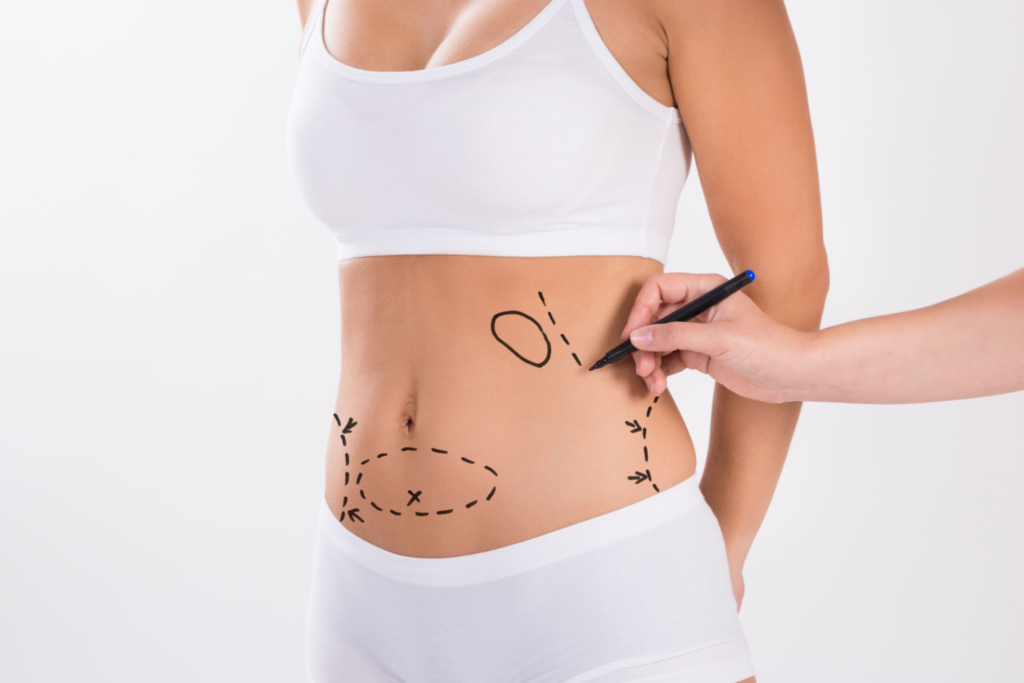
The process begins with a thorough consultation with a qualified plastic surgeon. During this initial meeting, the surgeon will assess your overall health, review your medical history, discuss your aesthetic goals, and evaluate the condition of your abdominal skin, fat, and muscle tone. This is the time to openly communicate your expectations and any concerns you may have. The surgeon will explain the different types of abdominoplasty and recommend the most suitable approach based on your individual needs (DrSuren.com, n.d.).
Pre-operative instructions are critical for a safe and successful outcome. Patients are typically advised to stop smoking at least two weeks before and after the surgery, as smoking can significantly impair healing. It is also essential to avoid certain medications, including blood thinners, herbal supplements, and some over-the-counter drugs, for a specified period before the procedure. A balanced diet is encouraged, and patients must fast for at least eight hours prior to surgery. Arranging for someone to assist with care during the first 24 hours post-surgery is also a key recommendation (Medijump, n.d.; K31.ru, n.d.).
Types of Abdominoplasty and Surgical Techniques
Abdominoplasty procedures are tailored to the extent of correction required, with several variations available:
Full Abdominoplasty (Complete Tummy Tuck)
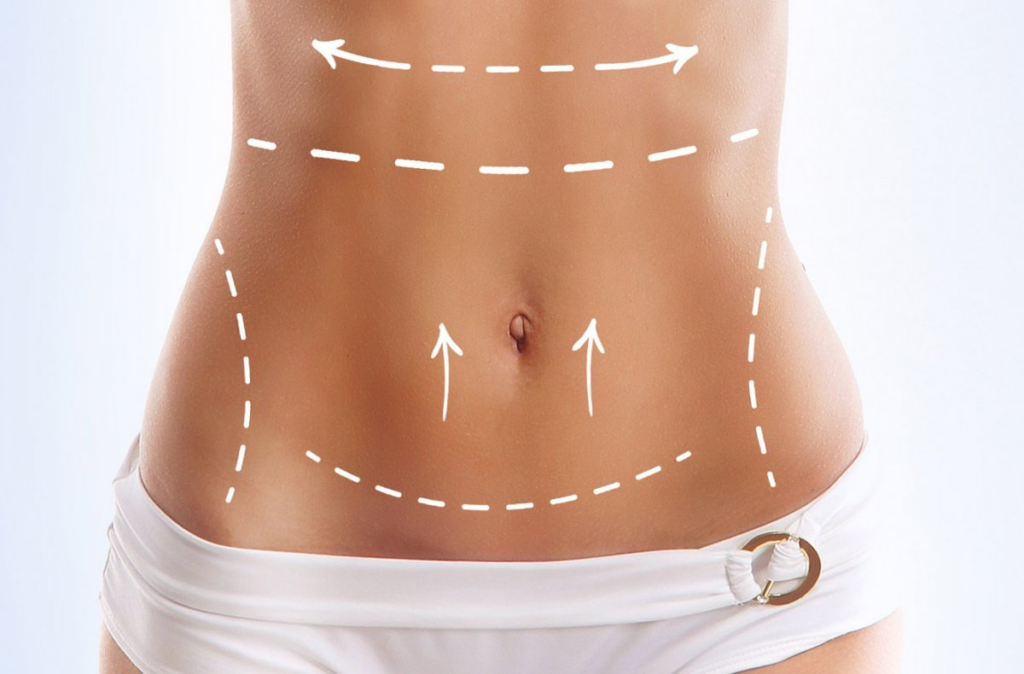
This is the most comprehensive type of tummy tuck, ideal for individuals with significant excess skin, fat, and muscle laxity across the entire abdominal region, both above and below the navel. Under general anesthesia, the surgeon makes a horizontal incision between the hip bones, typically low enough to be concealed by underwear or a bikini. A second incision is made around the navel to free it from the surrounding skin. The skin and fat are then lifted, and the underlying abdominal muscles are tightened and sutured together (plication) to create a firmer abdominal wall. Excess skin and fat are removed, and the remaining skin is redraped and sutured into a new, flatter position. The navel is then repositioned to a natural-looking location. Drainage tubes may be placed temporarily to prevent fluid accumulation (WhatClinic.com, n.d.). This procedure typically takes between two to five hours (Medijump, n.d.).
Mini Abdominoplasty (Partial Tummy Tuck)
A mini tummy tuck is a less extensive procedure, focusing primarily on the area below the navel. It is suitable for patients with mild to moderate skin laxity and localized fat deposits in the lower abdomen. The incision is shorter, usually made along the bikini line, and often the navel does not need to be repositioned. This technique is particularly beneficial for addressing issues like a “pooch” or minor skin laxity after a C-section. Muscle tightening, if needed, is limited to the lower abdominal muscles. Recovery is generally faster compared to a full abdominoplasty (K31.ru, n.d.; WhatClinic.com, n.d.). Specific techniques include periumbilical miniabdominoplasty (incisions around the navel for tightening), mini abdominoplasty with a bikini line incision (to remove C-section scars and correct defects), and mini abdominoplasty with de-epidermization (for slight excess skin removal) (K31.ru, n.d.).
Circular Abdominoplasty (Belt Lipectomy)
For individuals who have experienced massive weight loss, often after bariatric surgery, excess skin and fat can extend around the entire torso, affecting the back, flanks, and thighs in addition to the abdomen. Circular abdominoplasty, also known as a belt lipectomy, is designed to address these extensive concerns. This procedure involves an incision that extends around the entire circumference of the body, allowing for the removal of excess skin and fat from the abdomen, flanks, and lower back, while also lifting the buttocks and outer thighs. It provides a comprehensive body contouring solution, resulting in a more proportionate and streamlined silhouette (DrSuren.com, n.d.).
Patient Selection: Indications and Contraindications
Determining suitability for a tummy tuck involves a thorough evaluation of a patient’s physical health, aesthetic goals, and medical history. The procedure is not universally recommended and carries specific indications and contraindications to ensure patient safety and optimal outcomes.
Ideal Candidates (Indications)
- Excess, Sagging Abdominal Skin: This is a primary indication, often resulting from significant weight loss, multiple pregnancies, or the natural aging process. The skin may hang loosely, creating folds that can cause discomfort, irritation, or hygiene issues (Medijump, n.d.).
- Weakened or Separated Abdominal Muscles (Diastasis Recti): Common after pregnancy, this condition involves the separation of the rectus abdominis muscles, leading to a protruding abdomen that cannot be corrected with exercise. A tummy tuck can repair this separation, restoring core strength and a flatter profile (Medijump, n.d.).
- Localized Fat Deposits Resistant to Diet and Exercise: While not a weight-loss surgery, abdominoplasty can effectively remove stubborn pockets of fat that persist despite a healthy lifestyle (K31.ru, n.d.).
- Stretch Marks on the Lower Abdomen: A tummy tuck can significantly reduce or eliminate stretch marks located on the excised skin below the navel (TreatmentRussia, n.d.).
- Good General Health and Stable Weight: Candidates should be in good overall health and have maintained a stable weight for at least six months prior to surgery. Significant weight fluctuations after the procedure can compromise the results (Medijump, n.d.).
- Realistische Erwartungen: Understanding that a tummy tuck improves contour but does not create a “perfect” body is crucial. Patients should have a clear understanding of the achievable outcomes and potential limitations.
Contraindications and Considerations
- Future Pregnancy Plans: Women planning future pregnancies are generally advised to postpone a tummy tuck. Subsequent pregnancies can stretch the abdominal muscles and skin again, potentially undoing the surgical results (Medijump, n.d.).
- Significant Weight Loss Anticipated: If a patient plans to lose a substantial amount of weight, the surgery should be deferred until their weight has stabilized. Performing a tummy tuck before significant weight loss can lead to new skin laxity (Medijump, n.d.).
- Body Mass Index (BMI) Over 30: A high BMI increases surgical risks and may lead to less optimal aesthetic outcomes. Surgeons often recommend achieving a healthier BMI before considering abdominoplasty (Medijump, n.d.).
- Rauchen: Active smokers face a significantly higher risk of complications, including poor wound healing, infection, and tissue death. Patients are typically required to quit smoking several weeks before and after surgery (Medijump, n.d.).
- Severe Chronic Conditions: Uncontrolled diabetes, heart disease, autoimmune disorders, or other serious chronic illnesses can increase surgical risks and impair healing. A thorough medical clearance from relevant specialists is often required (K31.ru, n.d.).
- Previous Abdominal Surgery with Extensive Scarring: Prior surgeries in the abdominal area can create scar tissue that may complicate a tummy tuck, potentially affecting blood supply and healing.
- Allergy to Anesthesia: A history of severe allergic reactions to anesthesia is a significant contraindication due to the risk of life-threatening complications like Quincke’s edema (K31.ru, n.d.).
- Dermatological Problems: Active skin conditions like eczema, psoriasis, or various dermatitis in the abdominal area can interfere with healing and are typically contraindications (K31.ru, n.d.).
Real-World Applications and Transformative Impact
The impact of a tummy tuck extends far beyond mere cosmetic enhancement, offering profound real-world benefits that can significantly improve a patient’s quality of life. This procedure addresses a range of physical and functional concerns, making it a truly transformative intervention for many.
Post-Pregnancy Body Restoration
One of the most common and impactful applications of abdominoplasty is in restoring the body after pregnancy. The physical changes experienced during and after childbirth can be substantial, often leaving women with stretched abdominal skin, stubborn fat deposits, and weakened or separated abdominal muscles (diastasis recti). A tummy tuck effectively addresses these issues by removing excess skin and fat, and, crucially, by tightening the abdominal wall muscles. This restoration not only flattens the abdomen but also helps to re-establish core strength, which can improve posture and alleviate common post-pregnancy back pain. For many mothers, this procedure is a vital step in regaining their pre-pregnancy figure and confidence (DrSuren.com, n.d.; Medijump, n.d.).
Addressing Significant Weight Loss Challenges
Individuals who have achieved significant weight loss, whether through diet, exercise, or bariatric surgery, often face the challenge of excess, sagging skin that remains after the fat has gone. This redundant skin can create uncomfortable folds, lead to skin irritation, and obscure the underlying muscle definition. A tummy tuck, especially a circular abdominoplasty for more extensive cases, is highly effective in removing this excess skin, sculpting a smoother and more contoured body shape. This not only enhances the aesthetic outcome of their weight loss journey but also improves comfort and mobility, allowing patients to fully appreciate and showcase their hard-earned transformation (DrSuren.com, n.d.).
Medical Benefits Beyond Aesthetics
While often considered a cosmetic procedure, abdominoplasty offers several important medical benefits:
- Hernia Correction: In some cases, a tummy tuck can be performed in conjunction with the repair of certain types of abdominal hernias, particularly umbilical hernias, which can be exacerbated by weakened abdominal muscles (Medijump, n.d.).
- Improved Posture: The tightening of the abdominal muscles can provide better support for the spine, leading to improved posture and a reduction in lower back pain (Medijump, n.d.).
- Reduction of Stress Urinary Incontinence (SUI): For some women, particularly after childbirth, a tummy tuck can help alleviate symptoms of stress urinary incontinence by providing additional support to the pelvic floor muscles (Medijump, n.d.).
- Enhanced Hygiene and Comfort: Removing large folds of excess skin can eliminate areas where moisture and friction can lead to rashes, infections, and discomfort, thereby improving overall hygiene and comfort.
These real-world applications underscore the multifaceted value of abdominoplasty, positioning it as a procedure that not only refines physical appearance but also contributes significantly to physical health and psychological well-being.

The Recovery Process and Aftercare: A Detailed Guide
The recovery period following a tummy tuck is a crucial phase that significantly influences the final outcome. Adhering strictly to post-operative instructions and understanding what to expect during this time is essential for a smooth and successful healing journey.
Immediate Post-Operative Period (First Few Days)
Immediately after surgery, patients will experience some discomfort, tightness, and swelling in the abdominal area. Pain medication will be prescribed to manage any pain. Depending on the extent of the surgery, an overnight hospital stay may be recommended, or patients might be discharged on the same day. Drainage tubes may be placed under the skin to collect excess fluid and prevent seroma formation; these are typically removed within a few days during follow-up appointments (WhatClinic.com, n.d.; Medijump, n.d.).
A compression garment or abdominal binder will be fitted immediately after surgery. This garment is vital for reducing swelling, supporting the healing tissues, and helping the skin conform to its new contour. Patients are often advised to walk slightly bent forward initially to reduce tension on the incision line. Light movement, such as short walks, is encouraged to promote blood circulation and reduce the risk of blood clots, but strenuous activity must be avoided (K31.ru, n.d.; DrSuren.com, n.d.).
Weeks 1-2: Gradual Return to Light Activities
During the first one to two weeks, swelling and bruising will gradually subside. Most patients can return to light, desk-based work within 7-14 days, depending on their individual healing rate and the nature of their job. It is crucial to continue wearing the compression garment as instructed by the surgeon. Wound care involves treating the incision lines with antiseptic agents and healing gels every few days to prevent infection and promote optimal scar formation. Avoiding baths, saunas, swimming pools, and solariums is necessary to protect the healing incisions (K31.ru, n.d.; WhatClinic.com, n.d.).
Weeks 4-8: Increasing Activity Levels
By four to six weeks post-surgery, most of the significant swelling will have decreased, and the new abdominal shape will become more apparent. The compression garment is typically worn for a total of four to eight weeks. While light exercises like walking are beneficial, heavy lifting and activities that strongly engage the abdominal muscles should still be avoided. Patients can gradually increase their activity levels, but it is important to listen to their body and not push themselves too hard. Full return to vigorous physical training and gym activities is usually recommended no earlier than one to two months after the procedure (K31.ru, n.d.; Medijump, n.d.).
Long-Term Aftercare and Scar Management
Scars are an inevitable part of any surgical procedure, and a tummy tuck will leave a permanent scar along the lower abdomen. Surgeons meticulously plan incisions to be as discreet as possible, often placed low enough to be hidden by underwear or swimwear. Initially, scars will appear reddish and raised, but over time, they typically fade and flatten, becoming less noticeable. Consistent scar care, including massage and silicone-based products, as recommended by your surgeon, can further improve their appearance. Protecting scars from direct sunlight for several months is also important to prevent hyperpigmentation (K31.ru, n.d.).
Maintaining the long-term results of a tummy tuck is closely tied to a healthy lifestyle. Significant weight fluctuations or future pregnancies can compromise the aesthetic outcome by stretching the skin and muscles again. Therefore, a balanced diet and regular exercise are crucial for preserving the flatter, firmer abdominal contour achieved through surgery (Medijump, n.d.; DrSuren.com, n.d.).
Future Implications and Long-Term Impact Analysis (Up to 10 Years)
The decision to undergo a tummy tuck is an investment in one’s body and self-confidence, with results that can endure for many years. Understanding the long-term implications and how to maintain the benefits is crucial for patients to fully appreciate their transformation over a decade or more.
Durability of Results
The physical changes achieved through a tummy tuck are generally considered long-lasting, often extending for a lifetime, provided certain lifestyle factors are maintained. The removal of excess skin and fat is permanent, and the tightening of the abdominal muscles creates a more stable and firm foundation. This internal restructuring helps to resist future stretching and sagging to a significant degree. Patients can expect to enjoy a flatter, more contoured abdomen for many years, often a decade or more, as long as they commit to a stable weight and a healthy lifestyle (DrSuren.com, n.d.; Medijump, n.d.).
Maintaining the Aesthetic Outcome
The longevity of a tummy tuck’s aesthetic benefits is directly correlated with a patient’s commitment to maintaining a stable weight. Significant weight gain after the procedure can stretch the remaining skin and fat, potentially leading to new areas of laxity and compromising the surgical results. Similarly, future pregnancies, while medically possible, can also stretch the abdominal muscles and skin, which may necessitate revision surgery to restore the original outcome (Medijump, n.d.).
Therefore, a balanced diet and regular physical activity are not just recommendations but essential components of long-term aftercare. Engaging in consistent exercise, including core-strengthening routines (once fully recovered and cleared by the surgeon), helps to maintain muscle tone and support the abdominal wall. A nutritious diet prevents weight fluctuations, which are the primary threat to the durability of tummy tuck results. Patients who integrate these habits into their daily lives are most likely to experience sustained satisfaction with their abdominal contour (K31.ru, n.d.).
Psychological and Quality of Life Improvements
Beyond the physical, the long-term psychological benefits are substantial. Many patients report a sustained improvement in self-esteem and body confidence. This renewed self-image can translate into a more active social life, greater comfort in various clothing, and an overall enhanced quality of life. The initial investment in surgery often yields dividends in terms of improved mental well-being and a more positive self-perception that can last for decades (Medijump, n.d.).
Potential for Revision or Age-Related Changes
While results are long-lasting, it is important to acknowledge that the natural aging process continues. Over many years, skin elasticity may naturally diminish, and minor changes in body contour can occur. In some cases, a very minor revision procedure might be considered decades later to address subtle age-related changes, but this is not a common necessity. The fundamental improvements from the initial tummy tuck typically remain intact, providing a significantly better abdominal profile than would have been possible without the surgery.
Risks, Complications, and Non-Surgical Alternatives
Like any surgical procedure, abdominoplasty carries potential risks and complications, which patients should be fully aware of before making a decision. Additionally, understanding non-surgical alternatives can help in setting realistic expectations and choosing the most appropriate path for body contouring.
Mögliche Risiken und Komplikationen
While tummy tuck surgery has a high success rate and is generally safe, complications can occur. These include (Medijump, n.d.; K31.ru, n.d.):
- Seroma: This is the most common complication, involving the accumulation of fluid beneath the skin. It may require drainage by the surgeon.
- Infektion: Although rare (around 0.5% risk), any surgical incision carries a risk of infection, which can be managed with antibiotics.
- Bleeding/Hematoma: Internal bleeding or blood collection (hematoma) can occur, sometimes requiring further surgical intervention.
- Schlechte Wundheilung: Factors like smoking, poor nutrition, or underlying health conditions can impair wound healing, potentially leading to wider or more noticeable scars.
- Unexpected Scarring: While surgeons aim for discreet scars, individual healing varies, and some patients may develop hypertrophic or keloid scars.
- Changes in Skin Sensation: Numbness or altered sensation in the abdominal area is common and can be temporary or, in rare cases, permanent.
- Tissue Damage or Death (Necrosis): In very rare instances, compromised blood supply can lead to tissue damage or death, requiring additional treatment.
- Allergic Reaction to Anesthesia: Although rare, severe allergic reactions to anesthesia can be life-threatening.
- Blood Clots: Deep vein thrombosis (DVT) or pulmonary embolism (PE) are serious but rare complications. Early mobilization after surgery helps to mitigate this risk.
Adhering to all pre- and post-operative instructions from your surgeon is paramount in minimizing these risks.
Non-Surgical Alternatives
For individuals with minimal skin laxity and primarily localized fat deposits, non-surgical body contouring options may be considered. However, it is crucial to understand that these alternatives offer limited results compared to the dramatic and comprehensive changes achievable with a surgical tummy tuck (Medijump, n.d.).
- Fettabsaugung: This procedure primarily removes fat deposits but does not address excess skin or muscle laxity. It is suitable for patients with good skin elasticity who only need fat reduction (WhatClinic.com, n.d.).
- CoolSculpting (Cryolipolysis): This non-invasive technique freezes fat cells, which are then naturally eliminated by the body. Results appear gradually over weeks to months. It is effective for small, localized fat pockets but does not tighten skin or muscles (Medijump, n.d.).
- SculpSure (Laser Lipolysis): Using laser energy to heat and destroy fat cells, SculpSure is another non-invasive option for fat reduction. Similar to CoolSculpting, it offers modest fat reduction and minimal skin tightening, with results visible over several weeks (Medijump, n.d.).
- Radiofrequency (RF) or Laser-Assisted Procedures: These technologies can offer some degree of skin tightening and fat reduction, but their effects are generally mild and not comparable to the surgical removal of significant excess skin (WhatClinic.com, n.d.).
These alternatives are best suited for patients seeking minor improvements or those who are not candidates for surgery. For significant skin laxity, muscle separation, or extensive fat removal, a tummy tuck remains the gold standard.
Conclusion: Embracing a Transformed Future with Confidence
The journey towards a more contoured and confident abdominal profile, often sought through abdominoplasty or a tummy tuck (Подтяжка Живота), is a deeply personal and transformative one. As we have explored, this sophisticated surgical procedure offers far more than just aesthetic enhancement; it provides a pathway to significant physical and psychological well-being for individuals grappling with the aftermath of major life events such as pregnancy, substantial weight loss, or the natural progression of aging. By meticulously removing excess skin and fat, and expertly tightening weakened abdominal muscles, a tummy tuck effectively addresses concerns that are often resistant to even the most diligent diet and exercise regimens. The result is a flatter, firmer, and more aesthetically pleasing midsection that harmonizes with the body’s natural contours, fostering a renewed sense of self-assurance and comfort.
Throughout this guide, we have delved into the intricate details of abdominoplasty, from the crucial initial consultation and comprehensive pre-operative preparations to the various surgical techniques employed, including full, mini, and circular abdominoplasty, each tailored to specific patient needs. We have highlighted the importance of patient selection, outlining clear indications for ideal candidates and emphasizing critical contraindications to ensure safety and optimize outcomes. The real-world benefits extend beyond the visual, encompassing improved posture, alleviation of back pain, correction of certain hernias, and even the reduction of stress urinary incontinence, underscoring the procedure’s multifaceted value. Furthermore, a detailed understanding of the recovery process, encompassing immediate aftercare, gradual return to activity, and long-term scar management, is fundamental for a successful healing journey and the preservation of results.
Looking ahead, the long-term impact of a tummy tuck is remarkably durable, with results often lasting a lifetime, provided patients commit to a stable weight and a healthy lifestyle. This commitment is not merely a recommendation but a cornerstone for maintaining the aesthetic and functional benefits achieved through surgery. While non-surgical alternatives exist, their scope is limited to minor fat reduction and minimal skin tightening, making them unsuitable for addressing significant skin laxity or muscle separation. The potential risks and complications, though generally low, necessitate thorough discussion with a qualified surgeon and strict adherence to medical advice. Ultimately, the decision to undergo abdominoplasty is a significant one, requiring careful consideration, realistic expectations, and a partnership with an experienced medical team.
For those in Russia and beyond who have long envisioned a more confident and comfortable abdominal profile, a tummy tuck represents a powerful opportunity for transformation. It is an invitation to reclaim a sense of physical harmony and to step forward with renewed self-esteem. If you are contemplating this life-enhancing procedure, we strongly encourage you to seek a personal consultation with a board-certified plastic surgeon. An expert evaluation will provide you with tailored information, address your unique concerns, and help you determine if abdominoplasty is the right choice for your individual goals. Embrace the possibility of a revitalized future, where your outer appearance truly reflects the inner confidence you deserve.
Frequently Asked Questions About Tummy Tuck Surgery
Was ist eine Bauchstraffung (Abdominoplastik)?
A tummy tuck, or abdominoplasty, is a surgical procedure that removes excess skin and fat from the abdomen and tightens weakened abdominal muscles to create a smoother, firmer abdominal profile. It is often performed after significant weight loss or pregnancy.
Who is an ideal candidate for a tummy tuck?
Ideal candidates are generally healthy individuals with stable weight who have excess abdominal skin, stubborn fat deposits, or weakened abdominal muscles that haven’t responded to diet and exercise. Women who have completed their families and individuals after significant weight loss are common candidates.
What is the difference between a full tummy tuck and a mini tummy tuck?
A full tummy tuck addresses the entire abdominal area, involving a longer incision, navel repositioning, and extensive muscle tightening. A mini tummy tuck focuses on the area below the navel, with a shorter incision and no navel repositioning, suitable for less extensive concerns.
How long does the recovery process take?
Initial recovery for light activities typically takes 2-3 weeks. Strenuous activities and full exercise can usually be resumed after 6-8 weeks. Complete healing and final results may take several months, with swelling gradually subsiding over this period.
Are the results of a tummy tuck permanent?
The results of a tummy tuck are considered long-lasting, often permanent, provided you maintain a stable weight and a healthy lifestyle. Significant weight fluctuations or future pregnancies can compromise the results.
What are the potential risks and complications of a tummy tuck?
Potential risks include seroma (fluid accumulation), infection, bleeding, poor wound healing, unexpected scarring, changes in skin sensation, tissue damage, and allergic reactions to anesthesia. Your surgeon will discuss these thoroughly during consultation.
Can a tummy tuck help with stretch marks?
Yes, a tummy tuck can significantly reduce or eliminate stretch marks located on the excess skin that is removed from the lower abdomen. Stretch marks above the navel may be improved but not fully removed.
Is a tummy tuck a weight-loss procedure?
No, a tummy tuck is a body-contouring procedure, not a weight-loss solution. It is most effective for individuals who are already close to their ideal weight but have excess skin and fat that cannot be removed through diet and exercise.
Bibliography
- DrSuren.com. (n.d.). Abdominoplasty – Tummy Tuck. Retrieved January 6, 2026, from https://drsuren.com/abdominoplasty-tummy-tuck/
- K31.ru. (n.d.). Mini abdominoplasty in Moscow, tummy tuck, prices. Retrieved January 6, 2026, from https://www.k31.ru/en/service/plasticheskaya-hirurgiya/mini-tummy-tuck.html
- Medijump. (n.d.). Tummy Tuck in Russian Federation. Retrieved January 6, 2026, from https://www.medijump.com/tummy-tuck-procedures-in-russianfederation
- TreatmentRussia. (n.d.). Tummy tuck in Russia. Retrieved January 6, 2026, from https://treatmentrussia.com/specialization/tummy-tuck/
- WhatClinic.com. (n.d.). Tummy Tuck in Russia • Check Prices & Reviews. Retrieved January 6, 2026, from https://www.whatclinic.com/cosmetic-plastic-surgery/russia/tummy-tuck
 German
  English
  Russian
  Turkish
  Arabic
  Spanish
  Italian